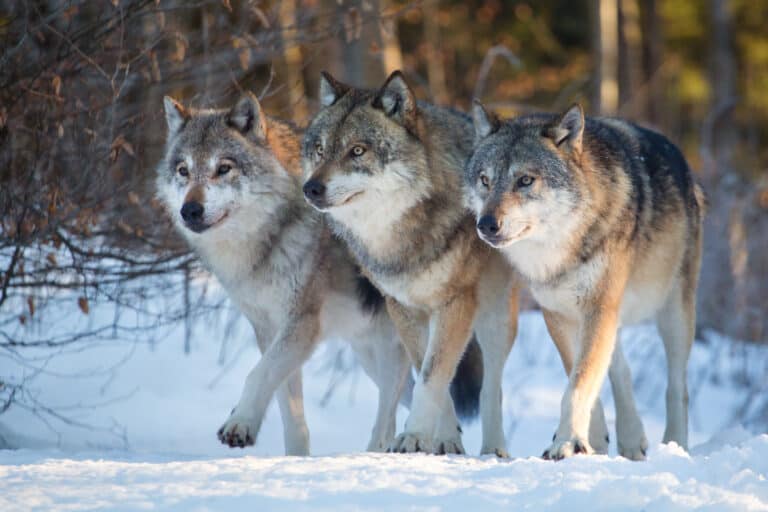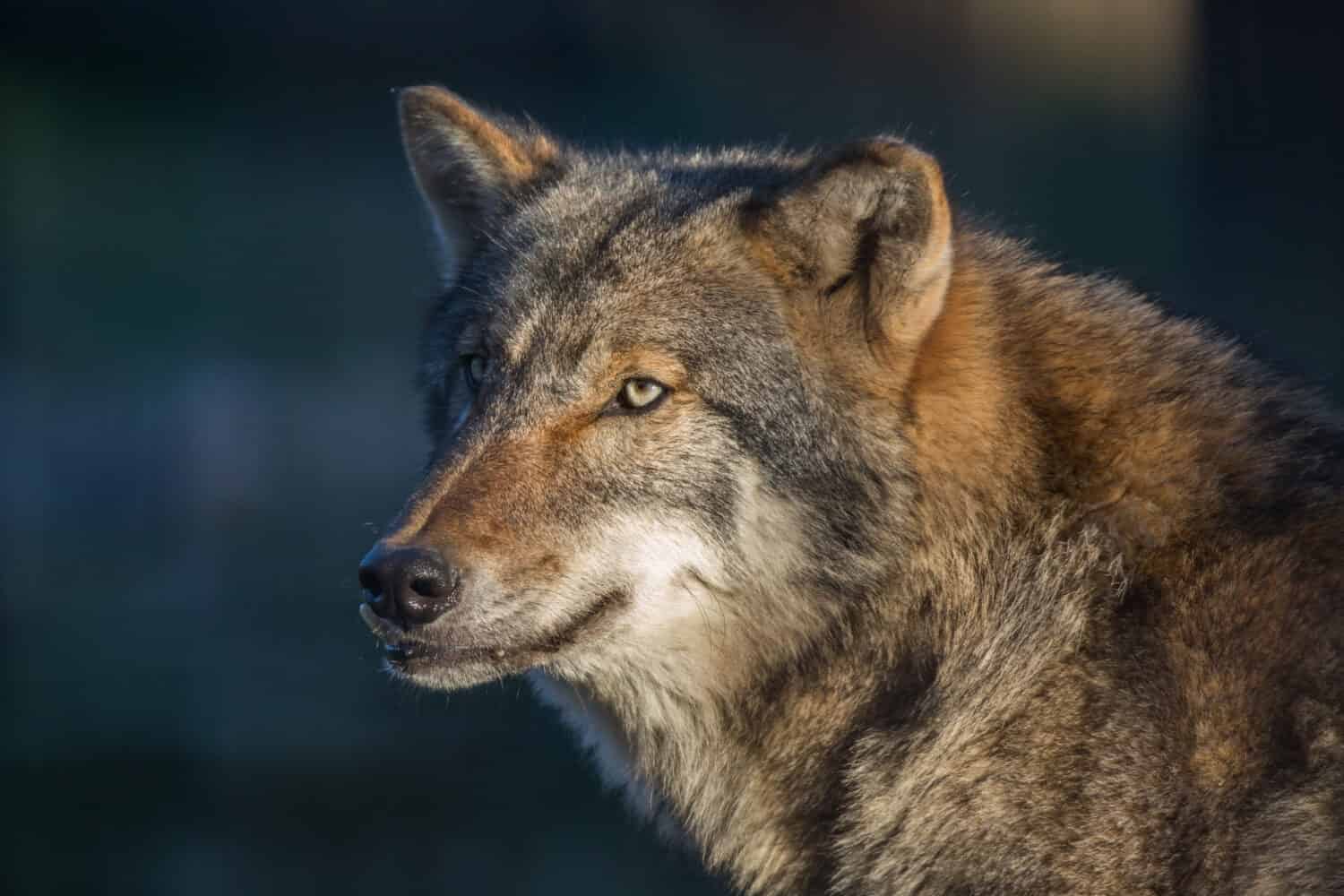

Quick Take
- Colorado reintroduced gray wolves starting in 2023 after eradication, but the program faces federal sourcing bans and rejections from neighboring states.
- Twelve wolves have died since relocation, with deaths from predation, vehicle collisions, and shootings, keeping survival below the 70 to 85% target.
- Successful relocations in Idaho and Isle Royale show that rancher cooperation and non-lethal deterrents lead to better outcomes.
Gray wolves were once plentiful in Colorado. As settlers moved west and hunted the gray wolves’ natural prey, such as bison and elk, the wolves’ food sources dwindled. As a result, wolves began preying on ranchers’ livestock, which led to extermination campaigns in which the government and ranchers offered bounties on wolves and other predators. In 1892, more than 10,000 wolves and coyotes were killed in Colorado for a bounty of $1 per kill. By the 1940s, hunters had eradicated gray wolves from the state.
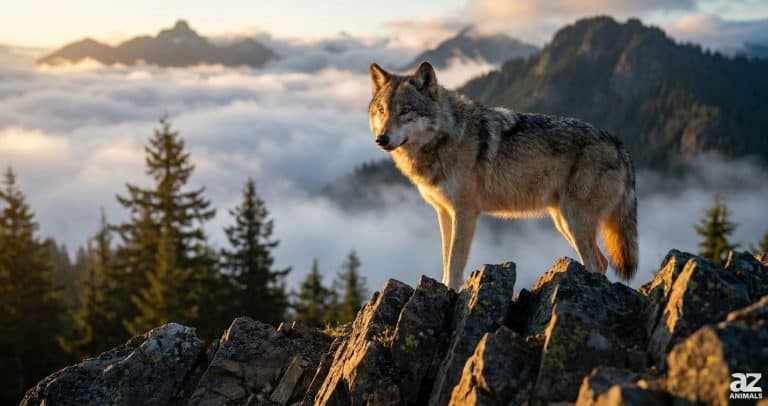
Today, we understand that keystone predators, such as gray wolves, help keep the balance of a healthy ecosystem. Colorado voted to approve a wolf reintroduction program in 2020, with the first wolves released in the state in 2023. However, Colorado’s reintroduction program is facing some serious hurdles.
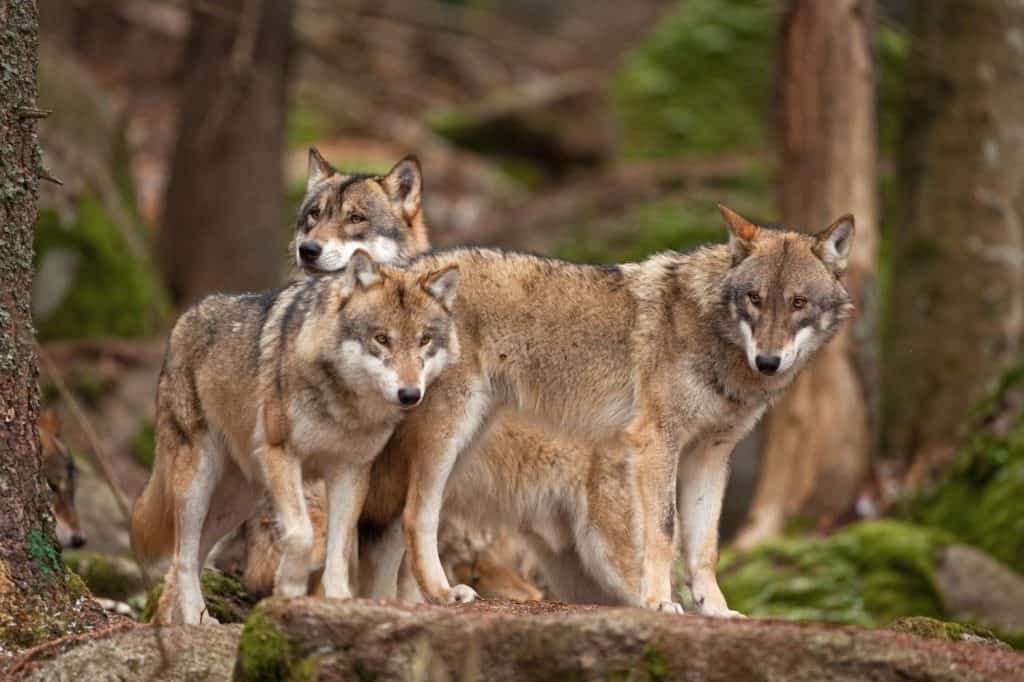
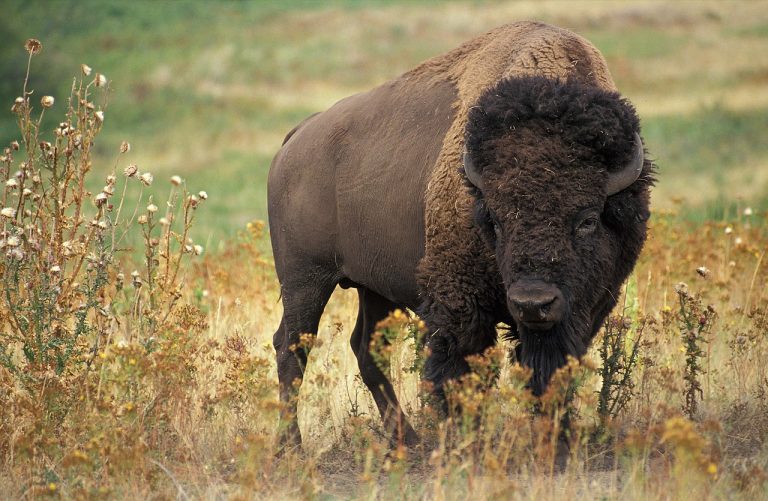
Wolves prey on deer, elk, and moose, preventing them from overgrazing the land. Overgrazing can lead to a loss of resources for other species, such as birds and beavers.
©Martin Prochazkacz/Shutterstock.com
Colorado’s Wolf Relocation Program Kicked Off in 2023
In the winter of 2023, Colorado wildlife officials brought ten gray wolves from Oregon to northwestern Colorado. Colorado Governor Jared Polis said in a statement, “Today, history was made in Colorado. For the first time since the 1940s, the howl of wolves will officially return to western Colorado.”
The program seemed to be going well at the beginning. In January 2025, Colorado wildlife officials obtained another 15 wolves from Canada. The plan was to reintroduce 30 to 50 wolves from Canada to Colorado over three to five years, with the goal of establishing a permanent breeding population in the state. However, the program has hit a number of snags and is in danger of failing.
At Least 12 Wolves Have Died in Colorado

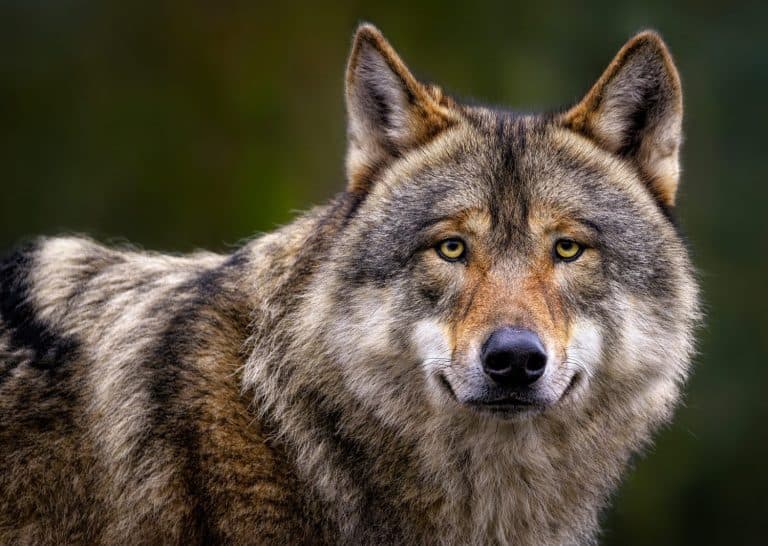
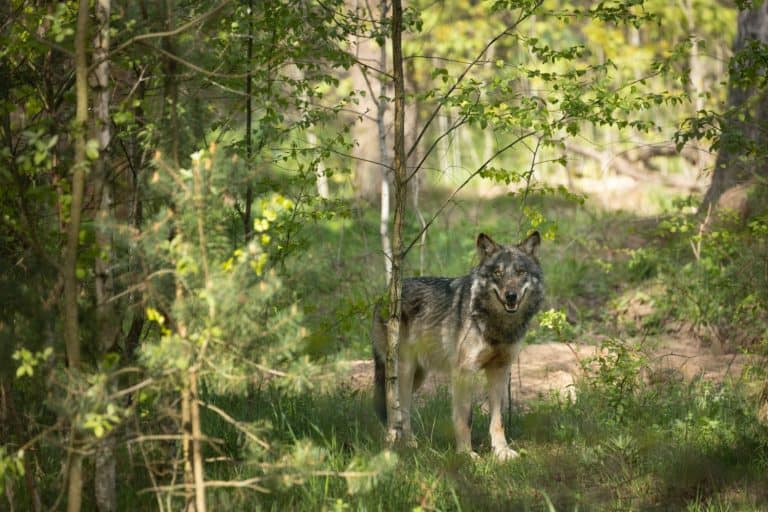
Colorado’s wolf relocation program is facing problems with obtaining wolves.
©akrassel/iStock via Getty Images
Wolves in the wild face harsh circumstances, and at least 12 wolves in Colorado have died since their move. Wildlife officials announced the most recent death—a female wolf from Canada—in November. Of the 12 deaths, three were from the original 10 wolves relocated from Oregon, six were from the 15 brought from Canada, and the remaining three were offspring of these relocated wolves.
The wolves died for various reasons: some were killed by predators, one was hit by a car, and two wandered into Wyoming, where the causes of death are unknown. Additionally, some were shot—either illegally or by Colorado officials—for attacking livestock. Officials had hoped for a survival rate of 70 to 85 percent, but these deaths have resulted in a survival rate well below their goal.
The Trump Administration Bans Colorado From Sourcing Canadian Wolves
Colorado officials hoped to bring 30 to 50 wolves from Canada to the state over the course of three to five years. However, the federal government has put a stop to this plan. U.S. Fish and Wildlife Service Director Brian Nesvik informed Colorado Parks and Wildlife in a letter that wolves can only be transported to Colorado from the Northern Rockies states, as reported by the Associated Press.
Washington State Rejected Colorado’s Request
After Canadian wolves were no longer an option, Colorado officials reached out to Washington State. Washington State denied the request for 15 wolves. Commissioner Lorna Smith told KUNC Radio, “I’m really torn on this issue, because of course I’d love to see wolves recovered across the Rocky Mountain range in Colorado, but Washington’s wolves are not in a position to assist with that.” Washington’s wolf population experienced a 9 percent decline in 2024.
Furthermore, Idaho, Wyoming, and Montana—as well as the Confederated Tribes of the Colville Nation in Washington State—have also declined to send wolves to Colorado. The Colorado Sun reported the Idaho Fish and Game director wrote in a letter, “Idaho’s experience leads us to conclude that negative impacts of wolves sent to Colorado will not stay in Colorado.”
Wyoming had previously refused to give wolves to Colorado, and their stance has remained the same. In 2021, the Wyoming governor told reporters in an email that the state was against Colorado’s reintroduction program because “Colorado’s approach to wolf management is completely different from Wyoming’s. Here, we remain committed to maintaining populations in suitable habitat and managing for social acceptance in other parts of the state.”
A spokesperson for the Montana Fish, Wildlife, and Parks Department wrote in a statement that it would involve time and resources to trap and relocate the wolves. “Wolf management in Montana is controversial and demands a balance of sometimes competing values from landowners, hunters, trappers, and the general public. This will remain our focus. Moving wolves to Colorado would involve a lengthy environmental review, public process, and ultimately a commission decision. It would also involve staff time in the field to find, trap, and move wolves. This effort would take our focus off managing wolves for the people of Montana. We are simply not willing to divert our attention from this important task.”
Where Has Wolf Relocation Worked in the U.S.?
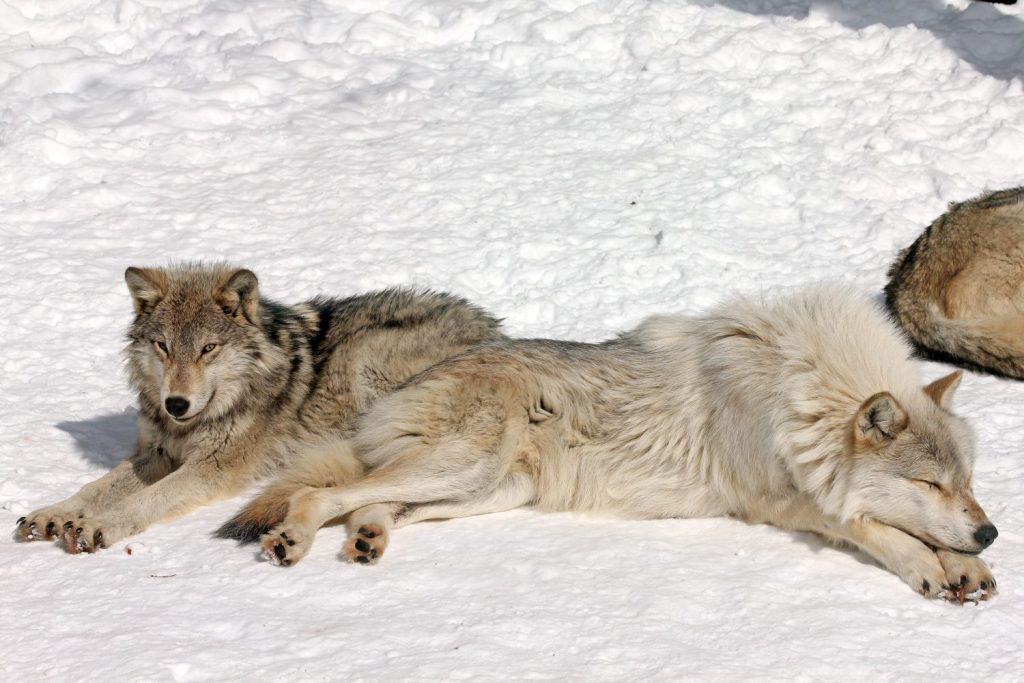
Yellowstone National Park successfully reintroduced wolves to the area in the 1990s.
©208192/Shutterstock.com
According to the Aspen Times, ranchers in Colorado complained they have not been given much information about the wolf relocation program, such as when and where the wolves would arrive. Additionally, the ranchers say they weren’t given tools or resources to protect their livestock from wolves with nonlethal means. This is in contrast to states where wolf relocation has been successful.
In Idaho, the federal government reintroduced wolves to Yellowstone National Park and the Frank Church Wilderness Area in the 1990s. Officials worked closely with ranchers, providing information and answering questions. Wildlife biologist Carter Niemeyer told the Aspen Times, “We sat in the house, we talked, we drank coffee, and tried to answer everybody’s questions. When I left, I’d tell them, ‘Here’s my card, here’s my number.’” Today, there are around 1,200 wolves in Idaho.
In Michigan’s Isle Royale National Park, wolves have made a comeback since being reintroduced in 2018. The Red Wolf Recovery Program has had success in North Carolina. And finally, Mexican gray wolves have been captured in Mexico and successfully reintroduced to the southwest states.
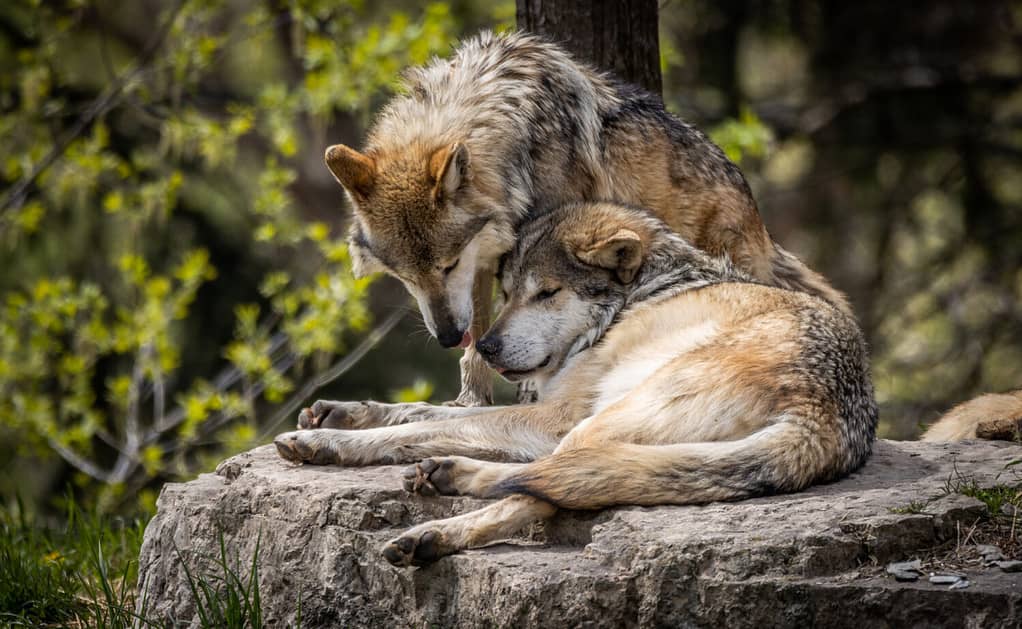
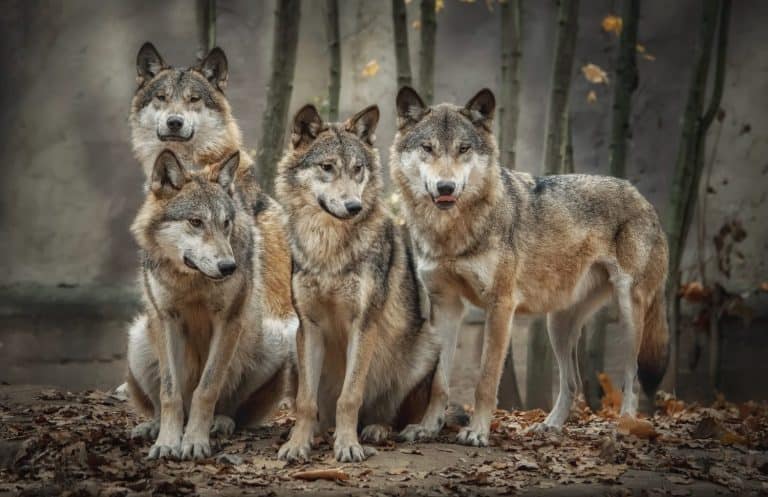
Mexican gray wolves are a subspecies of the gray wolf.
©Luke23/Shutterstock.com
How Apex Predators, Like Wolves, Help Ecosystems Thrive
Wolves are apex predators and have a significant impact on their habitats. When wolves were eradicated from areas they once roamed, the landscape changed. According to the Washington Department of Fish and Wildlife, studies have shown that coyote populations are reduced when wolves are present. As top carnivores, wolves prey on large animals—including elk, deer, and moose—as well as smaller mammals.
In Washington, land that was once overgrazed by deer and elk recovered when wolves returned. A study conducted in Wisconsin found that aspen, willow, and cottonwood trees increased in areas where wolves returned. Scientists believe it’s not due to a reduction in deer and elk populations, but a change in their behavior. When prey animals are concerned about predators, they do not linger in one spot and overfeed in a single area. The study also found a reduction in deer-vehicle collisions. Again, scientists believe this is due to a change in behavior in the deer rather than a decline in their population.
Despite the many benefits, without awareness campaigns to educate the public, wolf relocation programs may face resistance. Ranchers and rural communities are concerned about losing livestock to reintroduced wolves. The programs with the most success have provided ranchers with non-lethal deterrents to protect livestock from wolf attacks. When conservationists work with farmers and ranchers, rather than at odds with them, introducing wolves to an ecosystem has the best chance of success.