Quick Take
- Researchers poked, pinched, and flipped these spiders. What happened next defies their fearsome reputation.
- That nasty skin wound blamed on a spider may have a very different culprit.
- Florida's famous recluse infestations hide a surprising twist about which spider is really living there.
- This feared spider has a tender side few people ever see.
Brown recluse spiders are among the most feared spiders in the U.S. With their fondness for dark crevices and their venomous bite, these leggy brown spiders have developed a scary reputation. Although their bites can cause necrotic wounds, a recent study published in the Journal of Medical Entomology challenged some common beliefs about these misunderstood spiders.
Researchers Louis Coticchio and Deby Cassill found that recluse spiders are reluctant to bite, even when repeatedly harassed. Further, severe necrotic wounds attributed to them may be much less common than people believe. We spoke with Cassill, an associate professor of integrative biology at the University of South Florida, to learn more about these fascinating arachnids.

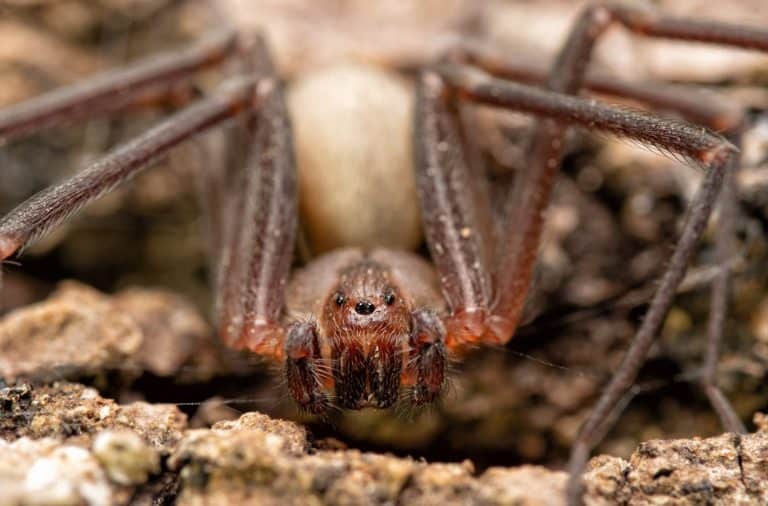
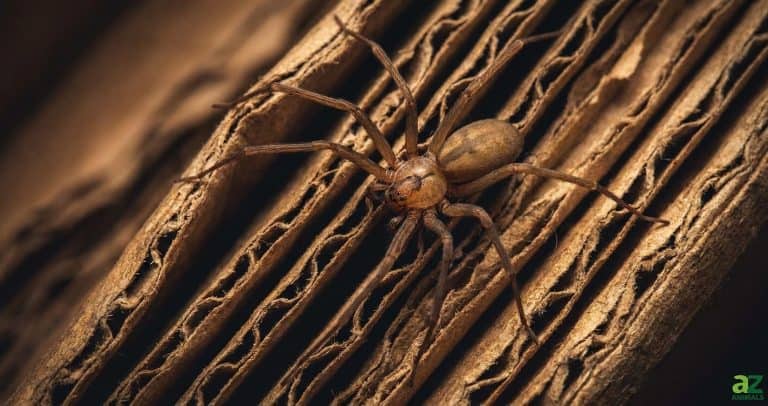
The shy brown recluse spider is widely misunderstood.
©Sari ONeal/Shutterstock.com
Meet the Brown Recluse Spider (Not as Common as You May Think)
Brown recluse spiders (Loxosceles reclusa) are found mainly in the South and Midwest U.S. Despite media attention regarding brown recluse spiders in Florida, the study found no breeding populations in the state. Out of 220 properties, breeding populations of recluse spiders were found in 19 of them. However, these recluse spiders were not the native brown recluse spider (L. reclusa), but the invasive Mediterranean recluse spider (Loxosceles rufescens).
As their name suggests, brown recluse spiders are shy and prefer to stay out of sight. When outdoors, they hang out under wood piles or among rocks and leaf litter. Recluse spiders like the warmth and dryness of homes and will seek refuge inside garages, basements, and attics. They tend to hide in dark, undisturbed areas such as closets, behind furniture, or inside shoes.

Florida is home to the invasive Mediterranean recluse spider.
©Tobias Hauke/Shutterstock.com
Recluse spiders are genuinely terrified of us. Their bites are exceedingly rare and always defensive.
Deby Cassill, associate professor of integrative biology at the University of South Florida
Not Every Mysterious Skin Wound Comes From a Spider Bite
Brown recluse spiders get their frightening reputation due to their venom, which they use to paralyze prey and liquefy internal organs so they can drink their food. Their venomous bite is medically significant to humans and contains a destructive enzyme called sphingomyelinase D. This enzyme can break cell membranes and may lead to necrosis, or tissue death. However, experts believe many so-called recluse spider bites are actually misdiagnosed.
Cassill explains, “Necrosis occurs when bacteria or yeast infect an area of the skin after a scratch, scrape, cut, or mosquito bite. People associate necrosis with the recluse spider. It’s a myth that is deeply embedded in our psyche and thus is difficult to dispel.”
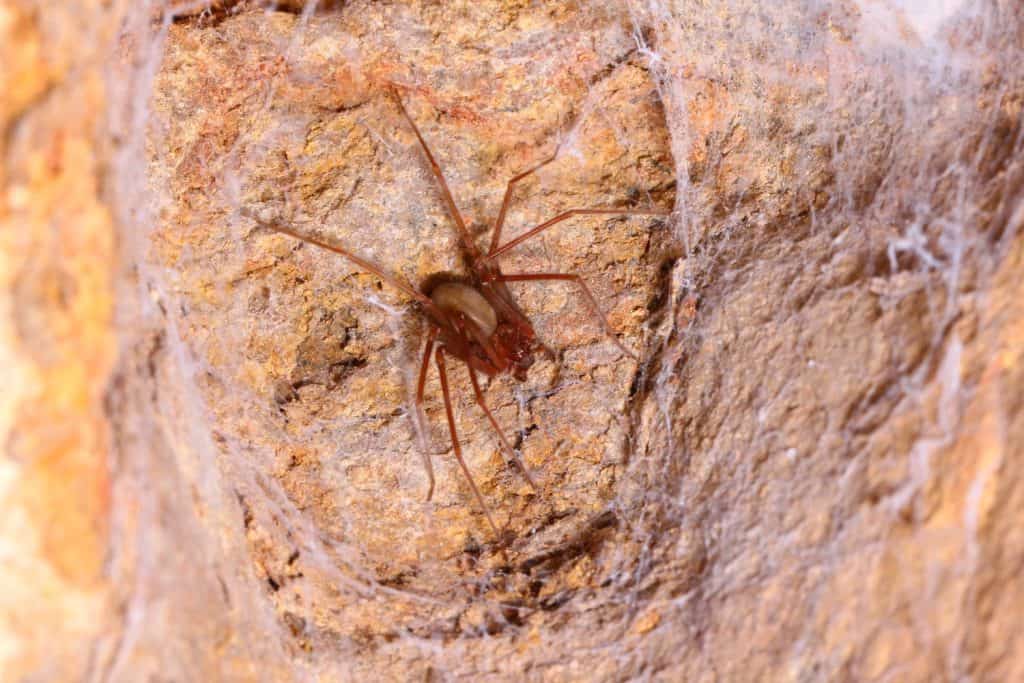
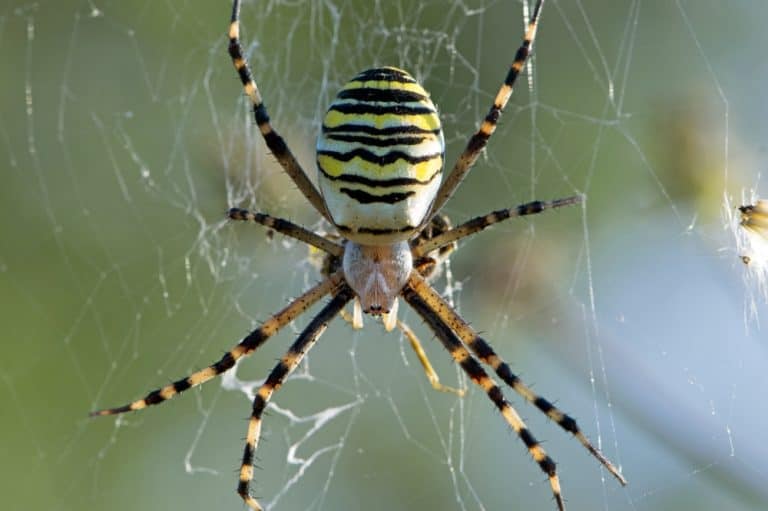
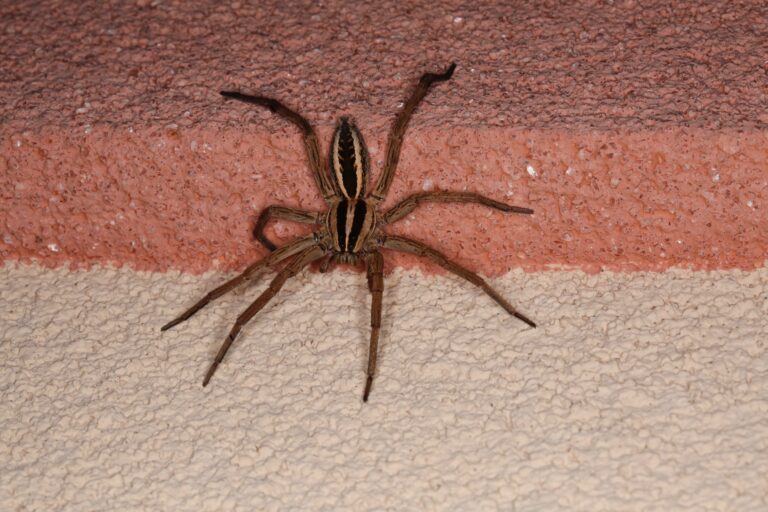
Brown recluse spiders are easily misidentified as other common brown spiders.
©Pong Wira/Shutterstock.com
Recluse spiders can be identified by their brown color and violin-shaped mark on their cephalothorax, the body segment where their legs attach. These nondescript brown spiders are easily mistaken for other common spiders such as wolf, cellar, or grass spiders. “To the untrained eye, most spiders look alike,” says Cassill. “We enjoy the attention gained by sharing a scary spider story, so we assume to a conclusion about a bite based on scary mythology.”
Researchers Found Recluse Spiders Are Reluctant to Bite
Laboratory experiments found that recluse spiders, both the native brown recluse and the invasive Mediterranean recluse, are remarkably reluctant to bite humans. Coticchio tested this by conducting laboratory experiments where spiders were repeatedly prodded and pinched with gel-tipped tools. Wolf spiders bit 80% of the time when provoked. But recluse spiders primarily bit only during severe physical stress, such as being squeezed or flipped upside down.
“The natural personality of these spiders is that they are shy, reclusive, hermits living their entire lives hiding in small, secluded spaces,” says Cassill. “Recluse spiders are reluctant to bite because venom is expensive. Better to hide than waste venom on a human.”
Brown Recluse Spiders Are Misunderstood in More Ways Than One
Like all spiders, brown recluse spiders are beneficial to the ecosystem. “Recluse spiders are excellent pest control agents in spaces that we do not often visit moths, flies, mosquitoes, and roaches,” says Cassill. Although they actively hunt prey, brown recluse spiders also act as a cleanup crew. Unlike most spiders, brown recluse spiders scavenge as well as hunt for their meal.
Many people may be surprised to learn that brown recluse spiders are excellent mothers. Brown recluse spiders lay fertilized eggs inside a silk cocoon. The mother spider may attach the cocoon to a plant, her web, or carry it with her. After two weeks, the eggs hatch, but the hatchlings remain in the cocoon, protected by the presence of their mother for a few more weeks.
Cassill tells us, “I was really touched by how gentle and protective these mothers are with their hatchlings. Most hatchlings stay with her if her nest in an area that attracts sufficient prey to keep her family well fed.”
Researchers Still Have Questions About Recluse Spider Behavior
Researchers still have much to learn about these fascinating and misunderstood creatures. Cassill tells us, “Little is known about the dispersal of hatchlings to find a suitable home or adult males to find a mate. Are recluse spiders nocturnal dispersers? Are they thigmotaxic, preferring corners and edges to wide-open spaces.”
What we do know is that brown recluse spiders are more afraid of us than we are of them. Cassill says, “Recluse spiders are genuinely terrified of us. Their bites are exceedingly rare and always defensive.”