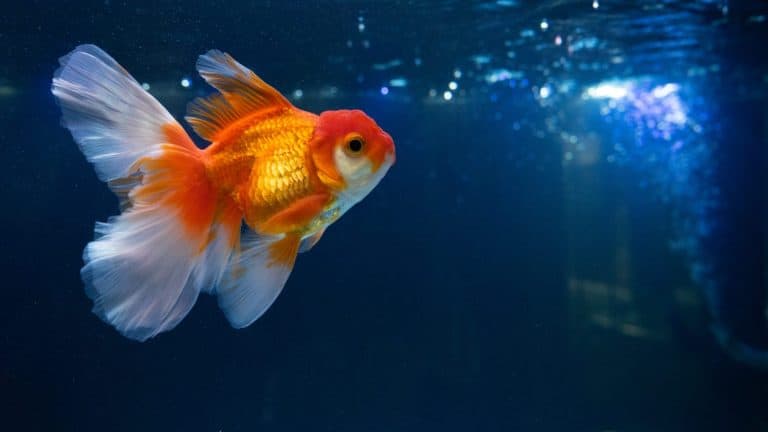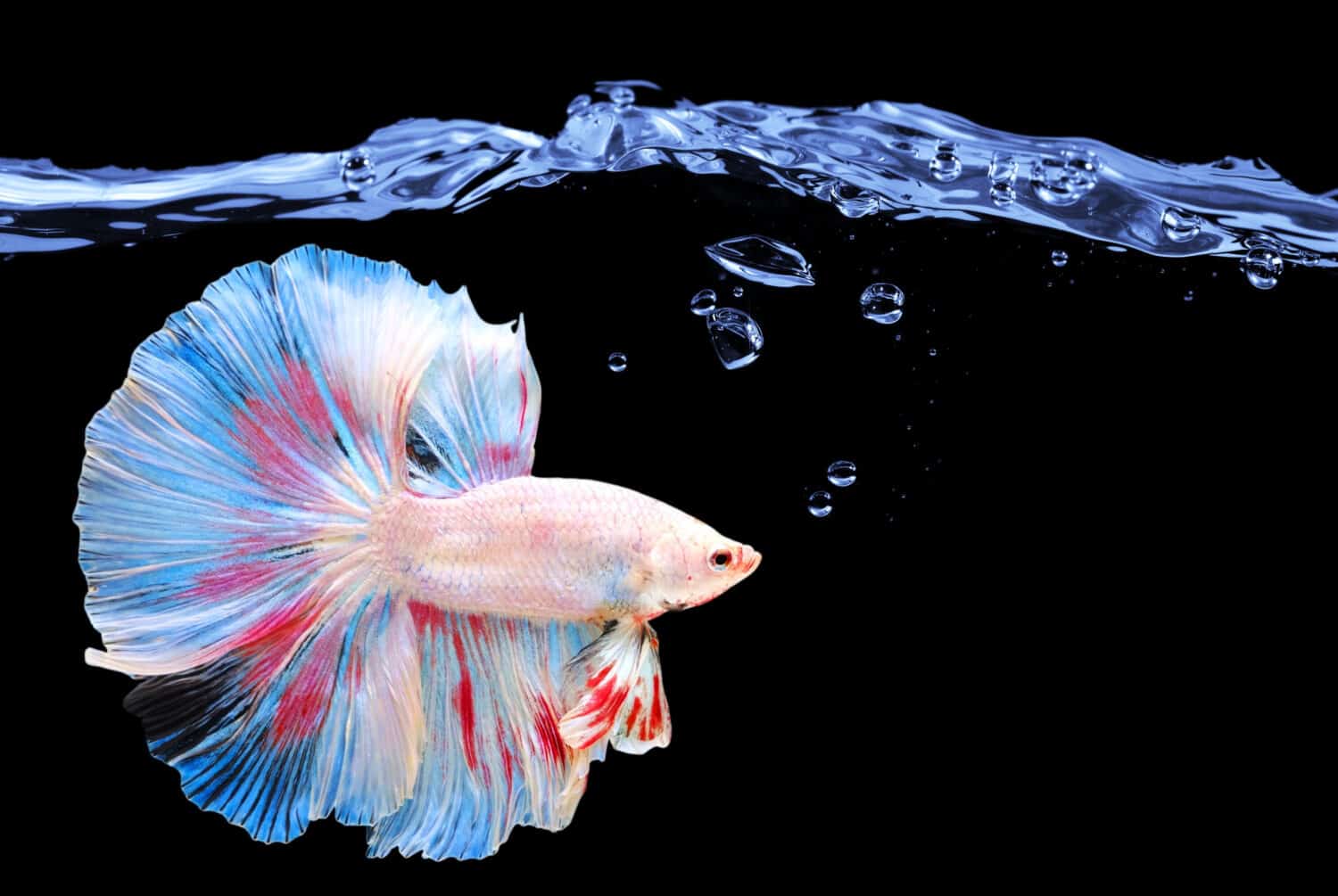

Betta fish, also known as Siamese fighting fish, are often regarded as one of the most accessible and colorful additions to the home aquarium. With their flowing fins, vivid colors, and striking personalities, bettas captivate both beginner fish-keepers and seasoned aquarists. Their appearance is almost otherworldly, like living art in motion, which only adds to their appeal.
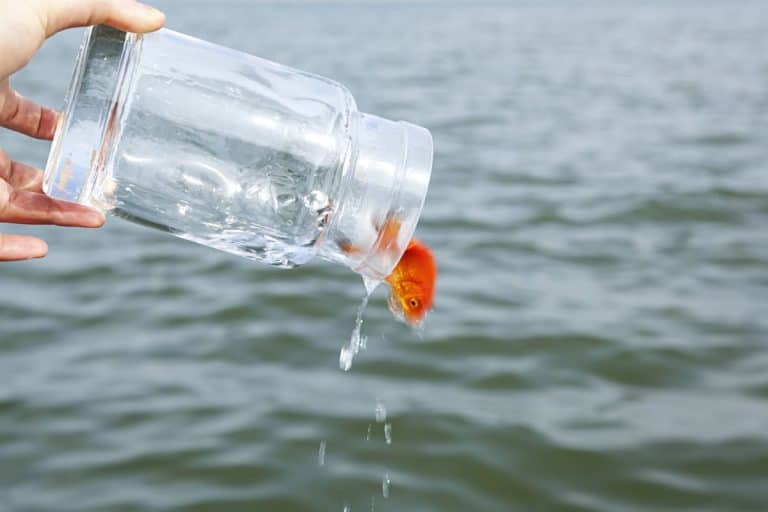
However, despite their widespread popularity, bettas are among the most misunderstood and frequently mistreated fish in the pet trade. Many people mistakenly believe they require minimal space, care, or equipment, leading to inadequate conditions that can significantly shorten their lifespan and affect their quality of life. “The biggest ‘don’t’ is to assume they are throwaway pets because of the misconception they can be kept in vases and similarly small containers,” says Julia (last name withheld for privacy purposes), owner of Mimic Bettas. “This was a myth created simply to sell the animals and doesn’t take their well-being into account.”
The truth is, bettas are intelligent, curious, and active creatures that thrive in well-maintained environments that meet their physical and mental needs. With the right knowledge and care, they can live long, healthy lives and even display unique personalities.
Whether you’re a new betta owner or looking to improve your setup, learning what these beautiful fish truly need is the first step toward becoming a more responsible and compassionate caretaker.
What the Expert Says About Betta Care
Bettas are intelligent, interactive animals that deserve the same level of care and consideration as any other pet. Julia says, “Do invest in your new friend! Bettas, when kept in the right environment, are very happy, active, and personable pets that can live 5-7 years.”
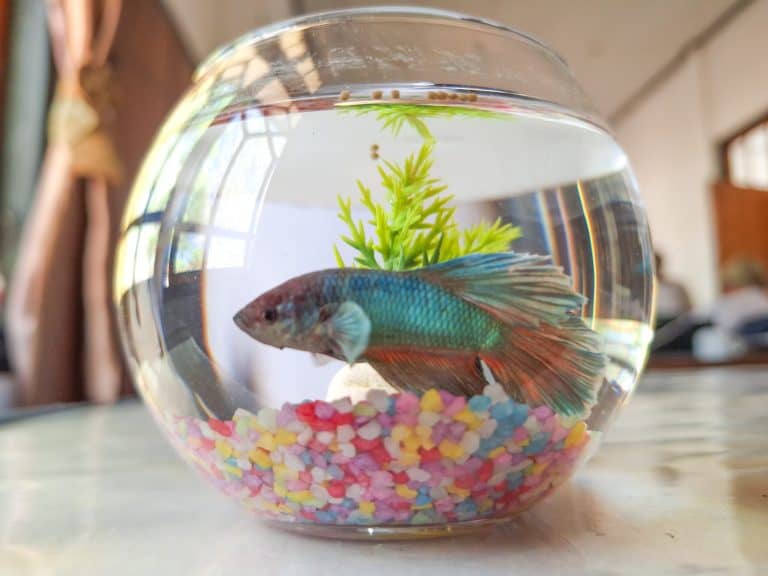
The misconception that bettas can live in vases or small bowls was initially popularized to market them as low-maintenance “desktop pets.” In reality, keeping a betta in a small, unheated, and unfiltered container is detrimental to its health and lifespan. Many myths continue to surround these beautiful creatures.
Common Myths and Misconceptions
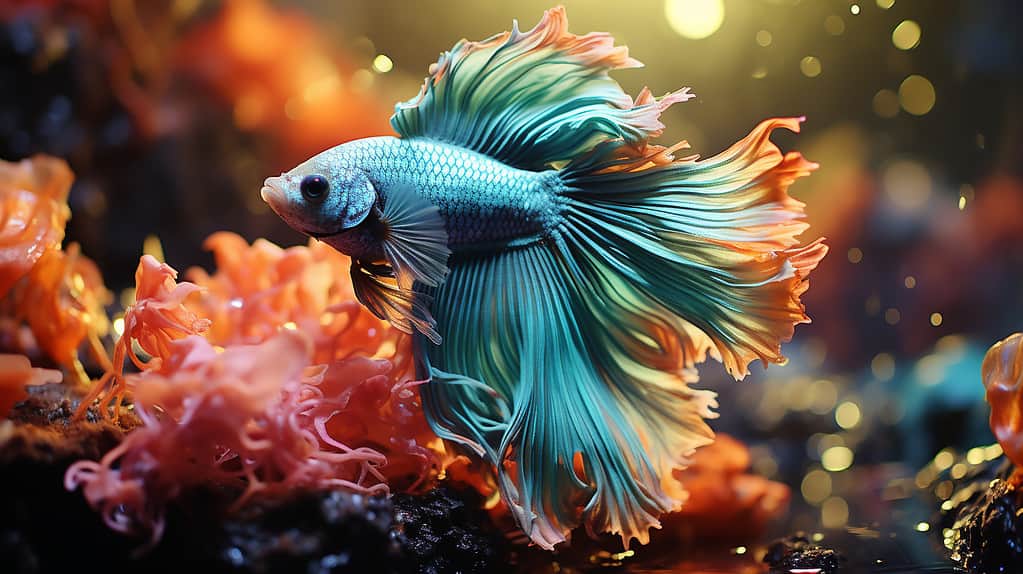
Many myths about betta fish contribute to common misunderstandings about their care and behavior.
©A-Z-Animals.com/AZ Animals
Despite growing awareness, myths about betta care persist, often leading to environments that are inadequate or even harmful for these vibrant fish. Because we usually see bettas displayed in tiny cups at pet stores, it’s easy to assume they prefer small spaces and don’t need much to survive. But if you’re keeping a betta as a pet, your goal shouldn’t be mere survival; it should be helping them thrive.
Here are some of the common myths about bettas:
- Myth: Bettas can live in cups or bowls.
Truth: These environments are too small and unstable for long-term health. - Myth: Bettas don’t need a filter.
Truth: Filters keep the tank water safe by breaking down waste. While bettas dislike strong currents, gentle filtration is essential. - Myth: Bettas are aggressive and must be kept entirely alone.
Truth: Bettas may be territorial with other males, but can often coexist peacefully with certain tank mates in an appropriately sized, well-designed community aquarium. - Myth: Bettas are boring or lazy.
Truth: In a properly enriched environment, bettas are active, curious, and even interactive with their owners.
The Ideal Betta Habitat
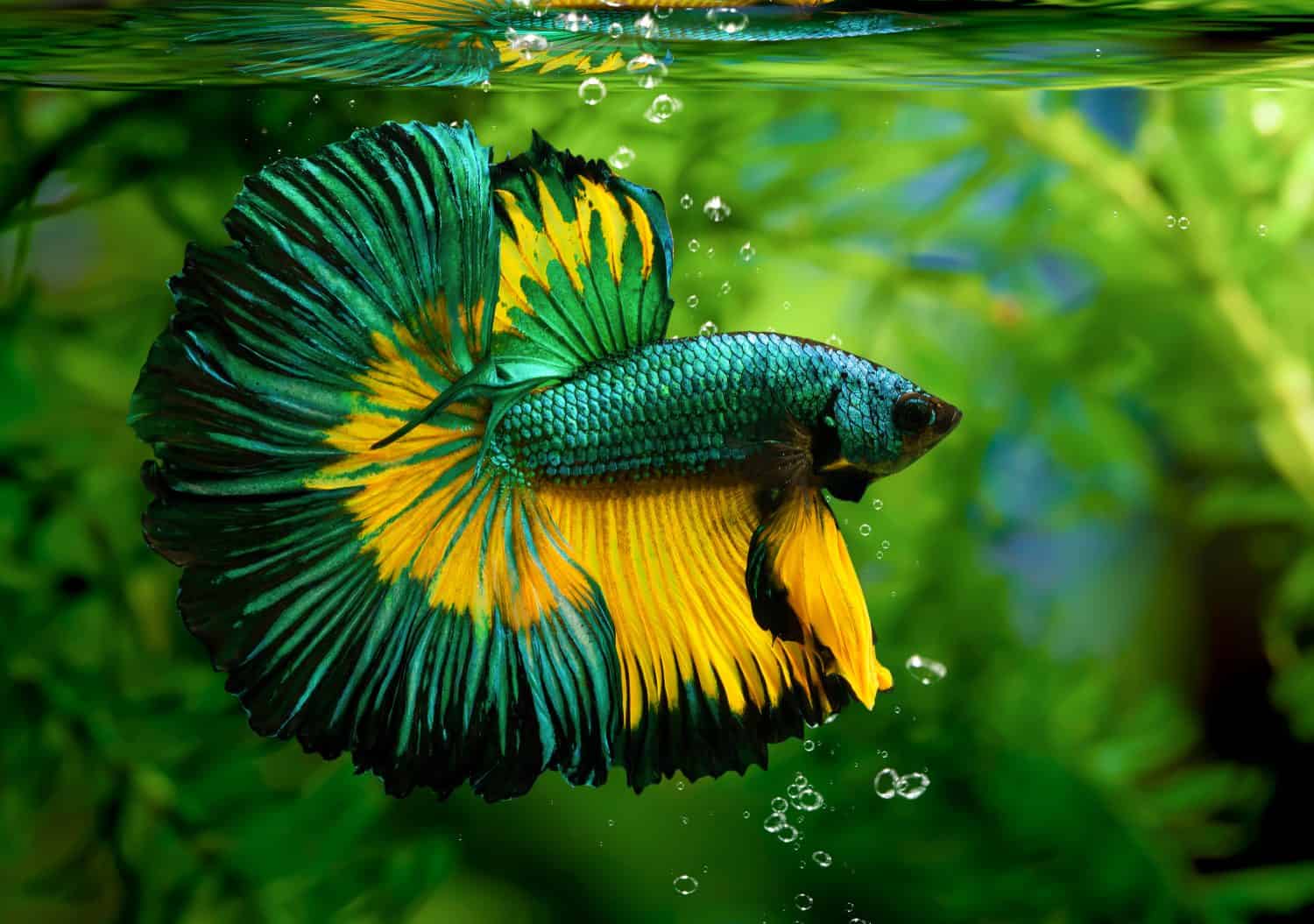
Betta fish need ample space to grow, explore, and thrive, not just to survive.
©panpilai paipa/Shutterstock.com
If you want your betta to thrive, the first step is to provide a suitable tank. Bettas are tropical fish, native to warm, slow-moving waters in Southeast Asia, and their needs reflect that environment.
Tank Size
The minimum recommended tank size for a single betta is 5 gallons, although larger is always better. “Bettas are labyrinth fish, meaning they have a lung for air, and will come to the surface for air,” Julia from Mimic Bettas says. “Therefore, they will prefer tanks that are wider than they are tall.”
Temperature and Filtration
As tropical fish, bettas require warm water between 76-82°F. A heater is essential for maintaining a consistent temperature. In addition, filtration is necessary to keep the water clean and free of harmful toxins like ammonia and nitrite. However, since bettas dislike strong currents, choose a gentle, adjustable filter or use a sponge filter. Bettas need a cycled tank to live safely, which requires regular maintenance such as water changes. The frequency of water changes depends on the tank size, so having a good liquid water testing kit is essential for monitoring water quality.
Natural Environment
Bettas feel more at home in a naturalistic setting. “Bettas tend to do best in natural settings, and benefit deeply from live plants, driftwood, and other natural environment simulators like Indian almond leaf litter and natural substrates,” Julia emphasizes. “Fake plastic plants can cut their delicate fins.”
A Diet More Than Just Pellets
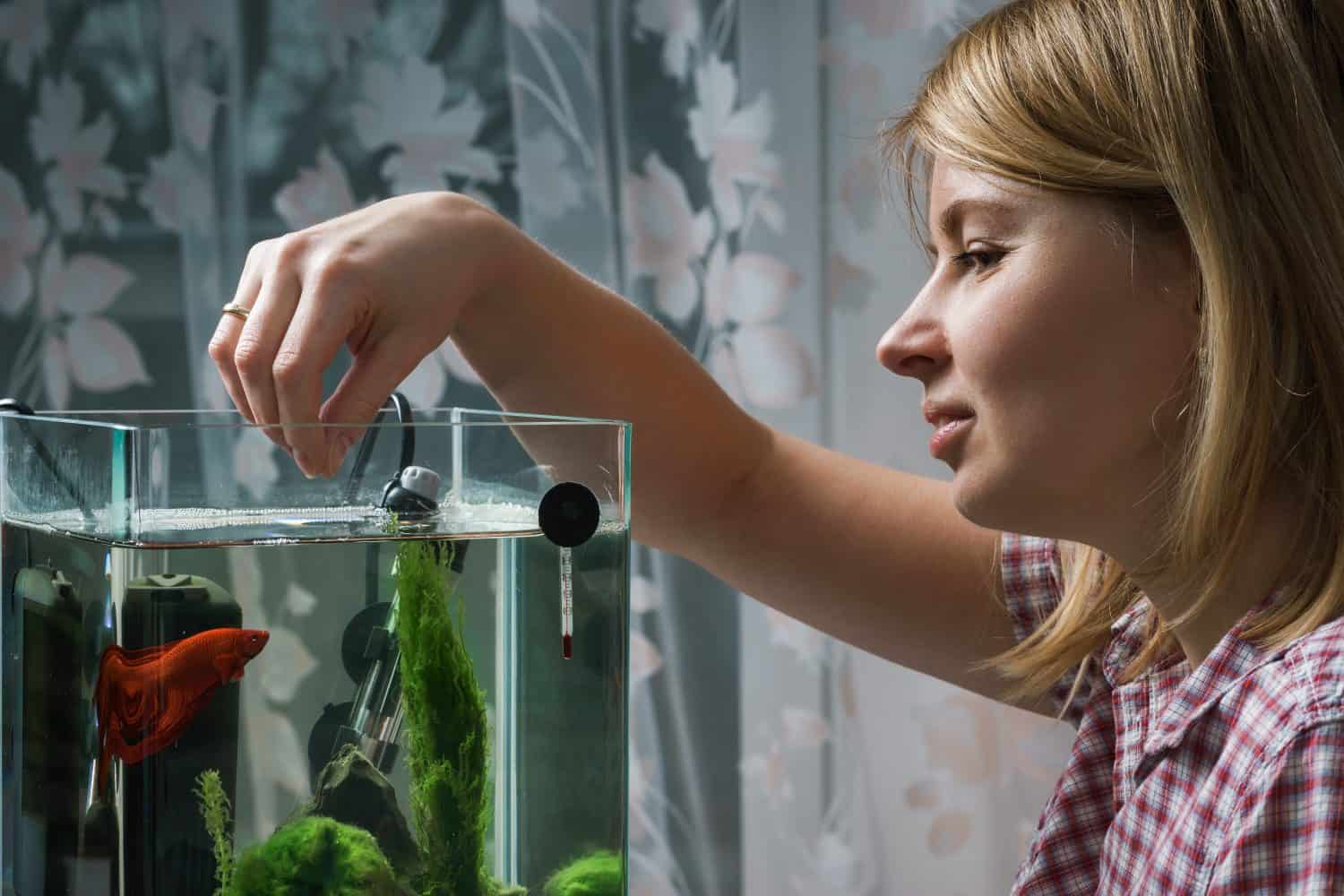
There are so many options to feed bettas beyond just pellets.
©Alexander Geiger/Shutterstock.com
Bettas are carnivores, and according to Julia from Mimic Bettas, their diet in captivity should reflect what they’d eat in the wild, which is a variety of high-protein foods. While high-quality betta pellets can serve as the foundation of their diet, variety is essential for their overall health, coloration, and mental stimulation. Feeding a mix of foods mimics their natural hunting behavior and helps prevent nutritional deficiencies.
In addition to pellets, consider offering some of the following:
- Frozen brine shrimp – A great source of protein and easy for bettas to digest.
- Bloodworms – A favorite treat, rich in iron, but best offered only a few times a week due to their richness.
- Daphnia (water fleas) – Help promote digestion and are an excellent occasional snack.
- Freeze-dried versions – Convenient, but always soak them in tank water before feeding to prevent bloating and digestive issues.
Feeding small amounts once or twice a day is ideal. Avoid overfeeding, as uneaten food can quickly pollute the tank and harm your betta. A good rule of thumb is to feed your betta only what it can consume in about two minutes. If you see leftover food floating after that time, reduce the portion size next time.
Tip: Bettas benefit from one “fasting day” per week, where you skip feeding altogether. This helps give their digestive system a break and can prevent bloating and constipation.
Bettas, when kept in the right environment, are very happy, active, and personable pets that can live 5-7 years!
Julia of Mimic Bettas on Instagram
The Real Cost of Keeping a Betta
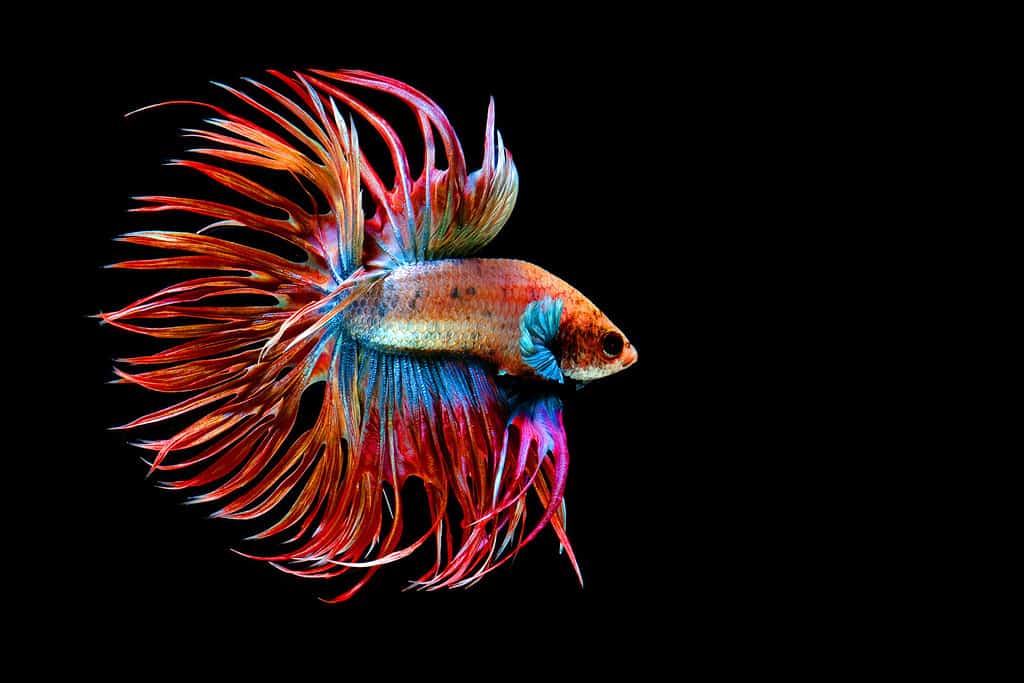
What are the costs involved in keeping betta fish?
©Vilasack Southisane/Shutterstock.com
While bettas themselves may cost anywhere from $3 to $50, depending on their coloration, fin type, and grade, the initial setup is where most of the investment lies. A proper starter tank setup, including a 5+ gallon tank, heater, filter, substrate, water conditioner, thermometer, and decor (you know, in case you are eyeing a SpongeBob Pineapple home), typically costs between $80 and $100.
In addition to the upfront costs, betta care comes with ongoing expenses. These include high-quality food, water conditioner, replacement filter media, and electricity for the heater and filter. You may also occasionally need to replace live plants, decor, or equipment. One of the smartest investments for long-term betta health is a liquid water test kit. It allows you to regularly monitor water quality, helping you prevent dangerous conditions before they affect your fish.
Final Thoughts
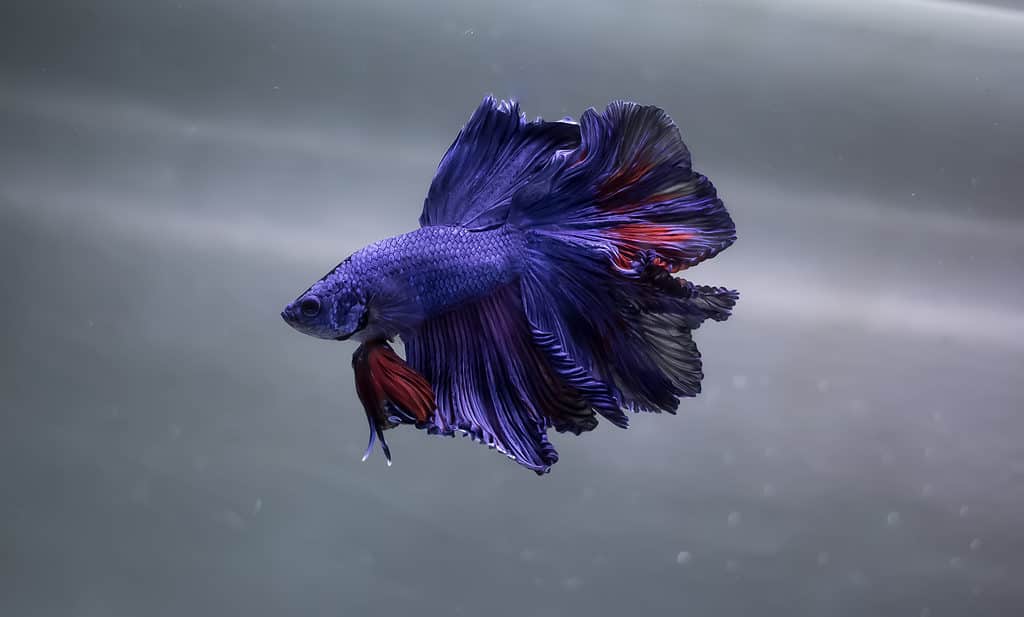
Bettas are wonderful pets that will bring you years of joy.
©oddi chandra pratama/Shutterstock.com
Betta fish are fascinating, beautiful pets with distinct personalities. They’re curious, interactive, and can even recognize their owners. But like any pet, they require more than just food and water; they need an environment that supports their physical and mental health. Taking the time to learn about proper betta care isn’t just about avoiding mistakes; it’s about unlocking the full potential of a truly remarkable animal. With the right habitat, diet, and maintenance, your betta can become a lively, rewarding companion who brightens your home for years to come. So don’t let the myths fool you: bettas are not disposable. They are living, breathing creatures that deserve care, respect, and a place to thrive.