
Quick Take
- A single pet goldfish can trigger an ecosystem collapse, and the mechanism behind it is nothing like what scientists expected. See the collapse mechanism →
- Researchers tested two very different lake environments to see if water quality would change the outcome. It didn't, and the reason why is alarming. Explore the pond study →
- The size a goldfish can reach outside a tank is one of the less-talked-about reasons releasing one is far more dangerous than it looks. Understand the real risks →
Goldfish are one of the most common household pets in America. And while they seem docile and harmless, they’re also one of the most harmful fish when released into the wild. You might think you’re doing your fish-tailed friend a favor by giving it freedom. But in reality, this decision could lead to the total collapse of a marine ecosystem.
A new study on domesticated goldfish reveals their invasive presence does far more harm than good. The facts are indisputable and make one thing clear: Do not ever set your goldfish free. Here’s what might happen to your local waterways if you do.
Study Reveals Invasive Goldfish Flip the Food Chain
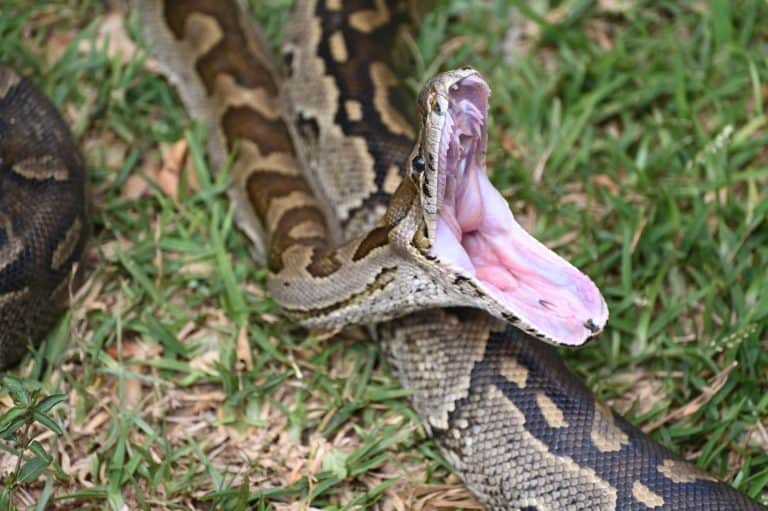
Releasing domestic animals into the wild is more common than you think. It’s the reason so many feral cats infiltrate cities, and why giant anacondas are loose in Florida’s Everglades. A pet’s harmless status only applies when they’re kept behind closed doors. Once they’re set free, they become a threat to the ecosystem they must now survive in. More than 480 million goldfish are sold in the U.S. annually. These sales go toward feeder fish, breeding, and general pets. The most popular species is the common goldfish, which also has a longer lifespan. Its genetics haven’t been weakened through selective breeding, making it even more of a risk after being released into open water.
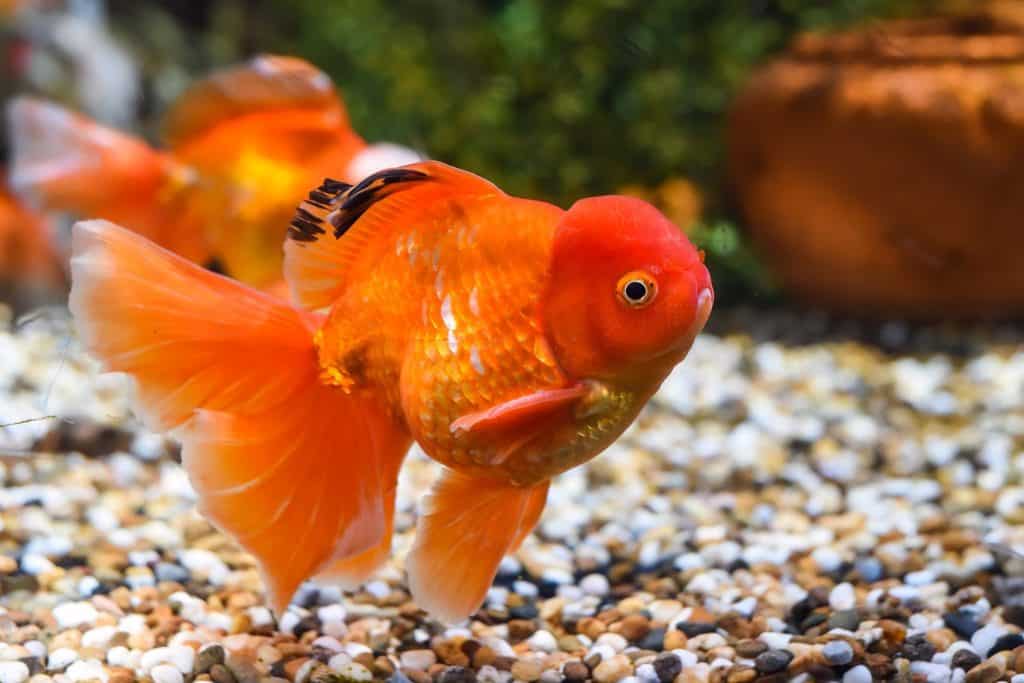
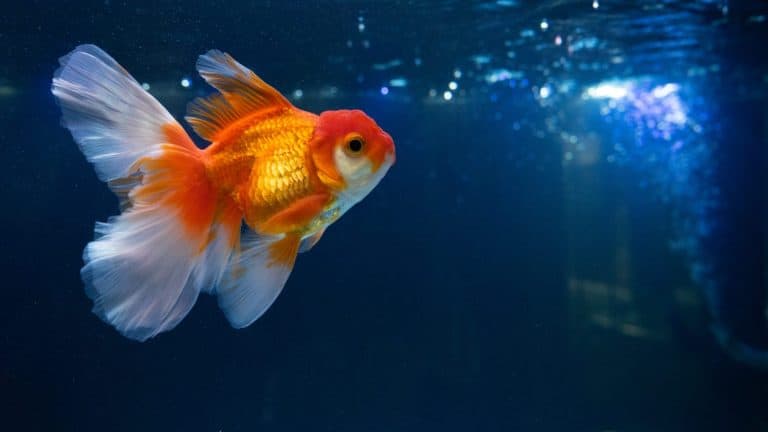
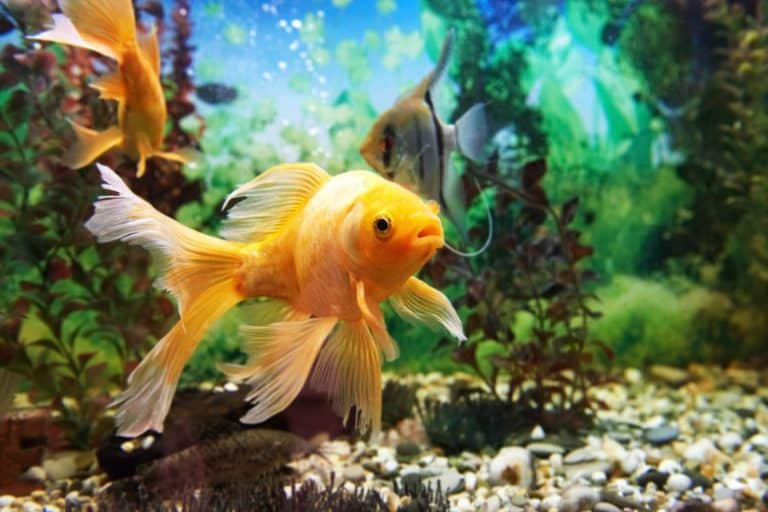
Goldfish are highly adaptable and can survive harsh conditions, making them great pets but poor wildlife releases.
©Tanya_Terekhina/Shutterstock.com
The study, published in the British Ecological Society’s Journal of Animal Ecology, used two hyperrealistic, life-sized pond scales to test the theory. These controlled outdoor environments were created to mimic the conditions of the average lake. One was an oligotrophic lake with poor water quality and low nutrient concentrations. The other was eutrophic, with nutrient-rich water and ideal conditions for survival.
A wide range of test results was collected from both staged lakes. Upon comparison, researchers quickly realized that the outcomes were the same in both environments. Regardless of the lake’s conditions, the released goldfish (Carassius auratus) still decimated their ecosystems. This led to a systematic collapse of water quality, the food chain, and several of the lake’s native species.
The Damage In a Real Lake Would Be Catastrophic
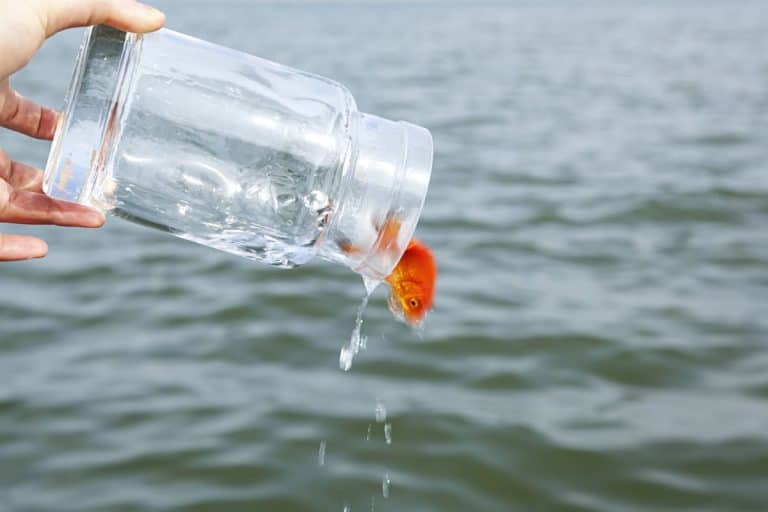
Thankfully, these results came from a controlled environment. However, these experiments closely mimic real-life conditions and events. Sometimes, pet owners become bored, grow tired of caring for their pets, or no longer have space for their fish tanks. As a result, they may release non-native fish into local lakes. This problem isn’t limited to goldfish. Many fish released into U.S. waterways are exotic species, and some are even acquired illegally.
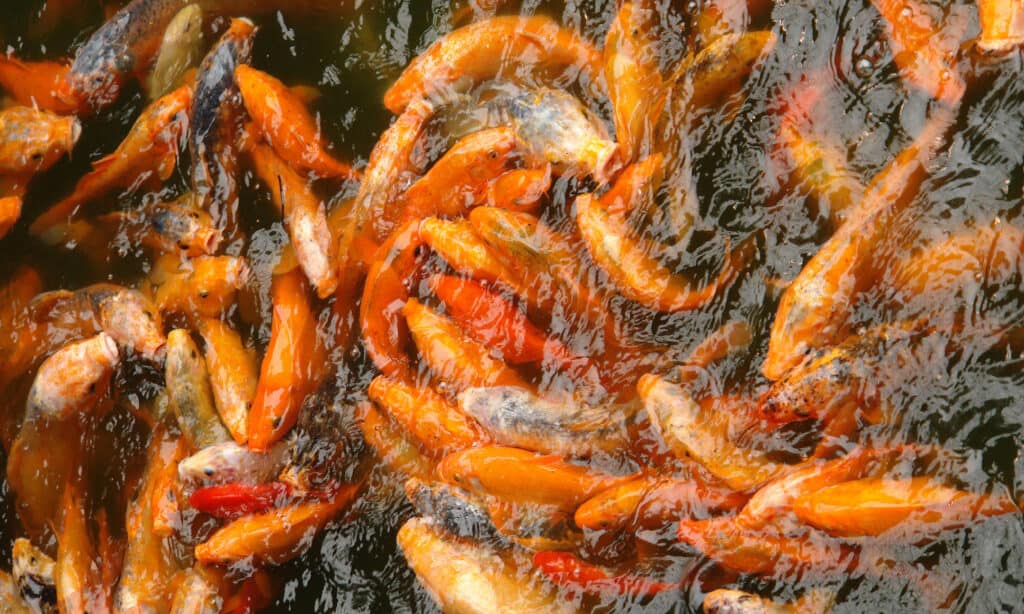
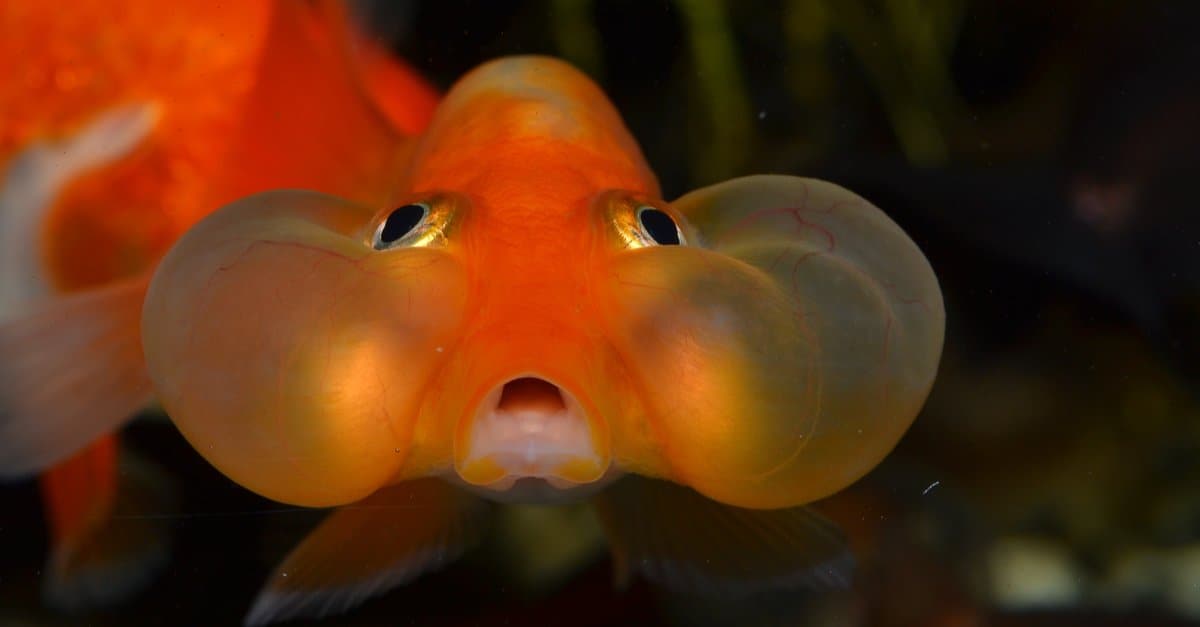
In the wild, a goldfish can grow to monstrous proportions and out-hunt the competition.
©Yana Art/Shutterstock.com
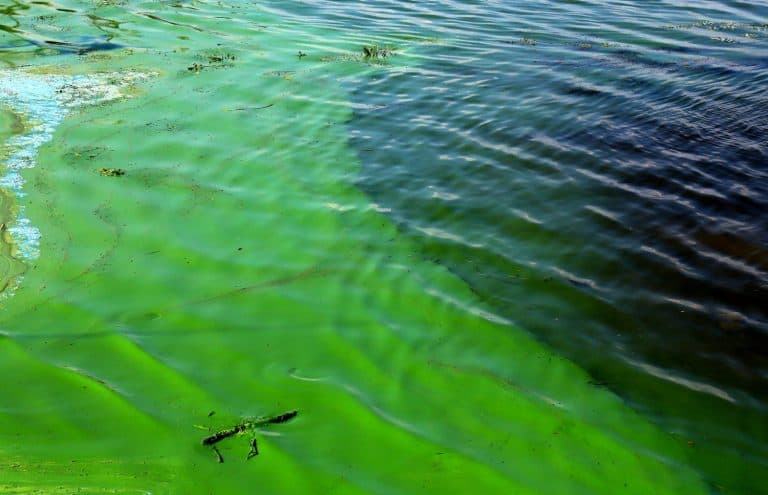
The case study of a single goldfish serves as a warning to pet owners. In a short period of time, goldfish polluted each lake with solid waste. While this waste is routinely removed in a fish tank, in the wild, there is no way to filter out the fish’s feces. As the water quality deteriorated, the lake’s nutrient levels also dropped. In the oligotrophic lake, conditions continued to worsen. Snails, amphipods, and zooplankton in both lakes suffered, either being eaten or dying as collateral damage.
On a larger scale, the native fish species in the lake also suffered. Although goldfish seem docile in tanks, they are fierce competitors for food in the wild. This competition caused unnecessary stress to native species and disrupted the natural balance of the food chain. Goldfish also compete for resources, which eventually become depleted in a closed environment like a lake. Together, these factors can lead to the collapse of the entire ecosystem.
Pet Owners Have a Responsibility to the Environment
You may not realize that adopting a pet comes with environmental responsibility. Every action has consequences, and even releasing something as small as a goldfish can have serious impacts. In the wild, goldfish can grow much larger than in tanks, sometimes reaching up to 16 inches in length. And in rare cases, they can weigh up to 4 pounds. Given enough space, food, and nutrients, goldfish can easily outcompete many smaller native species. As the exotic pet trade in marine animals increases, the likelihood of invasive species being released also rises.
Scientists now stress the importance of education in aquatic adoptions. It’s crucial to know what happens if nature’s rules are broken. It’s essential to ensure that you or your family are capable of caring for a goldfish over the long term. And when in doubt, don’t purchase a fish at all. If nothing else, this study proves that giving a goldfish its freedom comes at a cost—one that we may ultimately pay in the long run.