
Quick Take
- Dead leaves look like clutter, but they're secretly running the most important system in your terrarium. See how leaf litter works →
- Your clean-up crew's efficiency depends on something most terrarium owners overlook entirely. Explore clean-up crew support →
- Foraging leaves from your backyard sounds harmless, but one invisible oversight could endanger everything in your tank. Check foraging safety guidelines →
Bioactive and naturalistic terrariums take a lot of work, but they are highly rewarding. Rather than caring for one reptile, you’re actually caring for an entire miniature ecosystem. With your scaled friend and its microscopic “clean-up crew,” these realistic environments are fascinating to grow and observe. No matter how you set up your tank, there’s one thing that elevates a naturalistic terrarium: Leaf litter.
Benefits of Adding Leaf Litter to Bioactive Tanks
Bioactive tanks create a self-sustaining ecosystem, while naturalistic tanks still require some manual clean-up. However, they both share a need for diverse flora that encourages growth. Leaf litter is the perfect solution. Not only does it emulate a reptile’s natural habitat, but it also provides essential nutrients for isopods and springtails, which eat decaying organic matter. When the clean-up crew is fed, they work efficiently, which means a happier, healthier tank.
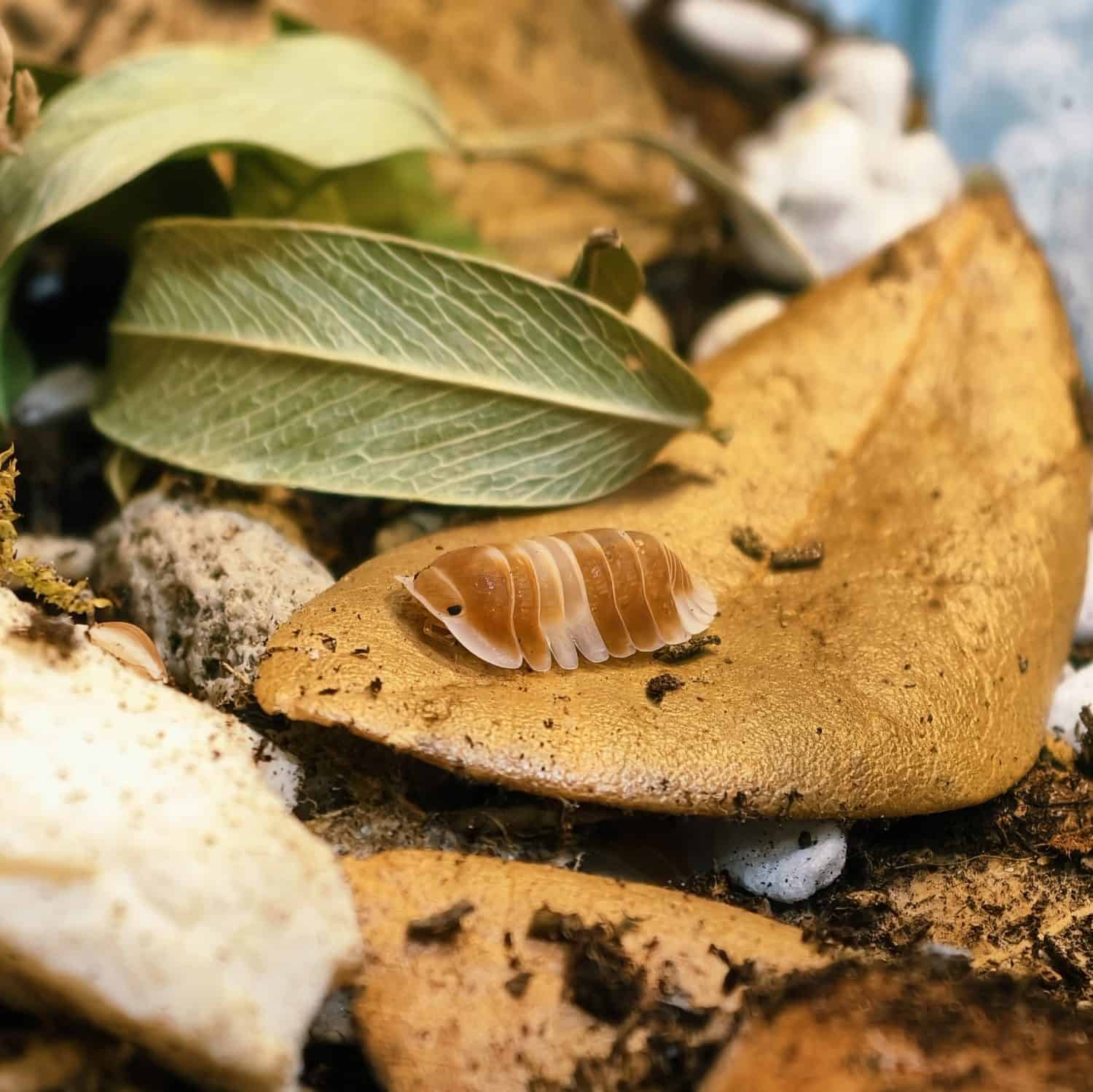
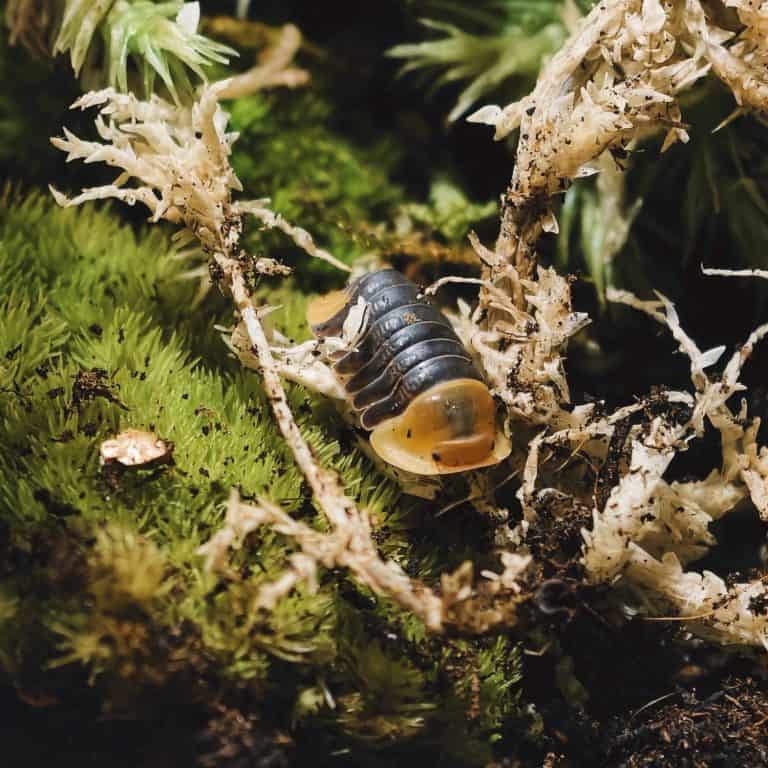
Isopods are crucial to bioactive and naturalistic tanks, but they need decaying matter to survive.
©PCNPODLAND/Shutterstock.com
Leaf litter also provides space for burrowing and hiding, both of which many reptiles do naturally. The crevices and shade provided by dead leaves mimic what your pet might find on a dry forest floor. To this end, it also serves as a natural barrier, trapping moisture. Leaves become a natural mulch, which keeps the soil beneath damp and nutrient rich. This is where most of your clean-up crew will be found as it feeds on the moist substrate below.
How to Choose Proper Leaf Litter
Finding beneficial leaf litter can be as easy as ordering it from a pet supply store. Many companies sell leaves that are already sanitized and safe for your pet. But for those who would rather forage their own leaves, there are a few things to keep in mind:
- Safety First: Only choose leaves that are pet-safe. These depend on the type of animals you’re housing, but some common litter options include oak, magnolia, or jackfruit leaves.
- No Pesticides: When foraging for leaf litter, ensure the area in which you’re searching is free of pesticides. Check with your town or city to determine which areas are sprayed before collecting leaves.
- Rinse and Sanitize: Any leaves you collect must be rinsed and then sanitized. To do this, either submerge the leaves in boiling water for ten minutes or bake them in an oven at 140 degrees Fahrenheit for 15 to 20 minutes.
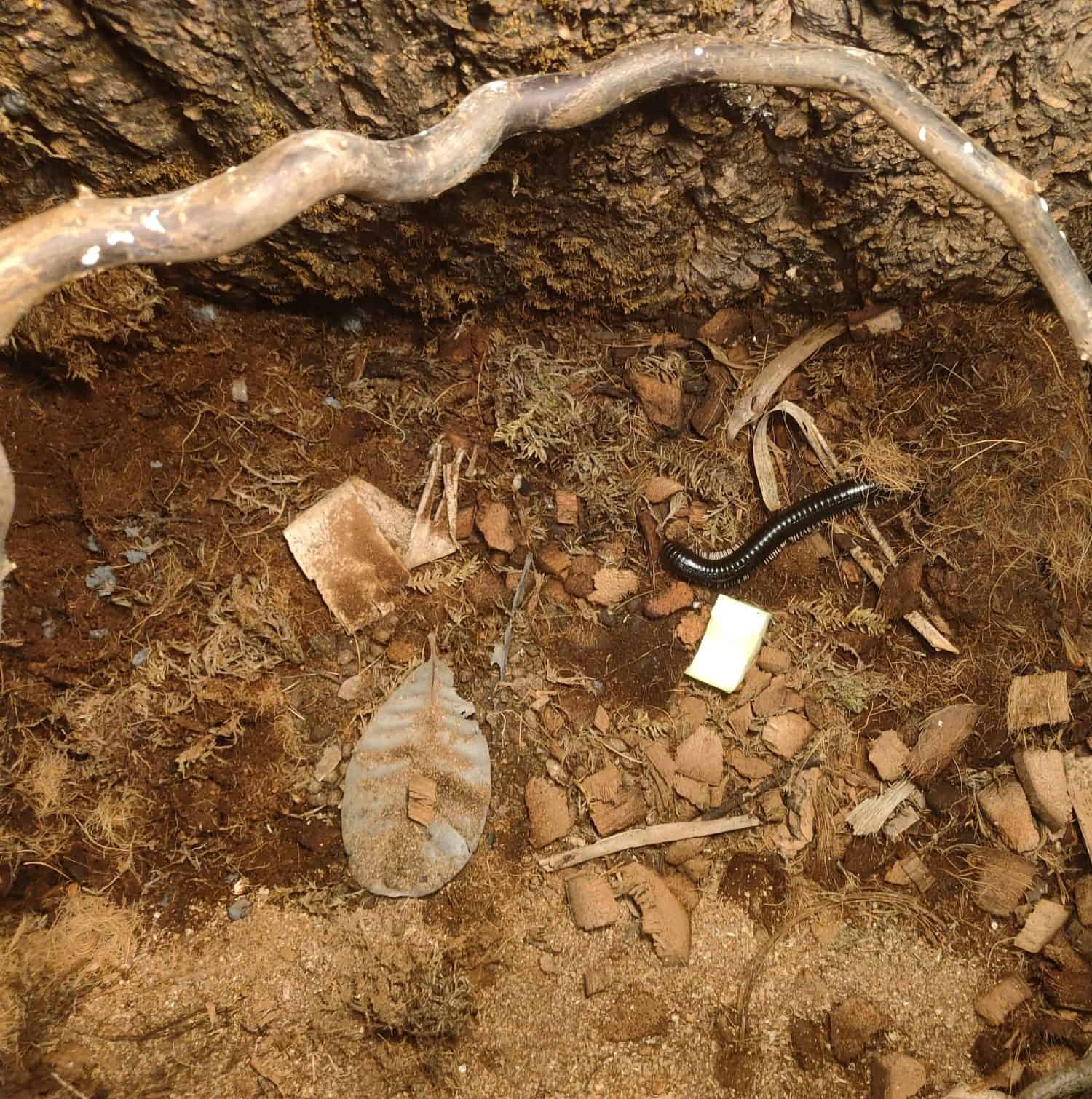
Rather than looking “messy,” leaf litter often mimics the natural environment.
©Jeff JB/Shutterstock.com
Leaves must also be completely dry before being placed into a tank. This prevents mold growth and keeps extra moisture from accumulating in the tank.
While leaf litter may look messy, it provides an extremely beneficial microhabitat for everything living in your terrarium. Bioactive and naturalistic tanks hold life that we can’t even see with our own eyes, but leaf litter might just be the key to making your tiny ecosystem thrive.