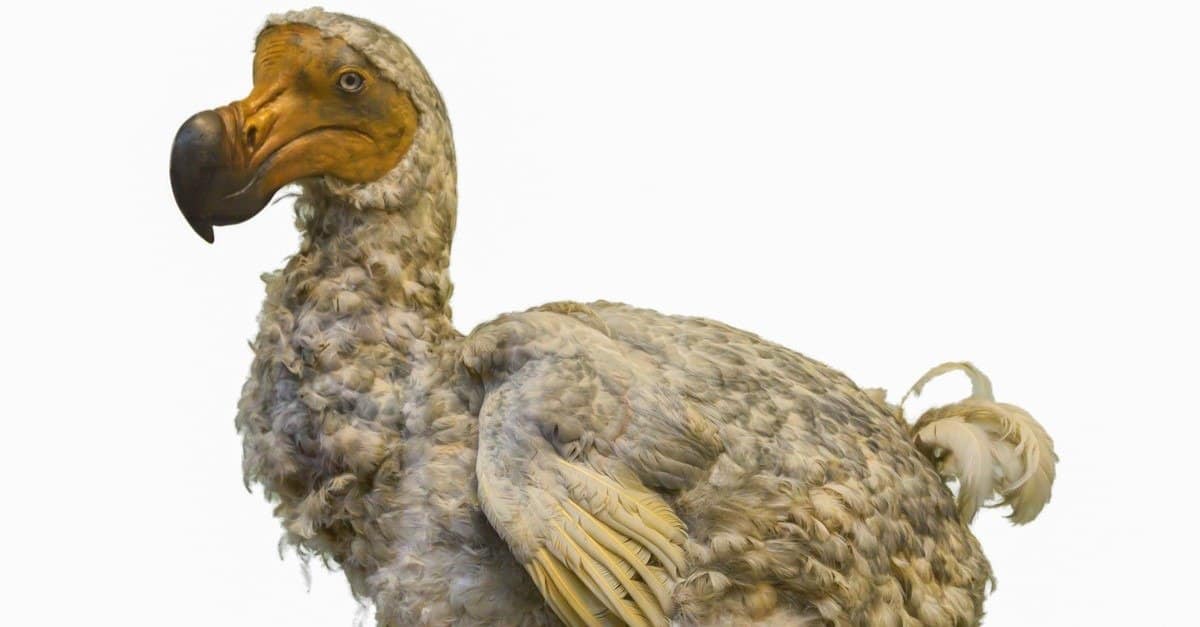

Dodos are possibly one of the most famous extinct animals, owing in part to their historic portrayal as being slow and clumsy. Of course, there’s also the famous saying “as dead as a dodo” that is widely used to describe something that can’t be resurrected. But what if dodos could be? A project has recently been launched to do just that, but what does it mean, and can dodos ever really return?
What Happened to the Dodos?
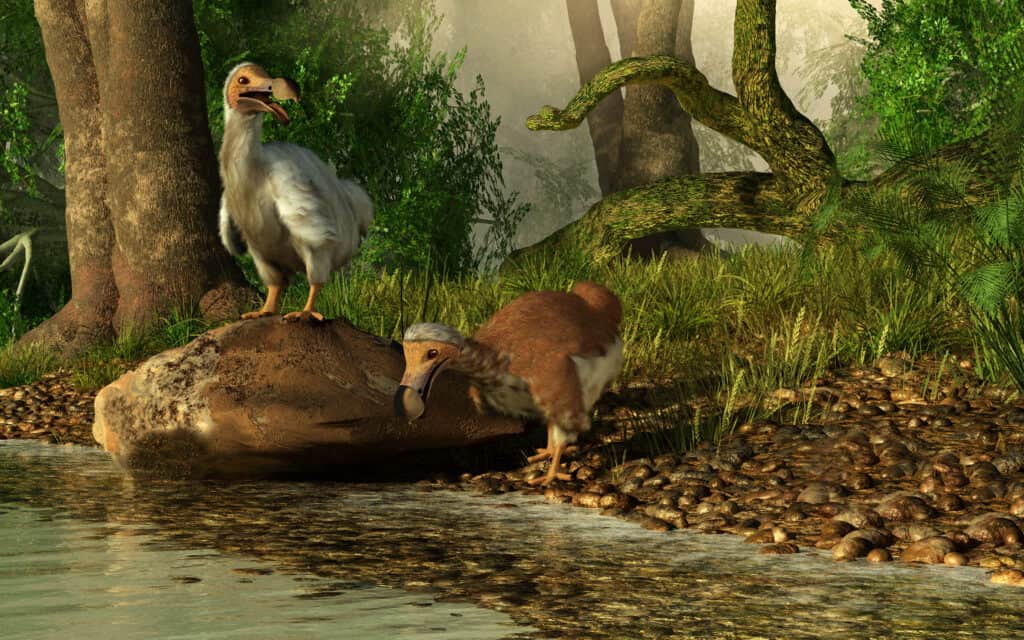
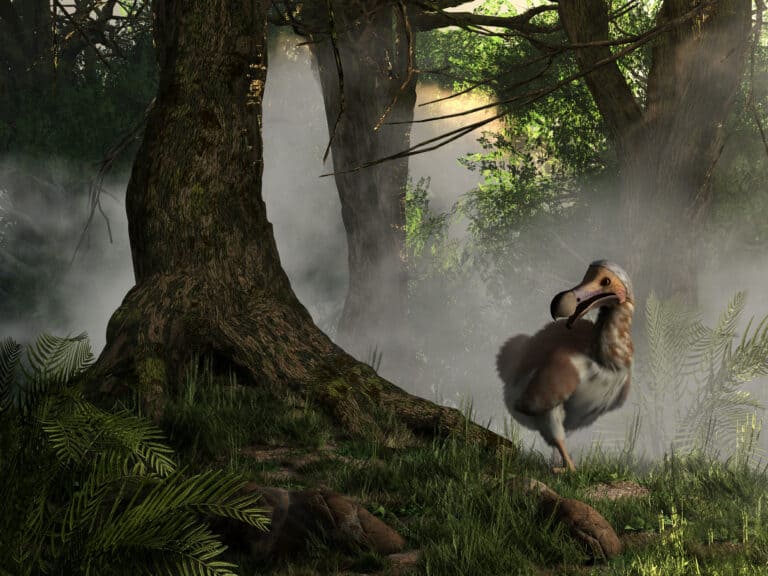
Dodos were incredibly trusting as they hadn’t encountered predators before humans arrived on Mauritius.
©Daniel Eskridge/Shutterstock.com
Dodos were native to the island of Mauritius, located in the Indian Ocean. They were first discovered in the early 1500s by Portuguese sailors. However, they became extinct barely a century later, with the last recorded sighting of one occurring in 1662. In fact, one of the most shocking things is that the extinction of the dodos is directly linked to human intervention.
Dodos were flightless birds and ground feeders, eating a variety of fruits, seeds, and nuts. Prior to humans arriving on Mauritius, dodos lived a largely undisturbed life without threat from predators. However, once humans arrived, dodos faced several different threats. To begin with, humans introduced other animals to the island. These animals not only competed with dodos for food but also preyed on them in many cases. These animals included pigs, cats, rats, and dogs.
Humans also began cutting down and destroying the forests that the dodos lived in. This destroyed both their natural habitat and their nests. Dodos had a slow reproductive rate, laying only one egg per clutch. Therefore, when nests were destroyed, the eggs were lost, which negatively affected the future dodo population.
However, the greatest threat that the dodos faced was being hunted by humans for food. As dodos hadn’t faced significant threats before, they had a relatively trusting nature. This, combined with their lack of flying ability, meant that they were easy targets for humans. It has been speculated that dodos might have been on the decline anyway, given how quickly they died out after they encountered humans. However, human intervention is still considered the main reason for their demise.
The Return of the Dodo?
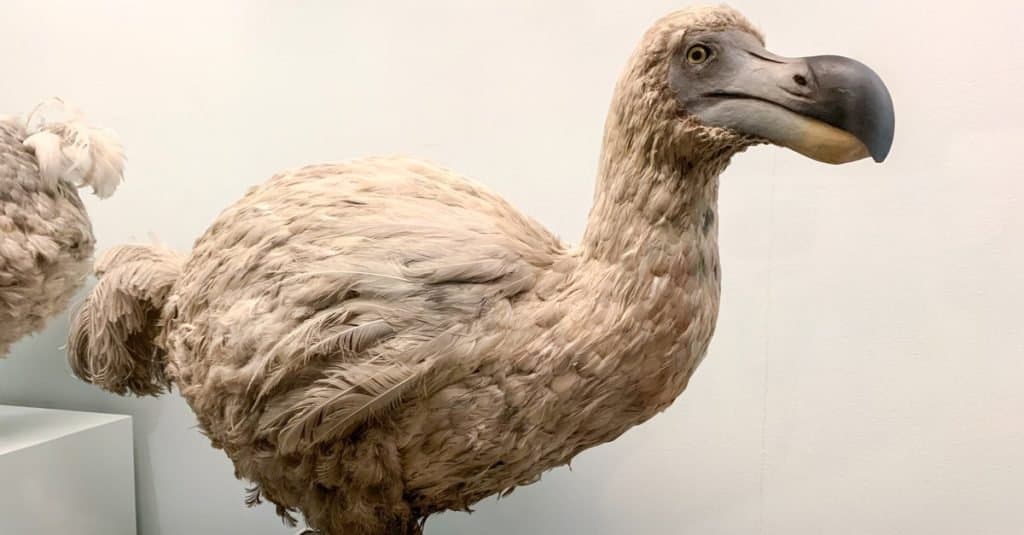
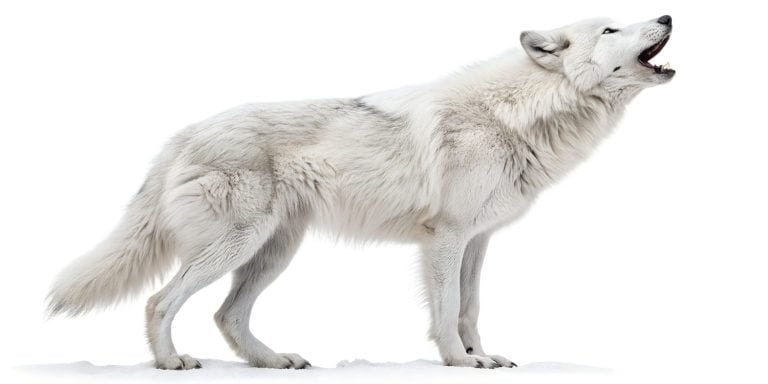
A project has been launched to “bring back” dodos using genetic modifications.
©The Art of Pics/Shutterstock.com
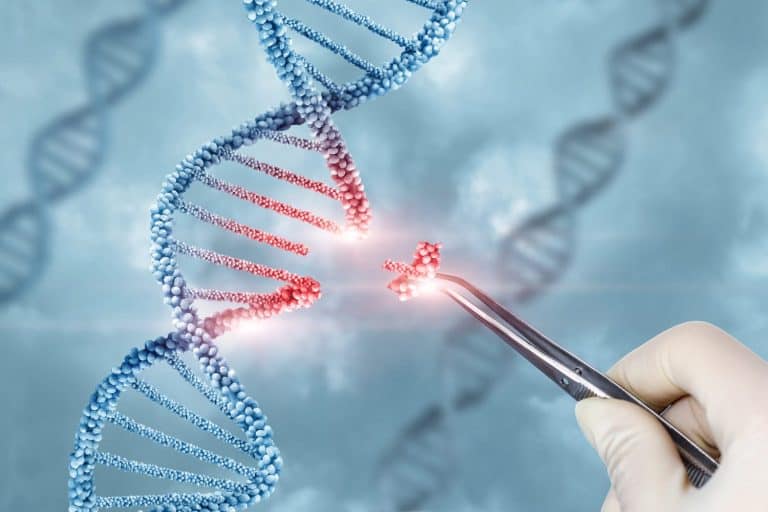
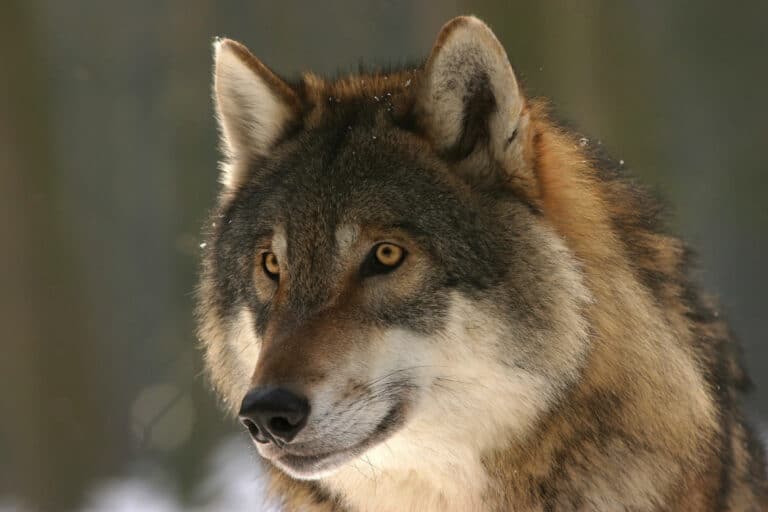
Colossal Biosciences has been working on a project to “bring back” an extinct species of canines, known as dire wolves, and in October 2024, the first dire wolf pups were reportedly born. The project resulted in the birth of three wolf cubs with dire wolf-like traits. Similarly, the company is now attempting to do the same thing with dodos. The dire wolf project used a combination of genetic engineering and cloning to modify the DNA of gray wolves. However, the process is different with birds due to the fact that they hatch out of an egg.
Instead of cloning, this time the scientists need to modify the cells of a bird to create both the male and female parents. They then need to breed them so that the resulting offspring will possess both copies of the modified genes.
How It Works
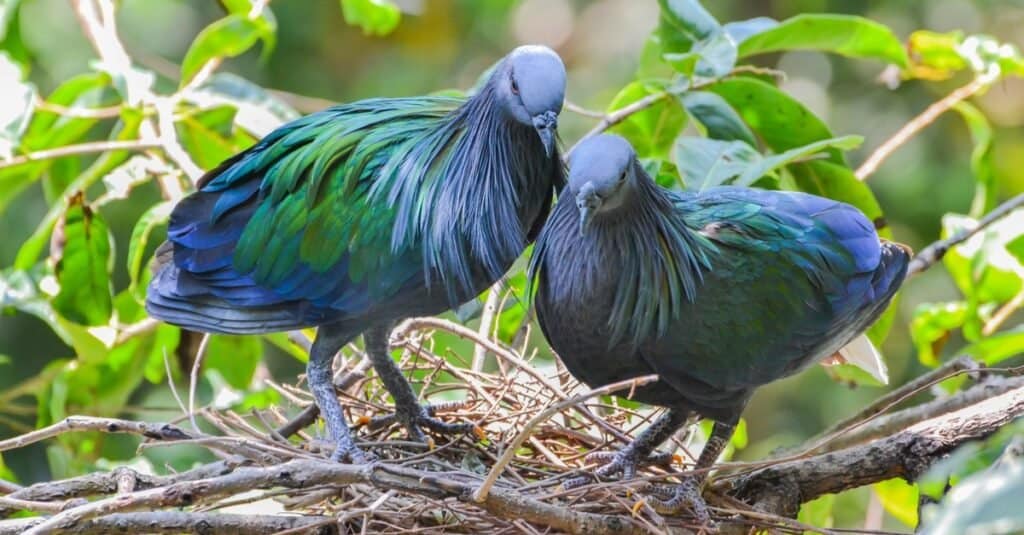
The project aims to modify Nicobar pigeons so they possess dodo-like traits.
©wannachat/Shutterstock.com
Scientists are planning to utilize the dodo’s closest living relative — the Nicobar pigeon. Nicobar pigeons are not closely related to dodos (all intermediate species have long since died out) and look nothing like them. However, they do share some genetic similarities as they are from the pigeon family. The scientists will grow primordial germ cells (early embryonic cells) from Nicobar pigeons. These cells will then be modified to incorporate dodo-like traits. These traits might include flightlessness, short wings, and a heavy body.
Once modified, the cells will be inserted into chicken embryos that have been altered to lack their own primordial germ cells. These modified chicken embryos will develop into surrogate birds. Chickens have been chosen for this part because they are easy to keep and maintain. It’s hoped that the offspring of these birds will then eventually possess some dodo traits when they are born.
Would They Be Real Dodos?
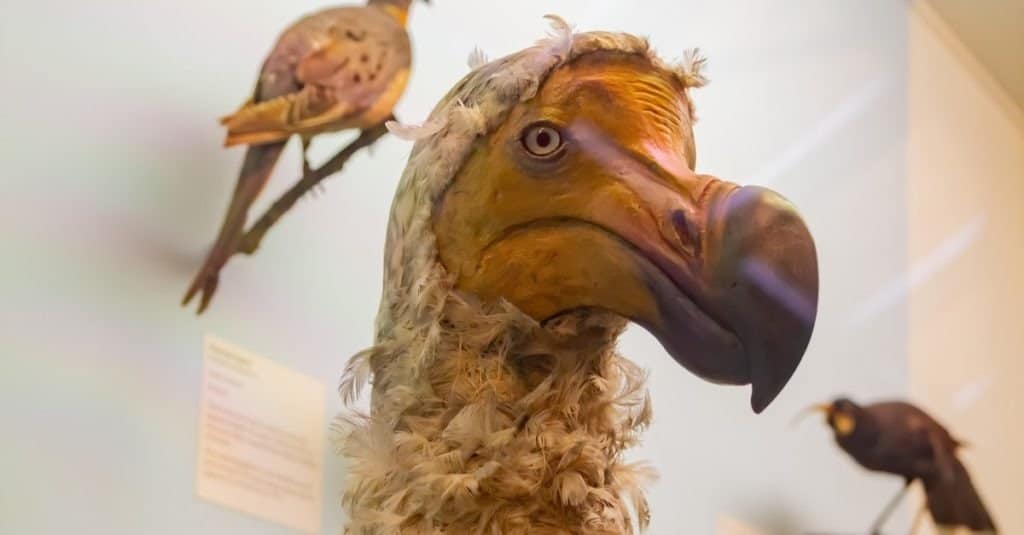
Any dodos created in the project will only be hybrid animals.
©Kit Leong/Shutterstock.com
Upon the birth of the dire wolf cubs, Colossal Biosciences initially claimed that they had brought back dire wolves.. However, the IUCN Species Survival Commission stated that they were not real dire wolves and that the species was still extinct. The same is true for the dodos. Although the project aims to create a living version of the dodo, it is important to stress that any such bird would not be a real dodo. Instead, the result would be a hybrid bird with dodo traits, as it is impossible to bring the species back from extinction. That said, Colossal Biosciences hopes that the first dodo-pigeon hybrids will be born within the next five to seven years. The ultimate aim is to eventually release large numbers of them back into the dodo’s historic habitat on Mauritius.