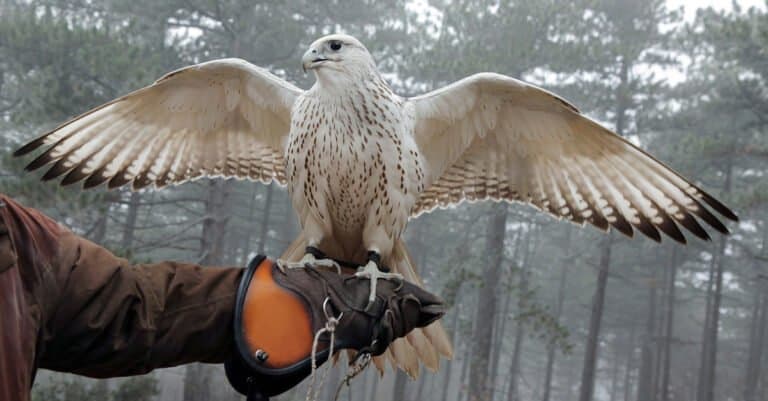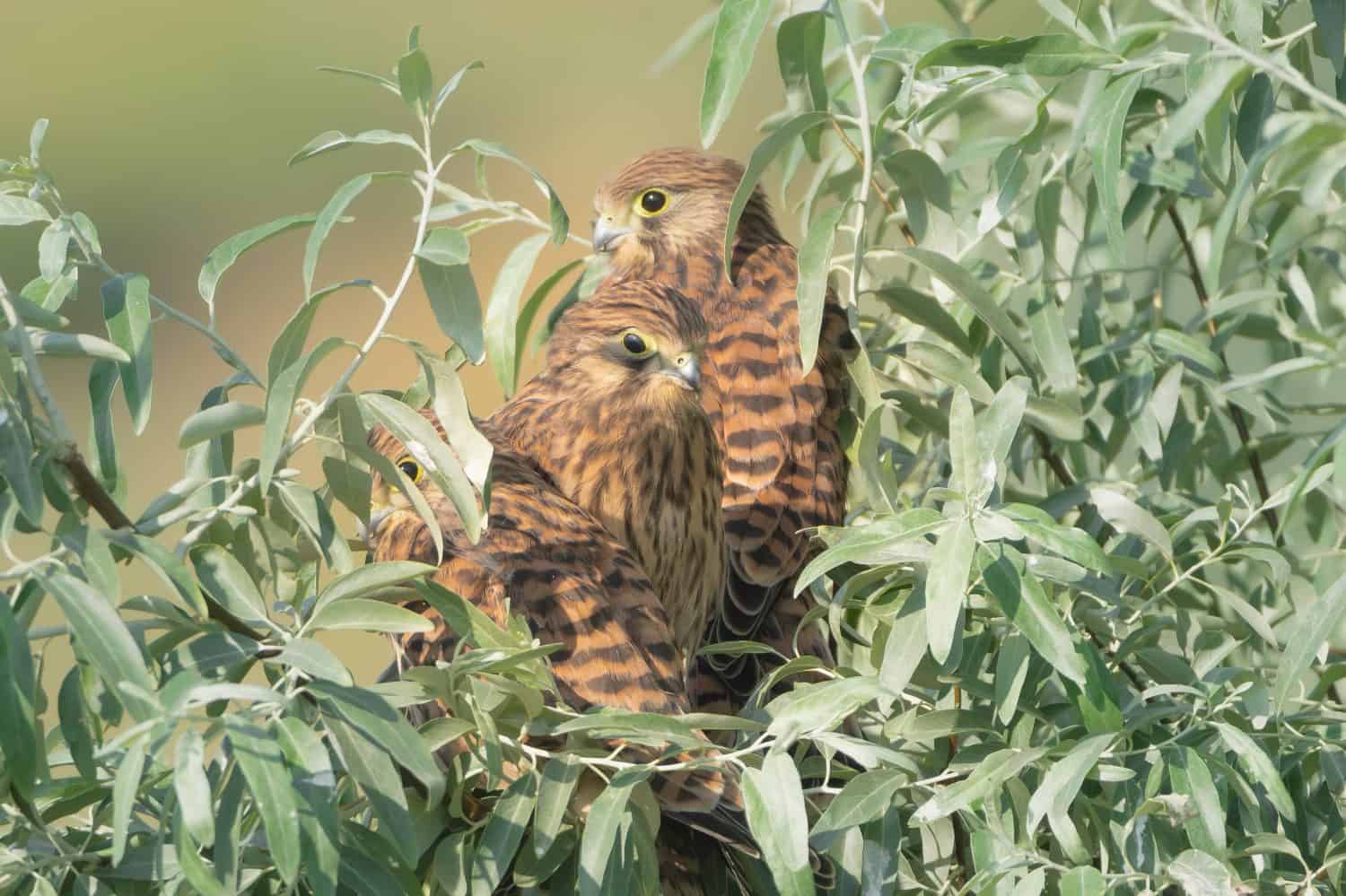

Falcons are some of nature’s most incredible hunters. Their ability to hover over the ground before striking their prey or even capture prey mid-flight is nothing short of amazing. However, even the most fearsome falcon starts life as a baby, defenseless in the world. Before these birds have an opportunity to learn confidence, they may be intimidated by even the smallest of creatures. That is precisely what happens in an Instagram video that has garnered over 310,000 likes, leaving viewers rolling from the cutest jump scare.
A Small Butterfly Was Able to Scare a Trio of Young Kestrels
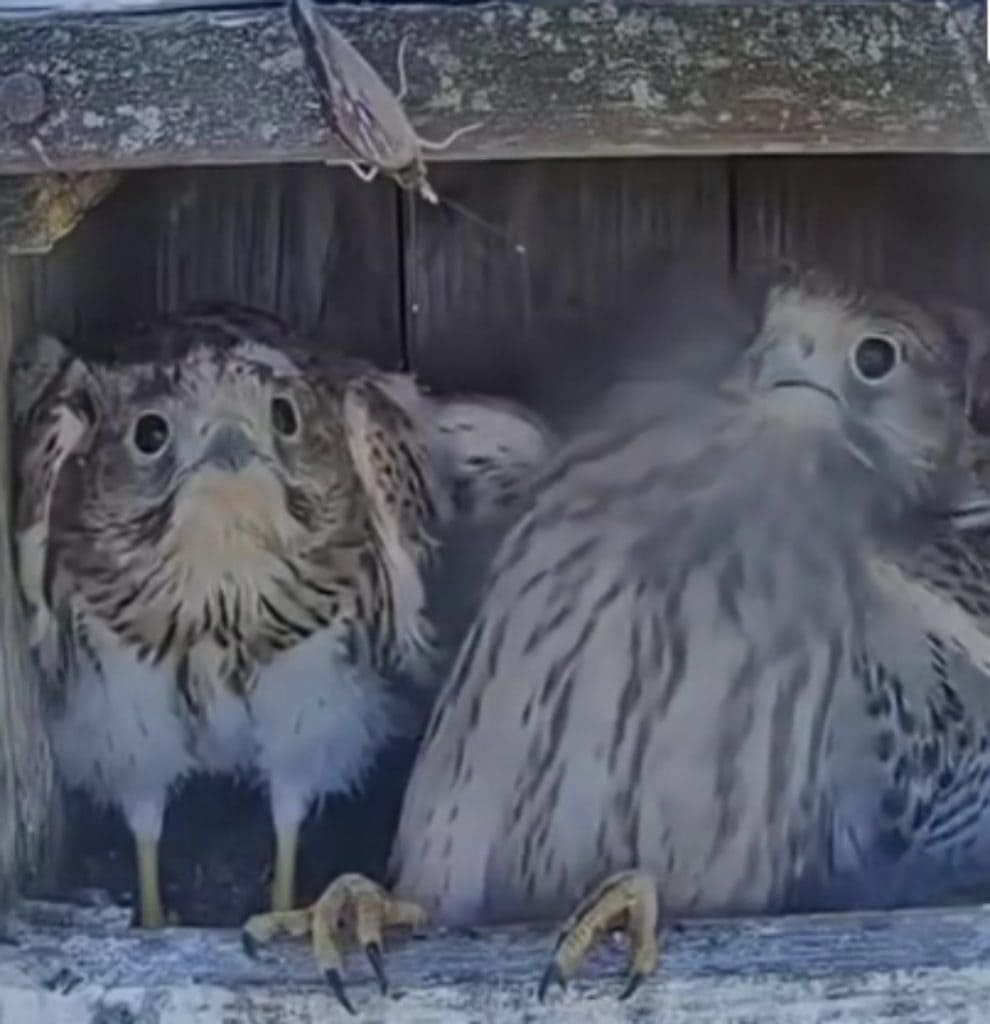
A group of young kestrels is startled by the presence of a butterfly.
© – Original
Kestrels are small but mighty hunters. However, based on an Instagram video in which a trio of kestrels were visibly startled by a small, winged insect, it takes time for these predatory birds to learn just how fierce they are.
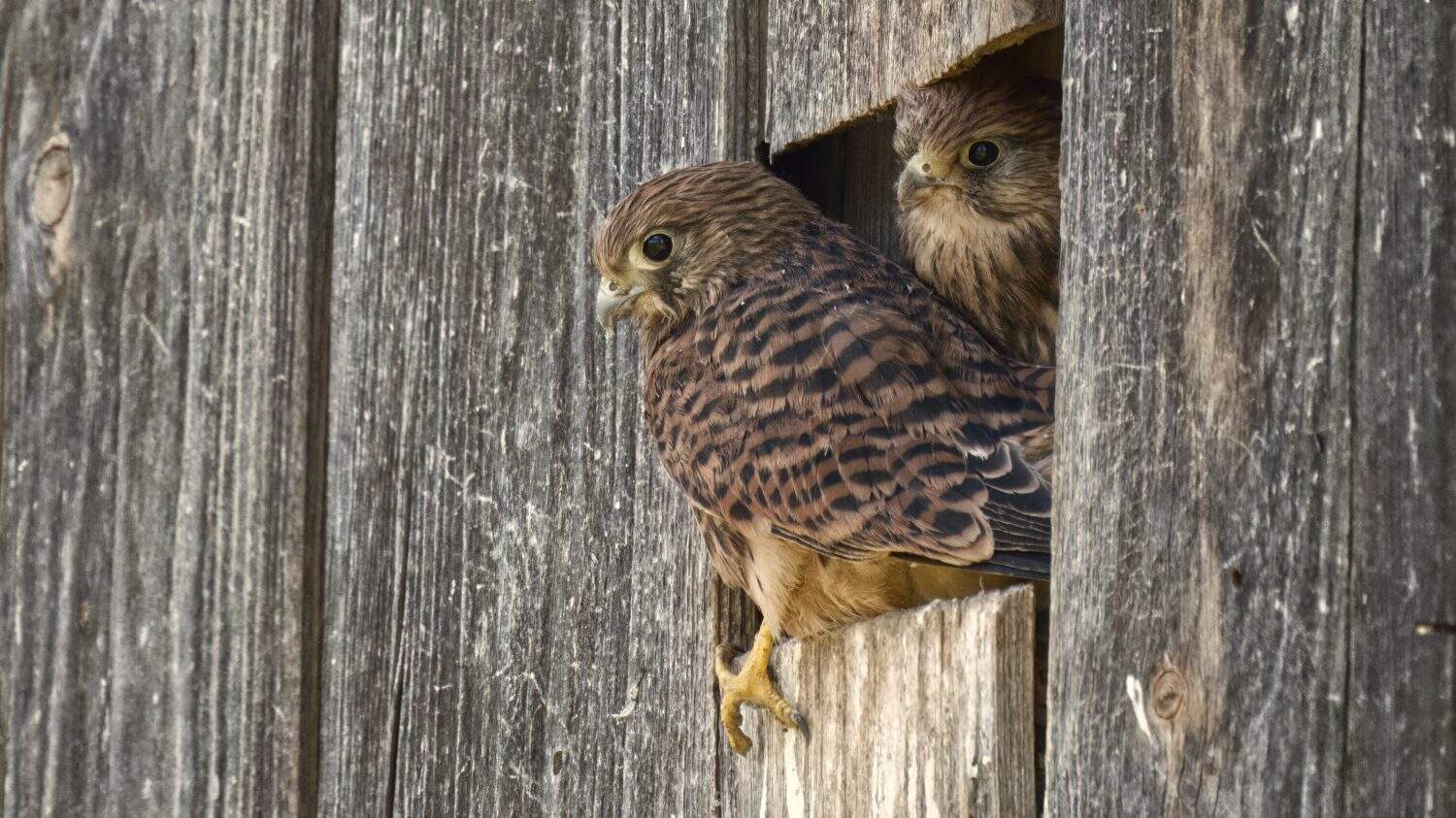
Three fledgling kestrels were videoed in their nest, likely waiting for their parents to return to feed them. While waiting for dinner, an unlikely foe landed on their nest. A butterfly, only a fraction of the size of the kestrels, rested for a moment, and in doing so, scared the kestrels to no end.
The kestrels recoiled at the sight of the butterfly. They pushed themselves against the back wall of their nest to get as far away as possible from the winged creature.
While it is clear to observers that the butterfly is no match for the kestrels, the young birds have yet to learn what constitutes as a threat to their survival. Regardless of size, any foreign creature is therefore considered an enemy.
What is a Kestrel?
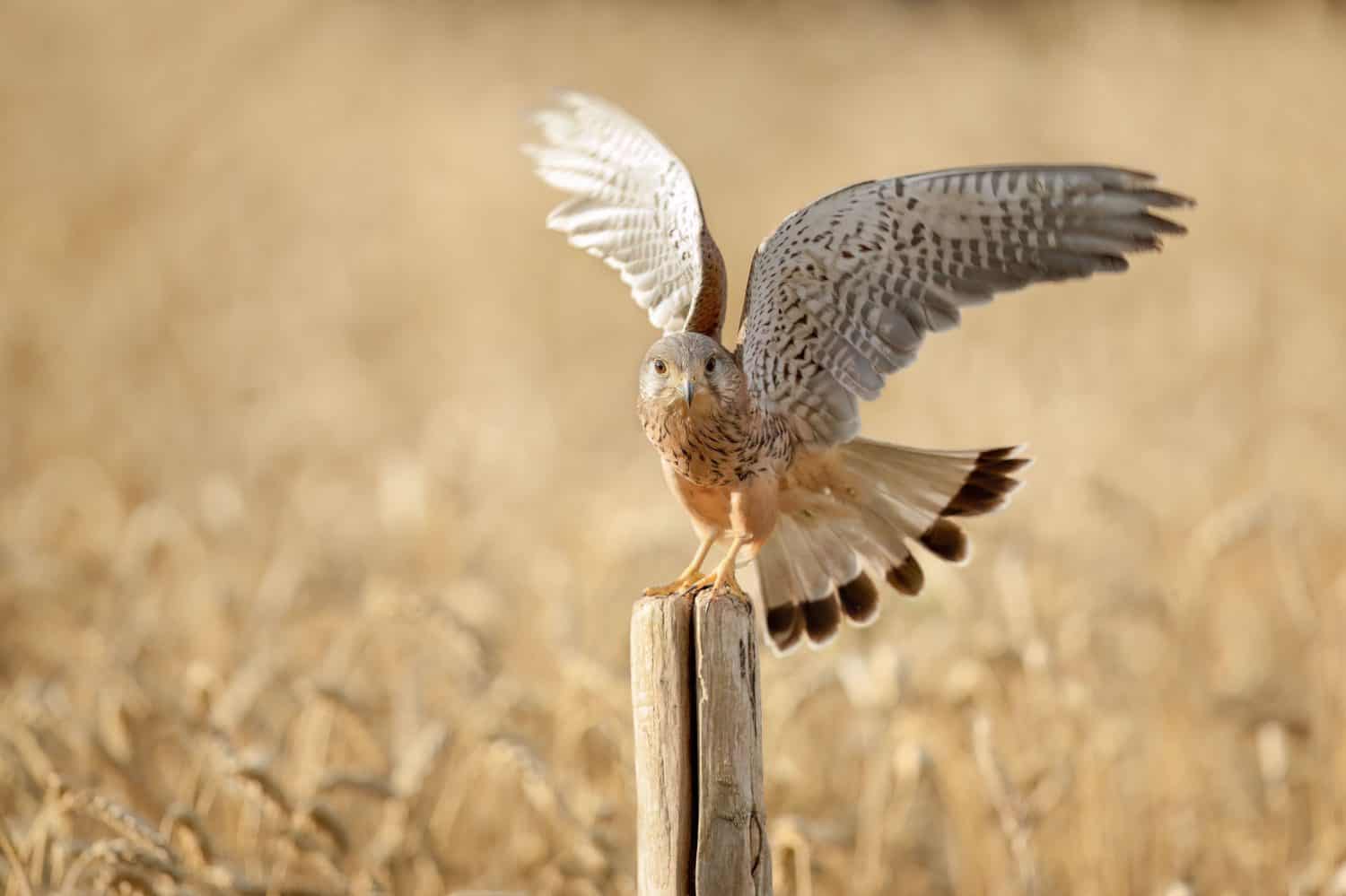
Kestrels are small falcons the size of a dove.
©Wirestock Creators/Shutterstock.com
It may be hard to believe, given their small stature, that a kestrel is a falcon. There are 15 different species of kestrels worldwide. The birds can be found in habitats that range from semi-desert lands to grasslands, cliffsides, and even urban and suburban areas. As long as there is an open area for the birds to hunt, abundant prey, and crevices in which to build their nests, kestrels are not terribly picky about where they live.
Kestrels are migrating birds. The American kestrel, the most abundant of the species in the United States, migrates from its northern breeding grounds in the summer to southern states in the winter. Some are even known to migrate as far south as Central America or northern South America.
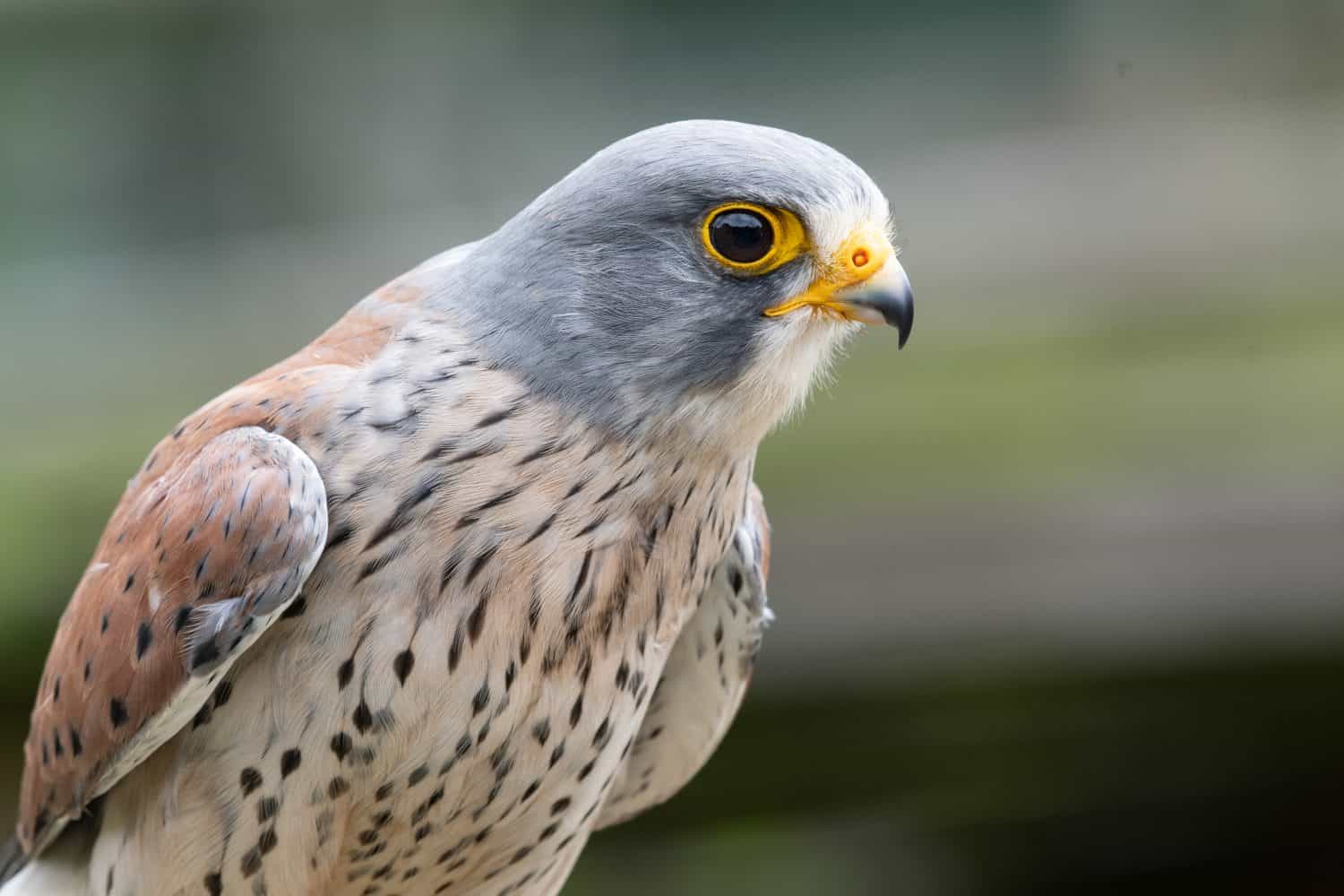
The size of the American kestrel is akin to that of a dove. The males have gray-blue wings, while the females have reddish-brown wings. These tiny falcons are keen hunters, able to hover over fields and grasslands as they stalk their prey. Some of their most common prey include:
- Mice
- Shrews
- Voles
- Lizards
- Large insects
- Small birds
Most of the time, kestrels will snatch their prey from above. However, given their flying skills, it is not unheard of for a kestrel to grab prey mid-flight.
Incredible hunting skills make these falcons excellent predators. However, due to their small stature, they are vulnerable to larger birds of prey. Kestrels learn from a young age to assume any unknown creature is a foe. Chances of survival increase with caution.
Why Kestrels Are Prone to Overreacting
Kestrels, like other birds, overreact when young thanks to both instinctual and learned behavior.
©Tom Meaker/Shutterstock.com
Kestrels, like other birds, are wired to overreact to situations never experienced before to avoid risks and survive. In the instance of the butterfly in the Instagram video, the kestrels had never come into contact with a butterfly before. While the butterfly will eventually become prey for the small falcons, it takes time and experience for these magnificent birds to learn how to adequately determine threats.
Though instinctual, overreacting to the unknown is also a learned behavior. As they observe their parents hunting, adolescent birds begin to understand what can and cannot hurt them. When the parents take cover or attack, young birds learn to do the same. With age comes wisdom, but until they learn essential survival skills, birds rely on fear of the unknown.
What Causes Kestrels and Other Birds to Huddle
Kestrels may huddle together for warmth, for protection, or to help with hunting.
©An.He/Shutterstock.com
Kestrels are predators, but they also practice safety in numbers. Both young and adult kestrels have been observed huddling together. The reasons may change with age, but these social falcons work together for survival.
When kestrels are young, they may huddle together for warmth. Before their feathers fully grow, the hatchlings are vulnerable to the cold because they are unable to regulate their body temperature. The mother kestrel stays with the baby birds until they are better able to stay warm, at around 10 days old. After that, the birds keep one another warm and healthy by huddling together when the mother is away hunting.
Additionally, kestrels may huddle together as fledglings for a few weeks for safety. If there are multiple eyes on the sky above and the ground below, there are fewer chances of an unsuspecting predatory bird attacking. For approximately three weeks, until kestrels leave the nest to go off on their own, they may huddle with siblings.
As kestrels grow into adults, they work together to hunt. By sticking together in pairs, two sets of eyes scan the ground for movement. When prey is spotted, the two work together to capture the critter, increasing the odds of success.
Kestrel Populations Are Declining and There Are No Answers as to Why

Kestrel populations have declined by 50% since the 1970s, but there is no clear evidence for the cause.
©CORDEANT PHOTOGRAPHY/Shutterstock.com
The American kestrel is one of the most abundant falcons in North America. However, the species has experienced a 50% decline in population since the 1970s. The American kestrel now faces an annual population decline of 1.4%. At this rate, it is only a matter of time before the species will require protection under the Endangered Species Act.
Despite the American kestrel population continually creeping lower, no specific reasons have been pinpointed for the decline. As scientists follow migration patterns and track whether falcons return to the same breeding grounds annually, they have developed hypotheses as to why fewer American kestrels survive each year.
Some of the hypotheses scientists have generated regarding the decline of American kestrels include:
- Habitat loss
- Use of pesticide
- Climate change
- Predation
- Competition for territory
- Colliding with vehicles
While a combination of these factors may contribute to the decline of American kestrels, until changes are made, these small falcons will continue to perish. Without swift action, these adorable birds that startle so very easily may go extinct.