
Quick Take
- The North Atlantic right whale is currently considered critically endangered, with fewer than 400 individuals remaining.
- The only Podokesaurus holyokensis fossil discovered in Massachusetts was destroyed in a fire.
- Conservation efforts in the mid-20th century reintroduced Wild Turkeys to the commonwealth.
Massachusetts ranges from sandy coastal plains and beaches in the eastern part of the commonwealth, to central hilly uplands and rugged mountains in the west. These diverse habitats support a wide range of wildlife, and Massachusetts has chosen a dozen animals that reflect the commonwealth’s biodiversity and natural heritage. Continue reading to discover the 12 official animals of the Bay State.
State Bird: Black-Capped Chickadee
The black-capped chickadee (Poecile atricapillus) was officially adopted on March 21, 1941, making it the first official animal symbol of the Commonwealth of Massachusetts. These non-migratory songbirds are found in every corner of the commonwealth and were chosen to represent Massachusetts for their hardy resilience.
Chickadees survive harsh New England winters through a combination of extreme physiological adaptations and behavioral strategies. They use their winter plumage, which is significantly thicker and denser, for insulation; cache food by storing thousands of seeds to maintain a high-fat diet; and lower their body temperature at night to conserve energy.
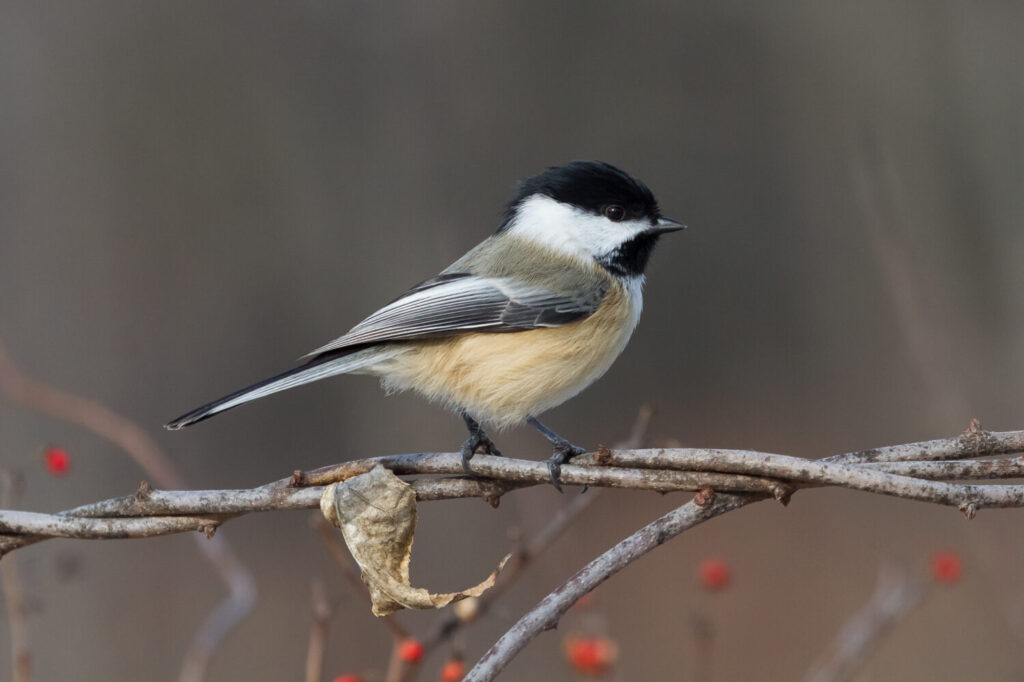
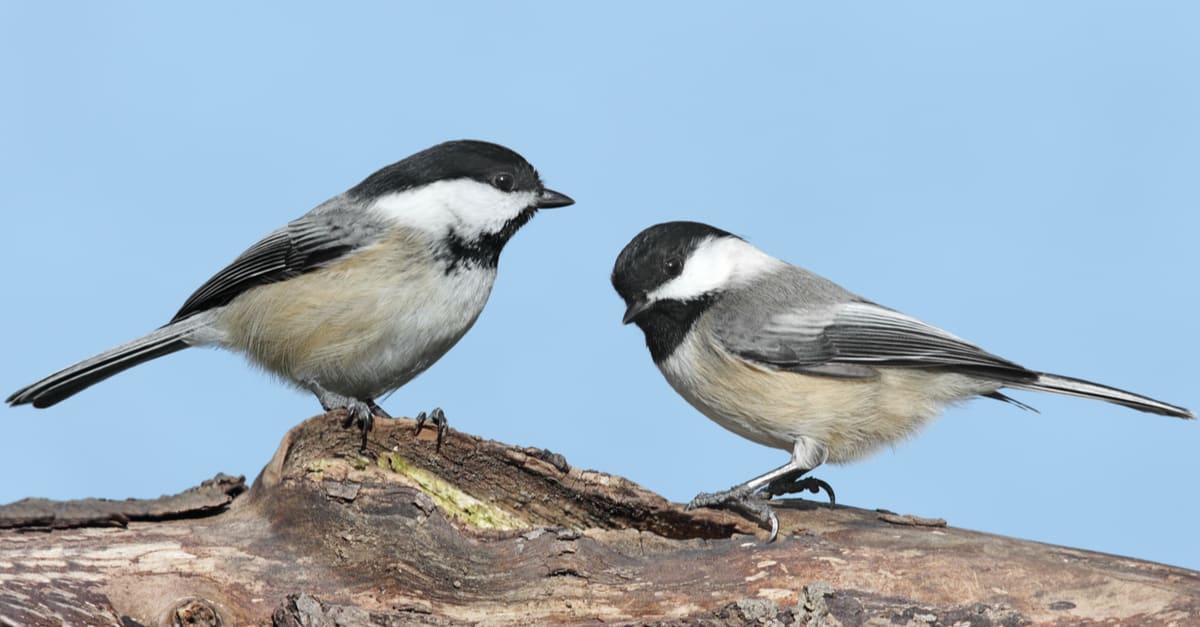
The black-capped chickadee is readily identified by its black head and bib, white cheeks, and gray wings and tail.
©Paul Roedding/Shutterstock.com
Black-capped chickadees are commonly found at backyard feeders in Massachusetts and are endeared for their songs and calls, which are considered cheerful and comforting, especially during cold winter months.
State Horse: Morgan Horse
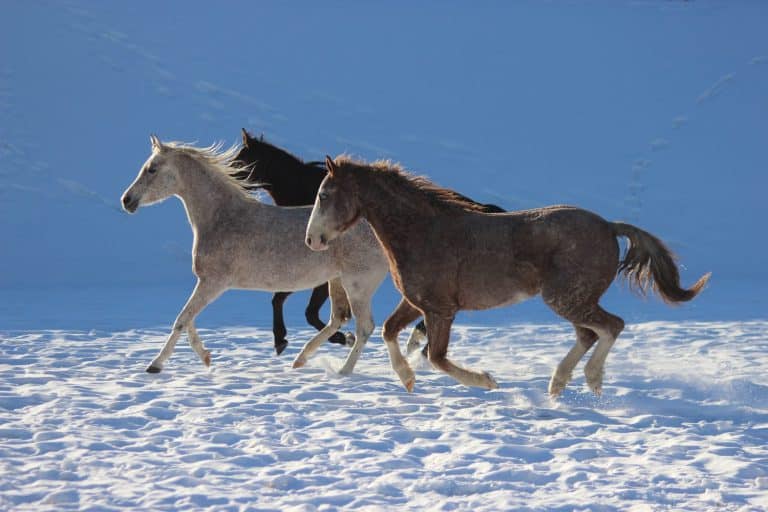
The Morgan horse was officially adopted as the state horse of Massachusetts on May 14, 1970. This breed traces its lineage back to a bay stallion born in West Springfield, Massachusetts, in 1789, and is recognized as one of the first truly American horse breeds.
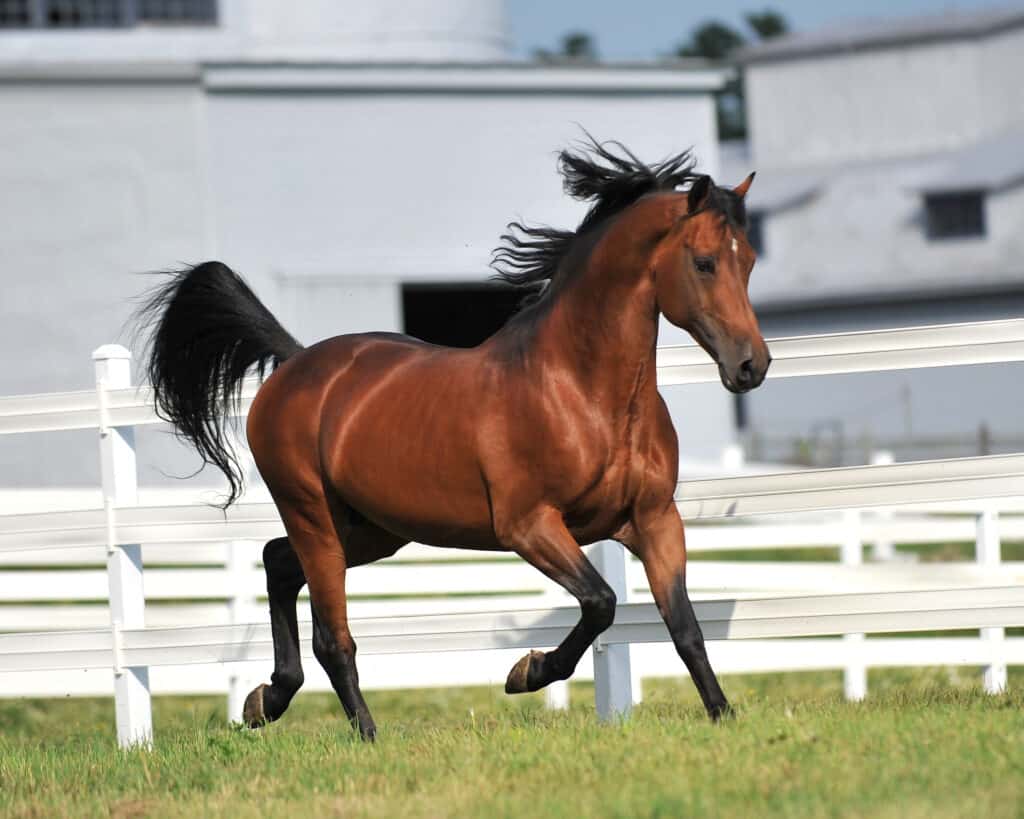
Morgan horses have been used as plow horses, race horses, and Civil War cavalry mounts.
©Christopher Crosby Morris/Shutterstock.com
The Morgan horse is compact and muscular, typically standing 14 to 15 hands (57 to 62 inches) tall and weighing between 900 and 1,000 pounds. They are valued for their stamina and intelligence. The majority of Morgan horses are chestnut, bay, or brown, although the breed also includes black, palomino, buckskin, and gray individuals.
State Marine Fish: Atlantic Cod
The Atlantic cod (Gadus morhua) was officially designated as the state marine fish of Massachusetts in 1974. It has been a historic symbol of the Commonwealth for over 200 years. A wood carving known as the Sacred Cod hangs in the Massachusetts House of Representatives chambers.
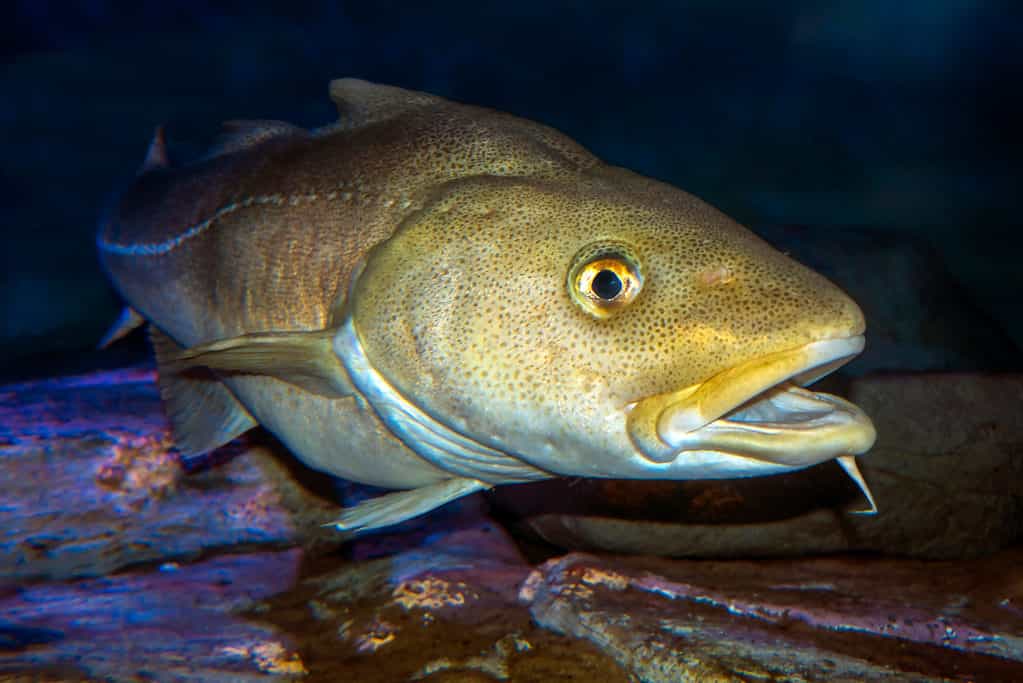
Atlantic cod were the driving force in the development of Massachusetts’ fishing industry.
©Miroslav Halama/Shutterstock.com
Beyond its historical significance, Atlantic cod are beneficial to the state’s economy.
Atlantic cod can be found in Massachusetts Bay and along the South Side of Cape Cod from late autumn to spring. In the summer, Atlantic cod are more commonly found in the Gulf of Maine, on Georges Bank, and extending up to the Grand Banks of Newfoundland, Canada.
Atlantic cod played a major role in the development of the Massachusetts fishing industry, fueling early trade and community development in ports like Gloucester and New Bedford. Today, Atlantic cod stocks remain severely depleted, and the species is subject to strict management measures, including ongoing quota reductions and emergency regulations, to prevent further decline and support a slow, uncertain recovery.
State Insect: Seven-spotted Ladybug
The seven-spotted ladybug (Coccinella septempunctata) was officially designated as the state insect of Massachusetts on April 17, 1974.
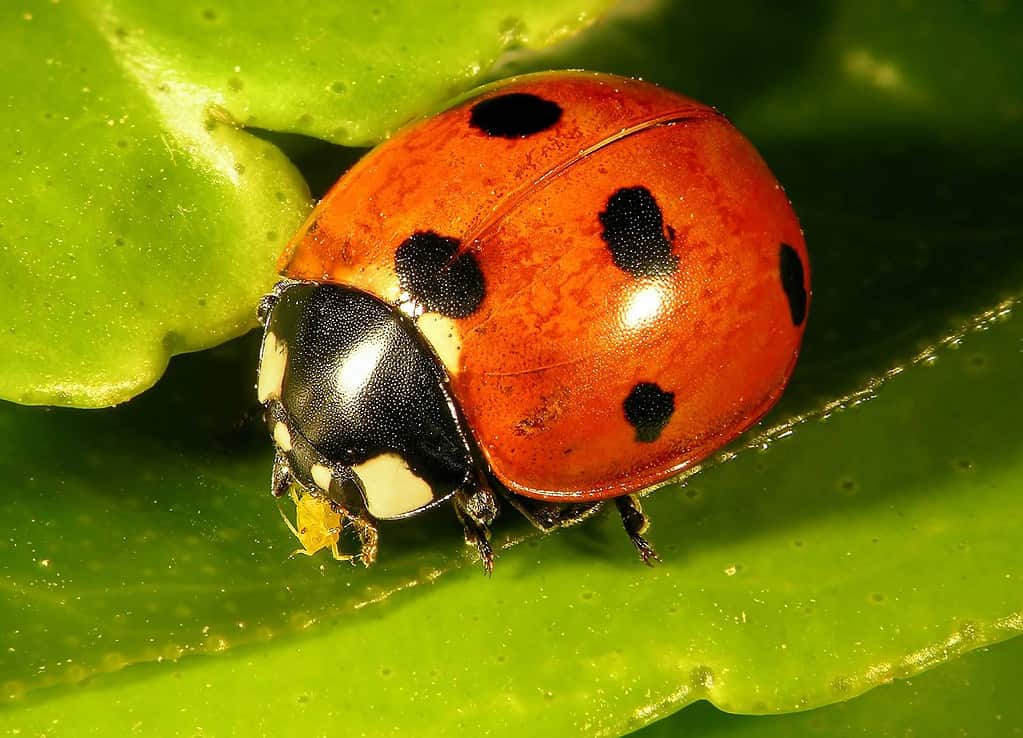
A ladybug will eat hundreds of agricultural pests in its short life.
©Protasov AN/Shutterstock.com
The seven-spotted ladybug is a common predatory beetle with a red-orange body with distinct black spots. They were intentionally introduced to North America from Eurasia in the mid-20th century (1956-1971) to act as pest control.
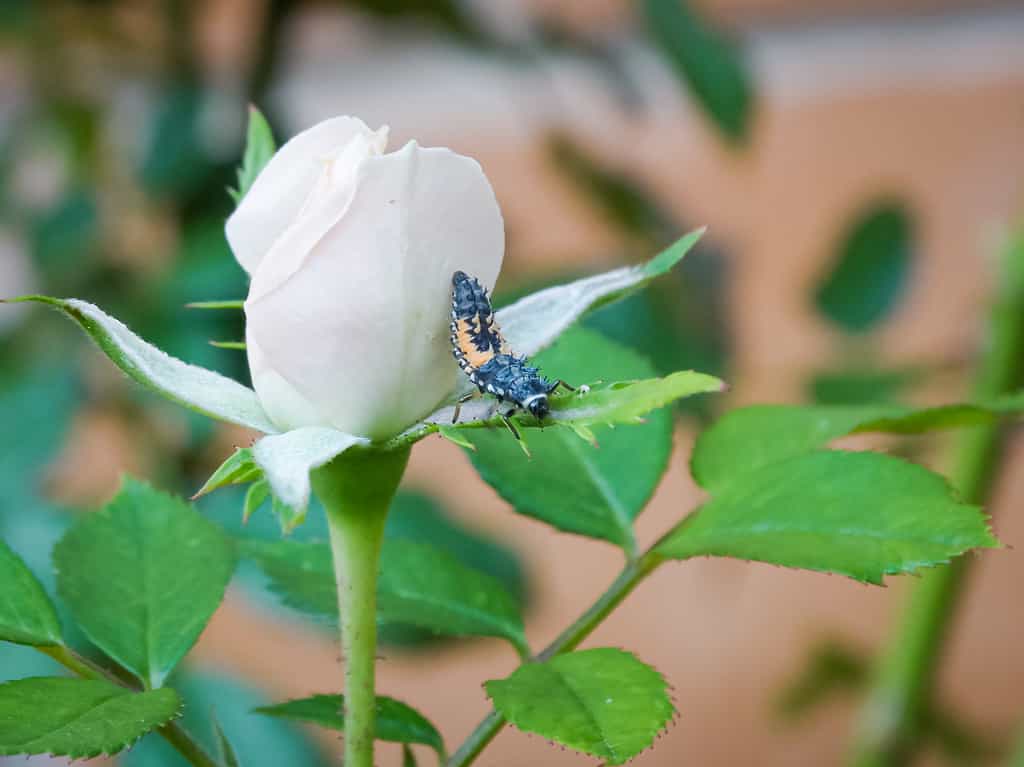
Ladybug larvae are effective agents of pest control.
©Tatiany Kazmierczak/iStock via Getty Images
Seven-spotted ladybugs and their larvae are voracious predators of aphids, scale insects, and other soft-bodied, plant-damaging pests, feeding on hundreds of these pests in their lifetime. By feeding on these pests, seven-spotted ladybugs reduce the need for chemical insecticides, lowering production costs for farmers and supporting healthier, more marketable crops.
State Dog: Boston Terrier

The Boston terrier is one of the first dog breeds developed in the United States.
©Lenka_N/Shutterstock.com
On May 14, 1979, the Boston terrier was officially recognized as the state dog of Massachusetts. The Boston terrier, a mix between an English bulldog and an English terrier, was developed in Boston in the mid-19th century, and was recognized by the American Kennel Club (AKC) in 1893, becoming America’s first purebred dog.
Male Boston terriers typically stand 17 inches tall at the shoulder and weigh between 10 and 25 pounds. Boston terriers are small, compact, and well-proportioned. They have wide chests, short, square muzzles, and square, rather flat skulls. Although some Boston terrier puppies are born with floppy ears that may be cropped to stand, the ears are often naturally short and upright. The tail of this breed is short and straight or in the form of a corkscrew. They come in three colors: black with white markings, black with a red tint, or brindle with white markings.
State Marine Mammal: North Atlantic Right Whale
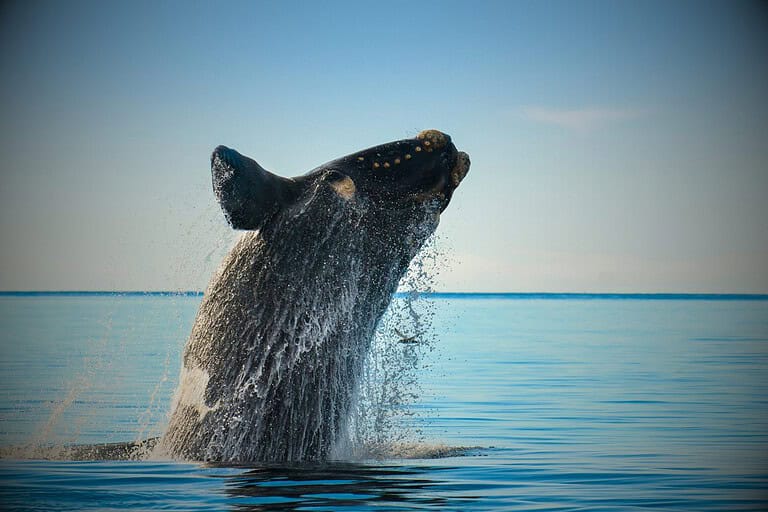
The North Atlantic right whale (Eubalaena glacialis) was officially adopted as the state marine mammal of Massachusetts in 1980, and in 2023, the commonwealth designated April 24 as Massachusetts Right Whale Day.
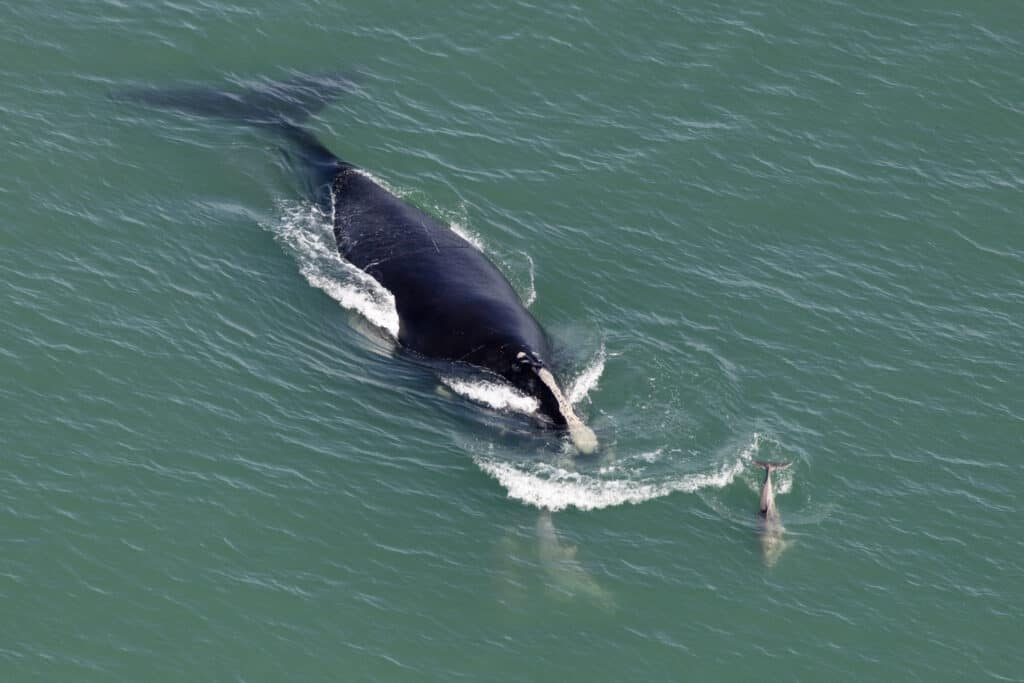
North Atlantic right whales are docile, baleen whales that tend to keep close to the coast.
©iStock.com/6381380
In the 19th century, North Atlantic right whales provided crucial oil for lamps and lubricants, while their baleen was essential for manufacturing products like corsets, parasols, and buggy whips.
Their coastal migration patterns made them easy to hunt, leading to severe depletion of the population by the late 19th century. North Atlantic right whales are on the brink of extinction with an estimated 384 individuals remaining as of late 2025. Ongoing conservation efforts focus on mitigating vessel strikes and entanglement in fishing gear, which remain the primary human-related threats driving the species toward extinction.
State Fossil: Eubrontes
In 1980, the Commonwealth of Massachusetts designated Eubrontes (dinosaur footprints) as the official state fossil.
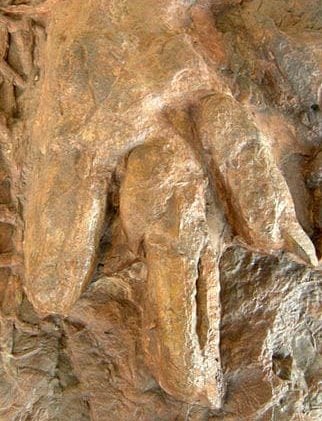
Fossilized eubrontes tracks.
Eubrontes dinosaur tracks are found in the Triassic-Jurassic sandstones of the Connecticut River Valley in the western and central regions of Massachusetts. These 180-million-year-old, three-toed, theropod tracks are located at sites in Holyoke, South Hadley, and surrounding areas.
The fossilized footprints discovered in Massachusetts were most likely left by a large, carnivorous, bipedal theropod similar to Dilophosaurus, a large, carnivorous dinosaur measuring 20 to 23 feet in length, 6 feet tall at the hip, and weighing roughly 880 to 1,000 pounds.
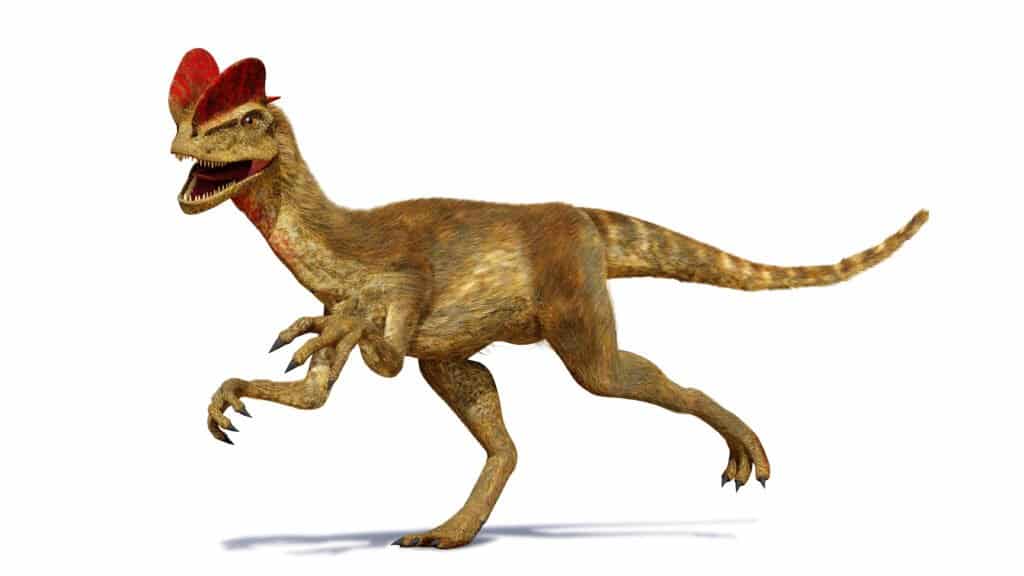
Dilophosaurus had two distinctive, hollow crests on its head used to attract mates during courtship displays.
©Dotted Yeti/Shutterstock.com
State Shell: New England Neptune
The New England Neptune (Neptunea lyrata decemcostata) was designated as the official shell of Massachusetts in 1987.
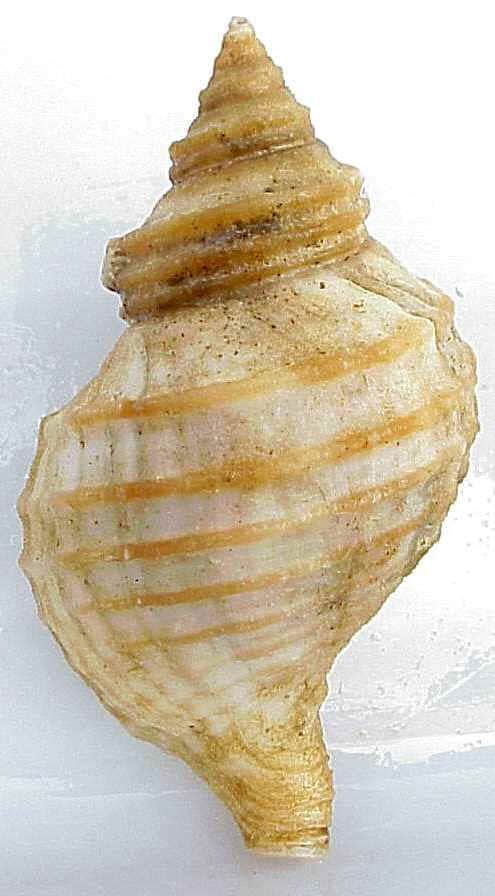
By the time its shell is found on Massachusetts’ beaches, the sea snail has abandoned it.
©NOAA, Public domain, via Wikimedia Commons – Original / License
The New England Neptune, also known as the ten-ridged whelk, is a species of marine gastropod mollusk in the family Buccinidae. Neptunea lyrata decemcostata is a large, deep-water sea snail found in the Gulf of Maine. While the snail itself is not typically found in Massachusetts, its abandoned shell frequently washes up on Massachusetts’ beaches.
State Cat: The Tabby
The tabby cat (Felis catus) became the official state cat of Massachusetts on July 11, 1988. The designation was made following a campaign led by Massachusetts schoolchildren. The initiative was part of a broader effort to have school-aged children involved in selecting state symbols. Students chose the tabby because it represents the tiger-striped look that is present in many domestic cats.
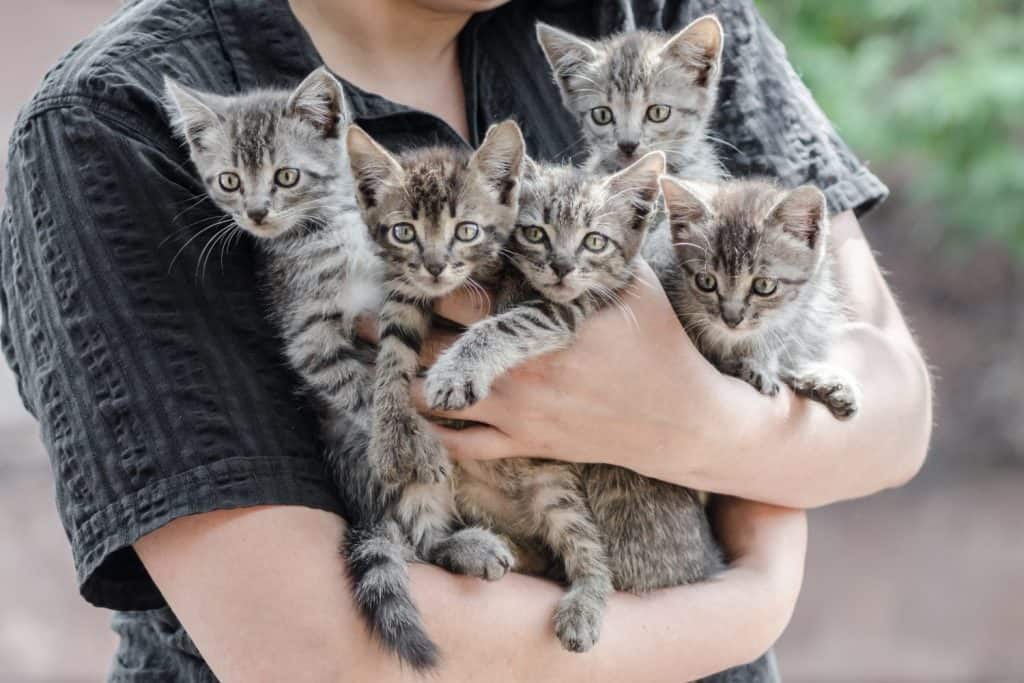
Tabby cats are recognized by the M on their forehead.
©ChocoPie/Shutterstock.com
A tabby is not a specific cat breed but a common coat pattern found across many breeds and mixed-breed cats, characterized by an M marking on the forehead, striped cheeks, and patterns like stripes, spots, or swirls. Up to 80% of domestic cats have the tabby pattern.
State Reptile: Common Garter Snake
The common garter snake (Thamnophis sirtalis) was designated the official state reptile of Massachusetts in 2007. It was chosen to represent native wildlife and highlight the ecological importance of local, non-venomous snakes.
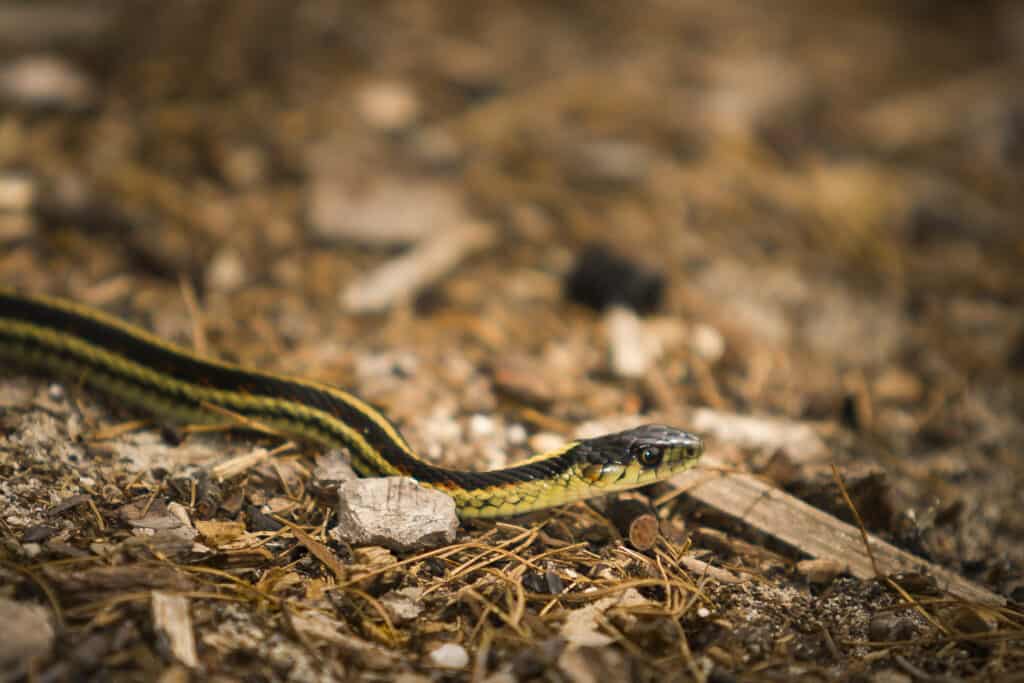
The common garter snake was chosen because it is one of the most widespread, harmless, and frequently observed snake species in the Commonwealth of Massachusetts.
©iStock.com/SolomonCrowe
The common garter snake provides natural, chemical-free pest control. These non-venomous snakes consume large quantities of slugs, insects, and small rodents, protecting gardens and crops.
State Game Bird: Wild Turkey
The wild turkey (Meleagris gallopavo) was designated the official state game bird of Massachusetts on December 23, 1991. The bird was chosen to honor its historical, cultural, and ecological significance as a “true original native of America.”
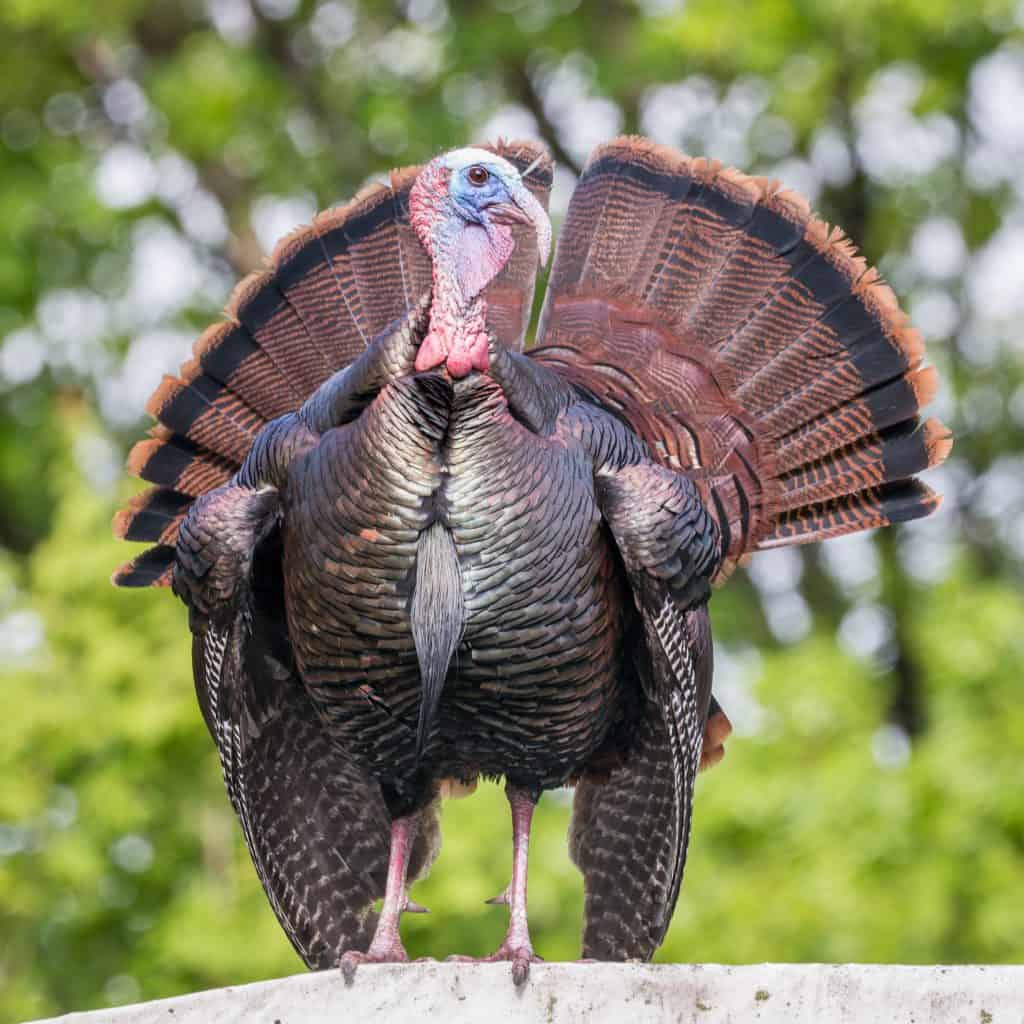
The Eastern Wild Turkey (pictured) is the specific subspecies found in Massachusetts.
Once abundant across the commonwealth, the wild turkey was extirpated by 1851 due to severe habitat loss from massive deforestation for agriculture and unrestricted, year-round hunting by European colonists.
Wild turkeys returned to Massachusetts following a successful reintroduction program in the 1970s, during which 37 wild turkeys from New York were released in the Berkshires. This initiative, supported by habitat restoration (forest regrowth) and strict hunting regulations, allowed the population to grow to between 30,000 and 35,000 birds today..
State Dinosaur: Podokesaurus holyokensis
Massachusetts officially recognized Podokesaurus holyokensis as its state dinosaur on May 2, 2022. This dinosaur was chosen because its fossilized remains were discovered in Holyoke, Massachusetts, in 1910 by Mignon Talbot, the first woman to discover, name, and describe a dinosaur. Podokesaurus holyokensis received over 60% of 35,000 votes, largely from children, in a campaign to encourage civic engagement and STEAM education, and to honor Mignon Talbot.
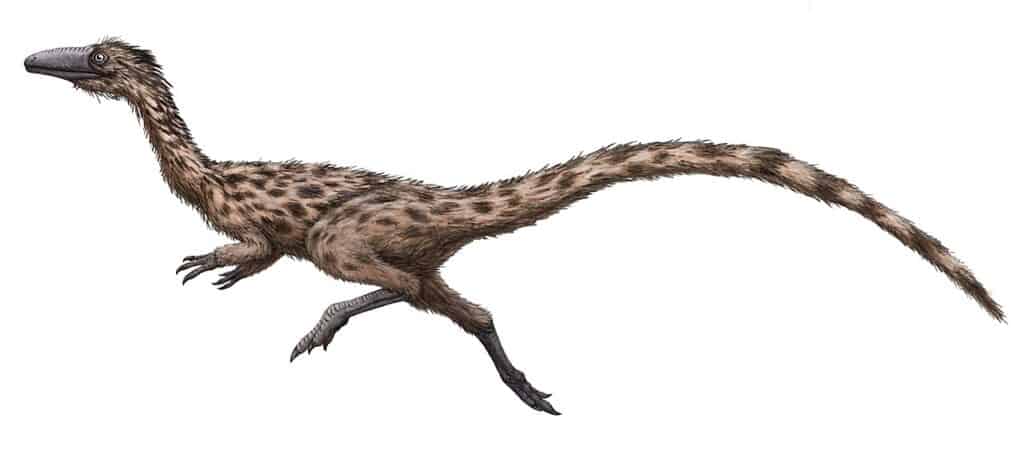
The only known fossil of Podokesaurus holyokensis was destroyed in a 1917 fire, leaving only casts.
©FunkMonk (Michael B. H.) / CC BY-SA 3.0 – Original / License
Podokesaurus holyokensis was a small, bipedal, carnivorous dinosaur that lived in Massachusetts around 180–195 million years ago during the Early Jurassic. It was 3–6 feet long and weighed approximately 90 pounds.