
Quick Take
- Wildlife conservation often relies on population counts, but stable numbers can hide widespread suffering. Research argues that true welfare depends on individual animals’ daily experiences, not just whether a species persists.
- Scientists focus on animals’ affective states — feelings like hunger, fear, pain, and calm — which shape behavior and reveal welfare conditions that headcounts miss.
- Environmental stressors such as food shortages, heat, and habitat change can lower the quality of life long before populations decline, leading to chronic hunger, stress, and altered behavior.
- Combining population data with welfare measures and carefully evaluating tools like habitat management or contraception offers a fuller approach to conservation that values both survival and how animals actually live.
When people talk about saving wildlife, they often focus on numbers. Conversations center on how many deer live in a forest, how many elephants remain in a park, or whether a rabbit population rises or falls. This approach feels logical. If a species avoids extinction, conditions must be acceptable.
A growing body of research suggests that this assumption does not capture the full picture. A study published in Biology Letters in January 2026 argues that animals can suffer profoundly even when population totals look stable. According to the researchers, understanding wildlife welfare requires shifting attention away from raw counts and toward the lived experiences of individual animals. The question is no longer just whether animals survive, but how they live.
This perspective challenges traditional conservation metrics and introduces a more demanding standard for success. It asks scientists, managers, and the public to consider whether stability in numbers can coexist with widespread hunger, stress, and discomfort. In many cases, the answer appears to be yes.
Affective States: What Life Feels Like for an Animal
Central to this research is the idea of affective state. An affective state describes how an animal feels at a given moment, combining both emotional and physical experiences. Hunger, fear, pain, fatigue, curiosity, calm, and comfort all fall under this umbrella.
Unlike survival rates or birth counts, affective states capture quality of life. An animal may be alive and capable of reproducing while still experiencing persistent hunger or chronic stress. From a distance, two populations may appear identical in data, but their daily realities can be radically different.
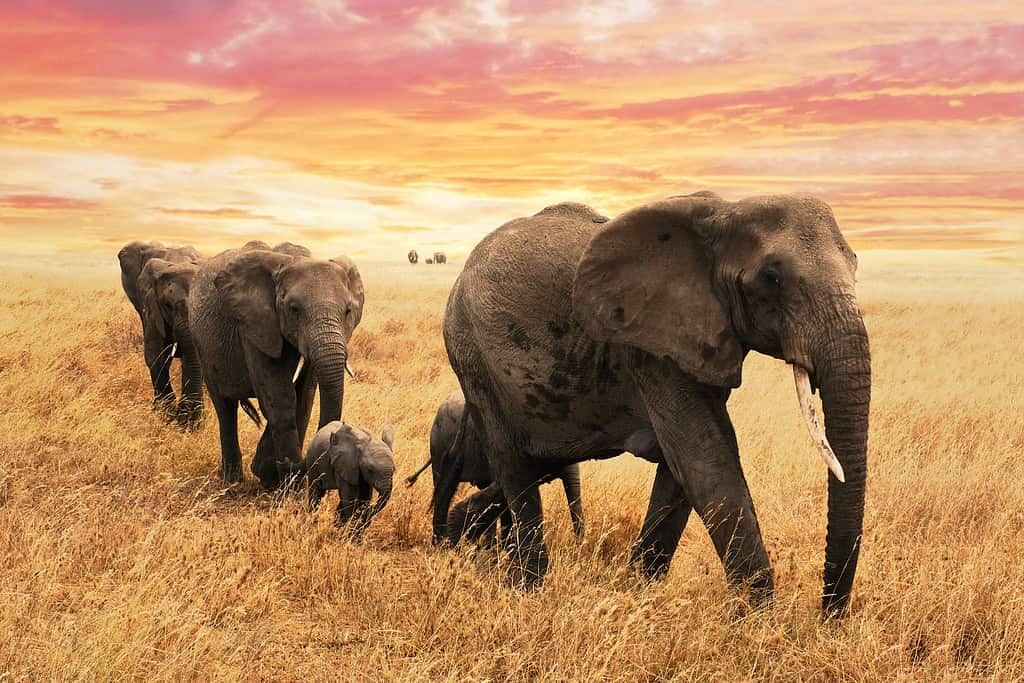
Elephants may appear healthy in population counts, but their daily lives can still include hunger, stress, or fatigue.
©TeamDAF/ via Getty Images
Consider elephants living in two separate reserves. Both populations might appear healthy in official reports, yet one group may regularly encounter food shortages, long treks between water sources, and frequent human disturbance. The other may have reliable forage, low conflict, and opportunities for rest. Population numbers alone cannot reveal these contrasts. Affective states can.
By focusing on how animals feel rather than simply whether they persist, researchers gain a clearer picture of welfare. This approach reframes conservation from a purely demographic exercise into one that acknowledges experience.
Environmental Change as a Daily Stressor
Environmental change is often discussed in sweeping terms such as climate shifts, drought trends, or habitat fragmentation. Animals, however, experience these changes in immediate and practical ways. A hotter summer means heat stress during foraging. A dry season means less grass for grazers and fewer insects for birds. Habitat loss means longer journeys to find food or shelter.
These pressures influence welfare long before they affect population size. An antelope population may remain numerically stable while individuals spend more time hungry, fatigued, or exposed to predators as they search for scarce resources. Similarly, a bird population may appear stable while nesting success declines due to stress and limited food availability.
In many ecosystems, welfare deterioration precedes visible population collapse. Animals endure worsening conditions quietly, adapting just enough to survive. By the time numbers begin to fall, suffering has often been widespread for years.
Behavior as a Window Into Welfare
Affective states do not exist in isolation. They shape behavior, sometimes in ways that increase survival risks. Hunger pushes animals to forage longer, travel farther, or take chances they would otherwise avoid. Fear alters movement patterns, causing animals to abandon optimal habitat in favor of perceived safety. Pain reduces activity, mating effort, and parental care.
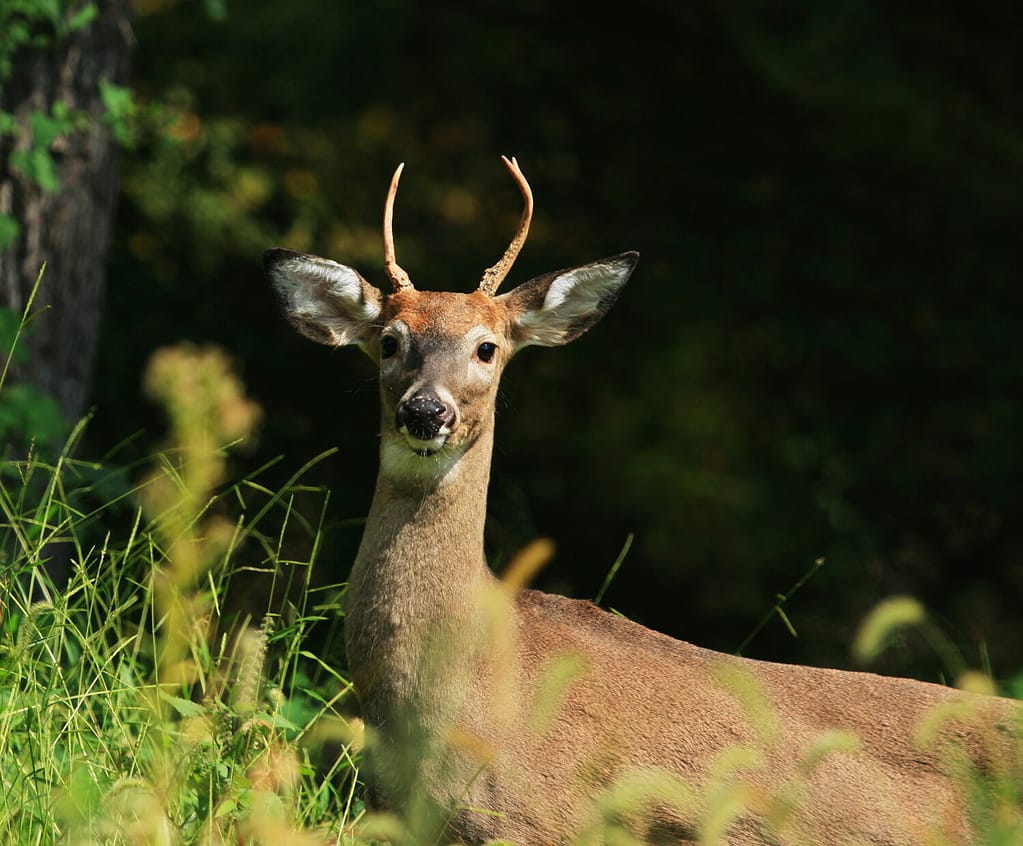
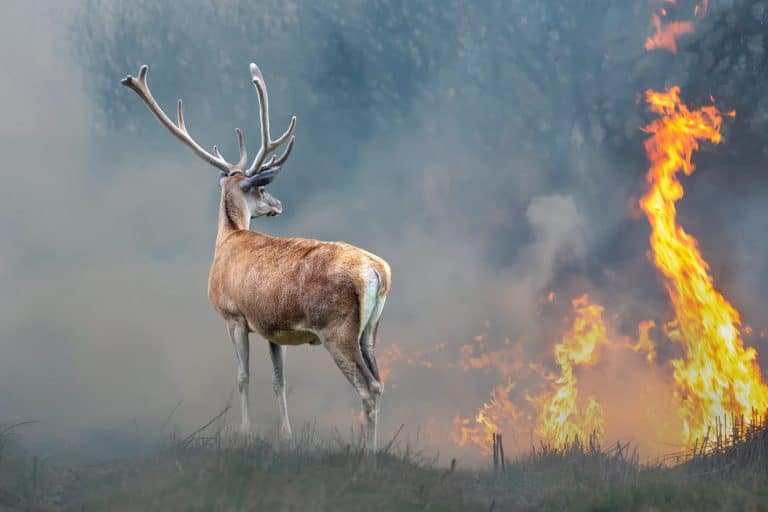
A deer’s behavior shifts with stress or hunger, shaping choices that affect survival and safety.
©David Byron Keener/Shutterstock.com
Researchers describe this flexibility as phenotypic plasticity, the ability of an organism to adjust behavior or physiology in response to environmental conditions. While plasticity can help animals cope with changing conditions, it often comes with trade-offs that may negatively impact their welfare.
For example, deer experiencing food shortages may begin feeding near roadways or suburban neighborhoods where vegetation is more abundant. While this strategy reduces hunger, it increases the risk of vehicle collisions. Similarly, stressed seabirds may skip breeding during poor food years, preserving their own survival at the expense of future population growth. Behavioral changes like these signal welfare strain. They show animals navigating trade-offs between immediate needs and long-term safety, often under pressure.
Measuring Welfare Without Language
Scientists cannot ask wild animals how they feel. Instead, they rely on indirect measures that correlate with affective states. Behavior is one important indicator. Changes in play, exploration, aggression, vigilance, or hiding behavior can suggest stress or discomfort.
Physiological measures offer additional insight. Body condition scores, injury rates, parasite loads, and reproductive success provide clues about long-term strain. Hormone levels associated with stress, such as glucocorticoids, are often monitored to assess ongoing or chronic stress in animals. Researchers also examine markers of oxidative stress, which tend to increase when animals experience prolonged negative conditions like hunger or disease.
No single metric captures welfare on its own. Combining behavioral observations with physiological data produces a more reliable picture. This multi-layered approach reveals suffering that population counts alone can easily overlook.
Overpopulation and Hidden Suffering in the Real World
In several parts of the United States, white-tailed deer populations have grown unusually dense where hunting access is limited and large predators such as wolves and cougars are absent. This pattern is especially well documented in heavily suburbanized states such as New Jersey, Connecticut, Massachusetts, and parts of Maryland. In these regions, development fragments habitat while local ordinances, land-access rules, or public opposition restrict effective population control.
As a result, deer numbers often remain high relative to available winter forage. Wildlife agencies in several of these states have reported poor body condition in late winter and early spring, including low fat reserves, reduced body mass, and increased vulnerability to disease and parasites. These outcomes are most pronounced in suburban and peri-urban landscapes, where deer concentrate in small green spaces and repeatedly over-browse vegetation.
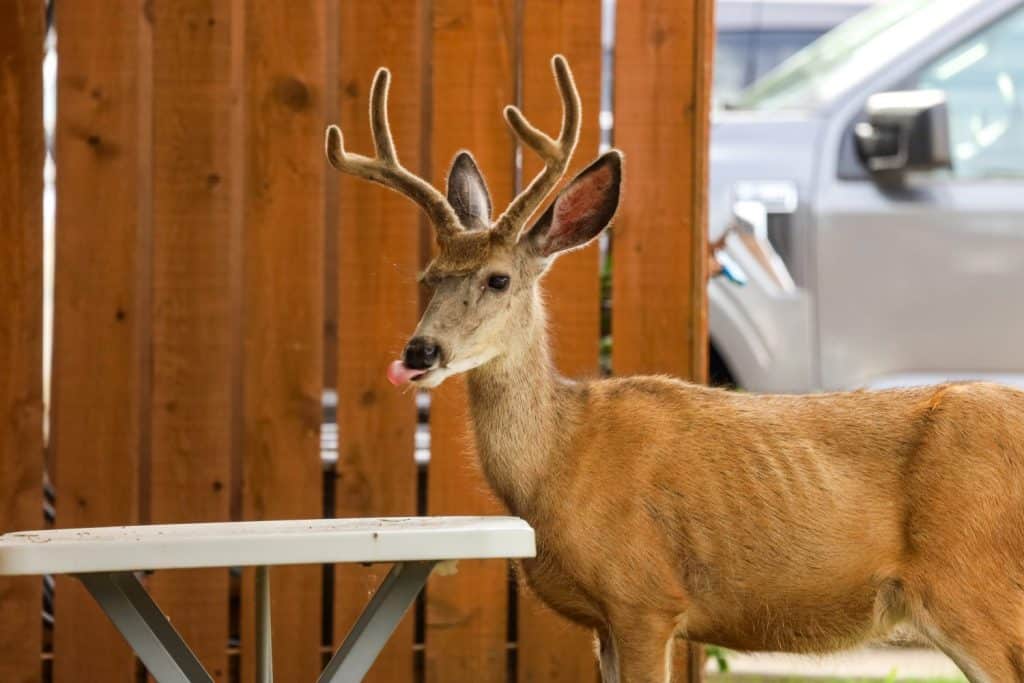
When apex predators are absent and hunting is restricted, starvation may become the only remaining factor controlling deer overpopulation.
©Momoe Toyama/Shutterstock.com
From a population standpoint, these herds can appear “stable” because adult survival remains relatively high and reproduction continues. From a welfare standpoint, however, many individuals live under chronic nutritional stress. Deer may survive each winter, but only by enduring prolonged hunger, weakened immune function, and higher mortality risk during harsh weather years. Stability in numbers can therefore mask persistent near-starvation at the individual level.
Chronic Hunger as an Ethical Challenge
Near-starvation is not a dramatic die-off. It is a prolonged state of insufficient nutrition that allows survival but undermines comfort, health, and resilience. Animals in this state experience ongoing hunger, slower growth, reduced immune function, and increased disease risk.
From a traditional conservation viewpoint, such populations may appear acceptable. Numbers hold steady. Extinction risk seems low. From a welfare perspective, however, chronic hunger represents sustained suffering across many individuals.
Recognizing this forces managers to confront uncomfortable questions. Is it acceptable for a population to persist if most individuals live under constant nutritional stress? Should conservation success be defined only by persistence, or should quality of life matter as well? The study argues that ignoring near-starvation as a welfare issue amounts to accepting suffering as normal.
Wildlife Contraception as a Preventive Tool
One of the more debated implications of this research is the role of wildlife contraception. Although most people associate contraception with domestic animals, it has increasingly been explored as a management tool for free-ranging wildlife in areas where populations exceed available resources. By reducing birth rates, contraception can ease competition for food and water, allowing existing animals better access to nutrition and reducing chronic stress.
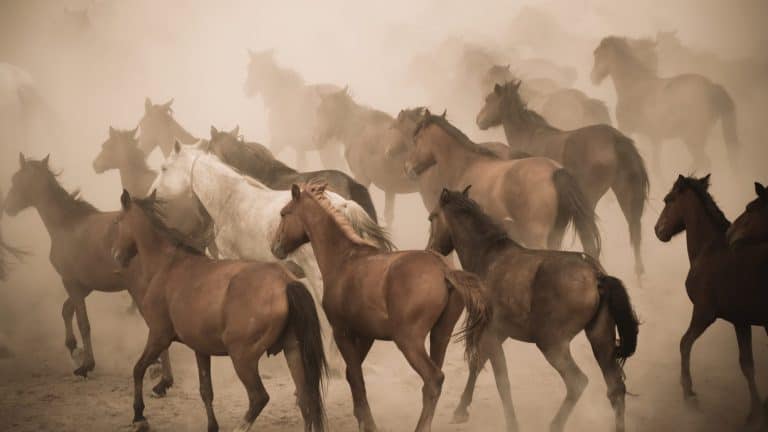
In practice, this approach has been applied in situations such as wild horse management in the western United States and urban deer control programs. Results vary by species and setting, but some evidence suggests that limiting reproduction can help prevent boom-and-bust cycles that otherwise lead to mass starvation. The key distinction is timing: contraception aims to reduce population pressure before suffering escalates, rather than intervening only after famine or disease outbreaks have already occurred.
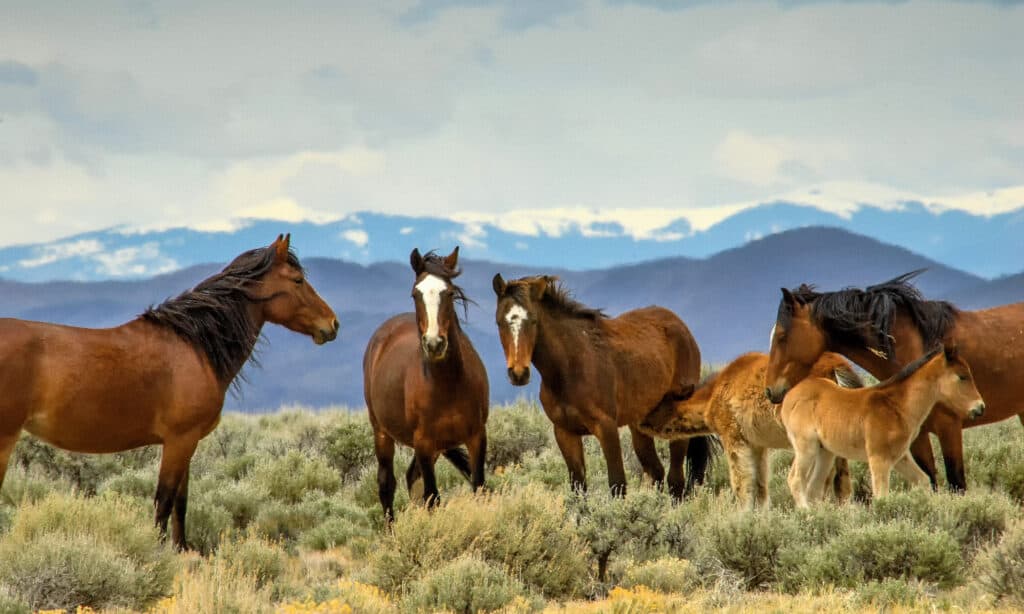
Contraception is one of the tools used to control wild horse populations in the Western United States.
©Adventure_Images/Shutterstock.com
Limits and Trade-Offs of Contraception
At the same time, contraception is not a universal or risk-free solution. Its effects depend heavily on species biology, social structure, and ecosystem context. Hormonal treatments may alter behavior or social dynamics, while delivery methods often require repeated intervention, making them expensive and logistically complex. Ethical questions also remain, particularly around the degree of human control over wildlife reproduction.
For managers, the challenge lies in balancing potential short-term side effects against long-term welfare benefits. In some cases, contraception may significantly reduce chronic hunger and disease; in others, it may be impractical or counterproductive. The research stresses the need for careful monitoring and species-specific evaluation rather than broad, one-size-fits-all use.
Expanding the Goals of Conservation
Conservation has historically prioritized species persistence and ecosystem function. Welfare science adds a new dimension by emphasizing individual experience. This shift raises complex questions about responsibility and values. Is conservation successful if animals survive but live poorly? Should management aim only to prevent extinction, or also to reduce unnecessary suffering?
Tools such as habitat improvement, affective state monitoring, predator restoration, and targeted contraception offer ways to balance these goals. They encourage policies that protect populations while also improving daily conditions for animals.
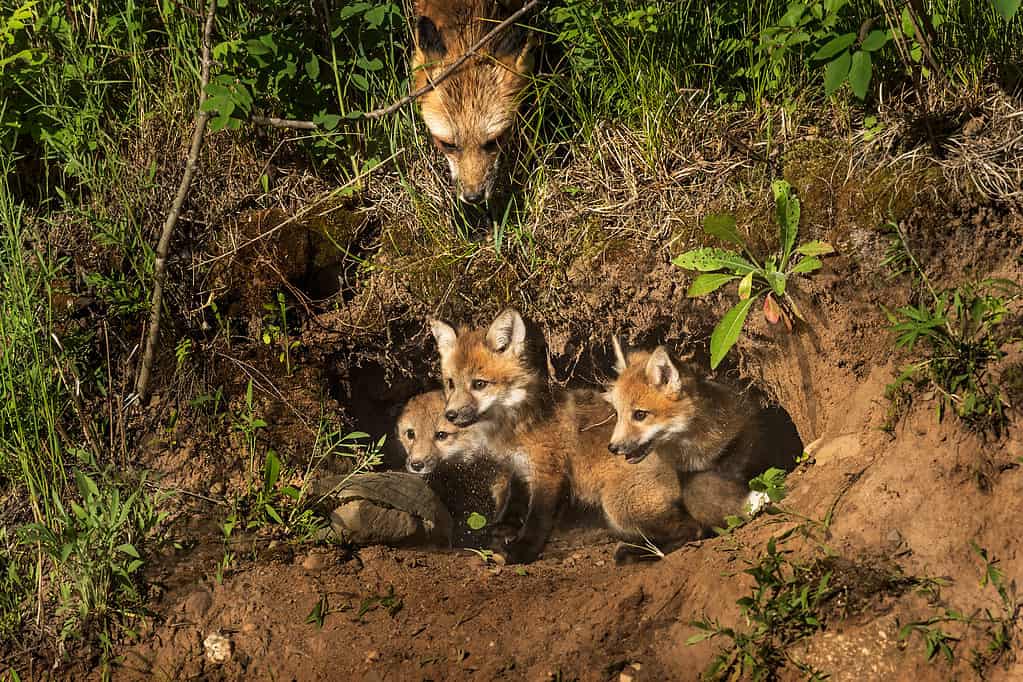
Protecting wildlife now means caring about how animals live, not just how many remain.
©Geoffrey Kuchera/Shutterstock.com
Counting Lives and Experiences Together
For many animal advocates, the lessons of this study are clear. Effective wildlife protection requires more than tallying individuals. It requires attention to experience. Research on affective states shows that environmental change shapes how animals live long before it determines whether they survive.
By combining population science with welfare measures, managers can address hidden suffering and prevent crises rather than reacting to them. As methods improve, conservation can evolve toward outcomes that support both survival and quality of life. Large numbers matter. But so do the lives lived within them.