
Quick Take
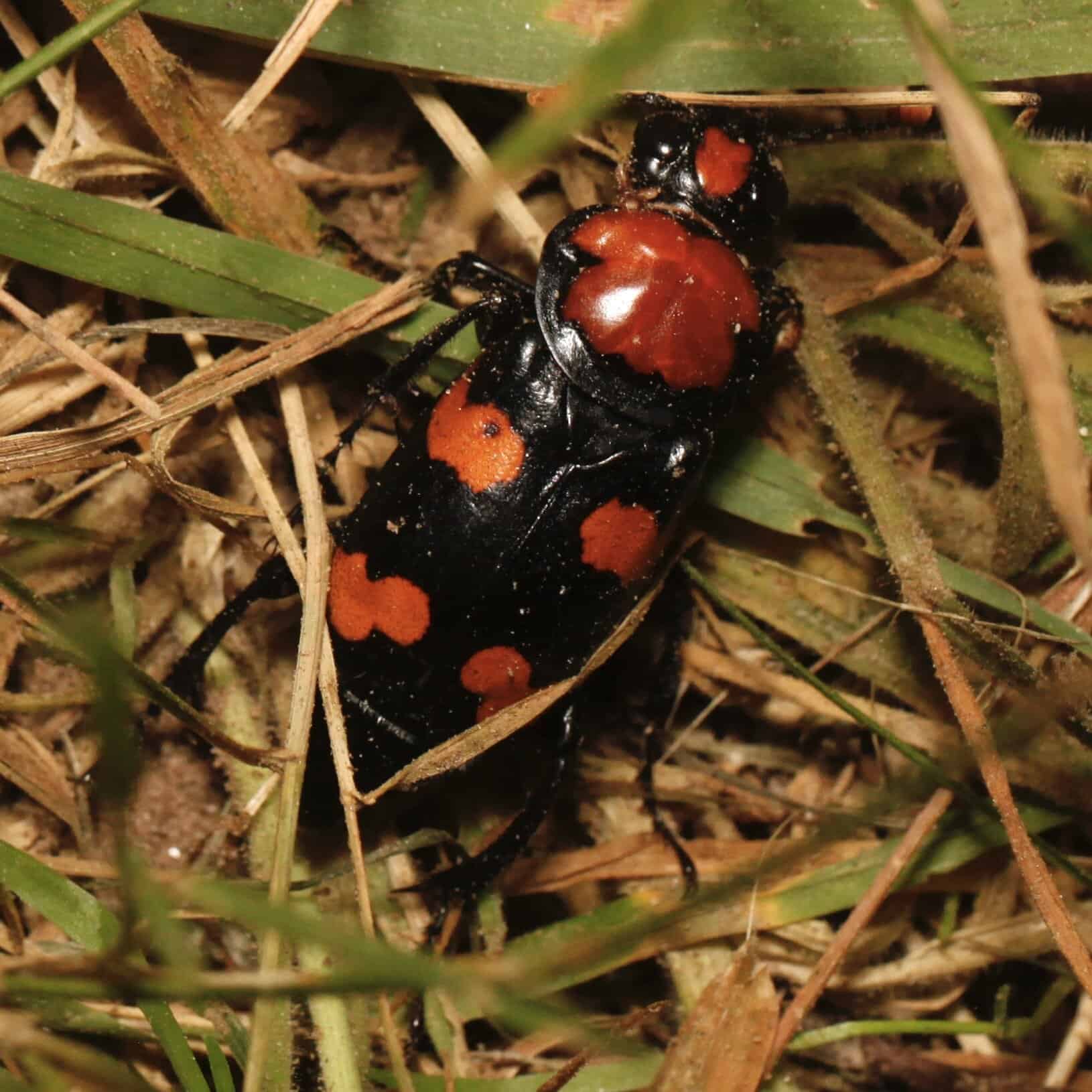
- The American burying beetle is among the rarest insects in North America.
- The Rhode Island Red chicken has been Rhode Island’s official bird since 1954.
- Harbor seals can be found in the coastal waters around Rhode Island from October through April.
The smallest state in terms of area, Rhode Island has a 1,214-square-mile footprint. The last of the original thirteen colonies to gain statehood, it is 48 miles from North to South and 37 miles from East to West. Despite its compact size, Rhode Island is home to a diverse array of wildlife in its forests, wetlands, and along its substantial coastline. Continue reading to learn about the six animals that Little Rhody has officially recognized to represent the state.
State Bird: Rhode Island Red
The Rhode Island Federation of Garden Clubs, the Providence Journal Company, and the Audubon Society of Rhode Island organized a state bird election. On May 3, 1954, the Rhode Island Red chicken (Gallus gallus domesticus) defeated its closest rivals, the osprey and ruby-throated hummingbird, to become the state bird of Rhode Island.
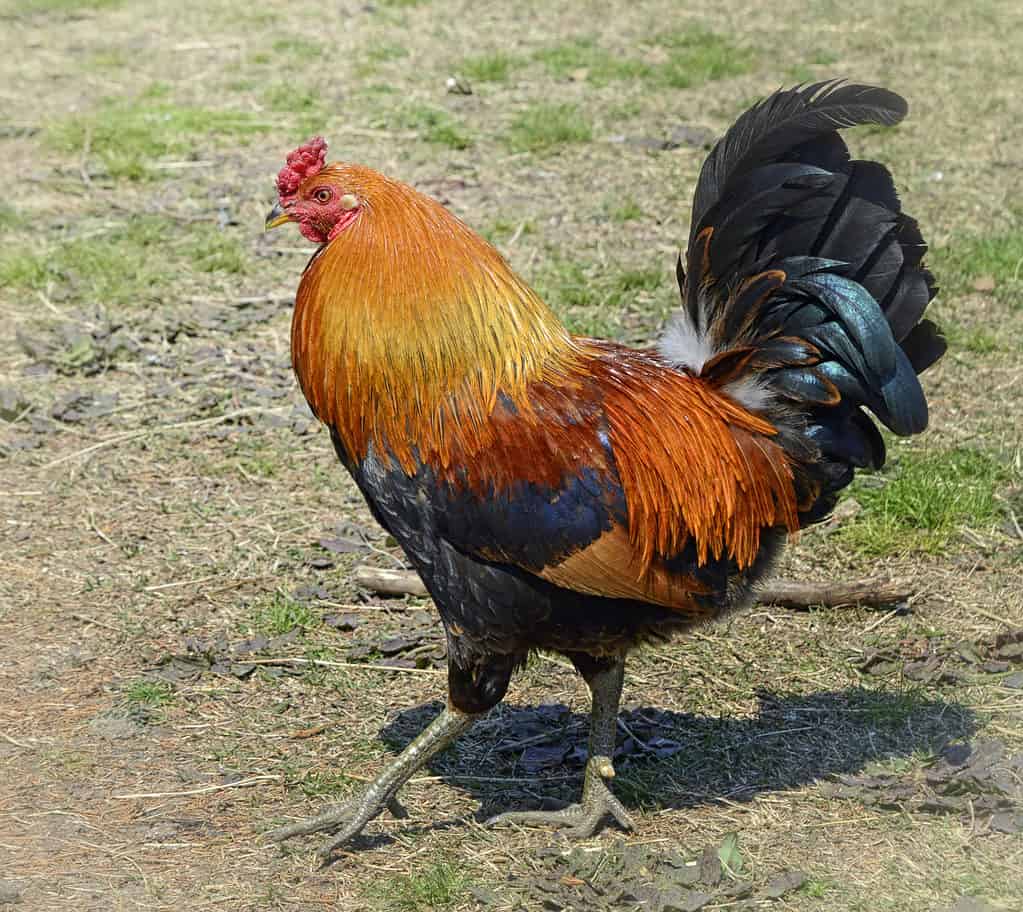
The Rhode Island Red has been the state bird of Rhode Island since 1954.
©iStock.com/Lois_McCleary
Then-Governor Dennis J. Roberts declared, “The Rhode Island Red has become a symbol of Rhode Islanders all across the world,” as he signed the bill into law. Compared to other breeds, Rhode Island Reds can be demanding and pushy, but they most definitely have personality. These are resilient chickens that are resistant to illness.
The Rhode Island Red breed was developed in Little Compton, Rhode Island, during the mid-19th century by poultry farmers produce a hardy, high-production bird.
State Shell: Quahog
The quahog (Mercenaria mercenaria), a hard clam, was officially recognized as the state shell of Rhode Island in 1987.
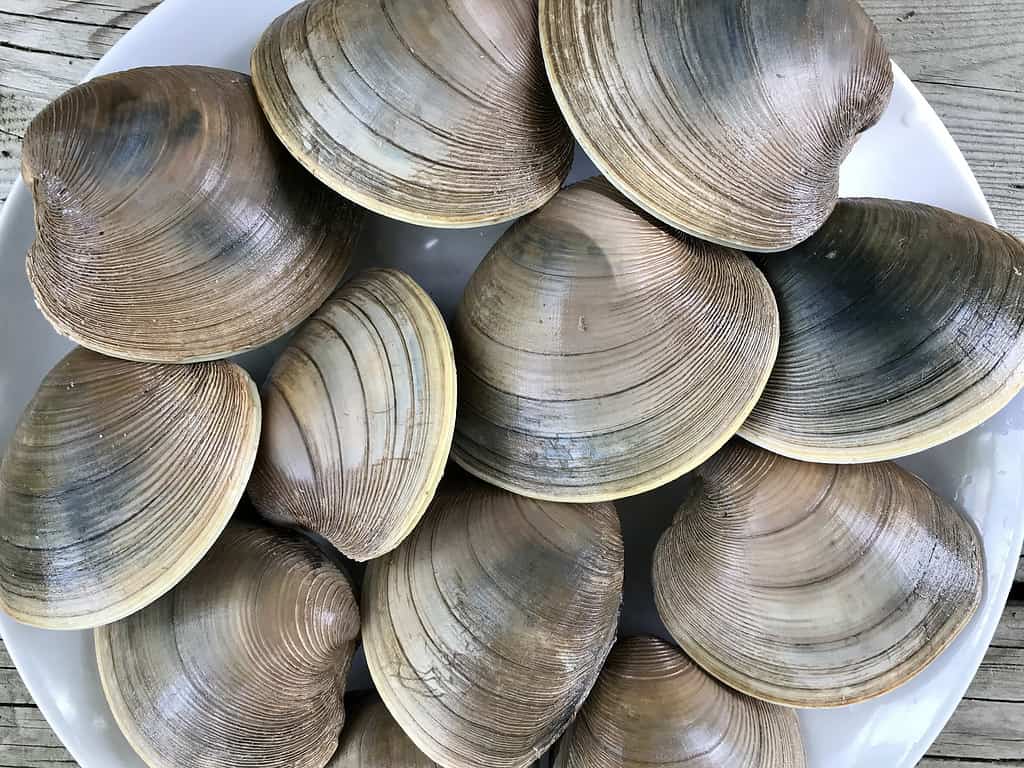
The quahog plays a role in the local food economy of Rhode Island.
©eastriverstudio/iStock via Getty Images
The shell was chosen because the quahog industry is a crucial part of the state’s economy and is central to Rhode Island’s culinary identity. The shells house mollusks that are harvested for food and categorized by size, from small raw-bar littlenecks and medium-sized cherrystones to large chowders. As filter feeders, quahogs are crucial for maintaining water quality in Narragansett Bay.
State Fish: Striped Bass
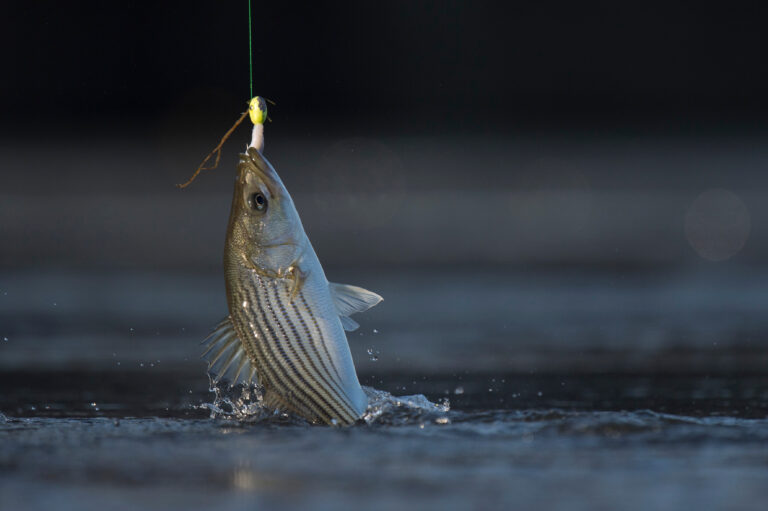
In 2000, Rhode Island declared the striped bass (Morone saxatilis) as its official state fish. Also called linesiders, stripers, and rockfish, striped bass are a common sport fish that draws anglers to the state. Striped bass are commonly found in Rhode Island’s bays and rocky coastal areas from spring through fall, with a major hotspot around Block Island.
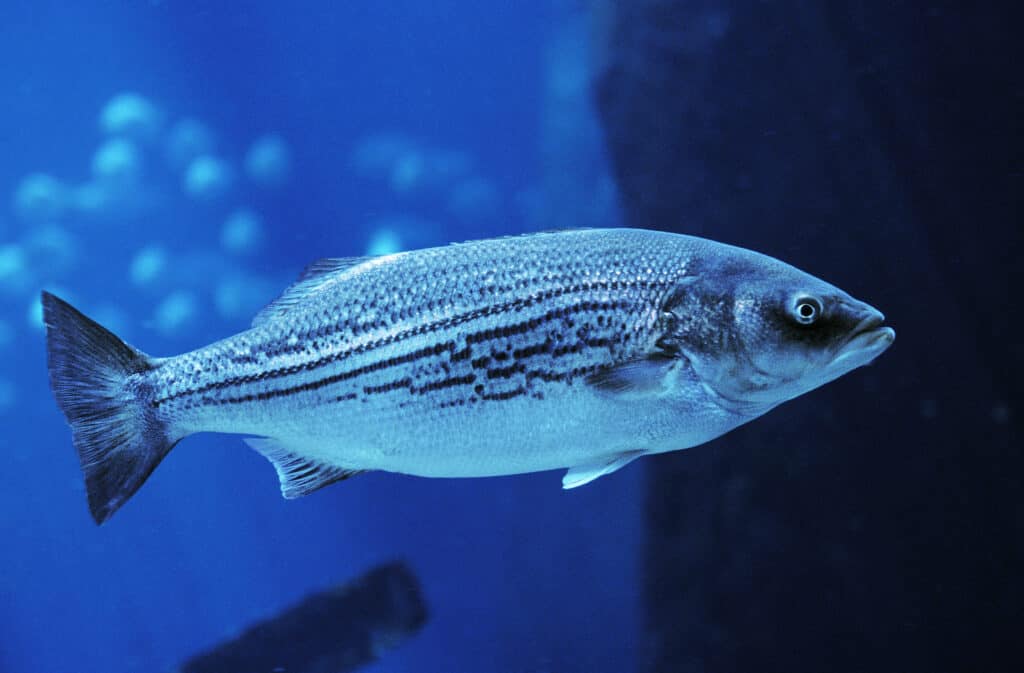
Striped bass can live for up to 30 years and reach lengths of over four feet.
©slowmotiongli/Shutterstock.com
Currently, striped bass are considered overfished and are in a rebuilding phase. As such, Rhode Island has imposed a strict limit of one fish per person per day, with a size requirement that the fish be between 28 and 30 inches long.
State Insect: American Burying Beetle
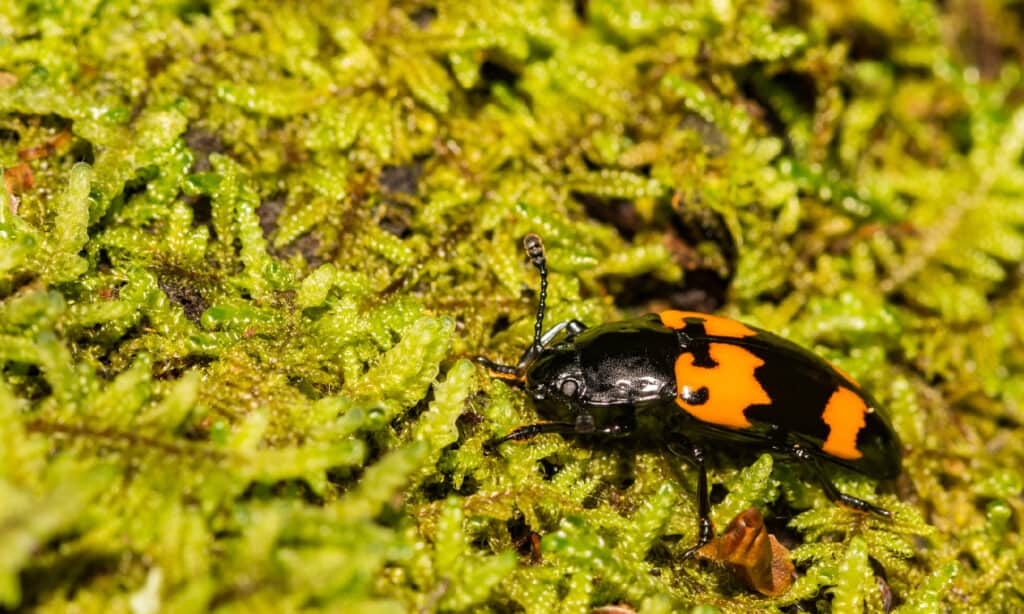
Found primarily on Block Island, the American burying beetle is among the rarest insects in North America.
©iStock.com/JasonOndreicka
The American burying beetle (Nicrophorus americanus) was officially recognized as the state insect of Rhode Island on July 14, 2015, after a class of third-grade students from St. Michael’s Country Day School in Newport, Rhode Island, suggested it to raise awareness for the endangered species.
The American burying beetle is one of the rarest insects in North America. In 1989, it was listed as an endangered species. Since 1994, more than 5,000 American burying beetles have been raised at the Roger Williams Park Zoo in Providence, Rhode Island. As a result of this conservation effort, the American burying beetle’s status was changed to threatened in November 2020.
State Marine Animal: Harbor Seal
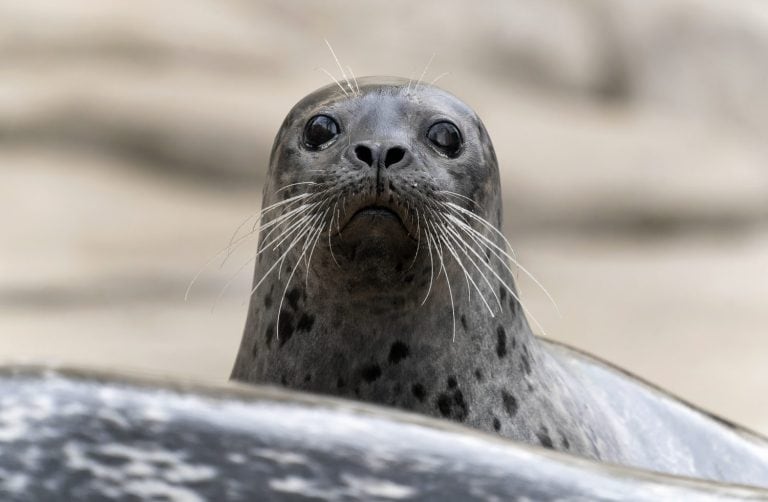
The harbor seal (Phoca vitulina) was recognized as the state marine mammal of Rhode Island in 2016. Harbor seals are found in Narragansett Bay and around Block Island from October through April.
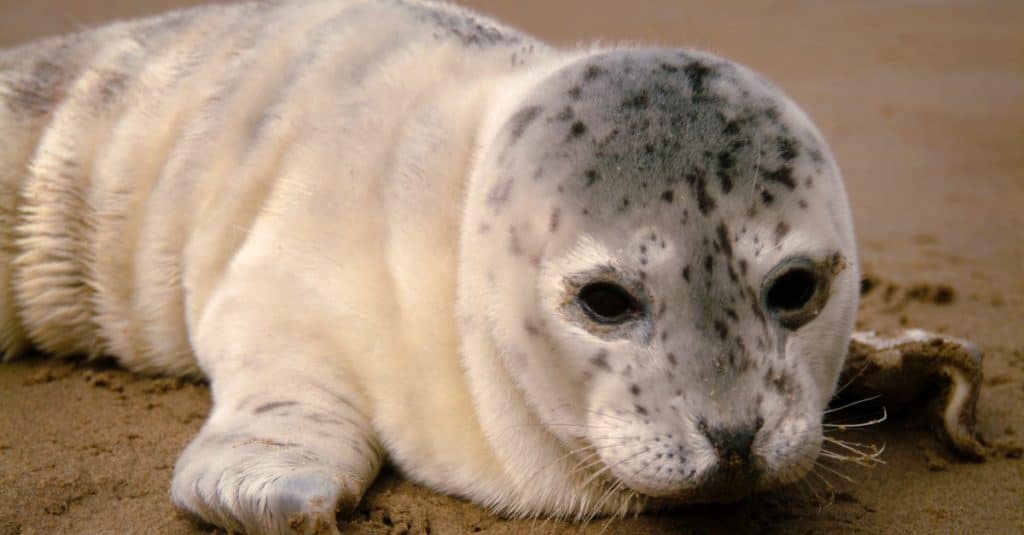
The harbor seal migrates from Canada to Narragansett Bay in the fall and winter to feed in sheltered waters.
©Edmund Lowe Photography/Shutterstock.com
Harbor seals are large mammals that measure approximately six feet long and weigh about 245 pounds. They eat fish, shellfish, and crabs.
Harbor seals are protected by the United States Marine Mammal Protection Act (MMPA) of 1972 and are currently considered a species of Least Concern.
State Coral: Northern Star Coral
Northern star coral (Astrangia poculata) was designated as the official coral of Rhode Island in 2021. The only hard coral native to New England, Northern star coral was chosen for its resilience and prevalence in local waters, including Narragansett Bay.
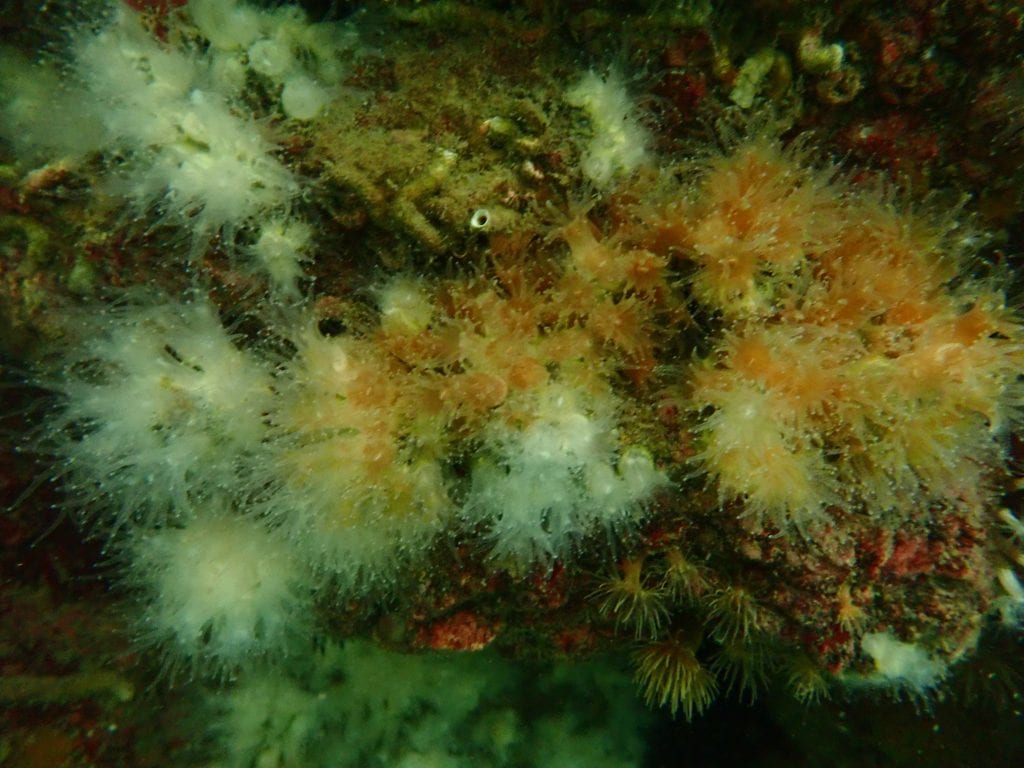
Northern star coral was designated as the state coral to highlight local marine life that thrives in cold temperatures.
Because it can survive, and even thrive, without the symbiotic algae on which tropical corals rely, Northern star coral is being studied to find ways to protect more fragile, warm-water coral species.
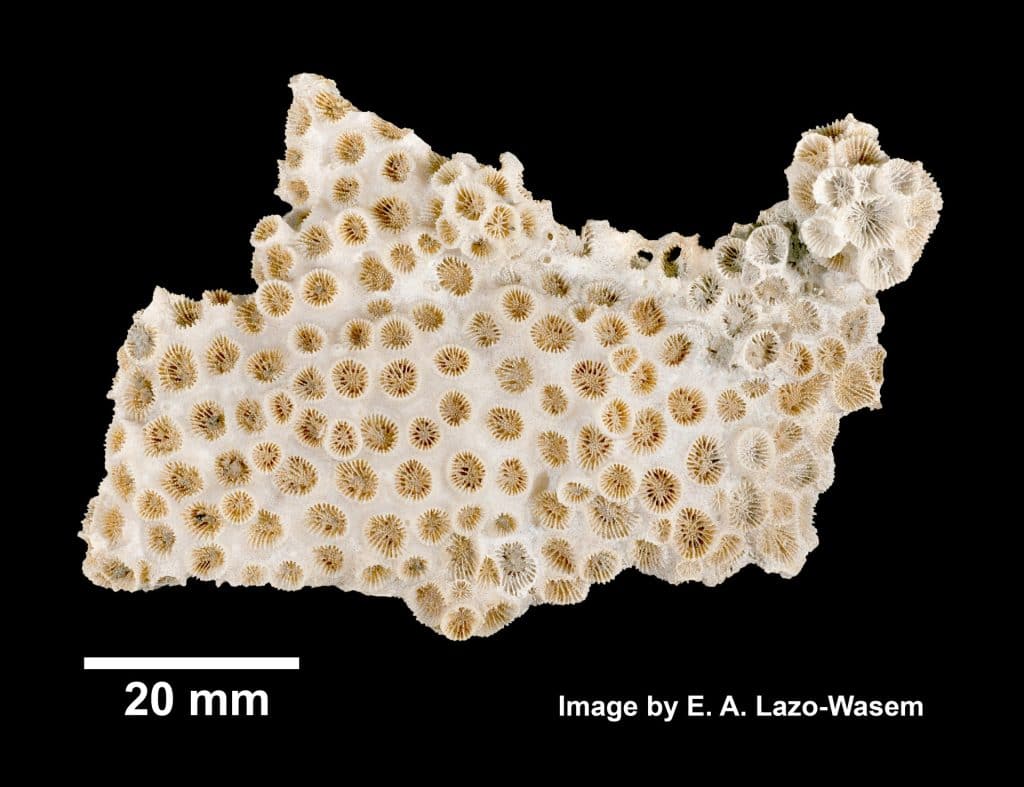
When removed from water and dried, the living animal tissues in the coral die, leaving behind only the white calcium carbonate skeleton.