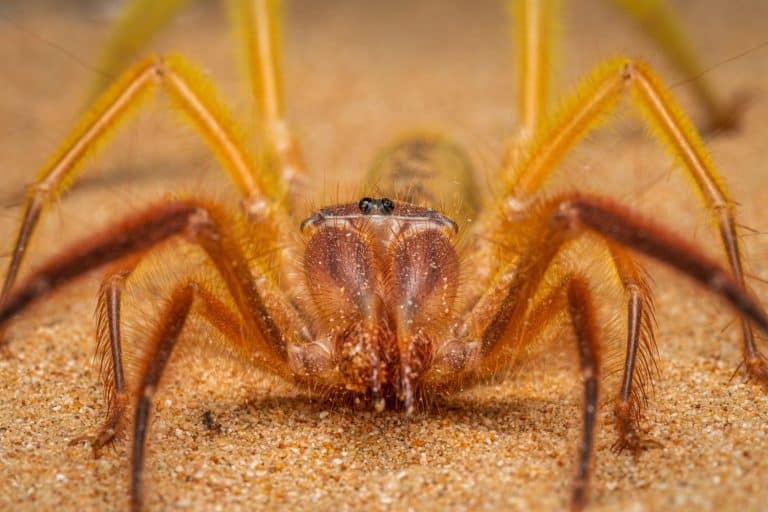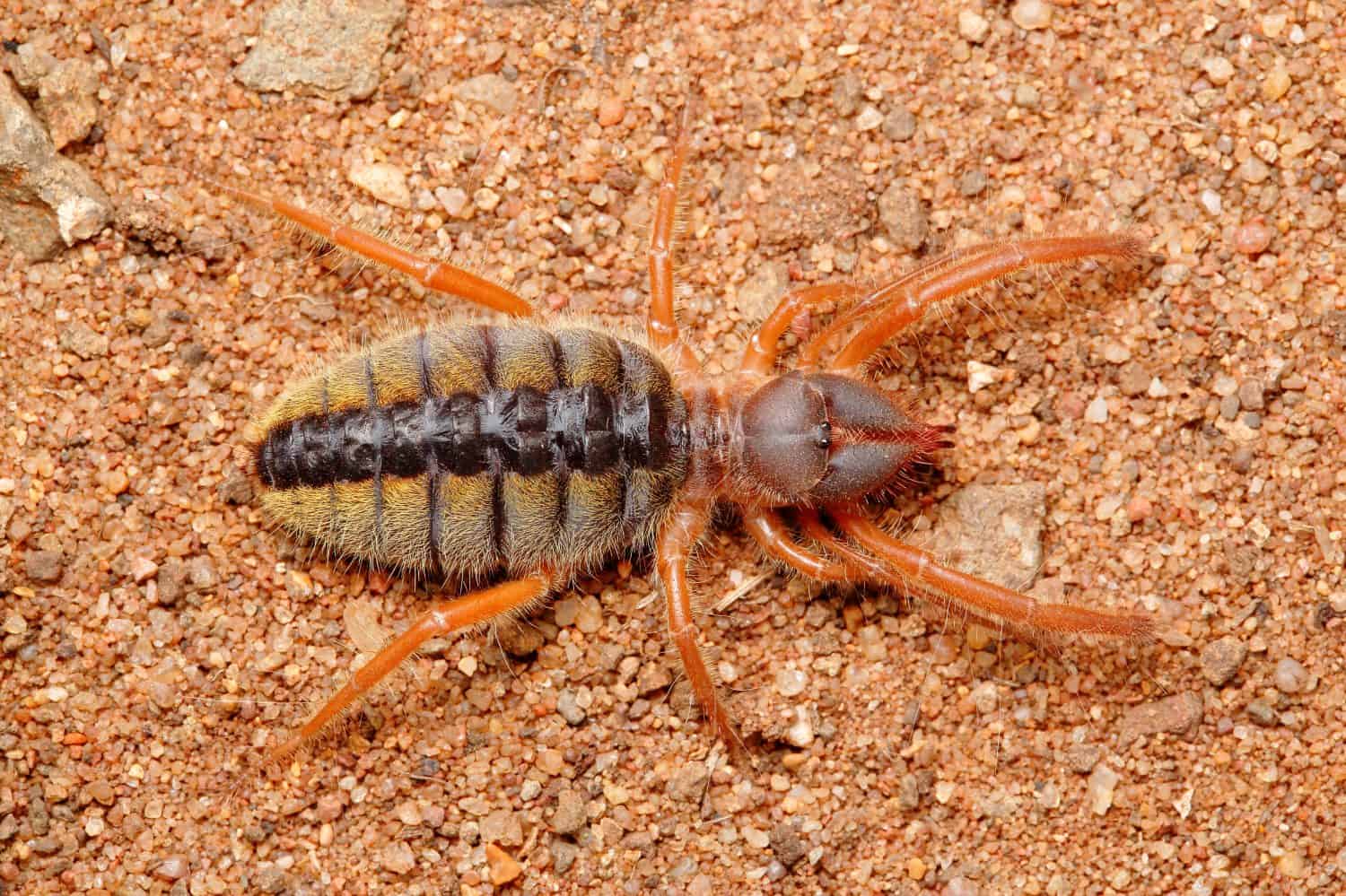

Sun spiders are interesting creatures that burrow into the ground for many different reasons. Sometimes referred to as camel spiders, these arachnids inhabit arid environments. Using their legs, they burrow through the soft ground, avoiding the daytime heat. This video by David Maguire shows a sun spider burrowing. Read here to learn more about why sun spiders burrow.

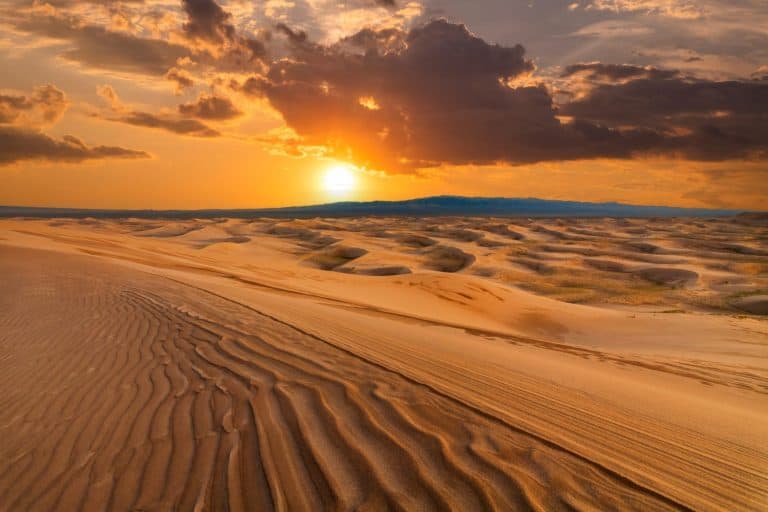
Sun spiders live in dry environments.
©sushil kumudini chikane/Shutterstock.com
About the Sun Spider
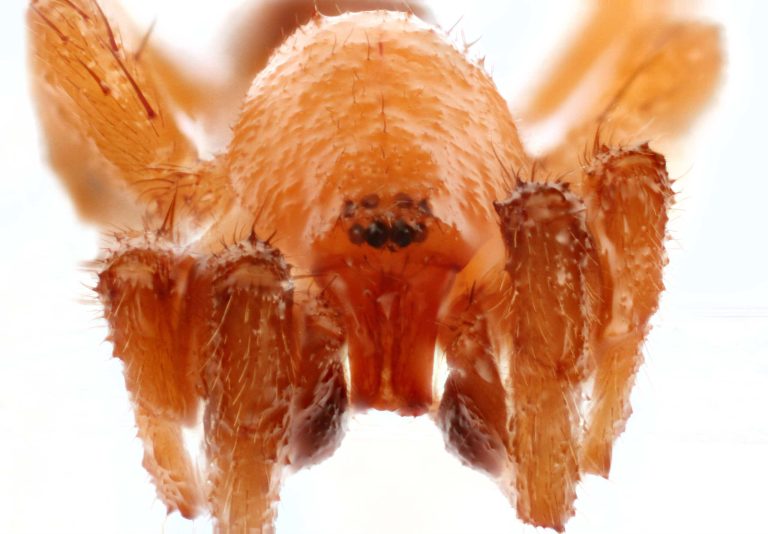
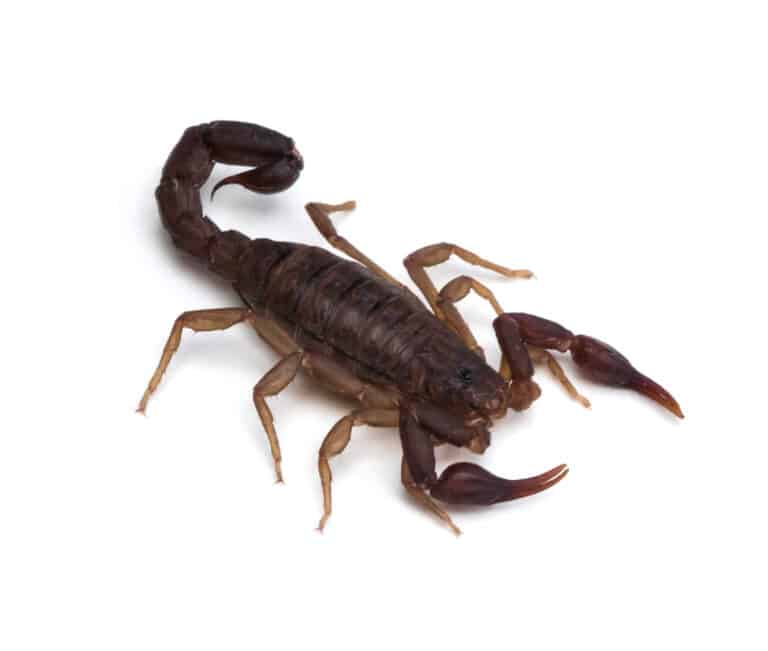
Sun spiders are arachnids that inhabit dry, desert environments. Given the intense heat, sun spiders are nocturnal to avoid the blistering sun. Some of the arid regions they inhabit are in Africa, the Middle East, and the United States. They are carnivorous arachnids. They eat other spiders, insects, and scorpions. Sun spiders are amazing hunters due to their powerful jaws. Using their strong jaws, they can tear and crush prey easily. As they don’t have venom or silk, they rely on their physical prowess to survive, making them resilient arachnids.
Sun spiders vary in size depending on the species. Larger species can grow to around six inches in length, while others reach only one to two inches. This range highlights the diversity within the family. In the video above, the spider’s abdomen appears enlarged, which could indicate pregnancy. However, it is difficult to confirm this based solely on appearance. It is not uncommon for a female sun spider to create a burrow for her eggs. After laying her eggs in the burrow, the female often stays with them for protection.Therefore, while a swollen abdomen like the one seen in the video does not conclusively indicate pregnancy, it is a possibility, especially considering the burrowing behavior.
Why Do Sun Spiders Burrow?
Besides burrowing during pregnancy, there are three main reasons why sun spiders burrow. These include thermal regulation, shelter, and molting. The extreme heat of the deserts they inhabit is brutal, making it difficult for sun spiders to survive. To help regulate their temperature in the day, these nocturnal spiders will burrow into a cooler level of the ground. Burrowing also provides shelter while resting in the day. While inactive in their burrow, sun spiders are safe from predators. Molting is essential for the spider’s growth but is also a vulnerable time. By using a burrow to shed their exoskeleton, sun spiders protect themselves from predators and extreme temperatures, ensuring a safer period of inactivity. These amazing spiders make the most of their environment to keep themselves safe and healthy.