
Quick Take
- One animal on this list may never drink a single drop of water its entire life, and remarkably it doesn't just survive but actually thrives. Surviving without water →
- The fennec fox's most adorable features are more than just cute. Each one is a precision survival tool engineered for brutal conditions. Fennec fox survival tools →
- One desert reptile collects water in a way that seems more like a plumbing system than a living creature. See the skin plumbing →
- A rattlesnake solved the problem of scorching desert sand with one of the strangest movement strategies in the entire animal kingdom. Sidewinder's strange locomotion →
While extreme heat is unbearable to many humans, some animals are perfectly suited for high temperatures. Deserts, savannas, and other scorching landscapes forced these creatures to evolve survival strategies related to sweltering temperatures. Such adaptations help these animals conserve water and stay cool. Remarkably, some creatures can avoid dehydration even while going long periods without water. Others simply tolerate temperatures that would quickly defeat most animals. These are 10 animals that thrive in brutally hot environments.
Camel
©Lotta Axing/Shutterstock.com
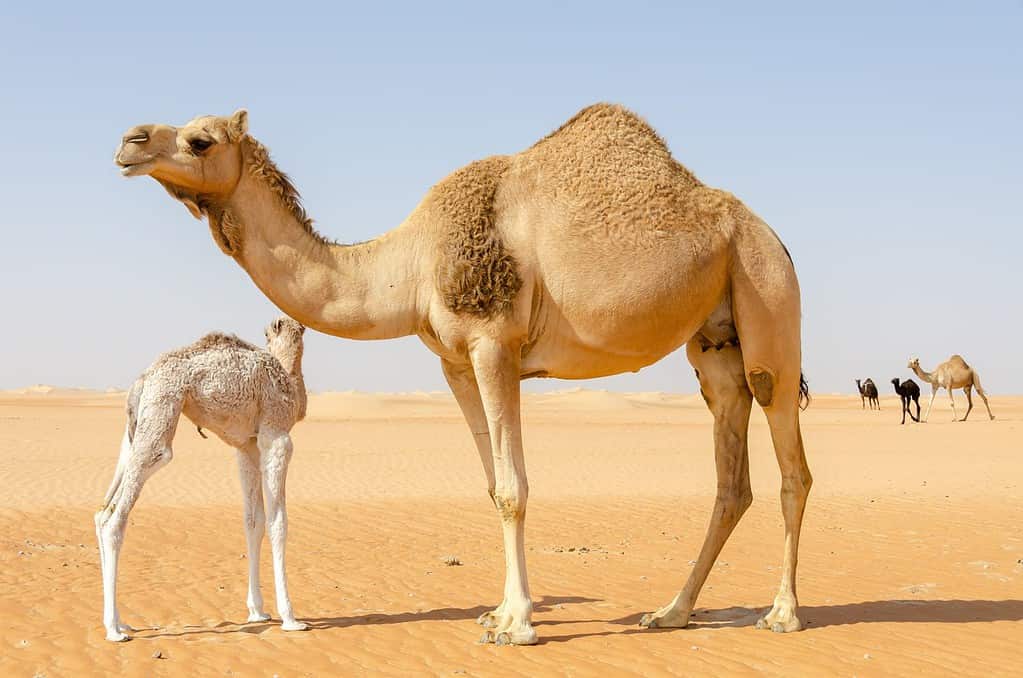
Camels are probably the most famous desert inhabitants on Earth, known for their adaptation to excessive heat. Their humps store fat that can later be converted into energy, while also helping them survive long periods without water. Camels can tolerate major dehydration levels that would seriously harm or kill other mammals. Thick fur helps protect their skin from intense sunlight during scorching daytime temperatures. Essentially, these remarkable animals are heat survival machines.
Fennec Fox
©DONGSEUN YANG/Shutterstock.com
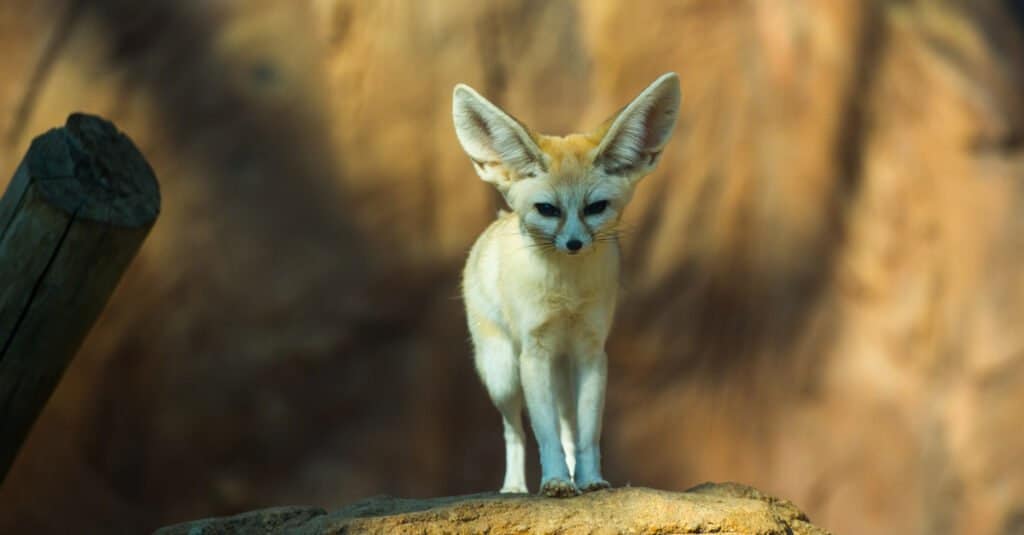
The fennec fox survives in some of the most brutal conditions in North Africa. It is almost certainly the most adorable desert-dweller, and some of its cutest features are designed specifically for the harsh environment it inhabits. Enormous ears help release excess body heat and keep the tiny animal’s body temperature regulated. Thick fur on the bottoms of its feet shields its paws against burning sand. Additionally, to avoid the worst of the daytime heat, fennec foxes are almost entirely nocturnal.
Thorny Devil
©Uwe Bergwitz/Shutterstock.com
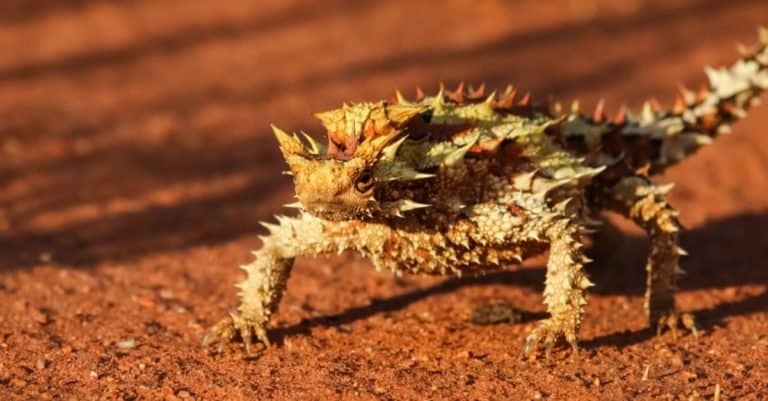
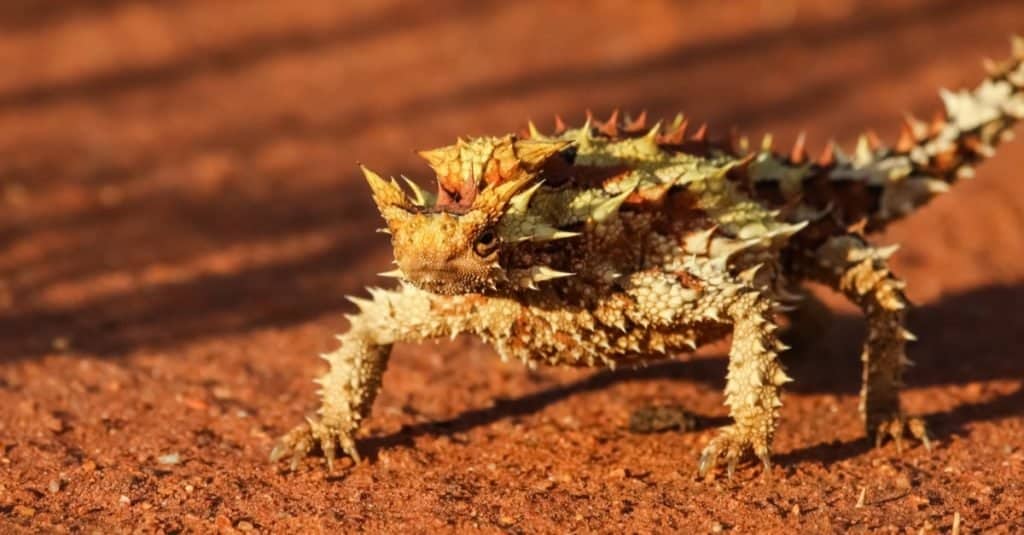
The thorny devil looks like a tiny desert dragon covered in sharp spikes. The unusual reptile is well adapted to the blistering, dry conditions in Australia. Its most remarkable adaptation is specialized grooves in its skin, which help direct water toward its mouth! To survive the intense heat, this reptile also moves very slowly. Everything about the odd-looking lizard seems engineered for its sweltering habitat.
Sidewinder
©Chantelle Bosch/Shutterstock.com
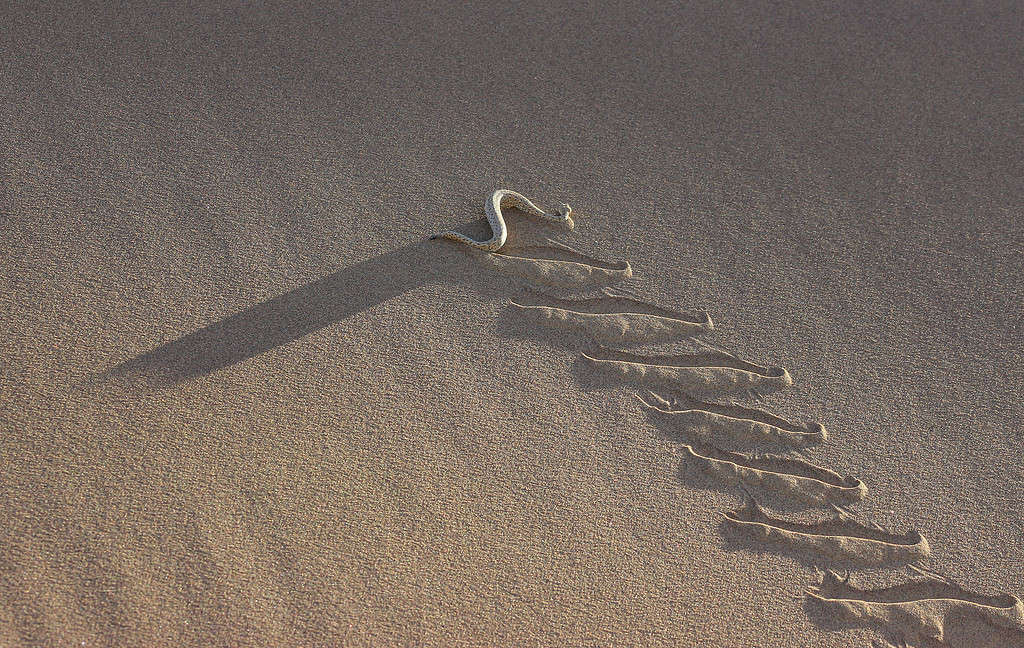
Sidewinders are unique snakes that earned their name due to their bizarre form of locomotion. These rattlesnakes use one of the strangest movement-based adaptations in nature. Rather than slithering normally, they propel themselves sideways across the ground, minimizing contact with the red-hot sand. Sidewinders also spend much of the day camped out beneath sand or otherwise hiding from the sun.
Addax
©Cezary Wojtkowski/Shutterstock.com
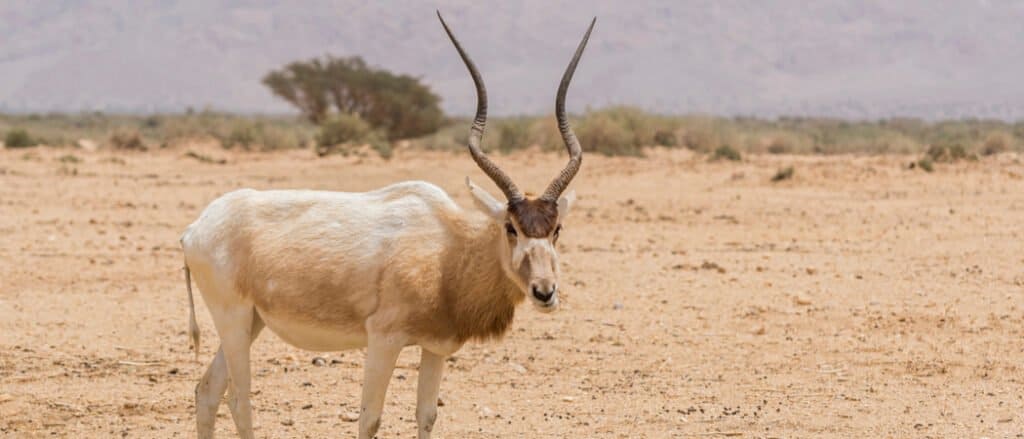
The addax is a critically endangered antelope designed for surviving the blistering Sahara Desert. These mammals can go extremely long periods with very little water. Cream-colored fur reflects the sun’s intense rays and reduces heat absorption. Addax also evolved to become relatively inactive during the hottest parts of the day, allowing them to conserve energy.
Roadrunner
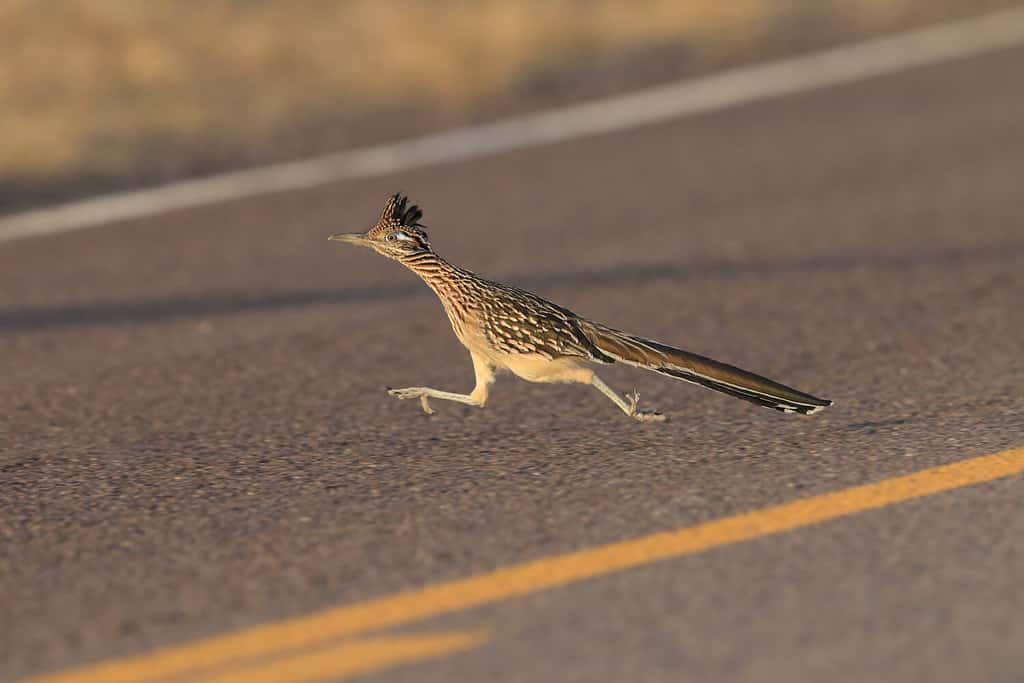
Roadrunners are speedy members of the cuckoo family.
©Frank Fichtmueller/Shutterstock.com
Roadrunners thrive in the dry deserts of the American Southwest through the use of several strategies. These birds avoid overheating by staying active during cooler parts of the day and prioritizing shade. Roadrunners are also experts at water conservation. They are well-known for their speed, though many people don’t realize this is a survival adaptation too. Quick movement helps them swiftly move between shelter and hunting grounds. A roadrunner sprinting across the sand looks strangely similar to a tiny dinosaur.
Desert Tortoise
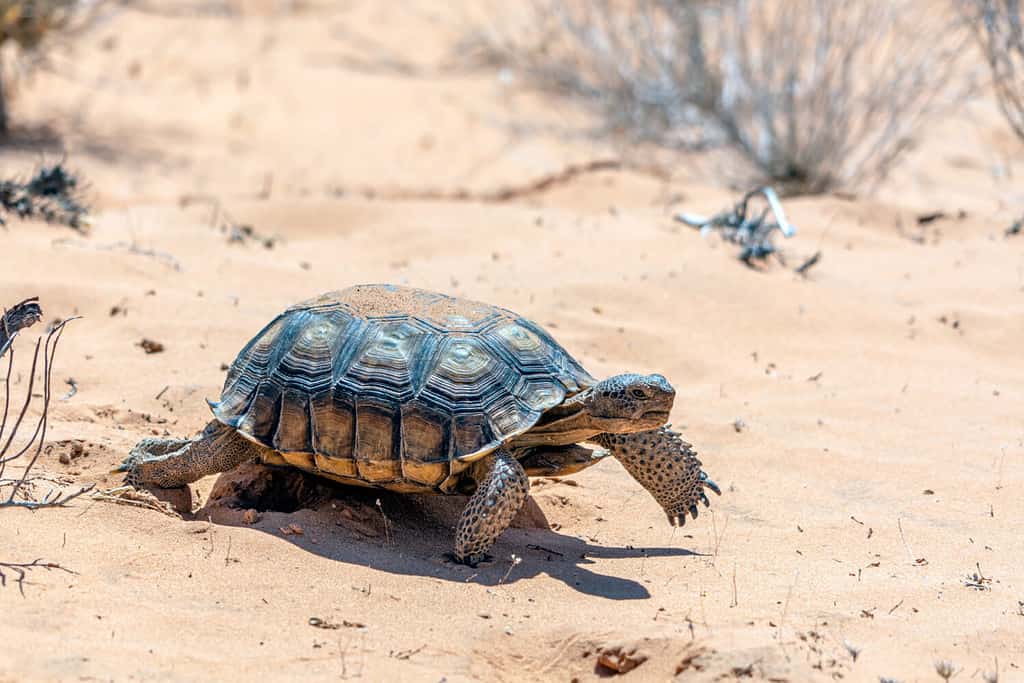
©Gchapel/Shutterstock.com
Desert tortoises endure relentless heat by spending much of their lives in underground burrows. These innovative homes are drastically cooler than the desert surface. One of this tortoise’s remarkable abilities involves storing water inside its body to avoid dehydration. Their slow metabolism also aids in survival by conserving energy. These slow-moving reptiles outlast conditions that would quickly overwhelm many animals.
Kangaroo Rat
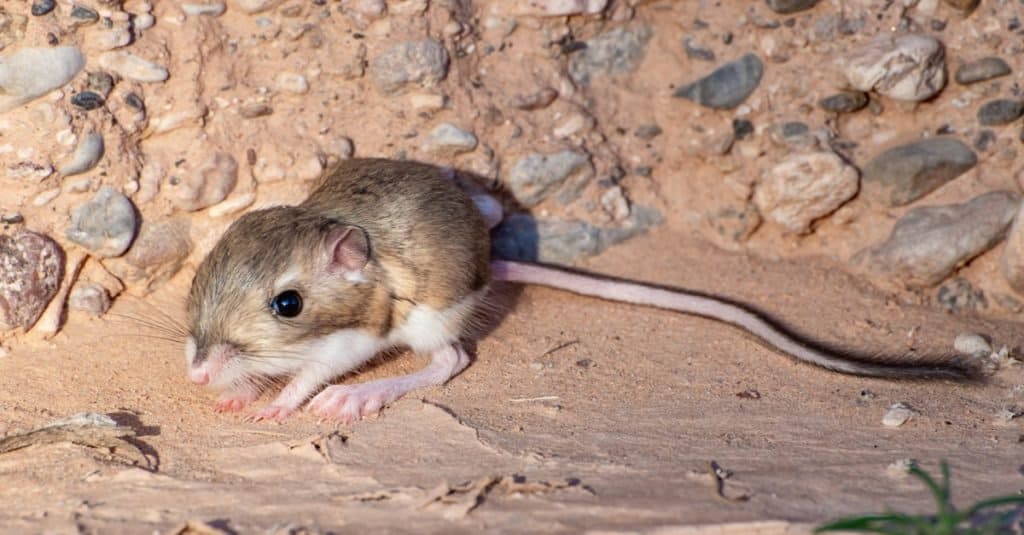
©Dominic Gentilcore PhD/Shutterstock.com
Kangaroo rats thrive in their hot environment mainly thanks to one astonishing adaptation: they are extremely good at surviving without water. In fact, some individuals may go their entire lives without ever directly drinking water at all! One way these extremely small creatures manage to stay hydrated is through tiny bits of moisture the absorb through seeds. They also have evolved specialized kidneys that minimize water loss through waste. Kangaroo rats are true masters of desert survival.
Gila Monster
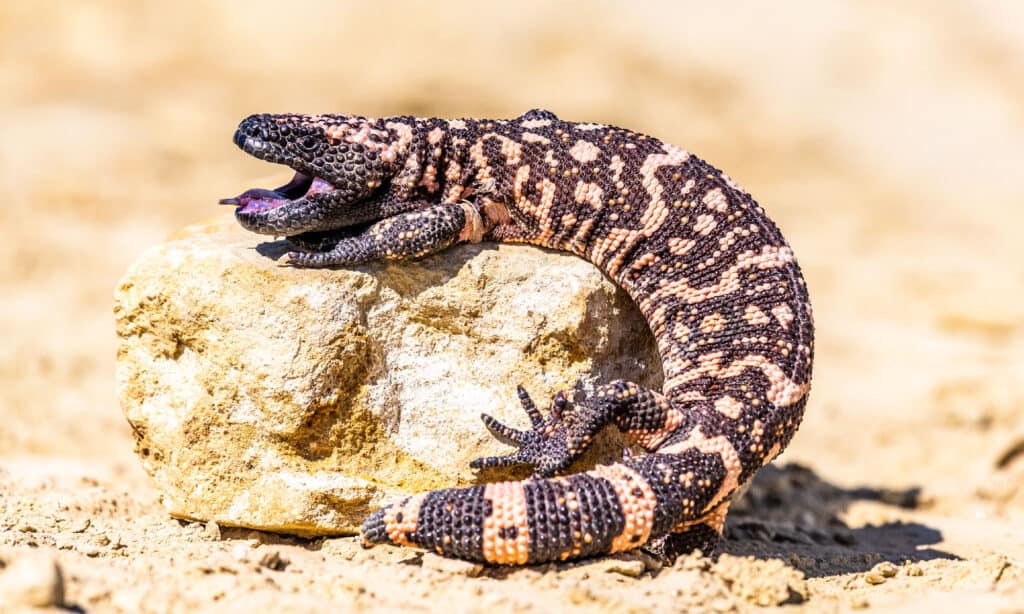
©Vaclav Sebek/Shutterstock.com
The Gila monster is one of the few venomous lizards in the world. Much like the desert tortoise, it survives sweltering desert regions by sheltering underground or beneath rocks. Gila monsters can go long periods of time with no food due to the fat stored in their thick tails. Their slow-moving nature also contributes to valuable energy and water conservation.