The assassin bug gets its name for good reason. These ambushing bugs hunt their prey using painful venom. Their stings are enough to take out small insects, but how do they affect humans? This YouTube Short by @JacksWorldofWildlife shows off these insects up close. Read on to learn more.
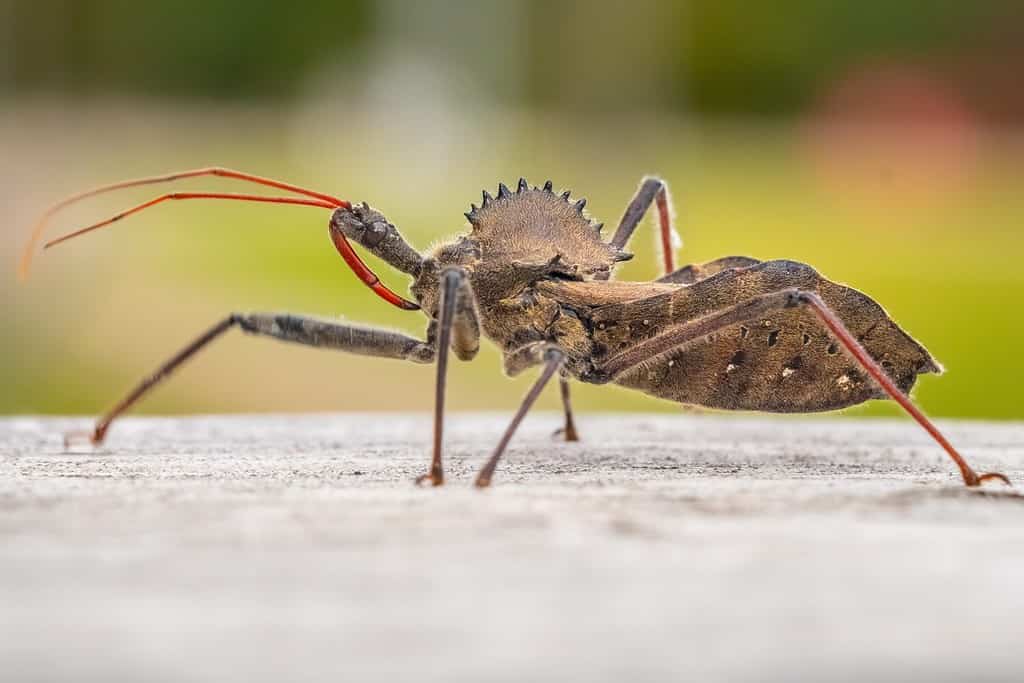
©samray/Shutterstock.com
About the Assassin Bug
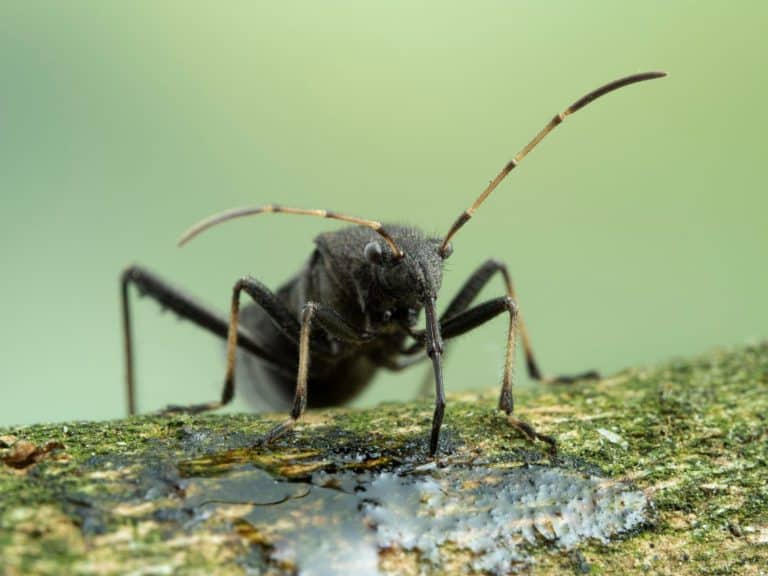
Assassin bugs are a family of insects with over 7,000 species. These bugs inhabit almost all corners of the world, living in forests and grasslands. The name assassin bug comes from the insect’s stealthy nature. Lying low in trees and grasses, assassin bugs sneak up on other insects before using their sharp beak to stab their prey. What makes them even more disturbing is what they do afterward. After stabbing, they inject digestive enzymes into the body, liquefying it so they can suck out the contents. Some species of assassin bug even use the dead bodies of their victims as camouflage to help them hunt more prey. Their name perfectly fits their nature.
An assassin bug’s diet consists of a variety of insects such as caterpillars, flies, larvae, and beetles. While their stingers are their most powerful weapon, some species also secrete a sticky substance from their legs to trap prey. Other species, known as “kissing bugs,” specialize in feeding on the blood of their hosts. Assassin bugs are often preyed on by birds, lizards, and spiders. So, while they may be scary predators, they are not invincible.
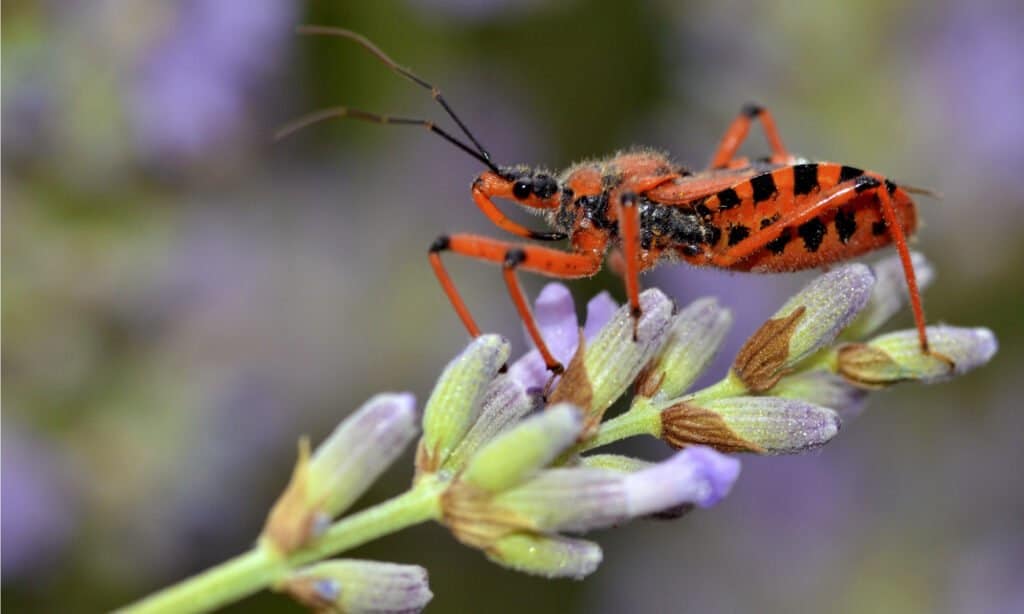
The assassin bug has a segmented beak that it uses to pierce its victim and suck out the bodily fluids of its prey.
©Christian Musat/Shutterstock.com
What To Do If Stung
The pain and effects of a sting differ by species, but generally, they are not pleasant. The initial sting is sharp and piercing, and after the venom is injected, it can create a burning and itching sensation. While painful, their bites are not life-threatening unless you are allergic. Most stings will subside and resolve on their own after a day or two, often leaving a red lump. If you are allergic, you may experience hives, widespread swelling, or even difficulty breathing. To minimize risk, it is best to avoid these bugs, especially when handling them.
If you are stung, the best thing to do is clean the area with soap and water or an antiseptic. Pain relievers and topical creams can help with pain and itching, and cold compresses can also reduce swelling. These steps should help resolve the sting, but it is important to monitor the area for increased pain or swelling. If this occurs, it is best to seek medical attention in case you are having an allergic reaction. As with most situations, it is best to err on the side of caution to keep yourself safe and healthy.