
Quick Take
- Research shows that wildlife is the most common theme when it comes to sports team mascots.
- The Wild League hopes to build a connection between sports fans and conservation.
- The Clemson Tigers college sports program is providing a great example of how animal mascots can make a difference.
If you’ve watched sports on even a casual basis, you’ve likely noticed a trend when it comes to the team names and mascots. Many sports mascots are wild animals, and sometimes endangered ones. It’s not uncommon to turn on any sporting event and see lions, eagles, tigers, and other exotic creatures grace your screen.
This commonality is not lost on many conservationists who believe that there is a way to turn sports fans into potential conservationists who want to help animals and the natural world. Some sports teams have already dipped their toes into the conservation waters, and as you’ll see, there’s more good news on the way.
The Dominance of Animals as Sports Mascots
As reported by Mongabay News, a new organization called The Wild League aims to connect sports with animal conservation. The founder, Ugo Arbieu, a postdoctoral researcher at Paris-Saclay University in France, began to notice the trend of animal mascots and decided to look into the issue further.
To do so, he and his team examined sports teams around the world, analyzing logos, fan nicknames, and team names with an eye toward trends. After analyzing 10 major sports teams across 50 countries, they identified 727 professional sports organizations that actively use wildlife iconography in their branding. Altogether, the sports mascots represented at least 161 species of wild animals, ranging from birds and mammals to insects and marine creatures.
The diversity is quite remarkable and a bit comical when you consider that on any given weekend, crocodiles, kangaroos, or squid can compete against sharks, wolves, or bears. In the end, the researchers found that approximately one-quarter of professional sports teams feature some form of wild animal in their logo, name, or fan identity. That makes wildlife the most common theme in sports branding.
For scientists that are studying the correlation between culture and conservation, these findings highlight the ability to create an emotional connection between millions of sports fans and the natural world.
Why Lions, Bears, Tigers, And Other Strong Animals Dominate Sports Mascots
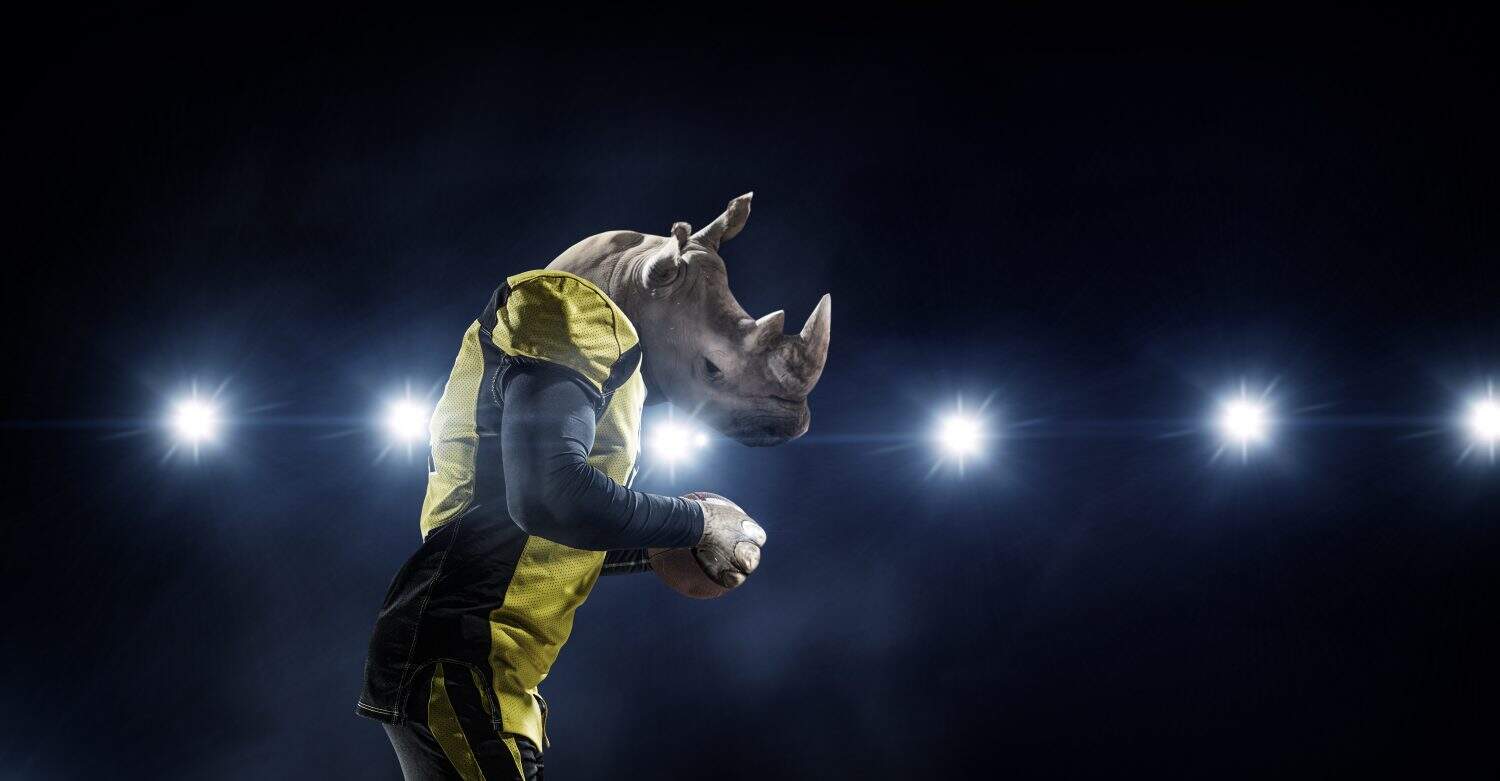
Many sports teams feature some of the most striking animals on the planet at their team’s mascot.
©Sergey Nivens/Shutterstock.com
Since the beginning of time, many people have long associated predators with courage, power, and dominance. In competitive sports, teams want to present an image of resilience and strength. It’s a way of showing that their players are competitors and that they mean business. Many of these animals also represent intensity. If a team is coming to play another team and they have a strong-sounding name, they may already have some fear before they even hit the field.
There are also instances where the sports mascots also possess cultural or historical symbolism. For instance, lions have been a symbol of leadership and royalty for centuries, often appearing on national flags, coats of arms, and historical emblems.
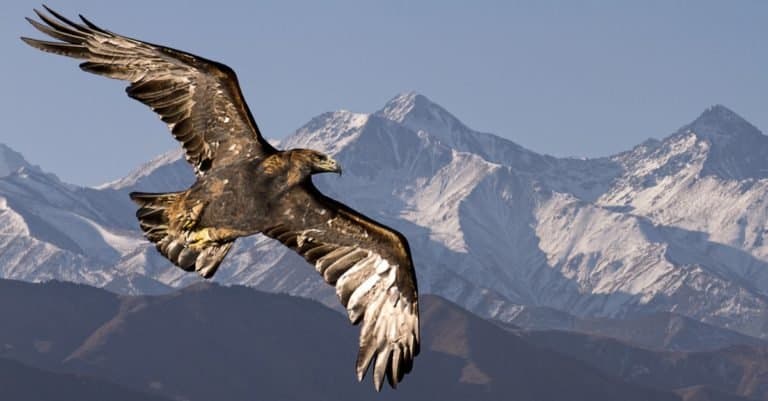
Eagles are another common sports mascot that are often in place because they represent power, freedom, and national identity. It’s not always about causing fear in the opposing team. The choices are often a sense of pride.
Finally, many teams choose their mascots based on visual appeal. Many predatory animals bear a striking appearance that can look sharp on uniforms, helmets, and flags. Animals like wolves or tigers are visually dramatic and are easy to stylize into mascots, merchandise, and logos.
Famous Teams Built Around Animal Icons
In many cases, sports mascots are not just striking pictures, but instead they represent the team’s identity. Some team names are so famous that people instinctively know where the team is located and the type of sport they play.
Mention the Cubs, and even leisurely sports fans will know that they play it’s a team that plays baseball and that they’re based out of Chicago. Or, mention the Seahawks, and people will automatically think of Seattle. The Detroit Lions and Philadelphia Eagles are also incredibly famous. Many marine predators also grace sports teams, such as the San Jose Sharks, which feature one of the ocean’s most formidable creatures.
The mascots help to create a sense of belonging and identity among fans. When fans at a game chant their team’s name and wear team merchandise, they reinforce the symbolic animal associated with their team. Researchers believe that the emotional connection is key. As kids, many fans begin to form a bond with a team that can last a lifetime.
The Conservation Paradox
While many sports fans adore their team name and mascot, the paradox arises when they realize that many of the animals they represent are struggling in the wild. Studies show that more than half of the wildlife species used in team branding are experiencing population declines or are threatened with extinction.
This fact creates a striking contradiction. While sports logos feature animals like lions, in reality, many species face a variety of threats, from poaching to habitat loss. Currently, lions and tigers are classified as vulnerable with declining populations, and wolves and leopards also face declining numbers and issues with human conflict. Since sports fans are so enamored with the animals in their team names, there is an opportunity to introduce a conservation element in their lives.
Enter The Wild League
To explore what’s possible, The Wild League aims to unite sports teams, fans, sponsors, and conservation organizations to make the world a better place.
When broken down, the idea is simple: teams that use animal mascots could encourage fans to support conservation efforts for those species. Possible solutions and programs could include:
- Supporting wildlife research
- Promoting habitat protection
- Educating fans about threatened species
- Funding conservation projects
Sports events are often attended by hundreds of thousands of fans. It’s a startling fact that The Wild League hopes to use to their advantage. Imagine if only 10,000 fans came to a game, and the sports organization asked each person to donate $1 to animal conservation in support of the animal represented by their mascot. That’s a lot of money from a single sports event that could do a lot of good. That doesn’t include the millions of people who are often watching from home. By planting positive ideas in fans’ minds through commercials or field banners, the animals they love could have a better outlook.
Some Teams Are Already Helping
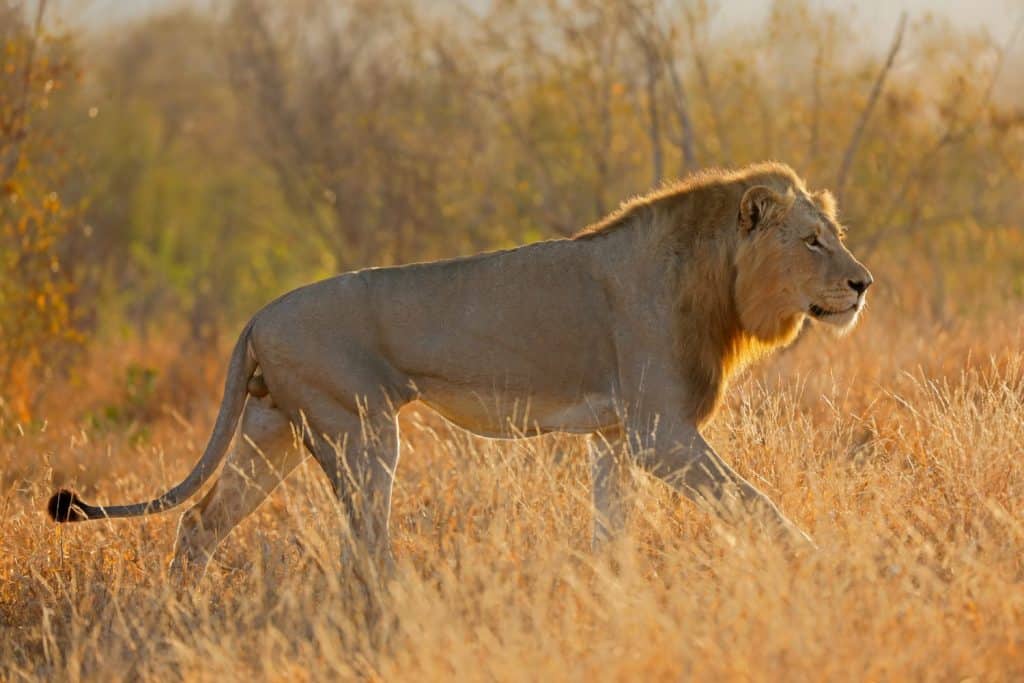
Many sports organizations around the world are already doing their part to help vulnerable animals, such as sponsoring World Lion Day.
©EcoPrint/Shutterstock.com
Though at first glance it may appear that The Wild League has a tough job ahead of them, the reality is that there are already sports teams around the globe using their platforms to encourage animal conservation.
In Japan, the Saitama Seibu Lions baseball team has partnered with researchers to study African predators and find ways to increase their numbers. Their strategies include partnering with the frontrunners in lion conservation efforts in the area and hosting events such as World Lion Day.
Some sports teams and universities in the United States have also been looking at ways to increase their impact. One of the most significant contributors so far is the Clemson Tigers sports team from Clemson University in South Carolina. Their Tigers United Consortium program has been a big win.
The Tigers United Consortium is using its sports mascots to help turn things around for the tiger population worldwide. The initiative was initiated by the university’s president, James P. Clements. He has gathered many influential business and conservation leaders. Together, they consider initiatives to help save the remaining tiger population.
The organization’s goals are to:
- Educate and train the next generation of environmental leaders
- Conduct research to find the best solutions
- Use technology to improve the situation
- Communicate the needs to worldwide stakeholders
Tigers United Consortium hopes to use those four initiatives to make the natural world a better place and take tigers out of their vulnerable status. The Wild League hopes to encourage other sports programs to follow in its steps.
A New Role for Sports in Protecting Wildlife
For decades, animal sports mascots have been used to energize crowds and build strong team identities. Lions, wolves, bears, and eagles continue to symbolize strength, courage, and victory. Now, it’s time to think about how to pay back the animals for all the joy they’ve brought to us.
With initiatives like The Wild League, the connection between wildlife and sports could become more than just a symbol. Teams can use their influence to inspire fans to care about the natural world, raise awareness, and fund conservation projects. In doing so, the animals that dominate sports team names could be more than just mascots. They could become ambassadors who work to secure the survival of amazing creatures on a rapidly changing planet.