
Quick Take
- Shatters expectation: during estrus, lions mate 20 to 40 times per day, each session lasting only a few seconds.
- Pivots to stakes: a 4-7 days estrus window forces rapid mating, shaping cub survival amid male turnover.
- Counter-intuitively, ovulation in lions is triggered by mating, not by a regular cycle.
- Read on to discover why infanticide risk drives deliberate multi-male mating strategies that reshape cub survival.
Lions are one of the most recognizable sights on the African savannah, living and hunting in family groups known as prides. Lion cubs are often present, and the reproductive process that leads to their birth is a fascinating phenomenon. Prior to conception, lionesses enter a short yet intense phase that causes them to mate up to 40 times per day! Females often demand sexual intercourse from the male. Keep reading to discover the reason for this unique behavior!

The Mating Cycle of Lionesses
Lionesses have a unique reproductive system. Unlike many other mammals which have a distinct breeding or mating season, lionesses have a short reproductive window known as estrus, during which they are receptive to mating. This occurs due to a rise in hormones, which also triggers behavioral changes in the lioness. Estrus typically lasts only four to seven days and occurs approximately every 16 days in every female lion of breeding age.
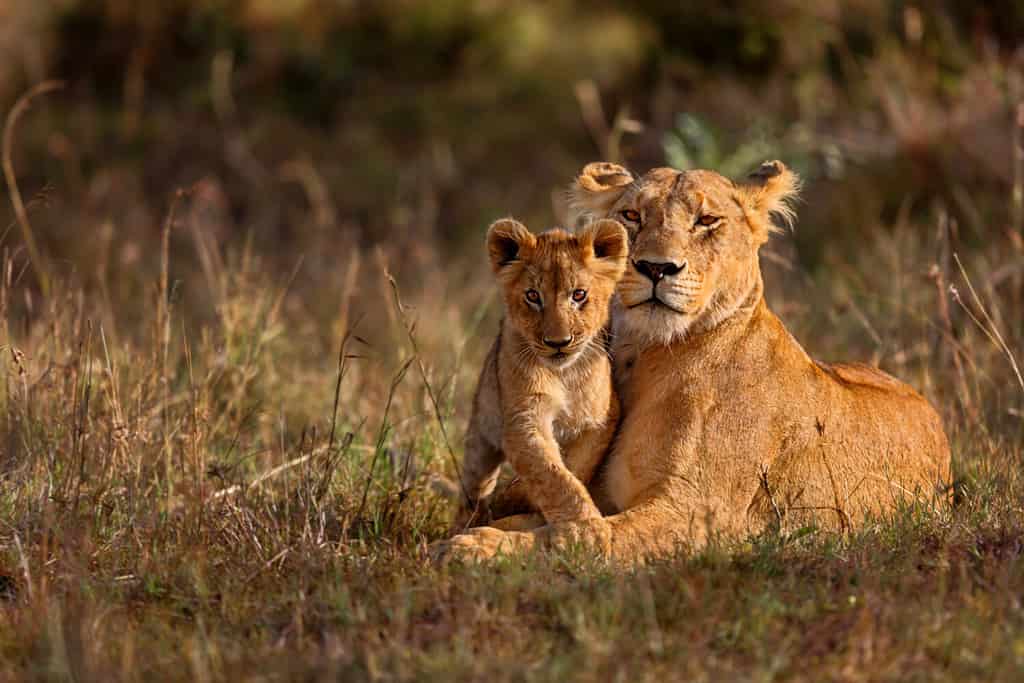
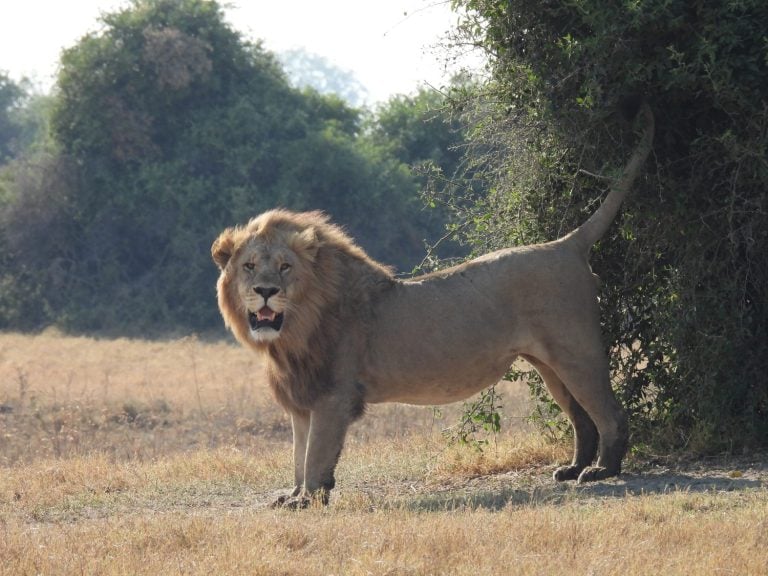
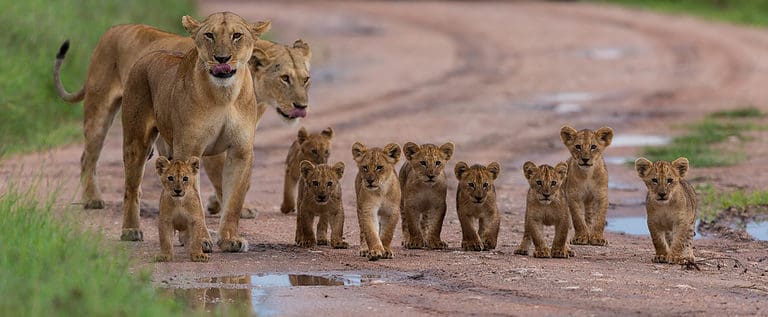
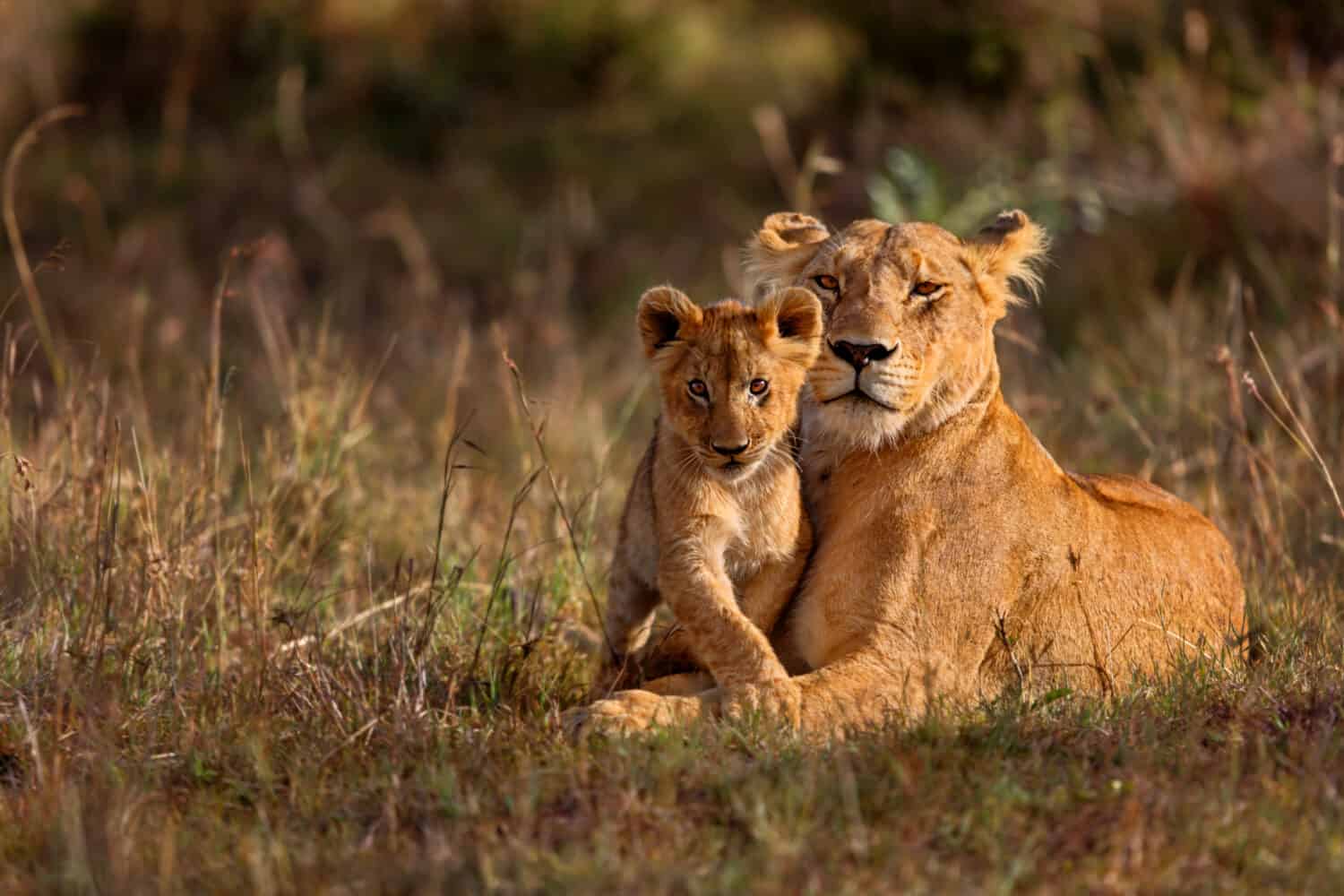
Lions have their first litter of cubs when they are three or four years old.
©Maggy Meyer/Shutterstock.com
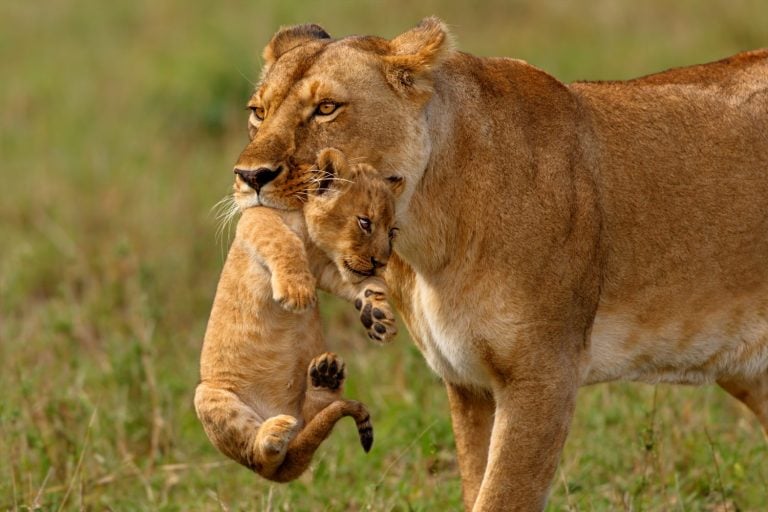
Lionesses reach sexual maturity at around two years of age. Despite this, they often don’t have their first litter until they are around three or four years old. Lions have a gestation period of 100 to 120 days – or 3.5 to four months. Litters can consist of up to six cubs, but three to four is the average. Estrus is typically absent while cubs are being suckled. However, if the lioness loses her litter, then it will typically return within two to three weeks. This is particularly important in cases of infanticide, which can occur when the dominant male is overthrown by a younger or stronger rival. The younger male then kills the cubs fathered by the other lion.
Why Lions Mate So Frequently
During estrus, the female lion’s hormone levels rise – particularly the estrogen levels. These powerful hormone spikes trigger several behavioral changes in the lioness. These behavioral changes include restlessness and a strong urge to initiate mating. During estrus, lionesses also produce a strong scent and become more vocal as they signal their reproductive state to the male. This attracts his attention to her and signals her readiness to mate.
Lions mate 20 to 40 times per day, sometimes more, with mating often occurring every 20 to 30 minutes. However, each mating session is quick, lasting only a few seconds. This urge to mate so frequently is driven by instinct and biology, rather than choice.
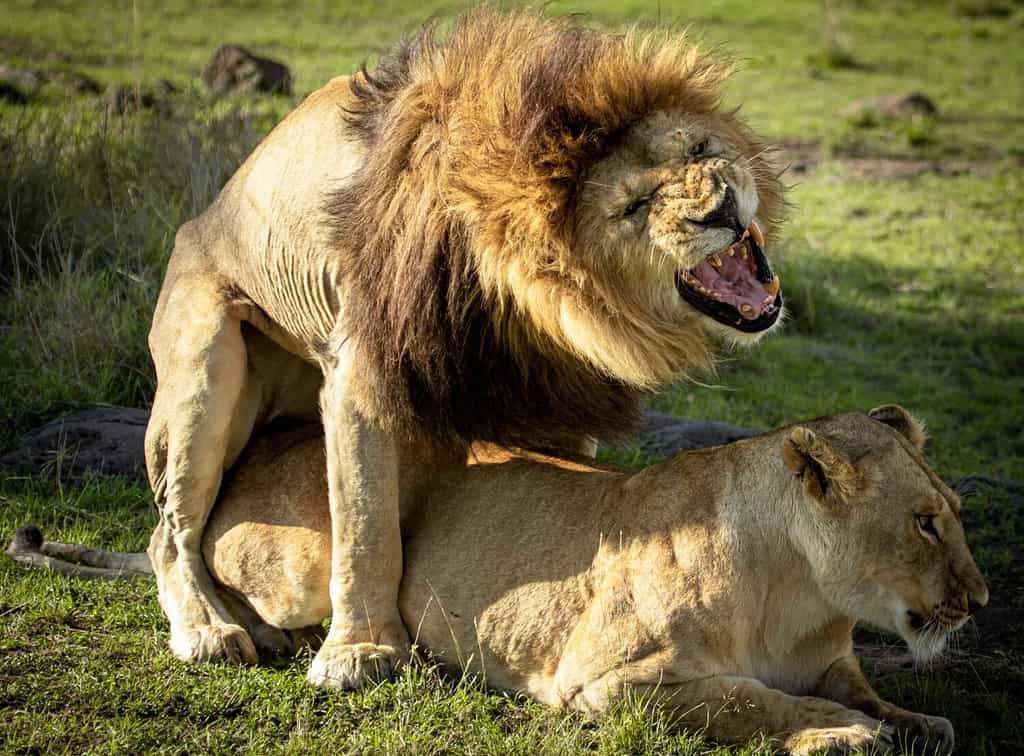
Lions mate 20 to 40 times per day during estrus.
©LYNCHPIN254/Shutterstock.com
Unlike many other mammals – including humans – where ovulation occurs in a regular cycle, ovulation in lions is triggered by the actual act of mating. The result of this is that lions must mate frequently to ensure that they successfully reproduce. Essentially, the more they mate, the greater the chance of successful ovulation and therefore the greater the chance of falling pregnant. As estrus is so short, they need to mate a lot during that small window. This maximizes the chances of a pregnancy occurring.
What Happens If the Male Can’t Keep Up?
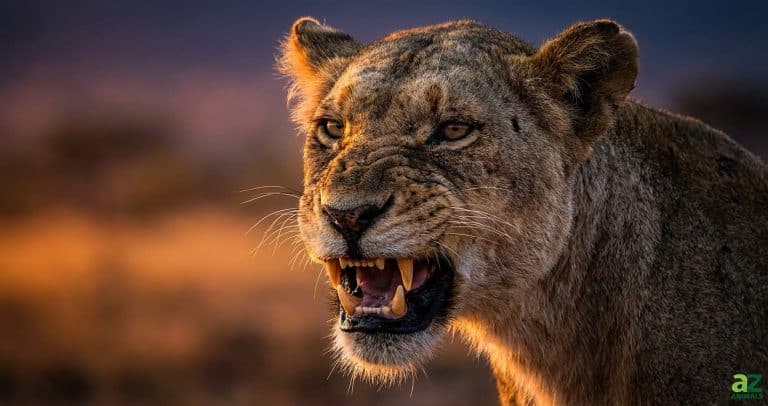
In most cases, mating is initiated by the female lion. However, mating up to 40 times per day with little break between can be physically demanding, particularly for the male. If he starts to slow down or becomes unwilling to engage in the act, then the female can become agitated. In these cases, her behavior towards him can range from trying again to initiate mating by nudging him and rubbing against him to actually becoming physically aggressive and growling, swatting him with her paws, or biting him. However, this isn’t aggression for the sake of aggression. Instead, it’s simply because she’s driven by her hormones to try to get him to mate with her. It also doesn’t remain outside of estrus, as once her hormone levels return to normal, these behaviors subside.
Most lion prides consist of several males as well as several females. The most dominant male is the one who usually partakes in the majority of the mating duties. However, females don’t always mate with just one male. Sometimes another male will win the battle for dominance and take over the pride – and the main mating rights. In other cases, the dominant male may simply be so exhausted from the female’s demands that he allows another male to take over and mate with her for a while. As well as increasing genetic diversity within the pride, mating with more than one male reduces the risk of infanticide. A male is less likely to kill cubs if he thinks he could be the father.