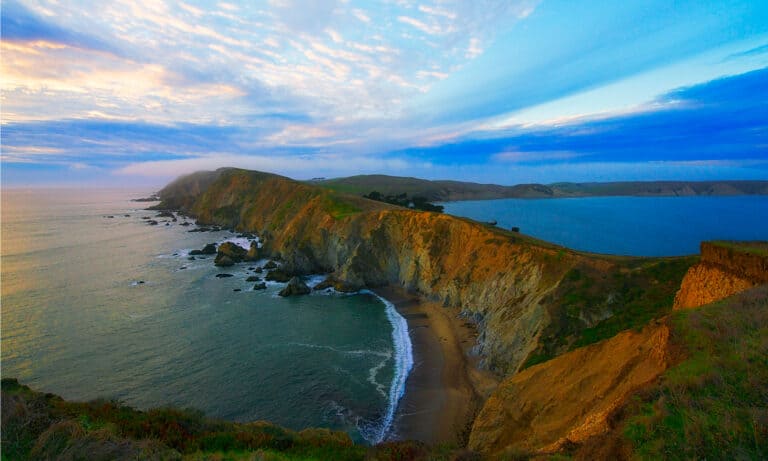
Kenai Fjords National Park lies just outside the harbor town of Seward in south central Alaska. Here, mountains, glaciers, icefields, and the North Pacific all converge along one rugged coastline. The park covers about 670,000 acres, most of it roadless backcountry shaped by the Harding Icefield and its outlet glaciers. Each year, roughly 400,000 people visit by road and boat, drawn by glacier cruises, hiking, and close views of wildlife. Boat tours in Resurrection Bay and the outer fjords are the main way visitors see marine life. From there, they scan the water, cliffs, and distant ice for whales, seals, seabirds, and the occasional bear along the shore. Here are some of the species you could see if you go on one of these once-in-a-lifetime tours.
Harbor Seal (Phoca vitulina)

Harbor Seal (Phoca vitulina).
©jindrich_pavelka/Shutterstock.com
Lovable Harbor seals are among the easiest marine mammals to find in Kenai Fjords. They rest on floating ice near tidewater glaciers or lounge on smooth rocks at high tide. Their coats range from pale silver to dark charcoal, patterned with scattered spots and blotches. In early summer, females give birth on ice floes and shallow reefs. Seals use sheltered bays such as Aialik Bay and Northwestern Lagoon as nurseries and resting areas throughout the year. With patience and binoculars, you can usually spot heads bobbing in the water near the face of active glaciers.
Sea Otter (Enhydra lutris)
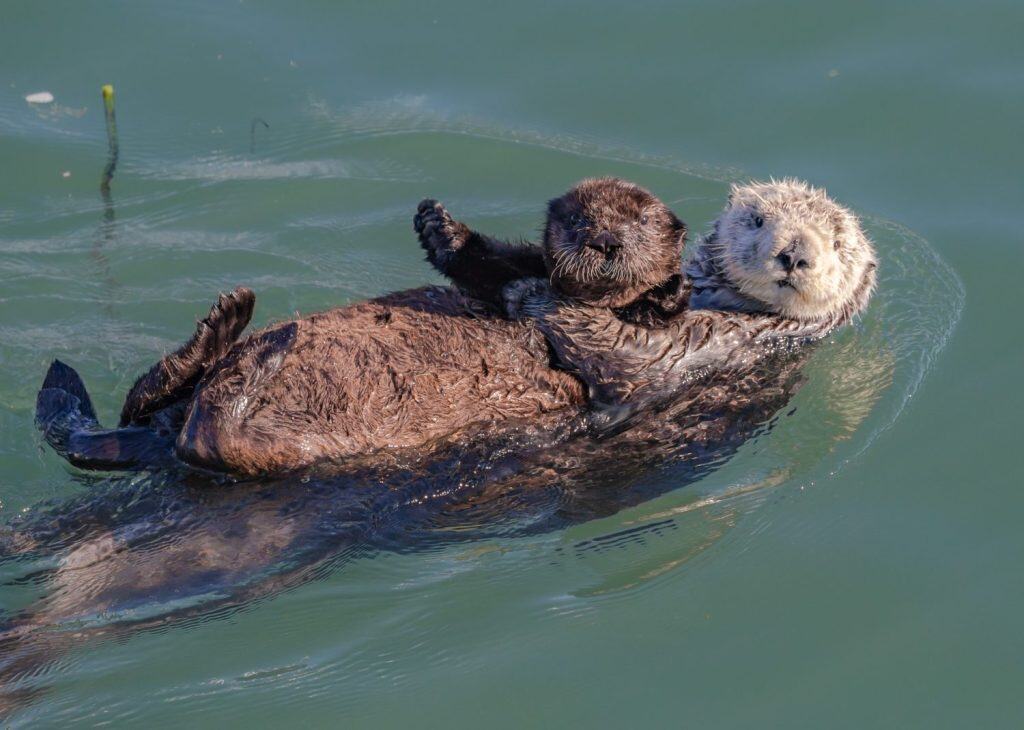
Sea Otter (Enhydra lutris).
©MODpix/Shutterstock.com
Everybody’s favorite, Sea otters, often steal the show on Kenai Fjords boat trips. These compact marine mammals float on their backs in loose groups known as rafts, constantly grooming to keep their thick fur clean and insulated. Long ago, the fur trade nearly wiped them out across much of the North Pacific. Careful protection allowed populations to rebound, and Kenai Fjords now holds one of the largest sea otter populations in the national park system. A 2019 aerial survey estimated about three thousand sea otters inside park waters. Visitors commonly see adults cracking open clams or mussels on their chests or tending tiny pups tucked into kelp beds. Otters favor protected coves and rocky shorelines, so tours that linger near shorelines often deliver long, relaxed viewing of these funny, energetic animals.
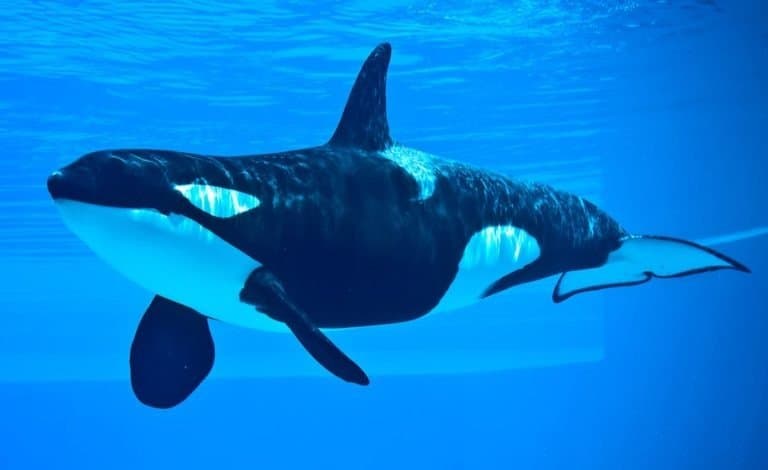
Orca (Orcinus orca)
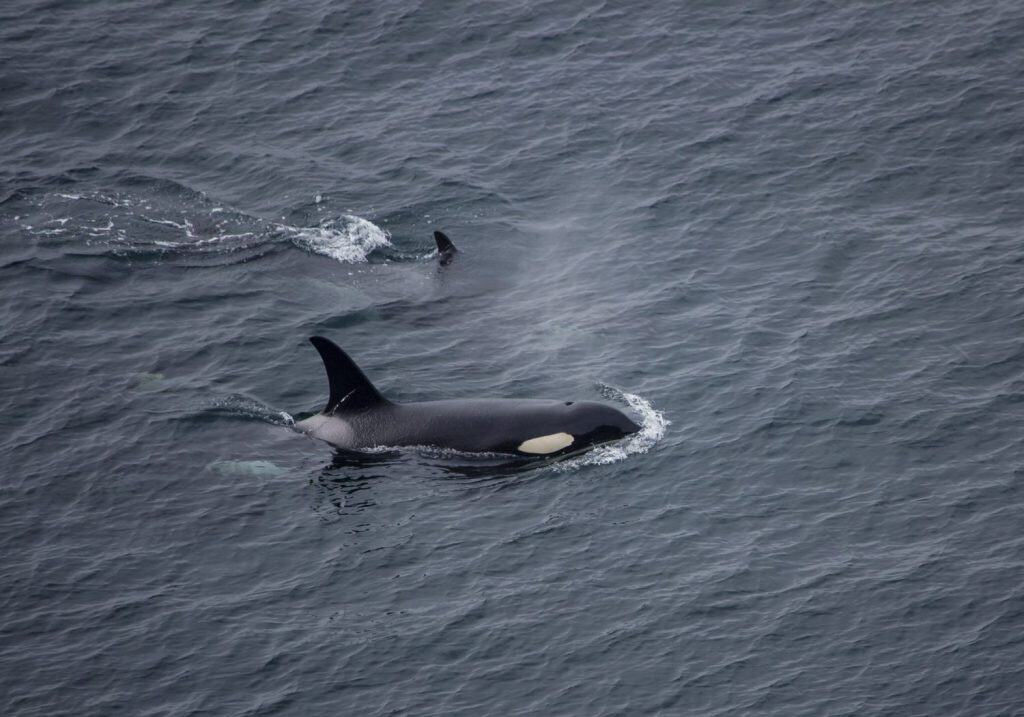
Orca (Orcinus orca)
©nbiebach/Shutterstock.com
Orcas, also called killer whales, are apex predators in the cold seas around Kenai Fjords. Their bold black and white pattern and tall dorsal fins make them easy to recognize once a captain calls out a sighting. Pods travel through Resurrection Bay and the outer Gulf of Alaska in every season, although summer cruises see them most frequently. From the deck of a tour boat, visitors may watch orcas plunging through swells or surfacing in tight groups. Regulations require boats to keep a respectful distance, yet curious animals sometimes approach on their own, gliding alongside hulls while guests watch and record in hushed excitement.
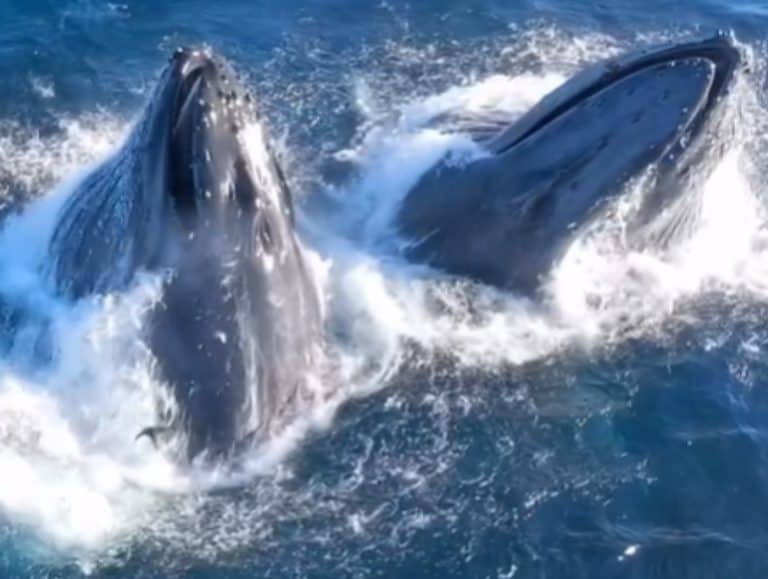
Humpback Whale (Megaptera novaeangliae)
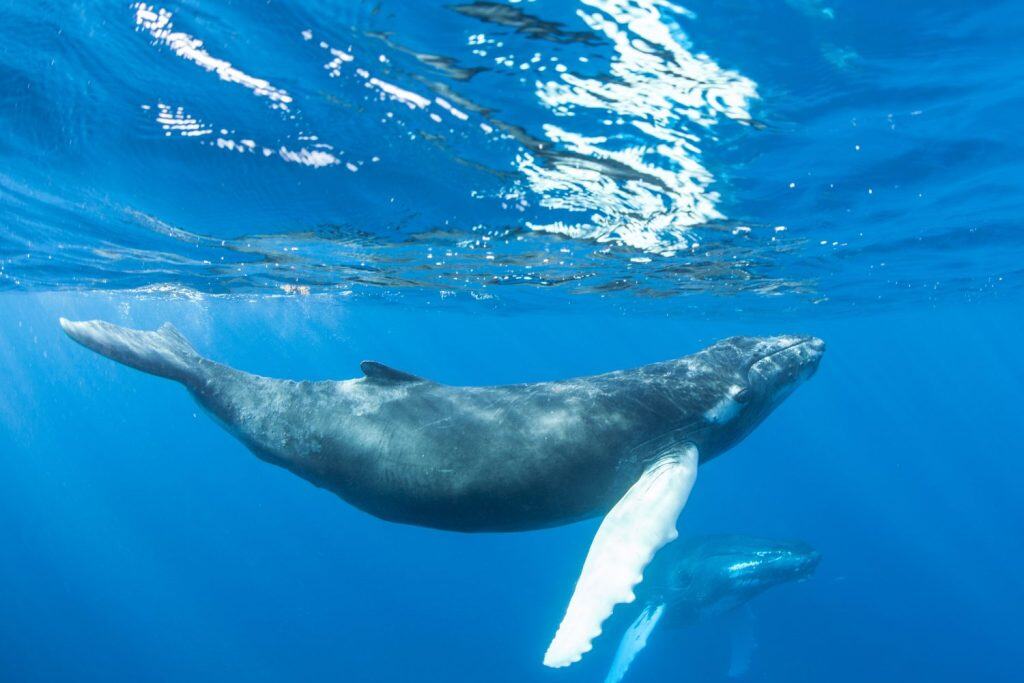
Humpback Whale (Megaptera novaeangliae)
©Ethan Daniels/Shutterstock.com
Some of the most impressive animals to see on a wildlife tour are Humpback whales. They migrate thousands of miles to reach the cool feeding grounds around Kenai Fjords each year. The same individuals that winter near Hawaii and Mexico spend their summers here, gorging on herring, sand lance, and dense swarms of krill. Humpbacks arrive in mid-spring and usually remain until late fall. During that time, they eat almost nonstop to build the fat reserves that carry them through their winter fasting period. Around the park, they surface with powerful blows, lift their tail flukes high, and sometimes launch their huge bodies in full breaches. On some day,s cooperative groups perform bubble net feeding, a complex behavior where whales circle schools of fish and drive them upward inside spirals of bubbles before rising with mouths wide open.
Gray Whale (Eschrichtius robustus)
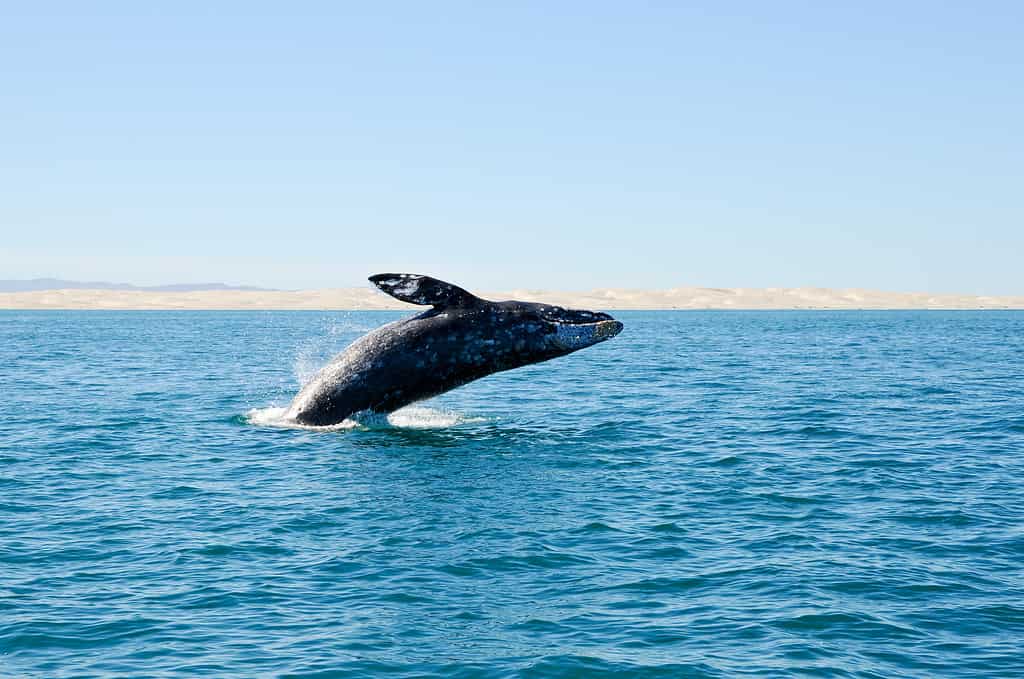
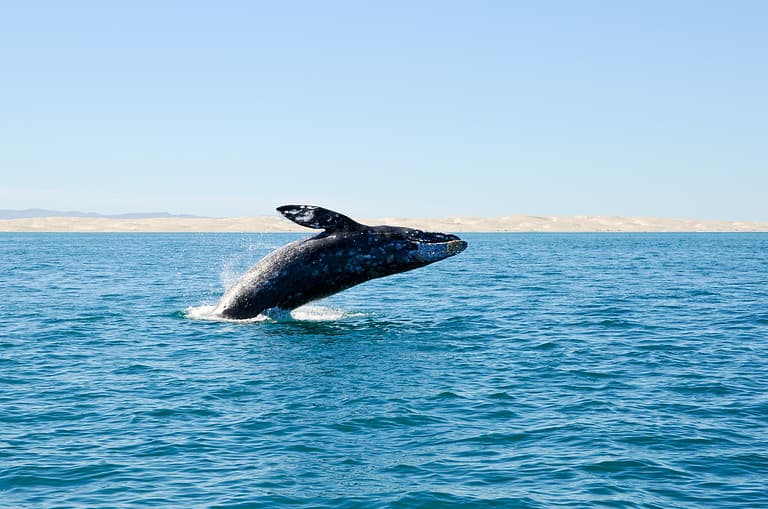
Gray Whale (Eschrichtius robustus)
©Jan-Dirk Hansen/Shutterstock.com
Another whale species, the Gray whale, passes the mouth of Resurrection Bay during their long migration between Baja California breeding lagoons and Arctic feeding grounds. In spring, many coastal tours from Seward keep watch near the outer bay for their tall blows and mottled gray backs. Sightings here are seasonal and shorter in duration than those of humpbacks, since grays are traveling rather than lingering to feed. When conditions are calm, a boat may parallel a migrating whale for a short time, watching it follow a steady pattern of surfacing and diving. Although gray whales do not spend the entire summer in Kenai Fjords, these brief encounters give visitors a sense of the immense journeys marine mammals undertake through the North Pacific each year.
Dall’s Porpoise (Phocoenoides dalli)
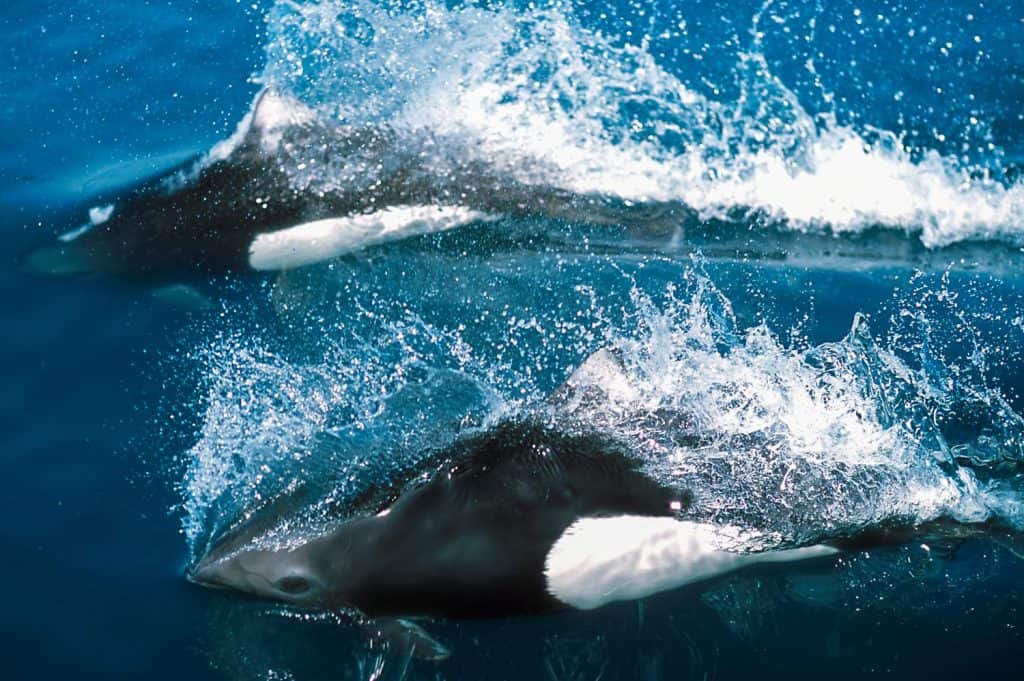
Dall’s Porpoise (Phocoenoides dalli)
©davidhoffmann photography/Shutterstock.com
The speedsters of Kenai Fjords are Dall’s porpoises. These compact black and white cetaceans slice through the water so quickly that many guests first notice only the spray of their rooster tail wake. Unlike the slow, arching movements of baleen whales, Dall’s porpoises dart and weave at the bow of moving boats, riding pressure waves for long stretches. They prefer deep, cold water, so tours often encounter them in outer fjords and channels that drop rapidly offshore. Groups may contain a handful of animals or a few dozen individuals scattered over the surface. Although they surface for only a second or two, repeat passes along the bow give passengers many chances to watch their narrow faces and sharply pointed dorsal fins.
Steller Sea Lion (Eumetopias jubatus)
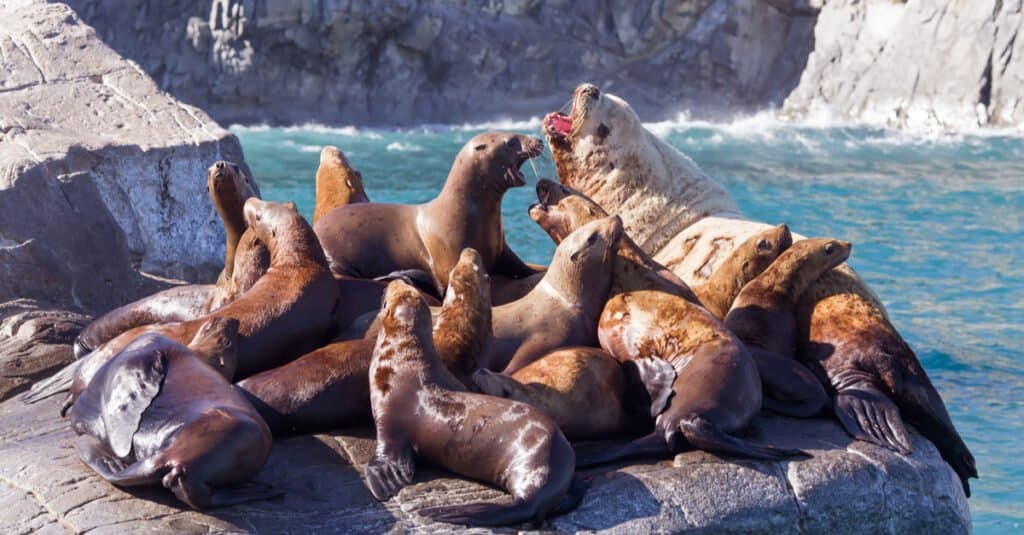
Steller Sea Lions (Eumetopias jubatus)
©Alexander Machulskiy/Shutterstock.com
Massive steller sea lions tower over harbor seals in size and sound. Adult males can weigh a metric ton—over 2,200 pounds. Kenai Fjords supports important haul-outs and breeding rookeries, especially around the Chiswell Islands. From late spring through summer, rocky ledges may appear carpeted with sea lions sleeping, roaring, and shuffling for better positions in the sun. Younger animals practice short dives and play fights in the water below. Although the species has declined in some parts of Alaska, numbers in the central Gulf region have stabilized, and Kenai Fjords cruises often pass close enough for visitors to hear the deep, gruff calls that carry over the surf.
Mountain Goat (Oreamnos americanus)
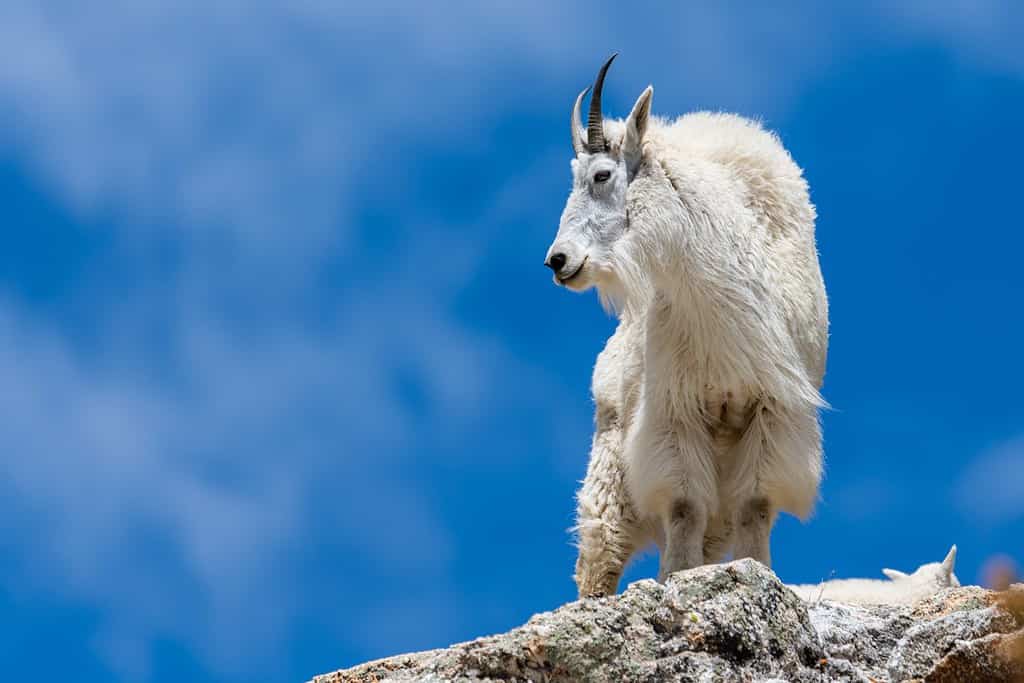
Mountain Goat (Oreamnos americanus)
©Greg Birkett/Shutterstock.com
Acrobatic daredevils, mountain goats occupy the steepest terrain in Kenai Fjords. These snow white climbers live along cliffs and high ridges where predators struggle to follow. Look for bright white dots high above tidewater that move slowly across dark rock, then use binoculars to pick out long beards and black horns. Goats graze on alpine plants during summer and use their sharply edged hooves to grip tiny ledges in winter. Around Exit Glacier and the coastal mountains, small groups sometimes descend to lower slopes where vegetation greens early. Patient observers on tour boats can occasionally spot goats on cliffs that rise directly from the sea, a surprising reminder that large hoofed mammals thrive here alongside whales and seabirds.
Black Bear (Ursus americanus)
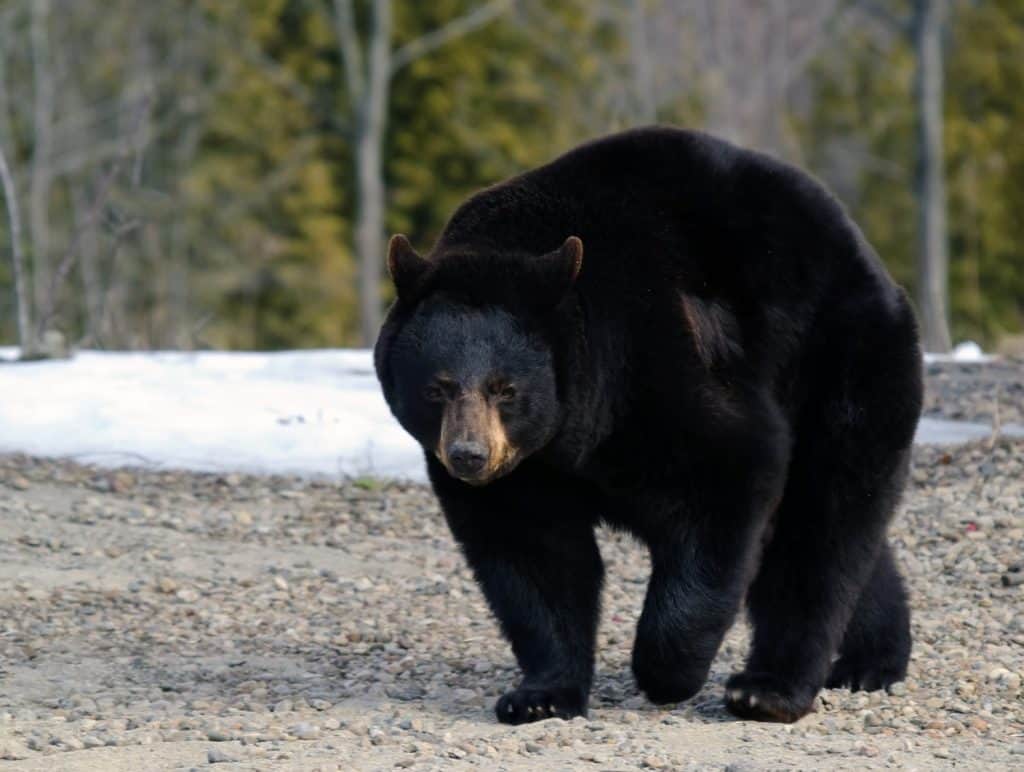
Black Bear (Ursus americanus).
©nialat/Shutterstock.com
Alaska has several bear species. Black bears roam the forested valleys, beaches, and stream corridors along the edge of the park. Their fur ranges from deep black to cinnamon brown, so color alone does not distinguish them from brown bears. In spring and early summer, they feed on new plant growth and emerging invertebrates near the shoreline. Later in the season, they shift to berries and salmon runs where available. Visitors most often glimpse bears from the road and trails near Exit Glacier or from boats along remote shores. Because bears can appear without warning, rangers urge hikers to carry bear spray, travel in groups, and secure all food and garbage. Respectful distance protects people while allowing bears to continue their natural foraging habits.
Horned Puffin (Fratercula corniculata)
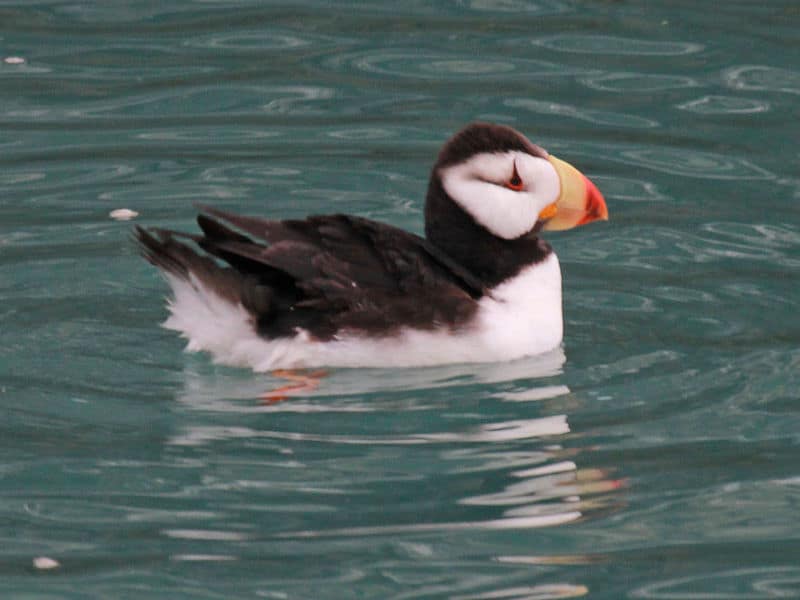
Horned Puffin (Fratercula corniculata)
©DickDaniels / Creative Commons – Original
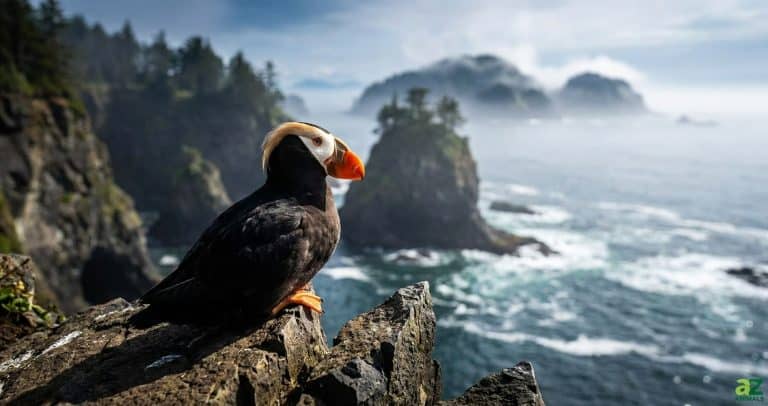
Similar to penguins in the southern hemisphere, horned puffins nest and fish around the dark cliffs of Kenai Fjords. These compact seabirds have thick, triangular bills and strong wings built for the underwater pursuit of fish. During the nesting season, they dig burrows or use rock crevices on offshore islands, including the Chiswell group and other protected stacks. Boats idle near these cliffs so passengers can watch horned puffins launch awkwardly from ledges, then return with beaks lined with small fish for their chicks. In flight, they beat their wings rapidly, yet once they dive, they move with smooth, practiced strokes that look like flying through water. Late spring and early summer offer the highest numbers as adults shuttle constantly between the sea and the nest.
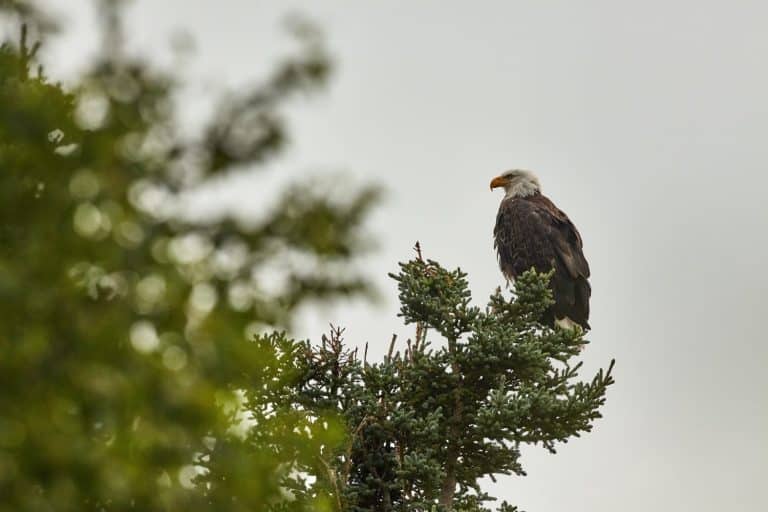
Bald Eagle (Haliaeetus leucocephalus)
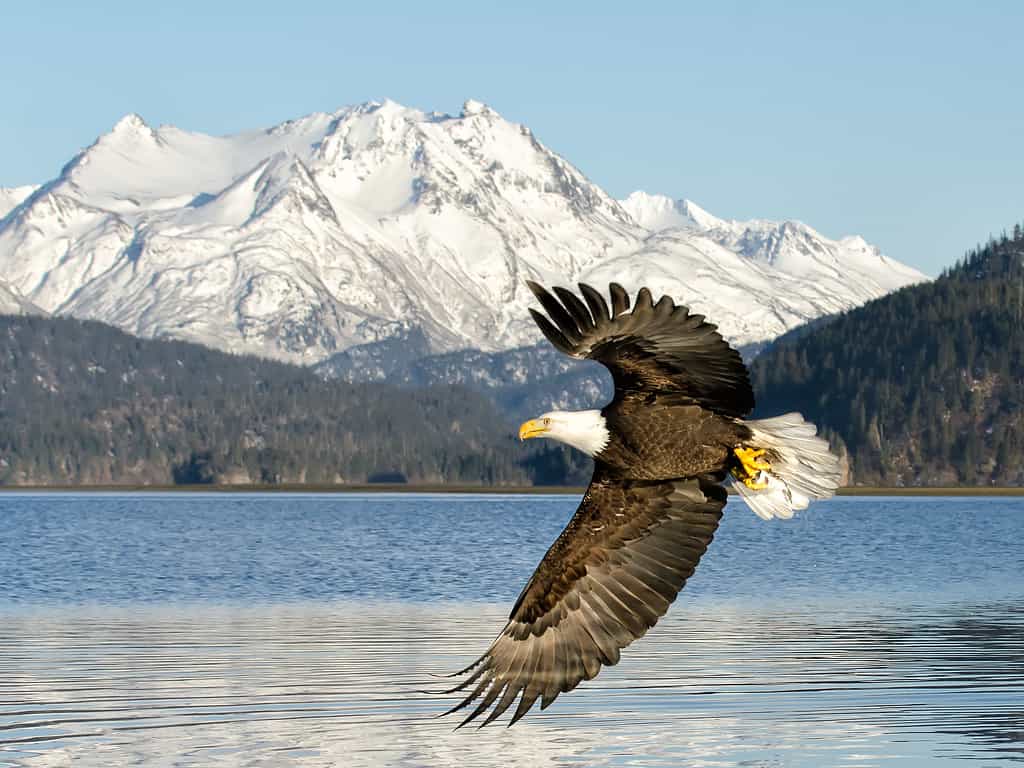
Bald Eagle (Haliaeetus leucocephalus)
©iStock.com/Kandfoto
Once severely endangered, bald eagles have made a great comeback and are a regular sight in Kenai Fjords National Park, soaring over the fjords and patrolling the rocky coastlines for fish and seabirds. Visitors often spot them near the harbor in Seward and along rugged cliffs where they perch on tall spruces or rocky outcrops, scanning the water below. The park’s rich marine life and nesting seabird colonies give these raptors plenty to eat, so it’s common to see them circling above tidewater glaciers or gliding past boat tours, their white heads and tails standing out against the dark mountains and deep-blue sea.
Hoary Marmot (Marmota caligata)
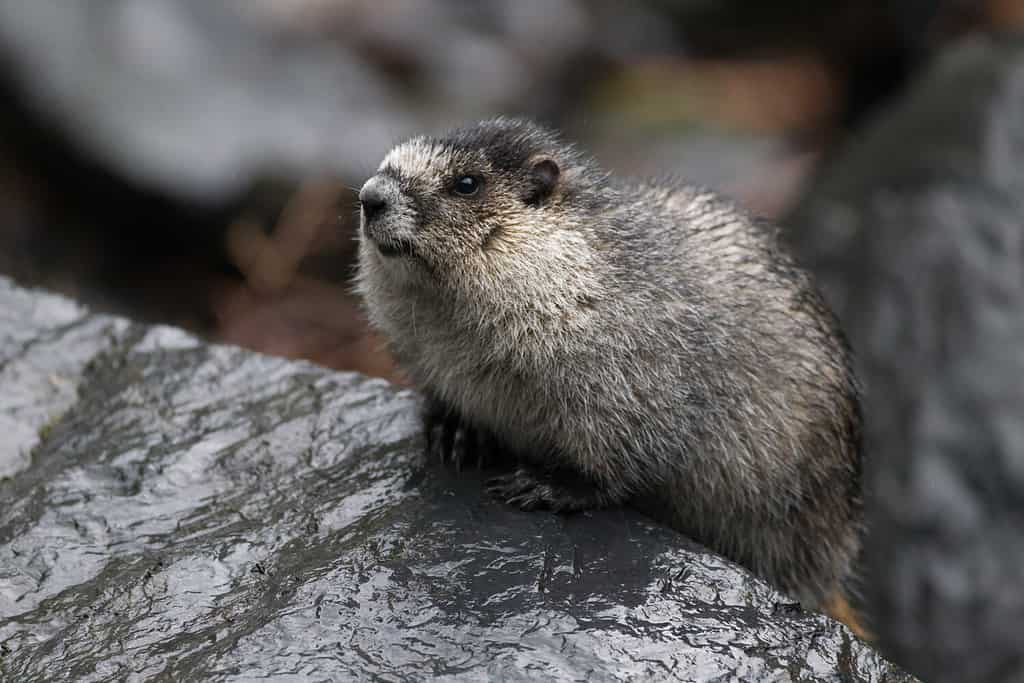
Hoary Marmot (Marmota caligata)
©Alexandre Boudet/Shutterstock.com
Looking like overfed guinea pigs, hoary marmots are among the classic “alpine neighbors” in Kenai Fjords National Park, especially along trails like the Harding Icefield route near Exit Glacier. Hikers often hear their sharp whistles before they see the animals themselves, posted like lookouts on boulders above the trail. These stocky rodents use rock piles and talus slopes for their burrows, where they spend much of the year hibernating and riding out long Alaska winters. In summer, they graze on alpine plants in the short, lush growing season, then waddle back to their dens with bellies full, building the fat reserves that will carry them through the next stretch of snow and ice.
Planning Your Wildlife Viewing
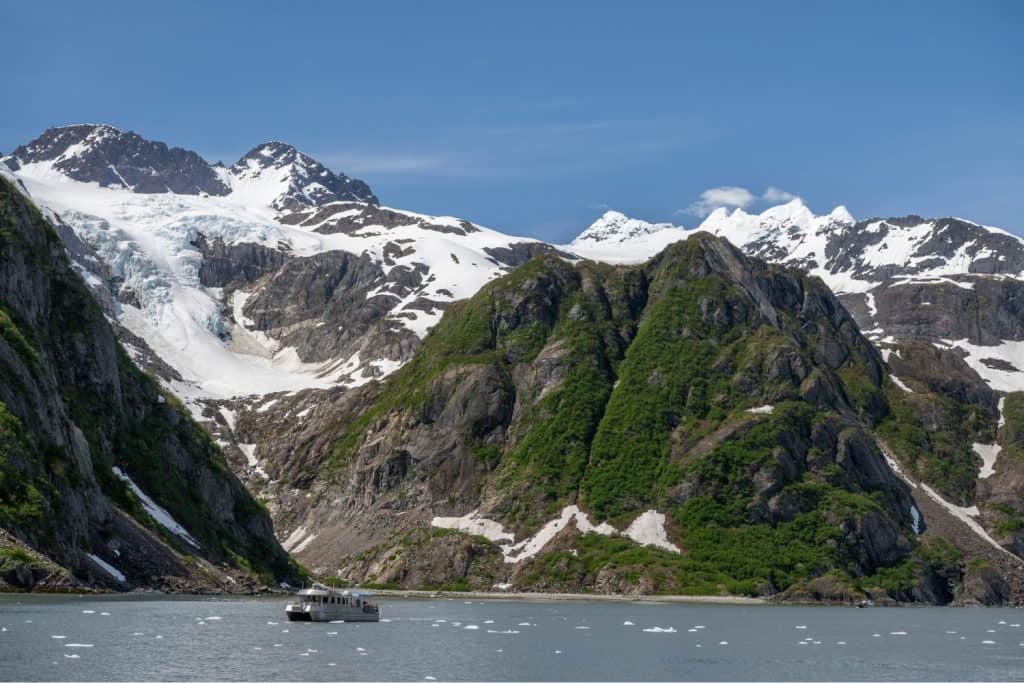
A sea-borne glacier tour at Kenai Fjords National Park.
©Robert Frashure/Shutterstock.com
Most visitors experience Kenai Fjords wildlife from the deck of a tour boat or from short hikes near Seward. Glacier and wildlife cruises vary in length, yet all recommend warm, layered clothing—including hats and gloves—even on clear summer days. Temperatures on open water can feel far cooler than in town. Binoculars or a telephoto lens greatly improve views of distant whales, goats, and seabird colonies. Seas can grow rough in the outer Gulf of Alaska, so people prone to motion sickness often prepare with medication in advance. On shore, the Exit Glacier area offers easy trails where guests may spot songbirds, small mammals, and the occasional bear while also seeing how quickly the glacier has retreated in recent decades.
A Living Marine Wilderness
Kenai Fjords National Park protects one of the few true fjord estuary ecosystems on the planet, where glacial meltwater and ocean currents mix. This constant stirring brings nutrients toward the surface, feeding plankton that in turn support fish, marine mammals, and thousands of nesting birds. For human visitors, the result is a rare chance to see many species in a single day, from harbor seals resting on blue ice to orcas cutting through offshore swells. No wildlife sighting is guaranteed, yet every trip carries the possibility of a welcome and unforgettable surprise.