
Over a trillion fish are hauled out of our seas, rivers, and lakes annually by commercial fishing operations and by individual anglers. At the same time, society is getting more concerned about the impacts of food production practices on animal welfare. Therefore, there is a need for a quantitative framework to inform policy analysis and decision-making. This will provide a common metric that can be used to compare the impact of different policies and practices. One such approach is the Welfare Footprint Framework (WFF). It has been used to quantify the stress responses in rainbow trout during asphyxiation, and the findings are alarming.
Introducing the Welfare Footprint Framework (WFF)
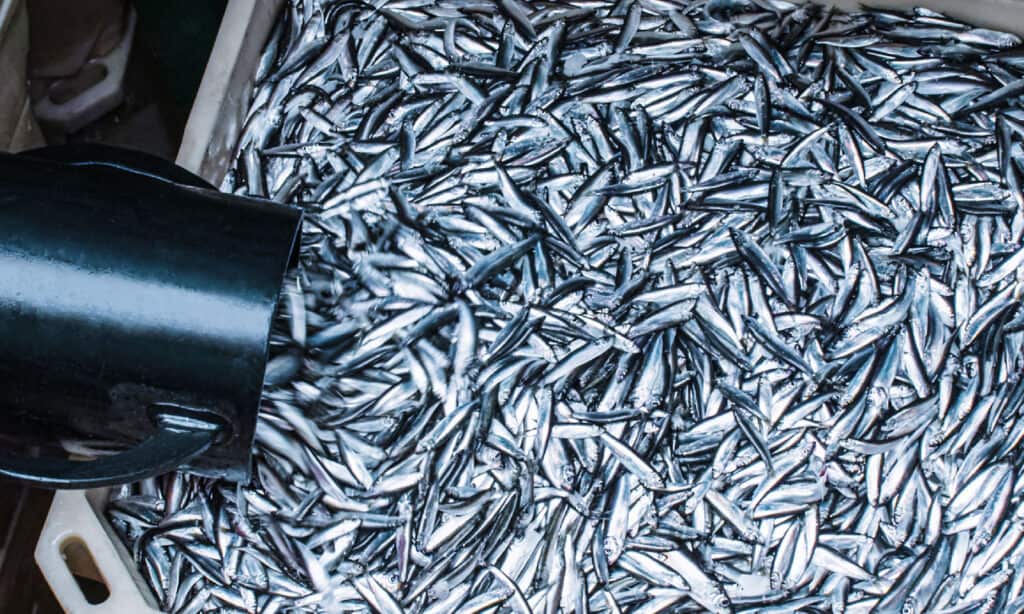
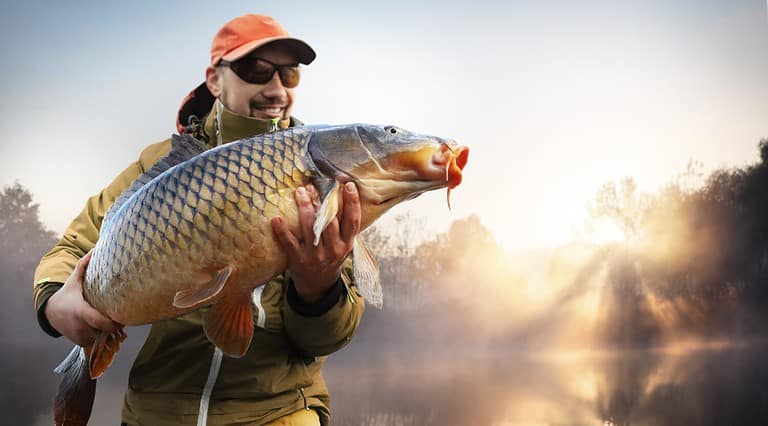
Over a trillion fish are slaughtered each year.
©Gorodenkoff/Shutterstock.com
Animal suffering is not an easy thing to quantify. The Welfare Footprint Framework (WFF) quantifies various animal welfare impacts using a standardized metric. It takes into account the cumulative time animals spend in affective states of varying intensities. Factors taken into account in the framework include handling procedures, housing, density, and air/water quality. Biological outcomes such as injuries, diseases, and deprivations over a timeframe of interest are also included. The ultimate impact on welfare is quantified by estimating the intensity and duration of each, resulting in an overall affective experience such as physical pain, fear, or joy.
The data for this assessment are drawn from existing evidence across multiple research disciplines. This allows researchers to quantify the total time animals spend in negative and positive affective states of different intensities. The negative states are called “Cumulative Pain” and the positive ones are called “Cumulative Pleasure.”
Applying WWF to the Killing of Fish
The global scale of fish slaughter is enormous. It is estimated that between 1.1 and 2.2 trillion wild finfish, and between 78 and 171 billion farmed finfish, are killed each year. However, there has been a lack of standardized metrics for evaluating the welfare impacts of different stunning and slaughter methods.
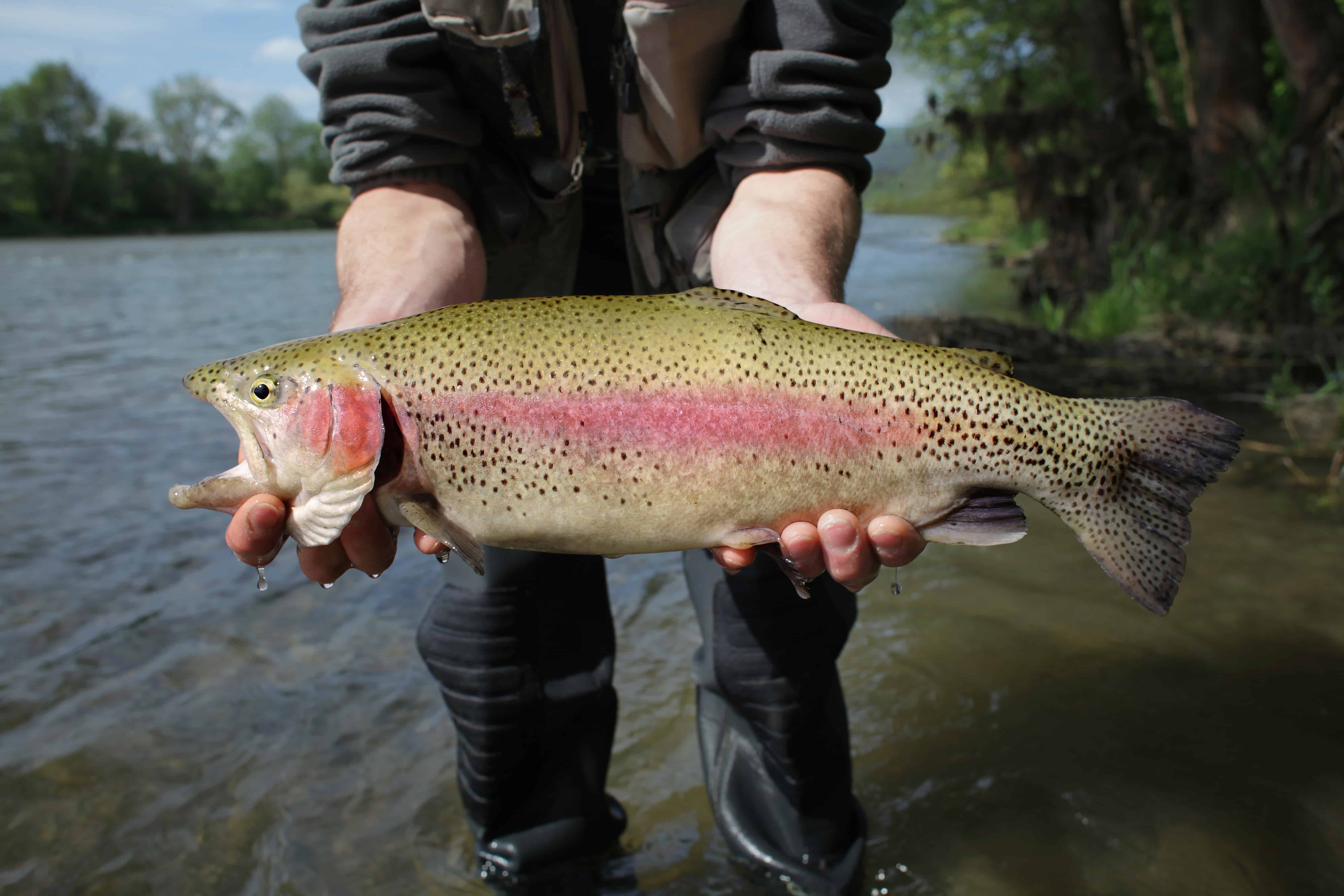
In a recently published study, researchers used the WWF to quantify the welfare impact of asphyxia in air. This is a widely used slaughter method for fish in both fisheries and aquaculture. The rainbow trout (Oncorhynchus mykiss) was chosen as the study species because it is a globally important fish. Also, there is existing research on its neurophysiology and welfare, which is essential for this framework. The groundbreaking study provides quantitative estimates of a trout’s pain during slaughter by air exposure.
How Does Being Out of Water Make Fish Suffer?
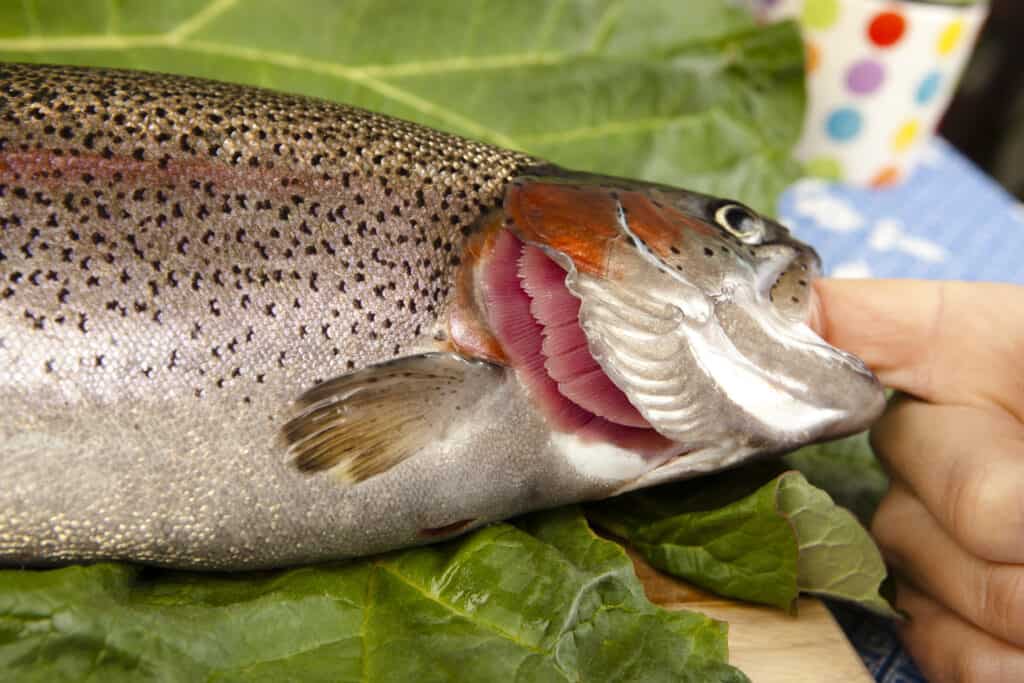
When trout are out of water, their gill structures collapse.
©pfluegler-photo/Shutterstock.com
For the purposes of the study, the assessment period was from the moment of immersion in air to loss of consciousness. The primary biological outcome is asphyxiation. Also, the pain and distress associated with asphyxia are the affective experiences. The final metric was assessed by estimating both how long the experience lasts and how intense it is.
Some studies have already suggested that fish are capable of having feelings and have a capacity for pain and distress. Their stress response in air is characterized by initial air exposure, pH imbalance and hypercapnia, metabolic exhaustion, and depressed neuronal activity.
Initial Air Exposure
It takes just 60 seconds of air exposure to cause a measurable physiological stress response in trout. When they are in the air, their gill structures collapse and they cannot take in oxygen or excrete carbon dioxide. Oxygen deprivation triggers the production of hormones that suppress non-essential processes. Energy reserves quickly get depleted. If a fish has undergone intense physical activity before being removed from the water, the physiological effects of asphyxia are exacerbated. Their ability to cope with the stress is soon exceeded. In just a few seconds, they enter a negative neuromolecular state. Fish have evolved to find being out of water extremely unpleasant, an adaptation that helps them avoid potentially fatal situations.
Hypercapnia and pH Imbalance
Hypercapnia occurs when there is too much carbon dioxide in the blood. It combines with water in the blood to make carbonic acid, so the blood pH is reduced. Even a small change in blood pH and carbon dioxide levels affects neurons. There is also evidence that hypercapnia is painful. Importantly, carbon dioxide–induced behavioral effects in fish can be reduced if they are given painkillers.
As carbon dioxide levels rise further, the fish experience an increasingly distressing urge to breathe. They gasp and desperately try to escape. They also experience anxiety and panic.
Metabolic Exhaustion
When oxygen levels are low, fish switch to anaerobic metabolism, which is not very efficient and soon leads to a buildup of lactate. You may have heard of human athletes experiencing the same thing. The resulting acidosis can trigger pain receptors. An insufficient oxygen supply also causes ischemic pain.
Depressed Neuronal Activity
Carbon dioxide crosses the blood-brain barrier, causing acidification and unconsciousness. This process, however, is likely gradual.
Specific Findings for Rainbow Trout
When the scientists applied the Welfare Footprint Framework to air asphyxiation of rainbow trout, they estimated that the fish experienced an average of 10 minutes (range 1.9 to 22 minutes) of moderate to extreme pain. Depending on the size of the fish, the distress can last between 2 and 25 minutes. In some cases, however, fish can experience over one hour of moderate to extreme pain per kilogram of body weight.
While electrical stunning has been suggested as a more humane alternative, its effectiveness varies depending on the species and the specific method used. Asphyxia in ice or chilling in ice slurry are not considered humane alternatives. Nevertheless, this study provides a pattern for quantifying slaughter impacts across other commercially important aquatic species. It is hoped that it will lead to the development of more humane slaughter practices for fish.