
Quick Take
- Trauma responses in rainbow trout require a minimum 20-minute physiological window for sensory processing.
- The identification of C-fibers establishes a critical technical constraint for the viability of catch and release.
- Intense pain causes rainbow trout to completely abandon their natural fear response to new objects.
- Modern fish farms utilize clove oil as a vital intervention to prevent specific neurobiological trauma cascades.
The ability of fish to feel pain has been a long-running debate in the scientific community. On one side, you have the naysayers. They believe that fish are nothing more than living “reflex machines,” capable of movement and instinct, but with nervous systems too primitive to experience anything beyond rudimentary chemical reactions. However, in recent years, ichthyologists have dispelled this idea. They say that fish very much feel pain and can suffer trauma for extended periods after a painful event.
They have learned that fish can feel pain to a degree that can be hard to fathom. For example, when a hook assaults a fish, its entire body becomes locked into the pain, whereby its nervous system prioritizes the sensation of pain over every other instinct. Let’s learn more about this shocking phenomenon and how neurobiology dictates the experience of trauma.
Fishing for Pain
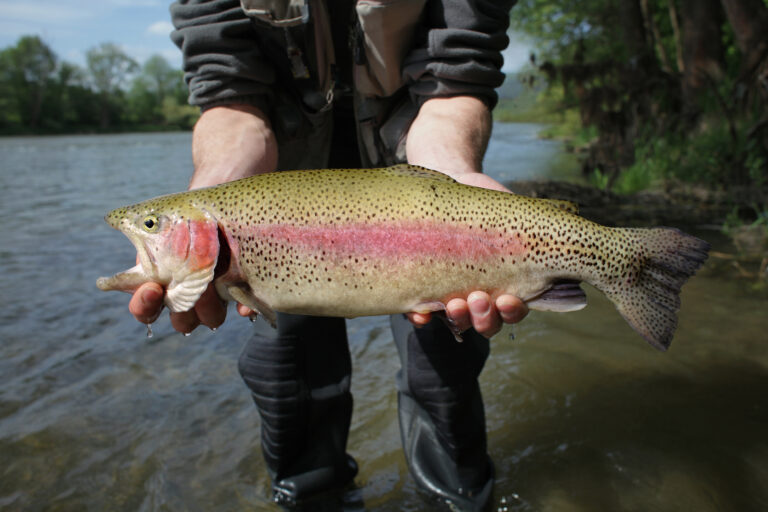
A landmark study, “Do fishes have nociceptors? Evidence for the evolution of a vertebrate sensory system,” published in 2003, offered evidence of pain reception in fish. Headed by Dr. Lynne Sneddon, the study identified 58 receptors on the heads of rainbow trout that responded to at least one type of painful stimulus. Furthermore, these trout feature both A-delta fibers and C-fibers. A-delta fibers trigger rapid, sharp pain sensations, while C-fibers trigger more prolonged, lasting pain, akin to what mammals feel.
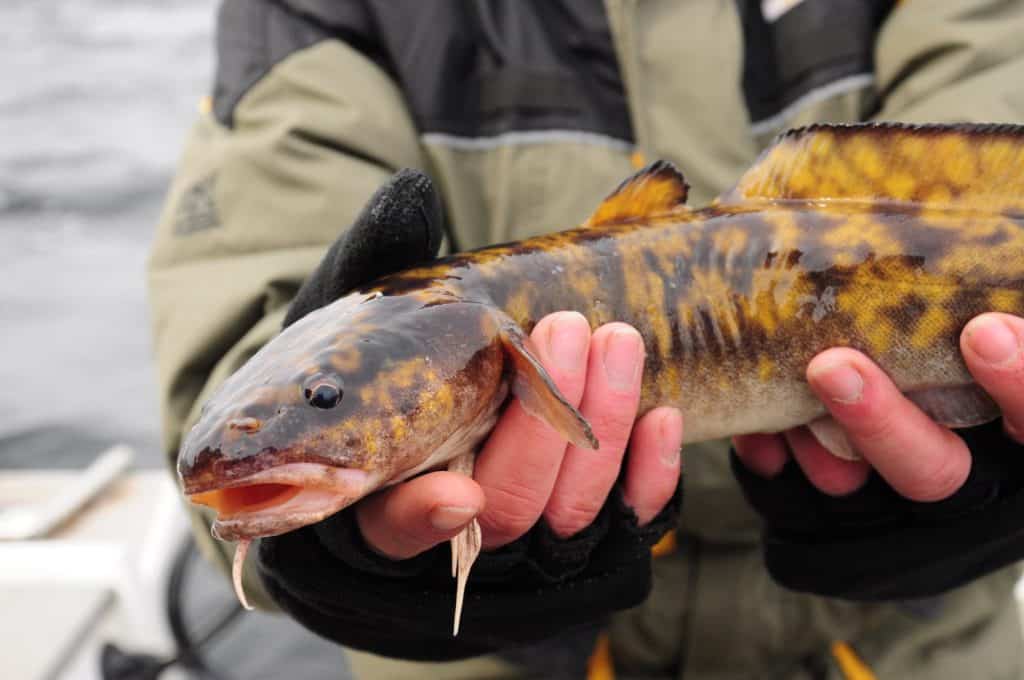
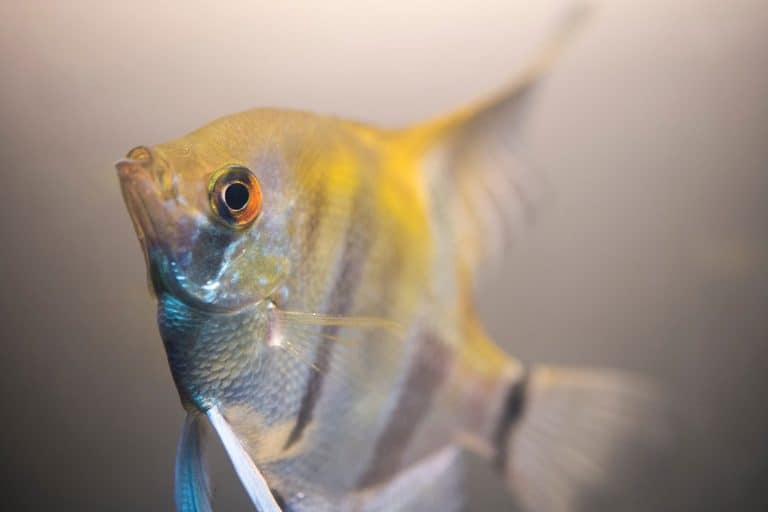
One study found that fish like trout contained pain-sensing fibers called nociceptors.
©Neon_TI/Shutterstock.com
More specifically, the study identified nociceptors in the fish. These are specialized sensory neurons that respond to damaging stimuli such as pressure, heat, or noxious chemicals. These pain-receiving fibers are what send signals of discomfort to the brain.
In the study, Dr. Sneddon and colleagues exposed rainbow trout to noxious chemicals like acetic acid. This triggered a cascade of physiological effects. First, the sensation of pain affected the trout like an alarm. It is not just a simple reflex, but a continuous firing of neurons that keeps the fish in a state of high alert. This causes it to lose interest in its surroundings.
When the trout were exposed to acid, they stopped showing a fear response to new objects because they were so preoccupied with the sensation of pain. Furthermore, the 20-minute pain window caused the trout to seek out self-soothing or comfort behaviors. The trout would rub affected body parts against the sides of the tank or the gravel, akin to a person rubbing a stubbed toe. Remarkably, such behavior continued until physiological stress indicators began to subside.
Evolutionary Effects
This research raised a series of questions regarding the role of pain in a fish’s experience. For one, why does their pain sensation last up to 20 minutes at a time? Simply put, why do they need to feel pain at all? The answer to these questions likely has to do with evolution.
Pain can be an effective teacher. However, a split-second painful sensation does not necessarily impart the same sense of danger as a rolling, continuous painful sensation. This suggests that these creatures encode their memory of dangerous places and objects with more long-term pain sensations. If a fish feels pain for up to 20 minutes, it will likely seek out shelter and remain quiet. This prevents further injury or predator attraction while in a vulnerable condition.
Cortisol is a stress hormone found in mammals as well as fish. Whereas humans metabolize stress soon after a threat has diminished, a fish’s metabolism is linked to water temperature. This can cause their physiological stress profile to remain elevated for longer periods of time.
Ethics and Debate
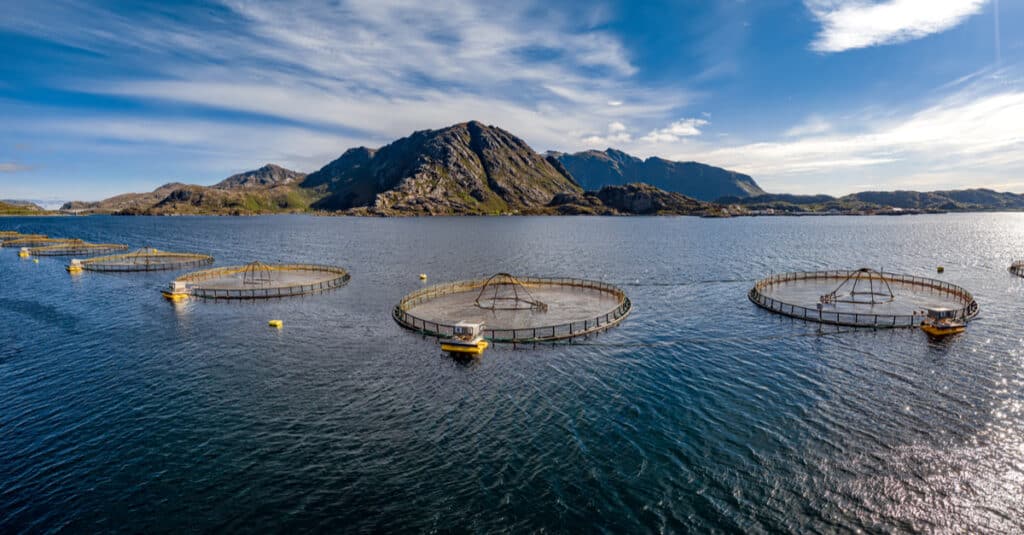
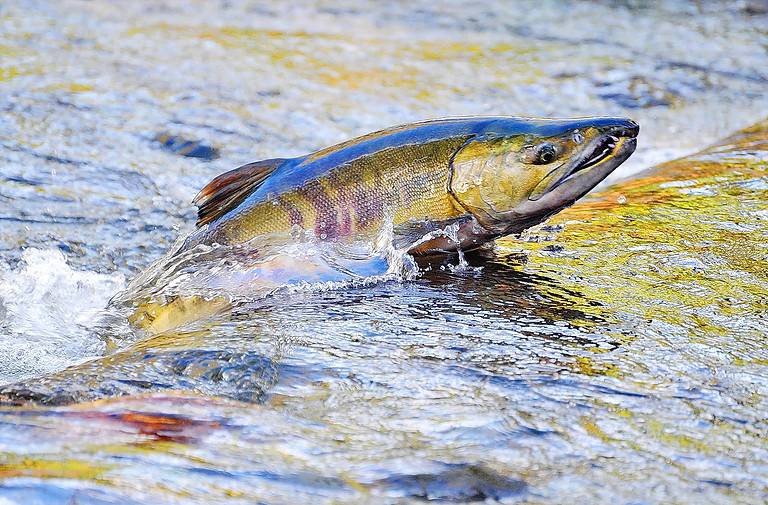
Many fish farms use electric stunning or clove oil as a form of anesthesia to keep fish from feeling pain while being handled.
©Andrey Armyagov/Shutterstock.com
This evidence that fish feel pain suggests that new welfare standards are necessary for the fishing industry. If a fish’s sensation of pain doesn’t end quickly, that means that every instance of “catch and release” fishing can cause significant stress and pain to fish, raising ethical concerns about the practice. Prolonged air exposure during and after catch and release can decrease a fish’s chance of survival, especially if it is already experiencing stress or pain.
Even with all this evidence of these creatures feeling pain, naysayers endure. Some scientists remain firmly on the other side of the debate, suggesting several points that dispute the notion. For example, they say fish lack the neural tissue required for sensing pain and that brain activity does not equal pain. Furthermore, they suggest that fish behavior, which causes them to flee noxious stimuli, can be a response to reflexes developed in the spine.
While definitive proof that fish feel pain like humans has yet to be established, that hasn’t stopped the fishing industry from taking note. Case in point: many modern fish farms now use electrical stunning or clove oil as a type of anesthesia. These techniques ensure that the 20-minute pain window isn’t triggered during handling.