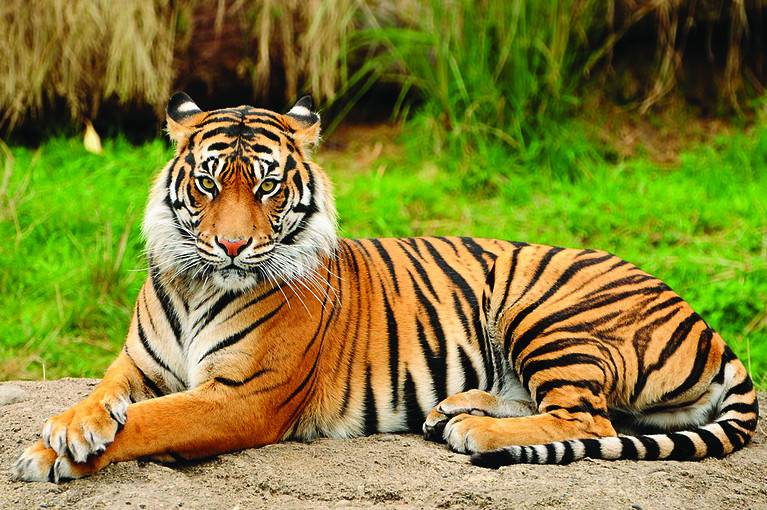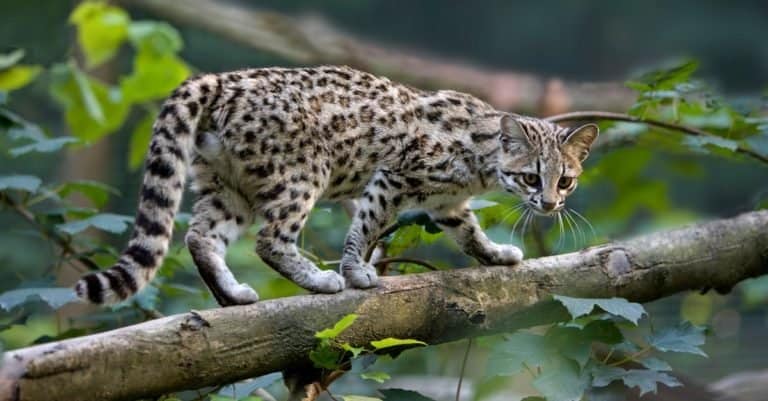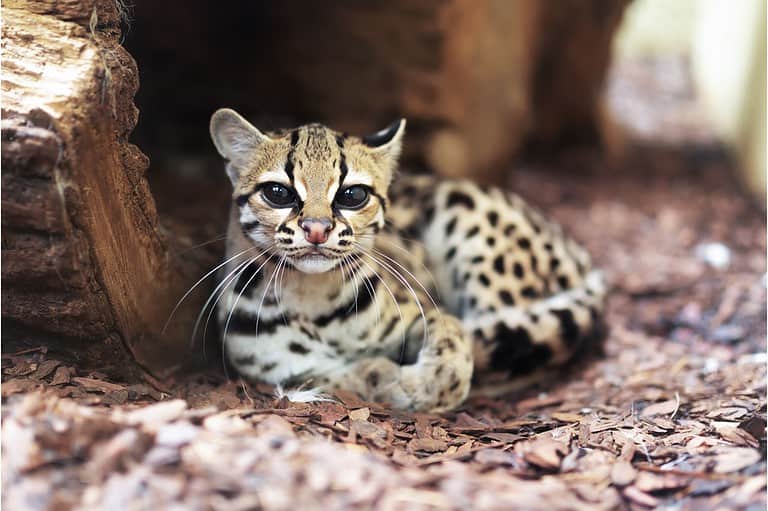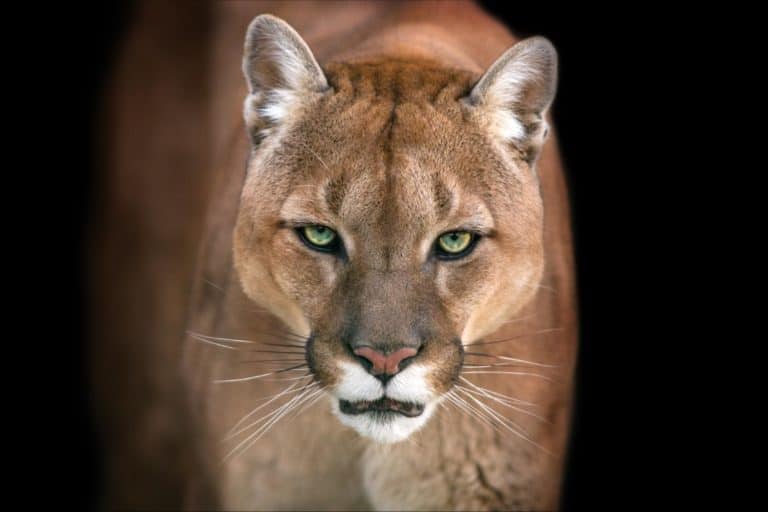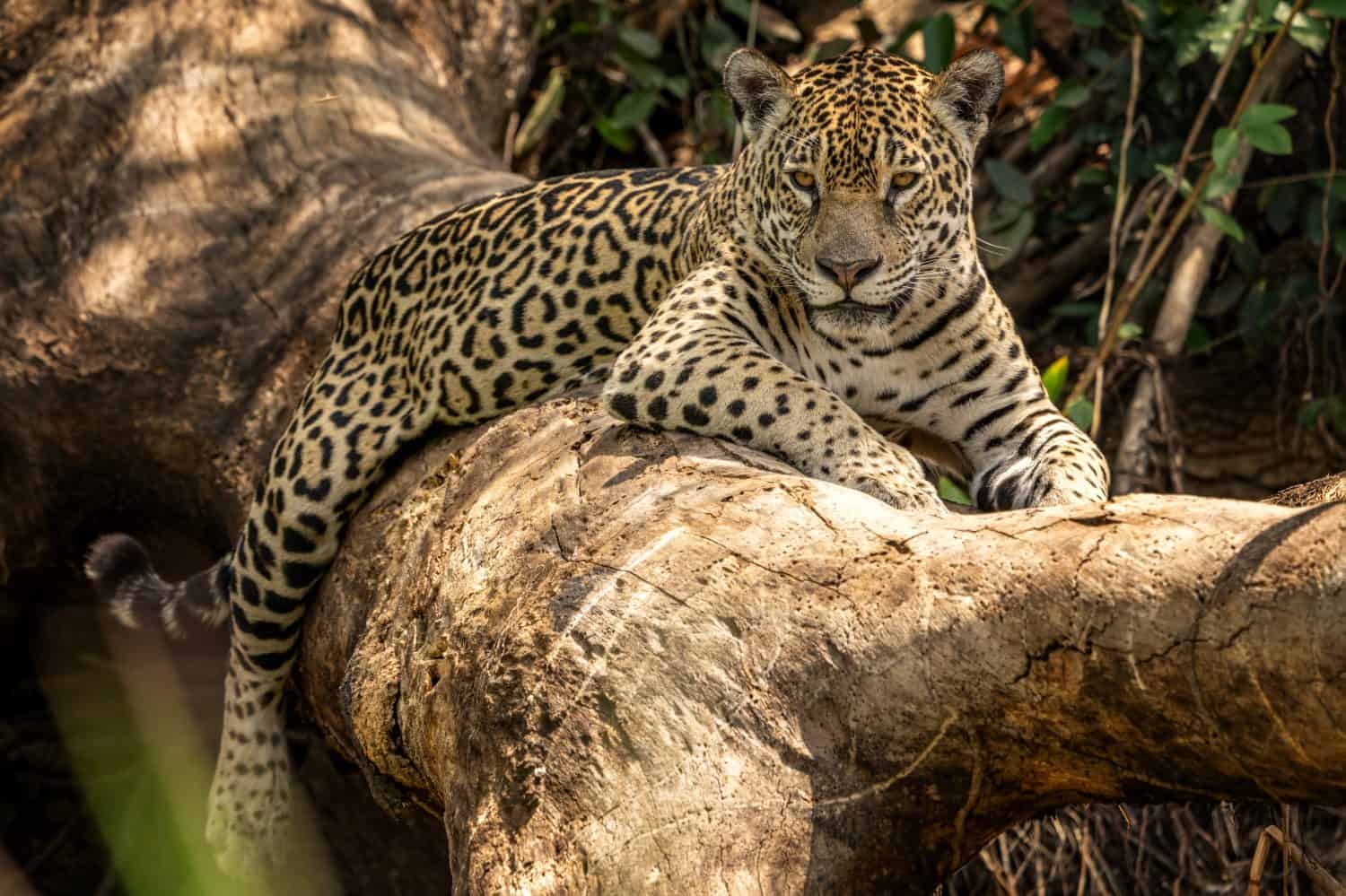

This year, on November 29th, the world will be celebrating another International Jaguar Day, and we couldn’t be more excited. The holiday, which began in 2018, is a celebration of the amazing jungle cat and a chance to raise awareness of the need to consider the future of the species. Critical conservation efforts are required, and talking about the big day with your friends will put the cats on the pedestal they deserve. When you talk to people, you can warm them up to the idea of protecting these amazing cats by discussing the facts that make the lives of jaguars so unique and interesting. Here are 10 jaguar facts to get you started.
Jaguars Are Massive Cats
As you’ll learn while you read down this list, jaguars are imposing and often dangerous creatures that basically have their way in the natural habitats in which they live. Currently, they live in grasslands, wetlands, and rainforests in many places across the Americas, from Mexico to Argentina.
Male jaguars are generally between 200 and 270 lbs. Females range from 130 to 200 lbs. However, some jaguars have come in at a staggering 408 pounds. The length of a jaguar is typically between 3.67 and 6.07 ft., not including the tail, which can be over two feet long on its own. In comparison, jaguars are considered the third-largest cats in the animal kingdom, behind the lion and tiger.
Jaguars are Powerful Figures in Many Cultures
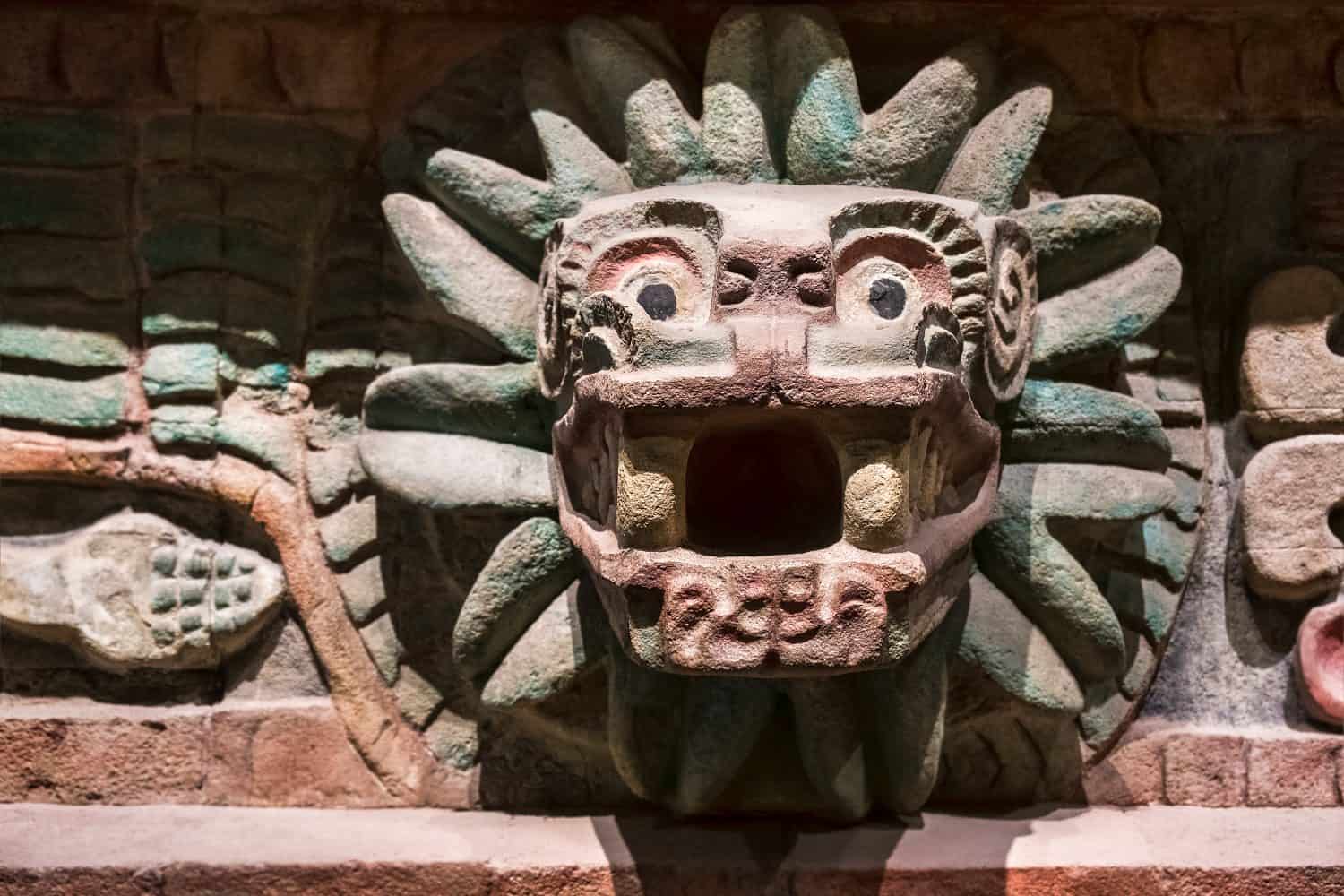
Jaguars are often depicted as royalty in many ancient cultures.
©Kamira/Shutterstock.com
Many cultures hold the lives of Jaguars in incredibly high regard. So much so that several indigenous cultures throughout history have considered jaguars royalty. The Maya and Aztec cultures often depicted the big cats as a form of military and political power, and they included jaguar imagery in many of their rituals. Maya kings often wore jaguar pelts to show their dominance. The Aztec god Tezcatlipoca was often represented as a jaguar. The Maya also believed that jaguars could move between worlds, including the underworld.
There’s also a strong jaguar presence in Amazonian shamanism, where they believe the jaguar is both a spirit animal and a spirit person, and that it shares a dual existence with the shaman. In fact, the jaguar is often known as the “master of shamans.” Modern indigenous Amazonian groups still hold the jaguar in high regard and refer to them as a guardian of the forest and the overall ecosystem.
Jaguars Can Swim Very Well
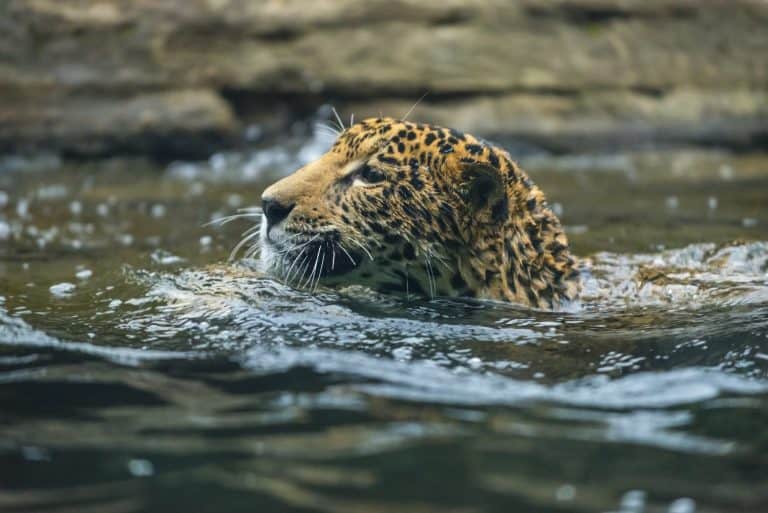
Since jaguars live in rainforests and other locations where water runs supreme, it’s only natural that the big cats be able to swim incredibly well. With their muscular bodies and limbs, plus a tail to help propel them forward, jaguars get around without any trouble.
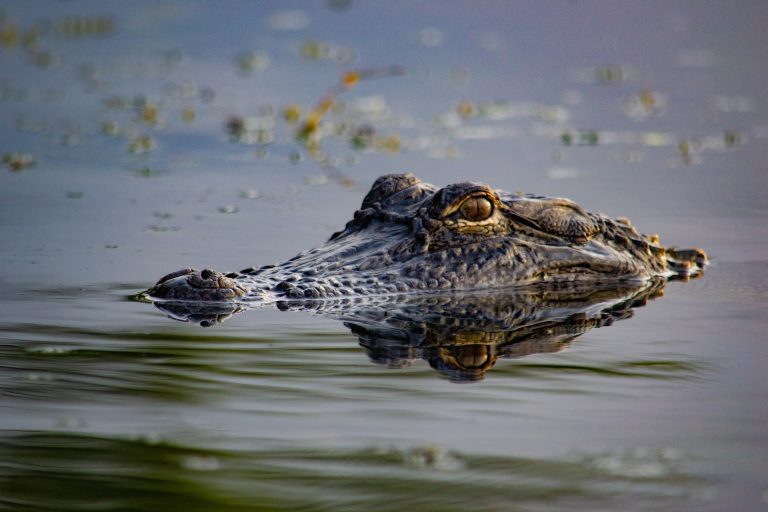
In addition to getting from place to place, jaguars also use water as a big part of their hunting strategy. Jaguars can swim so well that they can stay afloat with only their heads above water as they sneak up on unsuspecting prey. They’ll also dive into the water to catch turtles and fish. Jaguars can hold their breath underwater for 15-20 minutes while they hunt. To top it all, jaguars have one of the strongest bite forces in nature. They typically go after the spine or skull of their prey, which often leads to instant death.
Jaguars Can Roar
Only big cats can roar, but not all of them are created equal. Of the big cats, only those belonging to the genus Panthera, which includes lions, tigers, leopards, and jaguars, can roar. Unlike house cats, big cats can roar because the epihyal bone that smaller cats have is replaced by a ligament that can be stretched to allow a wider range of pitch. However, big cats can’t purr in the same way small cats do.
A jaguar’s roar has many uses, from defending their territory to scaring off other jaguars and attracting mates. The male jaguar’s roar is more like a bark and then a growl. The female produces a sound that’s often described as a coughing roar.
Jaguars Have Special Night Vision
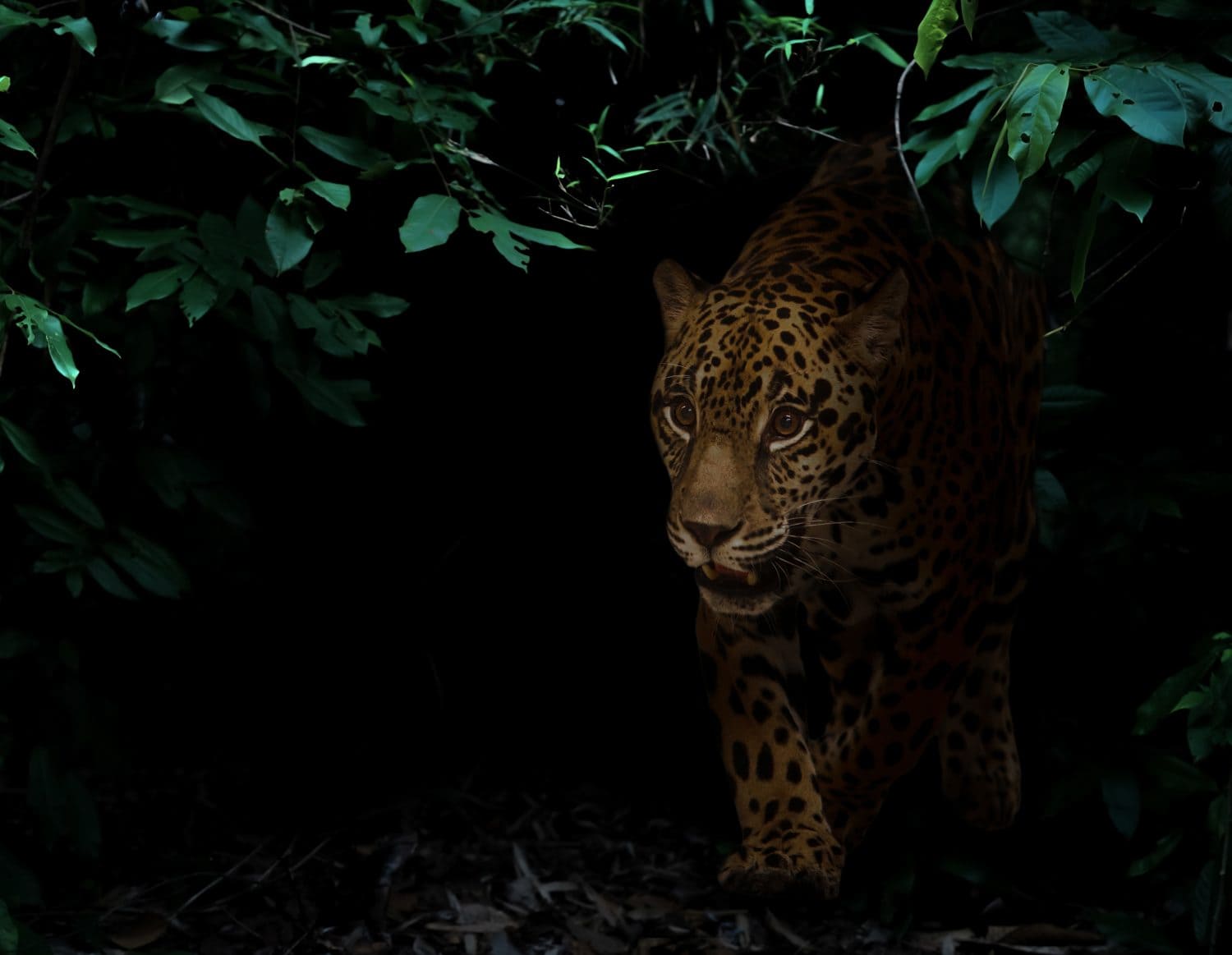
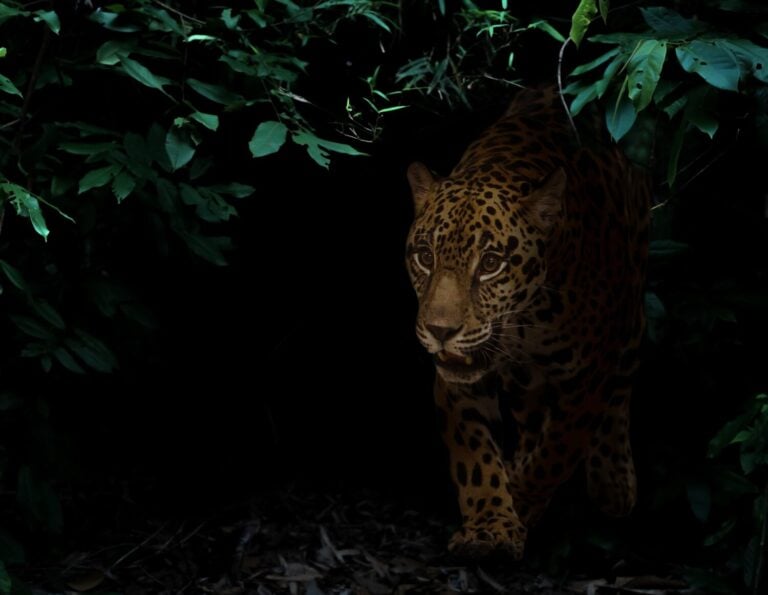
Jaguars can see very well at night, which makes them very formidable hunters.
©Anan Kaewkhammul/Shutterstock.com
In order to survive in their natural habitat, all animals need to have an edge or an ability that keeps them on top. In the case of jaguars, it’s their super eyesight. Life in the rainforest is not always easy. It’s typically wet and often dark. To adjust, jaguars have eyes that adjust to night hunting. The ability is due to a part in the back of their eye called the tapetum lucidum, which acts like a mirror, reflecting light into the retina and doubling their ability to hunt even in relative pitch blackness.
Jaguars don’t typically run after their prey. Instead, they often wait until night and slowly stalk their potential meal. Once they get within range, they can essentially take one bite and kill their prey by crushing their skull.
Jaguars Grow Up Quickly
The unique lives of jaguars start when they’re born. As adults, jaguars are fairly solitary creatures. However, when mating season comes around, males actively go looking for a mate. Once a suitable female is found, the mating ritual will typically include the biting of the female’s nape and then copulation that can last several days.
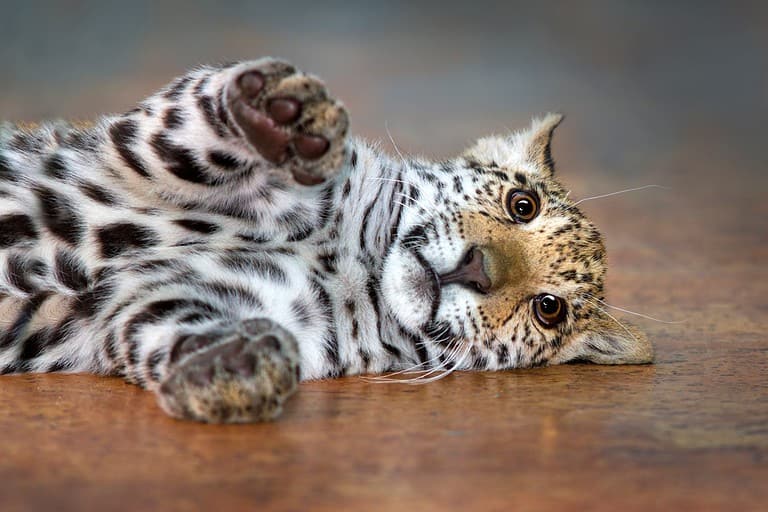
Once the baby is born, it’s blind and relatively helpless for about two weeks, along with the other 2-4 cubs that are born at the same time. After two weeks, they open their eyes and begin following mom around for about eight weeks until it’s time to start their training. The mom teaches the cub to hunt and survive in the wild while they nurse. Between 15 and 18 months of age, young jaguars start hunting on their own, with mom still in the vicinity. At two years old, the youngsters go off on their own and make their own lives.
Jaguars Have Varied Appetites
The secret lives of jaguars are even more impressive when you consider their diet. They’ll eat almost anything. They are opportunistic hunters that prey on most animals they encounter, including deer, monkeys, iguanas, tortoises, and armadillos. Plus, jaguars aren’t afraid to chase after birds for a quick meal. Jaguars also eat fish.
What’s most amazing is that jaguars are not afraid to put up a fight and go against other predators that are often considered meaner than they are. One of those fierce opponents is the black caiman, which is not afraid to inflict serious, life-threatening injuries if it feels under attack. There are many videos online of jaguars and caimans going at it, with the jaguar typically coming out the victor. It’s quite a sight to see. Just be sure to stay out of the way!
They’re Faster Than Your Car
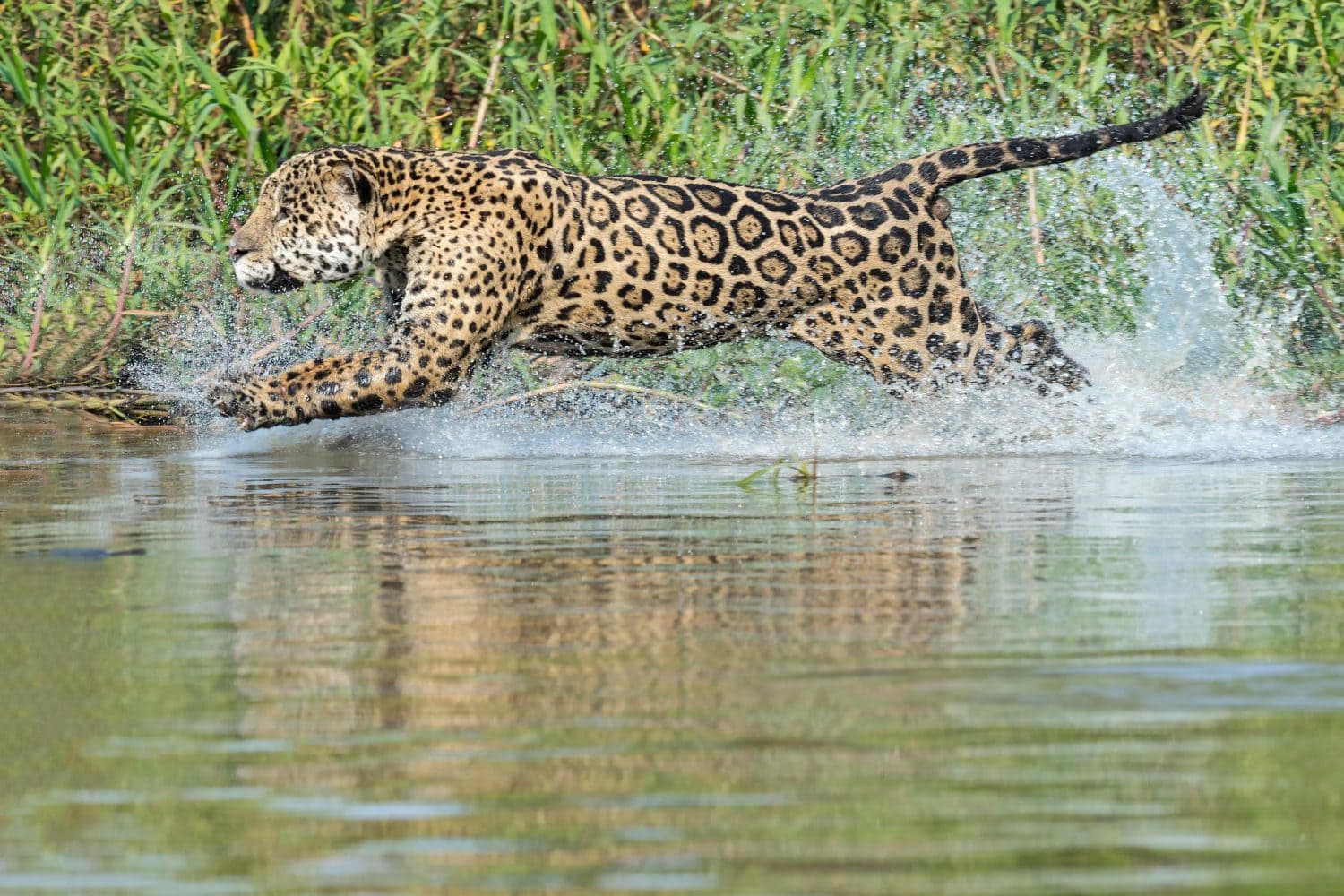
Jaguars can run nearly 50 miles per hour.
©imageBROKER.com/Shutterstock.com
The lives of jaguars are quite fascinating, but blink, and you could miss them. That’s because, while they’re not as fast as cheetahs, jaguars come in second place and can still run upwards of 50 miles per hour. They get most of their speed when running short sprints, but that’s typically enough to catch just about any prey. In many cases, they’ll sneak up on their victim so it doesn’t even know the jaguar is there. If it finds out and tries to run, the jaguar quickly catches it and has its meal. Also, due to the muscle fibers in its legs, the jaguar can take off at a sprint.
Every Jaguar Looks Different
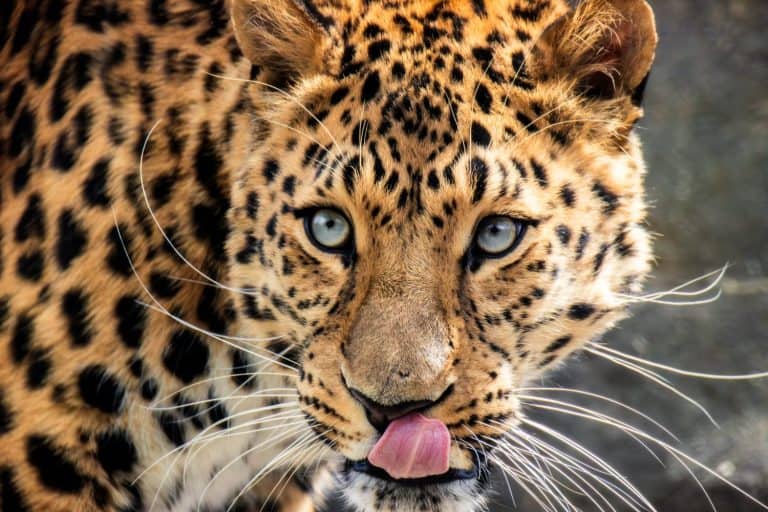
Just like every human’s fingerprints and every zebra’s stripes are completely different, so are the spots on a jaguar. Many people confuse jaguars and cheetahs because they do look quite similar. Often, the only way to tell them apart is by their spots. Jaguars have more fragmented margins, and the spots inside those markings are smaller. Scientists believe the pattern helps break up the outlines of their bodies when they’re hiding in dense grass or a forest, making them harder to see.
Jaguars Need Our Help
Yes, the lives of jaguars are quite fascinating, but if something isn’t done to preserve the species, they may disappear before we know it. Currently, jaguars are listed as “Near Threatened” by the International Union for Conservation of Nature and Natural Resources.
Their numbers are currently declining, and several factors are to blame. A big issue is that much of the land that jaguars inhabit is being destroyed to make way for the construction of residential and commercial developments. The land is also used for mining, agriculture, and road and railway construction. Jaguars are also frequently hunted, and their pelts and body parts are sold on the black market.
Luckily, there’s much you can do for the jaguar population. One option is to visit an organization such as the World Wildlife Fund and “adopt” a jaguar. Doing so provides funding so researchers and advocates can work to preserve the species. You can also support organizations like Fauna & Flora. They use donations to help preserve rainforests and to stop the retaliatory killing of majestic jaguars. At a minimum, you can do your part by celebrating International Jaguar Day and sharing these interesting facts with your friends, so you can make the world a better place for our big cats.