
Quick Take
- Eurasian otters (Lutra lutra) are thriving in the UK after past near-extinction and protection.
- Otters are expanding into cities and towns as numbers rise, with sightings in Lincoln, London, York, and more.
- Bans on river pollution and targeted reintroduction campaigns are starting to show signs of otter recovery.
A 2023 world-leading study painted a bleak picture for the outlook for wildlife in the UK. The State of Nature study described a relentless decline in animal populations. Within the animal species studied, a 19 percent decline has been observed since monitoring began in 1970. Nearly one in six of the 10,000 species studied were at risk of being lost from the country. Yet, two years later, there is a glimmer of hope for one species at least. Otters are thriving in the UK!
Which Otters Live in the UK?
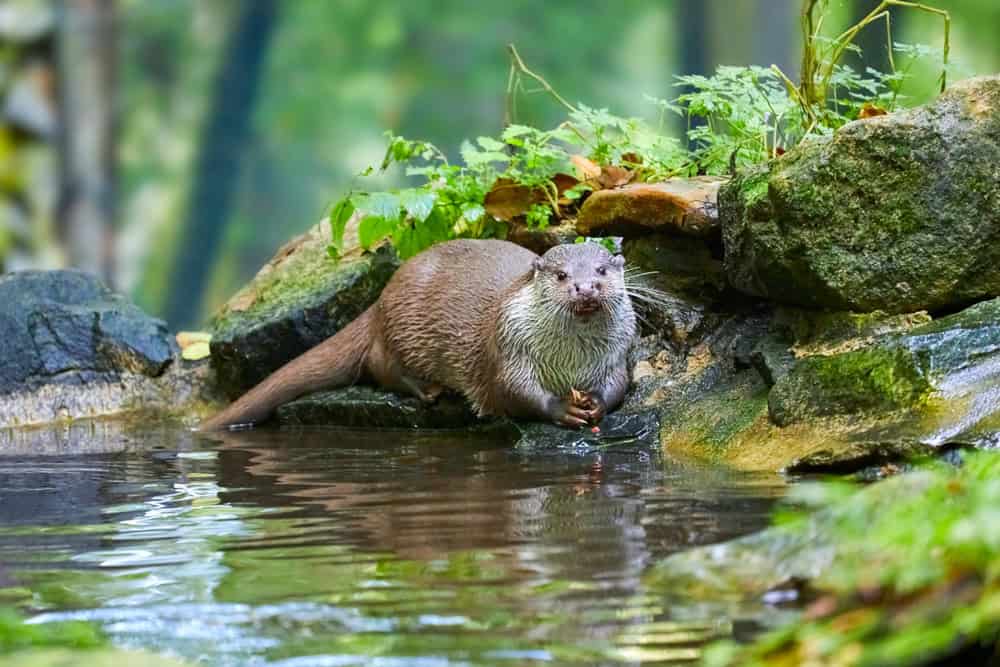
Otters are making a comeback in the UK.
©pixel creator/Shutterstock.com
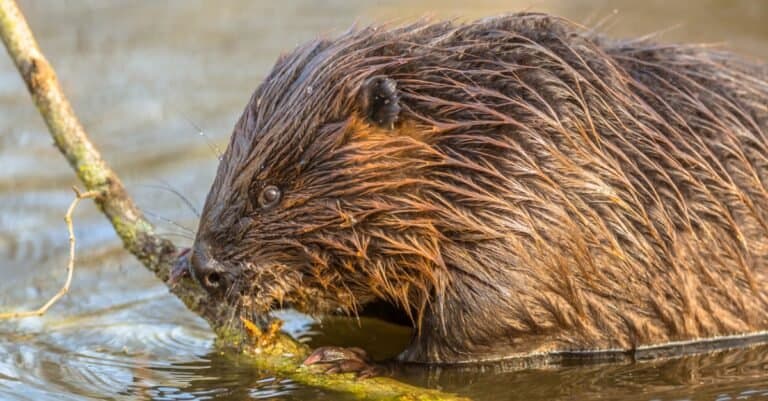
The only otter species living in the UK is the Eurasian otter (Lutra lutra). They live in rivers, canals, lakes, wetlands, and around the coast. To thrive, they need clean, fresh water with secluded areas of vegetation and enough food. Their diet is made up of fish, crustaceans, amphibians, birds, small mammals, eggs, and insects.
Having been nearly wiped out of the UK in the mid-20th century, they became fully protected under the Wildlife and Countryside Act (1981) and are a priority Species under the UK Post-2010 Biodiversity Framework. Widespread discharge of industrial effluent into rivers decimated fish populations, which in turn caused otter numbers to decline. Bans on such discharges and targeted reintroduction campaigns are starting to show signs of success.
Nevertheless, otters still face threats from habitat destruction, road traffic accidents, wildlife crime, drowning in fish nets, and pesticides. In the past, it was rare to spot an otter in UK towns and cities, but that is now changing.
Exciting Otter Sightings
Decades of intense conservation work have resulted in some remarkable changes in otter distribution. No one has accurately surveyed exactly how many there are now, but the consensus is that they are increasing. Potentially, there are now 11,000 nationwide. This has led to them being a lot more visible than they once were.
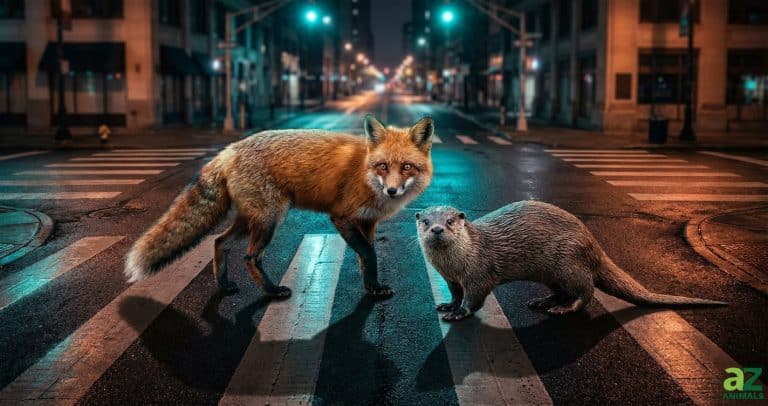
There are social media reports of an ‘urban otter’ trotting through Lincoln city center. The bizarre scene, which showed the animal walking next to an urban fox, was captured on CCTV in November 2025 and was described in news reports. They have also been spotted in London’s Canary Wharf, on a riverbank in Stratford-upon-Avon, and in garden ponds in the city of York. In Nottinghamshire, they are now found in nearly every river. Otters have also been spotted in Andover, Manchester, and Birmingham.
Why Are Otters Heading to the City?
As the number of otters increases, so does the size of their territories. This means they are expanding into areas that were previously considered unsuitable. However, if a city or town has a river with fish, otters are likely to move in. Otters mostly hunt and forage for food at night, but as they become more accustomed to humans, some are even seen during the day!