
Quick Take
- Surviving in the zone requires wolves to withstand radiation doses above recommended human safety limits.
- Persistent levels of Cesium-137 and Strontium-90 prevent the Exclusion Zone from returning to full normalcy.
- Observations of Eastern tree frogs reveal darker skin as an evolutionary defense against toxicity.
- The 2022 occupation necessitated soil disturbance that reactivated radioactive hazards buried for decades.
When the Chernobyl nuclear reactor exploded in 1986, scientists expected the surrounding land to remain uninhabitable for centuries. The accident released large amounts of radioactive material into forests, rivers, and farmland across northern Ukraine and southern Belarus. Entire towns were evacuated in days. Farms were abandoned, and human activity nearly vanished from the region surrounding the damaged reactor.
An area of about 1,000 square miles—slightly smaller than Rhode Island—was designated as an Exclusion Zone where human habitation was not permitted. But with no fences to keep wildlife in or out, nature just started doing its thing, turning it into the world’s largest rewilding experiment. Nearly 40 years on, here’s what nature has been up to.
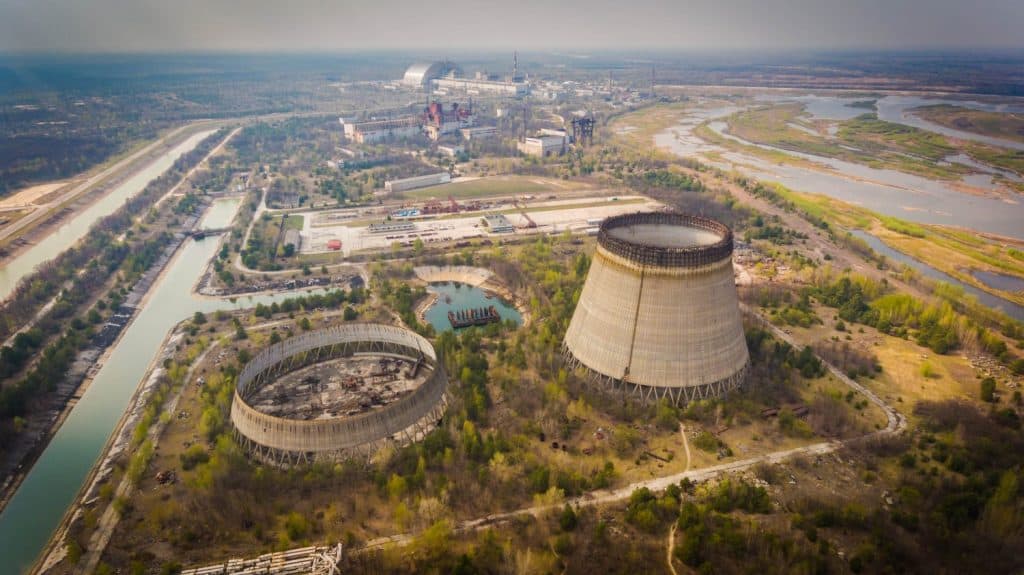
Pictured here is an aerial view of the abandoned Chernobyl nuclear reactor. The silver structure in the distant background is the sarcophagus that was constructed to contain the highly radioactive remains of Reactor 4.
©lux3000/Shutterstock.com
Two Misconceptions
There are two common misconceptions about Chernobyl, and the reality is more complex than either extreme. The first is that the area would be uniformly deadly, instantly killing everything within it or producing grotesque, monstrous mutations. In practice, radiation levels vary widely across the landscape, and most animals look and behave like normal members of their species.
The second misconception runs in the opposite direction. Because wildlife, and even some people, have returned, it can seem as though radiation is not especially dangerous. This can create the erroneous impression that we might bounce back from a large-scale nuclear conflict in a similar way. That conclusion does not follow. The recovery seen around the Chernobyl Exclusion Zone reflects chronic, uneven contamination in one location with hot spots and relatively safe areas, combined with the near-total removal of humans. These are not the conditions that would exist after widespread nuclear war.
A Forest That Blushed to Death
Near the epicenter of the disaster, the ecological damage was severe. When Reactor 4 exploded, a massive wave of radiation swept through a nearby pine forest, killing the trees so quickly that their needles did not fall off right away. The radiation damaged the trees at a cellular level, shutting down growth and photosynthesis almost instantly, rather than burning them like a fire would. As a result, the needles dried out and shifted from green to a rusty red-brown, making the forest appear as if it had been scorched.
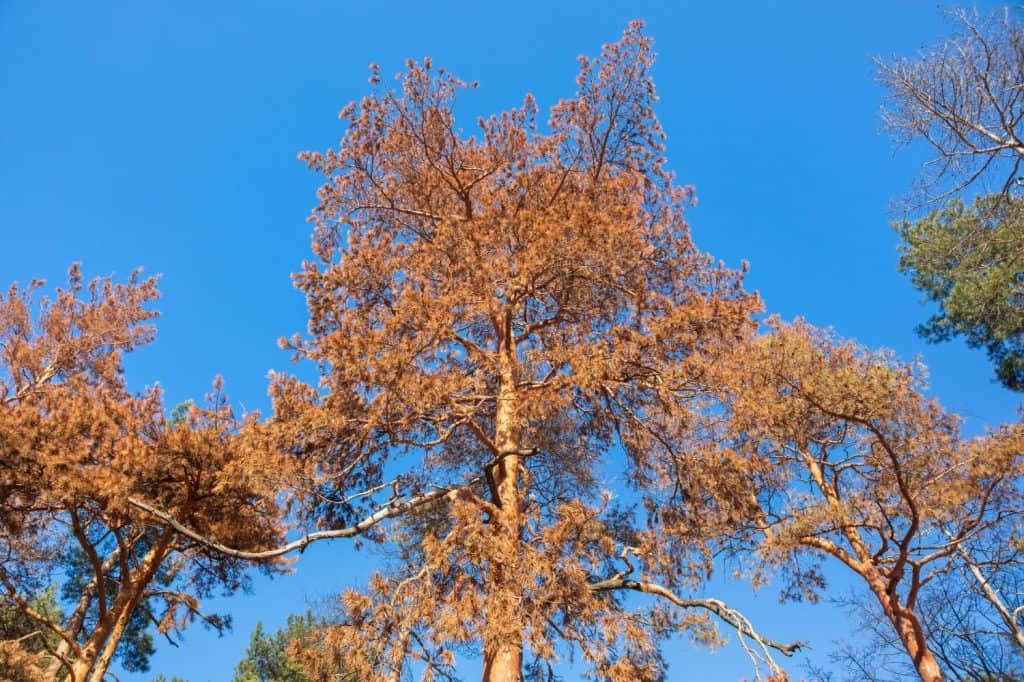
Radiation killed pines in the Red Forest so quickly and completely that they didn’t have time to drop their needles; the whole forest just died in place.
©Vlad Kazhan/Shutterstock.com
Much of the original forest was later bulldozed and buried by cleanup crews, and the green trees visible today are largely regrowth. Nevertheless, it’s called the Red Forest in memory of this visibly shocking effect of radiation, and it remains one of the most radioactive parts of the Exclusion Zone.
A Landscape Without People
The most important factor shaping ecological change was the sudden disappearance of humans. After the evacuation, hunting stopped, farming ceased, and roads fell into disrepair. Grass and trees sprouted in cracks and began breaking up pavement. Croplands turned into grasslands, wetlands, and young forests that support herbivores and predators alike. Collapsing buildings became shelter for animals.
For wildlife, the absence of people created a vast refuge, despite lingering radioactive contamination. Large mammals recolonized the area quickly. Elk, deer, wild boar, foxes, and wolves returned. Beavers dammed streams without interference, creating ponds that benefit insects, amphibians, and birds. Reduced hunting pressure and habitat disturbance enabled wildlife populations to rebound and expand, even as chronic radiation exposure continues to cause biological harm in some species.
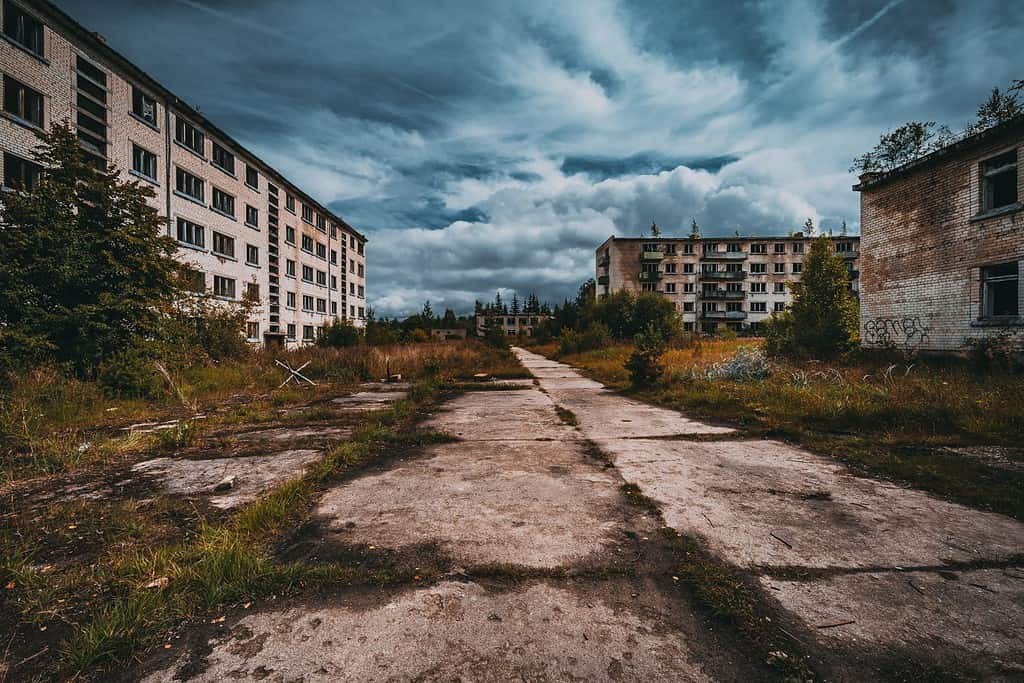
Abandoned buildings slowly give way to nature in the abandoned city of Pripyat.
©Roberts Vicups/Shutterstock.com
The Radiation Risk
Radiation in the Exclusion Zone is highly uneven. Fallout patterns were shaped by wind, rain, vegetation, and soil chemistry, creating hotspots alongside areas with relatively low contamination. This patchiness explains why some animals show clear biological damage while others appear largely unaffected, even nearby.
Animal movement spreads exposure across time rather than concentrating it in one place. Wolves, deer, and birds routinely cross contaminated and less contaminated zones, lowering the chance of extreme exposure for any single individual, though not eliminating risk.
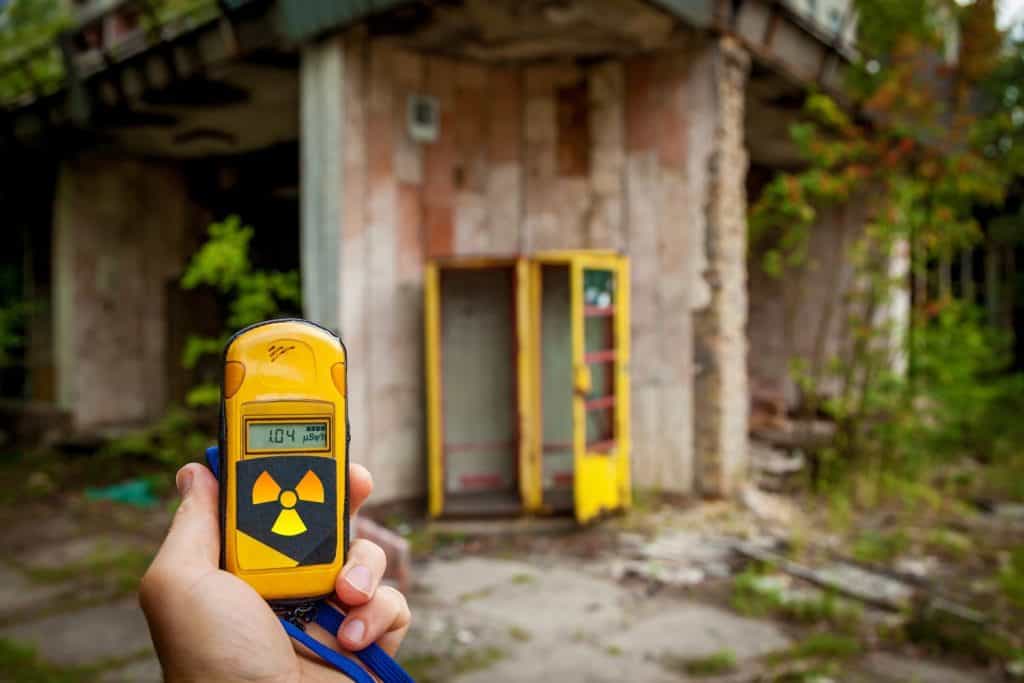
There are hot spots within the exclusion zone where radioactivity is more intense.
©Photosite/Shutterstock.com
Animals that wander out of the Chernobyl Exclusion Zone do not spread radiation in a way that can meaningfully harm people. Radiation is not contagious, and animals do not emit radiation simply because they live in a contaminated area. At most, they may carry small amounts of radioactive material on their fur or inside their bodies from soil, food, or water.
External contamination usually falls off, washes away, or is shed naturally, while internal contamination stays inside the animal and does not transfer to others unless the animal is eaten, which is why hunting near the zone is restricted. Radiation levels also drop rapidly with distance and time, so a moving animal cannot raise background radiation or pose a risk to people it passes near.
Protective Traits and Biological Cost
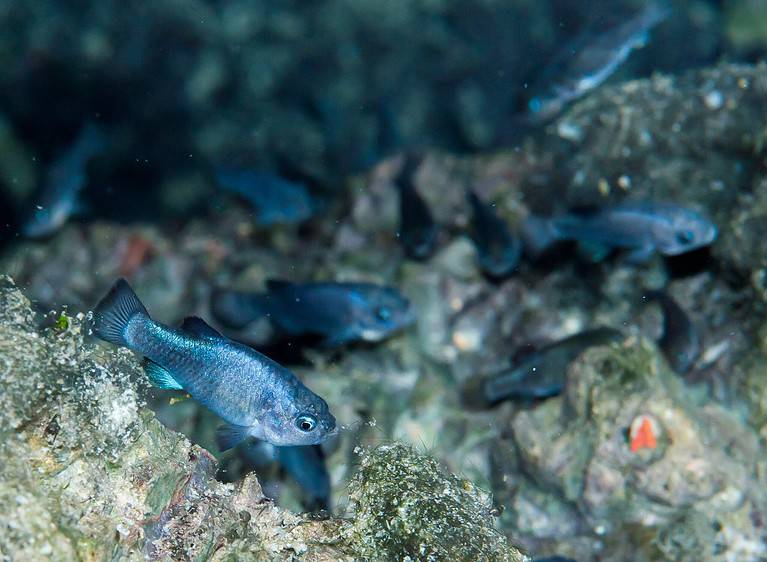
Eastern tree frogs living in contaminated areas often display unusually dark skin. A 2022 study linked this trait to melanin, which can reduce cellular damage by absorbing radiation. Darker frogs were most common in areas heavily contaminated shortly after the accident, suggesting radiation acted as a selective pressure. These frogs showed no clear decline in health, indicating a protective effect.
At the same time, damage is visible in early life stages. In highly contaminated ponds, some amphibians show deformities such as missing limbs or asymmetrical development. These individuals usually die young and do not pass traits on, revealing a steady biological cost even as populations persist.
Wolves and Chronic Exposure
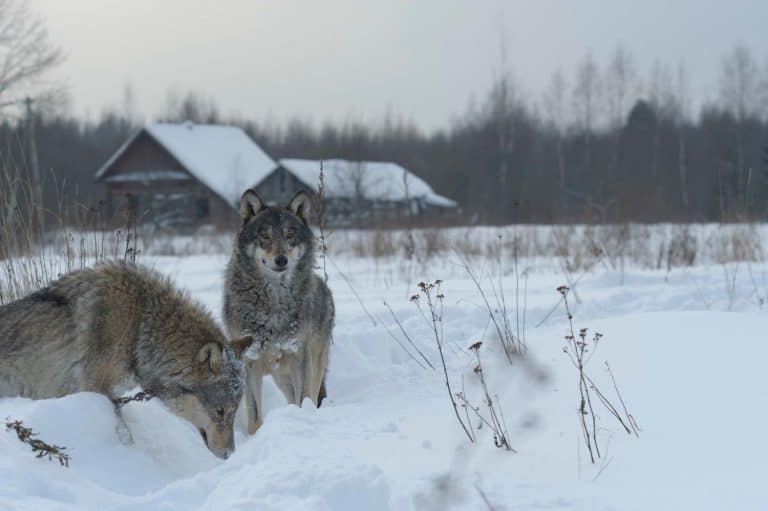
Gray wolves have established a significant population as one of the few large predators in the zone. GPS tracking shows they receive daily radiation doses far above limits set for humans. Despite this, wolves remain active and reproduce successfully.
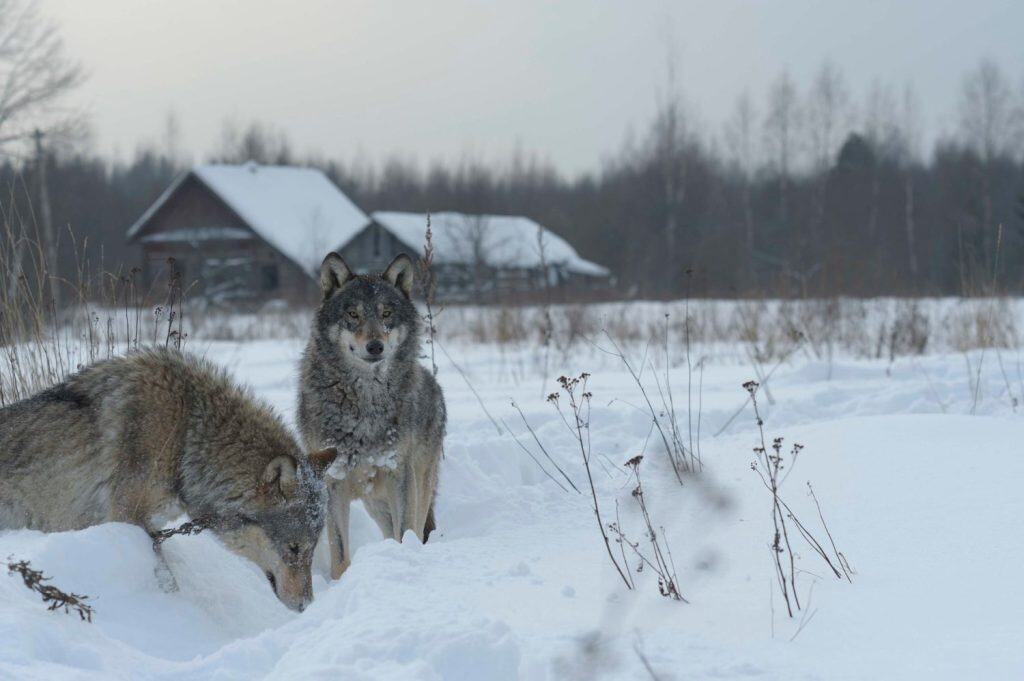
This photo of grey wolves was taken in the Chernobyl Exclusion Zone. They are among the first large predators to have reestablished themselves strongly despite the effects of radiation.
©wildlife_outdoor/Shutterstock.com
Genetic studies reveal changes in immune response and DNA repair pathways, including regions linked to cancer suppression. These changes suggest tolerance rather than immunity. Blood chemistry in some wolves resembles patterns seen in radiation patients, indicating ongoing cellular stress rather than freedom from harm.
Why Are the Dogs Blue?
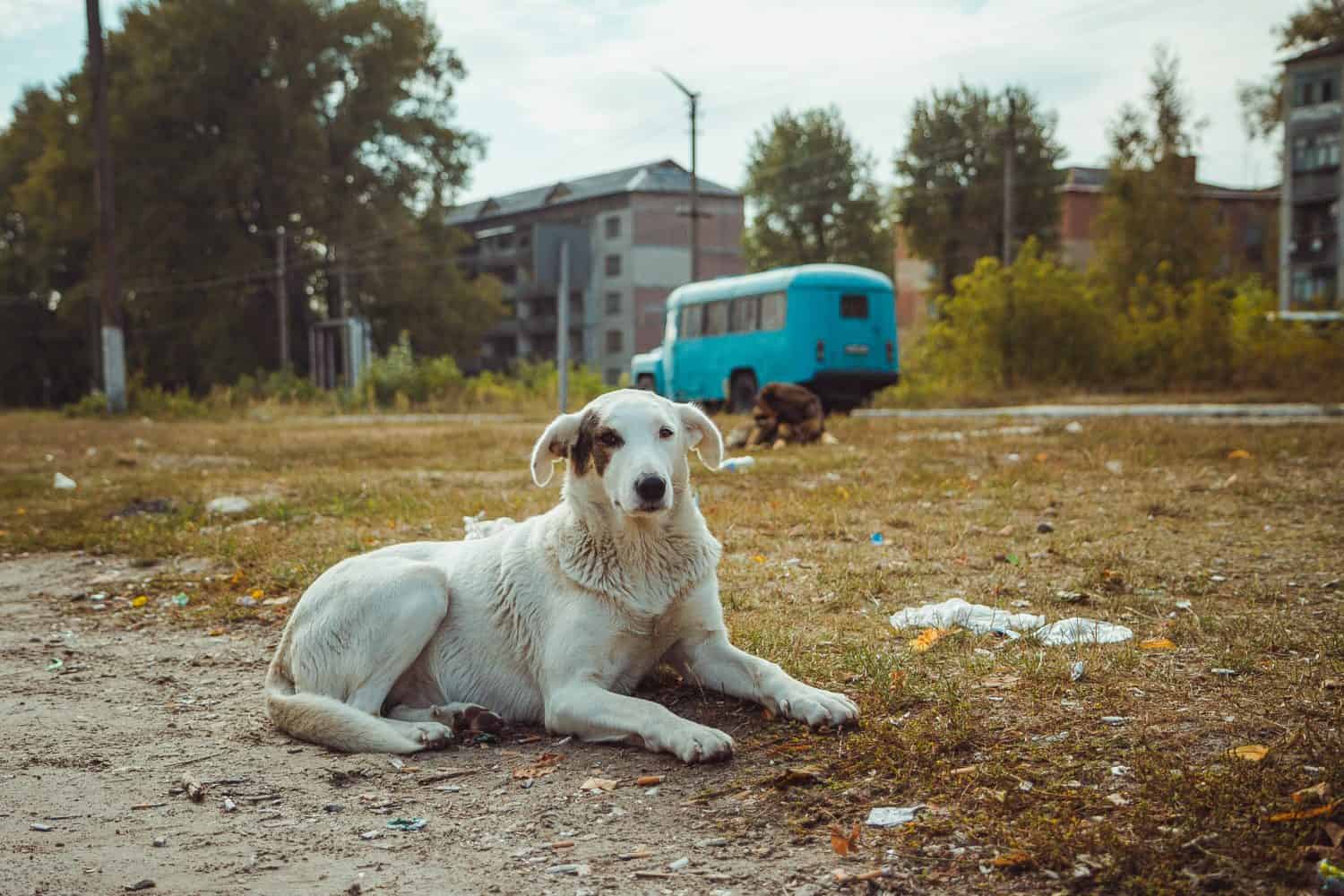
When the disaster happened, authorities hastily evacuated over 100,000 people. They were not permitted to take their pets with them, so hundreds of dogs were left behind to become packs of strays. An NGO feeds and sterilizes them to control their health and numbers. It’s estimated that about 700 feral dogs live in the restricted area now. They rarely hybridize with wolves as they have different behavioral patterns, territories, and mating seasons. Poignantly, the dogs have maintained scavenging niches near human structures, while wolves tend to remain further out in re-wilded areas.
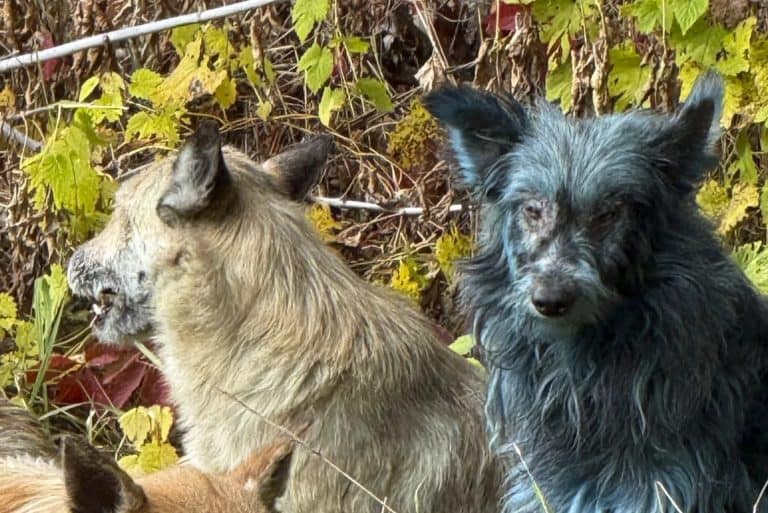
Some dogs studied show genetic differences compared to dogs outside the zone, and some carry trace amounts of radiation. However, studies have not conclusively shown that these genetic differences are caused by radiation exposure, as much of the variation can be explained by isolation, disease, and malnutrition. Intriguingly, three startlingly blue-tinged dogs were photographed in the Exclusion Zone. It’s highly unlikely this is a radiation effect, though. The most likely theory is that these dogs rolled in industrial chemicals, such as those used in a chemical toilet.

The infamous blue dogs of Chernobyl are most likely dogs that rolled in chemicals, not radioactive mutants.
©https://www.instagram.com/p/DPvWpiKDm9c/
Large Mammals and Subtle Harm
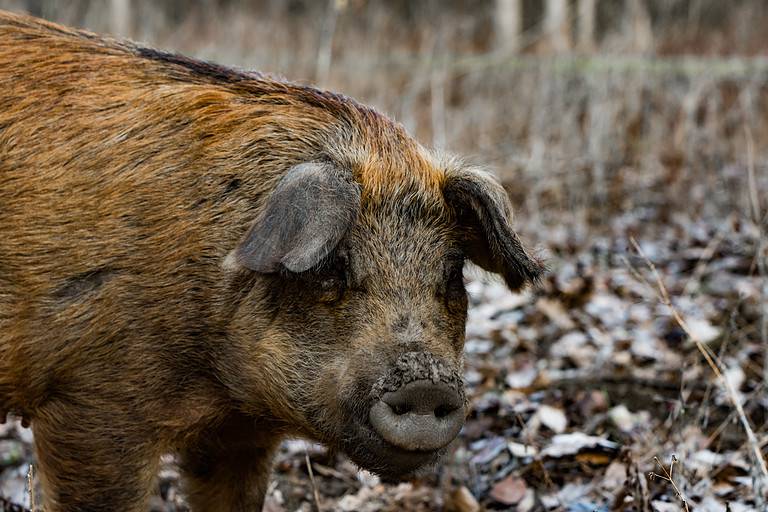
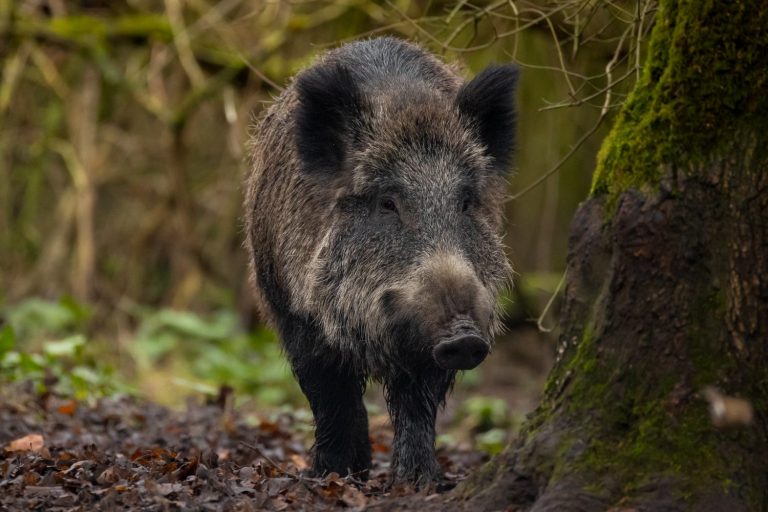
Wild boar, elk, red deer, and roe deer rebounded rapidly after the evacuation. Boar thrived in abandoned fields, while deer browsed regenerating forests. Some individuals accumulate radioactive isotopes in muscle and organs. Studies document cataracts, organ damage, and reduced fertility in certain animals from highly contaminated areas. These effects are uneven and often invisible at the population scale, but they are real.
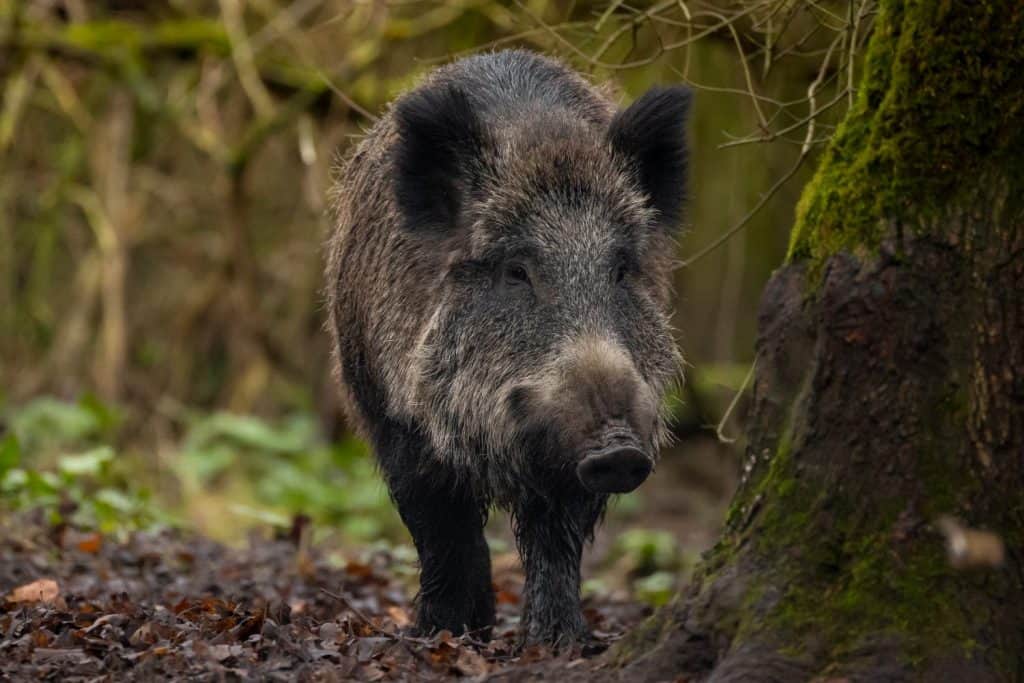
Wild boar rebounded quickly after people left, even though some individuals still carry hidden health effects from radiation.
©Nick van den Berg/Shutterstock.com
Birds, Insects, and Mutation
Birds show some of the clearest radiation effects. Studies of barn swallows and other species found higher rates of partial albinism, malformed feathers, asymmetrical wings, reduced brain size, and lower reproductive success. Even small defects can reduce survival and mating success.
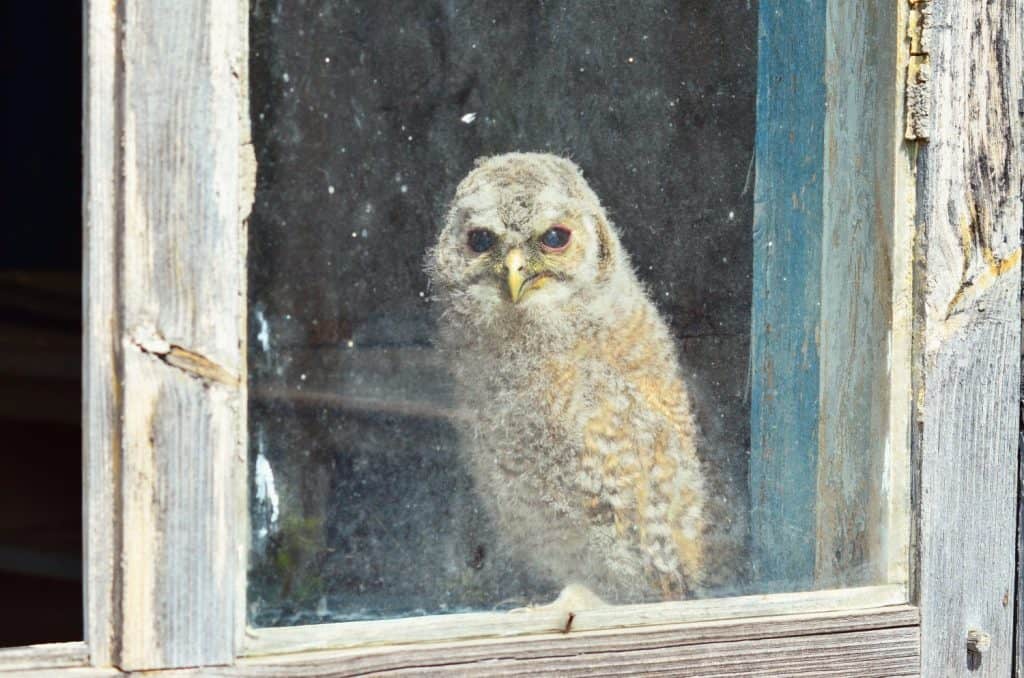
This tawny brown owl chick (Strix aluco) lives in an abandoned house in the zone of radioactive fallout.
©romm/Shutterstock.com
Insects show high mutation rates, including abnormal wings and body segmentation. Because insects reproduce quickly, harmful mutations appear often but are eliminated rapidly, creating a constant cycle of damage and selection.
A Surprising Come-Back Story
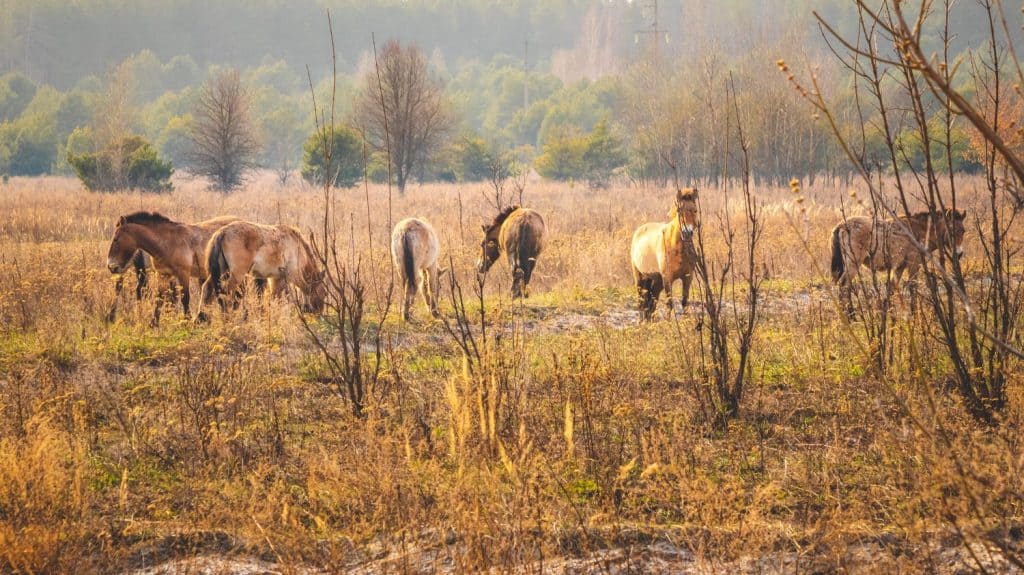
Przewalski horses grazing in the Exclusion Zone.
©Michael Repenning/Shutterstock.com
Przewalski’s horses, the last truly wild horses on Earth, are classified as Endangered, but their story is one of the rare conservation comeback arcs that actually worked. Once extinct in the wild by the mid-20th century, the species survived only in zoos until carefully managed breeding programs made reintroduction possible. Today, conservation groups estimate that there are roughly 2,000 Przewalski’s horses worldwide, living in a mix of reintroduced wild populations and semi-free reserves across Asia and Europe, alongside a larger captive population that supports genetic diversity.
In the late 1990s, conservationists released small groups of Przewalski’s horse into the Chernobyl Exclusion Zone, turning one of the world’s most infamous disaster areas into an accidental refuge. The horses adapted quickly, forming stable herds, reproducing successfully, and spreading across grasslands once shaped by farms and villages. Surveys suggest that around 140 to 150 Przewalski’s horses now live in and around the Chernobyl region, making it one of the species’ most important strongholds.
Humans Are Back Too
Despite restrictions, a small number of mostly elderly residents have returned to the Exclusion Zone as well. Often called self-settlers, they chose to return to their familiar land over displacement. Authorities have largely tolerated their presence. Health studies show no clear pattern of severe radiation-driven illness beyond normal aging. Many evacuees who have not returned have nevertheless suffered serious health effects linked to stress and social disruption from their hasty exile, putting them at greater health risk than some of the self-settlers.

This rural farm is home to a self-settler, an elderly person who chose to return to the Exclusion Zone in defiance of Ukrainian restrictions and the danger to their health.
©Fotokon/Shutterstock.com
For people in the zone, radiation exposure comes less from the air than from the ground. Radioactive isotopes bind to soil and are absorbed by crops, especially root vegetables, mushrooms, and berries. Digging and planting can disturb contaminated layers, but ingestion is the main exposure pathway.
Most self-settlers returned to villages with relatively low contamination compared to known hotspots. Even so, locally grown food often carries measurable radiation, as radioactive material persists in soil and can enter crops, mushrooms, and berries for decades after the accident.
What Chernobyl Reveals, and What It Does Not
Chernobyl does not show that radiation is harmless. It shows that life can persist under chronic, uneven contamination when human pressure disappears, and surrounding ecosystems remain intact. That lesson does not scale to nuclear war, repeated detonations, global fallout, or climate disruption. The Exclusion Zone remains a warning about technological failure and a case study in biological resilience under constraint. Its wildlife reflects adaptation in spite of damage, not proof that the damage was trivial.