
N S W E
Wildlife Expeditions

Wildlife of
United Kingdom

From seabird mega-colonies and puffin-studded cliffs to red deer on Highland moors and whale-watching off wild Atlantic coasts, the UK's compact size hides an outsized variety of iconic temperate wildlife spectacles.
525 Species
241,930 km² Land Area
Overview

About United Kingdom

The United Kingdom's wildlife character is defined by a meeting of ocean, islands, and long human history: ancient woodlands, heather moorlands, and pastoral landscapes sit alongside some of Europe's most productive seas and dramatic coastal cliffs. While many large predators were lost centuries ago, the UK has become a leader in restoring nature through species reintroductions, landscape-scale habitat recovery, and pioneering protected areas. For visitors, the reward is an accessible, close-to-home kind of wildness-where you can watch red kites over farmland, otters in coastal kelp bays, and seals hauling out on beaches, often within the same region.

Key ecosystems include Atlantic and North Sea coastlines with internationally important seabird colonies (gannets, guillemots, razorbills, puffins), saltmarshes and estuaries that host huge wintering flocks of waders and waterfowl, and upland habitats such as the Scottish Highlands and Welsh mountains where golden eagles, hen harriers, and red deer still define the skyline. Scotland's Caledonian pine remnants and rewilding projects are significant for restoring native woodland communities, while peatlands-among the UK's most crucial habitats-store vast carbon reserves and support specialist wildlife like golden plover and dunlin. Offshore, cold, nutrient-rich waters support thriving marine food webs, enabling encounters with dolphins, basking sharks, and multiple whale species.

In global conservation, the UK plays an influential role through research institutions, conservation NGOs, and funding that supports major projects worldwide (including in Africa), while also sharing hard-won lessons from recovering species in densely populated, working landscapes. What makes the UK wildlife experience unique is its seasonal intensity and proximity: spring cliff-nesting seabirds, autumn raptor passage, winter estuary gatherings, and summer marine encounters are all reachable with short travel times-and often paired with strong citizen-science culture, excellent reserves, and guided trips that make wildlife watching both high-quality and easy to plan.

Physical Features

Geography

The UK's wildlife is shaped by a cool temperate, ocean-influenced climate and a strongly maritime geography. High rainfall and wind-exposed uplands in Scotland, Wales, and northern England support blanket bogs, heather moorland, montane habitats, and fast-flowing rivers, while the drier, lower-relief southeast favors arable landscapes, remnant broadleaf woods, chalk grassland, and lowland wetlands. Extensive, varied coastlines (rocky cliffs, dunes, saltmarshes, and large estuaries) concentrate internationally important seabird colonies and migratory shorebirds; surrounding shelf seas (North Sea, Irish Sea, Celtic Sea, English Channel) provide major feeding and breeding areas for fish, seals, cetaceans, and seabirds, strongly influencing terrestrial and marine species distributions.

241,930 km² (land area) Land Area
~78th largest country by land area; about the size of Oregon (USA) Size Rank

Key Landscapes

  • Scottish Highlands and Grampians: rugged mountains, corries, montane heaths, and glens supporting upland specialists
  • Upland moors and peatlands: blanket bogs and heather moorland (e.g., Flow Country, Pennines, Welsh uplands) important for waders, raptors, and carbon-rich wetlands
  • Lowland plains and basins: English Midlands and lowland England supporting farmland mosaics, hedgerows, and remnant woodlands
  • Ancient and semi-natural broadleaf woodlands: key refuges for woodland birds, bats, and invertebrates (notably in western and southern Britain)
  • Chalk and limestone landscapes: chalk downlands (southern England) and limestone dales/karst (e.g., Yorkshire Dales) supporting calcareous grasslands and cave/karst biota
  • Major rivers and catchments: Severn, Thames, Trent, Wye, Spey, Tay and others shaping riparian habitats, fish migration routes, and floodplain wetlands
  • Lakes and lochs: Scottish lochs and English/Welsh lakes providing freshwater habitats; connected to otter and waterbird distributions
  • Large estuaries and mudflats: The Wash, Thames Estuary, Humber, Severn Estuary-critical for migratory shorebirds and estuarine fish nurseries
  • Coastlines and islands: Atlantic cliff coasts, sea stacks, dunes, and island archipelagos (Hebrides, Orkney, Shetland) supporting seabird colonies and seal haul-outs
  • Saltmarshes, dunes, and machair: especially in northwest Scotland and the Hebrides, supporting specialized plants, pollinators, and breeding birds
  • Surrounding shelf seas: North Sea, Irish Sea, Celtic Sea, English Channel-highly productive waters influencing marine mammal and seabird hotspots (fronts, sandbanks, and tidal races)

Ecoregions

  • English Lowlands beech forests (WWF)
  • Celtic broadleaf forests (WWF)
  • Caledon conifer forests / Caledonian pinewoods (WWF)
  • Broader ecological zones (non-WWF framing): temperate oceanic broadleaf woodlands; upland heath and blanket bog; lowland meadows/grasslands; coastal dune-saltmarsh-cliff systems; shelf-sea marine ecosystems of the Northeast Atlantic
Parks & Reserves

Protected Areas

The UK uses a layered protected-area system that combines landscape-scale designations (National Parks in England/Wales and Scotland), site-based nature conservation designations (e.g., Sites of Special Scientific Interest-SSSIs; National Nature Reserves-NNRs; Special Areas of Conservation-SACs; Special Protection Areas-SPAs), and extensive marine protections (Marine Protected Areas including Marine Conservation Zones, SACs/SPAs at sea, and nature conservation MPAs in Scotland). Many of the most wildlife-rich places are protected through overlapping designations-particularly for seabird colonies, wetlands, ancient woodlands, peatlands, and coastal/marine habitats. Major NGOs (e.g., RSPB, Wildlife Trusts, National Trust) also manage large reserve networks that are key for species recovery and public wildlife viewing.

Protected Coverage

Approximately ~25-30% of the UK's land area is under formal protection through national and international/site-based designations (with substantial overlap among categories). Marine protection coverage is higher (often reported at ~35-40%+ of UK waters), though levels of protection/management vary by site.

Notable Parks & Reserves

Cairngorms National Park (Scotland)

National Park; extensive SAC/SPA/SSSI coverage within the park

The UK's largest national park, protecting a vast mosaic of Caledonian pine forest remnants, alpine plateaus, rivers and glens-one of the best areas in Britain for upland wildlife and scarce forest species.

The Flow Country (Caithness & Sutherland, Scotland)

UNESCO World Heritage Site (natural); SPA/SAC/SSSI; multiple nature reserves

An internationally important blanket bog landscape that supports exceptional peatland biodiversity and some of the UK's strongest populations of breeding waders and raptors; a flagship area for peatland restoration and climate-linked conservation.

Golden plover
Greenshank
Red-throated diver
Hen harrier
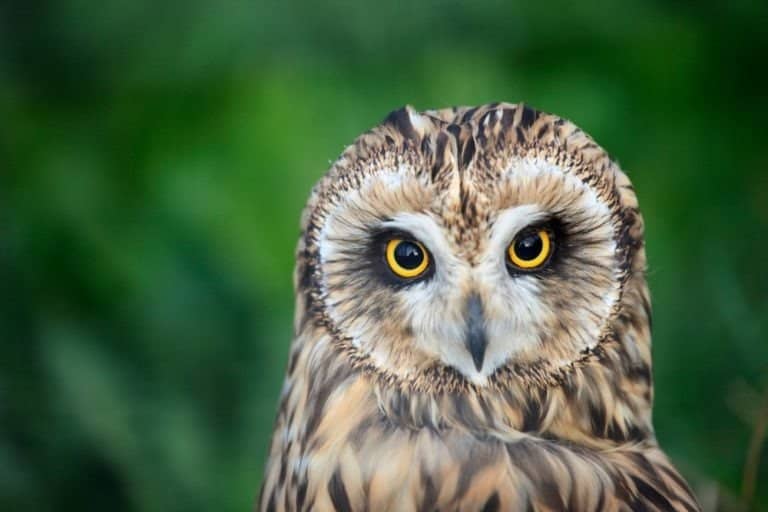
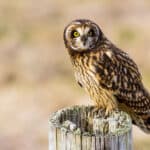
Short-eared owl
Short-eared owl
Otter
Otter

Loch Lomond & The Trossachs National Park (Scotland)

National Park; includes multiple SSSI/SAC/SPA sites

A classic Highland-to-Lowland transition zone with large freshwater lochs, oak woodlands and uplands-strong for raptors, woodland mammals and freshwater species, with excellent viewing around loch shores and glens.

New Forest National Park (England)

National Park; SAC/SPA/SSSI; Ramsar wetlands present

One of the best-preserved examples of lowland wood pasture in Europe, with ancient woodland, heath and wetlands that support rare reptiles, bats and heathland birds alongside iconic free-roaming ponies.

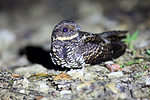
Nightjar
Nightjar
Dartford warbler
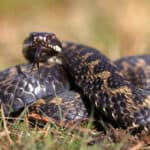
Adder
Adder
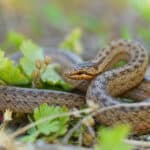
Smooth snake
Smooth snake
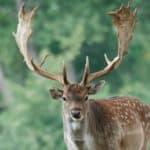
Fallow deer
Fallow deer
Lesser horseshoe bat

The Broads (Norfolk & Suffolk, England)

National Park Authority area (equivalent status); SPA/SAC/SSSI; Ramsar wetlands

A premier wetland landscape of reedbeds, grazing marshes and slow rivers-among the UK's top locations for wetland birdwatching, especially raptors and scarce breeding birds.

Bittern
Bittern
Marsh harrier
Common crane
Eurasian otter
Bearded tit
Swallowtail butterfly

Pembrokeshire Coast National Park (Wales)

National Park; strong SPA/SAC/SSSI coverage along coast and islands

Spectacular cliffs, islands and coastal waters make this one of the UK's best wildlife-viewing coasts, with major seabird colonies and regular marine mammal sightings.

Chough
Chough
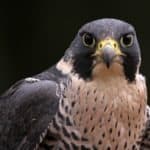
Peregrine falcon
Peregrine falcon
Atlantic grey seal
Harbour porpoise
Harbour porpoise
Razorbill
Kittiwake

Skomer Island National Nature Reserve (Wales)

National Nature Reserve; SPA/SAC (and surrounding marine protections)

A globally significant seabird island famous for dense breeding colonies and close-up viewing; also important for seals and nearshore marine life.

Atlantic puffin
Manx shearwater
Razorbill
Guillemot
Atlantic grey seal
Kittiwake

Farne Islands National Nature Reserve (England, Northumberland)

National Nature Reserve; SPA/SAC

One of England's most important seabird breeding archipelagos, offering exceptional, close-range wildlife encounters; also a key haul-out and breeding area for seals.

Atlantic puffin
Arctic tern
Sandwich tern
Guillemot
Razorbill
Atlantic grey seal

UNESCO World Heritage Sites

  • The Flow Country (Scotland)
  • St Kilda (Scotland)
  • Giant's Causeway and Causeway Coast (Northern Ireland)
  • Dorset and East Devon Coast (England)
Animals

Wildlife

The United Kingdom's wildlife is shaped by a cool-temperate, oceanic climate and a long coastline. Although large predators are absent and many landscapes are heavily managed, the UK supports high-quality habitats for seabirds, wintering waterfowl, raptors recovering from historical persecution, and a notably rich marine scene (seals, dolphins, porpoises, and whales). Signature wildlife experiences include cliff-and-island seabird colonies, Scottish Highlands and islands for mammals and raptors, ancient woodlands for deer and mustelids, and estuaries/wetlands that host internationally important migratory bird assemblages.

~70-80 species (including ~17 breeding bats; marine cetaceans add ~25-30 regularly recorded) Mammals
~600 species recorded overall; ~250-300 breed regularly Birds
6 native species Reptiles
7 native species Amphibians

Iconic Species

Atlantic Puffin A flagship seabird of the UK's summer islands; major colonies occur in Scotland (e.g., Isle of May, Treshnish Isles, Shetland/Orkney sites) and in Wales (e.g., Skomer). Visitors often come specifically for close views on coastal walks and boat trips.
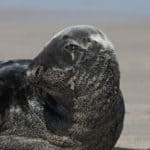
Grey Seal
Grey Seal One of the UK's most visible large mammals, with famous breeding beaches and haul-outs in Scotland (Hebrides, Orkney), England (Norfolk), and Wales. Autumn pup season at some colonies is a standout wildlife event.
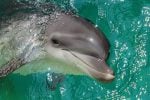
Common Bottlenose Dolphin
Common Bottlenose Dolphin Readily seen in a few well-known coastal hotspots, notably around the Moray Firth in Scotland, where a long-studied, nearshore population makes land-based viewing possible.
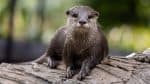
Eurasian Otter A conservation success story in many regions; particularly iconic in Scotland's west coast and islands (e.g., Mull, Skye, Shetland) where coastal otter-watching is a major draw.
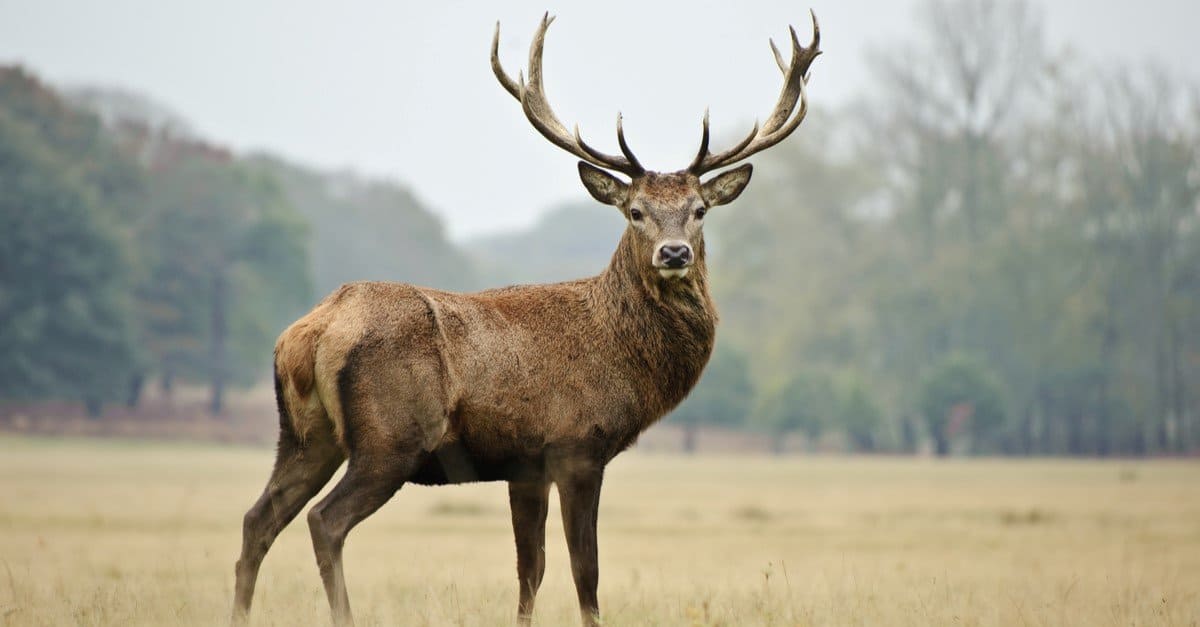
Red Deer
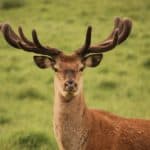
Red Deer The UK's largest land mammal and emblem of Highland landscapes; rutting season in autumn is a key visitor spectacle in parts of Scotland (Cairngorms and west Highland glens) and some English estates/parks.
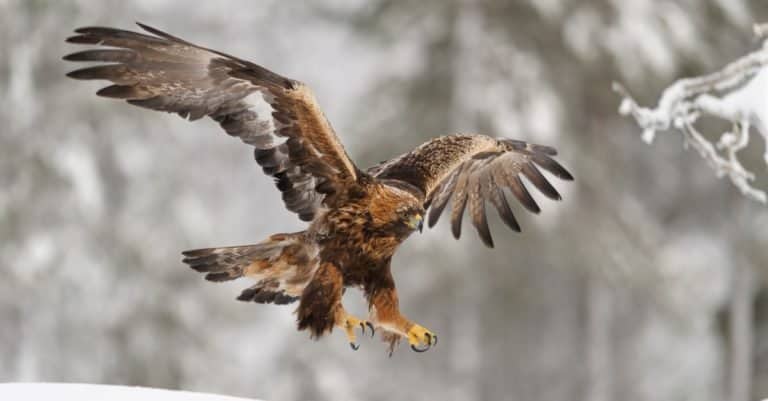
Golden Eagle
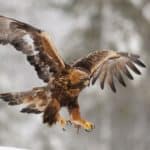
Golden Eagle A premier raptor of remote uplands, strongly associated with the Scottish Highlands and islands; sightings are a highlight on dedicated raptor trips in mountainous and moorland areas.
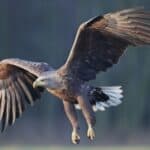
White-tailed Eagle
White-tailed Eagle Reintroduced and now a major wildlife attraction, especially on Scotland's west coast (notably Mull and nearby islands), where boat trips and viewpoints are popular for watching these large sea-eagles.
Red Squirrel
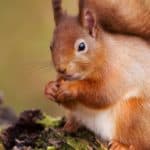
Red Squirrel A sought-after native mammal now patchy in much of Britain; best chances are in Scotland and certain strongholds in northern England and parts of Wales where conservation efforts and habitat management support populations.
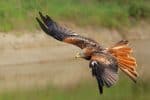
Red Kite
Red Kite A prominent recovery story from near-extinction in the UK; now frequently seen in parts of Wales and England (including well-known viewing areas where kites are conspicuous over farmland and woodland edges).
Northern Gannet Spectacular cliff and island colonies provide close views of dense nesting sites and plunge-diving behavior; major colonies include Bass Rock (Scotland) and other sites around Scottish and Welsh coasts.

Endemic Species

Scottish Crossbill The UK's only endemic bird species, largely confined to Scotland's native pinewoods and conifer forests; often targeted by birders in the Cairngorms and surrounding Caledonian forest remnants. Endemic
St Kilda Wren A distinctive island subspecies restricted to the St Kilda archipelago; notable for its isolation and adaptations to harsh Atlantic conditions. Endemic
Orkney Vole A distinctive vole form confined to Orkney, notable because its presence is unique within the UK and linked to long human history on the islands. Endemic
Skomer Vole An island-restricted subspecies on Skomer (Wales), often encountered by visitors walking the island during seabird season. Endemic

Notable Populations

  • The UK holds a globally significant share of the world's grey seals (often cited around a third or more), making it one of the most important countries for the species' conservation.
  • The UK supports a major proportion of the world's breeding northern gannets (commonly cited as roughly half or more), with internationally important colonies such as Bass Rock and other North Atlantic sites.
  • UK cliffs, islands, and surrounding seas host internationally important seabird assemblages (puffins, auks, kittiwakes, shearwaters), with several sites recognized as globally significant breeding concentrations.
  • The Moray Firth region is one of the best-known, long-monitored nearshore bottlenose dolphin areas in Europe, enabling reliable land-based viewing in season.
  • The Scottish Highlands and islands represent one of western Europe's key landscapes for large raptors (golden eagle and re-established white-tailed eagle) and upland biodiversity.
Protection

Conservation

Primary Threats

  • Centuries of land conversion and fragmentation have left limited ancient woodland and highly modified lowland landscapes. Ongoing losses/degeneration occur via housing and industrial development, drainage of wetlands, erosion and burning impacts on uplands, and continued simplification of farmland habitats, reducing connectivity for species across England's heavily developed lowlands and parts of Wales and Northern Ireland.
  • While outright expansion is less dominant than intensification, pressure for domestic production and land values drives conversion of semi-natural grasslands and rough grazing to improved pasture and arable in some regions, particularly affecting lowland meadows, chalk grasslands, and remaining species-rich grasslands in Northern Ireland and parts of western Britain.
  • Historic and continuing modification includes drainage and canalization of rivers, floodplain disconnection, coastal squeeze from hard defences, widespread peatland drainage and past afforestation with non-native conifers, and intensive grouse moor management (burning and predator control) on some uplands-altering hydrology, fire regimes, and ecosystem function.
  • Nutrient enrichment from agriculture (nitrates/phosphates) and sewage discharges drives eutrophication in rivers, lakes and estuaries (e.g., algal blooms), harming salmonid rivers and sensitive chalk streams. Air pollution (ammonia from livestock, NOx) affects heathlands and woodlands; plastics and chemical contaminants affect coastal and marine wildlife.
  • Warming seas shift fish distributions and disrupt seabird food webs; ocean warming and acidification affect shell-forming organisms. On land, increased heatwaves, droughts and intense rainfall stress rivers and wetlands, raise wildfire risk on heaths/peat, and push montane and Arctic-alpine species in Scotland into shrinking climate space.
  • Non-native species such as grey squirrel (impacting red squirrel and woodland ecology), American mink (water vole declines), Japanese knotweed and Himalayan balsam (riparian disruption), rhododendron ponticum (woodland understory), and signal crayfish (riverbank erosion and native crayfish loss) are widespread; island ecosystems and freshwater catchments are particularly vulnerable.
  • Tree and wildlife diseases are significant: ash dieback is reshaping broadleaf woodlands; Phytophthora spp. affect larch and other trees; seabird outbreaks (e.g., highly pathogenic avian influenza) have caused major colony mortality; amphibian and fish diseases also affect local populations.
  • Historic overexploitation reduced many fish stocks and altered food webs; current pressures persist in some demersal fisheries and mixed-stock contexts, alongside bycatch issues. Management must balance ecological recovery with livelihoods, including in the North Sea, Celtic Sea, and around Scotland's west coast.
  • Roads, rail, ports, flood defences, grid upgrades and renewables infrastructure can fragment habitats and disturb sensitive sites. Offshore wind and subsea cabling add localized seabed disturbance and displacement risks, while also requiring careful spatial planning to avoid seabird foraging routes and marine mammal hotspots.
  • High population density (especially in England) drives land take and peri-urban sprawl, increasing pressure on nearby protected areas through recreation, pets, light/noise, and pollution. Urban river modification and impervious surfaces exacerbate runoff and water quality problems.
  • Recreation (walking, dog-walking, cycling), water sports, and tourism disturb ground-nesting birds on heaths, dunes and estuaries, as well as breeding seabirds on coasts and islands. Disturbance is acute near major urban centres and popular protected landscapes, requiring wardening and access management.
  • Conflicts include predation concerns around recovering predators/raptors, fisheries interactions with seals, crop and tree damage by expanding deer populations, and contentious beaver reintroductions related to flooding and land drainage. Illegal persecution of birds of prey remains an issue in some areas associated with game management.
  • Unsustainable water abstraction-especially in drought-prone regions and chalk catchments in southern England-reduces flows and degrades wetlands and rivers. Localized quarrying/aggregate extraction can also affect river morphology and habitat quality where poorly managed.
  • Although commercial forestry is regulated, impacts arise from loss of structurally diverse habitat in some plantations, disturbance and road building, and pressure on remaining ancient woodland fragments from adjacent management and development. Conversely, native woodland restoration is expanding but remains constrained by deer browsing and land-use economics.
  • Legacy coal, metal and mineral extraction has left contaminated land and mine-water pollution in some catchments (e.g., acid mine drainage and heavy metals), requiring long-term remediation; active extraction for aggregates and minerals can affect habitats if not carefully sited and restored.
Visit

Wildlife Tourism

Wildlife tourism in the United Kingdom (England, Scotland, Wales, and Northern Ireland) is a major, well-established part of the visitor economy-driven especially by birdwatching, coastal and island wildlife, and marine megafauna (seabirds, seals, dolphins, whales). It has a long history tied to Victorian natural history, the growth of conservation bodies (e.g., RSPB, National Trusts, Wildlife Trusts), and decades of protected-area management (National Parks, National Nature Reserves, Marine Protected Areas). Economically, nature-based travel supports rural and coastal communities through guided boat trips, hides and reserves, accommodation, and local services-particularly in Scotland's Highlands and islands, Wales' coasts, and English wetlands and national parks. Accessibility is a key advantage: a dense public transport network links many reserves and coastal hotspots, while short travel times make multi-region itineraries feasible. Visitor infrastructure is strong (marked trails, wildlife hides, visitor centres, licensed boat operators), and wildlife viewing is largely non-lethal and conservation-linked, with an emphasis on responsible distances and seasonal protections (especially for nesting seabirds).

Best Time to Visit

Jan-Feb: Winter birding at wetlands/estuaries (waders, geese, swans), grey seal pups lingering at some colonies (late season), chance of Northern lights in far north Scotland on clear nights.
Mar: Early seabird returns begin; woodland birds start singing; mountain hare and red grouse active on upland edges.
Apr-May: Peak spring migration and breeding displays-puffins, guillemots, razorbills and gannets build colonies; spectacular dawn chorus in ancient woodlands; great time for otter watching in Scotland (longer daylight).
Jun-Jul: Best all-round for seabird cities and coastal cliffs; cetacean season builds (minke whale, dolphins, porpoise) around Scottish coasts; dragonflies and butterflies thrive in southern heaths and wetlands.
Aug: Prime for pelagic (offshore) trips in some areas; late-summer cetaceans; early autumn wader movements on estuaries.
Sep-Oct: Deer rut begins (red deer in Scotland peaks around late Sep-Oct); autumn bird migration (raptors and passerines); grey seal pupping starts in many colonies (Sep-Nov depending on site).
Nov: Peak grey seal pupping at many accessible sites; large wintering bird numbers assemble at wetlands; storm-driven seabird watching can be dramatic (from safe viewpoints).
Dec: Winter wildlife breaks-mass flocks of geese/swans on reserves, raptor watching over marshes, and crisp coastal walks with seal haul-outs (disturbance-aware).

Top Wildlife Experiences

  • Take a small-boat seabird cruise to a breeding colony (Apr-Jul) to see puffins, razorbills and guillemots at close range while learning seabird ecology from onboard naturalists.
  • Join a licensed whale-and-dolphin watching trip on Scotland's west coast or Northern Isles (May-Sep) targeting minke whales, common dolphins and harbour porpoise, with seabirds riding the wake.
  • Book a guided red deer rut walk at dawn or dusk in the Scottish Highlands (late Sep-Oct) to hear roaring stags and learn how to view rutting safely from distance.
  • Spend an evening in a purpose-built hide for badger watching (May-Aug) on private estates or wildlife centres, combining ethical feeding practices and local conservation stories.
  • Do a 'bittern and marsh harrier' dawn session on an English reedbed reserve (Feb-Apr) listening for booming bitterns and watching harriers quarter the reeds.
  • Join a sea-kayak wildlife tour along a sheltered coast (May-Aug) for quiet encounters with seals, seabirds and (in some regions) dolphins-ideal for low-impact viewing.
  • Take a guided otter-spotting shoreline walk in western Scotland (Apr-Sep), timed to tides, focusing on tracks, spraints, and patient scanning of kelp-fringed bays.
  • Visit a grey seal pupping beach with a warden-led walk (Oct-Nov) to observe pups and maternal behaviour while following strict access routes and buffer distances.
  • Go on a night-time bat walk in a historic parkland or woodland edge (Jun-Aug) using bat detectors to identify pipistrelle and noctule calls and understand roost conservation.
  • Join a guided 'raptor viewpoint' session (Oct-Mar) on moorland edges or coastal headlands to watch hen harriers (where present), peregrines, red kites, and wintering short-eared owls.

Safari Types Available

  • Boat safaris (coastal wildlife cruises, seabird colony trips, whale-and-dolphin watching, estuary safaris)
  • Walking safaris (guided nature walks, deer rut walks, coastal foraging-with-nature interpretation, track-and-sign walks)
  • Hide-based safaris (wetland hides for waders/raptors, dusk badger hides, photography hides)
  • Sea-kayak and paddle safaris (low-impact coastal viewing)
  • Pelagic/offshore excursions (weather-dependent trips targeting seabirds and cetaceans)
  • Night safaris (bat walks, moth trapping demonstrations, nocturnal mammal spotting with red light)
  • Cycling wildlife tours (reserve-to-reserve itineraries on car-free paths, especially wetlands and coasts)
  • Photography-focused wildlife tours (dawn/dusk sessions, long-lens guidance, ethical fieldcraft)
Fun Facts

Did You Know?

London has a booming wild parrot population: ring-necked parakeets (the UK's only established "parrot in the wild") now number in the tens of thousands and are a familiar sight in many parks.

England has a long-running scorpion colony: the European yellow-tailed scorpion has persisted for well over a century around the warm crevices of Sheerness dockyards in Kent.

The UK has "rainforest": fragments of Atlantic temperate rainforest (moss-draped oakwoods) survive on the wet western fringe of Britain-and this habitat is considered rarer globally than tropical rainforest.

Beavers are back after centuries away: Eurasian beavers were hunted to extinction in Britain by about the 16th century, but reintroductions and natural spread have restored them in parts of Scotland and England, where their dams can create wetlands that boost biodiversity.

Despite the UK's reputation for dangerous wildlife being minimal, it still has a native venomous snake-the adder-yet serious outcomes are rare with modern treatment, making it a true 'venomous-but-not-terrifying' native species.

Bass Rock (Scotland, Firth of Forth) is widely cited as the world's largest northern gannet colony-around 150,000 birds can pack onto a single small island in peak season.

Skomer Island (Pembrokeshire, Wales) holds the world's largest known colony of Manx shearwaters, estimated at roughly 350,000 breeding pairs nesting in burrows.

The UK is a global stronghold for grey seals: roughly 38% of the world's grey seals (and about 90% of Europe's) are found around UK coasts, especially Scotland and eastern England.

The Moray Firth (northeast Scotland) hosts the world's most northerly resident population of bottlenose dolphins-seen year-round, often from shore.

Basking sharks-the world's second-largest fish (up to ~10 m long)-are regular seasonal visitors in UK waters, with reliable hotspots off western Scotland and southwest England.

The United Kingdom, called the U.K. or Britain for short, is a European island nation. The U.K. is comprised of the countries of England, Scotland, Wales and Northern Ireland. It is a chain of large and small islands with coasts, forests, hills, and lowlands that are home to many interesting wild animals.

The climate in the United Kingdom is mostly temperate with high levels of rain and medium sunlight. There are more extreme conditions in the Scotish Highlands with some areas of subarctic conditions and even a sub-tropical region in the Isles of Scilly. This wide range of environments spaning four countries with their own rich cultures make the U.K a garden of flora and fauna unique among the wonders of the world.

Keep reading to discover the unique and sometimes rare types of animals in Britain.

Watch on YouTube

Wildlife in the United Kingdom

Many people around the world have become familiar with Britain’s unique wildlife through popular children’s literature. Beatrix Potter, the author of Peter Rabbit, for example, was born in London. She wrote about the animals she knew – rabbits, ducks, badgers, frogs, hedgehogs, squirrels, moles, mice, foxes, and domestic animals such as pigs, guinea pigs, and cats.
baby-hedgehog-peeking-through-flowers

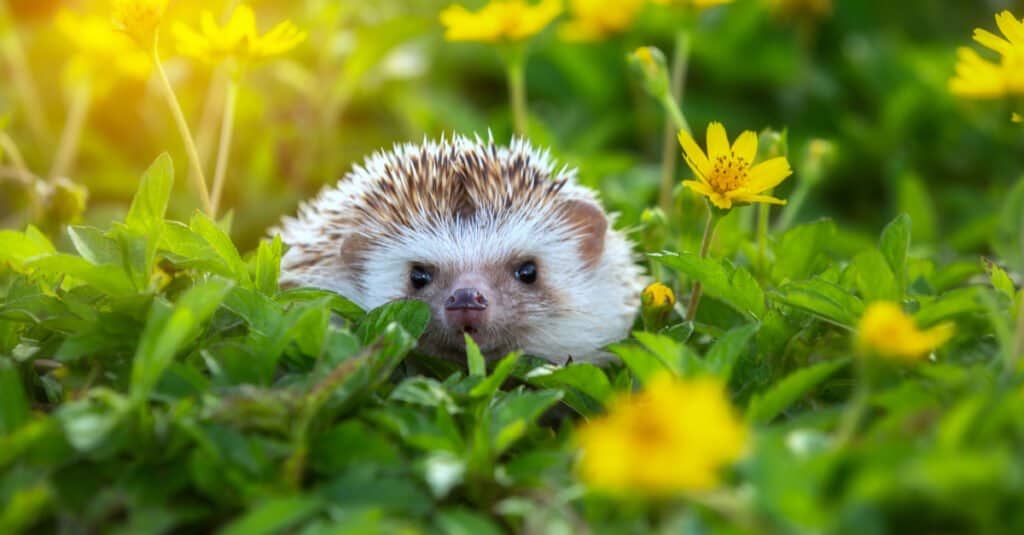
Hedgehogs are native to the U.K and can be seen in gardens across the island.

All of these animals are iconic among the types of animals in Great Britain. In the past, there were also large mammals roaming the islands including herds of deer. Conservation efforts strive to reintroduce species and support those that have been in decline for the past century.
Coat of Arms

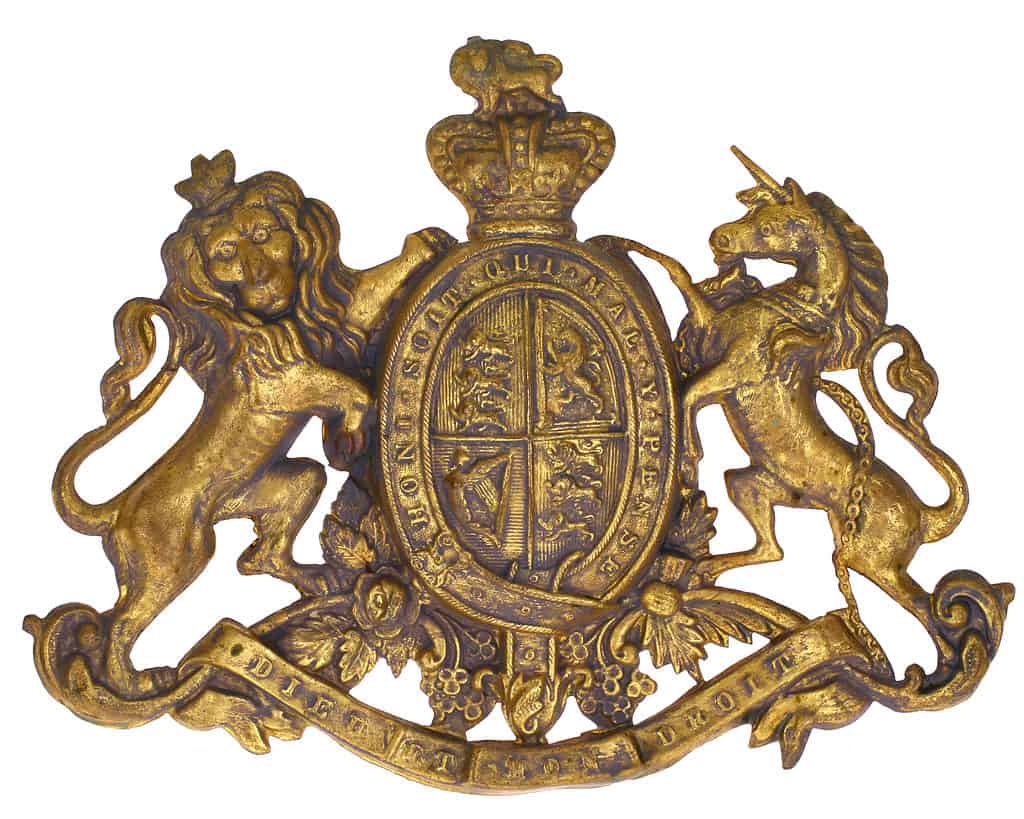
The lion, although extinct in the U.K., appears on the royal coat of arms and is the national wild animal.

The Official National Animal of the United Kingdom

The lion is the national wild animal of the United Kingdom, symbolizing courage, strength, dignity, and pride. Along with the unicorn, it appears on the royal coat of arms. Interestingly, cave lions lived in the United Kingdom thousands of years ago but have long been extinct.
food for English bulldogs

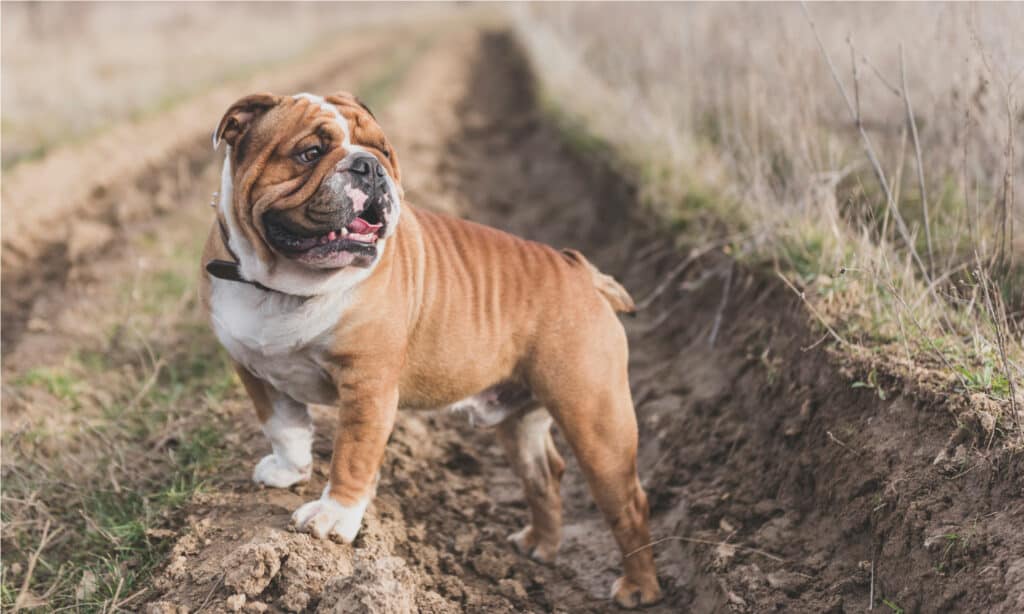
English bulldog posing on the field.

The bulldog is also one of the United Kingdom’s national animals representing tenacity because the dogs, in their original roles as bullfighters, showed courage and determination. Winston Churchill, during World War II, was nicknamed “the British Bulldog.” This was partially because he did favor the bulldog, with his jowly face but he was also revered for refusing to give up – just like the brave dog.

Where to Find the Top Wild Animals

Most of the United Kingdom’s favorite animals can be found in parks and backyards across the country. There are also more than 200 National Nature Reserves, nearly 50 zoos, and a number of safari parks.
What Do River Otters Eat?

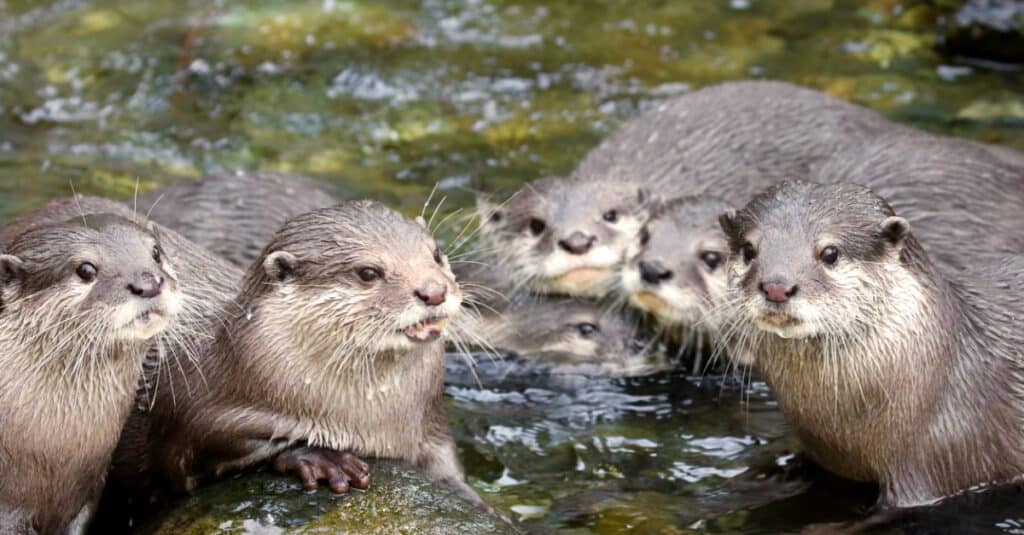
River otters are a popular attraction in East Devon.

You can see badgers at a farm called Badger Watch Dorset near the southern coast. Beavers are known in three locations – in the south, River Otter in East Devon; in the north, the Scottish Beaver Trial in Knapdale Forest; and in the east, the River Tray.

Native Birds

Whether traveling to urban hotspots or natural preserves, the U.K. is chock-full of wildlife, particularly avifauna migrating between European and African countries or residing permanently in the island nation. According to the British Trust for Ornithology, around 619 bird species make their home here. Some of the most popular places for birdwatching within the U.K. include Minsmere, Farne Islands, Isle of Mull, Loch Garten, and Snettisham. Here is more detail about each of these magnificent safe havens.
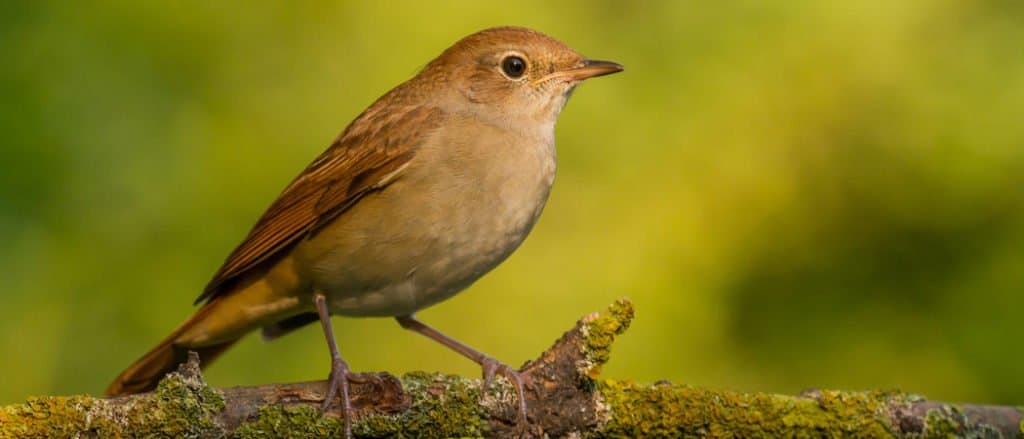
nightingale

The songs of the nightingale can be heard in the woodlands of the Minsmere Nature Reserve.

  • Minsmere (Suffolk) – Minsmere Nature Reserve is an excellent spot for spotting many bird species among its different habitats. Spring is the best time for hearing nightingale songs in nearby woodlands. In June, coastal lagoons and reed beds are filled with migratory wading birds, such as pied avocets, ruffs, spotted redshanks, and little stints, while bitterns and bearded tits flit overhead. Short-eared owls keep watch over lowland heaths, looking for prey.
  • Farne Islands (Northumberland) – The lack of human inhabitancy on the islands provides peace and security for resident seabirds of the Farne Islands. Most notably, puffins burrow the shores and breed between May and July, aggregating into 37,000 pairs flocked together. Other species roam the island, including guillemots, Arctic terns, and eider ducks.
  • Isle of Mull (Argyll and Bute) – Unique environments provide the opportunity to see rare and beautiful avifauna on the island, including golden eagles and white-tailed sea eagles (reintroduced). Eagle sightings are most likely at Glen Seilisdeir. Mountains, marshes, moorland, and lochs attract migratory waders, such as snipes, shelducks, whooper swans, and goldeneyes.
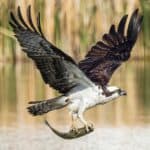
  • Loch Garten (Scottish Highlands) – The distinctive pine forest of the Loch Garten Nature Center is home to rare species, such as the woodland grouse, crested tit, Scottish crossbill, and capercaillie. In spring and summer, the main attraction is the pair of osprey who annually return to the center for the breeding season. Migratory species, including greylag and pink-footed geese, return in autumn, a spectacular time to visit.
  • Snettisham (Norfolk) – The Nature Reserve’s salt marshes, mudflats, and coastal lagoons offer birders an easy view of the thousands of different species residing or visiting the area. Around 40,000 pink-footed geese arrive during winter, along with brent. Birds such as oystercatchers, knots, bar-tailed godwits, and dunlin wade the marshes from late summer onward.
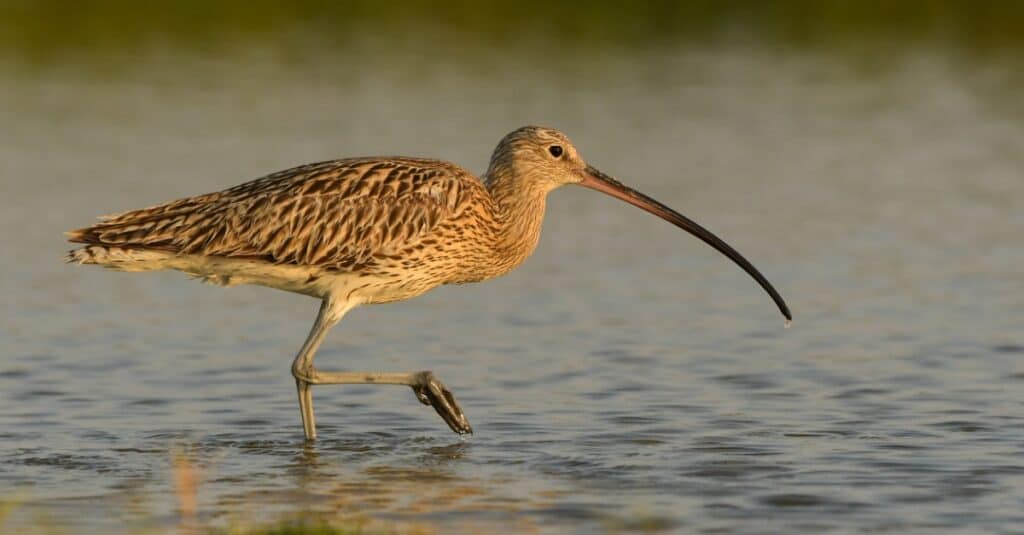
eurasian curlew foraging in the water

The native curlew has become a rare sight in the United Kingdom.

Ultimately, fall and winter are the best times to visit for birdwatching in the U.K., as it is easy to spot unique migratory birds as well as local species. Many of these species, including the native curlew, are vulnerable or endangered, so maintaining a respectful distance and presence is necessary.

Native Fish

No stranger to water, the United Kingdom is the perfect destination for fishermen – sport or recreational. It is almost impossible to choose where to begin a fishing journey, so listed are a few favorite spots for a good time on the water and off!
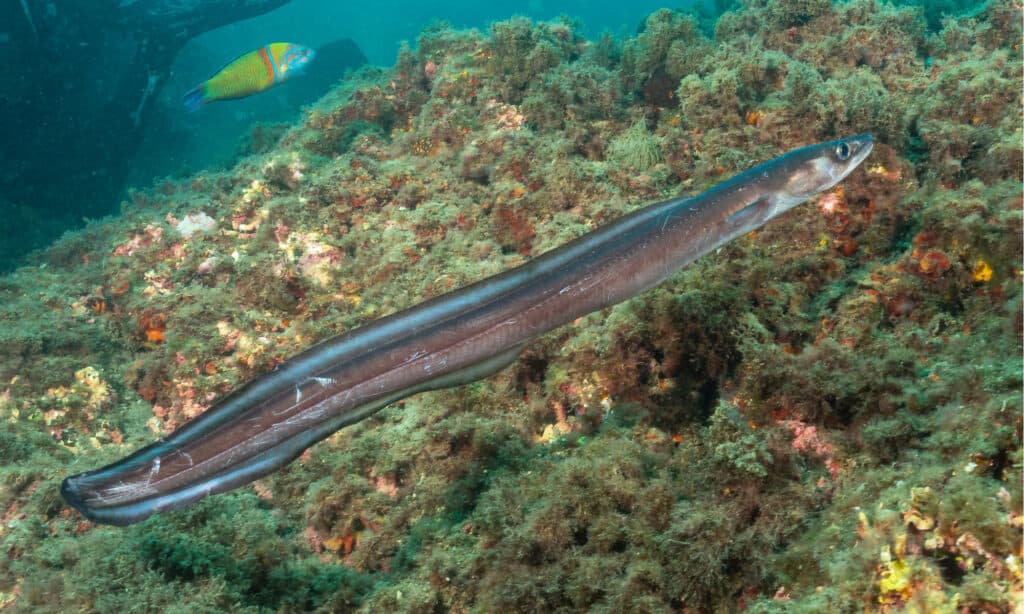
Conger eels have a long, thin, snake-like body, with a wide prominent snout.

Conger eels are a favorite catch in Brighton.

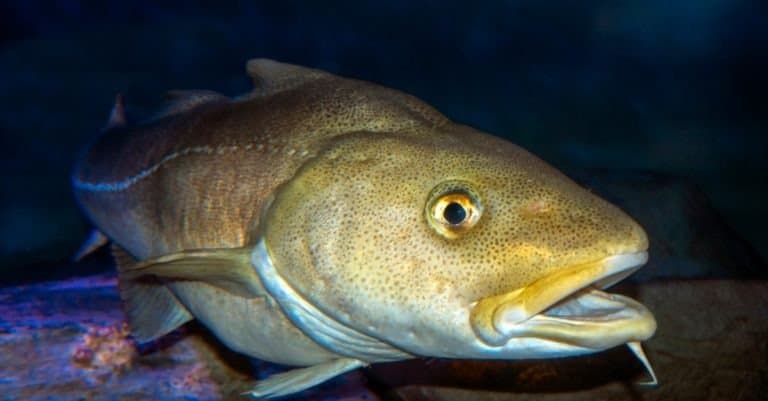
  • Brighton (Sussex) – Polluck, cod, ling, conger eels, sole, dab, plaice, mackerel, red mullet, smooth-hound sharks
  • Great Yarmouth (Norfolk) – Pike, carp, bream, roach, rudd, perch, tench
  • Perth (Central Scotland) – Salmon, brown trout
  • Bournemouth (Dorset) – Pollock, bream, wrasse, whiting, pike, barbel, carp, salmon, sea trout
  • Ramsgate (Kent) – Cod, pollock, rays, plaice, tope sharks, eels, wrasse, pouting

Only a few out of many towns with excellent fishing options, the U.K. is a perfect spot to find fishing of all kinds – sea, freshwater – even coarse fishing.

Native Snakes

Surprising to the diversity of wildlife in the U.K., only three species of snake inhabit the island nation; however, some may argue four. Out of these species, only the adder is venomous. The other two definite species are grass snakes and smooth snakes. The argued fourth is the slow worm, technically a legless lizard rather than a snake. In order to tell these snakes apart, here are some identifying features:
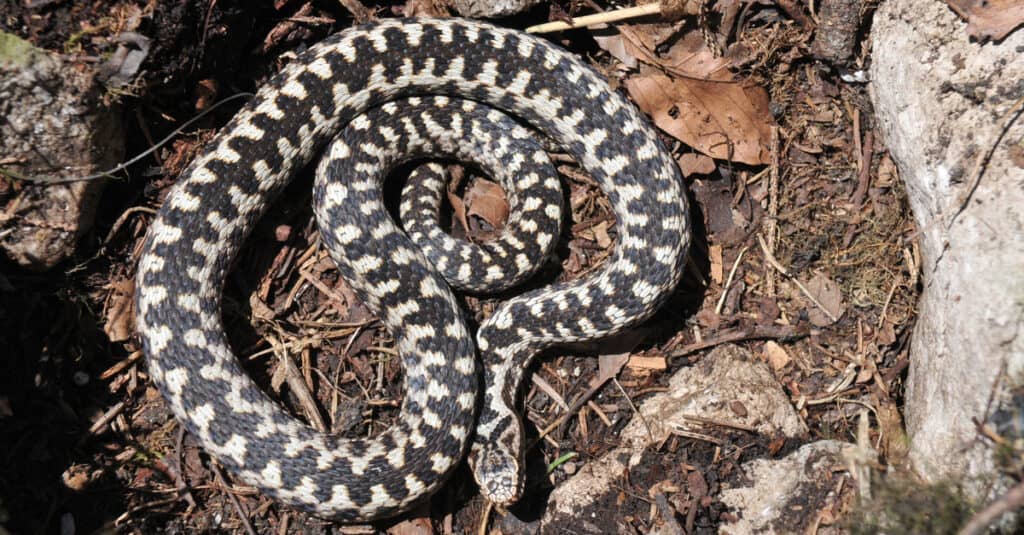
Common adder on leaf litter.

European adders are the only venomous snake in Britain.

  • Adders: Greyish coloration with distinct zig-zag dorsal pattern and red eyes. Reside in heathland, moorland, and woodland areas.
  • Grass snake: Green with a yellow and black collar, dark lateral markings, and a pale underbelly. These long snakes are found mainly in wetlands or grasslands but possibly in backyard gardens, as well.
  • Smooth snake: Similar coloration and patterns to adders but less defined and lighter in color. Grey or dark brown, these rare snakes blend in well with the heathlands they inhabit.

Largest Animal in the United Kingdom

Known as the majestic monarch of the glen, the red deer is the largest land mammal in the United Kingdom and one of the largest deer in the world. The most distinctive characteristic of the male, or stag, is their rack of magnificent branched antlers which can measure up to a metre in width and weigh as much as 15kg. Seeing a red stag is considered to be a sign of good luck and prosperity coming your way.
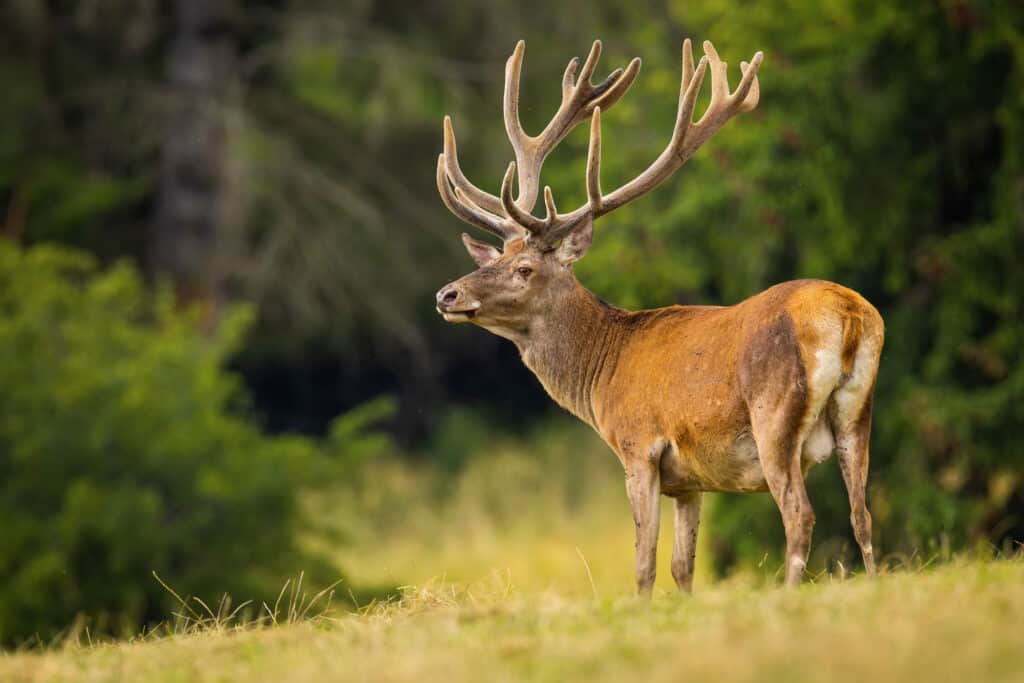
Red Deer - Animal, Deer, Forest, Slovakia, Agricultural Field

The red deer is the largest land mammal in the United Kingdom.

Sporting dark russet-brown fur, red deer live on moorland and mountainsides as well as grasslands near woodlands. These large animals eat grasses, sedges, rushes and heather. They are most commonly seen in the Scotish Highlands and islands.

The Most Dangerous Animals in the United Kingdom Today

The adder is the only venomous snake in Britain. Other deadly animals include bees, wasps, and hornets, due to anaphylaxis, deer, due to car accidents, and cows – yes, domestic cows – due to stampedes. In fact, the cow is considered the most dangerous animal in the country because of the lives lost to stampeding. They can also be known to charge and kick people, leading to severe injury.
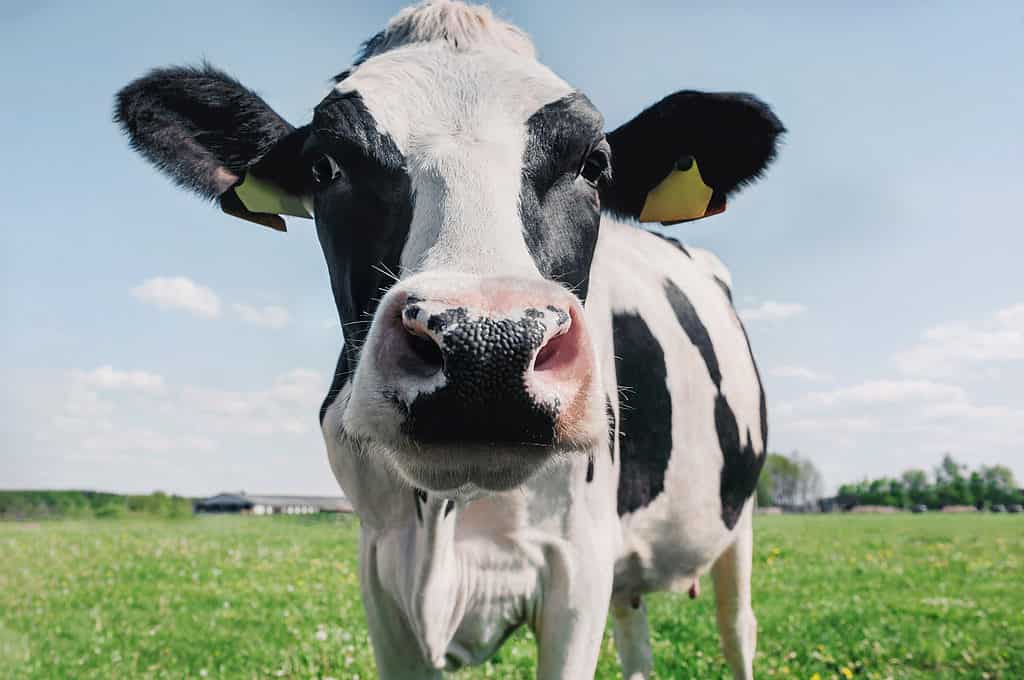
Cow looking into camera

Domestic cows are curious about new things in their environment

The lesser and greater weaver fish also pose a danger to fishermen and swimmers because of their venomous spines. The lesser weaver fish come into shallow water and are most likely to be encountered by beach goers in the summertime. The greater weaver prefers the deeper water offshore and is seldom a threat.

Zoos in the United Kingdom

Comprised of multiple sovereign states, the U.K. collectively has around 300 zoos. Which zoos are the most popular to visit depends on what parts of the nation visitors are visiting. Out of the many incredible options, listed are several of the most popular within the sovereign states.
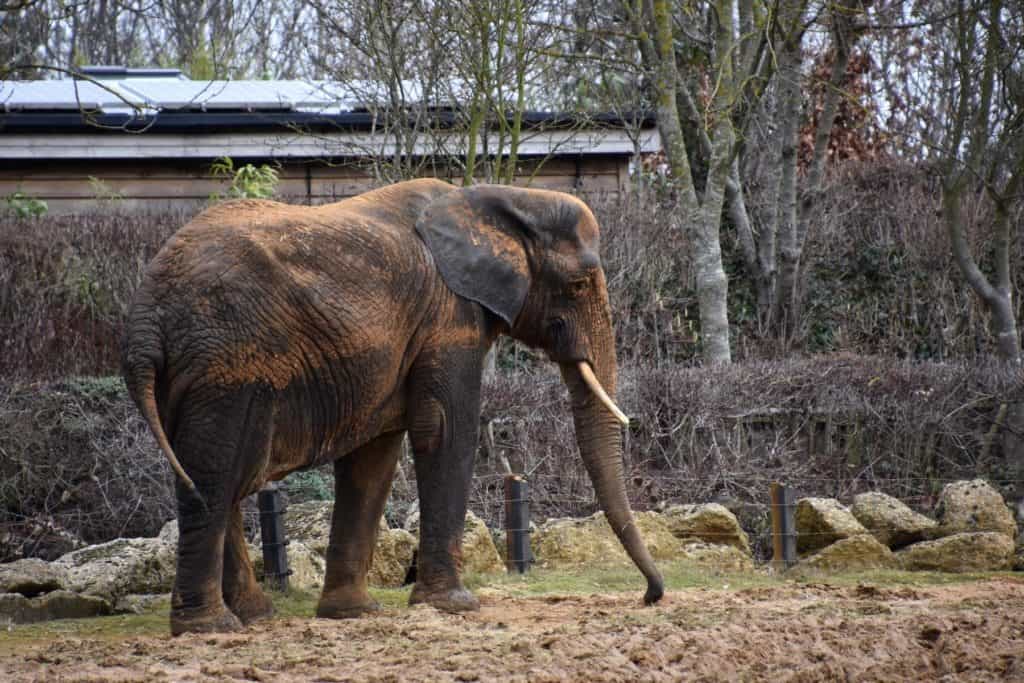
African bush elephants can be seen at the Chester Zoo in the U.K.

England

  • The London Zoo – Originating as a place of scientific research, the London Zoo now holds over 19,000 animals of hundreds of different species.
  • Chester Zoo – Ranked as one of the top zoos in the entire world, the Chester Zoo spans 125 acres with 12,000 animals and 400 different species.

Scotland

  • Edinburgh Zoo – Previously named the Scottish National Scientific Park, some animals in this zoo have held military rank, including a Wojtek the bear and Sir Nils Olav, a king penguin.
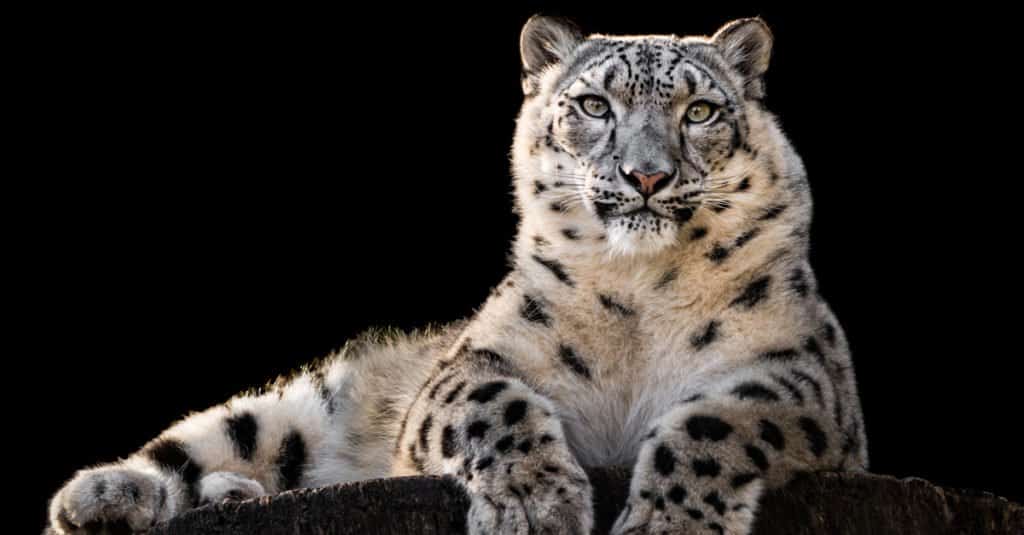
Majestic Snow Leopard lying on a rock

Snow leopards are a popular attraction at the Welsh Mountain Zoo.

Wales

  • Welsh Mountain Zoo – Opened by naturalist Robert Jackson in 1963, the zoo now covers 37 acres and features rare species, such as snow leopards.

Northern Ireland

  • Belfast Zoo – The Belfast Zoo heavily participates in conservation work and is involved with breeding programs to ensure the preservation of threatened species. Baby animals of the zoo have included species such as ring-tailed lemurs, Grant’s zebra, California sea lions, and spider monkeys.

Rarest Animal in the United Kingdom

A number of once-common animals in Britain are struggling, with sightings becoming rare. The red squirrel, native to Britain, is experiencing a population decline, reduced to less than 200,000, largely due to disease and competition with non-native North American grey squirrels.
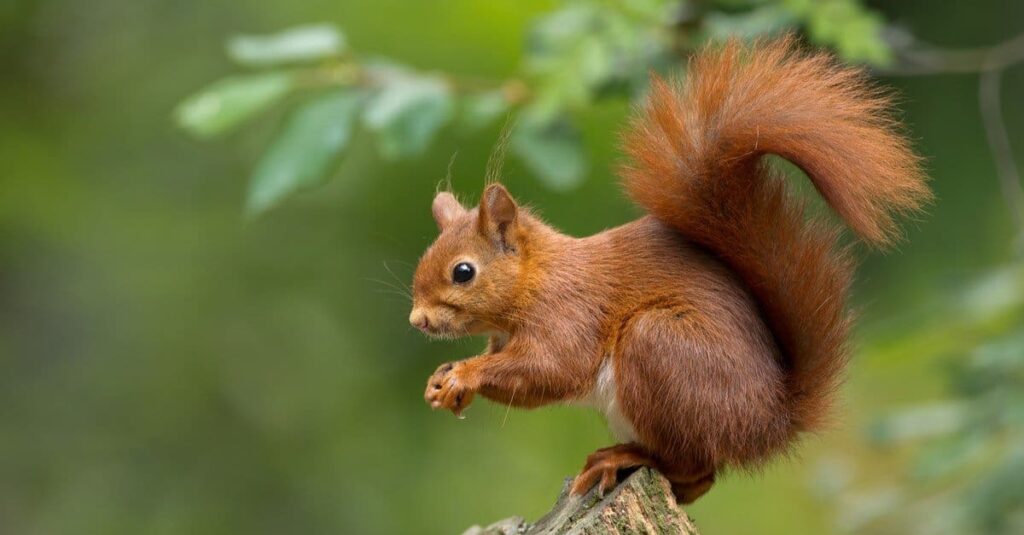
Red Squirrel sitting with nut

The native red squirrel population is in decline in the U.K. due to disease and competition with non-native grey squirrels.

These charming little creatures were once widespread across the U.K. but are now one of the rarest mammals. Red squirrels are found only in Scotland, Northern Ireland and the far north of England. They inhabit either deciduous or coniferous forests.

Endangered Animals

Warm weather and construction also interrupt the hibernation cycles of hedgehogs, another animal native to the United Kingdom. The turtle dove has declined by 97 percent since 1970. Additionally, sounds of the Natterjack toad have ultimately disappeared from many of the islands.

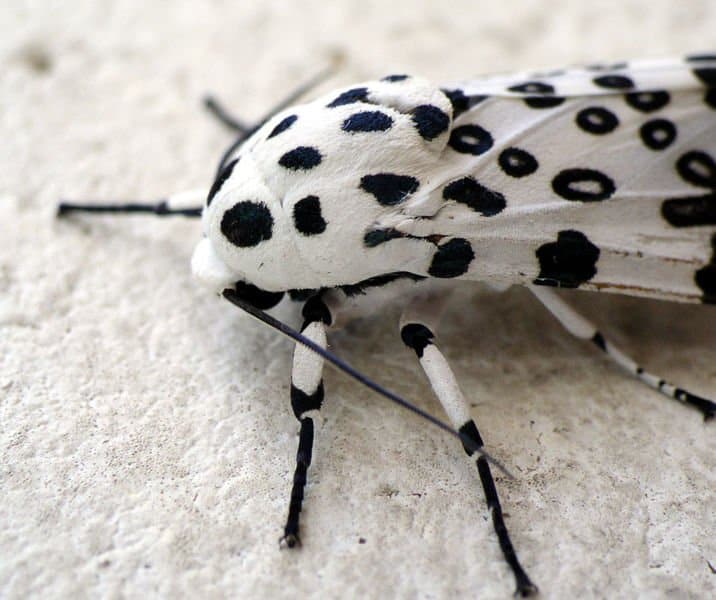
Even insects are endangered in the U.K. Cicadas are now only found in small areas in Hampshire; however, since they haven’t been sighted in over 20 years, these critters may already be extinct. Furthermore, the Cosnard’s net-winged beetle inhabits only a few small areas as a result of the destruction of beech trees. Deforestation also threatens the bearded false darkling beetle. The wart-biter cricket is found in just four areas of East Sussex, Wiltshire, and Dorset and the V-moth population has declined by 99 percent since the 1960s.
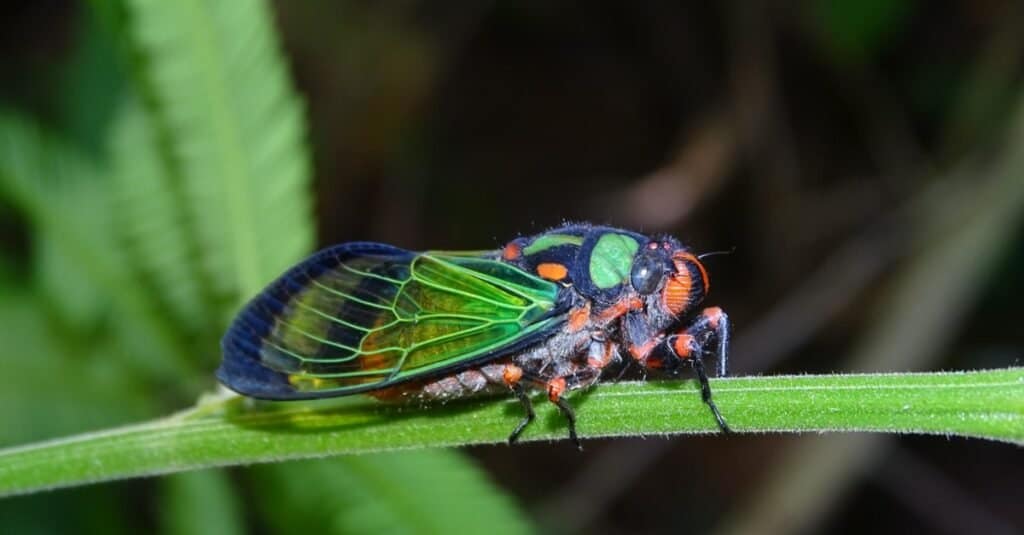
Animals With Exoskeletons-cicada

The last sighting of a cicada was 20 years ago – meaning they may already be extinct.

A number of Britain’s large predators became extinct thousands of years ago. These include cave lions, bears, and wolves. Large herbivorous mammals have also become regionally extinct – beavers, wild boars, bison, and moose.

Today, though, some of these wild animals are being reintroduced to ancient woodlands. Wolverines, lynxes, grey wolves, and European brown bears are exhibited at the Bristol Zoological Society’s Bear Wood. This is part of an ongoing conservation effort known as “rewilding.”

Close up of British flag

Close up of British flag.

The British Flag

The British flag is actually four flags wrapped into one including the English flag and the flags of Scotland, Wales, and Northern Ireland. The British flag is also known as the Union Jack and represents the region’s past but also its current ideals. The flag’s use of the color white signifies purity and truth, the red symbolizes warriorhood, and the blue stands for justice, loyalty, and vigilance.

No law has passed to make the Union Jack the official flag of the United Kingdom but it has become that through precedent. It is called the “Union Jack” after a small flag was mounted on the front of a warship in 1625. The small flags mounted on ships were called “jacks.”

Animals Found in United Kingdom

525 species documented in our encyclopedia

Thank you for reading! Have some feedback for us?