
Quick Take
- A new study shows that Yellowstone National Park’s reintroduction of wolves was more complicated than previously thought
- The introduction of predators has a lot of factors involved
- Human activities like hunting and farming have more impact on prey populations than predators
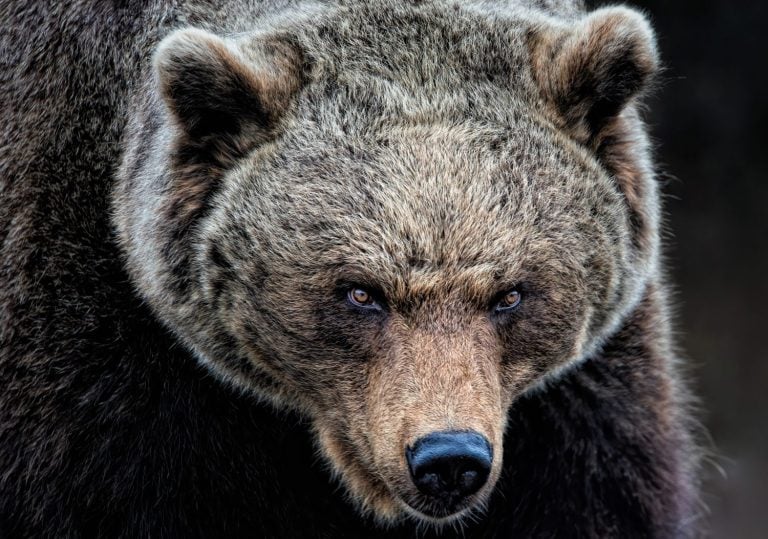
For much of the 20th century, some of North America’s most iconic predators were pushed to the brink of extinction. Gray wolves were wiped out across most of the continental United States. Mountain lions and grizzly bears were hunted relentlessly, driven from large parts of their historic ranges.
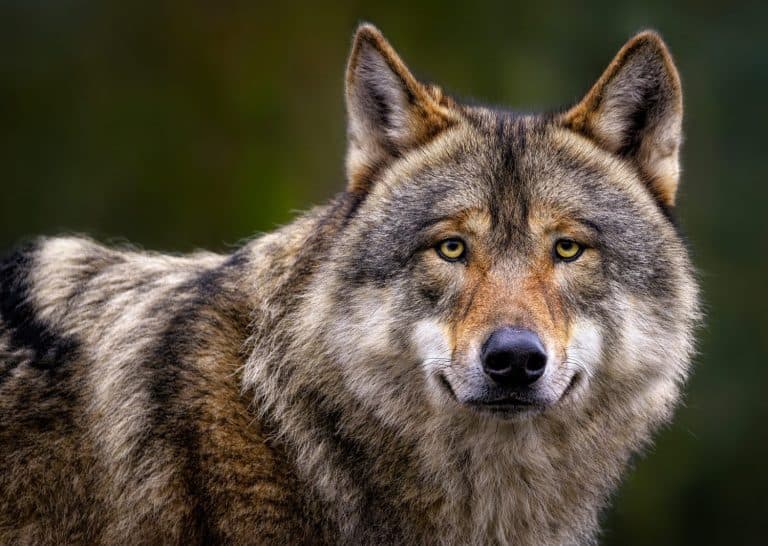
But over the past 50 years, something remarkable has happened. Thanks to conservation measures such as the Endangered Species Act, hunting restrictions, and targeted reintroduction programs, many of these top predators are making a comeback. Wolves are roaming parts of the western United States again, bears are reclaiming old territory, and mountain lions are expanding into landscapes they haven’t occupied in generations.
The return of these animals has sparked both celebration and controversy. Beyond questions of human–wildlife conflict, scientists have long wondered: What happens to ecosystems when top predators return? The answer, it turns out, is far more complicated than once believed.
A Trophic Cascade
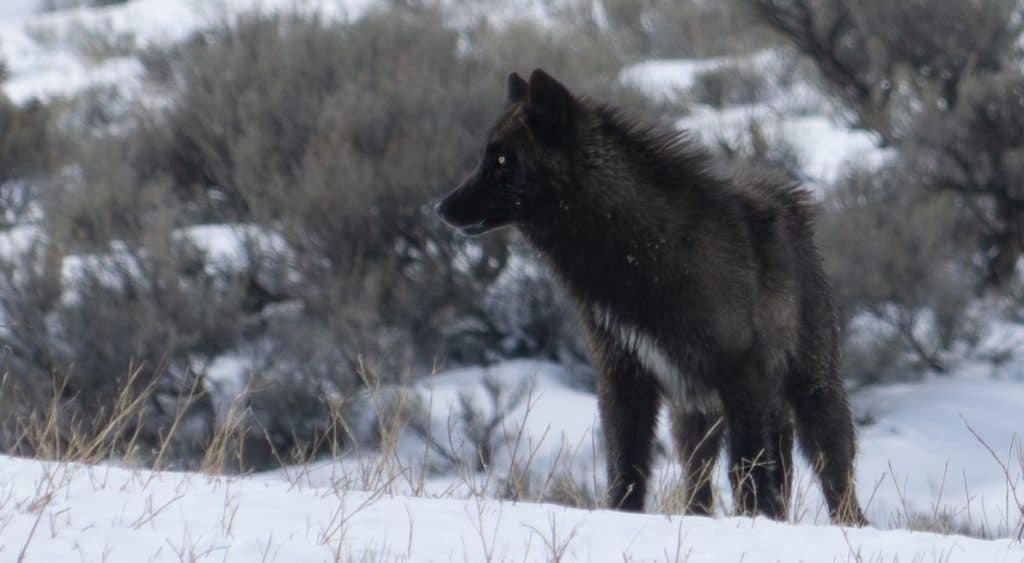
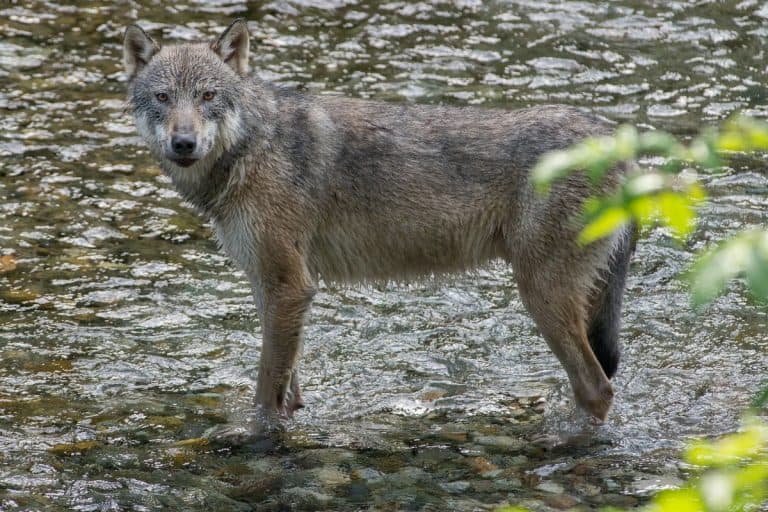
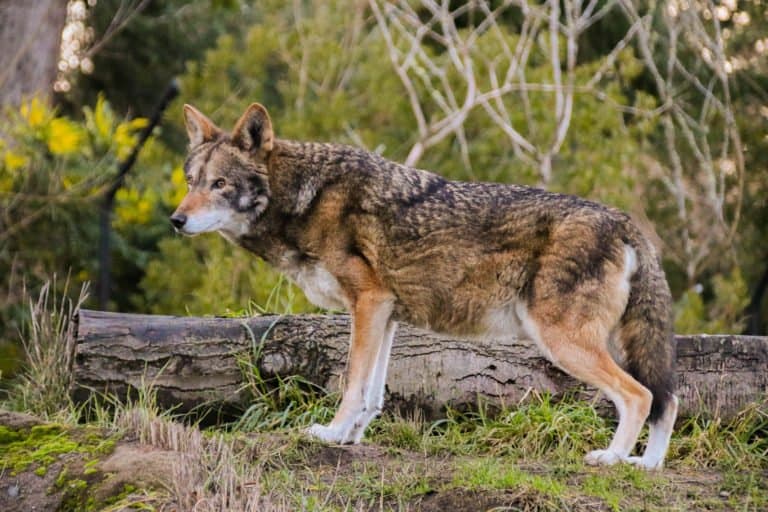
Yellowstone National Park’s reintroduction of wolves may be more complicated than originally thought
©Project Coyote
The idea that restoring predators could “fix” ecosystems gained widespread attention in the early 2000s with studies from Yellowstone National Park. After gray wolves were reintroduced in the mid-1990s, researchers reported changes that seemed to ripple throughout the ecosystem. Elk numbers declined. Elk behavior appeared to shift. Tree saplings along rivers began to recover.
This phenomenon is known as a trophic cascade — a chain reaction where changes at the top of the food web affect organisms all the way down to plants. The Yellowstone story became one of the most famous examples of this concept and was widely shared in documentaries, textbooks, and media coverage. Recently, a team of researchers revisited the Yellowstone example and published their findings in the Annual Review of Ecology, Evolution, and Systematics, showing that this scenario was actually much more complicated than it appeared.
“The Yellowstone trophic cascade example has really been oversimplified in the media,” Dr. Chris Wilmers, a wildlife ecologist at the University of California, Santa Cruz, said in a November 2025 statement. “The scientific evidence today shows that there are many factors at play, so the effects we’re seeing can’t neatly be attributed solely to the reintroduction of wolves.”
How Predator Recovery Works
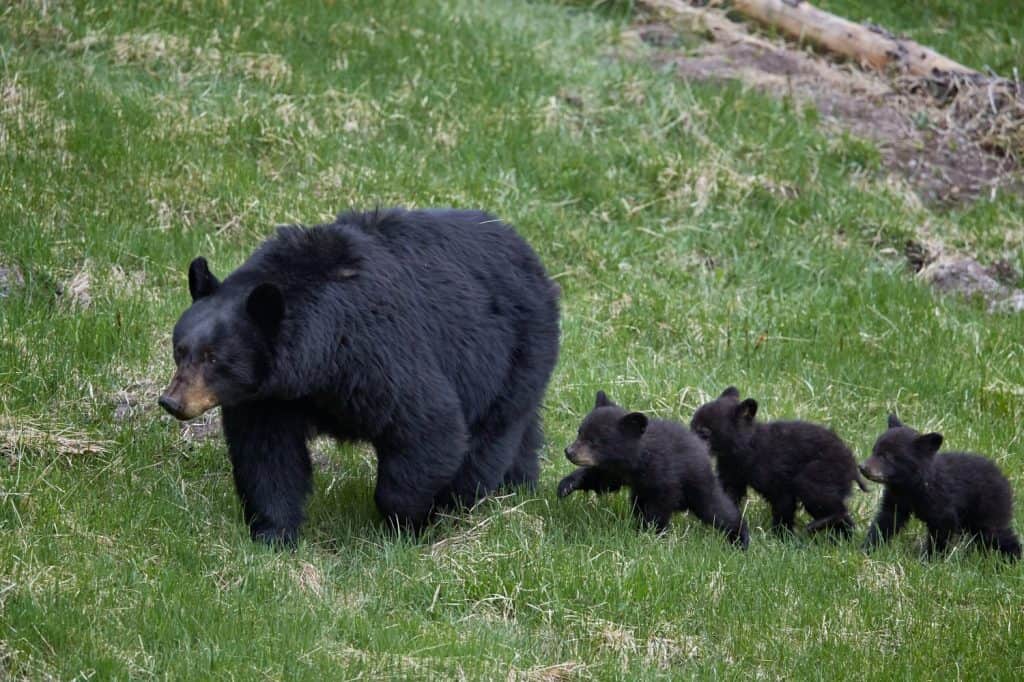
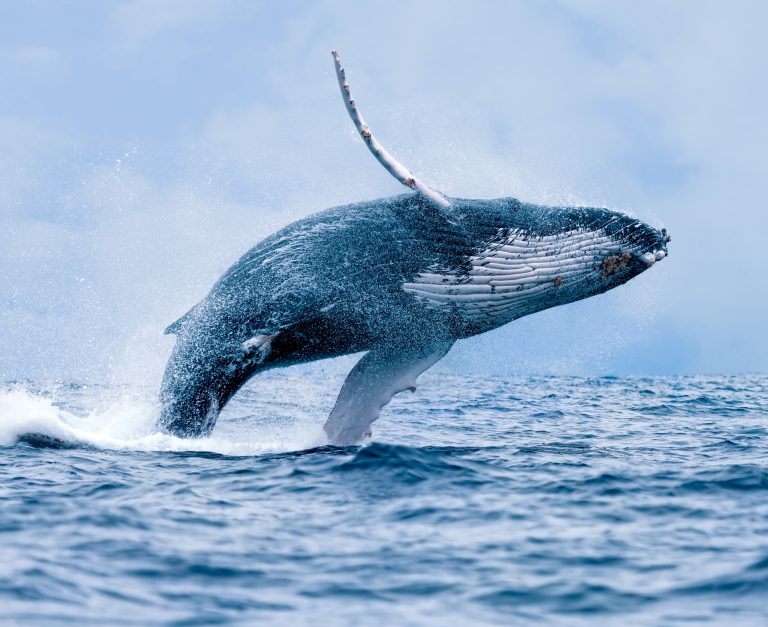
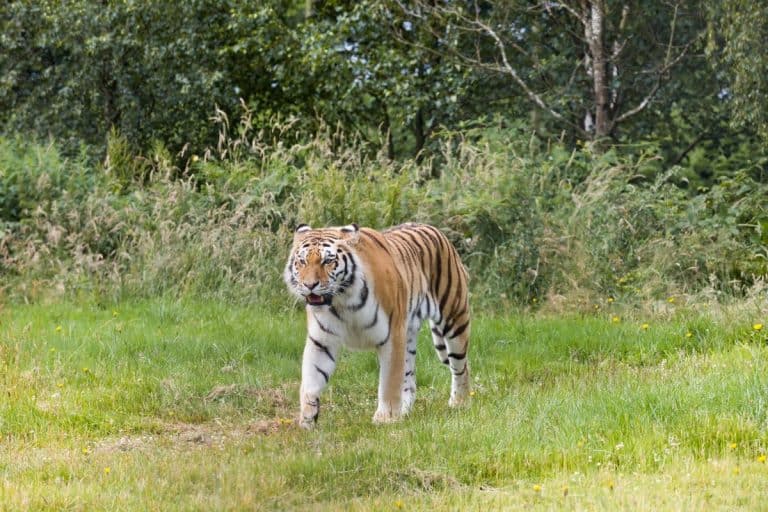
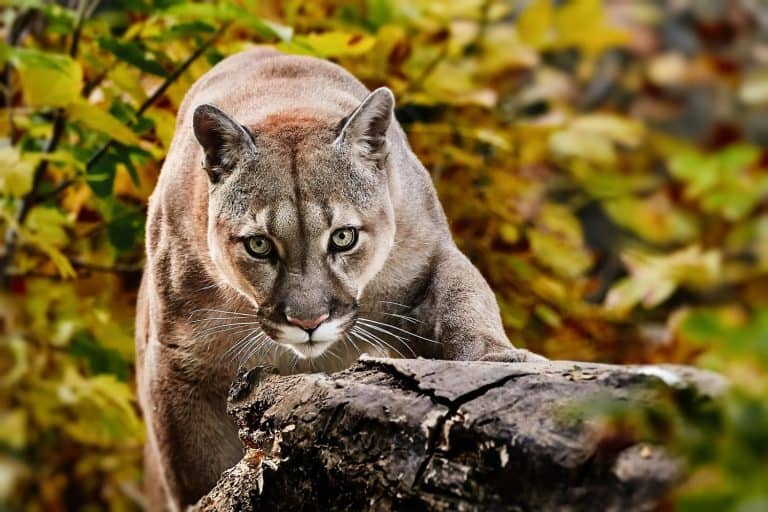
Recovering predator populations won’t be easy.
©Robert Harding Video/Shutterstock.com
To better understand what scientists actually know about the ecological effects of large carnivore recovery, Wilmers led a review of more than 170 studies, spanning research from the 1940s to today. The goal was not to argue that predators don’t matter, but to clarify how, when, and under what conditions they matter most.
“This comprehensive approach allowed the team to evaluate the weight of evidence in a way that can help to guide the future direction of both research and wildlife management,” a recent press release explained.
What emerged was a nuanced picture of ecosystems shaped by multiple, overlapping forces rather than a single cause.
Predators vs. Human Influence
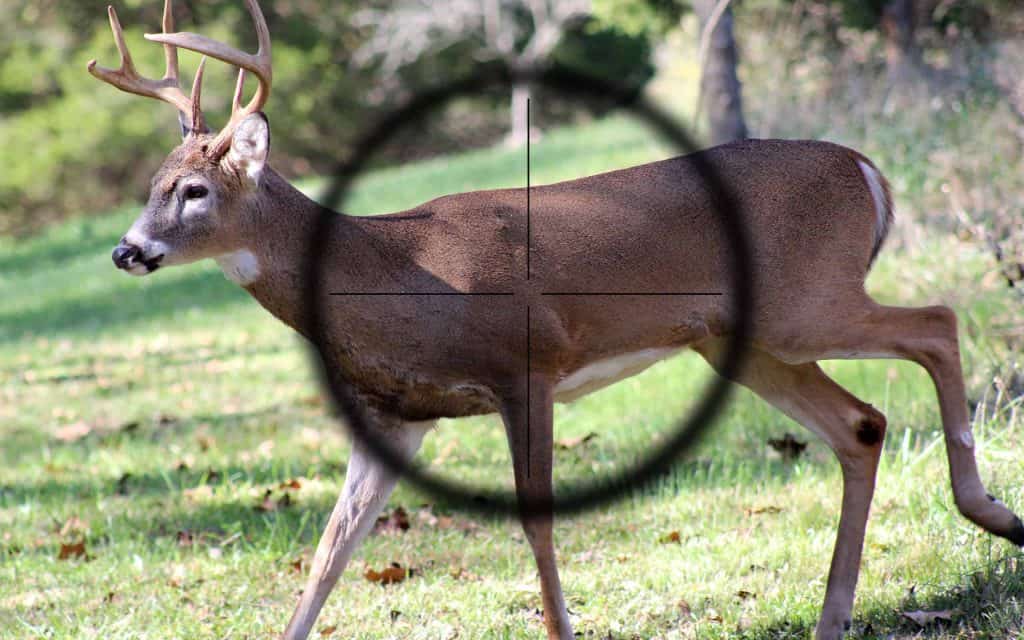
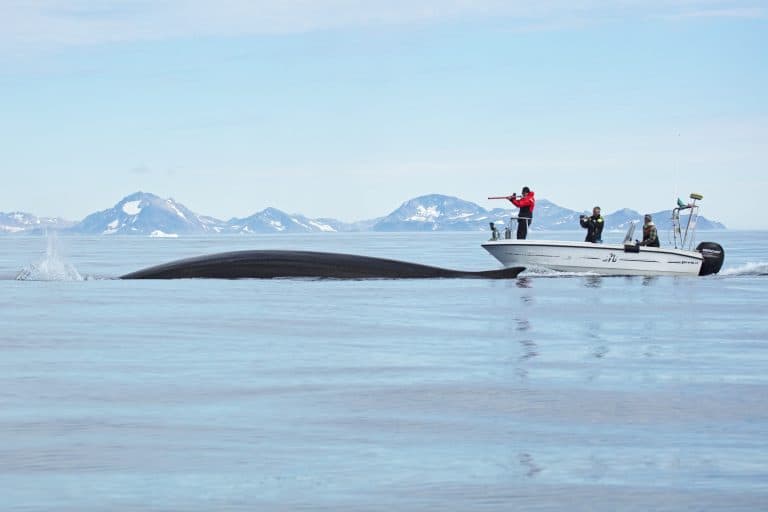
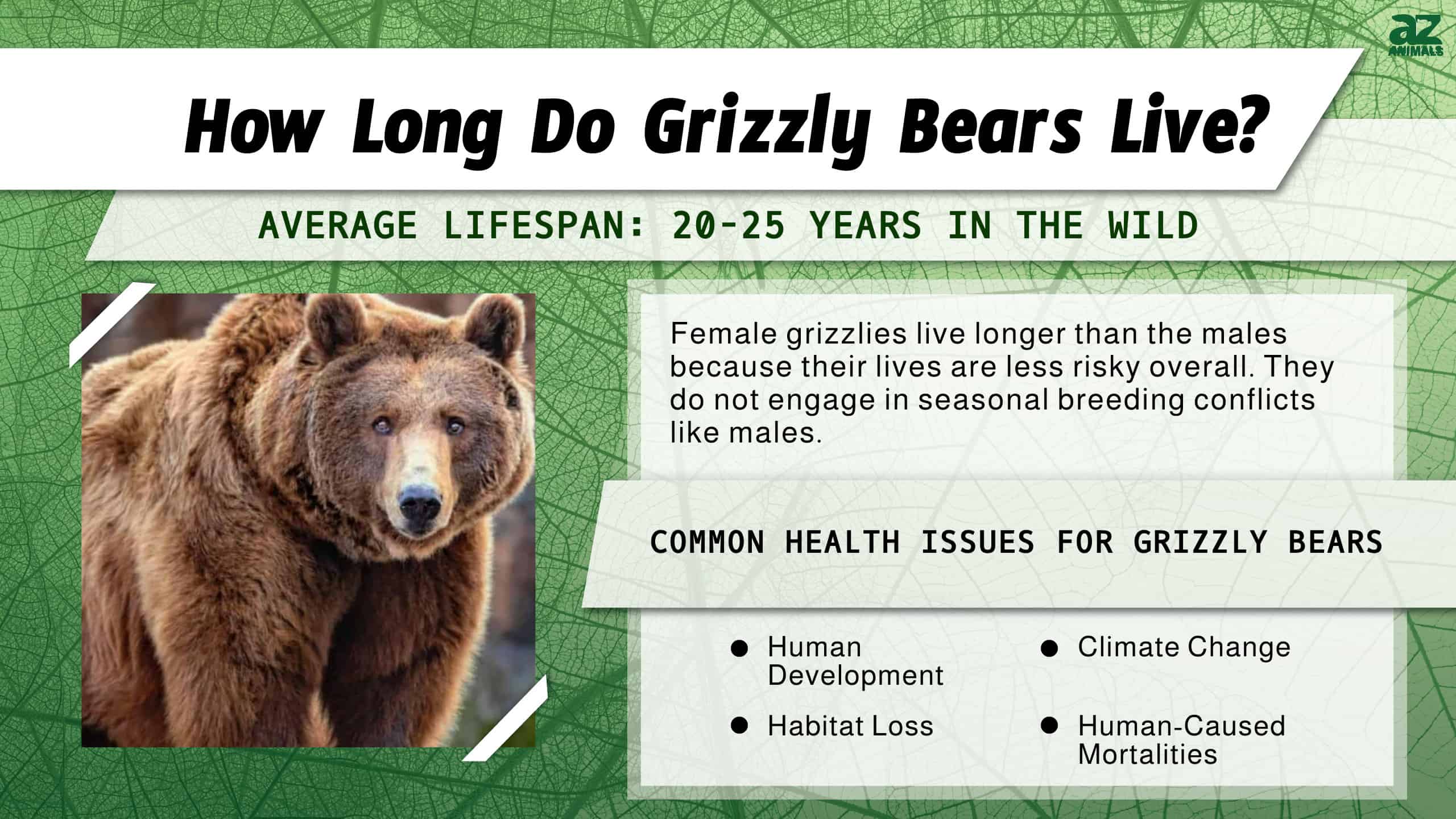
Human activities like hunting or farming have a much larger impact on prey populations compared to predators.
©AdamLongSculpture/ via Getty Images
One of the clearest findings is that, across much of North America, human activities have a far greater influence on prey populations than predators do. Human hunting, land-use changes, roads, agriculture, and urban development often play a dominant role in determining where animals like deer, elk, and moose live and how many there are. Environmental factors such as habitat quality and food availability also limit prey populations more strongly than predation in many systems.
That doesn’t mean predators have no effect. Instead, their influence tends to show up under specific conditions. Predators are more likely to control prey populations in places where prey cannot easily escape, such as islands or geographically constrained habitats. They can also have stronger effects when multiple predators target the same prey species at different life stages.
Another important factor is competition among prey species. When a resilient species increases in number—often due to human-caused habitat changes—it can indirectly boost predator populations. These predators may then disproportionately impact more vulnerable species. This dynamic has contributed to population declines in animals such as bighorn sheep and mountain caribou in parts of western Canada.
How Do Predators Impact Other Predators?
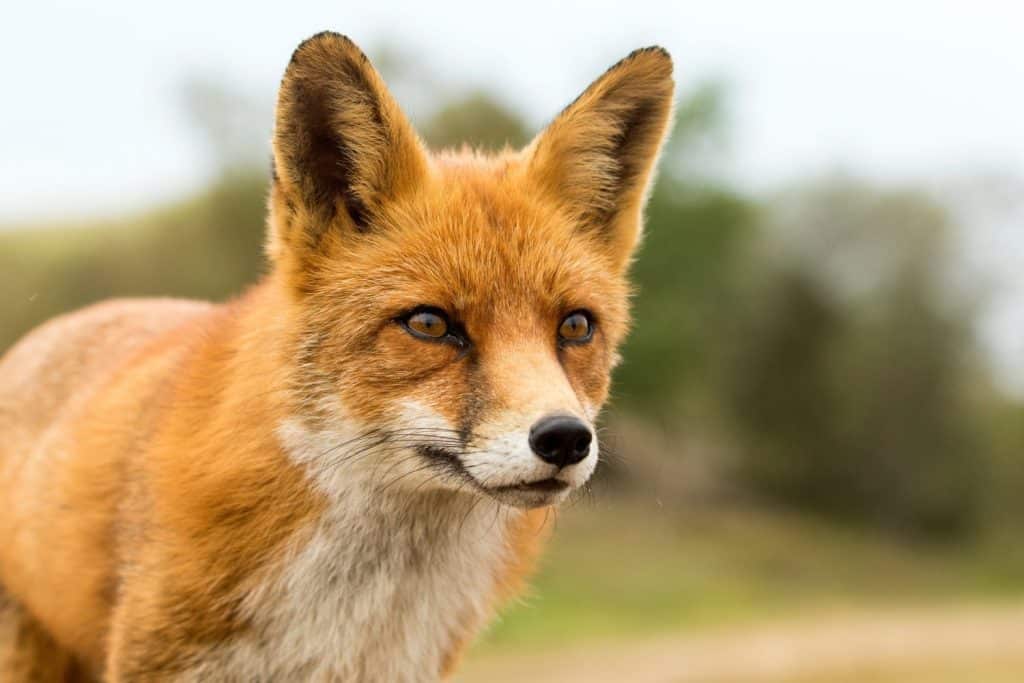
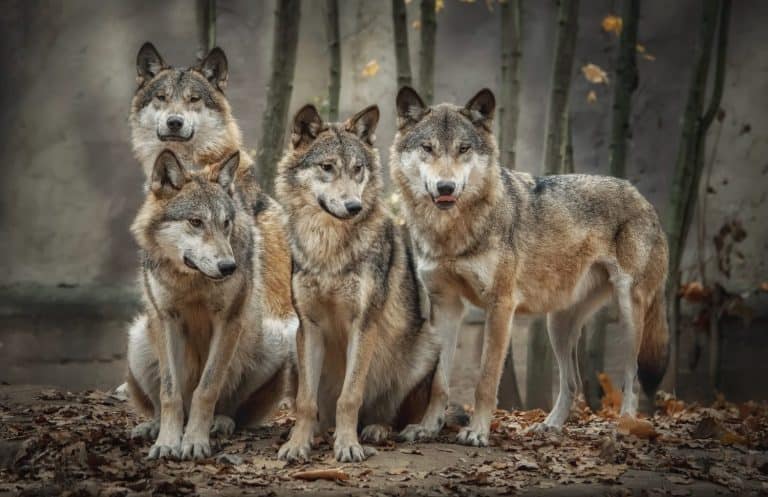
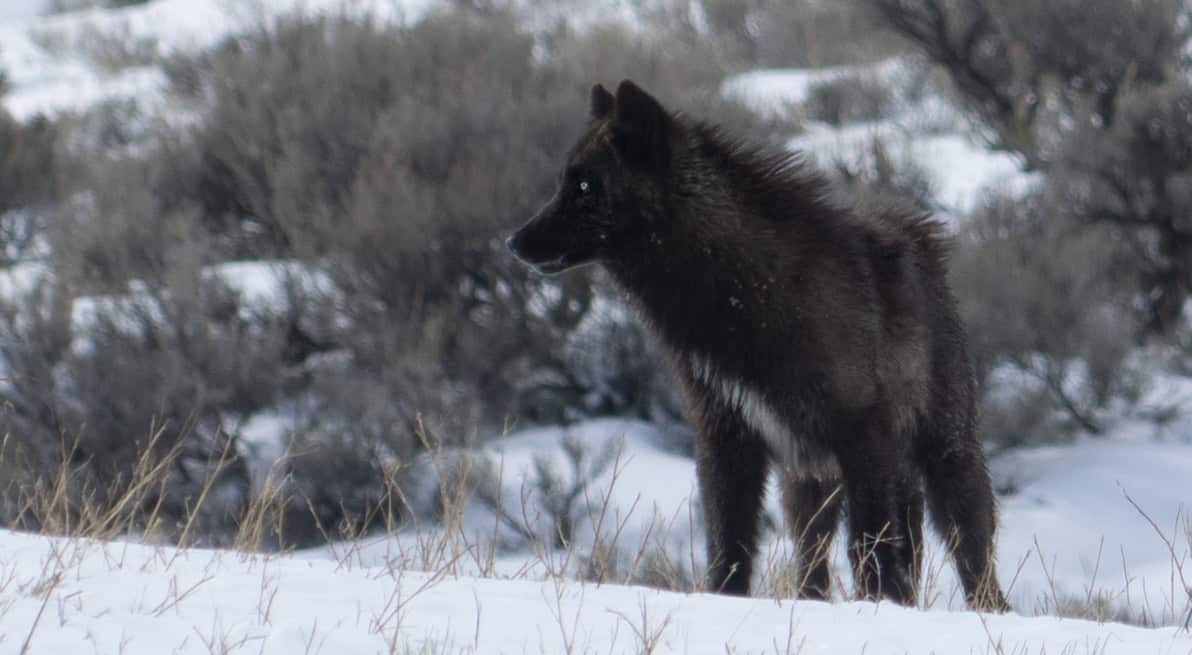
Predator populations can affect other predators, like coyotes and red foxes.
©AngelaLouwe/Shutterstock.com
Large carnivores don’t just influence prey; they also shape communities of smaller predators. The study found that populations of smaller carnivores decline by about 18% on average in areas where larger predators are present. This phenomenon, sometimes called “mesopredator suppression,” can have surprising benefits.
For example, reductions in coyote populations following the recovery of wolves and other large carnivores have benefited species such as pronghorn antelope and red foxes. In these cases, the return of top predators can indirectly help animals lower down the food chain.
More Complications
Even when predators reduce prey populations, other forces can dampen ecosystem recovery. In Yellowstone, both elk and bison feed on young trees. While wolves can hunt elk, adult bison are simply too large for them to prey upon. As a result, bison grazing pressure remains largely unchecked, limiting tree recovery in some areas.
Environmental changes also matter. The historic removal of wolves and beavers altered Yellowstone’s waterways, narrowing rivers and steepening banks. These changes reduced suitable habitat for certain tree species, so even with predators back, full recovery may take decades or may never fully resemble the past.
What Does This Mean for Conservation?
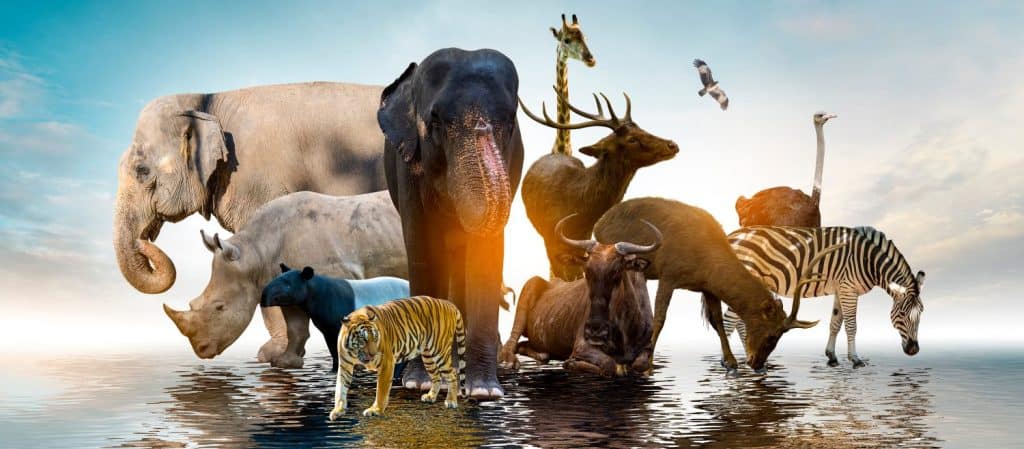
Conservation efforts for both prey and predator are still important.
©Cinemanikor/Shutterstock.com
The study does not argue against predator restoration. In fact, Wilmers emphasizes that bringing back large carnivores has clear ecological benefits.
“Restoring predators certainly will add to biodiversity and to the complexity of how your ecosystem works, and that is a good thing,” he said. “It’s just that it’s not going to have a simple effect that you can easily predict before restoring these species.”
New technologies may help refine predictions in the future. Tools such as GPS tracking, genetic sampling, camera traps, and bioacoustic monitoring are giving scientists unprecedented insight into how animals move, interact, and respond to environmental changes.
Still, one message stands out clearly.
“One of the things the research points to most clearly now is that you want to avoid losing these species of large carnivores from systems in the first place,” Wilmers said. “Because putting them back, while useful to do, could take 50 to 100 years or more to really restore what was lost.”
In a world where conservation decisions must balance science, public expectations, and human livelihoods, this complexity may be the most important lesson of all.