
Quick Take
- Being the tallest animal on land sounds like an advantage, but that changes once a storm rolls in and there's nowhere to hide. See the shelter challenge →
- Most people assume giraffes are lightning rods in a storm. The reality is more surprising than you'd expect. Get the key highlights →
- Wind, not rain, turns out to be the bigger threat, and giraffes have an unexpected physical trick to fight it. How wind shapes survival →
- Surviving a storm on the open savanna means juggling two very different dangers at once, and giraffes cannot afford to focus on just one of them. See how herd vigilance helps →
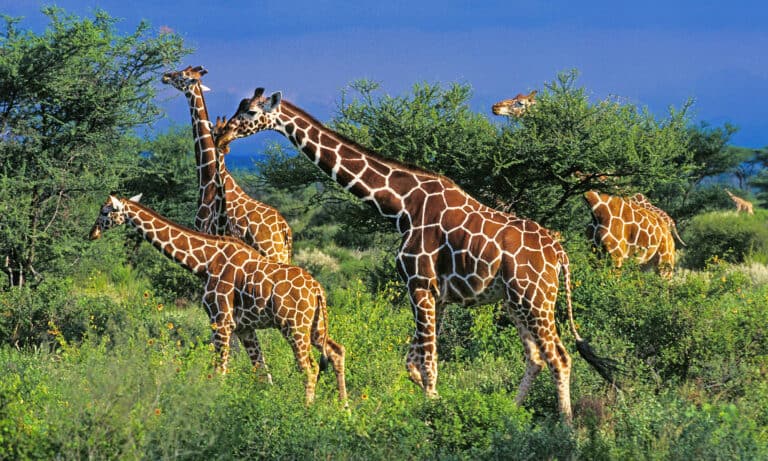
Giraffes are famous for their long necks, which give them many advantages in nature. But have you ever considered some of the challenges they face? For example, what do giraffes do when it rains? This Instagram post by @through.history shows a herd of giraffes standing in the rain, and it’s a stranger sight than you might expect. Read on to learn more.
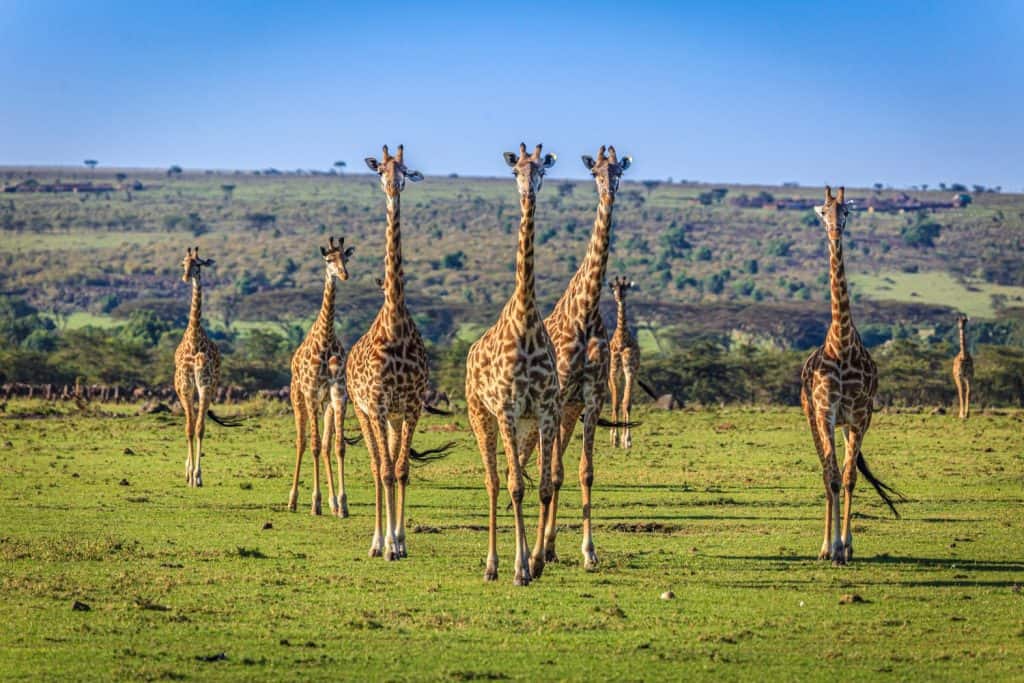
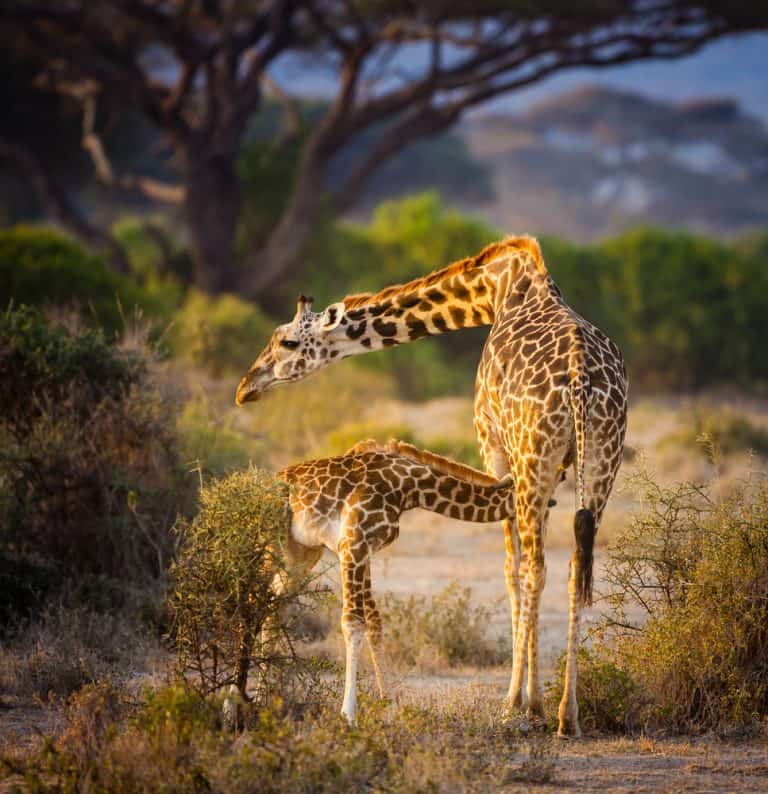
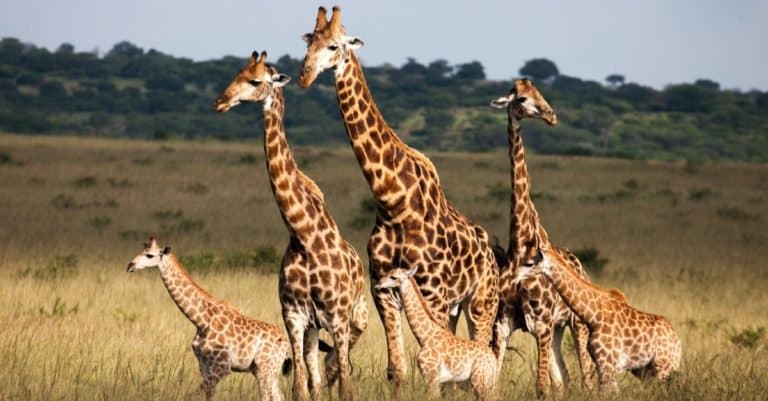
Maasai giraffes wander across the Masai Mara plain. Kenya.
©Danita Delimont/Shutterstock.com
How Giraffes Deal With Rain
When it storms outside, most animals’ instincts kick in, and they run for cover. But what happens when you’re taller than any form of shelter? This is the problem that giraffes face in nature. Since they live in open savannas and grasslands, there aren’t many places where these animals can take shelter. Standing at 18 feet tall, the most they can do is stand under a tall enough acacia tree, but even then, most of their bodies are exposed. You might be thinking that their height puts them at risk for lightning strikes. While documented fatal strikes on giraffes are rare — only five confirmed cases between 1996 and 2010 — their height means they actually face roughly 30 times the lightning risk of humans, though researchers note that because the absolute probability remains so low, giraffes are at no appreciably greater risk than other animal species. Still, enduring rough weather is far from pleasant for giraffes.
Giraffes are surprisingly good at toughing out rain and storms. They have thick skin and a water-shedding coat that helps them cope with rain. However, more inclement weather, such as strong winds, can be bothersome. In the video above, the giraffes are leaning forward to stay balanced. Giraffes have a center of gravity that shifts forward over their forelegs because of their long necks, so they spread their legs into a wide stance. This helps them withstand powerful gusts. There isn’t much they can do except wait out the storm. They stay with their herds, watch out for predators, and wait patiently.