



Animal Habitats

Grassland

Open landscapes dominated by grasses with few trees, supporting grazing animals
1,725 Animals
1/72 Page
Overview

Understanding This Category

Grassland is an open terrestrial habitat dominated by grasses and other herbaceous plants, with trees and shrubs sparse or absent. It is typically maintained by a combination of seasonal drought, frequent fire, and/or grazing that suppresses woody plant establishment.

Grasslands form where climate and disturbances favor grasses over trees: moderate, seasonal rain, strong sun and wind, and periodic drought. Fire and grazing keep trees from taking over. Open areas have plants that regrow fast (basal meristems, rhizomes, deep roots). They store carbon, support grazers, burrowers, pollinators, and provide soil, water, and food for animals.

Key Characteristics

Dominance of grasses and other herbaceous plants; few trees or shrubs
Maintenance by disturbance regimes (fire, grazing) and/or seasonal drought that limits woody cover
High sunlight and wind exposure with relatively open canopy structure
Soils often rich in organic matter with extensive root biomass and strong below-ground carbon storage
Strong seasonality in growth, with rapid green-up and high productivity during wet/warm periods
Fauna commonly includes large grazers, burrowing animals, and ground-nesting birds adapted to open terrain
Frequent interaction with human land use (grazing, haying, cropping) and high vulnerability to conversion
Fire- and grazing-adapted plant traits (basal regrowth points, deep roots, rhizomes) are common
Environment

Environmental Conditions

Climate

Temperature Range
-20°°C to 35°°C
Precipitation
~250-1000 mm/year, often strongly seasonal; drought periods common; fire frequent in many regions during dry season.

Conditions

High light exposure with minimal canopy; intense solar radiation and large daily temperature swings; frequent wind exposure.

Primarily terrestrial. Water commonly occurs as seasonal streams, ephemeral ponds/vernal pools, prairie pothole wetlands (in some regions), and river/floodplain corridors. Surface water availability is often patchy and seasonal; groundwater can be important (springs/seeps).

Ecology

Ecological Community

Biodiversity Level

Medium to high: grasslands often have very high plant and invertebrate diversity at local scales (especially forbs, pollinators, and soil biota), while large vertebrate diversity varies with productivity, habitat connectivity, and disturbance regimes (fire/grazing). Overall diversity can decline sharply with conversion to cropland, overgrazing, fragmentation, and woody encroachment.

Flora

  • Perennial and annual grasses (C3 and C4)
  • Herbaceous flowering plants (forbs/wildflowers)
  • Sedges and rushes in wetter microsites
  • Legumes and other nitrogen-fixing herbs
  • Sparse shrubs/woody plants (more common in drier or disturbed patches)

Ecosystem Services

  • Carbon storage and sequestration in deep, organic-rich soils
  • Soil formation, stabilization, and erosion control via dense root mats
  • Nutrient cycling and soil fertility maintenance (including dung-mediated processes)
  • Water infiltration and groundwater recharge; reduced runoff and flooding risk
  • Forage production for wild herbivores and livestock
  • Habitat for pollinators and natural pest-control species
  • Support for biodiversity and genetic resources (wild relatives of crops, medicinal plants)
  • Fire regulation through fuel dynamics (when managed)
  • Cultural services: recreation, tourism, and traditional livelihoods (pastoralism)
Conservation

Conservation Status

Globally imperiled and highly fragmented. Temperate grasslands are among the most transformed biomes due to widespread conversion to cropland and improved pasture; many remaining areas are degraded by altered fire regimes, overgrazing, and invasive plants. Some large intact savannas and steppe systems persist, but protection is uneven and often insufficient for wide-ranging grazers and ground-nesting birds.

~40-70% historically (highest losses in temperate grasslands; some regions exceed 80-90% conversion). Lost
Declining Current Trend

Primary Threats

  • Conversion to cropland, intensified pasture, and rangeland "improvement" (plowing, reseeding, fertilization) removes native plant communities and soil structure.
  • Disruption of key processes (fire suppression or excessive burning, grazing regime changes, woody encroachment) alters grassland composition and reduces habitat quality.
  • Roads, fences, powerlines, energy development, and irrigation fragment habitats, impede migrations, and increase collision/electrocution risk for birds.
  • Non-native grasses and forbs can outcompete native species, alter fuel loads and fire behavior, and simplify habitat structure.
  • Shifts in rainfall timing/amount, higher temperatures, and more frequent drought/heatwaves affect productivity, water availability, and fire regimes.
  • Nutrient deposition and agrochemical drift/runoff promote weedy species, reduce plant diversity, and affect insects and ground-nesting birds.
  • Persecution of predators, lethal control, and unsustainable hunting in some regions reduce trophic integrity and disrupt grazing ecosystems.
  • Overgrazing and groundwater extraction (where grasslands depend on shallow water tables) degrade vegetation cover and increase erosion and dust storms.

Protection Efforts

  • Establishing and expanding protected areas and Indigenous/community conserved areas focused on intact grasslands and migration corridors
  • Conservation easements and incentive programs to prevent conversion (e.g., set-asides, payment for ecosystem services)
  • Adaptive grazing management (rotational/patch-burn grazing, stocking rates matched to rainfall) to maintain heterogeneity
  • Restoring natural fire regimes (prescribed burning) and limiting woody encroachment where appropriate
  • Invasive plant prevention, early detection/rapid response, and targeted control; reseeding with diverse native grasses/forbs
  • Reducing fragmentation impacts (wildlife-friendly fencing, road-crossing structures, line marking to reduce bird collisions)
  • Soil and hydrology restoration on former cropland (no-till transition, erosion control, native revegetation)
  • Species-focused recovery actions for grassland birds, pollinators, and keystone grazers (nesting refuges, seasonal restrictions, reintroductions)

Notable Protected Areas

Serengeti National Park (Tanzania) Maasai Mara National Reserve (Kenya) Kruger National Park savanna landscapes (South Africa) Grasslands National Park (Canada) Tallgrass Prairie National Preserve (USA) Konza Prairie Biological Station (USA) Hortobagy National Park (Hungary) Biebrza National Park fen-meadow/grassland complexes (Poland) Kavango-Zambezi Transfrontier Conservation Area (KAZA TFCA) (Namibia-Botswana region; includes the Khaudum area)

Restoration Potential

Moderate to high in many areas if conversion has not severely depleted soils. Native grasslands can recover with restored fire-grazing dynamics and invasive control, but full recovery can be slow where topsoil was plowed, nutrients are elevated, or seed sources are absent; active reseeding and long-term management are often required.

Climate Vulnerability

Moderate to high. Grasslands are strongly climate-driven; increased drought frequency, heat stress, and altered precipitation can reduce productivity and shift species composition. Vulnerability is highest in already-arid systems and fragmented landscapes that limit species movement; maintaining large connected areas and management flexibility (fire/grazing adjustments) improves resilience.

Human Impact

Human Interaction

Human Uses

  • Livestock grazing and ranching (cattle, sheep, goats) on native prairie/steppe
  • Cultivation of grains and oilseeds where soils and rainfall allow (e.g., wheat, barley, maize, sunflower)
  • Hay and forage production (native or planted grasses/legumes)
  • Traditional and subsistence harvesting of wild plants (medicinals, edible seeds, thatching materials)
  • Hunting and harvesting of game species associated with grasslands
  • Siting of renewable energy infrastructure in open landscapes (wind, some solar)
  • Transportation and utility corridors (roads, pipelines, transmission lines) due to relatively open terrain
  • Conservation uses (protected areas, biodiversity offsets, restoration projects)

Impacts

  • Conversion to cropland and intensive agriculture leading to habitat loss and fragmentation
  • Overgrazing and poor stocking management causing soil compaction, erosion, and shifts to less palatable/invasive plants
  • Fire suppression altering vegetation structure, increasing woody encroachment, and reducing habitat for grassland specialists
  • Altered fire regimes (too frequent/too intense) that can reduce native diversity if misapplied
  • Invasive species introduction and spread (weedy forbs, non-native grasses)
  • Infrastructure expansion (roads, fences, powerlines) increasing fragmentation, collision risk for birds, and predator perches
  • Energy development (wind/solar placement, noise, access roads) affecting sensitive wildlife and movement corridors
  • Water extraction/irrigation and drainage changes reducing wet-meadow and seasonal-wetland components within grasslands
  • Agrochemical runoff and pesticide impacts reducing pollinators and insect prey for birds
  • Climate change increasing drought stress, shifting species ranges, and elevating wildfire risk in some regions

Sustainable Practices

  • Rotational/managed grazing with adaptive stocking rates matched to rainfall and forage availability
  • Maintaining grassland heterogeneity (mosaic of short/tall structure) through patch-burn grazing or planned fire where appropriate
  • Conserving large, connected habitat blocks; using wildlife-friendly fencing and limiting new roads
  • Protecting and restoring native plant communities using locally adapted seed mixes; controlling invasives early
  • Soil conservation practices on converted lands (no-till/low-till, cover crops, contour farming, buffer strips) to reduce erosion and rebuild soil carbon
  • Protecting riparian strips, wet meadows, and seasonal wetlands embedded in grasslands to support biodiversity and water quality
  • Timing haying/mowing to avoid peak nesting periods; leaving refuge strips for insects and birds
  • Strategic siting of renewable energy and transmission lines to avoid key breeding areas and migration corridors; implementing mitigation and monitoring
  • Incentive programs and easements that reward keeping land in grass cover and restoring prairie (e.g., conservation payments)
Fun Facts

Did You Know?

Grasslands can hide a lot of life underground: Many prairie plants store much of their biomass in roots, so the habitat's "real" bulk is often below the surface.

Fire doesn't just destroy grasslands-it helps them persist: Many grasses rebound rapidly after burns, while fire suppresses woody plants that would otherwise turn grassland into shrubland or forest.

Grazing can increase diversity (up to a point): Large herbivores can prevent a few plant species from dominating, creating a patchwork of short and tall grass that benefits different animals.

Some grasslands exist where trees could grow: It's not always too dry for trees-repeated fire, grazing pressure, and soil conditions can keep landscapes open even in climates that could support woodland.

Grasslands are major carbon players: Because so much carbon is stored in roots and soil, grasslands can hold substantial long-term carbon even though they don't have big trunks like forests.

Many grassland animals are "invisible" by design: Ground-nesting birds, burrowing mammals, and camouflaged insects rely on low vegetation and open sightlines for survival-so the ecosystem can look empty until you know what to look for.

"Green-up" can be amazingly fast: After rains, dormant grasslands can transform within days, creating brief booms of flowers, insects, and grazing activity.

The classic 'flat prairie' stereotype is incomplete: Grasslands include rolling hills, rocky outcrops, seasonal wetlands, and river corridors-microhabitats that boost biodiversity.

Grasslands are like a living lawn with a hidden basement: the "basement" (roots and soil) often contains more biomass and stored carbon than what you see above ground.

Think of fire and grazers as the habitat's gardeners: instead of pruning shears, grasslands use flames and teeth to keep trees and shrubs in check.

A grassland is a solar-powered buffet: sunlight becomes grass, grass fuels grazers, and grazers support predators-energy moves fast through the system.

Burrowing animals act like natural rototillers: they aerate soil, mix nutrients, and create shelters for other species, similar to how turning soil changes a garden.

Seasonal rainfall makes grasslands behave like a "breathing" ecosystem: expanding into lush growth during wet periods and tightening into dormant, fire-ready fuel during dry seasons.

Largest grassland biome: Tropical savannas are the world's largest grassland biome, spanning broad areas of Africa, South America, Australia, and India; the Eurasian Steppe is often cited as the largest continuous expanse of temperate grassland.

One of the planet's biggest animal migrations: The Serengeti-Mara savanna supports the Great Migration of over a million wildebeest (plus hundreds of thousands of zebra and gazelle) moving with rains and fresh grass.

Some of the deepest, richest topsoils: Many temperate prairies developed exceptionally fertile mollisol soils-among the most productive agricultural soils on Earth.

Record-setting burrowers and engineers: Prairie dogs can create large "towns" of connected burrows that reshape drainage, soil mixing, and plant communities at landscape scales.

Fire as a heavyweight force: In many grasslands, frequent fires (natural or managed) can sweep across huge areas quickly, helping maintain open, tree-light landscapes.

Grassland Animals

Showing 1-24 of 1,725

All Animals A-Z

A

B

C

P

S

Grasslands (also known as prairies and savanna) are areas where the vegetation is dominated by grasses and other herbaceous (non-woody) plants. Grasslands occur naturally on all continents except Antarctica and as flowering plants, grasses grow in great concentrations in climates where annual rainfall ranges between 500 and 900 mm.

The grassland habitat is often greatly dependent on the region in which it is found, as grasslands differ from one another around the world. In temperate areas, such as north-west Europe, grasslands are dominated by perennial (year-round) species, whereas in warmer climates it is the annual plant species that form a greater part of the vegetation.

Grasslands are found in most climates but the grassland vegetation can vary in height from very short (less than 30cm (12in) high) to quite tall. Woody plants, shrubs or trees may occur on some grasslands – forming savanna, scrubby grassland or semi-wooded grassland, such as the vast African savanna plains. Some grasslands are sometimes referred to as wood-pasture or woodland.

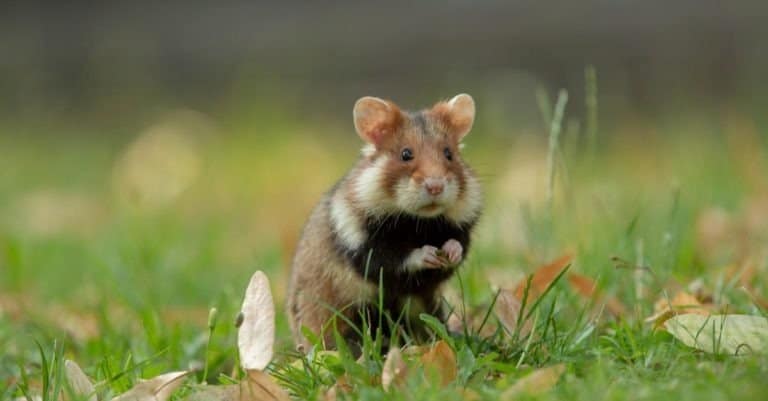
Grasslands cover nearly fifty percent of the African land surface and grasslands in general support a diverse amount wildlife. Numerous species of insects, small mammals, birds and reptiles can be found inhabiting areas of grassland around the world, along with various different species of large herbivorous mammals such as cows.

Due to the open and uncovered nature of grassland, predators are much easier to spot, giving the smaller animals that chance to run away and hide. Given the lack of hiding places for predators, the African savanna regions support a much greater diversity of wildlife than the temperate grasslands do.

It is thought that grassland once covered nearly two thirds of land on Earth. Grasslands have changed rapidly due to agriculture and farming and today, only a small area of grassland still contains its original animals and vegetation.

Thank you for reading! Have some feedback for us?