
Quick Take
- Antlers can grow up to one inch per day during peak season.
- Relying on keratin structures creates a permanent vulnerability because they never regenerate after a battle.
- Shedding calcified bone is how antlers are regrown each year.
- If permanent horns are broken or damaged, they do not grow back, giving the animal a permanent disadvantage.
Animals with antlers and horns have dominated the earth for centuries. These intimidating features are symbols of power, strength, and hierarchy within their wild herds. And all too often, these terms are used interchangeably when the two structures are vastly different from one another. While one is shed and the other is a permanent fixture, antlers and horns may share a similar appearance but have completely different purposes.
In the animal kingdom, not all head adornments are created equally. And for some cervids, there’s a cost for having any at all.
Those Who Have Horns
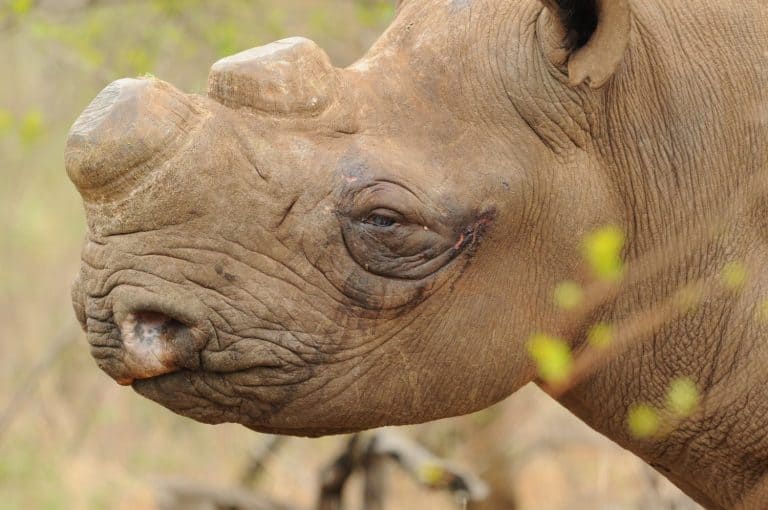
Having permanent horns has its advantages, especially when these structures are present at birth. Horns typically differ in size and shape from antlers and are often smaller. Rather than being shed annually, they grow with the animal and adjust as the animal matures. Animals that keep their horns for life include:
- Sheep
- Goat
- Buffalo
- Bison
- Rhinocerous
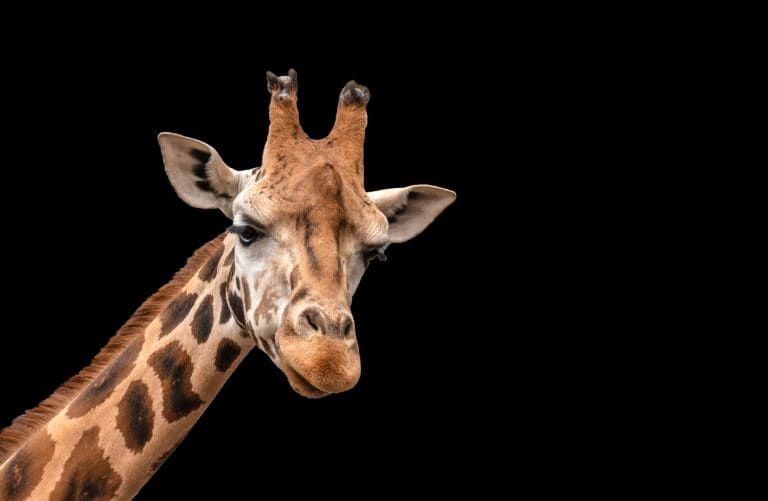
- Giraffe
- Bulls (cattle)
- Antelopes in the Bovidae family (true antelopes)
These species are wildly different, but they share one thing: They’re born with their horns, which are typically made of keratin, the same protein found in human skin, hair, and nails. It creates tough and durable structures that continue to grow year after year.
Benefits and Disadvantages of Permanent Horns
There are significant pros to having horns that never shed or fall off. Animals, such as bighorn sheep, have a consistent weapon with which they can defend themselves. Additionally, an animal such as the bison uses its ever-growing horns to win mating battles. These permanent horns are crucial to the survival of the species. For many, they’re used during mating rituals, territorial face-offs, and when determining which animal leads the herd. Cattle, such as longhorns, are particularly well-known for using their long, sharp horns against other herd members (and sometimes, humans).
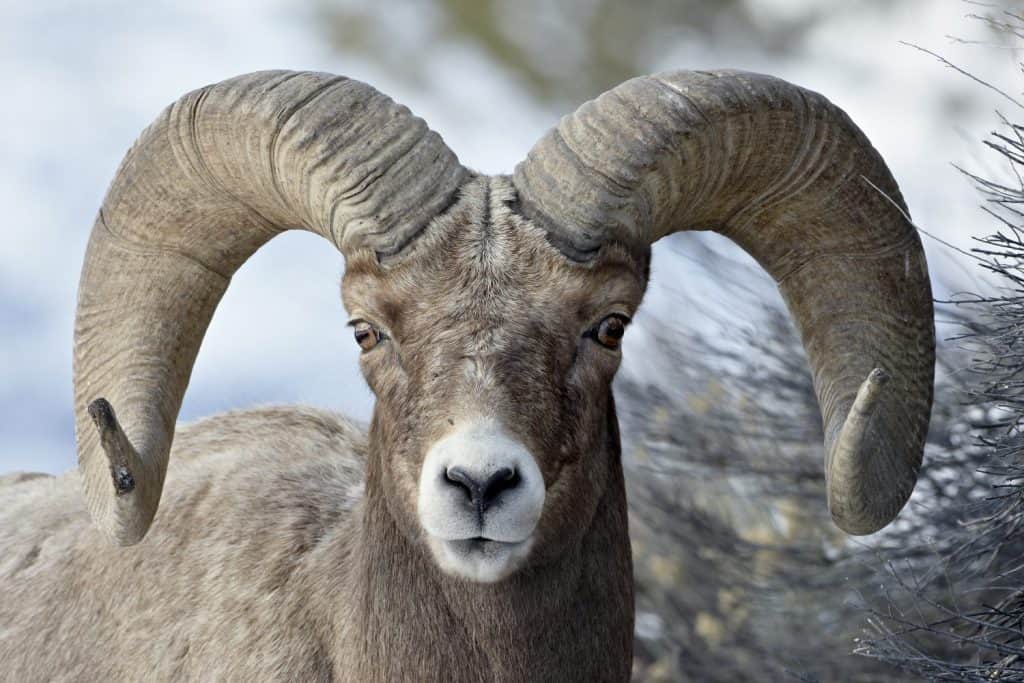
Bighorn sheep are born with their horns, which remain a permanent fixture atop their heads their entire lives.
©Robert Harding Video/Shutterstock.com
However, this natural weapon also comes with some significant disadvantages. Since horns are grown each year, they do not regenerate. Animals with permanent horns grow one pair for their entire lives, and they cannot be replaced once they’re lost. This means each battle, defensive move, or courting ritual comes with a risk. Animals who pay the ultimate price often find themselves with broken horns, leaving them vulnerable to predators and even their own herd members.
Those Who Shed Their Antlers
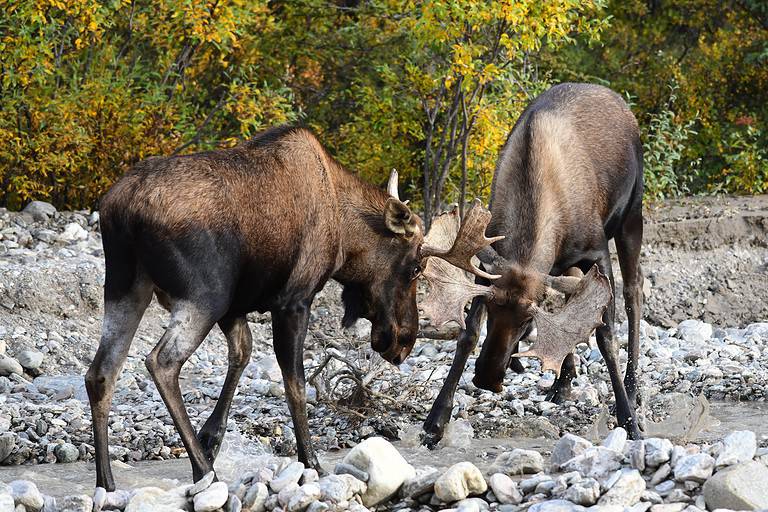
Animals such as the elk, or Wapiti, as well as the moose, are antler-shedding species within the Cervidae family. Many species of deer also join them in this distinction and share the burden of shedding antlers each year. Unlike those that have horns, cervids are far more similar in appearance and in how they use their antlers. The process of creating these is slightly more complex than keratin horns and begins when most are juveniles.
As a cervid grows, its antlers undergo ossification. Instead of keratin, these are made of cartilage that hardens and becomes calcified. While the innermost part of the antler is nearly as hard as bone, the outside is covered in felt-like hairs. The purpose of these is to supply blood to the antlers as they grow. Since they’re shed each year, antlers are also much faster-growing than horns. During peak season, antlers can grow up to one inch per day. Moose antlers can reach lengths of 6 to 7 feet across, while elk antlers can span up to five feet.
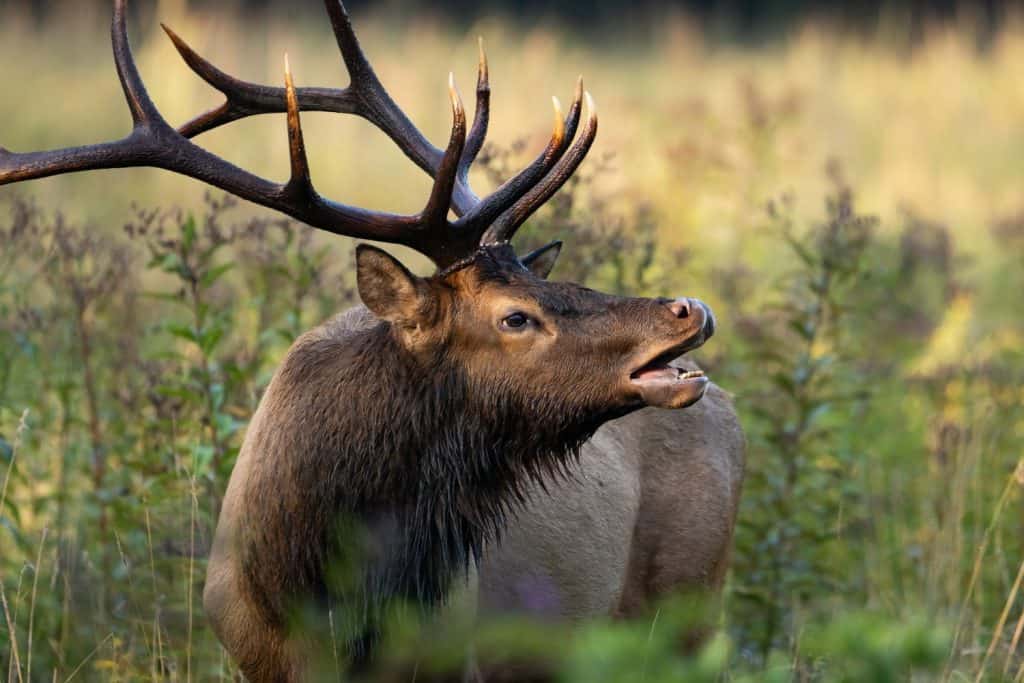
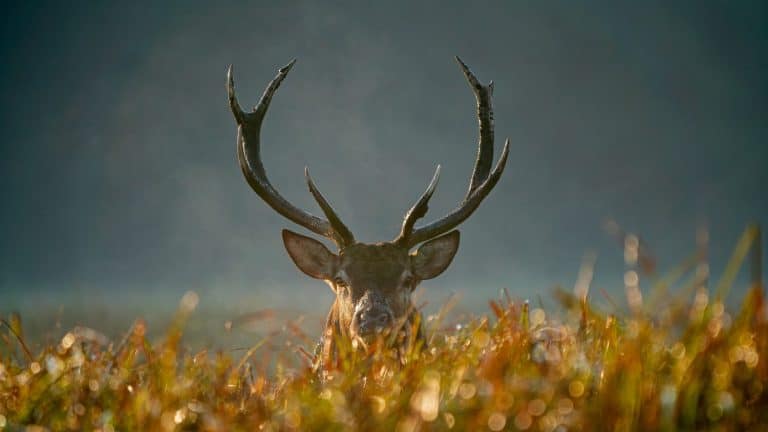
Elk use the sharp points on their antlers to engage in fights and for self-defense.
©Cavan-Images/Shutterstock.com
This is also how antlers become the coveted eight-point head adornment that’s so well-prized by collectors. Many begin their hunt after the shedding season in search of these antlers, hoping to find discarded racks in the wake of a deer trail. The growth rate of antlers is driven by testosterone, which is why they vary widely in size across males.
Benefits and Disadvantages of Shedding Antlers
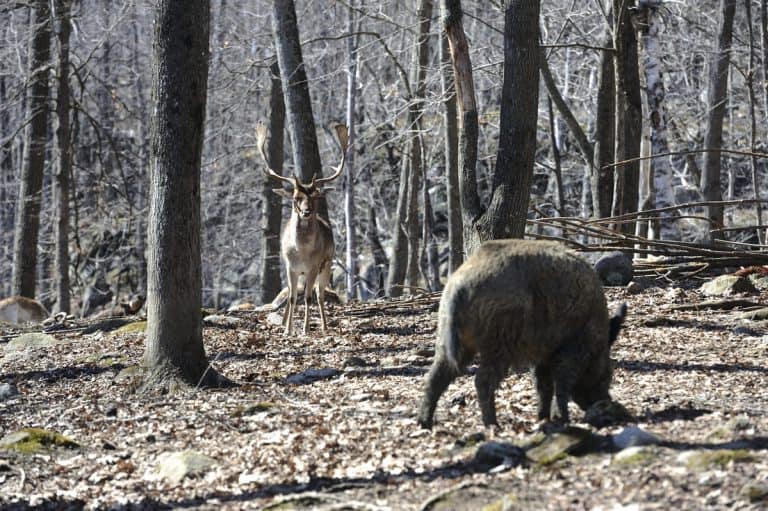
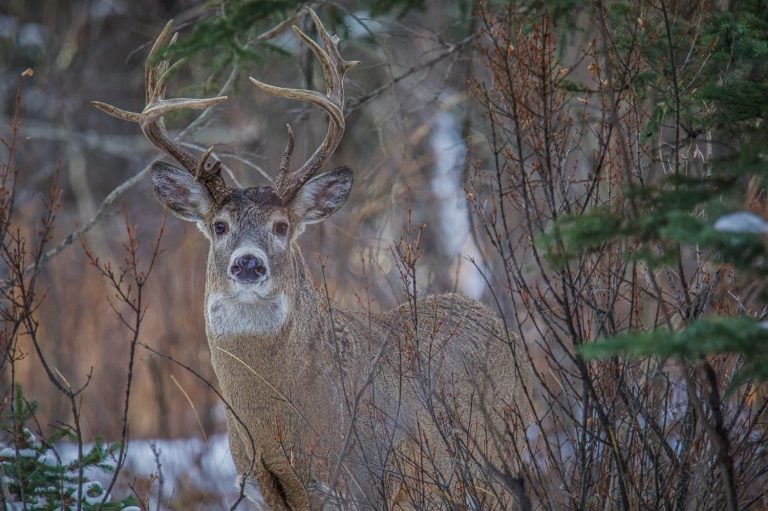
An obvious benefit to having antlers is their sheer size. Males use them to duel and leverage their size to participate in mating rituals. The larger the antlers on the buck, the more likely it is to find a mate for the season. Additionally, the size of a deer or elk’s antlers dictates its place in the herd. Large antlers can be used to intimidate and win fights each season. Another advantage is the ability to regrow antlers, which those with permanently fixed horns lack. If an antler is broken or damaged, a new one will eventually replace it.
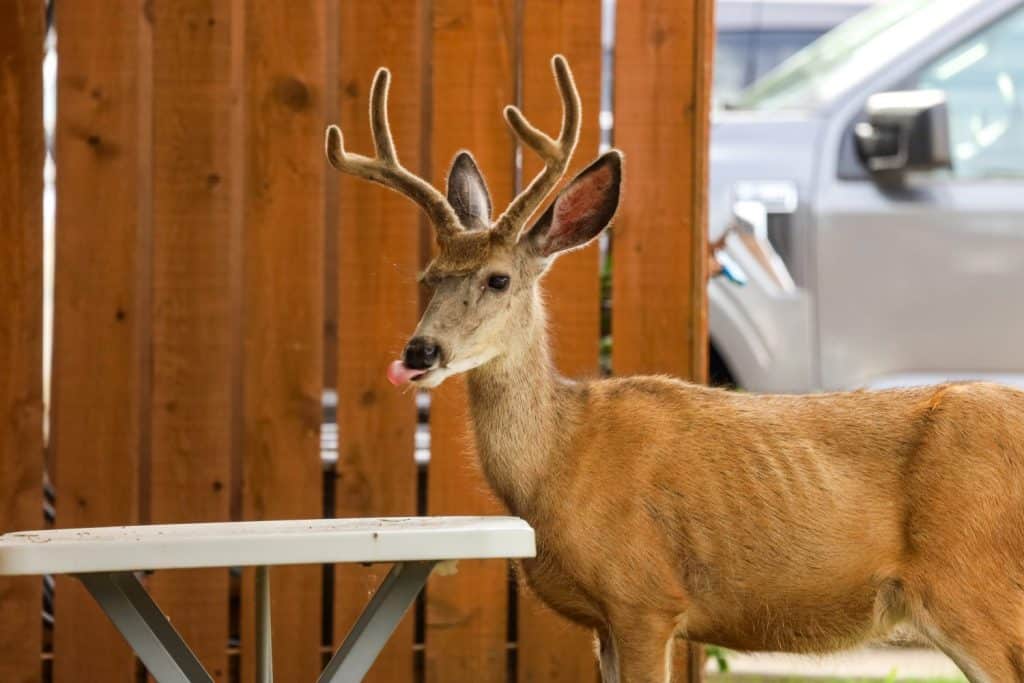
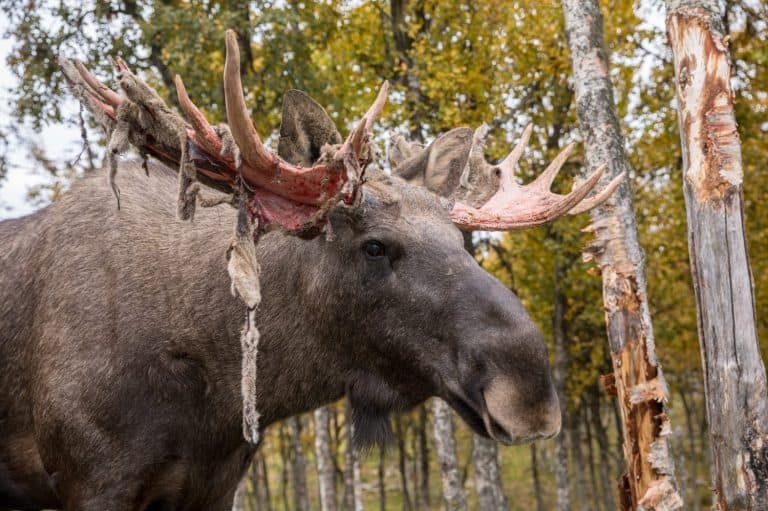
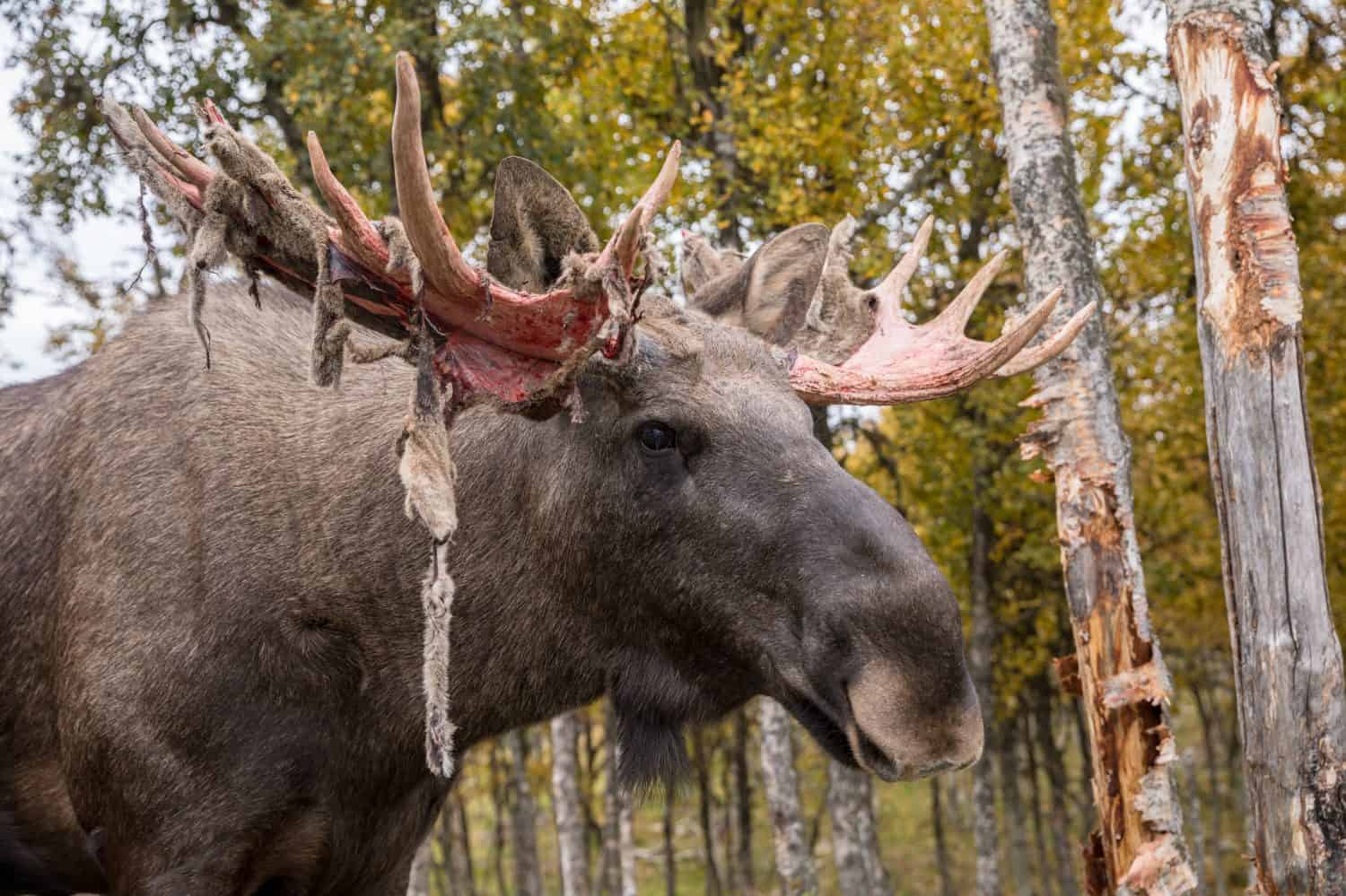
Shedding velvet from antlers is an itchy, uncomfortable process.
©Momoe Toyama/Shutterstock.com
Along with the benefits come the disadvantages of antler shedding. The same velvet-like fur that transports blood to the antlers must also be shed when it has outlived its purpose. This causes an itchy, uncomfortable feeling. Deer often rub their antlers on nearby trees or the ground to get rid of it, which results in nightmarish-looking fur that hangs from their antler points. While it’s not painful for the deer, it is unsightly and uncomfortable until the fur is completely shed.
Another drawback is that each season begins anew, which means the deer, elk, or moose that had the largest antlers the previous year might have the smallest the next. This gives younger cervids a chance to rise to the top and also levels the playing field regarding mating rituals. Those that don’t grow large antlers, however, never truly have a shot. It should be noted that a deer’s antlers do not necessarily dictate its behavior. Aggression in bucks is generally related to age, size, and testosterone levels, rather than the specific number of antler points.