
Quick Take
- Antlers and horns look similar, but confusing them means missing a critical biological difference that changes everything about how they work. See how they differ →
- A buck's body will sacrifice its own skeleton to build his antlers, and the consequences are more dramatic than you'd expect. Explore the biology →
- The velvet stage looks harmless, but what happens when it dries out is far more dramatic than the fuzzy coating suggests. See the velvet stage →
- Once antlers drop, other animals race to find them, and the reason why reveals something unexpected about how nature recycles. Discover nature's recycling →
During the month of July, many deer species sport soft, furry antlers with a velvety coating. However, these antlers are temporary, and their appearance will soon change. July is a special month for antler development, and this is when some of the most astonishingly rapid growth happens. Let us take you through the journey of antler development.
Which Animals Grow Antlers and Why?
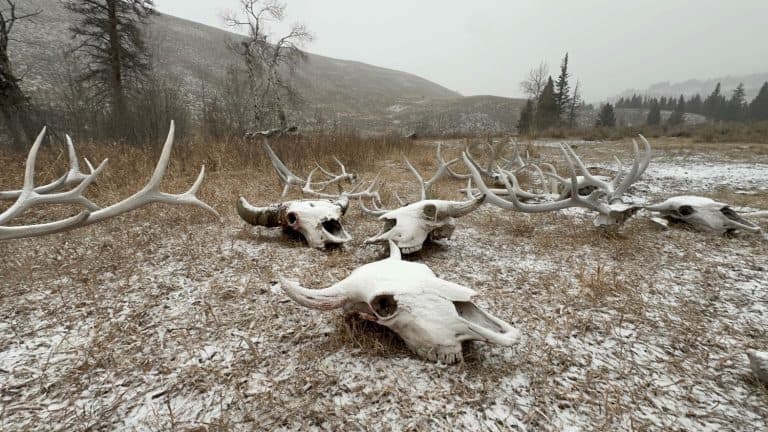
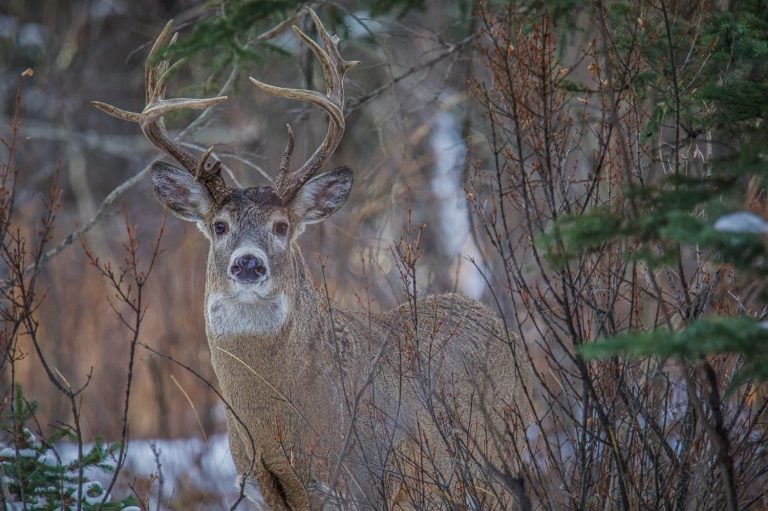
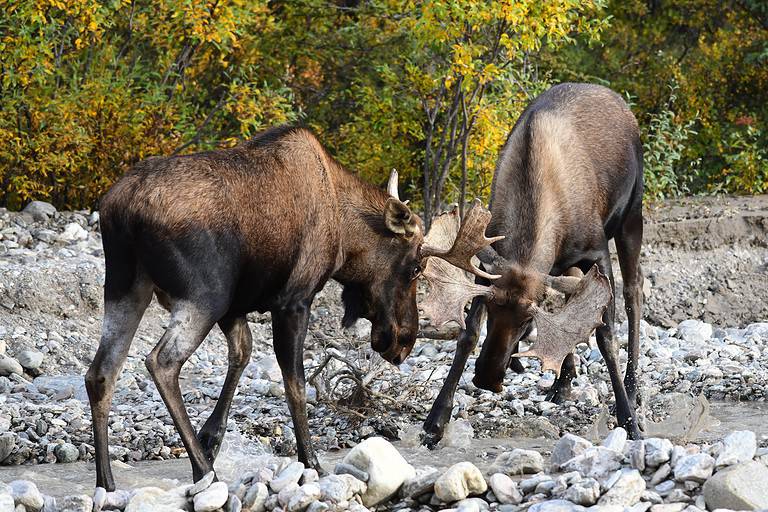
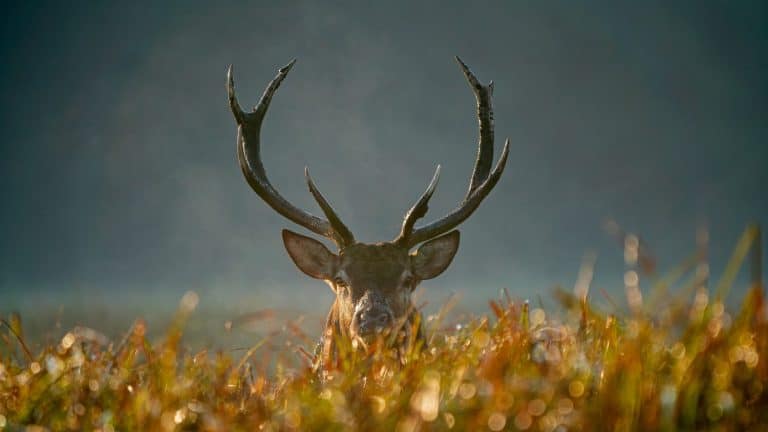
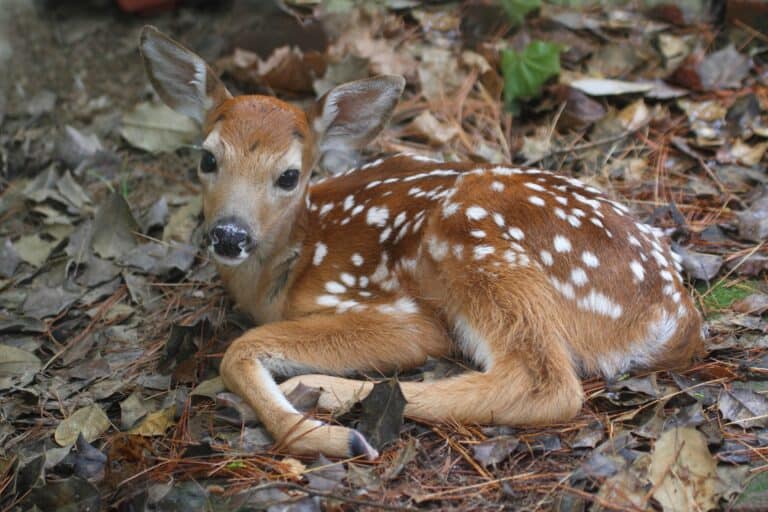
Animals in the Cervidae family grow antlers. That includes white-tailed deer, elk, caribou, and moose. With the exception of caribou, only males grow antlers, and in some species, these antlers can be enormous. Moose have the largest antlers of all. Antlers are essentially branched bones that grow and are shed annually. Sometimes antlers are confused with horns, but they are very different. Members of the bovine family (bison, domestic cattle) grow horns, and they are permanent bony structures covered in keratin. Both males and females have horns.

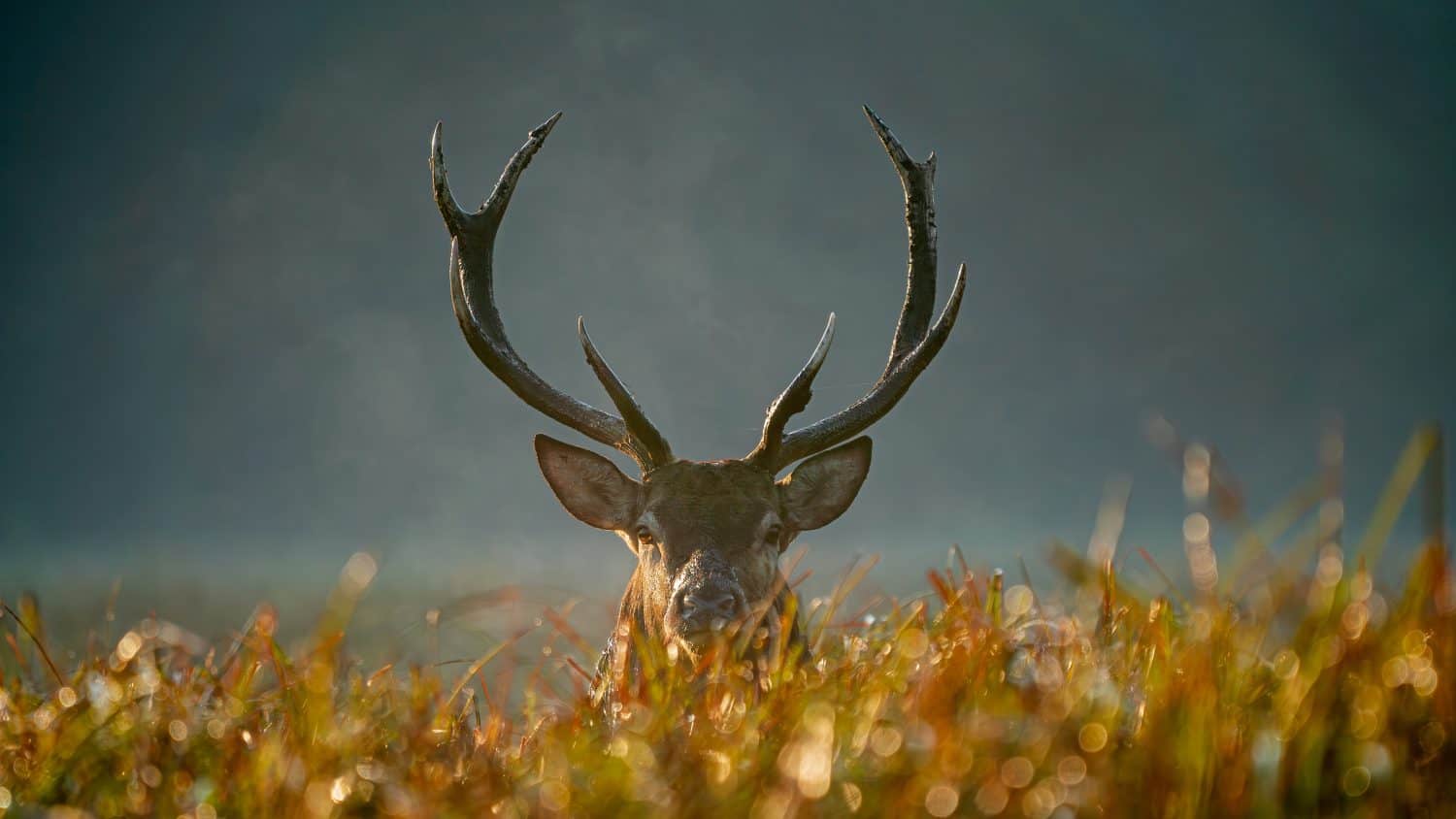
Antlers are a display of dominance.
©John Boland/Shutterstock.com
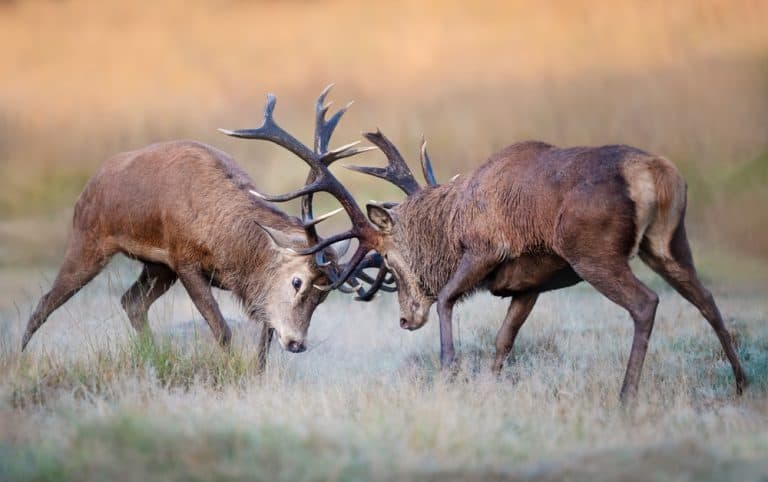
Deer use antlers during the breeding season. They are a display of the buck’s (male deer) health and energy, and he uses them to impress the females. He is quite right to do so because deer with the best nutrition and the healthiest, protein-rich diet have the largest antlers. Also, males rub them on vegetation to scent-mark the area at the beginning of a process called rutting. Males also spar by dipping their heads and locking antlers to assert dominance over rivals. Sometimes, posturing and playful sparring are enough to establish dominance, but occasionally a real fight breaks out. Equally matched males will lock antlers and push against each other until one backs down. In some cases, these battles can become violent, resulting in severe injuries or even death.
How Do Antlers Grow?
Antlers grow from bony supporting structures called pedicles. These are located in the lateral region of the frontal bones of the skull. Antlers undergo an annual growth cycle that begins in April or May. Their growth is triggered by increasing daylight, which stimulates testosterone production in male deer. This hormone makes the antlers start to grow. Initially, antlers grow slowly, but by July, their growth becomes rapid. Elk antlers can grow as much as an inch per day, and moose can add up to a pound of antler daily!
Velvet Covering
As the antlers are growing, they are covered in a layer called velvet. It is a type of skin covered in short, dense fur. The velvet has tiny blood vessels that carry oxygen-rich blood to the growing bone. At first, the antlers are cartilage, but later they calcify and turn into bone. The outer spongy bone mineralizes into compact bone for strength. Growing antlers is hard work. If a buck does not get enough nutrients in his diet, his body will draw calcium from his bones to support antler growth, which reduces his bone density. For example, a white-tailed deer can devote up to a quarter of its dietary energy to growing antlers.
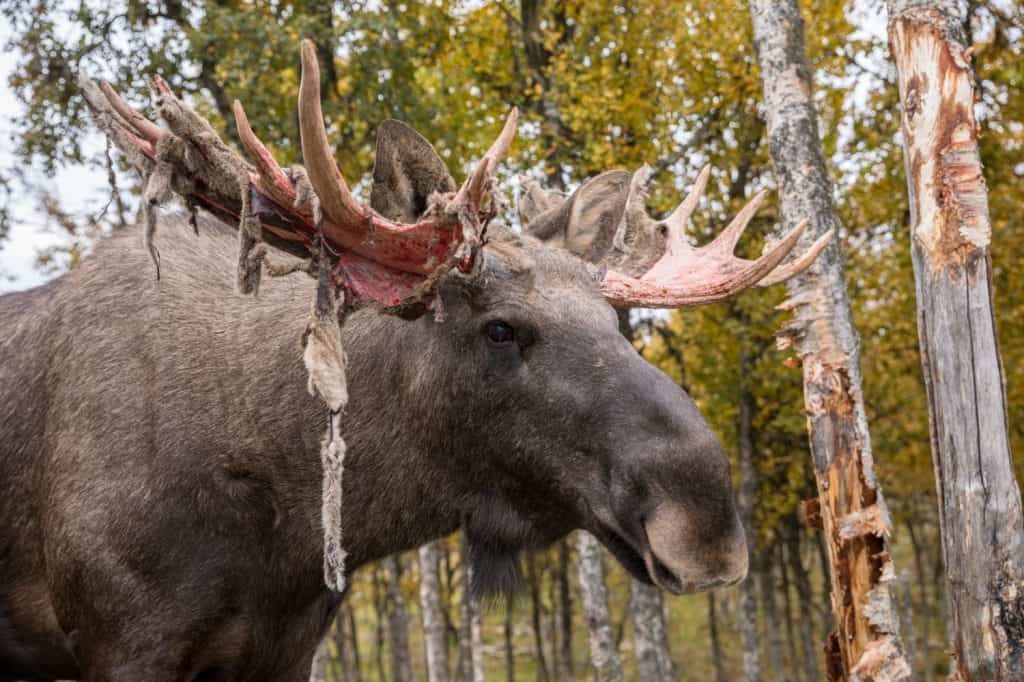
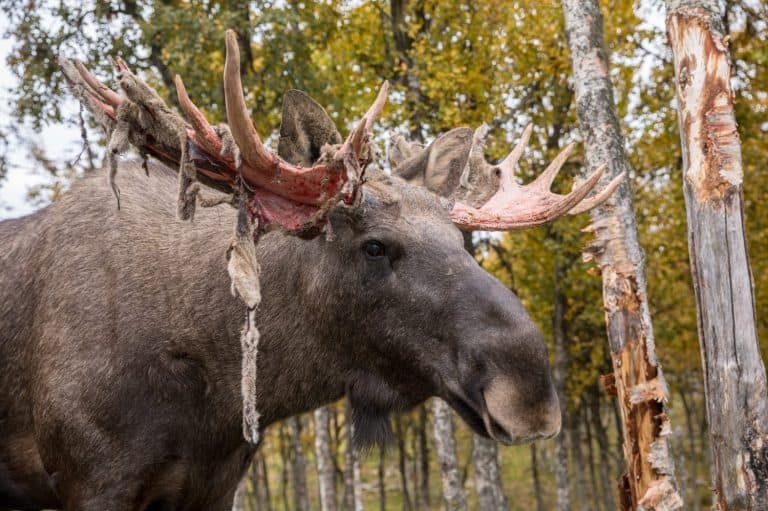
Antler velvet eventually sheds.
©Lillian Tveit/Shutterstock.com
Once the antlers are fully grown, the blood supply is no longer needed and is cut off. The velvet dries out and becomes itchy. This is when you see deer rubbing their antlers against trees or plants to try to scrape the velvet off. Often, the velvet hangs from the antlers in blood-soaked strips, which can look gruesome but are neither painful nor harmful to the deer.
The Final Stage – Antler Shedding
After the rutting season ends and the buck has mated, he no longer needs his antlers. At this point, the antlers become unnecessary weight, so it makes sense for the buck to shed them. Decreasing daylight reduces testosterone levels, causing the attachment between the skull and antlers to weaken. Antlers are heavy! A healthy elk with dense mineralization can have antlers spanning 4 feet and weighing 20 pounds each. Moose antlers can span 6 feet and weigh up to 40 pounds each! After the antlers have fallen off, it takes about three weeks for new antler growth to begin on the scab that forms over the pedicles.
What Happens to the Shed Antlers?
Nature does not let anything go to waste. Shed antlers are rich in calcium, phosphorus, and protein. Rodents such as mice and squirrels often gnaw on shed antlers. This provides them with much-needed nutrition and also helps to wear down their teeth. There are even reports of bears and foxes eating antlers. If you wish to collect shed antlers, be mindful that shed hunting is subject to seasonal restrictions and regulations that vary by location. Always check local laws before collecting antlers.