
Quick Take
- Colombia has tried culling, sterilization, and international export to stop its hippo crisis, but every single approach has collapsed for a different reason. See every failed approach →
- The same hippo that's an ecological villain in Colombia is officially classified as vulnerable to extinction elsewhere, and that contradiction is reshaping how officials respond. Explore the conservation paradox →
- A single leaked photo in 2009 shut down the government's first attempt to control the population, and the consequences of that decision are still playing out today. How a photo derailed the cull →
- The rescued baby hippo ended up in the one place in Colombia most tied to why this problem exists in the first place. See where the hippo landed →
A newborn hippopotamus found by fishermen along a riverbank in northwestern Colombia has put the spotlight back on drug kingpin Pablo Escobar. The tiny hippo, found dehydrated and malnourished, is one of 200 or so wild hippos that live in Colombia.
Now an entire country is trying to figure out what to do with the non-native species.
How Did Hippos End Up In Colombia?
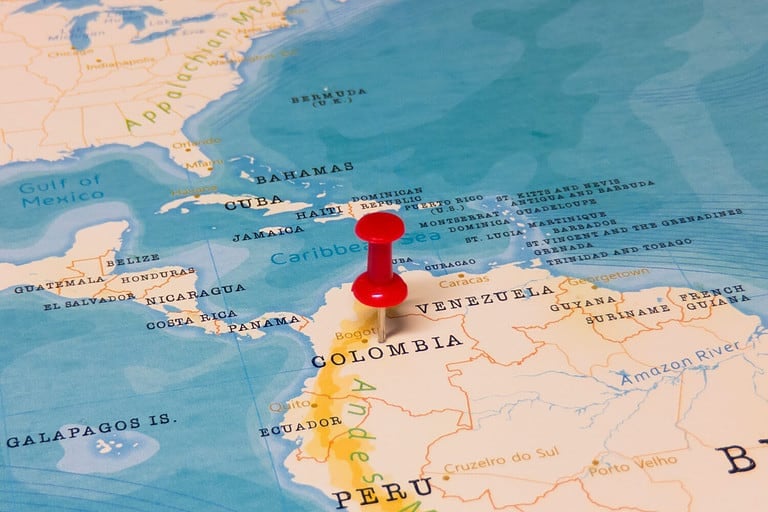
Pablo Escobar, the head of the Medellín drug cartel, imported four hippos in the 1980s for his private zoo at Hacienda Nápoles, his sprawling estate near Puerto Triunfo, Antioquia, roughly halfway between Medellín and Bogotá. The hippos came from a U.S. zoo.
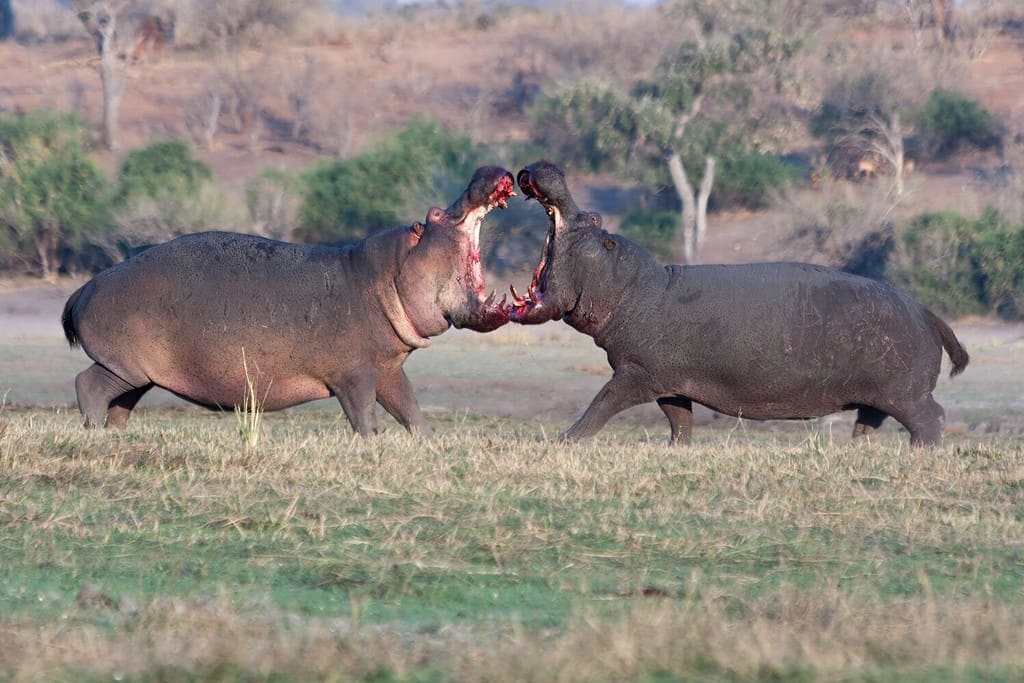
In the 1980s, drug kingpin Pablo Escobar imported four hippopotamuses to his private zoo in Colombia.
©Otto Borik/Shutterstock.com
When Escobar was killed in 1993, most of his exotic animals were confiscated and moved to zoos. However, the hippos were too big and dangerous to move, so they were left behind. With nobody caring for them or paying attention to their enclosure, the hippos eventually escaped and fled to the nearby Magdalena River, Colombia’s longest and vitally important waterway.
The River Is a Hippo’s Paradise
The warm, marshy habitat of the Magdalena was ideal for the roaming hippos. There was plenty of food and, more importantly, no natural predators like crocodiles or lions. The hippo population grew rapidly and has continued growing ever since.
The latest estimates from Colombia’s Environment Ministry put the current figure at about 200 hippos. A study estimates that the overall population increases nearly 10 percent each year. The Colombian hippo colony is the largest outside Africa and is considered the largest invasive animal species in the world.
The Government Views Hippos Differently
In 2022, Colombia’s Ministry of Environment officially declared hippos an invasive species through Resolution 346. They cite the animals’ ecological impact, damage to plant life, water pollution, and adverse impact on fishermen’s livelihoods.
“Because they are such large animals, they consume considerable amounts of grassland and produce significant waste, which then poisons the rivers,” Audrey Huse, an independent journalist in Colombia, told CBS News.
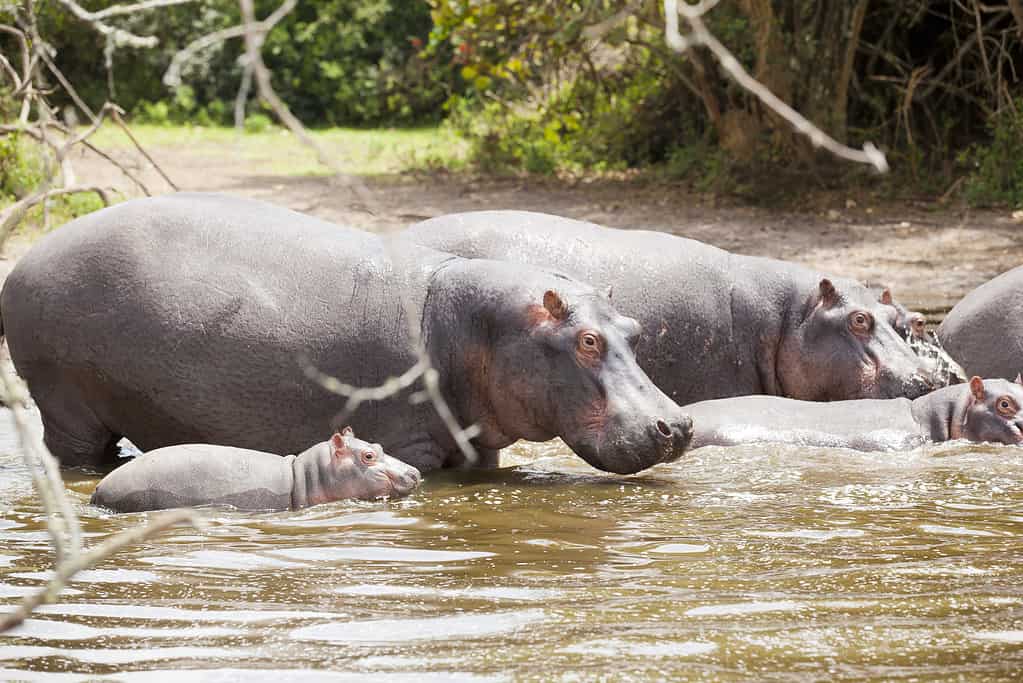
After Escobar’s death, the hippos were abandoned and eventually escaped to a nearby river.
©1001slide/iStock via Getty Images
According to Huse, the hippos also kill fish and threaten native animals like turtles, otters, and manatees.
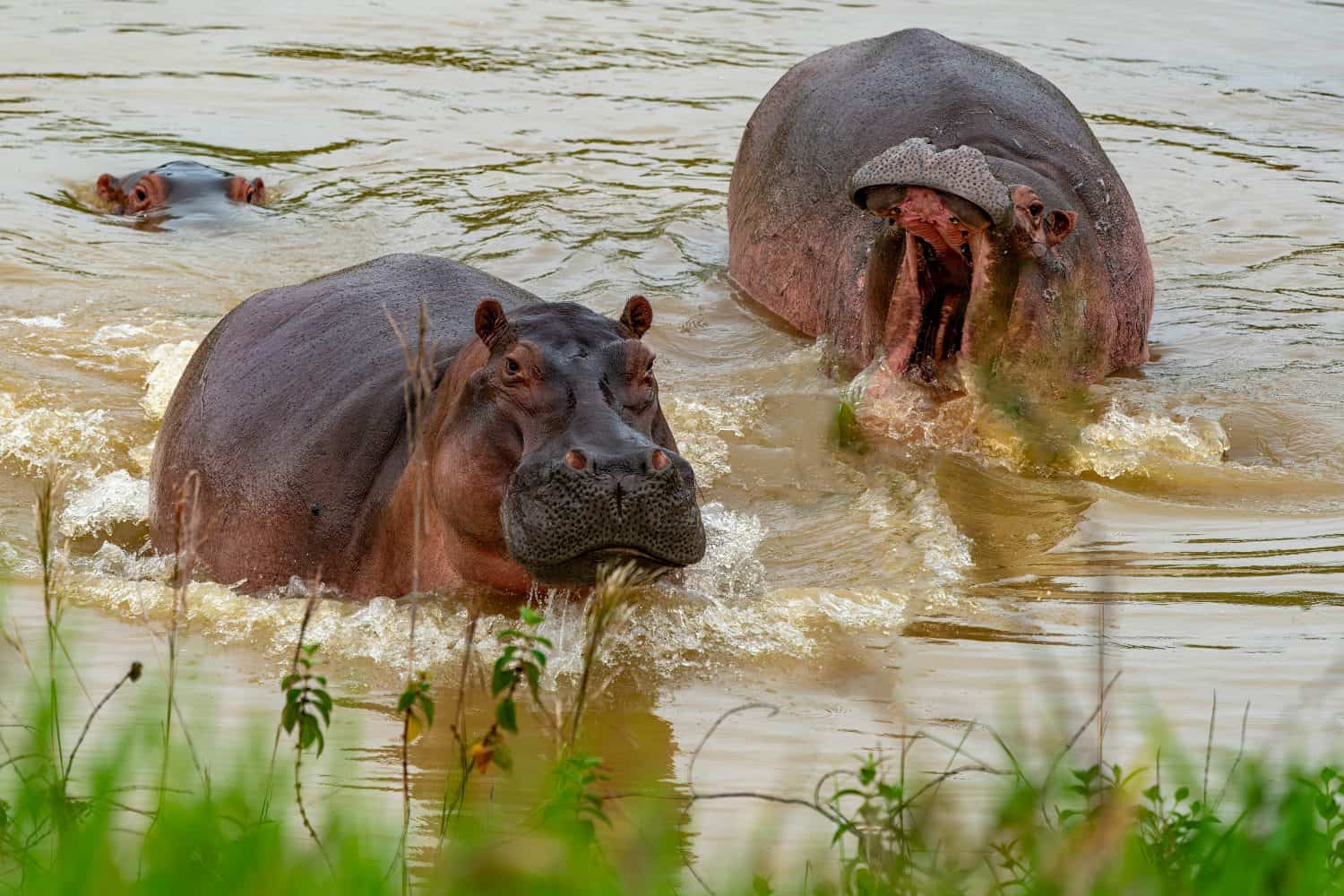
The hippos’ heavy bodies erode river banks and destroy nearby forests. They compete with river manatees for food sources. They are also territorial and aggressive. Reports state that at least two people have been injured since 2019.
This contrasts with the IUCN Red List, which lists hippos as vulnerable in their native Africa. This illustrates how a species can be threatened in its native habitat while being considered dangerously invasive elsewhere.
What the Government Plans to Do About It
The Colombian government has been trying to control the invasive hippo population since at least 2009. At that time, the government attempted a small cull of the hippo population. However, a leaked photo of a killed hippo named Pepe sparked public outcry, and the lethal control approach was shelved.
The government then tried a mass sterilization effort in November 2023. Each procedure costs about $9,800. However, officials later determined sterilization alone was not enough to control population growth.
The government then tried exporting hippos to sanctuaries in India, Mexico, the Philippines, and Ecuador. However, a lack of permits in the receiving countries stalled the program. Cost was also a factor; it was estimated that moving just 70 animals would cost about $3.5 million.
Now, the government is once again considering culling the unwanted population. A proposal to cull around 80 hippos has been met with mixed reviews. One Colombian senator called it an extermination and massacre. Not all locals support the plan, as some earn income from hippo tourism and oppose any reduction in the wild population.
What Happened to the Found Baby Hippo?
The newborn hippo that reignited this controversy was in rough shape when a group of fishermen found it. The newborn had been separated from its mother and was hidden in bushes along the riverbank near the village of La Sierra in the municipality of Puerto Nare in Antioquia.
To protect the fragile newborn, the fishermen temporarily took it to their home while notifying environmental authorities. The family attempted to feed the newborn, but their efforts were unsuccessful.
Veterinarians treated the baby for “advanced dehydration and malnutrition,” according to a statement issued by Javier Valencia, director of the regional environmental authority. The process included subcutaneous hydration, since the doctors could not access the newborn’s veins. After the baby was stabilized, it was transferred to Hacienda Nápoles, Escobar’s former estate which is now a hippo sanctuary and theme park.
Once the baby hippo overcomes its critical condition and completes its recovery, it will stay at the park and become part of the exotic animal collection there.