
Quick Take
- Invasive species are a type of non-native species found outside their natural ranges, causing harm to other life forms or ecosystems.
- Human activity is behind the spread of these species, whether intentional or accidental.
- The cane toad was introduced to Australia from Hawaii in 1935 to eat grey-backed cane beetles that were destroying sugar cane plantations.
- Five potential methods exist to control invasive species.
- National Invasive Species Awareness Week is an international event led by the North American Invasive Species Management Association (NAISMA).
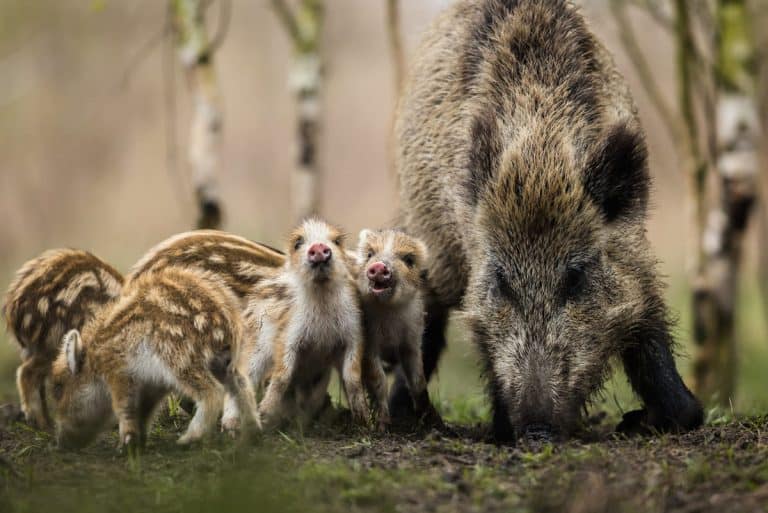
National Invasive Species Awareness Week 2026 occurs between February 23 and February 27, 2026. Invasive species are frequently ecological disasters, as evidenced by the damage caused by feral pigs and the decimation of wildlife inflicted by Burmese pythons in Florida’s Everglades. In this article, we discuss what defines an invasive species, how they spread, the impacts they have, and what can be done about them.
What Is an Invasive Species?
Invasive species are a type of non-native species. These are animals found outside their natural ranges, although it can also pertain to plants. Within a habitat there exists a finely balanced ecosystem where animals and plants that have evolved together over millions of years are held in a delicate equilibrium. Once you introduce an entirely new species into the mix, the disruption can be extreme! In the case of introduced predators, native animals are at a huge disadvantage; they are not used to being hunted by these new animals and have no natural defense mechanisms against them. And when it comes to insects, the plants they attack have no natural resistance.
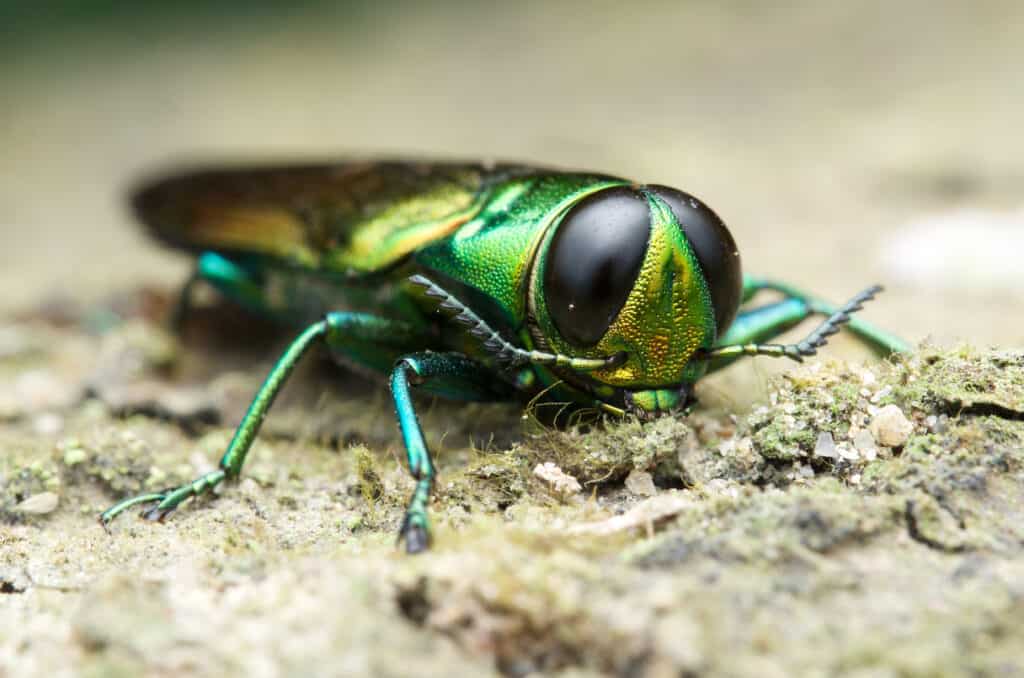
Emerald ash borers infest ash trees.
©Herman Wong HM/Shutterstock.com
When an invasive species is in its natural range, natural predators, competitors, or even parasites kept their numbers in check. In a new habitat, where these natural controls are absent, the populations of invasive species can explode with catastrophic results for other life in that location. When a non-native species has a negative impact on other organisms or environments, it is termed invasive.
What Damage Do Invasive Species Cause?
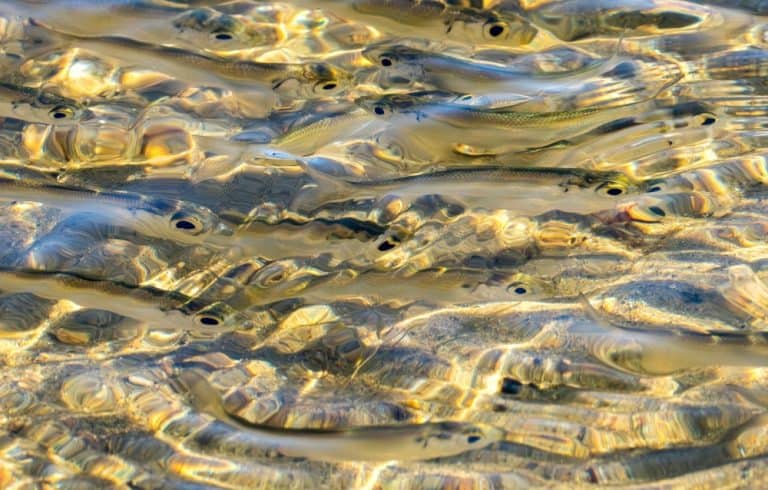
Invasive species can damage ecosystems in several ways. For example, they can out-compete native species for food. We know that bighead and silver carp that escaped into the Missouri River from fish farms outcompete native paddlefish for plankton because they have a faster feeding cycle than the native fish.
Sometimes invasive species damage property. Invasive zebra mussels can clog the cooling systems of boat engines and damage water pipes. The new species can introduce a disease that the local animals (and plants) lack immunity for. They can also decimate native plant species; for example, the emerald ash borer rapidly damages ash trees. Finally, if the invasive species is a top predator, it can decimate other animal populations in the area through overhunting. The classic example of this is the Burmese python, which has drastically reduced the native raccoon and rabbit populations in southern Florida.
How Are Invasive Species Spread?
Inevitably, human activity is behind the spread of these species. Sometimes this is deliberate, as with starlings (Sturnus vulgaris) released into New York in the 1890s to make the area feel more familiar to European settlers. Others are accidentally or purposely released from homes or breeding facilities as part of the exotic pet trade. The Burmese python was likely first introduced into the Florida Everglades as released pets, but when Hurricane Andrew hit a breeding facility in 1992, many escaped, and they gained a foothold. Others are released for hunting or as pest control, such as the cane toad introduced to Australia from Hawaii in 1935 to eat grey-backed cane beetles that were destroying sugar cane plantations.
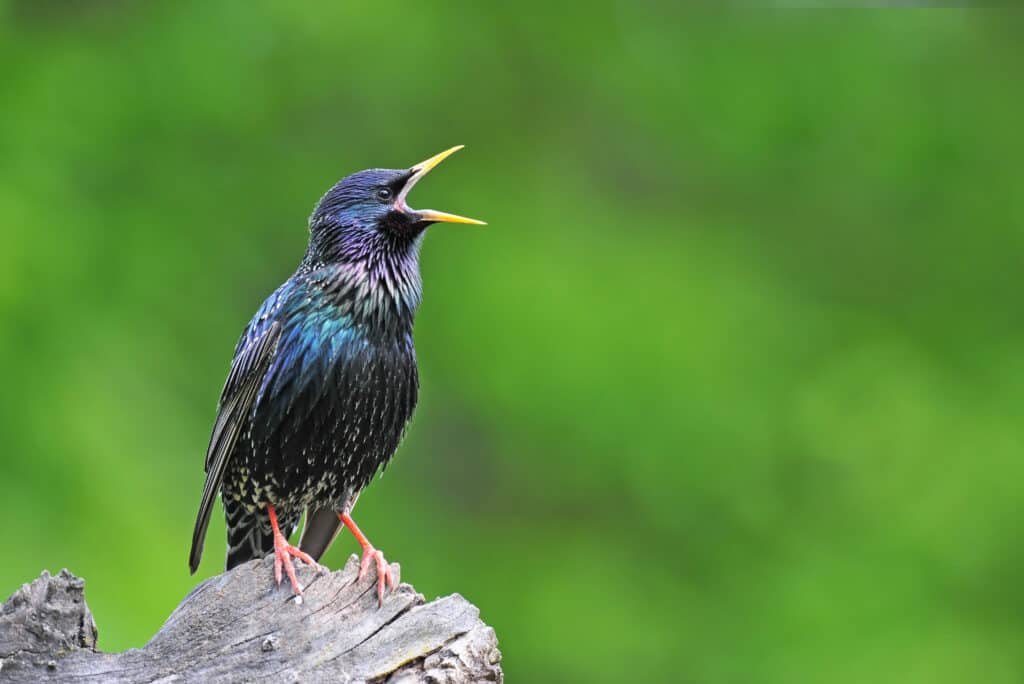
European starlings were introduced to New York.
©Soru Epotok/Shutterstock.com
Many species are accidentally transported from one location to another in cargo, hitching a ride on planes and ships. Zebra mussels were introduced to North America in ship ballast water from Russia and Ukraine. The emerald ash borer was likely introduced to the US in packing crates in the 1980s/1990s.
There is also a complex relationship between climate change and invasive species. In some cases, changing climate can help species spread and establish themselves in parts of the world that would previously have been inhospitable to them.
What Can Be Done About Invasive Species?
A non-native species does not inevitably become invasive. When a new species is identified in a new location, agencies first need to monitor it carefully. Is it thriving? Is it becoming dominant? Once they establish that it is potentially damaging, it may need to be controlled.
Five potential control methods exist, although they can be combined for an integrated approach.
- Biological control: This is the use of biological agents (natural predators). For example, a parasitic wasp is being used to control the emerald ash borer. This method has to be approached very carefully, or you could just end up with another invasive species causing problems!
- Chemical control: Some animals can be controlled with pesticides. For example, chlorantraniliprole and thiamethaxim have been used to control Helicoverpa armigera on tomato plants. However, chemicals can damage the environment, may not be practical over large areas, and animals can develop resistance.
- Cultural: Changing habits to reduce the spread of invasive species or reduce their numbers. For example, encouraging people to catch and eat lion fish or outlawing the feeding of feral cats.
- Mechanical: Physically removing invasive species, for example, by hunting or trapping feral hogs.
What Happens During National Invasive Species Awareness Week?
National Invasive Species Awareness Week is an international event led by the North American Invasive Species Management Association (NAISMA). It’s an opportunity for local, state, tribal, federal, regional, and international private and public partners to coordinate their efforts. Plenty of events across the country shine a spotlight on both the ecological and economic impacts that invasive species can have. It’s also an opportunity to approach lawmakers who have the power to tackle this problem.