
Quick Take
- While you're still packing for a beach vacation, millions of Arctic shorebirds are already racing south, and the reason they can't wait has nothing to do with the cold. Why migration starts in July →
- Arctic shorebirds have a nesting window so razor-thin that a single bad weather week can unravel the entire season, and this is how they gamble everything on perfect timing. See the tight nesting window →
- Climate change is reshaping the Arctic faster than most species can handle, yet these shorebirds are pulling off an adaptation that scientists didn't expect. Explore their climate adaptation →
- If you live in one of these inland U.S. states, you might be sitting on a world-class shorebird hotspot without knowing it. Your window to see them, however, is closing fast. Find nearby stopover hotspots →
Summer may be in full swing for those enjoying time along the coast, battling the high temperatures. However, during this hottest of seasons, Arctic shorebirds already have winter on their minds. Millions of these shorebirds start migrating south in July. Those lucky enough to live in stopover states can observe these transient birds firsthand. But do not wait, because Arctic shorebirds do not stay in one stopover location for long.
July Signals the Beginning of Migration Season for Arctic Shorebirds
Temperatures in July are soaring across the United States. In the Arctic, it is the height of the melt season. This is when Arctic shorebirds are fattening up on invertebrates while they still can before they begin an arduous migration that is thousands of miles long.
Arctic shorebirds do not want to be in the Arctic when temperatures plummet, which is why leaving in July is a safe option both for adults and younger shorebirds born during the nesting season. The goal is to reach wintering sites within weeks to months after leaving the Arctic.
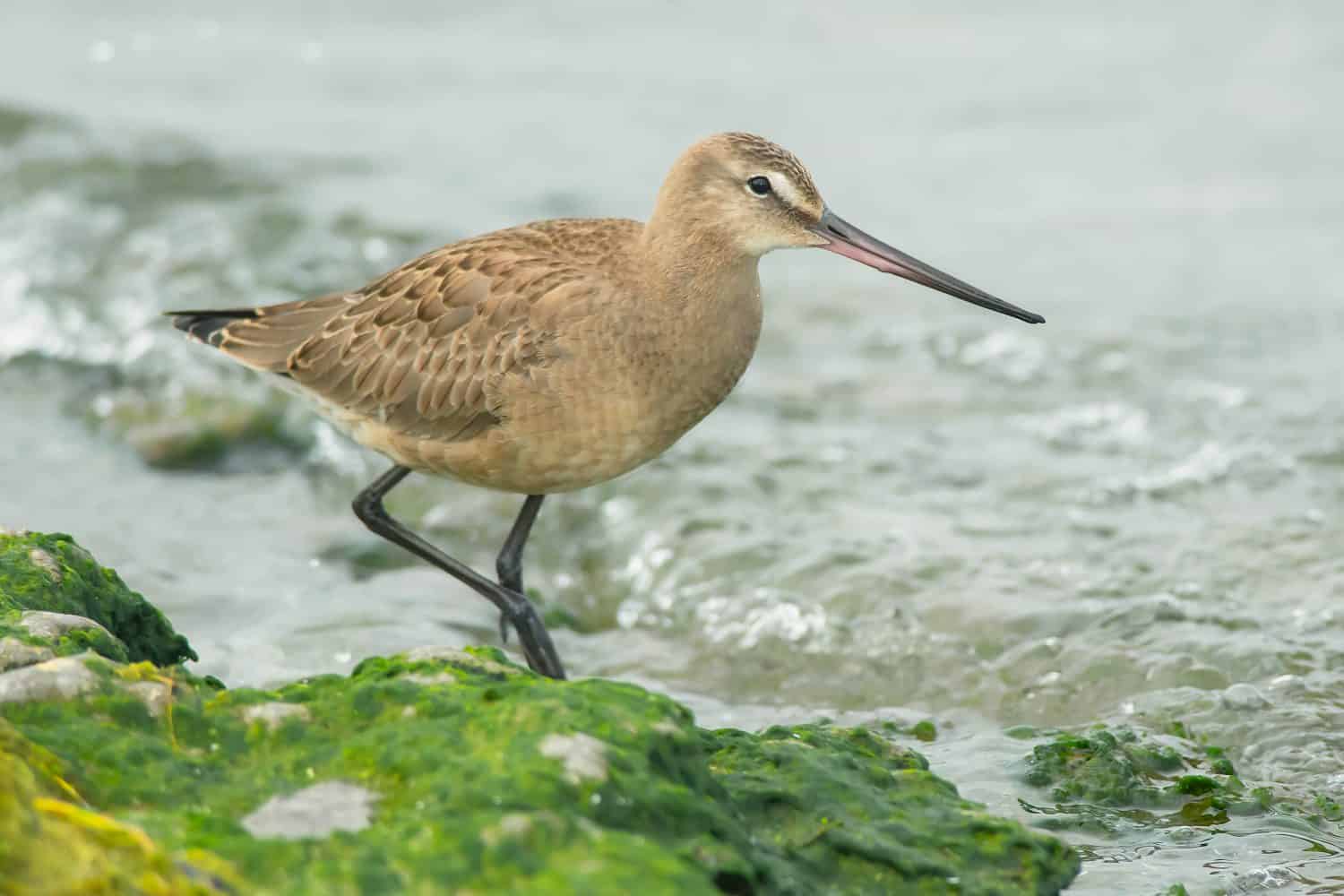
Hudsonian Godwits are one of the birds that migrate south for the winter.
©Paul Reeves Photography/Shutterstock.com
Along their migration path, the shorebirds will land at stopover sites that are rich in prey. They need both rest and refueling, given that each time they take flight, they cover a few thousand miles. Without estuaries, wetlands, or the like to feed on clams, crustaceans, and worms, Arctic shorebirds will not have appropriate fat stores to complete their journey.
By leaving the Arctic in July, not only do the shorebirds ensure they have ample food along their migratory routes, but also at their wintering sites. This gives the birds the best chance of surviving the long migration, especially the younger birds, who are most vulnerable during their first southward migration.
Nesting Season in the Arctic is Short
Thanks to evolution and generations of shorebirds making their way to the Arctic, these birds are highly attuned to weather changes. They have to be in order to have a successful nesting season, given that it is very short.
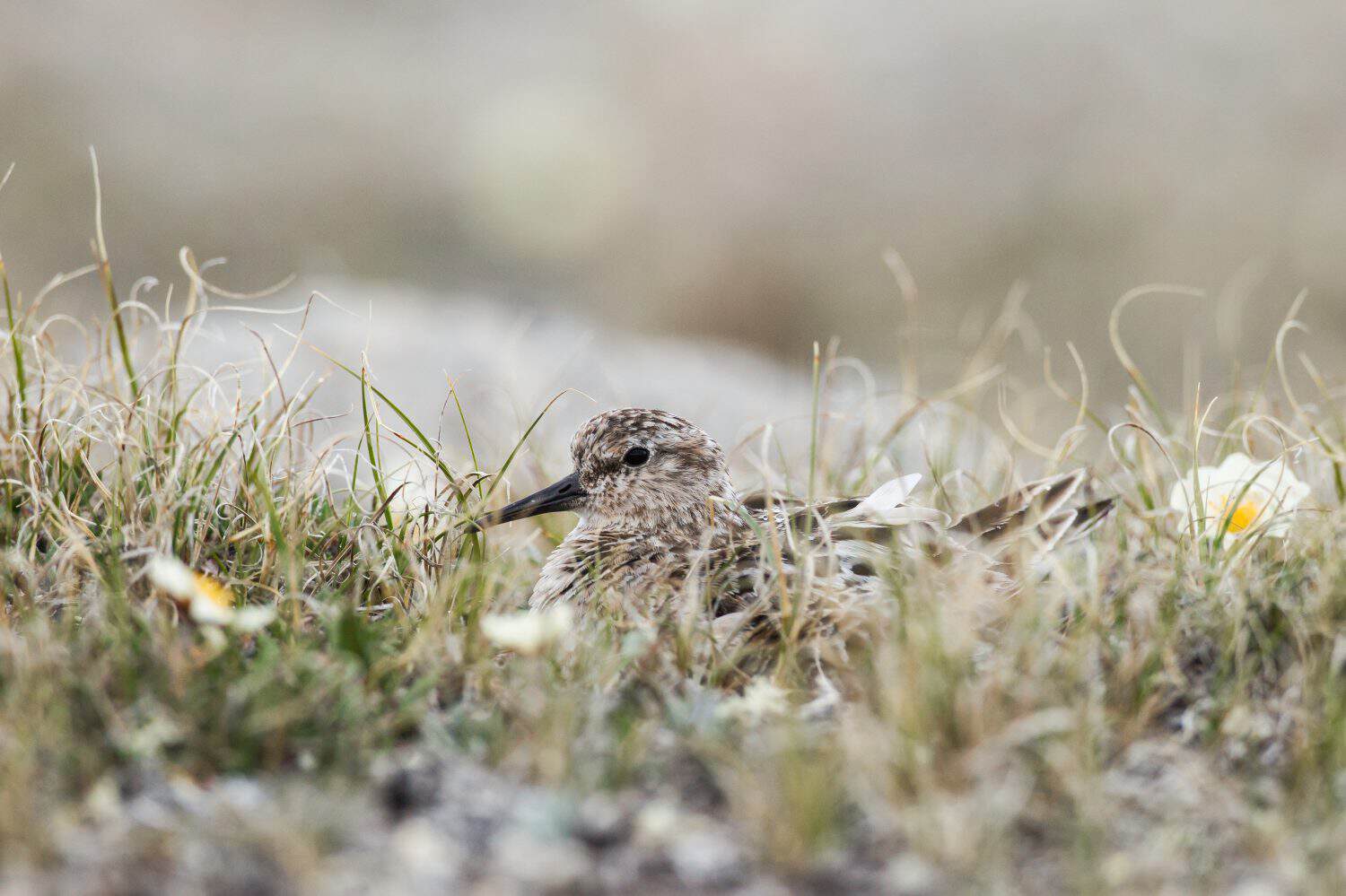
A Baird’s Sandpiper sits on the nest during the short nesting season in the Arctic.
©Jukka Jantunen/Shutterstock.com
Shorebirds arrive in the Arctic in the spring. As soon as the snow begins to melt, which happens in late May at the earliest, females lay their eggs. The goal is to have the chicks hatch when vegetation growth is rich and invertebrates are abundant. This helps protect and camouflage the chicks as they put on weight for their upcoming migration.
With all of this happening between May and July, everything needs to be timed perfectly. Any changes in weather patterns can be detrimental to the nesting season, resulting in no chicks, delayed hatching, or failure to consume enough food before attempting their journey south.
Arctic Shorebirds Have Proven to Be Adaptable to Climate Change
Unlike other species that are struggling to adapt to Arctic warming, which is outpacing rising temperatures in the rest of the world, many Arctic shorebirds have proven to be very resilient when it comes to nesting and migration.
The timing of Arctic shorebirds’ arrival in the Arctic for nesting purposes is driven by temperature. With Arctic regions warming far earlier in the season than in the past, some of these birds have adjusted their migration timing to coincide with favorable temperatures and the emergence of invertebrates. This means that there will be enough food for both the adults who migrated and the hatchlings later in the nesting season.
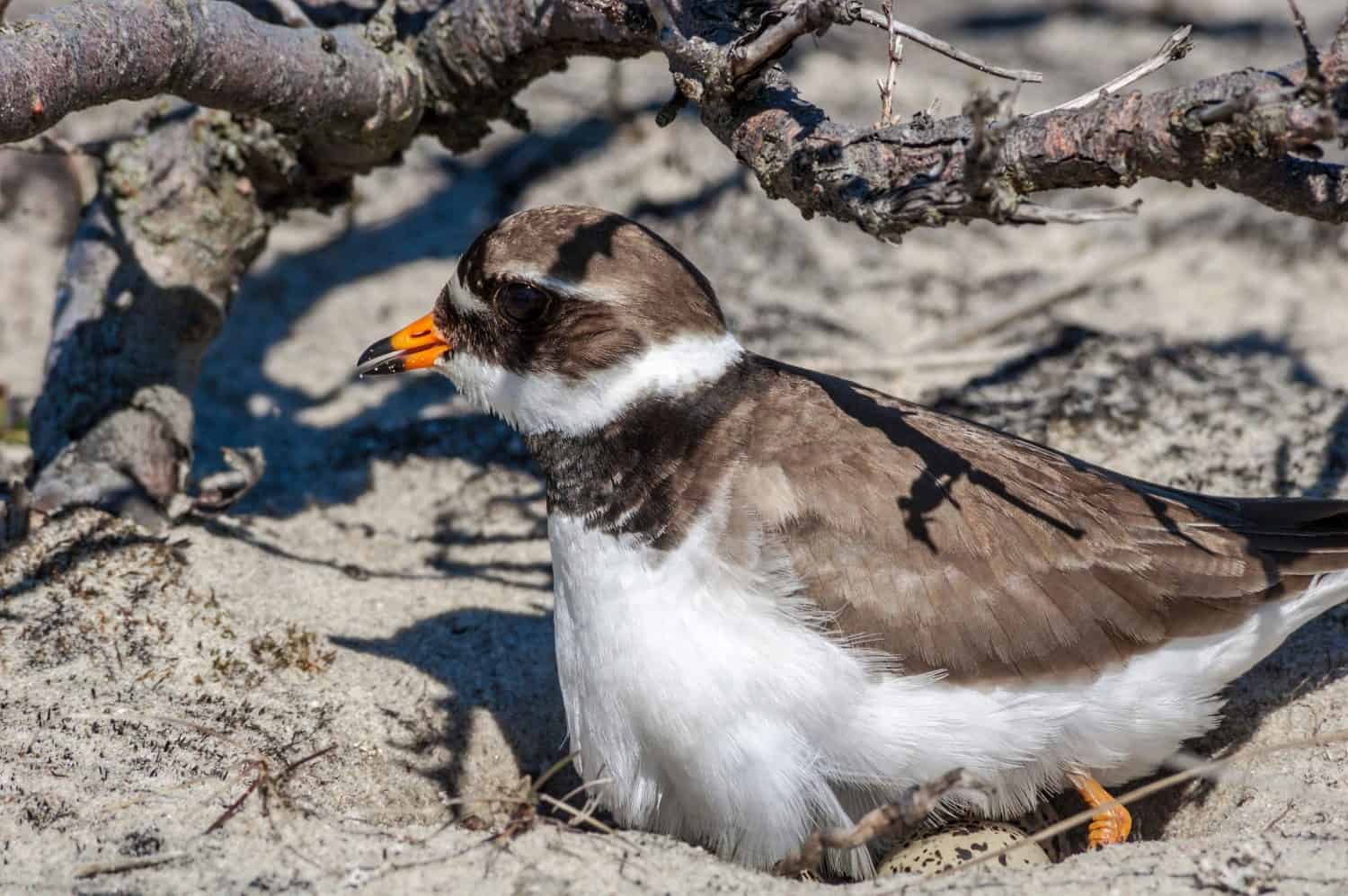
The Ringed Plover is one of the bird species adapting to temperature changes in the Arctic.
©Nick Pecker/Shutterstock.com
Additionally, as temperatures fluctuate in the Arctic, dramatic temperature drops are becoming more common. When this happens, and the eggs are no longer viable, some shorebird species can abandon their nests and lay more eggs as temperatures stabilize.
Each species of Arctic shorebird has its own temperature specifications for the nesting season. Those that enjoy warmer temperatures have been observed moving toward higher latitudes. Shorebirds that prefer cooler temperatures find accommodations farther north.
Until now, Arctic shorebirds have shown impressive adaptation to an ever-changing Arctic landscape. How long they will be able to do so remains to be seen.
Where Can Arctic Shorebirds Be Seen on Stopovers?
As the shorebirds begin their migration from the Arctic to warmer winter regions, they will have to have stopovers along the way. This allows the birds to both rest and fuel up for the thousands of miles they travel in just one direction.
Along their migration routes, there are known stopover locations that many of these birds return to annually in the United States. Those who want to catch a glimpse of these birds before they continue south have a short window. However, it is possible to see them beginning in July.
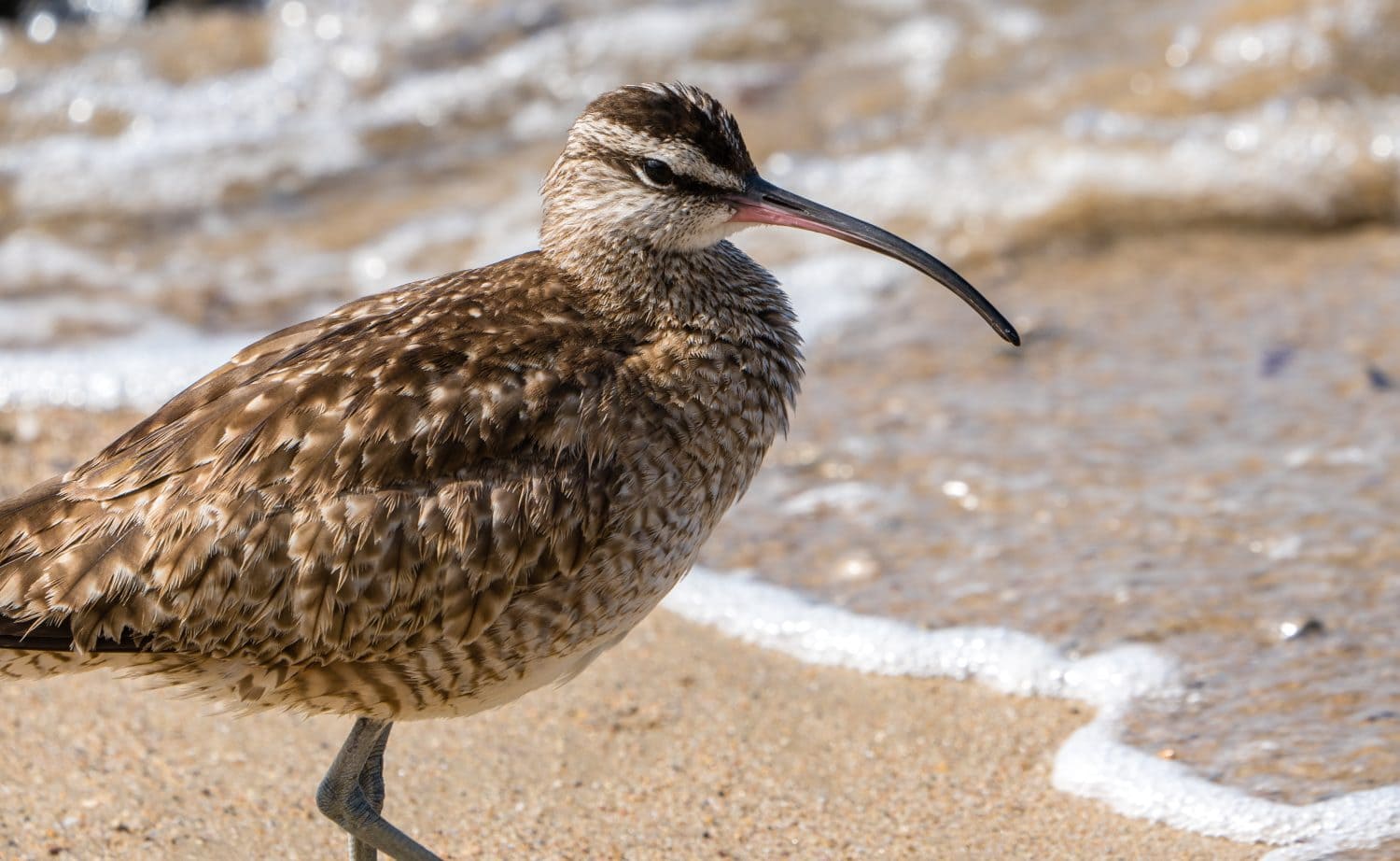
The Whimbrel is an Arctic shorebird that can be seen on stopovers in California.
©clayton harrison/Shutterstock.com
Some of the best states to catch migrating Arctic shorebirds in the U.S. include:
- West Coast: Alaska, California, Washington
- East Coast: New Jersey, South Carolina
- Inland: Utah, Kansas, Oklahoma, Michigan
Arctic shorebirds do not strictly stay along the shoreline. To stay informed of spots that are trending for the shorebirds, check with local birding organizations. They will have the most up-to-date information regarding the best spots to witness these transient birds as they take a well-deserved, yet short rest on their way to wintering grounds.