
Quick Take
- Achieving pediatric recovery may be better assisted with the help of facility dogs to produce results that exceed routine medication.
- A 20-30 minute visitation cap creates a logistical constraint for handlers managing hospital floor contamination.
- Facility dogs are utilized as clinical tools rather than just for patient morale, though their improvement on patients’ moods is clear.
- Staff-coordinated scheduling is required for most therapy dog appointments in order to verify patient eligibility and the safety of other patients before hospital visits.
In this heartwarming Instagram reel featuring a therapy dog hospital visit, a child’s whole face and being changes. This video demonstrates why pediatric hospitals include dog visit programs as part of child rehabilitation and comfort-focused care.
While dogs can’t treat a diagnosis, they can change the emotional and behavioral conditions around care, which can make procedures easier to tolerate and long stays easier to get through. This is especially true for children, as hospital stays can be especially stressful and confusing. How are therapy dogs used in these settings, and in what ways do they help young patients heal?
Dog therapy programs in hospital settings require ample screening, scheduling, infection-control protocols, and clear rules for where dogs can go, as well as how they interact with patients. When those pieces are in place, therapy and hospital facility dogs become another tool to help kids cope, beyond what typical therapy and routine medication can offer. Here’s everything you need to know about dogs that work in hospital settings, including the powerful impact they have on patients of all ages.
Therapy Dogs, Facility Dogs, and Service Dogs
Hospitals tend to use two main categories of dogs for patient support. Here are the differences between them:
- Therapy dogs are usually volunteer teams consisting of a dog and a handler. They visit patients and are meant to provide comfort or distraction. Many children’s hospitals describe these visits as part of their pediatric supportive care; the Seattle Children’s child life services page explains animal-assisted activities within the hospital environment.
- Facility dogs are highly trained working dogs integrated into clinical care, typically partnered with a staff handler who may also be a child life specialist. These dogs are part of the overall care team rather than a drop-in visit and are often considered resident dogs at whatever hospital they report to.
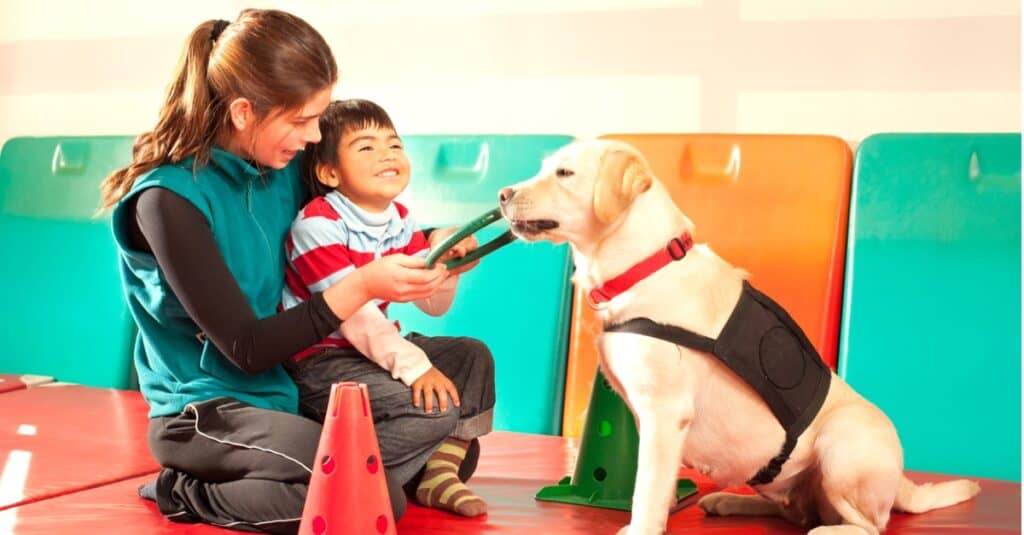
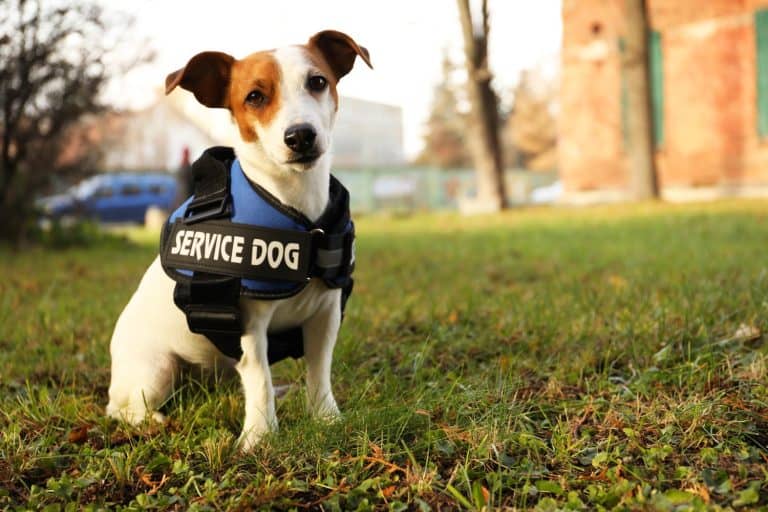
There are different types of working dogs, including therapy dogs and service dogs. In hospital settings, therapy dogs are commonly found providing comfort to patients, while service dogs assist individuals with disabilities.
©iStock.com/tifonimages
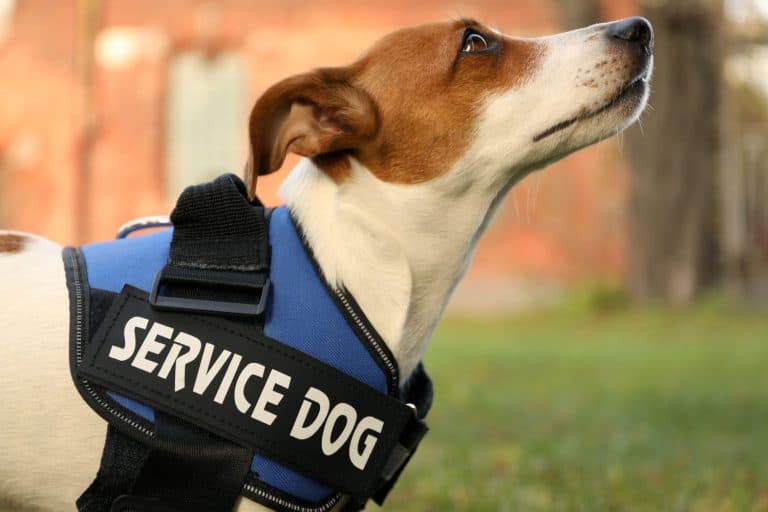
Service dogs are different from both of these categories. They’re trained to assist one specific person with a disability and aren’t part of a hospital’s therapy program, but they are welcome in hospitals when tending to their human.
What Do Kids Gain From Dog Visits in Hospital Settings?
Research on pediatric animal-assisted interventions commonly focuses on anxiety, distress, overall mood, and perceived pain, because those factors can directly affect cooperation and recovery experiences. But do dogs really make that big of a difference?
Much of the research surrounding this process reports improvements in children’s reported distress and several negative emotions after therapy dog visits, especially during long inpatient stays. In emergency settings, reports also mention lower anxiety among young patients when therapy dog interaction is added to standard support.
Children in hospital settings may be dealing with many difficult emotions, which is why therapy dogs provide comfort.
©hrt2hrt/iStock via Getty Images
Hospitals regularly mention that dog visits can reliably help many kids feel calmer and more able to cope in high-stress clinical environments. But what are some real-world examples of this process at work?
Pediatric Hospitals Using Therapy Dogs
Multiple pediatric hospitals across the country utilize therapy dogs in clinical settings. Here’s what their dog programs look like and how kids respond to them.
Children’s Hospital of Philadelphia
CHOP’s facility dog Dilly was featured in a ‘day-in-the-life’ article, which described how the dog is intentionally integrated into children’s lives beyond simply improving morale. Heartfelt moments occur often under Dilly’s care, like a young post-surgery patient petting her soon after a major procedure, engaging with simple cue-based activities in a low-pressure interaction.
Texas Children’s Hospital
Texas Children’s Hospital explains how a trained dog can support children’s life interventions and provide comfort during difficult moments while at the clinic. This location also offers patients plenty of practical details on infection-control routines in animal-assisted therapy, reassuring both those seeking therapy dog care and anyone concerned about safety.

Many hospitals across the United States utilize therapy dogs to help young children feel safe and secure during stressful situations.
©Mostovyi Sergii Igorevich/Shutterstock.com
Seattle Children’s Hospital
Seattle Children’s program is staff-coordinated rather than random, ensuring young patients receive this unique care on an as-needed basis. The hospital also works with a facility dog trained by Canine Companions, which means it’s received specific training designed for hospital coping and unique participation during care routines.
Cincinnati Children’s Hospital Medical Center
Support for stress and coping around procedures is at the heart of Cincinnati Children’s Hospital’s therapy dog program. Visits are organized and requested in advance, providing structure to the program.
What Does a Therapy Dog Visit Look Like in a Hospital?
A pediatric therapy dog visit is typically planned in advance and tailored to specific patients. Someone on the child’s care team confirms that the child is eligible and that the timing works with the unit’s other patients to keep everyone safe. If the unit is dealing with competing priorities or other issues, the visit may be rescheduled or skipped.
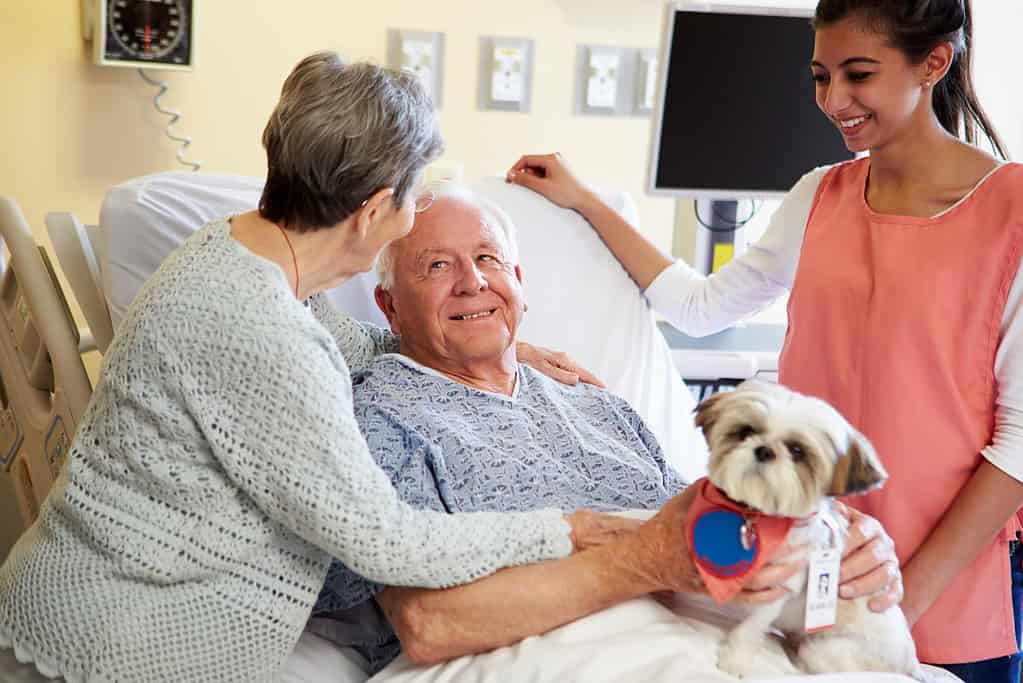
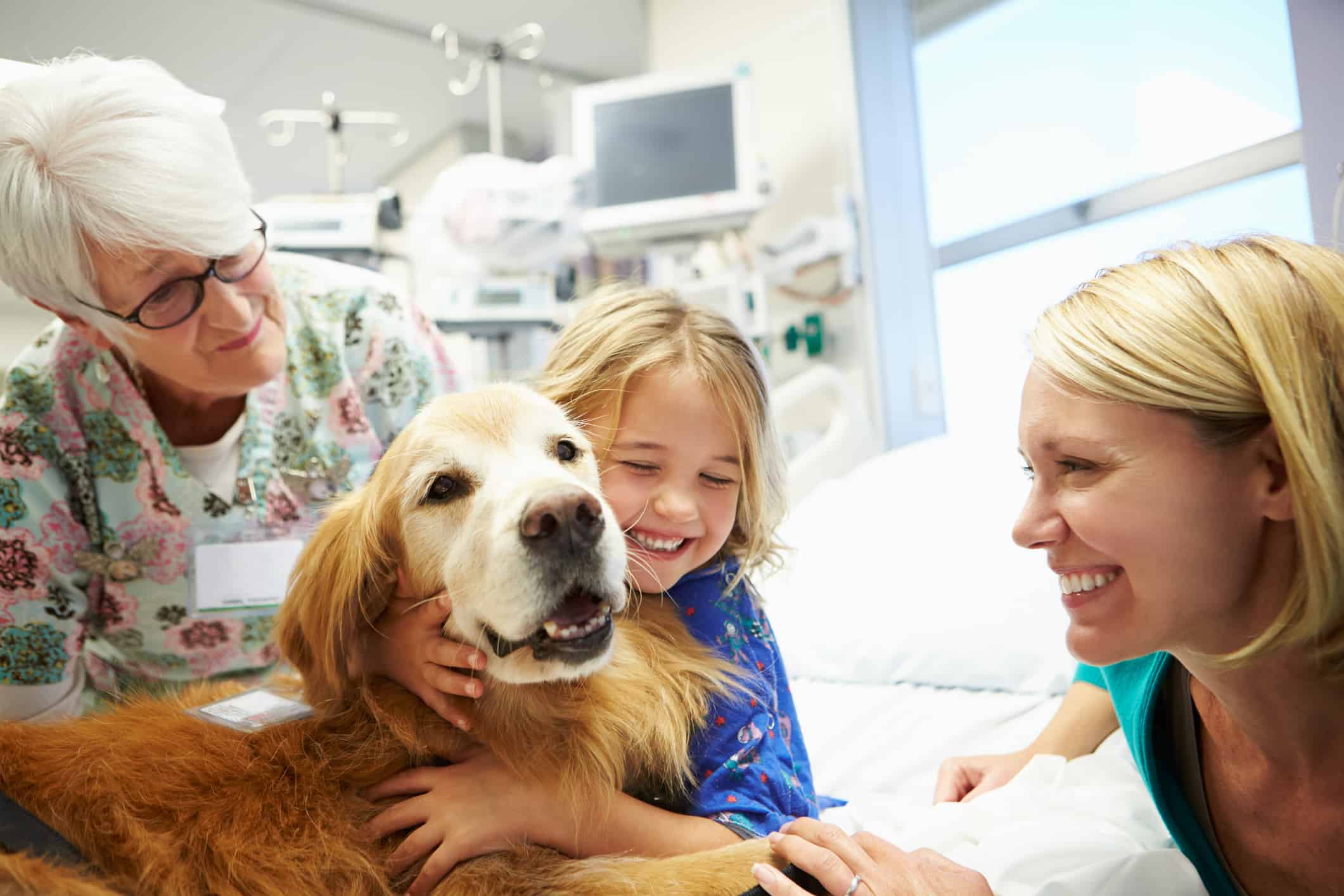
Therapy dogs visit patients of all ages, but their positive effects on children can be incredibly powerful.
©monkeybusinessimages/iStock via Getty Images
When the dog arrives, the handler begins with a calm introduction and asks for consent from both the parents and the child, as some patients may be nervous around animals. Many therapy dog programs build in small choices for the patient, as giving a hospitalized child control over some aspect of their situation can be part of the therapeutic effect.
Interacting with a Therapy Dog
A typical interaction with a therapy dog in a hospital setting involves gentleness, including petting the dog as it sits or lies down beside the patient’s bed. In many children’s hospitals, the handler will ask their dog to perform an easy, non-startling trick, as it reliably pulls attention away from fear and onto something predictable and fun.
Therapy dogs can serve as motivators; for example, a child might be encouraged to sit up or take a few steps from their bed in order to pet the dog or give it a toy. Any small distraction by something positive tends to help these patients.
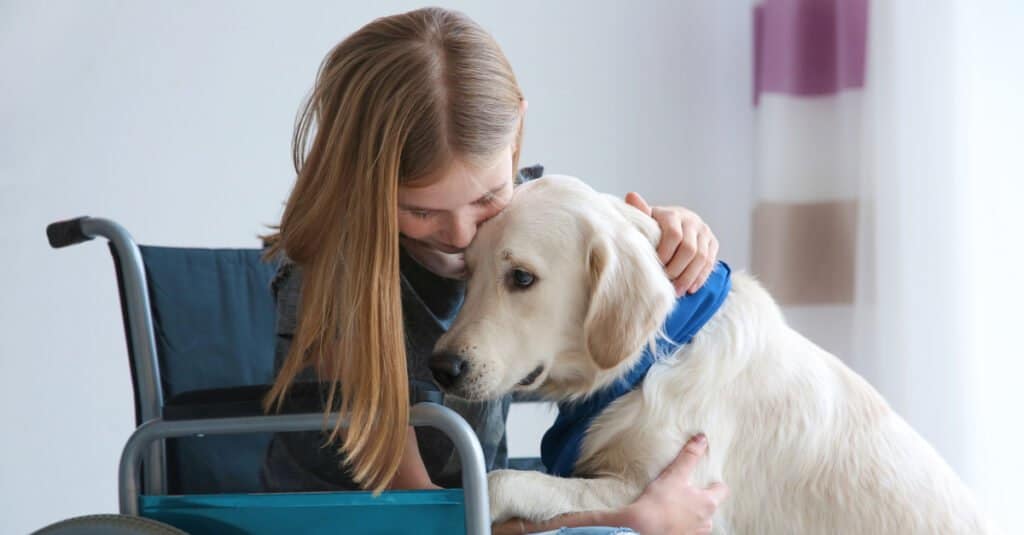
Hospital visits with therapy dogs are often shorter than you’d expect; this is by design, as it is more likely to keep everyone safe.
©Africa Studio/Shutterstock.com
Visit length with a therapy dog is often brief, commonly limited to 20-30 minutes. This short visit helps protect the child from overstimulation, keeps staff on schedule, prevents the dog from being overworked, and reduces the risk of contamination on the hospital floor.
Additionally, many programs allow bed contact, but only when a barrier layer is used and the child has been cleared for it. No matter where the dog is in the hospital room, handlers keep them away from medical lines or devices, discourage licking, monitor the entire situation, and step out if the child seems overwhelmed or the environment becomes volatile.
Hygiene and Safety Concerns
Hospitals take therapy dog cleanliness seriously, as they should. Pediatric units include patients from all walks of life and all stages of health, including infancy. Therapy dog programs are only sustainable when they are built around strict screening and mandatory hygiene routines for both dogs and handlers.

Many people have concerns over the cleanliness of therapy dogs, as hospitals are designed to be sterile, safe places.
©PRIYA2025/Shutterstock.com
The CDC’s guidance on animals in healthcare facilities mentions keeping animals out of certain high-risk areas, such as isolation rooms and operating rooms. They also encourage hand hygiene after animal contact, since hands are the most direct route for spreading germs between surfaces and people. This is why therapy dogs are usually limited to specific units and are kept out of certain rooms.
To address potential concerns from patients and staff, many therapy dog programs require dogs to be groomed or bathed within a specific timeframe before hospital visits. Routine veterinary oversight and policies that exclude dogs showing any signs of illness are also common.

Given that pediatric hospitals have patients of all ages, including infants, therapy dog visits are carefully scheduled to keep everyone safe.
©iStock.com/LightFieldStudios
Hospitals also manage specific safety concerns that families or other hospital guests may have, such as:
- Allergies. Many programs screen for known dog allergies and avoid visits for those patients, or schedule visits in ways that reduce exposure in common areas.
- Immunocompromised patients. It’s common for programs to restrict visits for certain immunocompromised children or require individualized clinician approval, especially in shared rooms.
- Germs and infection risk. Programs lean heavily on hand hygiene, restricted areas, clean barriers, and screening. Structured protocols make visits possible, but only when patients are appropriately selected.
- Bites and scratches. Pediatric programs must use dogs with calm, proven temperaments and keep handlers close and proactive in their observations. Nail trims and clear boundaries reduce the potential for harm, and handlers should be aware of their dog’s behavior at all times.
The therapy dog’s welfare is also considered. A good program protects the animal by limiting visit length, requiring breaks, keeping up on vet care, and ensuring dogs are not forced into stressful environments. A dog that is exhausted or overstimulated cannot provide a safe, calming presence, which is why professional programs include the dog’s welfare as part of their overall safety plan.
How These Programs Help Children Heal
When people say therapy dogs help children heal in a hospital setting, they are often referring to practical changes that support care. Examples of measurable improvements observed through therapy dog work include:
- A child who was panicking settles enough to cooperate with a needed procedure.
- A teen who shut down starts talking and engaging again.
- A depressed or frightened child comes out of their shell thanks to a friendly companion.
- A kid in rehab becomes willing to try movement because the dog gives them a reason.

The comfort a therapy dog provides to young patients in a hospital setting is clear and vital to certain recoveries.
©iStock.com/friedgreenbeans
Therapy dogs have the power to change the experience of hospitalization, especially for young patients. No matter how long their visit is, it matters. Children undergoing treatment in a hospital deserve a bit of comfort, especially in the form of a wagging tail and a gentle companion.