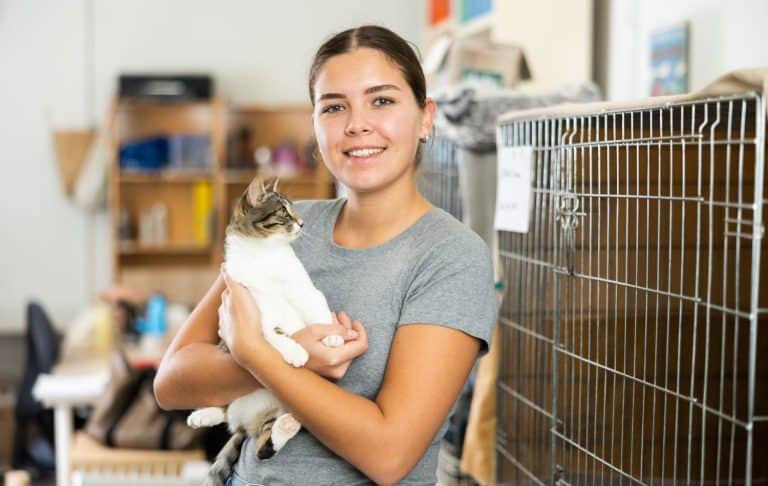

Quick Take
- Spaying and neutering are the most effective tools for reducing shelter overcrowding and preventing millions of unnecessary deaths each year.
- Sterilization improves animal health by reducing the risk of serious diseases and decreasing hormone-driven behaviors that often lead to surrender.
- Low-cost spay and neuter programs make preventive care accessible and help entire communities reduce stray and shelter populations.
Every year in the United States alone, millions of dogs and cats enter animal shelters. That’s worth repeating: Millions. Just in the U.S. alone.
The sad truth is that a heartbreaking number of them never make it out.
There are many factors behind shelter overcrowding, but uncontrolled breeding remains one of the biggest. Spaying and neutering are simple, routine veterinary procedures that also happen to be among the most effective tools we have to reduce suffering, improve animal health, and prevent entirely avoidable deaths.
February 24, 2026 marks World Spay Day, an annual reminder of a simple procedure that could make worlds of difference to a problem that is widespread, tragic, and preventable.

Communities with widespread spay and neuter programs consistently report lower shelter intake and reduced euthanasia rates over time.
©Ajdin Kamber/Shutterstock.com
World Spay Day
World Spay Day began as a way to spotlight the link between sterilization and animal welfare—to emphasize prevention. Shelters don’t overflow because people don’t care about animals, they overflow because of basic math: more animals are born than there are homes available.
A single unspayed female dog and her offspring can produce dozens of puppies over just a few years. Cats reproduce even faster. Female cats can become pregnant as early as four months old and may have multiple litters each year, often with four or more kittens per litter. Even when only a fraction of those offspring survives and reproduces, the numbers add up quickly. In just two years’ time, an unspayed female cat could potentially be the parent, grandparent, great-grandparent, etc. of around fifty cats—and that’s a conservative estimate.
Shelters, rescues, and foster networks work tirelessly, but they’re constantly trying to catch up. Spaying and neutering reduce the number of animals entering the system in the first place, which is far more effective than relying on adoption alone.
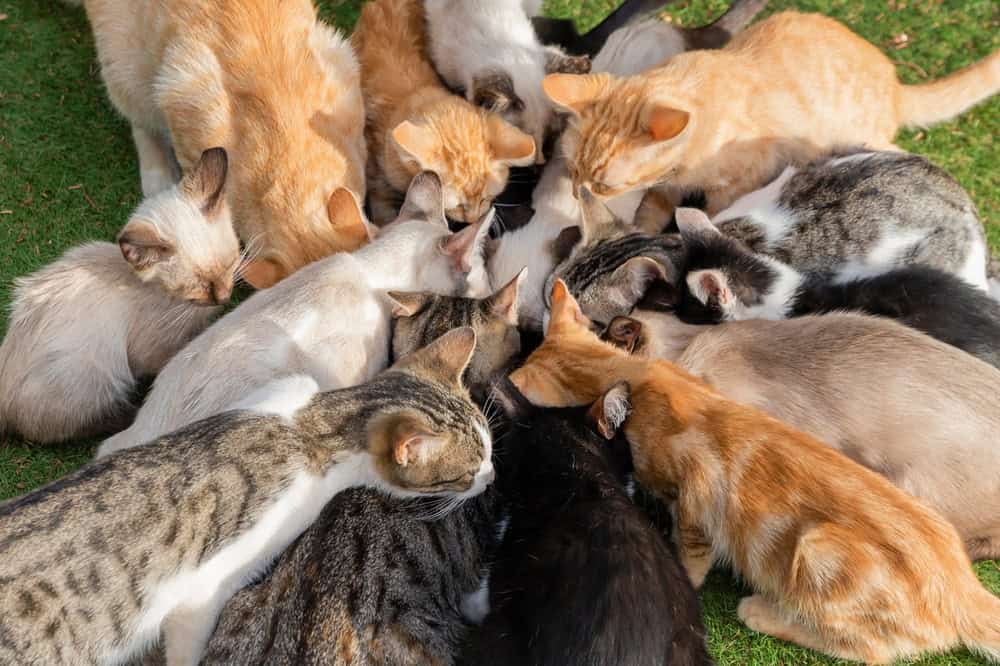
A single unspayed female cat and her descendants can number around 50 cats in just two years under conservative estimates.
©Natalia de la Rubia/Shutterstock.com
Benefits Beyond Overpopulation
The most obvious benefit of sterilization is that it prevents unwanted litters. That alone saves lives. Fewer births mean fewer animals competing for limited shelter space, veterinary care, and adoptive homes.
When intake numbers drop, shelters can shift resources toward medical treatment, behavioral support, and adoption outreach. Euthanasia rates decline. Staff burnout decreases. Animals that do enter shelters often receive better care and have a higher chance of being adopted.
This isn’t theoretical. Communities that invest in widespread spay and neuter programs consistently see long-term reductions in shelter intake and euthanasia. It’s one of the few animal welfare strategies with decades of data backing it up.
Health Benefits
Spaying involves removing the ovaries and usually the uterus of a female animal. While the procedure is often discussed in terms of population control, there are other substantial health benefits.
One of the most serious conditions spaying prevents is pyometra, a life-threatening uterine infection that commonly affects unspayed dogs and cats as they age. Pyometra can develop quickly and often requires emergency surgery. Without treatment, it’s frequently fatal.
Spaying also dramatically reduces the risk of mammary cancer, especially when done before the first heat cycle. In dogs, mammary tumors are among the most common cancers in unspayed females, and about half are malignant. Early spaying offers the strongest protection.
There are additional benefits as well. Spayed females don’t experience heat cycles, which means no bleeding, no hormonal swings, and no frantic attempts to escape in search of a mate. For both animals and owners, that leads to a calmer, safer household.
In male animals, neutering removes the testicles, which comes with its own set of health advantages. It eliminates the risk of testicular cancer and significantly reduces prostate problems later in life.
Spaying and neutering also help control the spread of genetic diseases. Responsible breeding requires careful screening for inherited conditions, which obviously doesn’t occur with accidental litters. Conditions like hip dysplasia, certain heart defects, and inherited eye disorders are more likely to persist in populations where breeding isn’t controlled, especially in mixed-breed animals.

Hormone-driven behaviors like roaming, marking, and heat-related vocalizing often decrease after spaying or neutering.
©ANDRII KHRIAKOV/Shutterstock.com
Behavioral Improvements
One of the most misunderstood aspects of spaying and neutering is how it affects behavior. These procedures don’t change an animal’s personality. A shy dog won’t suddenly become bold, and a playful cat won’t lose interest in toys. What does change are behaviors driven by reproductive hormones.
Neutered males are less likely to roam, which lowers their risk of being hit by cars, getting into fights, or becoming lost. Aggression related to mating instincts also often decreases after neutering. Additionally, it can reduce hormone-driven behaviors like mounting, marking, and certain types of territorial aggression.
Spayed females are also less likely to roam, especially during heat cycles, which lowers their risk of being hit by cars, injured, or lost. Behaviors tied to reproductive hormones tend to decrease as well. Spaying eliminates heat-related behaviors like restlessness, vocalizing, and repeated attempts to escape in search of a mate. It can also reduce irritability and tension around other animals, helping create a calmer, more predictable household.
When sterilization reduces behaviors that frustrate owners, it increases the chances that animals stay in their homes long-term. That stability benefits everyone involved.
But Females Should Have a Litter First, Right?
A persistent myth suggests that female animals should have at least one litter before being spayed. There’s no scientific evidence to support this idea. In fact, allowing a female to go through a heat cycle or pregnancy increases certain health risks rather than reducing them.
Veterinary organizations consistently agree that spaying before the first heat offers the greatest health benefits for most dogs and cats. While the best timing can vary based on breed, size, and individual health, the notion that pregnancy is somehow beneficial simply isn’t true.
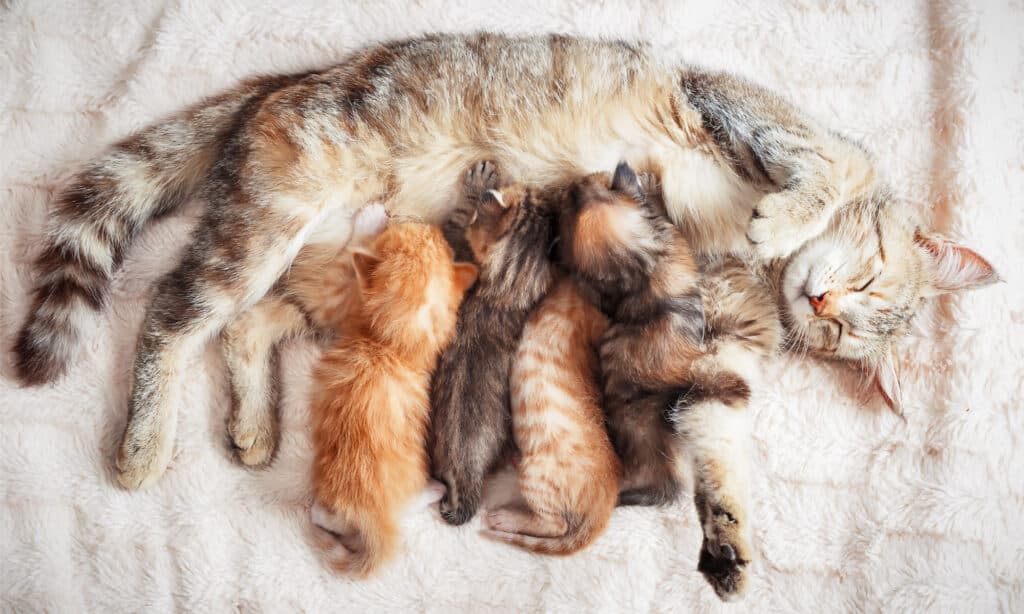
Veterinary research shows spaying before the first heat cycle offers the strongest protection against mammary cancer.
©iStock.com/bozhdb
Other Safety Concerns
Modern spay and neuter procedures are routine and widely considered safe when performed by licensed veterinarians. Complications are uncommon, and advances in anesthesia, surgical techniques, and pain management have made recovery faster and more comfortable than ever.
Most pets return to normal activity within a few days, with full healing typically occurring within a couple of weeks. For the vast majority of animals, the long-term benefits far outweigh the short-term inconvenience of surgery.
If owners have concerns about age, breed, or health conditions, a veterinarian can help determine the most appropriate timing and approach.
Low-Cost Options
Cost is one of the biggest barriers to spaying and neutering, especially for families with limited income or multiple pets. The good news that many financially struggling pet owners may not know is that there are myriad low-cost sterilization programs out there.
Many animal shelters, humane societies, and nonprofit organizations offer spay and neuter services at reduced prices. Some communities have mobile clinics that bring these services directly to underserved areas. Others provide vouchers that can be used at participating veterinary clinics.
Pet owners looking for affordable options have several places to start.
- Local animal shelters often maintain lists of low-cost clinics and assistance programs.
- Humane societies and animal control agencies are also reliable sources of information.
- Veterinary schools sometimes offer reduced-cost procedures performed by students under professional supervision.
- Calling a local veterinarian’s office can also be helpful. Even clinics that don’t offer discounted services themselves often know where to refer clients for affordable care.
National organizations support spay and neuter initiatives across the country and can help connect owners with nearby resources. Here are a few to get you started, with links:
- Best Friends Animal Society works nationwide to reduce shelter intake and euthanasia by supporting spay and neuter programs and helping communities move toward no-kill goals.
- SpayUSA, operated by North Shore Animal League America, connects pet owners with affordable spay and neuter clinics through a nationwide referral network.
- Alley Cat Allies is a leading advocate for humane cat population control, promoting spay and neuter and trap-neuter-return programs for community and feral cats across the U.S.
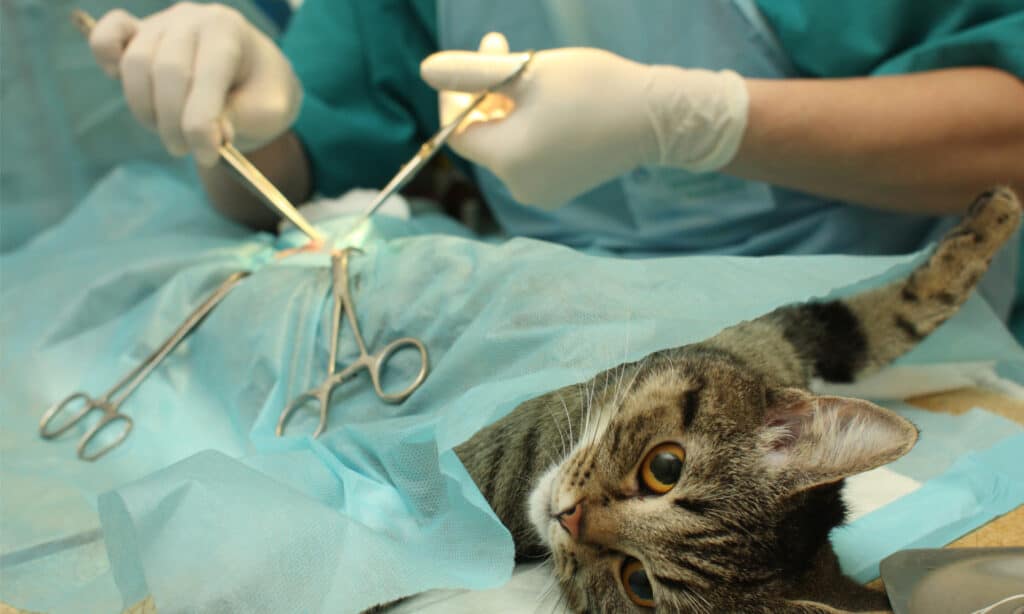
Modern spay and neuter surgeries have low complication rates and typically involve only a short recovery period.
©iStock.com/DimaBerkut
World Spay Day: A Call to Action
World Spay Day is about awareness, but it’s also about action. Do you have an animal that hasn’t yet been spayed or neutered? Make that appointment! Do you know a friend or family member who’s been putting it off? Maybe politely give them a nudge. Got a few spare dollars sitting around? Consider donating to one of the organizations listed above.
The science is clear, the benefits are well-documented, and the need remains urgent. Spaying and neutering won’t solve every animal welfare issue, but without these procedures, progress is nearly impossible.