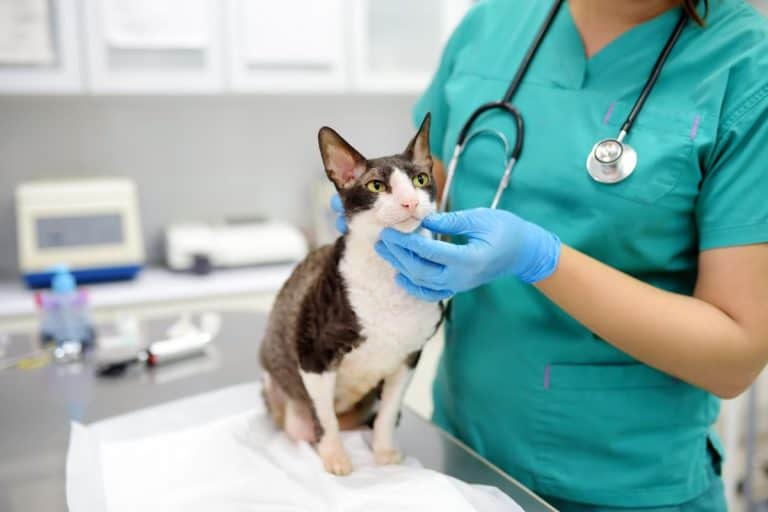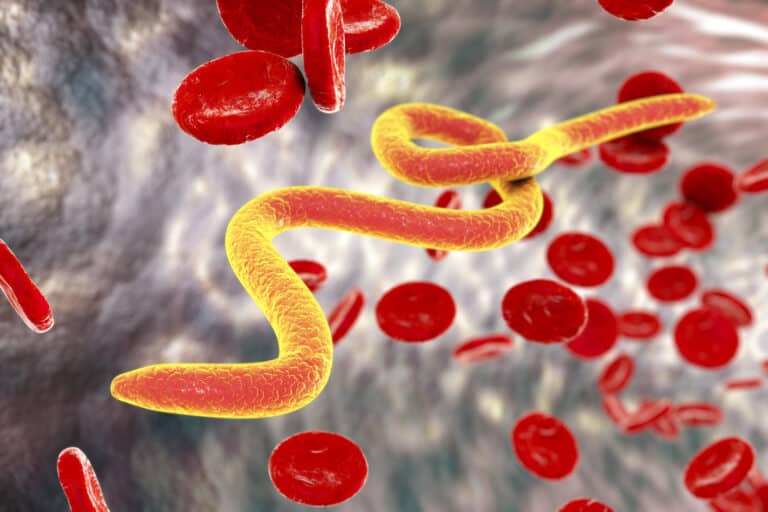

No pet owner goes into adopting with the thought that their furry friend is going to get cancer one day. Oftentimes, early signs of cancer are missed because of not knowing what to look for or not wanting to admit to what is being witnessed. With November being Pet Cancer Awareness Month, it’s the perfect time to get pets to their local vet for a check-up.
Pet Cancer Awareness Month began in 2005 to raise awareness of the most common cancers in pets and to promote early detection. Additionally, across the country, events will pop up that both educate and raise awareness of cancer treatments still in clinical trials. As research continues, the hope is that common cancers can be treated effectively, allowing pets to live long, happy lives. But until that happens, it is up to pet owners to pay attention to changes in their feline or canine, so that they are able to identify the most common warning signs of cancer that every pet owner should know.
Most Common Types of Cancer in Pets

While there are many cancers that affect dogs and cats, a handful are the most commonly diagnosed.
©PixelPerfected/Shutterstock.com
As pets age, they become prone to developing cancer. The cancer that develops depends on whether the animal is feline or canine, and whether it is male or female. For most, the type of cancer will be common among the species. While no pet parent wants to hear their pet has cancer, a common cancer may be more treatable.
Some of the most common cancers that cats are diagnosed with include:
- Lymphoma
- Fibrosarcoma
- Mammary cancer
- Skin cancer
- Mast cell tumors
Dogs, too, are susceptible to being diagnosed with cancer. Some of the most common canine cancers include:
- Malignant lymphoma
- Osteosarcoma
- Hemangiosarcoma
- Mast cell tumors
- Melanoma
- Soft-tissue sarcoma
The timing of cancer diagnosis and its aggressiveness play a significant role in the prognosis for pets. This is why it is essential to know the early signs of cancer to get pets the help they need while cancer is still in its early stages.
Why Pet Owners Often Miss the Early Signs of Cancer

Pets are notorious for hiding any signs or symptoms of pain.
©larisa Stefanjuk/Shutterstock.com
Just like with people, there are not always outward signs that cancer is developing. Coupled with the fact that animals are notorious for hiding any pain they are dealing with, according to Dr. M. Simran, DVM, a veterinarian who has extensive experience dealing with pets with cancer, it is not uncommon for people to miss the early signs of cancer in their cat or dog.
“[Cancer] is challenging to detect, as dogs and cats are prey animals that hide sickness and pain until they can no longer cope,” Dr. Simran explains to A-Z Animals. “Daily interactions may lead owners to attribute chronic changes to aging. For example, a 15-year-old cat may seem slower and less interested in food, which could be due to age-related issues like dental disease or arthritis.”
Dr. Simran states that other times, cancers are only detected after tests have been ordered to screen for other issues with the pet.
“Splenic cancer is particularly hard to catch,” Dr. Simran says. “Often, it’s only discovered during an ultrasound for another issue or through X-rays. Many owners request non-urgent ultrasounds to check the spleen and liver for any masses.”
This is why annual exams are essential for animals, as the early symptoms associated with cancer can be detected early. However, there are also symptoms of cancer in its beginning stages that pet owners can catch if they know what they are looking for.
Owners may notice their cat losing muscle mass over time, leading to weight loss and a slight decrease in appetite.
Dr. M. Simran, veterinarian
Common Cancer Symptoms Pet Owners Should Be Aware Of

A dog coughing often can be an early sign of cancer.
©felixmontana/Shutterstock.com
Pets cannot express when they are not feeling well. However, there are some behaviors or changes in the body itself that pet owners can be cognizant of that may indicate potential health problems. Some of these health problems are early signs of cancer and the earlier a pet can be diagnosed, the better their prognosis.
According to Dr. Simran, cancer “signs can be subjective and vary by cancer type.” However, some of the most common cancer symptom noted include:
- Sudden firm lumps or bumps around the mammary tissue (Common in females.)
- Masses around the bone (Gradually growing and common in large breed dogs.)
- Coughing (A harsh chesty cough lasting more than two weeks, followed by weakness, could indicate spread to the chest.)
- Scooting (Anal gland cancers are common. Persistent scooting with difficulty defecating may require palpation of the anal glands.)
Additionally, cachexia (muscle wastage) is a common sign of cancer in cats and dogs. However, it often goes unnoticed until a substantial amount of weight is lost as it happens gradually.
“Owners may notice their cat losing muscle mass over time, leading to weight loss and a slight decrease in appetite,” Dr. Simran tells A-Z Animals. “They may still eat, but the change is noticeable.”
Dr. Simran continues, “In dogs, cachexia can also occur, but it’s often difficult to catch cancer early. Large breed dogs may come in collapsed, commonly due to ruptured splenic cancer, causing internal bleeding. There are usually no prior signs, just a sudden collapse.”
While these are the most common cancer symptoms that present early, they generally are not what brings pet owners to the vet. It is a huge shift in health, which is a sign that cancer is no longer in its early stages.
Common Cancer Symptoms That Often Bring Pets To The Vet

Muscle wasting and weight loss are among the reasons pets are often brought into the vet. Both can be a sign of cancer.
©Anastasiya Tsiasemnikava/Shutterstock.com
People tend to go to the doctor only when they are unwell. Therefore, it is not surprising that many only bring their pets to the vet when they are sick. Unfortunately, when it comes to cancer, the longer the condition remains untreated, the worse the prognosis.
Several common cancer symptoms alert pet owners that something is wrong with their animals. According to Dr. Simran, those symptoms include:
- Gradual weight loss
- Vomiting and loss of appetite
- Coughing
- Emergencies, such as a Labrador suddenly collapsing with pale gums, suggestive of ruptured splenic cancer, causing internal bleeding
While cancer is not untreatable at this stage, it may have to be more aggressive. This is why pets should be taken to the vet when behavior, mood, or unexplained body changes occur.
Many Cancers Are Treatable
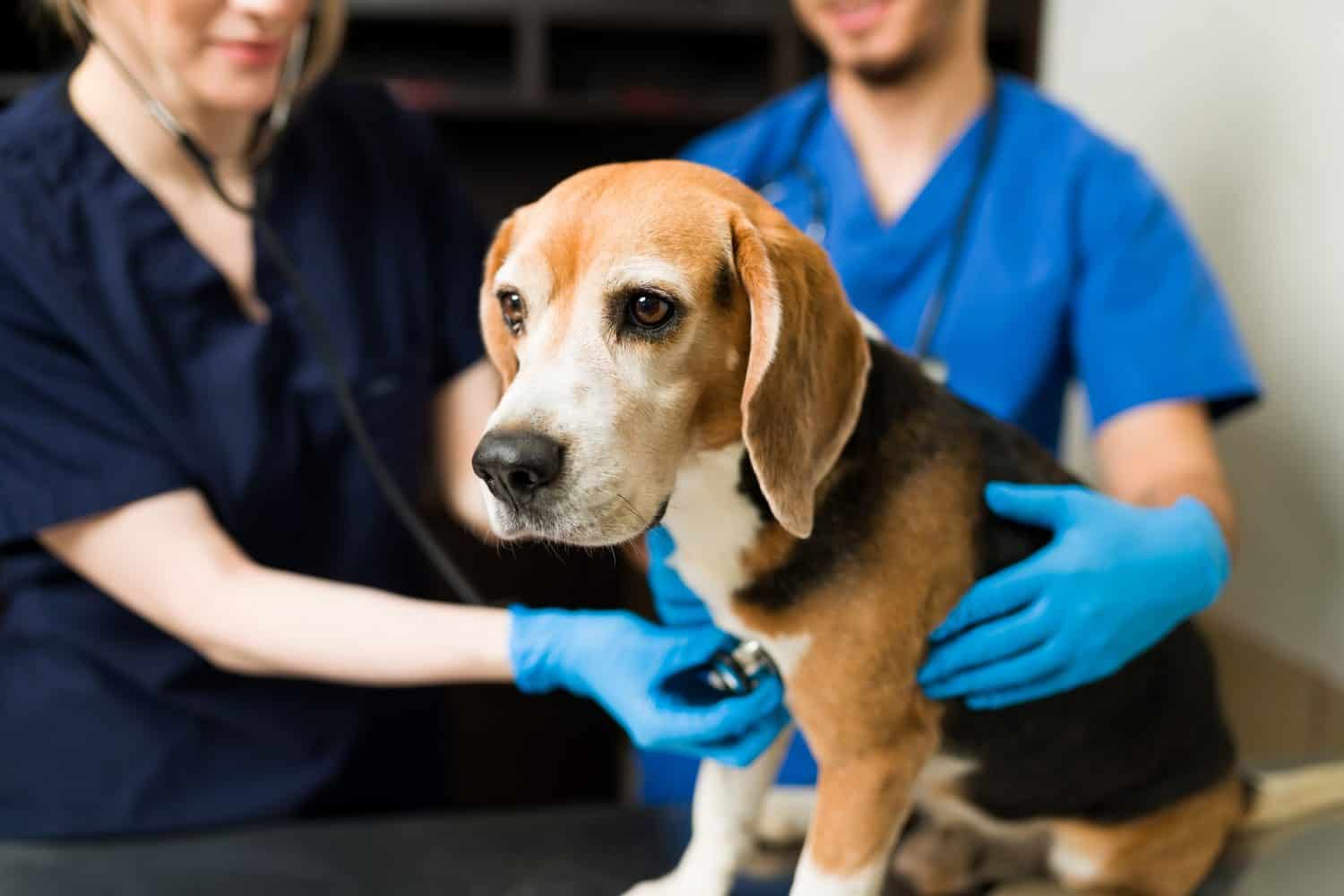
Many cancers, even if caught later, are treatable.
©Beach Creatives/Shutterstock.com
At the end of the day, a cancer diagnosis is not a death sentence for a pet. According to Dr. Simran, it all depends on the type of cancer and the stage at which it is caught, which makes all the difference in survival for pets.
“It depends on the type of cancer,” Dr. Simran explains to A-Z Animals. “For splenic cancer, yes, we can remove the spleen. Anal gland or breast cancer can also be removed. Skin cancer is typically removable as well.”
Dr. Simran continues, “After removal, we must stage the cancer to assess if it has spread, which involves chest X-rays and evaluating the liver and other organs, along with taking samples.”
It is at this point that the veterinarian will provide a prognosis and the available treatment options. It will be up to pet owners to determine if the treatment is worth it to give their pets a longer, quality life or if the treatment is not worth the pain and suffering the pet will experience.
Why Vets May Recommend Against Cancer Treatment
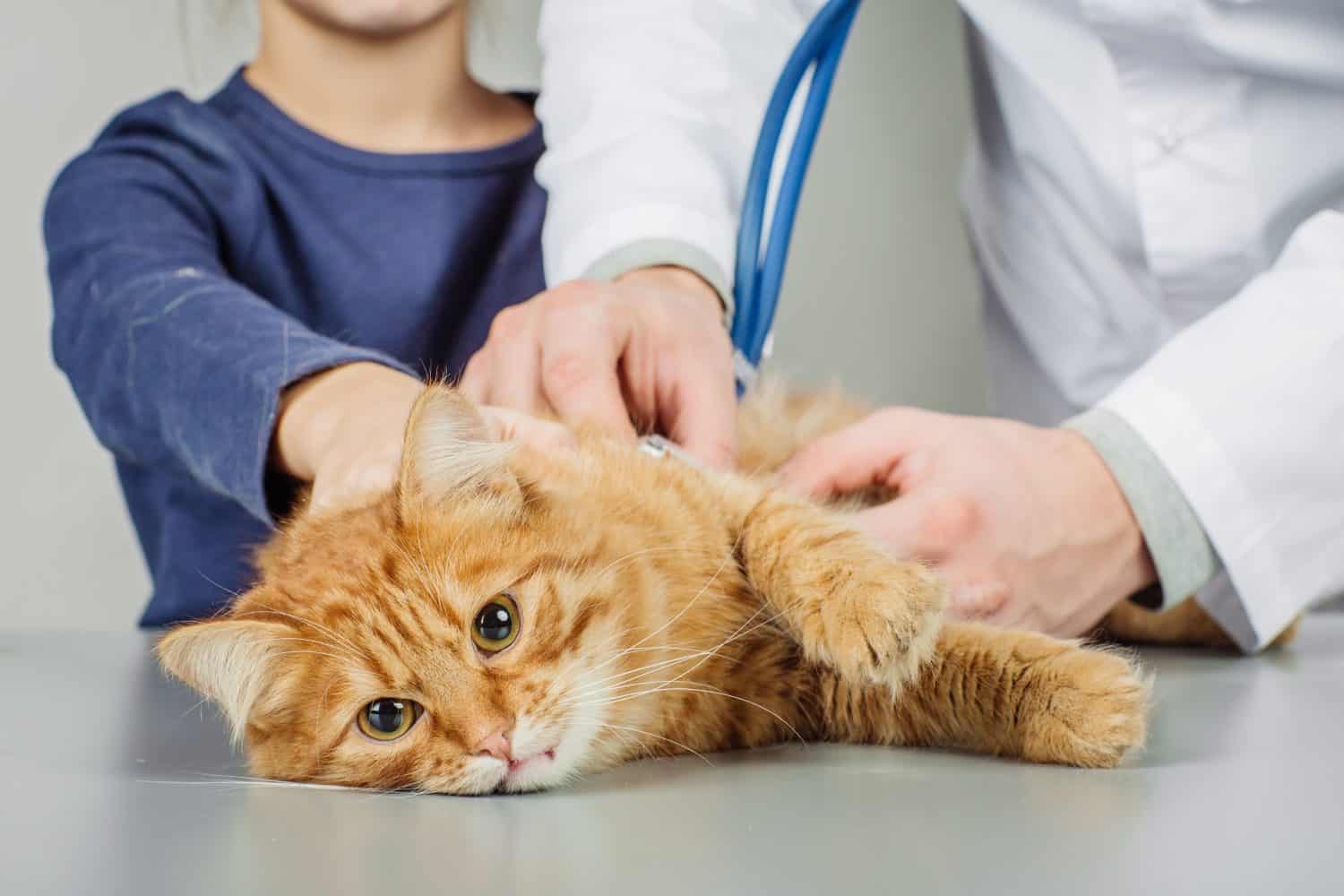
Unfortunately, there are times when cancer treatment may be a worse option than making the pet comfortable.
©PRESSLAB/Shutterstock.com
Vets will present pet owners with all available options for treating cancer. However, there are times when the best course of action is not to treat, something of which no pet owner wants to hear.
There are several reasons why veterinarians would recommend against treating cancer. Those reasons include:
- Cancer will not respond to available treatments
- Side-effects will affect the quality of life of the pet
- Pet is in significant pain and it will be exacerbated by the treatment
- If the overall quality of life will not be improved and only worsened by treatment
Vets are often pet owners themselves and understand the attachment to a dog or cat. This is why, in most circumstances, there will be at least some attempt to treat cancer. But if the treatment is proving ineffective or causing the pet pain, other options may need to be discussed.
It is estimated that about one in four dogs, and a significant number of cats, will develop cancer in their lifetimes. In some cases, the cancer is not life-threatening and can be easily treated. Unfortunately, there are also times when the suggested treatments are aggressive, and there is no guarantee that they will work. This is when pet owners have to make some difficult decisions that they are not ready to make.
By being aware of the most common types of cancer in pets, owners give their furry friends a fighting chance to beat cancer and live their fullest, happiest lives possible. From a selfish standpoint, owners also get more time with their pets, which there will never be quite enough of, no matter how long they live.