
Quick Take
- A single genetic mutation found lurking in cat tumors turns out to carry a parallel to human cancer outcomes that is both striking and sobering. See the FBXW7 findings →
- Your cat may be at risk for the same cancers you are, and the reason why may point to something in your shared daily life. Explore shared risk factors →
- The next breakthrough cancer treatment for humans might already be sitting in a veterinarian's cabinet, and the reverse may also be true. See the One Medicine approach →
A newly discovered genetic link between cat and human cancer may have major implications for the disease’s treatment in both felines and humans. This significant study of nearly 500 cat tumors from around the world is the largest study on feline cancer genetics conducted to date.
Cancer in Cats and Humans
Cancer is one of the most common causes of ill health and death in cats in the US. Around 6 million cats are diagnosed with cancer each year, and the majority of tumors found in cats are unfortunately cancerous (malignant). Common cat cancers include small cell gastrointestinal (GI) lymphoma and squamous cell carcinoma of the oral cavity.
Cancer also has a major impact on humans in America. In 2025, an estimated 2,041,910 new cancer cases were diagnosed, and 618,120 people died from the disease. The most common cancers in people are breast cancer, prostate cancer, and lung cancer. Expenditure on cancer is huge in the US and reaches at least $200 billion a year.
Studying Cat Cancers
The researchers examined tumor samples from 493 domestic cats across five countries. They were looking for the genetic mutations commonly involved in cancer development, including around 1,000 human cancer genes. This included driver genes, mutational signatures, viral sequences, and tumor-predisposing germline variants.
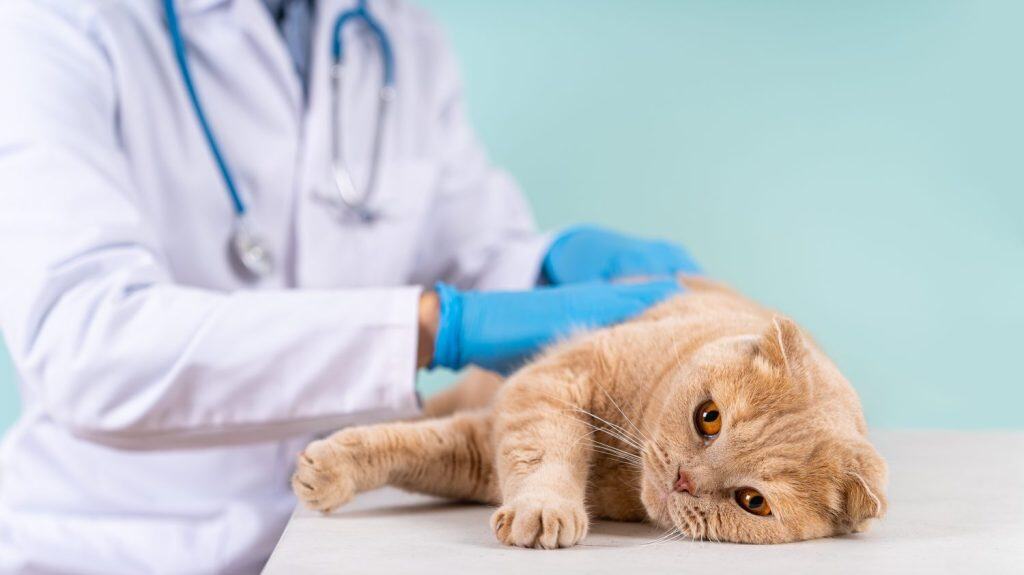
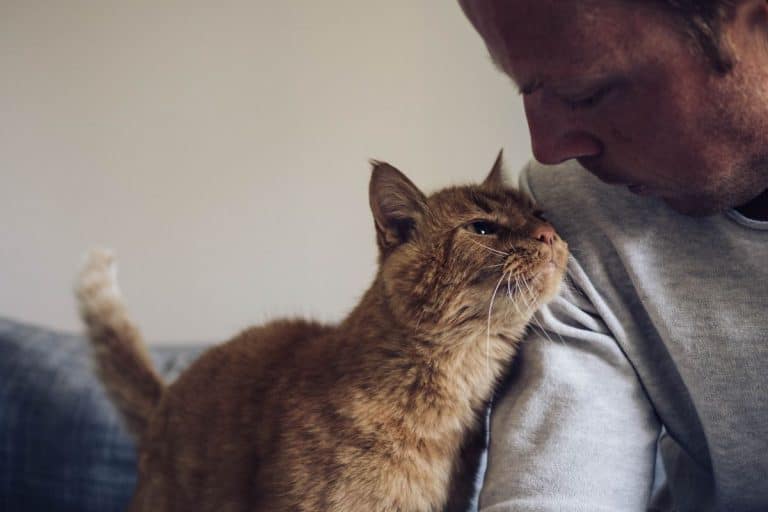
Some cancer-causing genetic mutations are shared by cats and humans.
©Dina Photo Stories/Shutterstock.com
The study found that many so-called cancer-causing genes are found in cats, humans, and dogs. One of the most important discoveries was that an aggressive cancer-causing mutation was found in both felines and humans. It was present in the FBXW7 gene and was found in more than half of the feline mammary tumor samples examined. In both humans and cats, the presence of this gene is associated with a poorer clinical outcome. The FBXW7 gene is recognized as a cancer suppressor gene that regulates the degradation of several oncoproteins. These are proteins that promote the transformation of normal cells into tumors. The researchers also found similarities between cancers of the blood, lungs, bones, skin, gastrointestinal tract, and central nervous system in cats and humans.
How Important Is This for Cancer Research?
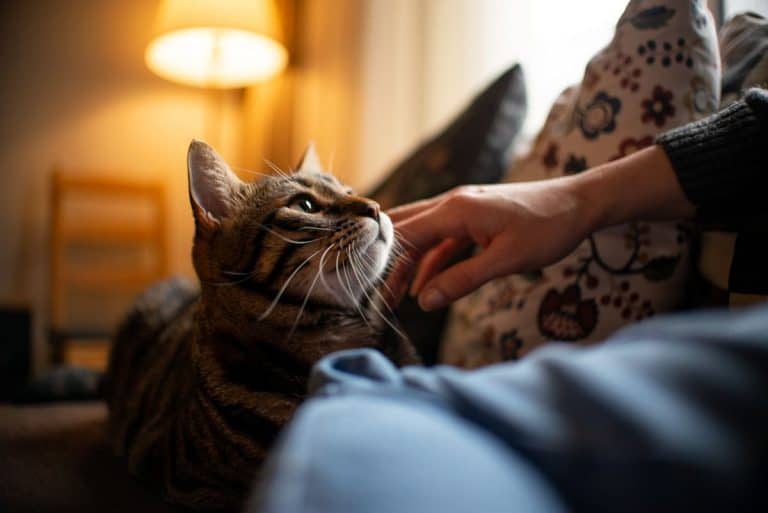
Scientists are still trying to figure out exactly what causes cancer in both humans and cats. The findings of this study will hopefully help them understand how environment affects cancer risk. Because cats share so many aspects of our lives, some of these common cancers may be caused by aspects of our shared experiences. If they can identify the risk factors, they may be able to find new ways to prevent and treat them.
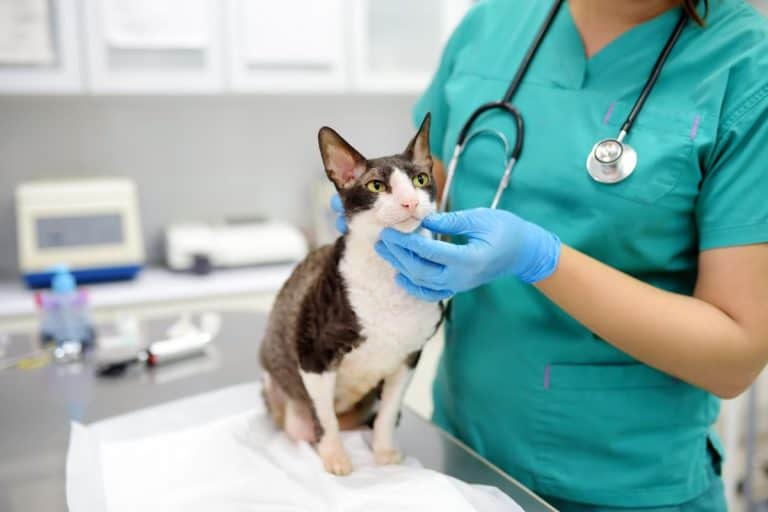
What’s more, in the ‘One Medicine’ approach that links human and animal health, there may be benefits for cat cancer treatment. The study findings indicate that some human cancer treatments may be useful in cats and vice versa. This type of collaborative approach encourages the exchange of expertise between veterinary and medical experts to the benefit of us all.