
Quick Take
- Fatou, a western lowland gorilla living in Berlin Zoo, has celebrated her 69th birthday.
- She celebrated with a basket of fruit and vegetables.
- Western lowland gorillas tend to live between 35 and 40 years in the wild but over 50 years in captivity.
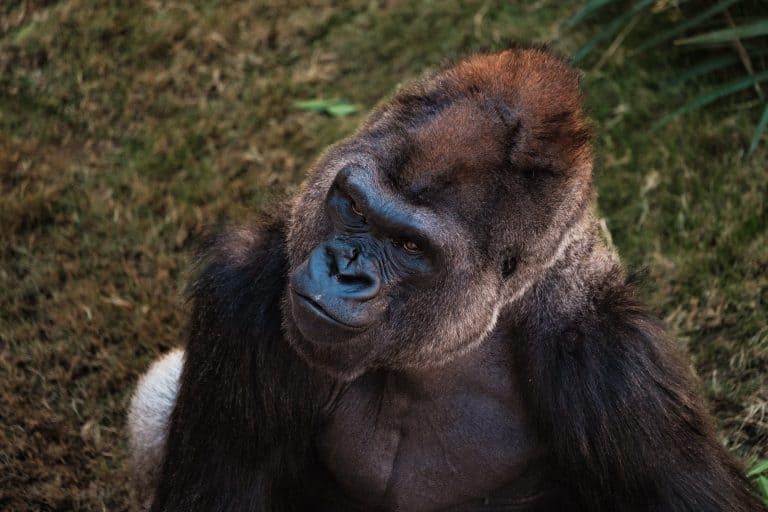
One of Berlin Zoo’s favorite residents has just celebrated her 69th birthday, according to recent news reports. Her name is Fatou, and she is the world’s oldest captive gorilla. She may no longer have teeth and can be a little stubborn, but she still knows how to celebrate in her own unique way.
Fatou, the World’s Oldest Captive Gorilla
Fatou is a western lowland gorilla and has been living at Berlin Zoo since 1959. No one knows her exact age because she was reportedly born in the wild in western Africa. According to Guinness World Records, she was taken from her home by a French sailor who bartered her to cover his bar tab in Marseille, France. Then, she was sold by a French animal trader to the zoo. Nevertheless, it’s believed that she was two years old when she arrived at the zoo, and April 13th is her designated birthday.
Her life is much more sedate now. She celebrated her birthday with a basket of cherry tomatoes, beets, leeks, and lettuce. Birthday cake was off the menu because sugar is not good for her health. She is now a little deaf and suffers from arthritis, so she lives in an enclosure of her own, as she likes to keep away from the other gorillas.
How Long Do Gorillas Usually Live?
Western lowland gorillas (Gorilla gorilla gorilla) inhabit the forests of Cameroon south to the Congo River, and east to the Oubangi River. They are exceptionally large and powerful primates that can reach around 400 pounds.
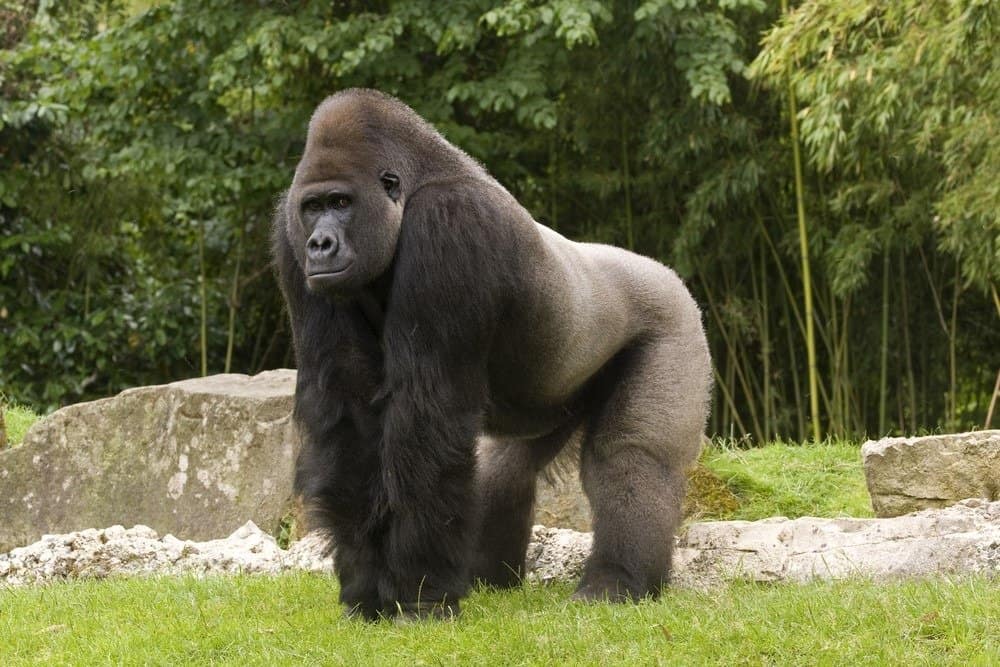
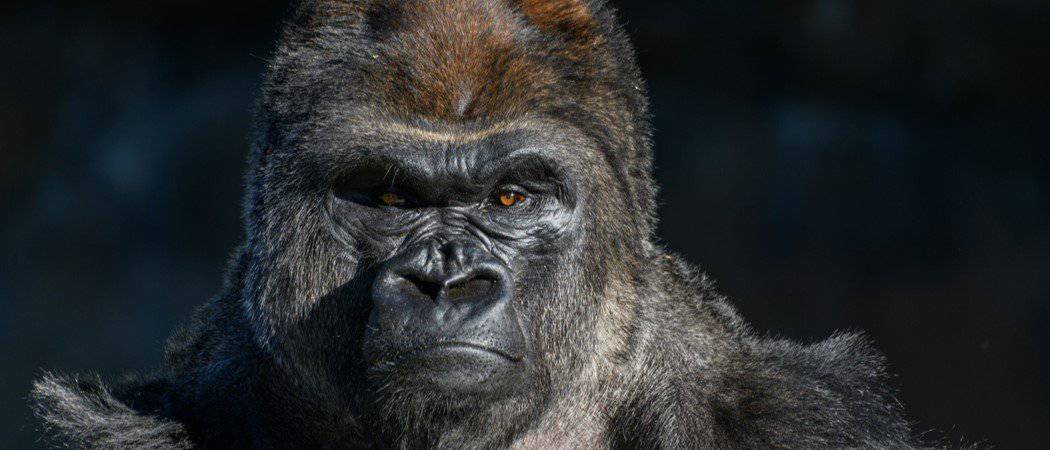
Gorillas generally live longer in captivity.
©Andreas Rose/Shutterstock.com
In the wild, they generally live between 35 and 40 years, but some individuals live longer. In captivity, they reach at least 50 years of age. Wild gorillas can die of disease (including respiratory disease) or injury (males will fight for dominance). Because adult gorillas are so large, they have few predators, but young gorillas can be taken by raptors or large carnivores. Additionally, male gorillas may kill unweaned young. Western gorillas are critically endangered in the wild, but humans are still a danger to them. Deforestation, political unrest, and hunting are still causing the untimely deaths of wild gorillas.