
Quick Take
- Whooping cranes have rebounded from just 16 birds in the 1940s through decades of conservation efforts.
- A newly protected 3,000-acre Texas sanctuary safeguards essential wetland habitat for the species’ recovery.
- Continued habitat protection is critical to ensuring the long-term survival of whooping cranes and related wildlife.
There’s something about a whooping crane that feels almost mythical. Maybe it’s the height (they’re about five feet tall!), maybe it’s the wingspan that stretches wider than most living room sofas, or maybe it’s the fact that these birds were once so close to disappearing that their entire wild population could fit inside a small classroom.
In the early 1940s, just 16 whooping cranes remained in the wild. Sixteen. Thanks to decades of conservation work, careful habitat protection, and a lot of stubborn optimism from scientists and wildlife advocates, the species has slowly clawed its way back. Today, several hundred cranes migrate each year between their breeding grounds in northern Canada and their winter habitat along the Texas coast. It’s one of conservation’s most hopeful stories. But it’s also a work in progress, and it’s being assisted, in large part, by The International Crane Foundation.
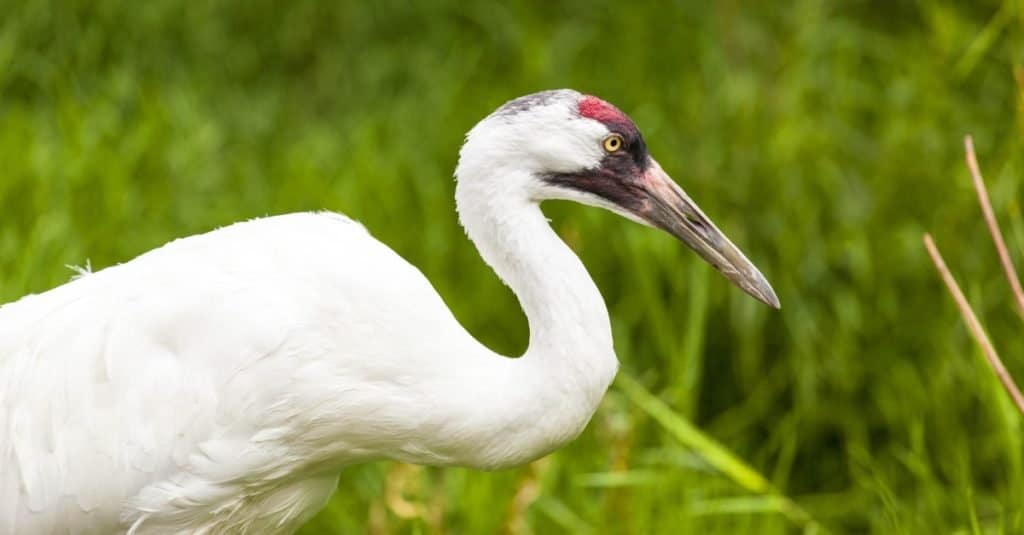
The Wolfberry Whooping Crane Sanctuary helps safeguard critical coastal habitat for one of North America’s rarest birds.
©GTS Productions/Shutterstock.com
The cranes’ survival still hinges on protecting the places they depend on, especially along that crucial stretch of Texas’s mid-coast. That’s exactly why the recently established Wolfberry Whooping Crane Sanctuary matters so much. The protected landscape gives cranes safer ground to forage, rest, and survive the winter, and it also represents a significant step forward for the International Crane Foundation.
Dr. Carter Crouch, Director of Gulf Coast Programs at the International Crane Foundation, says the mission behind the sanctuary is straightforward. “Habitat loss is the biggest threat to the Aransas-Wood Buffalo population, so purchasing this property was addressing that threat head-on,” he explains. “However, we also plan to utilize the property to strengthen the other pillars of our Texas Program, research, landowner/partner collaboration to protect and provide habitat, and outreach/education.”
In other words, protecting the land protects the cranes.
The Case for Protecting This Land
The Wolfberry Whooping Crane Sanctuary marks a first for the International Crane Foundation. After more than five decades of conservation work around the globe, this is the organization’s first land acquisition dedicated specifically to crane habitat.
“This is the International Crane Foundation’s first conservation land acquisition in our more than fifty-year history,” says Crouch. “Habitat loss is the greatest threat to whooping cranes, and we knew protecting a piece of their wintering grounds would be meaningful for their long-term recovery.”
The sanctuary protects more than 3,000 acres of coastal prairie and wetlands along the Texas mid-coast—an area already used by migrating cranes. As the population grows, that habitat becomes even more critical.
“Without protecting the habitats that whooping cranes need long term, their populations simply cannot truly recover,” Crouch says. “We now also have an incredible staff with a background in land management, making the conservation and restoration of this land possible. I think we had the right staff in position to take on this new challenge.”
The reality is that in conservation, timing really matters. Sometimes the right people, resources, and opportunity align at exactly the moment they’re needed.
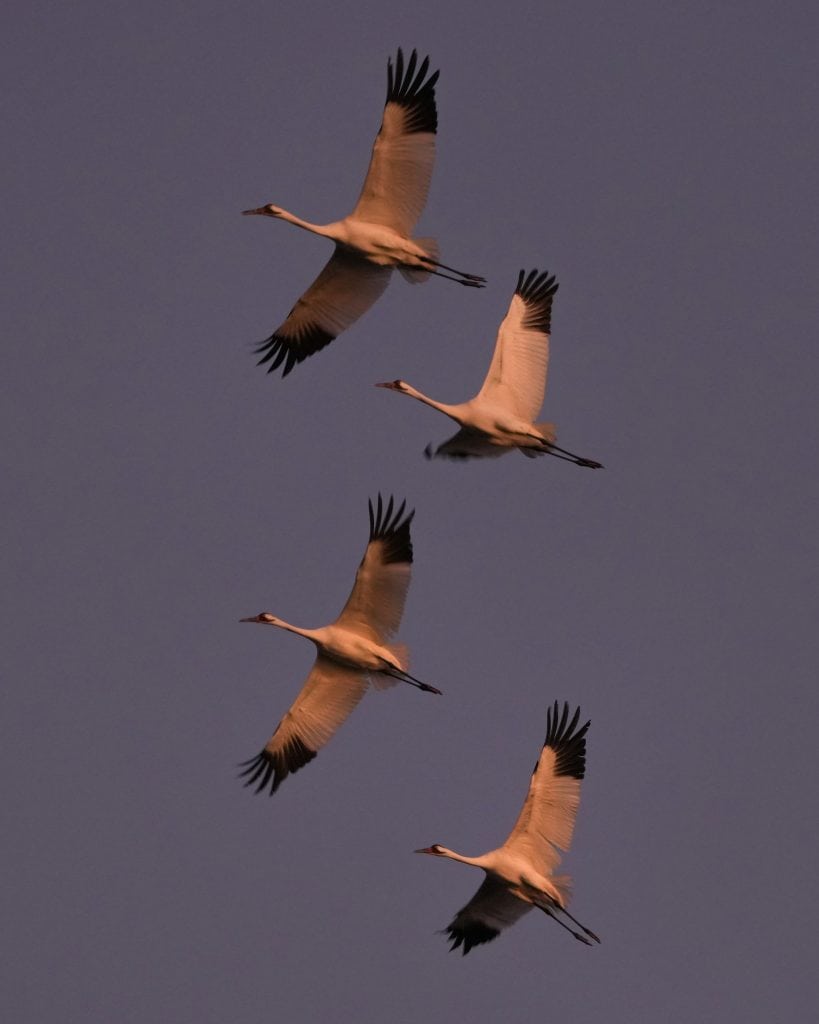
Preserving coastal prairie and wetlands here creates long-term stability for migrating cranes.
©Ryan Michalesko/International Crane Foundation
Recovery in Real Time
Whooping cranes are often described as a conservation success story. And they are, to a point. Coming back from 16 birds is no small feat. But recovery is not a finish line. The newly protected property is part of a broader network of protected lands along the Texas coast. That matters because cranes do not operate within tidy boundaries. They move, forage, and adapt depending on what the landscape offers them.
“This property sits within a complex of other protected lands in an area that already has whooping crane use but is expected to see increasing use,” says Crouch. “Protecting and managing the Wolfberry Whooping Crane Sanctuary will make this important landscape more resilient for whooping cranes in the long term.”
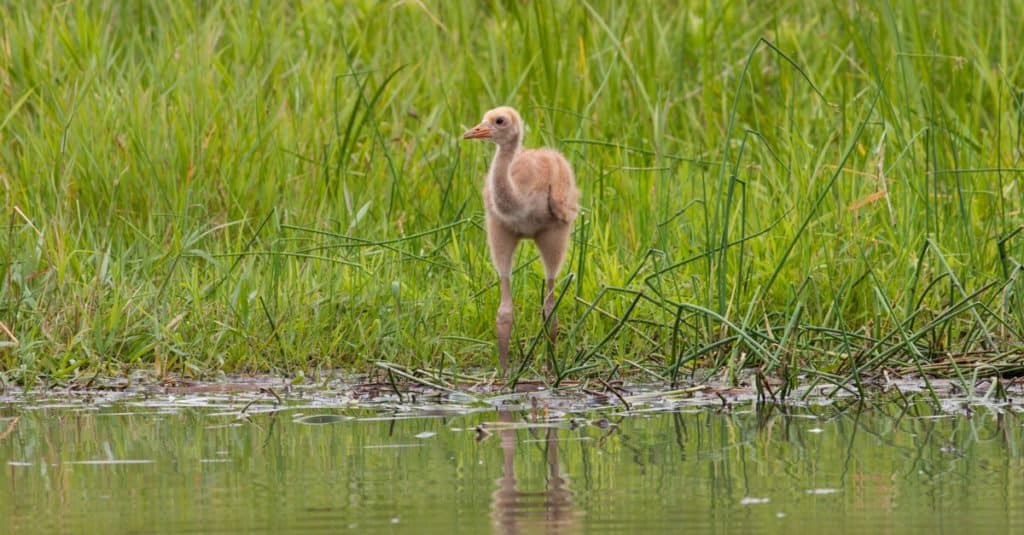
A young whooping crane is known as a colt.
©SCOTT E NELSON/Shutterstock.com
The sanctuary essentially expands the cranes’ safety net. Conservation projects like this do not happen easily. Acquiring thousands of acres of land takes coordination, funding, and a lot of support from people who believe the effort is worth it.
“A lot of work and an overwhelming amount of support from many people made this accomplishment possible,” says Crouch. “Over 550 individuals and groups donated to this project, and we received several grants to help make this dream a reality.”
More than 550 donors contributing to a crane sanctuary might sound surprising at first, but it speaks to something bigger: people care about wildlife, especially when the story feels tangible.
Without protecting the habitats that whooping cranes need long term, their populations simply cannot truly recover.
Dr. Carter Crouch, Director of Gulf Coast Programs at the International Crane Foundation
What Makes Whooping Cranes So Special
If you have never seen a whooping crane in person, it is hard to appreciate just how striking they are.
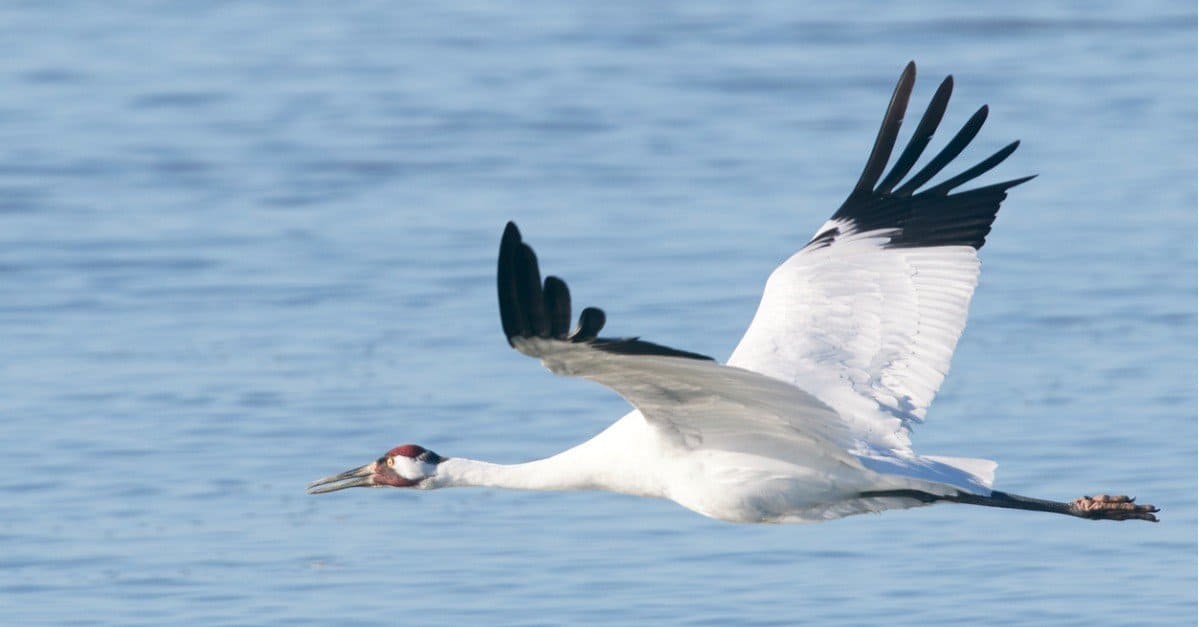
“They are much bigger than you expect them to be,” says Crouch. “They stand around 5 ft tall, and their bright white color really stands out. Their wingspan is 7 to 7.5 ft, so in the air, they are even more impressive. They are also incredibly loud; their voice carries across the marsh.”
And the Texas coast plays a starring role in their story.
“The Texas mid-coast is the winter home of the last wild self-sustaining population of Whooping Cranes in the world,” Crouch explains. “In the 1940s, the last 16 birds in the flock wintered on Aransas NWR, and as the population has recovered, their winter range has expanded.”
Those marshes, bays, and coastal prairies are where cranes rest, feed, and build up energy for their long journey back north each spring.
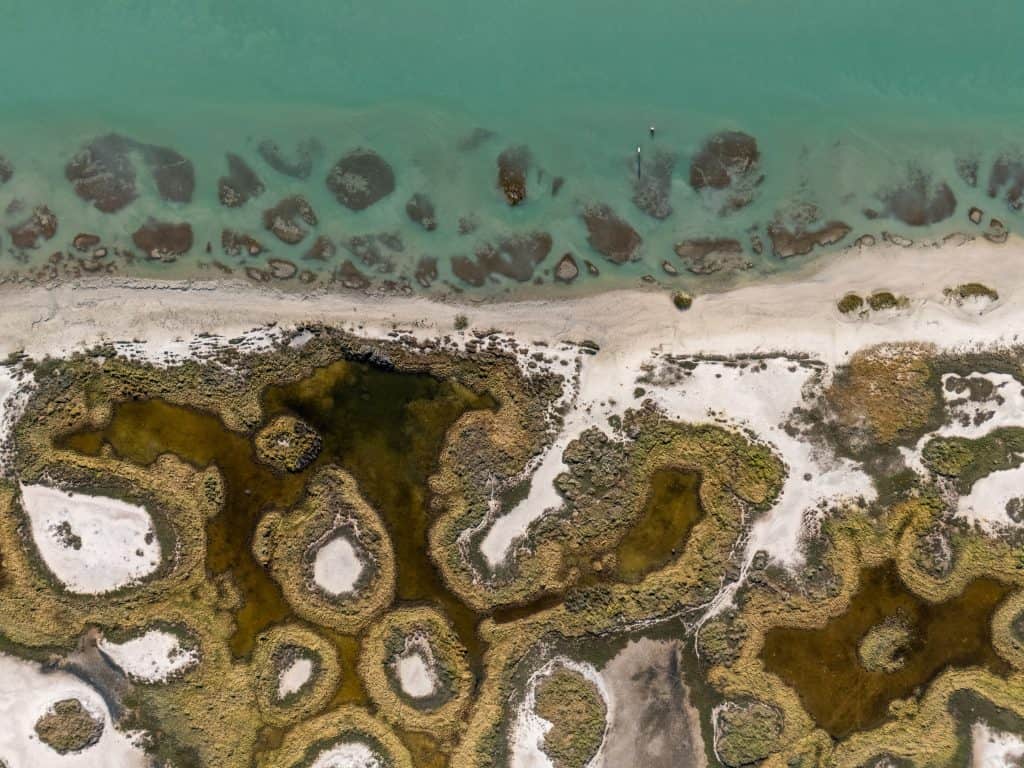
The Wolfberry Whooping Crane Sanctuary expands a growing network of protected habitat along the cranes’ winter range.
©Ryan Michalesko/International Crane Foundation
The Story Behind the Sanctuary’s Name
The sanctuary’s name comes from a plant most people have never heard of: the Carolina wolfberry. But for cranes, it’s an important part of the menu. “Whooping cranes have a diverse diet here on the Texas coast,” says Crouch. “They are famous for eating blue crabs, but they also love Carolina wolfberry fruits, which can be incredibly abundant when the conditions are right.”
Restoring native plants like the wolfberry is a major focus of habitat work on the property. Healthy ecosystems create the food sources cranes depend on.
The Future of the Land and How to Protect It
The Texas coast, like many coastal environments, faces increasing pressure from development and climate change. Habitat can disappear surprisingly quickly when wetlands are drained or when land is converted.
Permanent protection helps buffer against those changes.
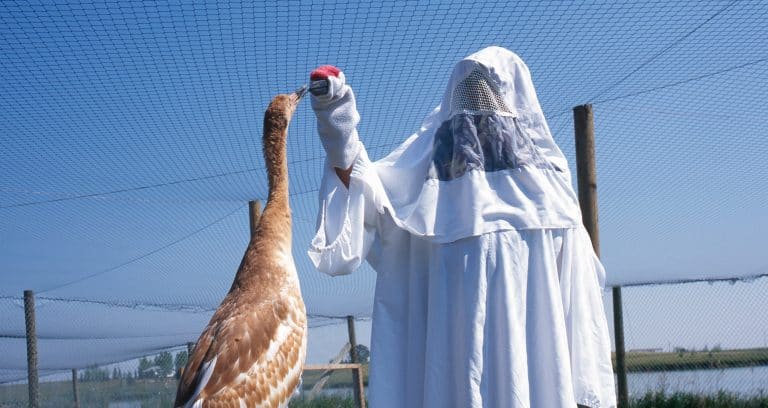
“People have done a lot to bring back whooping cranes, including teaching them to migrate behind ultra-light aircraft,” Crouch says. “But for the Aransas-Wood Buffalo Population, they have done a lot of the work themselves.”
“When we protected habitat and stopped shooting them at a high rate, the population started recovering,” he continues. “There’s still tons of work to do, including managing their habitat well, but I think if we continue to give them the right habitats that will be there for good, they will continue to do their part of the recovery.”
When given the right conditions, cranes tend to meet conservationists halfway.
While cranes may be the headline species, they’re not the only ones benefiting from the sanctuary.
“Whooping cranes are a big bird that needs a lot of space,” says Crouch. “They also rely on wetlands and grasslands, which we have lost a great deal of in North America. These habitats benefit shorebirds and rails, including the federally threatened Eastern Black Rail, and waterfowl, including the declining mottled duck.”
Conservation often works this way. Save one species, and dozens more quietly benefit.
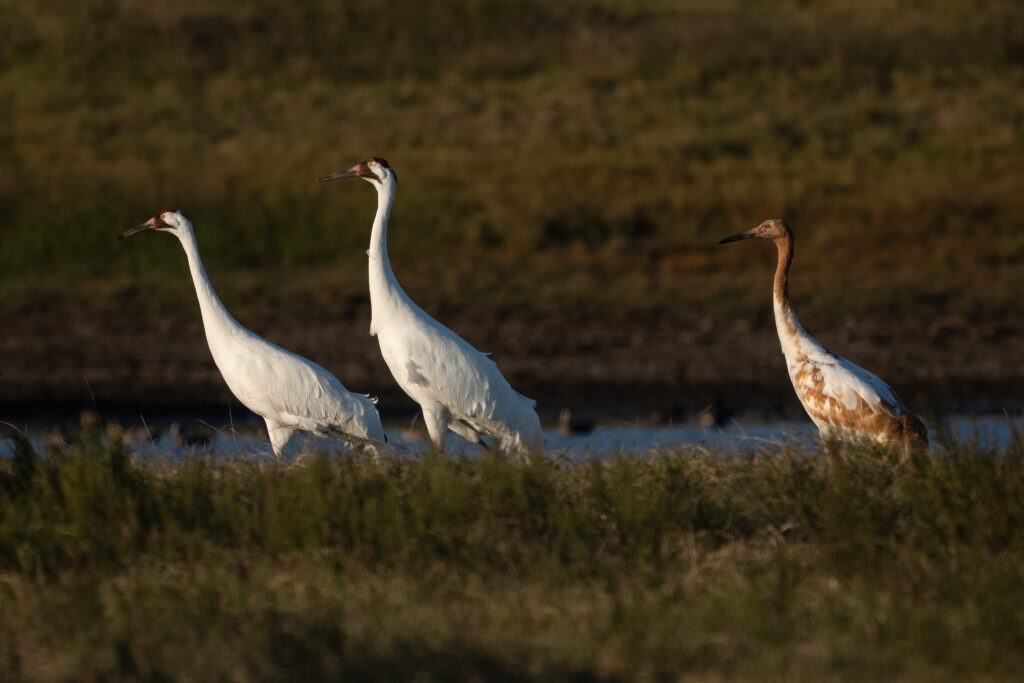
Whooping cranes remain one of the most closely monitored bird populations in the country.
©Ryan Michalesko/International Crane Foundation
Defining Success
Managing the sanctuary will be an ongoing process. Restoration work takes time, and ecosystems rarely snap back overnight.
“Management is not easy, and we have a lot of work ahead of us,” says Crouch. “Success to me would mean a healthy prairie and wetland community that sees more Whooping Crane use than it currently has. We hope to learn and share results from our restoration with other land managers, and we hope to work with volunteers from the community to help us restore this site.”
Encouraging people to connect with wildlife is part of the mission. “I think something like habitat protection and management is so tangible that most people can get behind it,” Crouch says. “We knew this project was important, but the outpouring of support from hundreds of people tells me that many other people knew it was important also.”
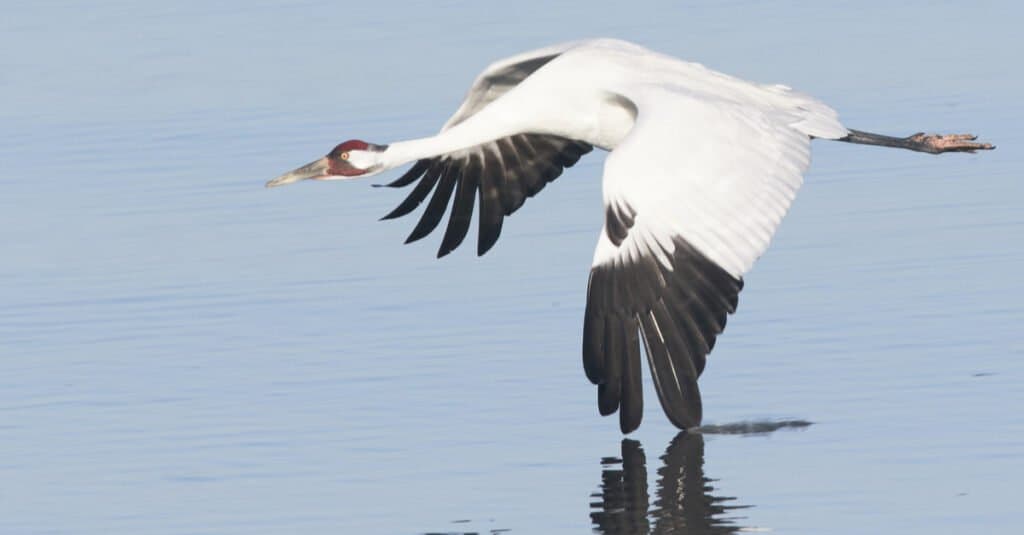
In flight, whooping cranes can span more than seven feet from wingtip to wingtip!
©Kent Ellington/Shutterstock.com
So, How Can You Help?
For anyone inspired by the cranes’ story, there are plenty of ways to get involved.
“We encourage you to visit www.savingcranes.org to learn more about the important work the International Crane Foundation is doing in Texas, and all around the world, to save cranes and their habitats,” says Crouch.
He also points out that conservation doesn’t have to happen thousands of miles away.
“Look into supporting your local conservation groups that are working towards the protection of grasslands and wetlands,” he says. “Support a legislature that strengthens protections for wetlands and endangered species, and write to your representatives to oppose a legislature that weakens those protections. Volunteer at trash pickups or restoration projects.”
And perhaps most importantly, he says:
“Get excited about this incredible natural world that we have and share that excitement with others!”
Because the story of the whooping crane—from near extinction to a slow but hopeful comeback—is proof that when people protect the right places, wildlife can still surprise us.