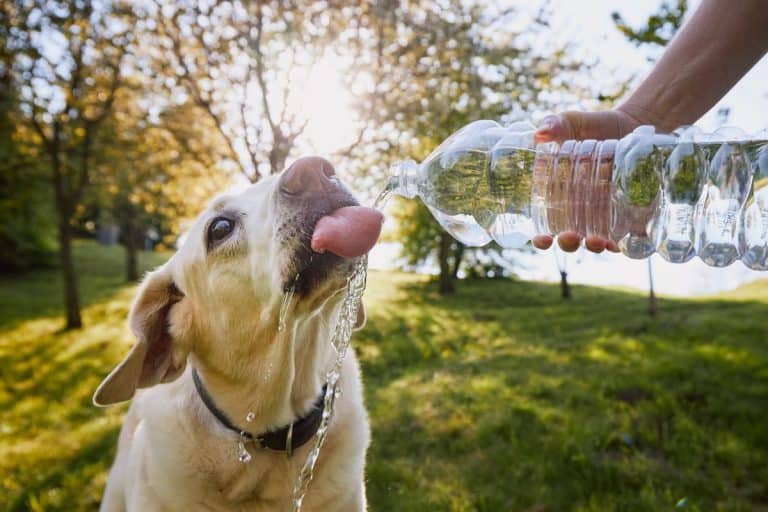
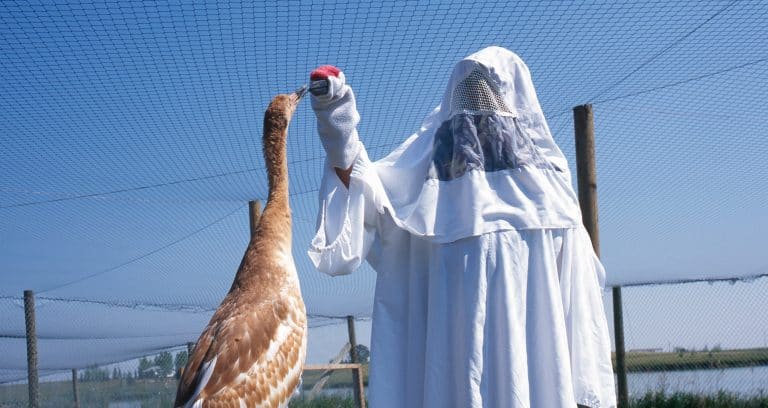
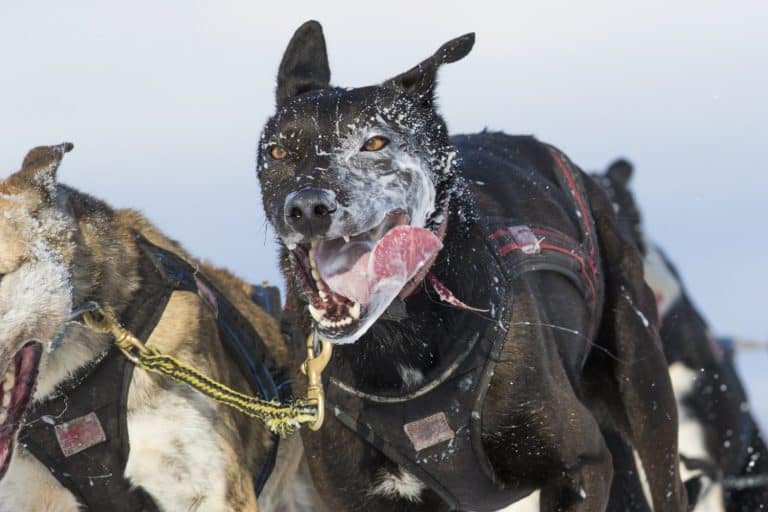
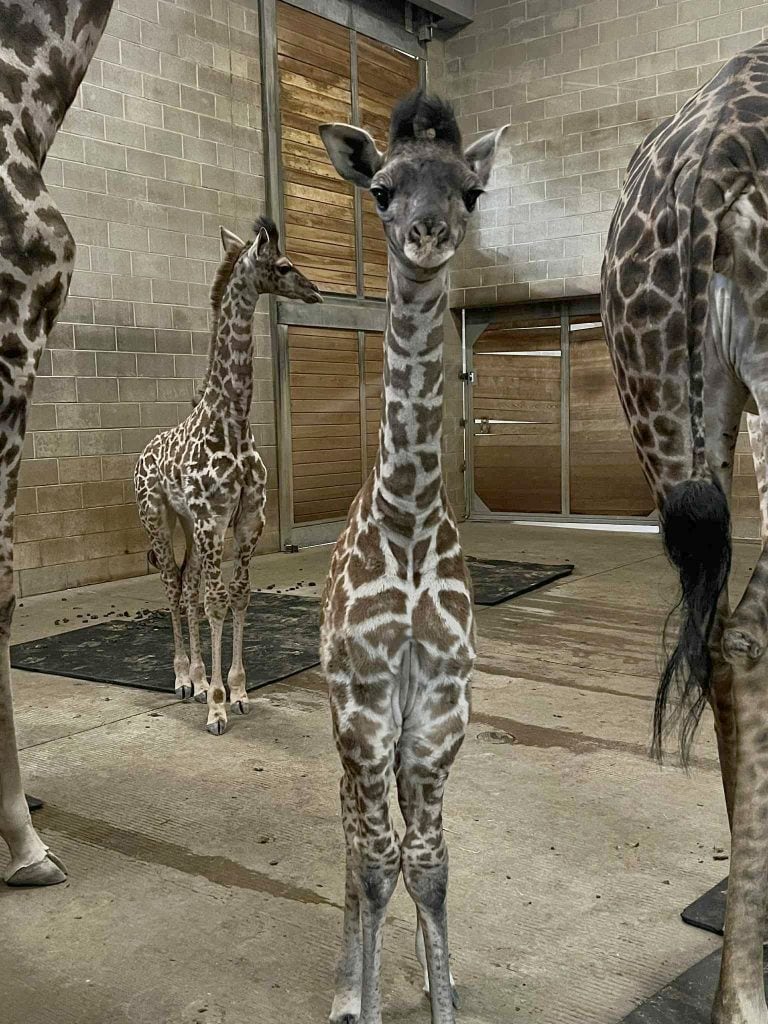
In the United States, heat waves break out every summer. While people can jump in their pools, go to the beach, hit the lake, or engage in other activities that keep them cool, animals at zoos do not have the luxury of leaving the property to do so. Instead, the animals rely on zookeepers to be prepared for when the heat waves come to keep them cool.
Each zoo may have slightly different protocols for maintaining the stability of its animals’ body temperatures. If animals are already adapted to hot weather based on their natural habitats, the methods for keeping them cool may be less extreme than those used for animals that live in snowy environments for much of the year. Fortunately, zookeepers come to know their animals and their temperaments quite well and can tell when cooling tactics may need tweaking. This is how animals continue to receive proper care despite the summer heat beating down on enclosures across the nation.
Even As Temperatures Soar, Zoo Enclosures Stay Cool

Many animals enjoy frozen treats at zoos when temperatures soar.
©CHOTE BKK/Shutterstock.com
Zoos across the country have been working to keep their animals cool and healthy as summer has set in. While each zoo has its own protocol for doing this, the goal is the same: to ensure that no animals become ill due to heat-related complications. In the case of the Phoenix Zoo, in Phoenix, Arizona, zookeepers have been working hard to keep their animals cool for weeks, as temperatures often reach triple digits in May. The average high temperatures for June, July, and August in Phoenix typically range from 105°F and 107°F, leaving both those who care for the animals and the animals themselves a bit wilted at the end of the day. According to Linda Hardwick, Director of Communications for the Phoenix Zoo, the list of measures zookeepers take to keep the animals cool is extensive.
“Keepers are constantly monitoring the behavior of the animals and will use their body language and behavior to assess when to cool the animals off,” Hardwick explains to A-Z Animals. “Keepers are highly in tune with their animals and will take measures to ensure they are cool before they get overheated!”
According to Hardwick, the ways zookeepers keep the animals cool include:
- Misters
- Fans
- Shade structures & areas of their habitat that are shaded by bushes, trees, etc. that offer natural shade
- Indoor climate-controlled day rooms for some animals such as orangutans
- Indoor climate-controlled night houses for a large majority of animals
- Water grass and habitats early in the morning
- Garden hose showers for some birds and reptiles, even rhinos
- Pools, ponds, and creeks for tigers, jaguars, and rhinos
- Ice treats are given to animals throughout the summer made with electrolytes and their diets (veggies or fruit) sort of like a popsicle!
In addition, Hardwick states that “several of our animals are given access to their temperature-controlled and cooled nighthouses when temperatures reach a certain level.” This is done until temperatures begin to cool for the season, which, based on Phoenix heat, might be until October.
How Animals Beat the Heat

Animals that are from colder regions of the world need more aggressive ways to stay cool than those that are more adept to the heat.
©Moritz Buchty/Shutterstock.com
At the Phoenix Zoo, there are no animals that cannot acclimate to the Arizona heat. Because of this, according to Hardwick, colder-weather animals are never found in any of the enclosures. Zookeepers ensure that when temperatures rise, there are plenty of options for the animals to cool off. However, housing animals that can thrive in the heat, as opposed to those that cannot, presents a different challenge compared to zoos that house both types.
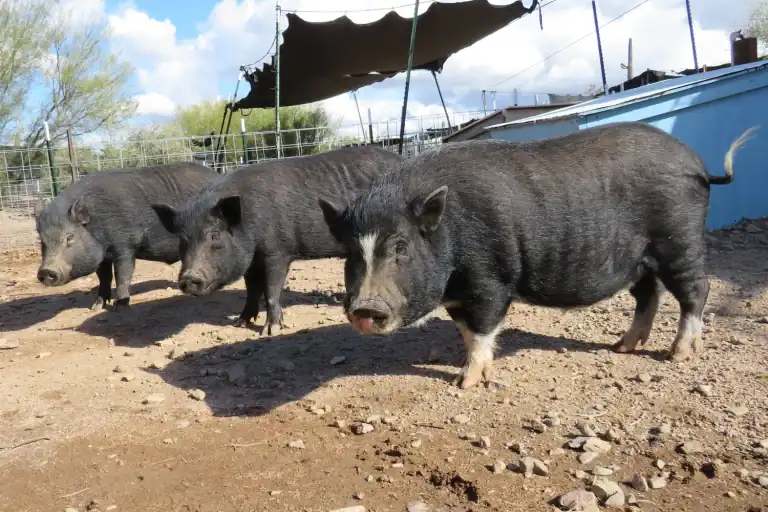
“We specialize in animals that can thrive in the Arizona heat,” Hardwick explains to A-Z Animals. “We don’t have polar bears, penguins, moose, etc. We also have an entire trail dedicated to native Arizona species, called the Arizona Trail. On that trail, you will find coyotes, Mexican wolves, javelina, and jaguars—all animals that are native to the region.”
In addition to all the ways that the Phoenix Zoo cares for its animals when the heat sets in, zoos that have animals that would prefer colder temperatures have additional work to do. In the instance of the Columbus Zoo, ways they keep their colder-weather animals healthy during the heat include:
- Polar bears have a chiller in their pool to keep the water at a consistent 55°F to 60°F. Additionally, there are air conditioning units in the enclosures, plenty of shade, and misters to keep them cool.
- Harbor seals are given ice buckets to lay in while they enjoy snacks of fresh herring.
- While not an animal that loves cold weather, lions are also allowed to dig in sandboxes where there is cooler sand underneath and are provided with shaded areas and enrichment to help them stay cool.
Zoos must ensure that their animals have access to cooling methods as temperatures rise to unhealthy levels. If these precautions are not taken, the animals could face very serious health consequences, some of which could even be life-threatening.
Extremely Hot Temperatures Can Put Stress On Zoo Animals

Animals at zoos can face life-threatening conditions if not properly cooled during heat waves.
©Frank Wagner/Shutterstock.com
Just as the heat index begins to soar, so do the stress levels that animals living in zoos face. This is not only for animals that live in traditionally cooler areas than the region where the zoo is located but for animals that are acclimated to the heat as well.
Just as visitors to the zoo feel the heat as they walk in the sun from exhibit to exhibit, the animals do as well. If not properly cared for, there is a very real possibility that the animals will face health issues that could be life-threatening. Those issues include:
- Dehydration
- Heat stress
- Heat stroke
Knowing that heat can cause these issues is precisely why zoos across the United States have plans in place during the warmer months to keep animals safe and healthy. In some cases, the zookeepers know the animals they care for so well that personalized plans are implemented to provide for the individual needs of each animal.
Keepers are constantly monitoring the behavior of the animals and will use their body language and behavior to assess when to cool the animals off.
Linda Hardwick, Director of Communications for the Phoenix Zoo
Zoo Hours May Change During the Summer

Hours tend to be earlier at zoos across the nation during the summer to reflect the more active hours of animals.
©Elizaveta Galitckaia/Shutterstock.com
Zoos typically set their hours for times when they know animals will be most active. During the summer, this activity tends to occur earlier, as animals retreat to cooler areas within their enclosures once the heat of the day sets in. To ensure patrons have the opportunity to see animals during the summer months, many zoos choose to adjust their hours. This is especially true for zoos in areas that reach triple-digit temperatures multiple times during the summer, such as the Phoenix Zoo.
According to Hardwick, summer is the “slow season” at the zoo. Temperatures are hot, which not only makes the animals uncomfortable when the heat of the day hits, but attendees become uncomfortable as well. This is why, instead of the typical October through May hours of 8:00 A.M. (7:00 A.M. for members) to 4:00 P.M., summer hours are dramatically different. The hours at the Phoenix Zoo during the summer are as follows:
| Month | Hours |
| June | 7:00 A.M. to 1:00 P.M. (members can get in as early as 6:00 A.M.) |
| July | 7:00 A.M. to 1:00 P.M. (members can get in as early as 6:00 A.M.) |
| August | 7:00 A.M. to 1:00 P.M. (members can get in as early as 6:00 A.M.) |
| September | Monday through Thursday 8:00 A.M. to 1:00 P.M. (members can get in as early as 7:00 A.M.) Saturday and Sunday 8:00 A.M. to 4:00 P.M. (members can get in as early as 7:00 A.M.) |
Many zoos across the nation modify their hours to help combat the heat. Therefore, it is recommended to check each zoo’s website before visiting. Additionally, the websites can inform patrons about any exhibits that may be closed early, allowing them to see specific animals of interest before they are unavailable.