
Quick Take
- A snake took down power for thousands of people during a heat wave, and the way it happened is stranger than you would expect. See the Nashville incident →
- Birds and squirrels get the blame, but snakes have their own surprisingly effective way of shorting out the grid. Discover how snakes short circuits →
- Substations are designed to keep people out, but snakes find them irresistible for a reason that is surprisingly counterintuitive. Find out why snakes enter substations →
- Nashville wasn't the first city a single snake plunged into darkness, and the scale of the other incident is hard to believe. Read about past snake outages →
More than 7,000 North Nashville customers lost their power supply in a 30-minute outage at the end of June 2026. This problem was not caused by a storm or a technical issue—it was caused by a snake! Here’s what happened.
Nashville Power Outage Caused by a Snake
Over 7,000 customers in the Bordeaux area of North Nashville suffered a power outage at 9:30 p.m. when temperatures were around 90 degrees. Residents reported seeing a large flash in the distance, and then their lights went out. What’s more, their AC stopped working! Thankfully, NES crews restored power within 30 minutes.
Speaking to WSMV4 in this local news report, local resident Packy Lundholm said, “It wasn’t storming, there wasn’t anything going on that would’ve caused that.” However, a news report from the Nashville Electric Service later stated that the outage was caused by interference from an animal—a snake.
How Can Snakes Cause Power Outages?
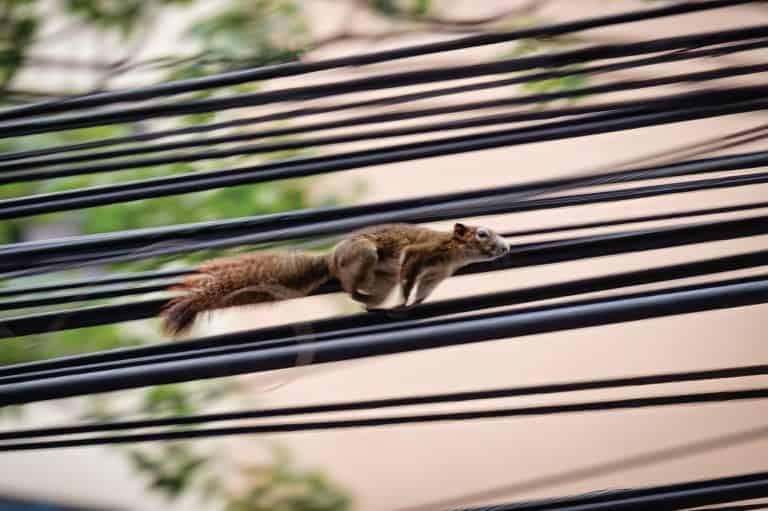
This is not an isolated incident; wildlife—including snakes—have caused power outages in the past. Birds and squirrels are actually more common culprits, but raccoons, opossums, and even beavers have been implicated.
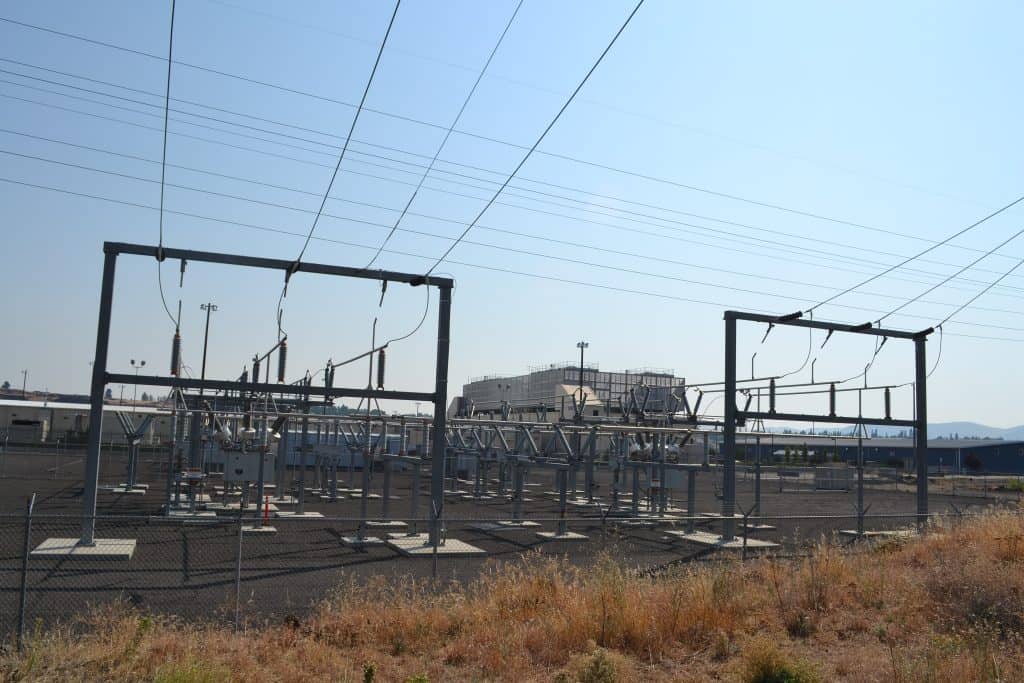
Snakes can cause widespread power outages.
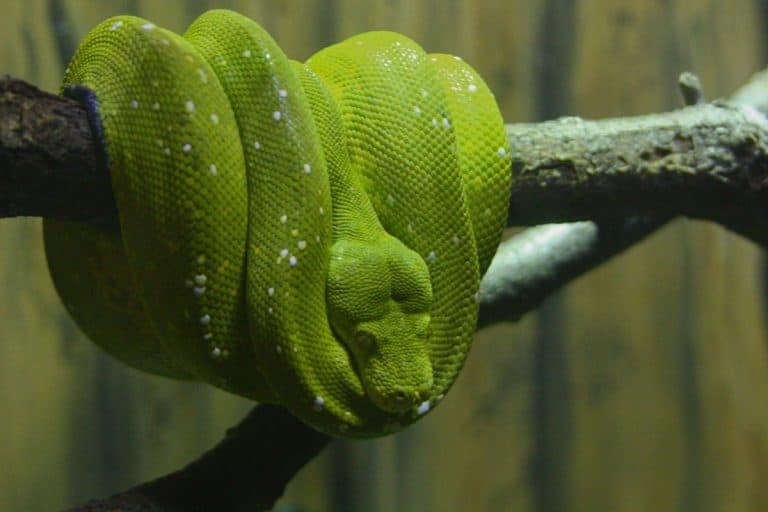
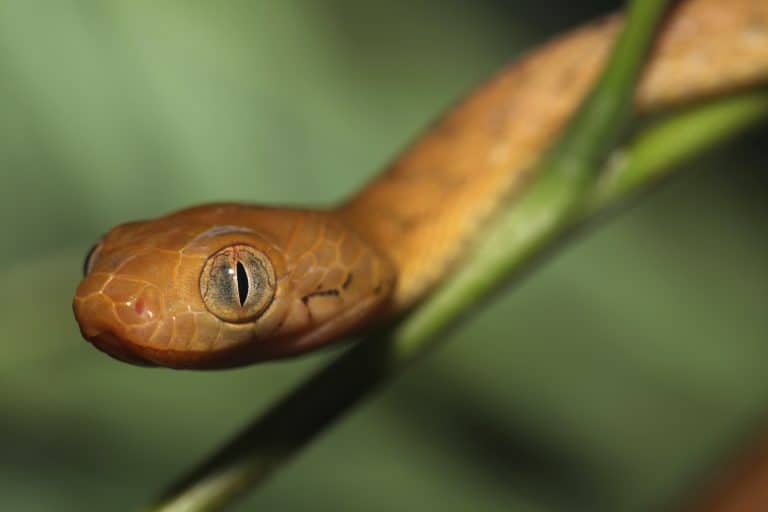
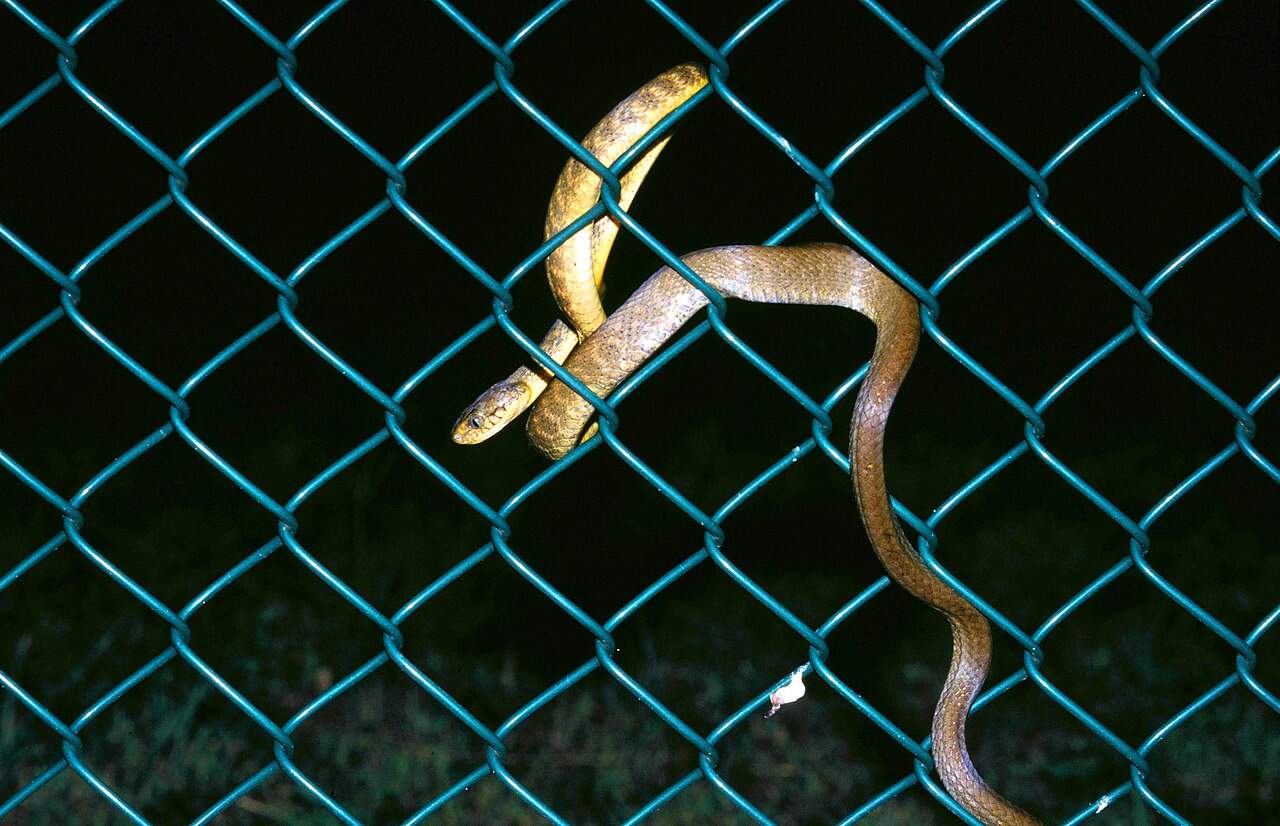
In some incidents, a snake dropped onto an electrical line from an overhanging tree branch. The snake’s body acts as a conductor and shorts the lines. Arboreal snakes (those that live in trees) can also short out the lines while hunting birds and raiding nests.
Snakes will follow mice or other small animals into substations, where they may get into transformers or other equipment and cause outages. In 2022, a single snake caused a massive power outage in Koriyama City, Japan, after entering a substation and leaving around 9,800 homes without electricity.
What Attracts Snakes to Substations
Believe it or not, substations are desirable places for many snakes! In cooler weather, they are attracted to the warmth as they are ectothermic (cold-blooded) animals. Also, transformers and electrical installations are often situated in protected or enclosed areas, and this offers the snake an ideal hiding spot. Much of the equipment resembles the natural nooks and crevices where snakes prefer to hide.
Finally, small prey animals often live in the areas around substations. Snakes are opportunistic predators and will not pass up a quick meal, even if it means entering a substation.