
Quick Take
- A controlled study released cocaine-exposed juvenile salmon into the wild, and their movement patterns revealed something researchers didn't expect. Explore the wild study →
- Cocaine is just one of the drugs scientists found in English rivers, and the others may be doing something even stranger to wildlife. See other drugs found →
- What starts in a contaminated river may not stay there, and the downstream consequences could be closer to your dinner table than you'd think. Trace the food chain risk →
Water tests from Suffolk, England, are revealing hard truths about drug contamination in our waterways. Some even tested high for illicit substances, such as cocaine, which is not only addictive to humans but may also affect aquatic life. The same compounds that people seek for their high now flow in our rivers.
Scientists say the problem lies not only in the water, but in how these chemicals are absorbed by marine life. Evidence shows that some fish are even changing their instinctive patterns as a result of drug toxicity. If something isn’t done soon, we may be looking at these issues on a mass scale across the world’s waters. At the core of it all, our actions are causing this cross-contamination.
Studies Reveal Toxic Levels of Cocaine in Rivers
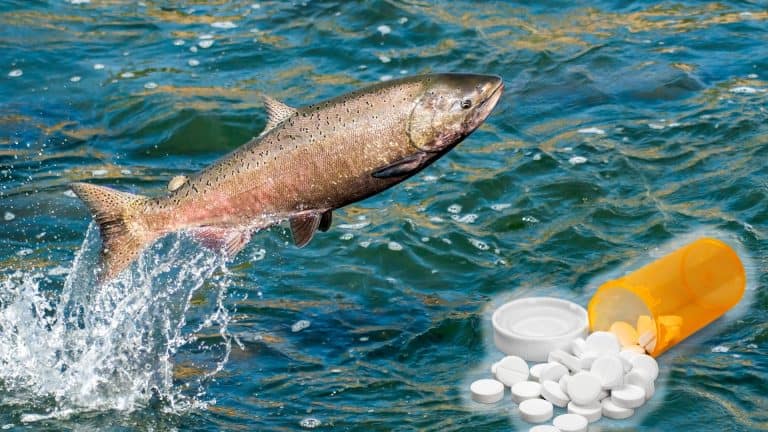
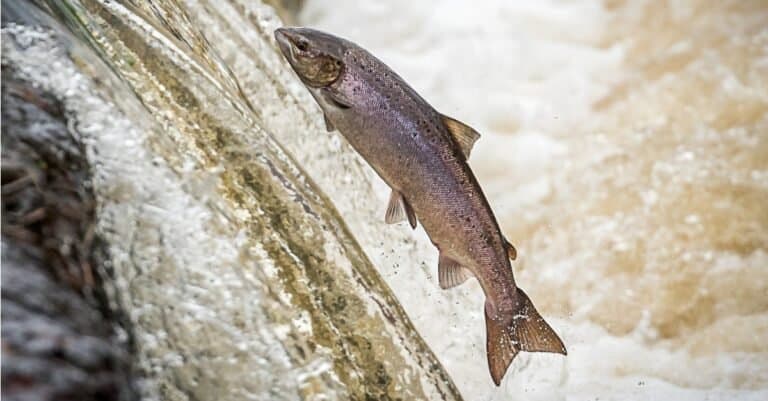
While we know how cocaine affects human brains, the biggest problem with finding it in rivers is that we don’t know how it affects the brains of fish. Researchers at the Swedish University of Agricultural Sciences say the full consequences of this toxicity are not yet fully understood. However, recent studies have documented behavioral changes in fish exposed to cocaine and its byproducts. According to the study, evidence may point to changes in foraging, diet, and migration. In one case, juvenile Atlantic salmon were introduced to the chemical compounds in cocaine. During the controlled study, they swam further than their natural range and became more widely dispersed throughout the water.
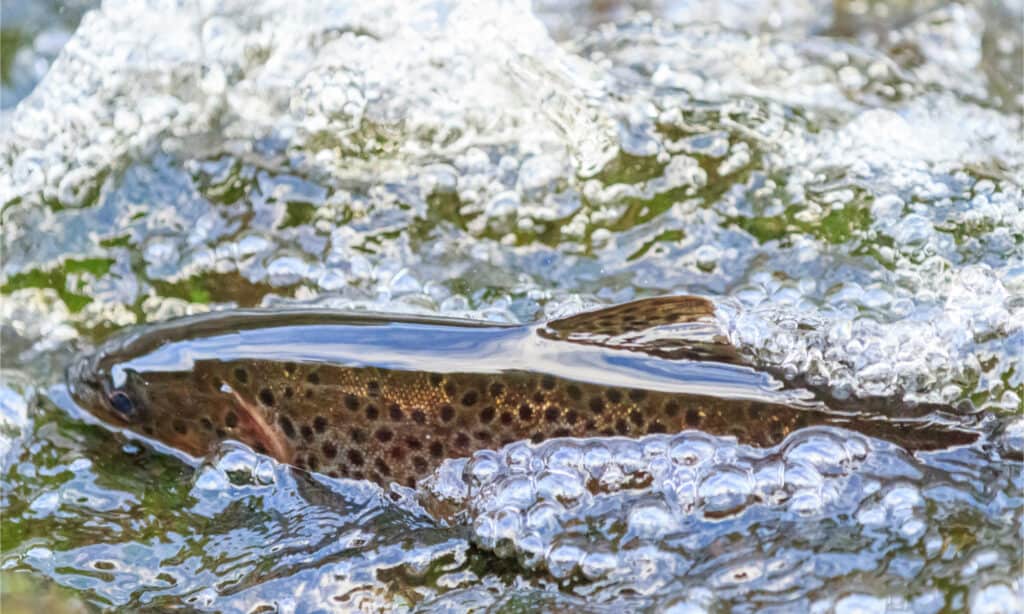
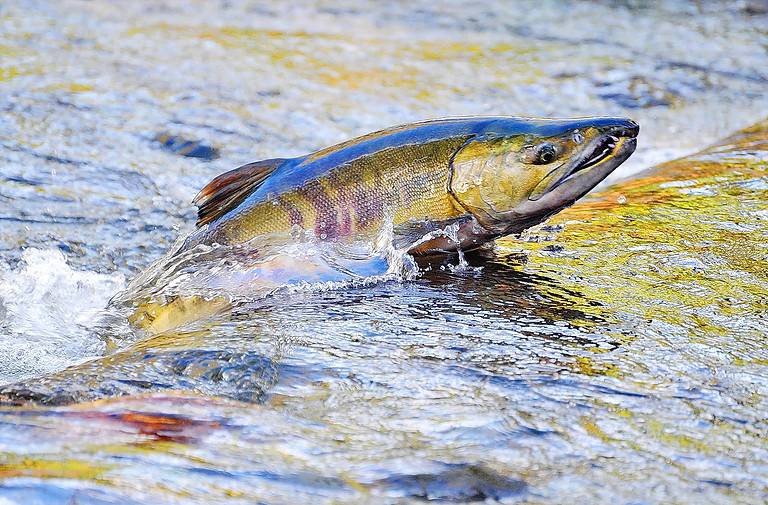
In the Suffolk rivers, Atlantic salmon were exposed to measurable levels of benzoylecgonine (a cocaine compound).
©Chanonry/Shutterstock.com
This may not seem like a drastic change, but for salmon, which are creatures of habit, it could mean several things. A larger territory may have negative ramifications for other species and might even be dangerous for the salmon. Migration patterns may change as a result, since the salmon must now swim longer distances. If this is affected, their spawning habits will also change.
Sadly, the problem is not exclusive to cocaine. A 2019 study conducted in Suffolk, England, also revealed the presence of methamphetamines, antipsychotics, and antidepressants. Each of these drugs affects wildlife differently, and some may even trigger fear or apprehension. Others may make marine life more lax, dulling their instincts in the wild. On the other hand, some species, such as crustaceans, may become more daring than usual. Throughout North America, THC-COOH, a byproduct of cannabis, is often found in polluted waterways. Additionally, ketamine, a sedative drug, has been increasingly detected in wastewater in cities across Belgium, Germany, and the Netherlands.
Cocaine-Crazed Atlantic Salmon in the Wild
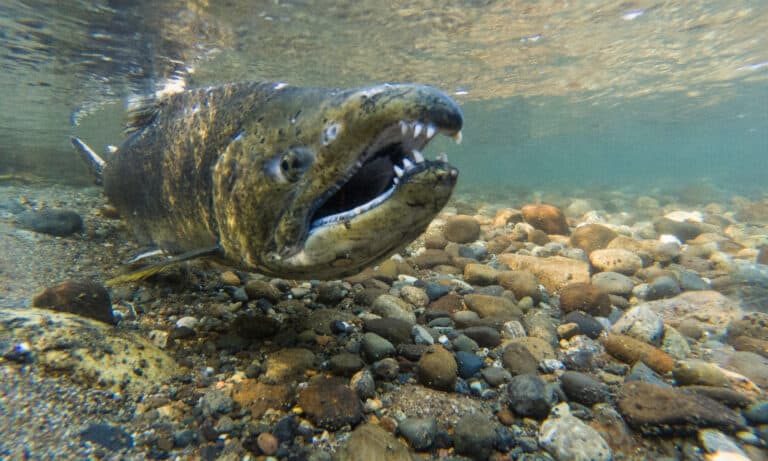
In that same study on Atlantic salmon that had been exposed to cocaine-laced water, the fish were released back into the wild. A total of 35 juvenile salmon were exposed to both cocaine and the byproducts of its breakdown beforehand. After, they were tagged so that scientists could keep a close eye on them. The most significant change observed was in the swimming distance of the salmon. Those without the drug interaction (the control group) swam roughly 12.5 miles from their release point. Those exposed to benzoylecgonine (the cocaine byproduct) swam nearly 20 miles from the release point.
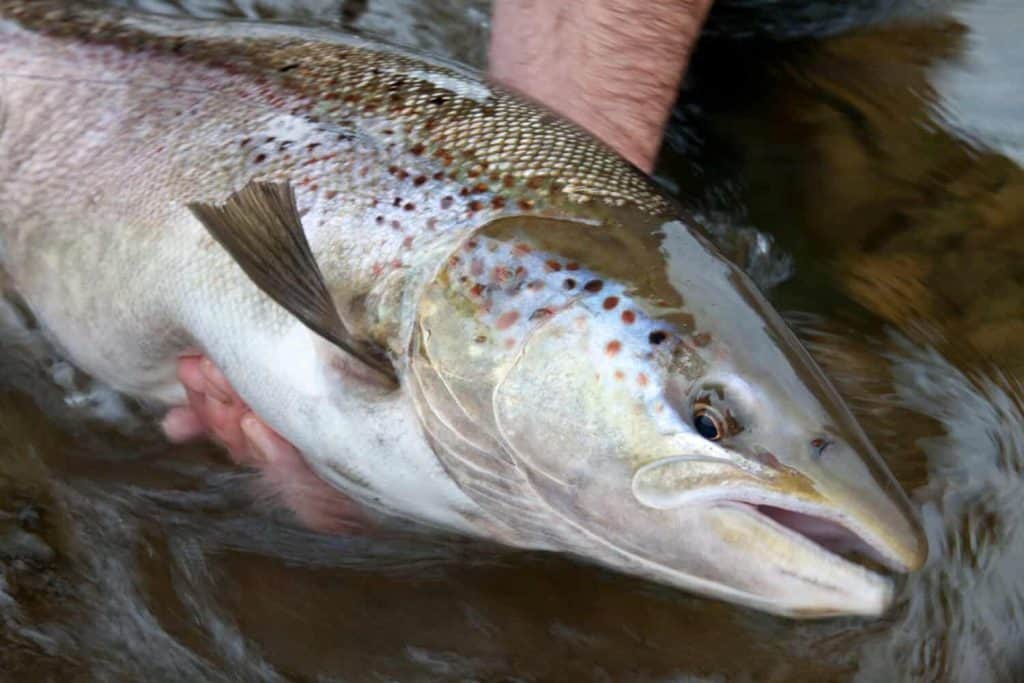
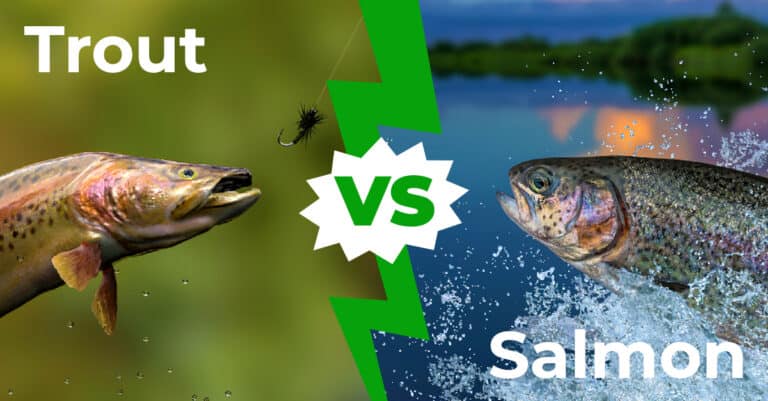
Atlantic salmon with cocaine in their systems swam marginally further distances than those without.
©gpeet / Shutterstock.com
What this means for rivers where fish coexist with chemical pollutants remains unclear. One hypothesis is that benzoylecgonine causes salmon to stray from their native territory, whether by lowering their defenses or giving them false confidence. Another thing researchers noted was that juvenile salmon tend to be more adventurous, exploring their surroundings. This means cocaine toxicity may embolden them further, while having a different effect on aging fish.
Human Waste Contributes to Higher Water Pollution
If nothing else, these findings are a wake-up call for sewage and wastewater handling. These pharmaceuticals do not exist in the wild, meaning any unintentional contamination can have adverse effects. A drug like cocaine may be out of a human’s system within days, but may linger in that of a fish. Additionally, scientists can now confirm that benzoylecgonine has rapid effects on Atlantic salmon. More studies are required to know the long-term effects, but what we’ve seen is already concerning.
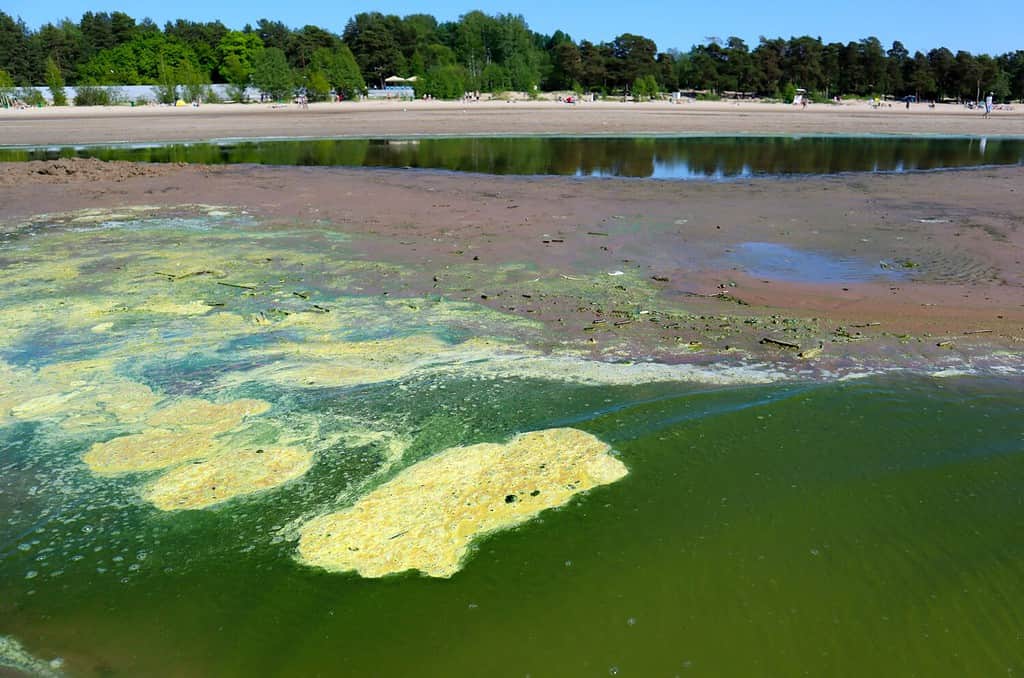
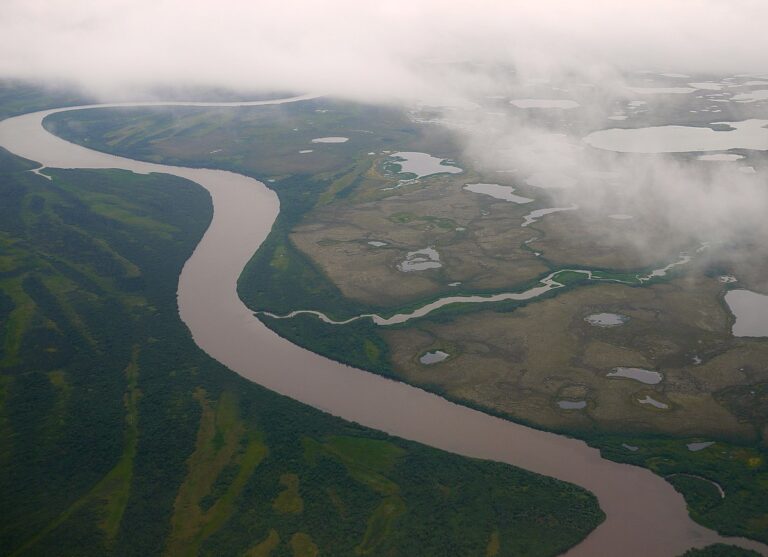
We can’t know for sure how polluted our waterways are, especially when drug compounds break down in aquatic environments.
©mivod/Shutterstock.com
Better wastewater management is the only way to slow and even stop the spread of drugs into waterways. If this is not done, we may face more significant issues in the future. Potential contaminants can also enter agricultural fields, which could affect crops. By extension, this would also impact the animals—including humans—that consume these crops.