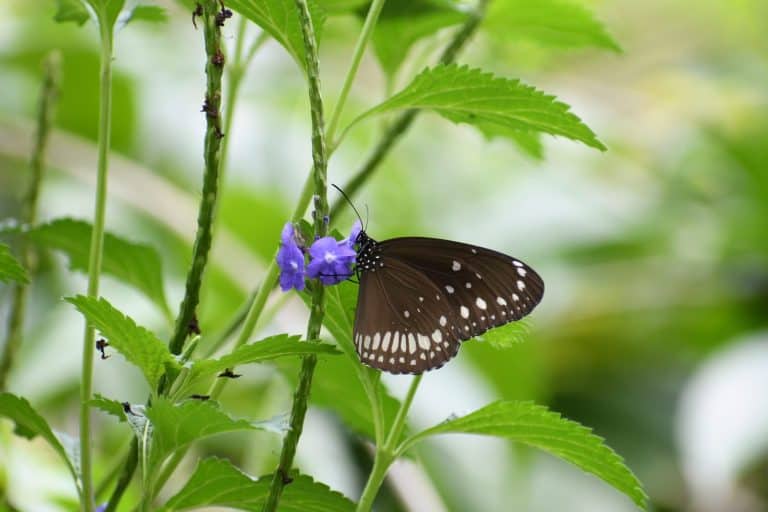
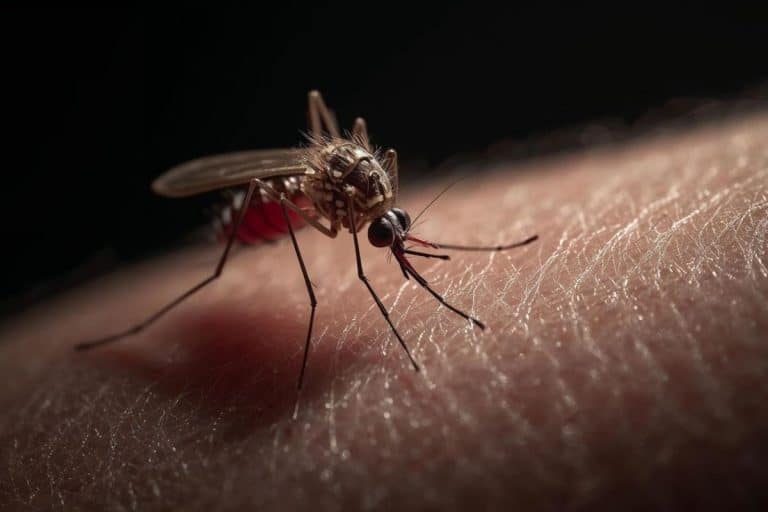
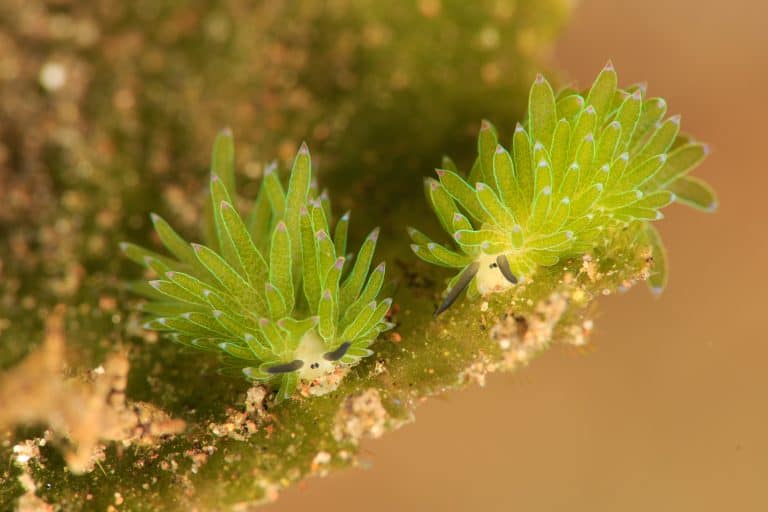
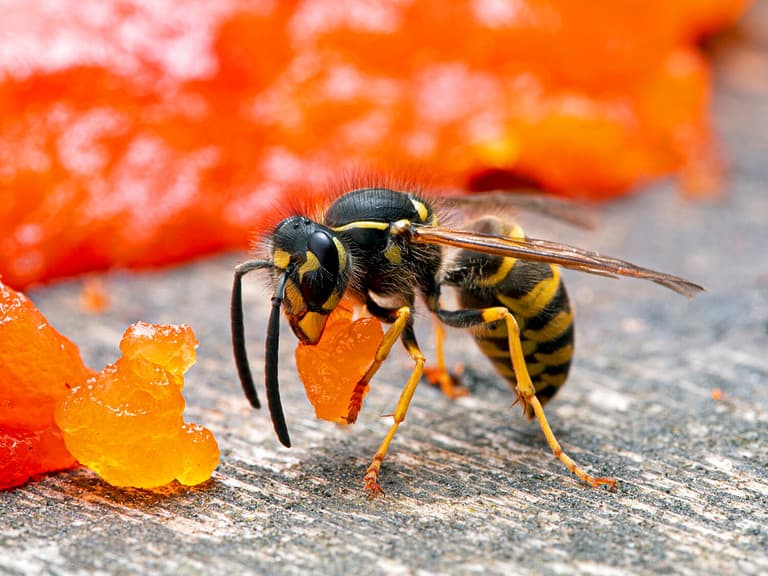
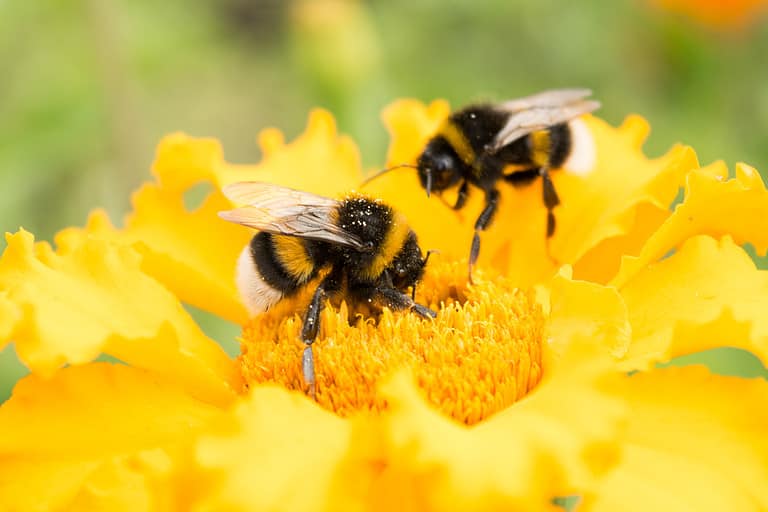
This year, as every year, when the ground began to warm, I rushed to my seed box to begin planting pollinator-friendly plants. Zinnias, marigolds, cosmos, and borage are among my usual contenders. With each new bloom, I anticipated the arrival of insects at my pollinator plot, waiting anxiously with my macro lens to capture these important visitors.
Lately, however, my zinnias have been blooming without much visitation. The only visitors I have managed to come across have been a single fly and a lone jumping spider. Although unfortunate, this comes as no surprise, as globally, insects are in decline, with pollinators at the forefront. Insects in general have been declining for several decades. Pollinators play important ecological and agricultural roles, and their decline could have devastating effects on agriculture. There are 12 significant threats causing this rapid decline. Let’s explore the key reasons behind their decline and identify what steps we can take to reverse the damage.
War and Conflict

Armed conflicts can reduce agricultural diversity.
©Milan Sommer/Shutterstock.com
When attention shifts to the battlefield, there is often little time or resources left to plant a diverse range of crops required for consistent food availability. This crop simplification, driven by conflict, can have harmful effects on wild pollinators. The War in Ukraine, for example, has severely disrupted agricultural production. Studies have shown in some rural areas a reduction or cessation of about 25% of food production. With fewer crops growing, there is less food for pollinators to survive on.
Microplastics

Microplastics have been found in human blood, lungs, and even placentas.
©Maksim Safaniuk/Shutterstock.com
Plastics are man-made, synthetic materials. The demand for these materials arose during the Industrial Revolution, where the need for mass production and cheap goods surged. One of the largest reasons plastic is so widely used (and so dangerous for the environment) is its ability to last a long time. Though plastic revolutionized life as we knew it, we forgot to create it responsibly.
Microplastics are tiny plastic particles that linger for hundreds of years. They are formed over time as plastic breaks down under sunlight, waves, wind, and other natural forces. This degradation process has made microplastics exist almost everywhere, including our water, soil, food, air, and even in our bodies.
Microplastics are a threat to pollinators exactly for this reason. Pollinators like bees and butterflies cannot avoid them, leading to contaminated beehives and harmful effects on pollinators’ health. In some cases, microplastics have even been shown to interfere with bee behavior, interrupting their cognitive processes (including flower recognition).
Poorly Planned Tree Planting

Not all reforestation is good for the planet.
©Dolores M. Harvey/Shutterstock.com
Planting more trees might seem like a simple solution to deforestation, and in some cases, it can support biodiversity. However, growing a large number of trees without careful planning can have the opposite effect and actually harm pollinators. Additionally, dense tree cover can lead to the removal of open wild habitats that are crucial for pollinators.
Artificial Light

Artificial lights can confuse pollinators, pulling them off course.
©Take Photo/Shutterstock.com
Some pollinators exist under the shadows of night, keeping the ecosystems humming while we sleep. Night pollinators include moths, bats, flies, beetles, and a few other creatures of the dark. Artificial lights can derail and disorient moths, which navigate mostly by moonlight and starlight. Research shows a 62% reduction in flower visits by nocturnal pollinators. On top of that, the constant glow can be disruptive to natural circadian rhythms, cycles that are vital to the balance of entire ecosystems.
Mining of Metals

Metal mining releases heavy metals into the soil, which can be absorbed by plants.
©mykhailo pavlenko/Shutterstock.com
Mining metals, including lithium and cobalt, can lead to devastating impacts on the environment. These metals are mainly extracted for phones, batteries, and other forms of technology we use every day. The issue is that mining operations often destroy native vegetation and leach pollutants like mercury, lead, and cadmium into the surrounding soil and water.
Where mining takes place, pollinator foraging and nesting areas can vanish entirely. And though the restoration efforts can happen, they are often slow and usually skip over rebuilding pollinator habitats. In one example, cocoa farmers in Ghana who were impacted by illegal small-scale mining have observed many negative impacts on their local environments. Farmers reported immature pods dropping, the wilting and yellowing of leaves, deforestation, and the release of chemicals. The contribution of cocoa to Ghana’s GDP decreased from 3.6% in 2011 to 1.8% in 2017, with mining activities cited as a contributing factor during that period.
Loss of Pesticide Monitoring

Between 1990 and 2022, pesticides have increased at different rates, including use per cropland area increasing by 94%
©oticki/Shutterstock.com
Pesticide use and its effects can only be measured if we actively monitor them. With the lack of enforcement against illegal pesticide use and outdated or weak pesticide monitoring systems, wild pollinators can be affected. Detecting these dangerous trends without data is extremely difficult. Without proper tracking or regulation of pesticides, we fail to understand how much exposure is truly happening and how toxic these areas are becoming to pollinators.
Air Pollution

Air pollution has the potential to break down floral scents before bees can find them.
©muratart/Shutterstock.com
Another thing we can thank the Industrial Revolution for is the rise of large factories that contribute to air pollutants like smoke and other emissions. When we see a new product, we often do not consider what it took to get it into our hands, and with conveniences like two-day delivery, we are even more blind to what goes on behind the scenes. Air pollutants do not only come from industry, they can also come from natural sources like wildfires, which, unfortunately, are increasing in frequency and intensity due to climate change, which is again partially caused by us.
So, back to pollutants. Air pollutants are impacting our pollinators in several ways, one being through their effects on plants. When pollution interacts with plants, it can change their behavior, causing them to either delay or accelerate their flowering period or alter how long they bloom. This mistiming can throw off pollinators, who rely on precise cues to match their emergence with flowering and feeding schedules.
Some research even suggests that air pollution can delay development in certain caterpillar species. One study found that haze smoke, usually caused by fires (including wildfires), can significantly impact caterpillar development in experimental trials. Haze smoke not only affects pollinators but also poses risks to human health.
Antibiotic Pollution

Some antibiotics used in beekeeping have been linked to gut microbiome imbalance in bees.
©Mila_22 79/Shutterstock.com
Antibiotics are the star fighters in hospitals, battling countless diseases. This powerful range of drugs completely revolutionized the healthcare field, treating a multitude of illnesses. But at what cost? Antibiotic pollution occurs when residues from these drugs are released into soils or waterways, encouraging the spread of antibiotic-resistant genes. Research has shown that these residues can impact insects, including pollinators. Pollinators exposed to antibiotic pollution show reduced health and foraging activity. And with less foraging comes less pollination, which poses a serious threat to future food security.
Pesticide “Cocktails”

Many pesticide combinations are not tested together, leading to unknown risks.
©Jinning Li/Shutterstock.com
Microplastics are already present in some honeybee hives, from the honey to the wax. In fact, research has shown that more than 90% of pollen samples from bee hives in agricultural landscapes are contaminated with more than one pesticide. Unfortunately, that is not the only concern. Another analysis revealed that honeybees and their products often contain a wide variety of pesticides. Beekeepers commonly spray multiple pesticides to combat the threats to the hive, including fungus and mites. On their own, these substances are not as toxic, but together, toxicity can be heightened.
Some pesticides do not even need to be sprayed directly on hives to cause damage. Pesticides can affect bees from their foraging to their learning ability. Neonicotinoid pesticides, in particular, are a major concern. These pesticides are neurotoxic and used in many places, not just agricultural crops. Neonicotinoid pesticides are present in lawns, gardens, and even flea and tick treatments. These pesticides bind to insects’ nerves and destroy them through overstimulation. The issue with these pesticides is that they kill indiscriminately, pollinators included. When pesticides are misused, pests can evolve resistance, making them even harder to control. That only adds further pressure on food security and pushes our ecosystems further out of balance.
Indoor Farming

The rise of indoor farming can potentially reduce the demand for outdoor, diverse landscapes.
©Sergey Bezverkhy/Shutterstock.com
Many people have turned to growing crops indoors using hydroponics or other controlled methods. This is often done to avoid pest issues associated with outdoor farming. However, growing crops in enclosed spaces where pollinators cannot enter reduces natural habitats for wild pollinators. Additionally, using managed pollinators in these enclosed systems can increase the risk of disease among managed populations and any wild pollinators that may interact with them.
Heavy Metal Pollution

Acid rivers flowing from industrial copper mines pollute the environment.
©Timofeev Vladimir/Shutterstock.com
Heavy metal pollution has increased due to the industrialization of many societies. These metals, used in a wide range of industries, can bioaccumulate in insects and disrupt the development of bees and other important pollinators. Research showed that bee colonies exposed to higher levels of heavy metal pollution tend to have smaller populations and less stored food overall.
Wildfires

Frequent forest fires can reduce ecosystem recovery time between burns.
©Quantum Hydra/Shutterstock.com
Recently, the number of wildfires has increased. This trend has been directly linked to human activities and climate change. While wildfires can occur naturally and even be beneficial in some cases, when they occur more frequently, they can destroy habitats and leave little time for ecosystems to recover.
Why Do Pollinators Matter?

Beetles were some of the first pollinators on Earth (long before bees).
©BushAlex/Shutterstock.com
Many pollinators have a mutual relationship with plants. Some plants cannot survive without pollinators, making them essential or obligate for their survival. When we harm pollinators, we are not just impacting the pollinators themselves; we are also impacting the ecosystems they interact with.
For example, figs rely exclusively on fig wasps for pollination. Without them, neither species can survive. In another case, vanilla requires specific insects to pollinate them in their native habitat, or by hand when grown commercially. These obligate relationships show just how deeply intertwined plant and pollinator survival are.
Pollinators are key players in countless ecological functions and have direct links to the food webs that support us. They are also essential for the maintenance of biodiversity and keeping ecosystems functioning by sustaining healthy plant life. When pollinator-plant communities thrive, they also promote soil health and stability, nutrient availability, and improved water quality, all of which are crucial to our survival.
What Can We Do?

Some states now offer incentives for pollinator-friendly solar sites.
©Fit Ztudio/Shutterstock.com
Fortunately, there are emerging opportunities to help pollinators on every level. Here is a breakdown of the proposed strategies featured on rewild.org.
- Protecting native stingless bees and regulating beekeeping: All bees are important and play a major role in pollination. Oftentimes, honeybees are at the forefront of the Save the Bees movement; however, protecting native bees is critical. Therefore, regulating beekeeping in these sensitive areas can help pollinators by reducing competition for food and nesting areas.
- Stronger international policies: Yes, government involvement. This can set the stage for broader protections and help tackle emissions while protecting our ecosystems and the organisms essential to their survival.
- AI and Conservation: Tools that can track pollinator movements, detect pesticide threats, and improve protection efforts in real time
- Smarter trading and farming policies: Rewarding low pesticide practices could encourage farmers to protect their crops and pollinators at the same time.
- Solar farms: When solar parks are designed thoughtfully, they can provide habitats for pollinators. Encouraging biodiversity AND renewable energy (double win).
- Crop breeding with pollinators in mind: Producing crops with more nectar or pollen could potentially support pollinator populations; however, more research is needed.
- RNAi pest treatments: These kinds of treatments can specifically target pests without harming other pollinators, reducing our dependence on indiscriminate pesticides
- Shifting away from gas-powered cars: While not a flawless solution, moving away from gas-powered cars and towards electric vehicles can help reduce air pollution.
- Note: Electric vehicles are not perfect, however, and the production of these cars, especially when it comes to battery mining, still holds heavy environmental costs. Therefore, the real win is about reducing overall use and investing in cleaner energy.
- Restoration of ecosystems: This is more than just planting trees. This is about ensuring pollinators have access to a range of habitats and resources they need to thrive.
- Solutions that benefit the ecosystem as a whole: Pollinator-friendly practices should address the foundational elements of these ecosystems. Improving soil health, water storage, and carbon capture are all important parts of pollinator health.
The Quiet Work of Wings

Great black digger wasps help pollinate native plants while hunting pests.
©Gerald A. DeBoer/Shutterstock.com
The truth is, if you eat food or rely on healthy ecosystems, the well-being of pollinators matters to you. And it is not just because pollinators themselves are interesting or cool, though they are. Pollinators provide the breath that keeps ecosystems alive, yet we have dimmed their light. It is time for the same hands that helped unravel these ecosystems to act differently and with pollinators in mind. Before it is too late.