
Quick Take
- A roadkill fox on an Italian highway turned out to carry something far more alarming than anyone expected, a discovery that has direct implications for hospital patients worldwide. See the Italian study →
- Antibiotic-resistant bacteria don't stay where doctors find them, and the route they take to escape is stranger than you'd think. Explore how bacteria spread →
- Crows and foxes may be doing something with hospital superbugs that no infection-control protocol was designed to stop. See wildlife's role →
At first glance, there may seem to be little connection between a red fox killed on a highway in Italy and the global threat of antibiotic resistance. However, a new study highlights the undeniable link between all animals on Earth, including humans. In this article, we explain how a new Italian study demonstrates that monitoring wildlife is essential for tracking the environmental spread of antimicrobial resistance.
What Are the Dangers of Antimicrobial Resistance?
The World Health Organization has described antimicrobial resistance as one of the top global public health and development threats. Antimicrobials are medicines used to prevent and treat infections in humans, animals, and plants. They include antibiotics, antivirals, antifungals, and antiparasitics. With antimicrobial resistance, the bacteria, viruses, fungi, and parasites that these drugs are supposed to kill no longer respond. The drugs become ineffective, and infections become difficult or impossible to treat, which can even result in death. The World Bank estimates that antimicrobial resistance could cost the world US$1 trillion to US$3.4 trillion in gross domestic product (GDP) losses per year by 2050.

Antimicrobial resistance is a public health challenge.
©iStock.com/Ridofranz
Several strains of bacteria have developed resistance to many types of antibiotics. For example, Methicillin-resistant Staphylococcus aureus (MRSA) infection is caused by a type of Staphylococcus bacteria that’s become resistant to many of the antibiotics used to treat the infections it causes. A hospital-acquired bacterial infection, Clostridium difficile, is known to be resistant to multiple antibiotics, including aminoglycosides, lincomycin, tetracyclines, and erythromycin.
How Does Antimicrobial Resistance Develop?
Antimicrobial resistance arises when bacteria are exposed to levels of antibiotics that do not immediately kill them. Bacteria have an astonishing rate of reproduction, which can be as quick as every 20 minutes. One bacterium can become more than 68 billion bacteria in 12 hours.
During this rapid proliferation, they can undergo chromosomal mutations, which essentially means that their genes change in some way. This happens with all organisms, but because bacteria reproduce so rapidly, the effects are seen much sooner. Sometimes, a genetic mutation can give a bacterium the ability to withstand a particular antibiotic. Additionally, they can acquire resistance genes from other organisms. It does not take long for this trait to be passed down to future generations through natural selection, as these bacteria are the most likely to survive and reproduce. Soon, the antibiotic-resistant strain of bacteria takes over, creating a significant public health problem.
The Fight Back Against Antimicrobial Resistance
Medical scientists must continually develop new types of antibiotics to which bacteria have not yet developed resistance. The third-generation cephalosporins, such as cefotaxime and ceftazidime, and carbapenems, such as meropenem and imipenem, are leading examples. These are currently used to treat severe human diseases such as meningitis, endocarditis, pneumonia, osteomyelitis, and Lyme disease. It is essential to prevent widespread resistance to these drugs.

Scientists have found the genes that make bacteria resistant to antimicrobials.
©Gorodenkoff/Shutterstock.com
Scientists have already identified genes that make bacteria resistant to third-generation antibiotics. We also know that they are often located on what are called mobile genetic elements. These are types of genetic material that can move within a genome or, more importantly, from one bacterium to another, even if they are not the same species. Examples include plasmids and transposons. When this occurs, it is called horizontal transfer of resistance genes (as opposed to vertical transfer, which occurs through reproduction).
Which Antimicrobial-Resistant Bacteria Are of Most Concern?
One bacterium that causes healthcare-associated infections with a high mortality risk is called Klebsiella pneumoniae. It can cause urinary tract, lower respiratory tract, intra-abdominal, and bloodstream infections in hospitalized patients. Data already show that in some countries, 53.3 percent of invasive K. pneumoniae isolates from patients are resistant to third-generation cephalosporins.
What Has This Got to Do With Wildlife?
Antimicrobial-resistant bacteria do not stay in hospitals or even just in human bodies. We know that K. pneumoniae is widely distributed in the environment in wastewater, saltwater, and freshwater environments. It’s hardly surprising, therefore, that antimicrobial-resistant strains have also been found in wildlife, including wild mammals such as boars, fallow deer, red deer, roe deer, European badgers, red foxes, and wolves. Wild birds, including magpies, gulls, and migratory birds, have also been identified as carriers.
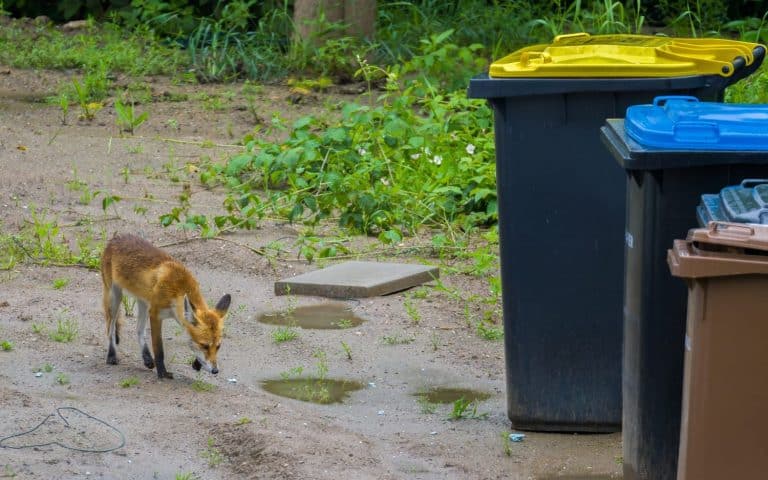
This raises the possibility that wildlife is playing a central role in the spread of resistant K. pneumoniae strains in different habitats and areas. Birds are of particular concern because they cover long distances that cross lots of different types of locations. For example, many of them hang around hospital sites and health care facilities and then fly off to urban, suburban, and livestock environments. Red foxes are also often found in proximity to humans and human infrastructure.
How Was Antimicrobial K. Pneumoniae in Wildlife Studied?
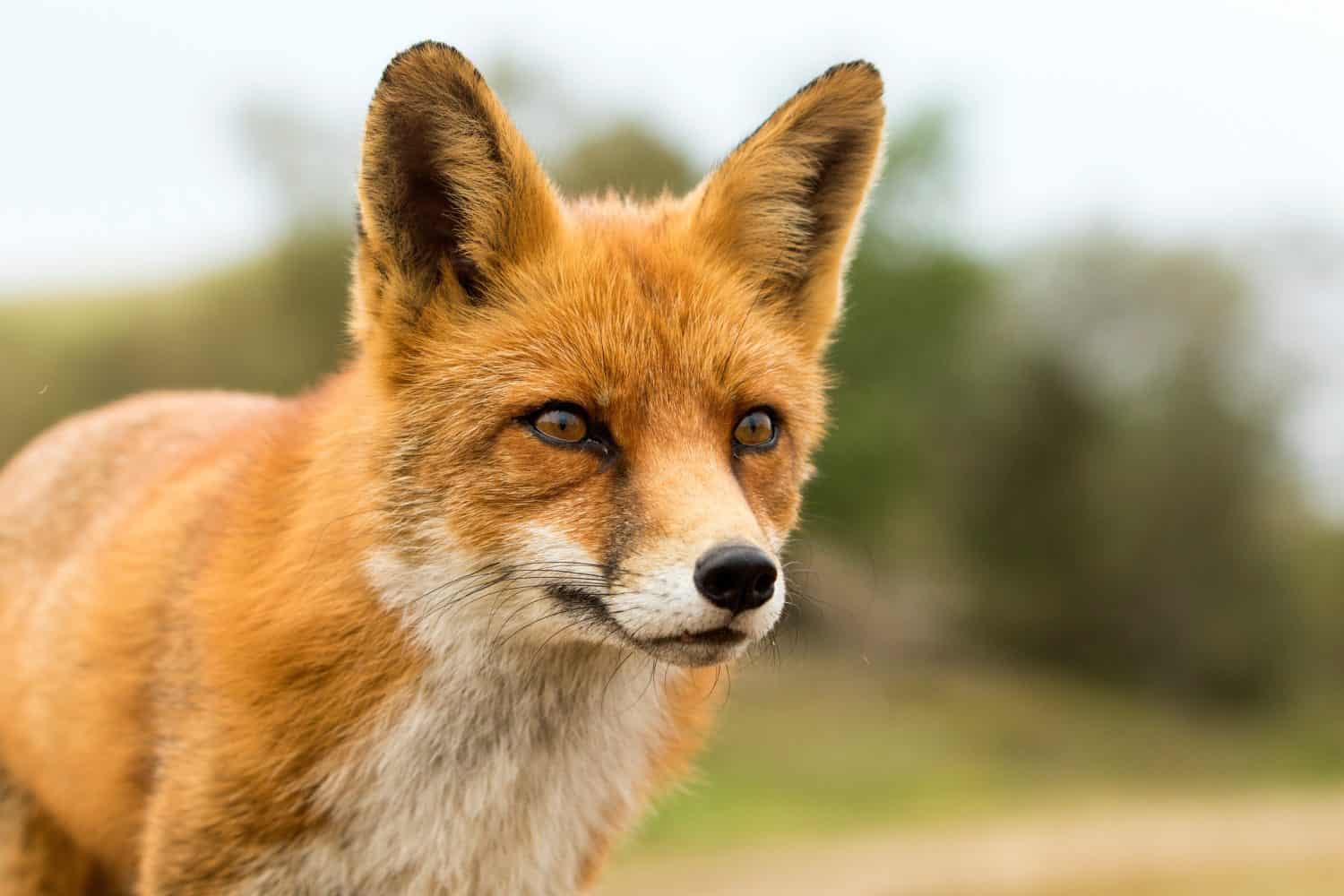
A recent epidemiological study collected 493 samples from wild animals that died as a result of trauma or predation between August 2020 and February 2023 in the Emilia-Romagna Region of Italy. The animal carcasses were divided into three main groups based on species and habitat: foxes; corvids (such as crows and magpies), and waterfowl (including herons and swans).
Overall, the study found Klebsiella species bacteria in 32 of 493 samples. The most concerning bacteria, K. pneumoniae, were found in 10 samples, primarily from waterbirds and foxes.
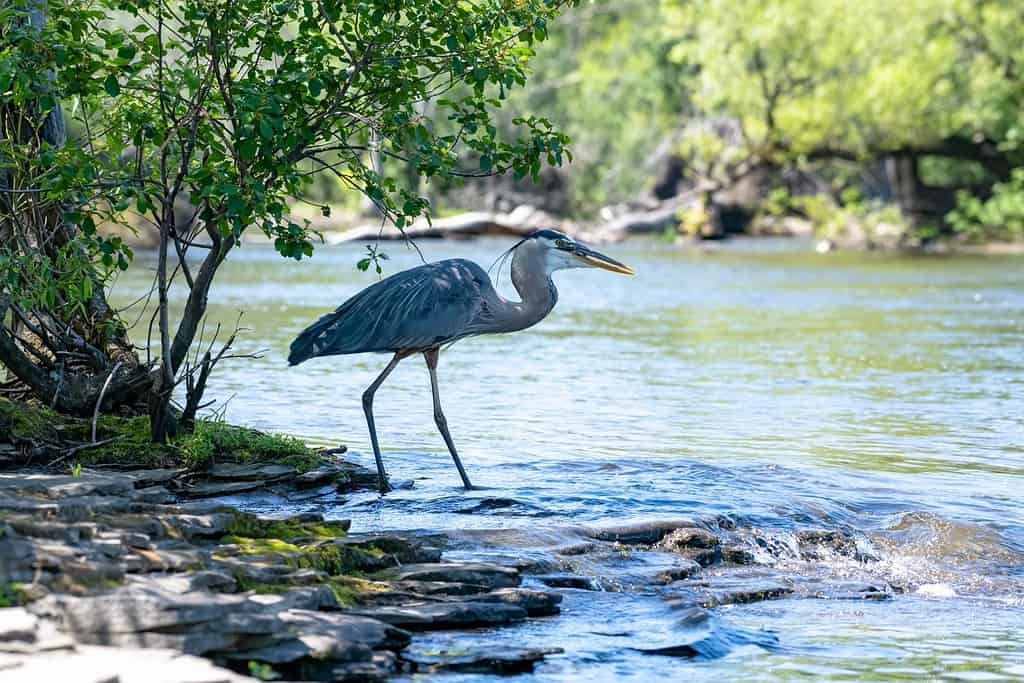
Herons were tested for antimicrobial bacteria.
©Karen Hogan/Shutterstock.com
More worryingly, whole genome sequencing showed that all ten K. pneumoniae isolates belonged to a clone already implicated in hospital outbreaks globally. Every single one of the K. pneumoniae identified was resistant to cephalosporins.
Perhaps the most concerning finding was that one isolate from a fox also carried the NDM-5 carbapenemase gene. This means it is resistant to the ‘last line of defense’—a drug that doctors use when all others have failed.
The Significance of Resistant Bacteria in the Environment
Wastewater, agricultural runoff, and urban garbage all likely contain resistant bacteria. This means that wildlife is exposed to them even though they have not received any antibiotic use. Foxes frequently scavenge around human settlements, and waterfowl often live in areas contaminated by untreated sewage.
The fact that nine of the ten K. pneumoniae isolates in different animal species shared an identical cluster of seven antibiotic resistance genes suggests that these bacteria are moving through the environment. Furthermore, the level of resistance was high, highlighting the role that wildlife may play as a reservoir for antimicrobial bacteria.
Even more concerning, the rates of resistant bacteria found in wildlife are higher than those observed in human clinical settings within the European Union. This suggests that the problem is being amplified as the bacteria pass from humans to the environment and then to wildlife. Therefore, there is an urgent need for integrated surveillance systems that include both the environment and wildlife in monitoring strategies.