
Quick Take
- A recent study from the University of Miami found that artificial light at night (ALAN) causes a reduction in melatonin in some shark species.
- ALAN has been shown to adversely impact terrestrial species and other marine species, such as sea turtles, but no studies specifically focused on sharks have been conducted until now.
- This research focused on two types of sharks, nurse sharks and blacktip sharks.
- The study results will support future research on the impact of ALAN on sharks elsewhere.
Researchers at the University of Miami recently published research results involving the first-ever measurements of melatonin in wild sharks. The data highlights the impact of bright coastal shorelines on shark behavior.
How Does Artificial Light at Night Impact Wildlife?
For many years, scientists have known that the artificial light at night (ALAN), especially from major coastal cities, has an adverse impact on terrestrial species. It disorients migratory birds, disrupts nocturnal predators, and masks the natural light cues that species rely on for foraging and reproduction.
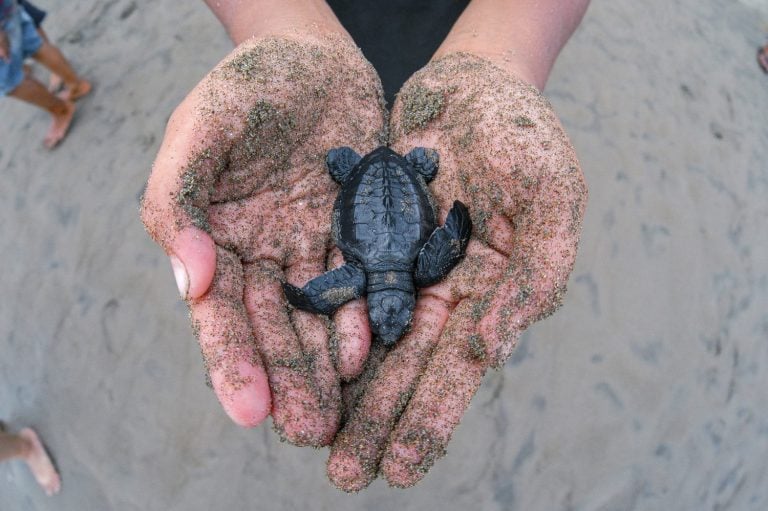
Studies have also been conducted on some marine life to gauge the impact of ALAN. Hatchling sea turtles are directly impacted. They naturally use the subdued light on the horizon to guide them to the water after hatching. However, bright city lights disorient the hatchlings, causing them to move inland rather than toward the sea, which often results in death.
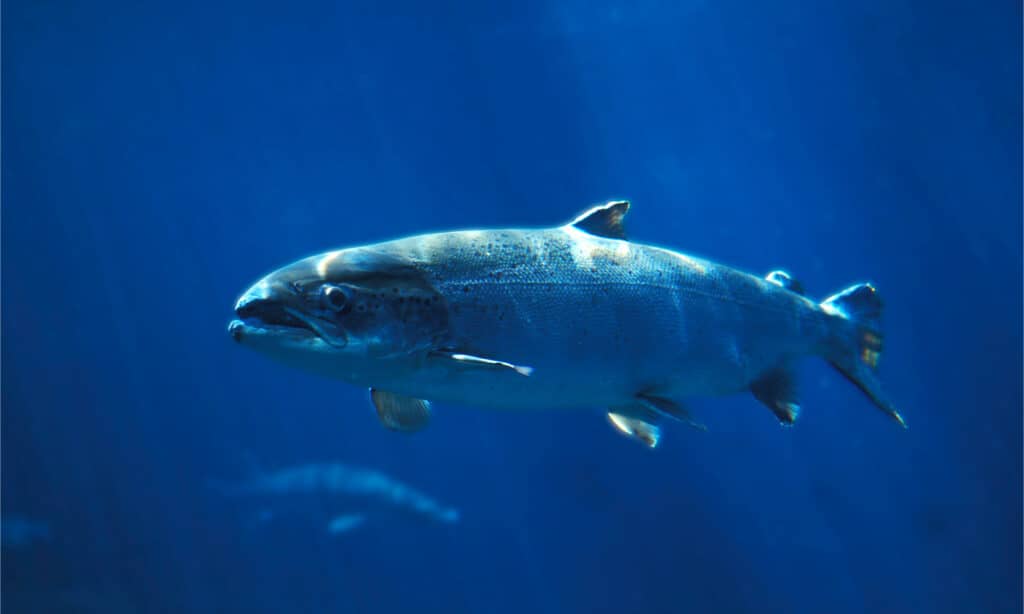
Atlantic salmon are one marine species shown to suppress melatonin when exposed to artificial light at night.
©slowmotiongli/Shutterstock.com
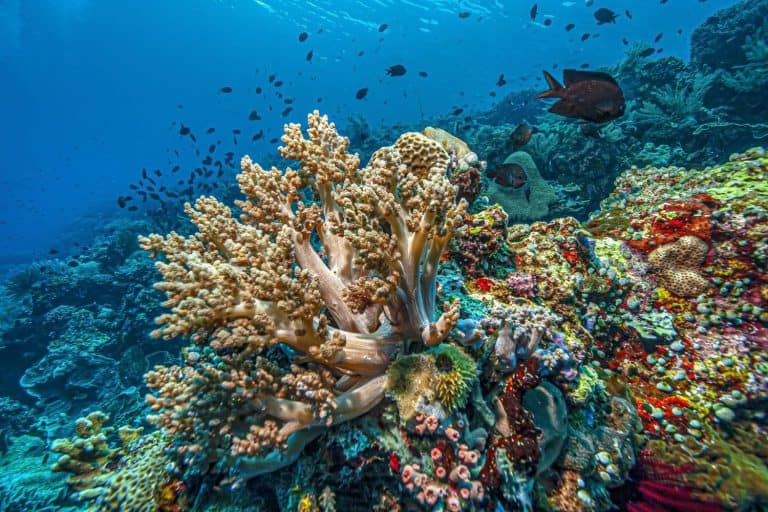
Coral spawning can also be affected. Bright artificial light from the shoreline disrupts the coral’s natural, moonlight-synchronized spawning patterns, causing premature spawning and negatively impacting reproductive success. This, in turn, harms overall reef health.
Studies have also demonstrated that ALAN can suppress melatonin—the hormone that triggers sleep—in bony fish such as Atlantic salmon and tropical damselfish. But until recently, the impact of ALAN on sharks had not been studied.
The Impact of ALAN on Sharks
The recent study, co-authored by Abigail M. Tinari, Danielle McDonald, Steven J. Cook, Austin J. Gallagher, and Neil Hammerschlag, is the first to link ALAN to melatonin suppression in sharks. The study found that artificial light from coastal cities can disrupt nighttime hormone levels in sharks, although the effect varies among species.
“The study’s goal was to provide a baseline about how shark melatonin is impacted by artificial light,” according to Tinari, lead researcher on the study. “Until now, there wasn’t anything in place to use as a starting point for additional research when it comes to sharks and other elasmobranchs.”
The study, published on January 20, 2026, in Science of the Total Environment, found that some sharks living in brightly lit coastal waters, such as those near large urban areas, had lower melatonin levels than their counterparts living in darker, less developed environments.
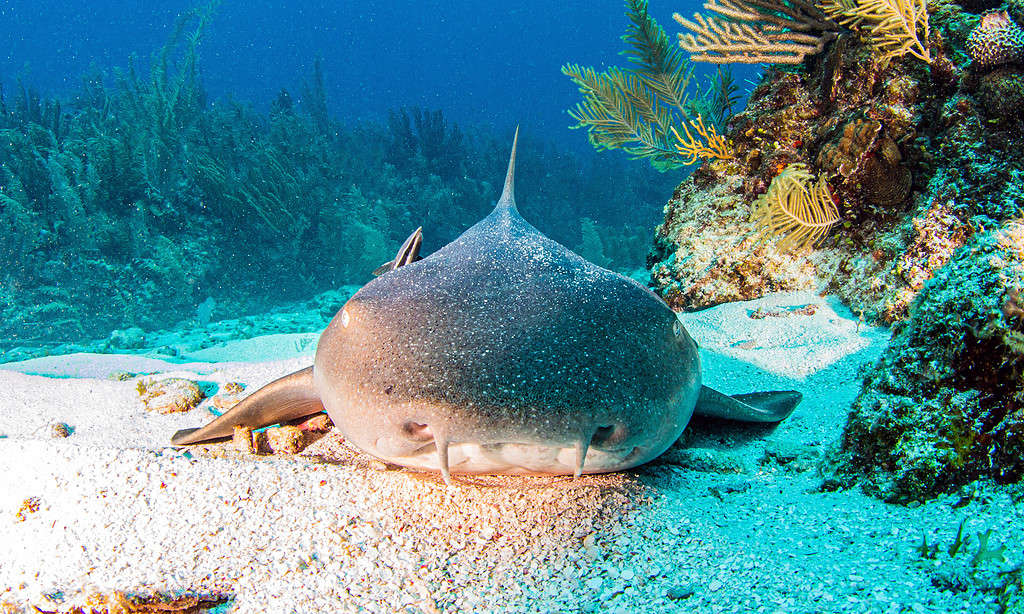
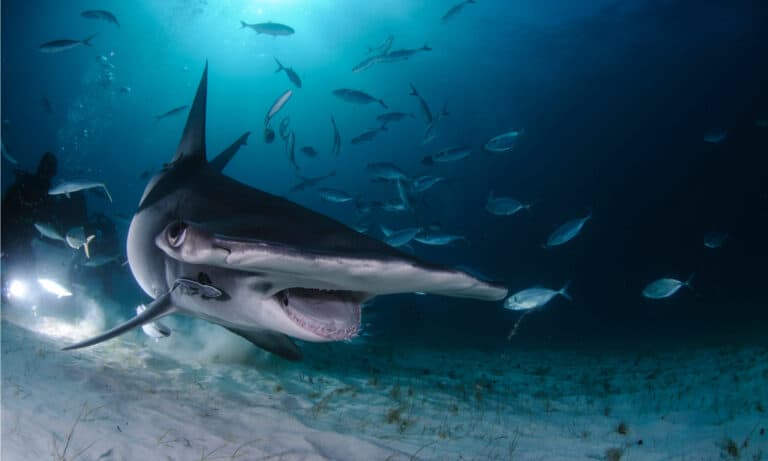
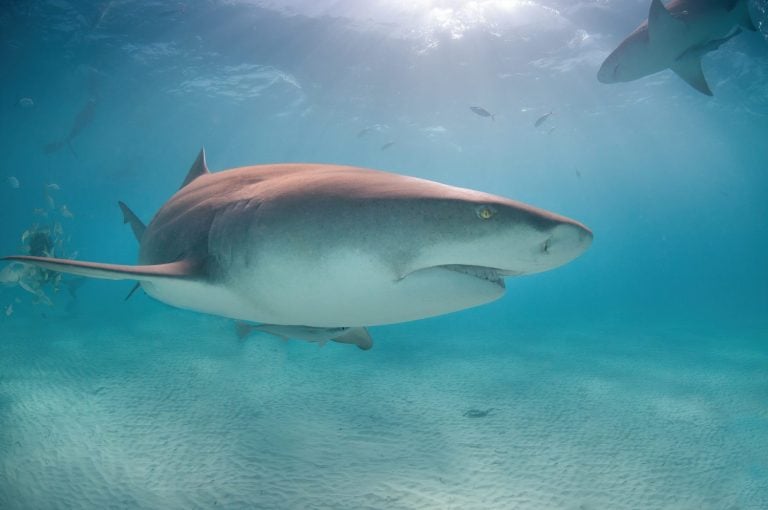
Nurse sharks tend to stay in the same area for extended periods of time. They show a reduction in melatonin levels when exposed to ALAN.
©Divepic/ via Getty Images
The researchers, part of the Shark Research and Conservation Program at the University of Miami Rosenstiel School of Marine, Atmospheric, and Earth Science, conducted their fieldwork off the coast of Miami, Florida—one of the most brightly lit coastal metropolitan regions in the United States. The researchers compared samples taken from sharks in the urban coastal waters surrounding Miami to those from sharks in nearby, but darker, coastal areas.
The research team focused on two shark species with very different movement patterns: nurse sharks and blacktip sharks.
Nurse sharks are less mobile than other shark species, preferring to remain in the same area for extended periods. In contrast, blacktip sharks are much more mobile.
Data collected during the study revealed that nurse sharks spending most of their time in the same nearshore area off the Miami coast had significantly lower melatonin concentrations than nurse sharks living in other, darker coastal locations. In contrast, blacktip sharks showed no significant change in melatonin levels, regardless of whether they were in brightly lit or darker areas.
“These findings suggest that exposure to artificial light at night can suppress melatonin levels in wild sharks, but vulnerability depends on behavior,” says Tinari. “Species that are highly resident in light-polluted areas appear more susceptible than species that regularly move between illuminated and darker habitats.”
She notes that many different factors could be impacting the change in melatonin levels, but the evidence suggests artificial light plays a role.

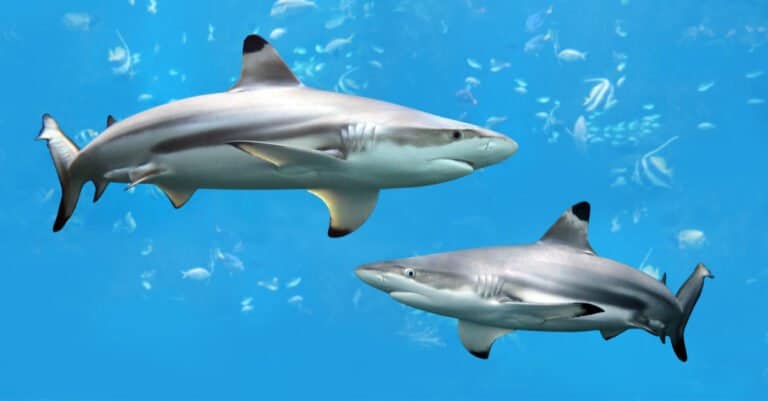
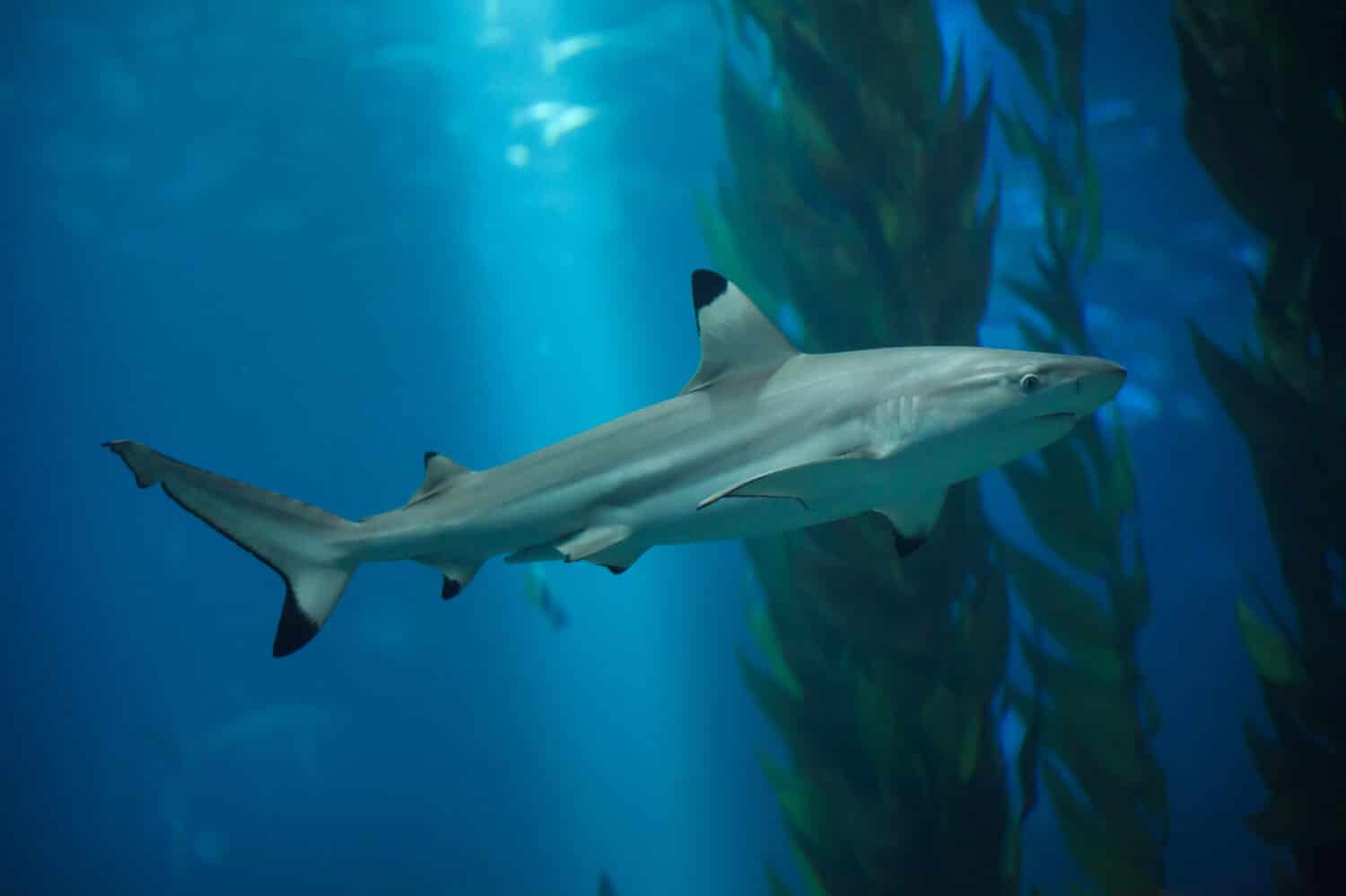
Blacktip sharks, who are constantly in motion and cover larger geographic areas, showed no significant change in melatonin levels.
©Ethan Daniels/Shutterstock.com
This study represents the first assessment of blood melatonin levels ever reported in sharks. The data is important because it establishes a foundation for future monitoring and comparisons of how different shark species respond to coastal development.
“My hope is that the research will be the impetus for other studies to determine how artificial light might impact sharks in other areas like behavior and reproduction,” Tinari says.
Researchers spent approximately one year collecting and analyzing data for the study.
How the Team Collected the Data
To minimize impact on the sharks, the team worked at night using “short-duration research drumlines” to reduce stress for the animals.
“We deployed 10 drumlines in the water. Each Drumline used 100 feet of 600-pound test monofilament line and a circle hook that helped minimize the impact on the shark, since circle hooks are easier to remove with minimal impact,” Tinari explains. “We did checks of the drumlines in one-hour cycles to ensure no shark was hooked for too long.”
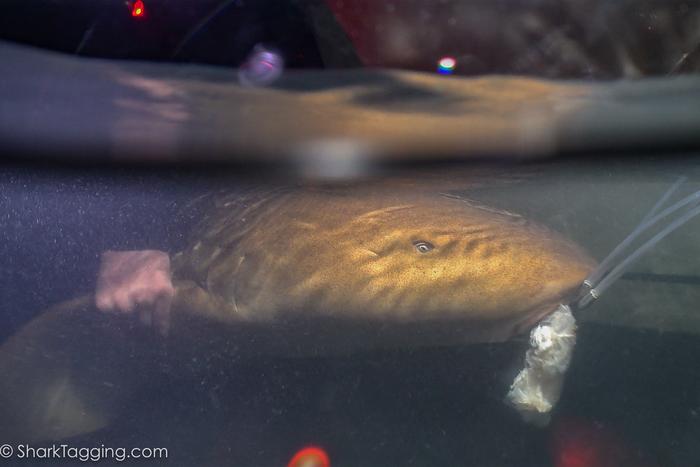
A nurse shark hooked on a Drumline.
Once a shark was caught on the drumline, researchers conducted all their work while the shark remained in the water to minimize stress for the animal. The team immediately took and analyzed blood samples to measure melatonin levels. They also carefully documented water depth, temperature, and light intensity at the time the blood samples were taken.
The team conducted their activities using low-impact red lighting to avoid interfering with the sharks’ natural perception of light.
My hope is that the research will be the impetus for other studies to determine how artificial light might impact sharks in other areas like behavior and reproduction.
Abigail M. Tinari, study co-author
Why Is This Research Important?
The study’s findings are significant for several reasons.
“Sharks play a key role in maintaining balanced marine ecosystems,” notes Neil Hammerschlag, the senior author of the study. “Changes in top predators could have cascading effects throughout the food web.” He notes that the study’s findings add to the growing body of research focusing on environmental stressors that threaten shark populations.
Another of the study’s authors, Danielle McDonald, a professor in the Department of Marine Biology and Ecology at the University of Miami, highlights another reason the study is so important. “Researchers might now look to other aspects of shark melatonin physiology to explore if there are differences in their melatonin receptors that may inform new therapies or targets for drug development for melatonin-related disorders,” she says.