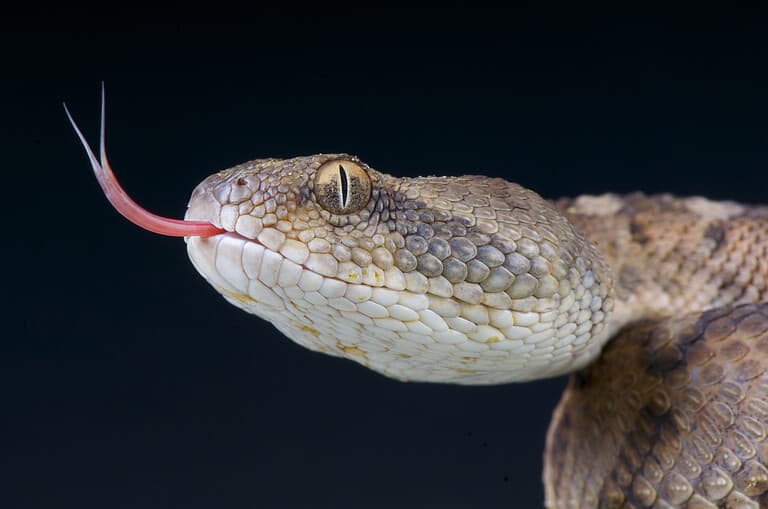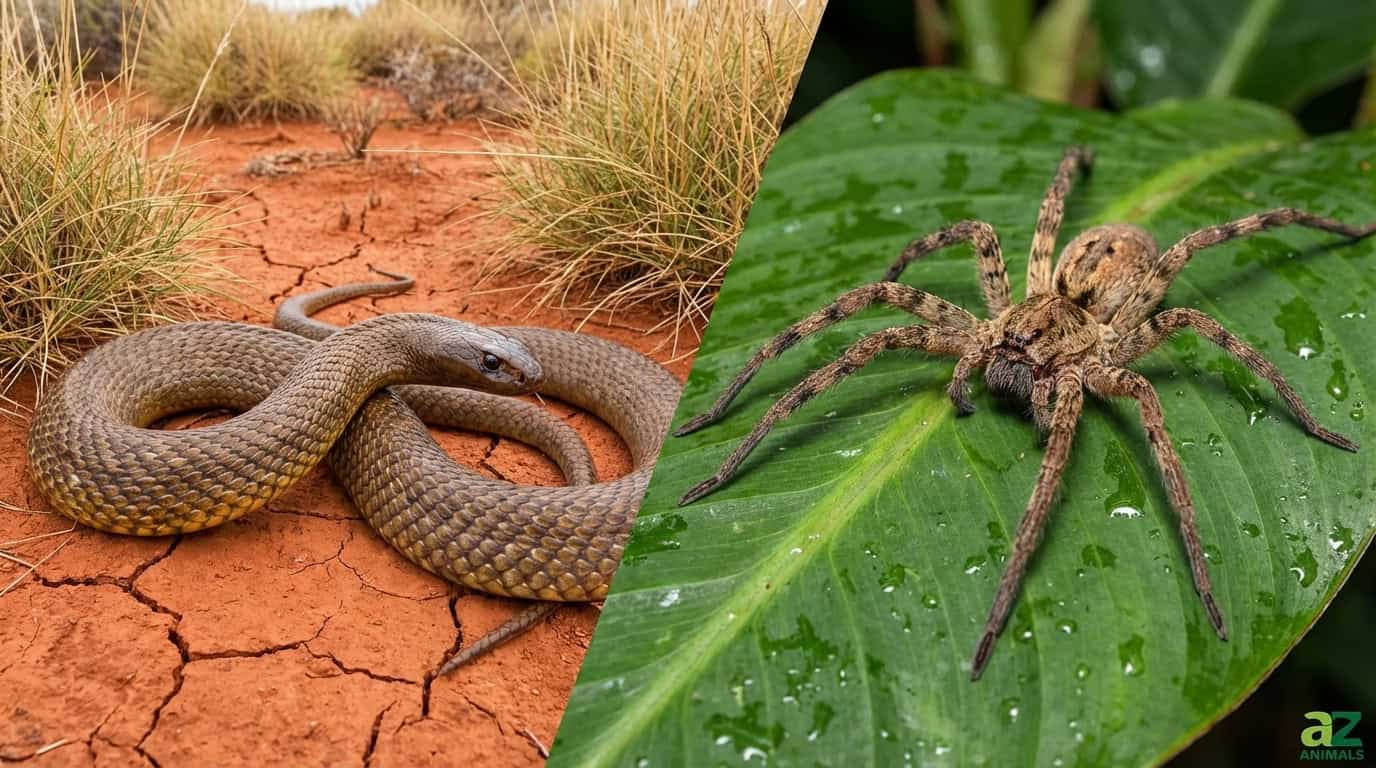

The Inland taipan (Oxyuranus microlepidotus) is widely regarded as having the most toxic venom of any land snake based on laboratory testing. Meanwhile, the Brazilian wandering spider (Phoneutria spp.) is considered the most medically significant spider in the world, responsible for thousands of bites each year.
While both animals possess potent venom, determining which is “more deadly” depends on how danger is defined—venom toxicity, likelihood of envenomation, frequency of human encounters, or documented fatalities. A direct comparison requires careful context.
Comparing an Inland Taipan and a Brazilian Wandering Spider
| Inland Taipan | Brazilian Wandering Spider | |
|---|---|---|
| Classification | Reptile (snake) | Anthropod (spider) |
| Range | Arid inland Australia | Tropical South & Central America |
| Typical Size | ~5-6.5 ft long | 5- to 7-inch leg span |
| Venom Type | Neurotoxic, hemotoxic, myotoxic | Neurotoxic |
| Human Fatalities | None confirmed | Fewer than 20 documented since early 1900s |
| Bite Frequency | Extremely rare | Fewer than 20 documented since the early 1900s |
| Antivenom | Yes | Yes |
Size and Morphology
The inland taipan is vastly larger than the Brazilian wandering spider. Adult taipans typically measure 5 to 6.5 feet in length, with rare individuals approaching 8 feet. They weigh several pounds.
Brazilian wandering spiders are among the largest spiders by leg span, reaching 5 to 7 inches, but their body mass is negligible compared to a snake.
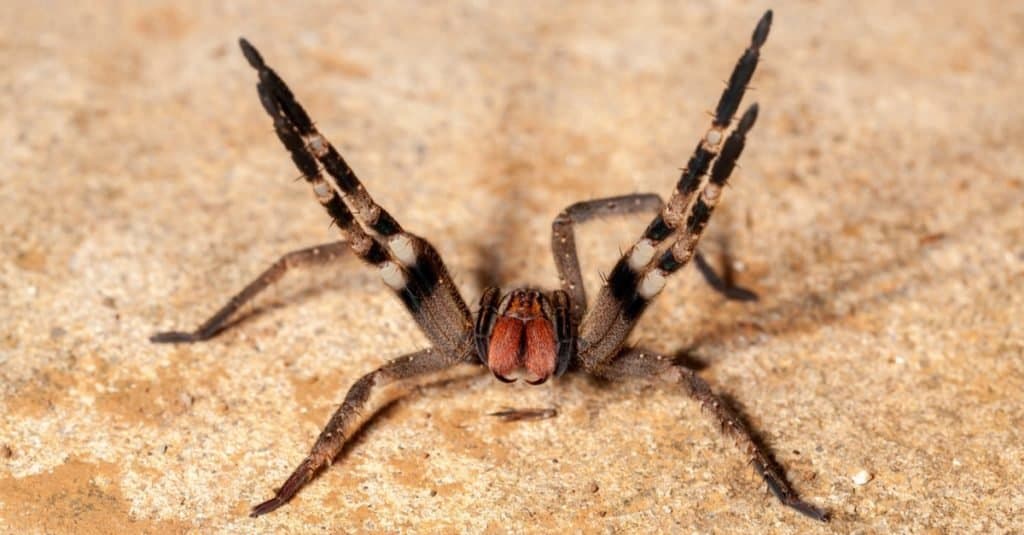
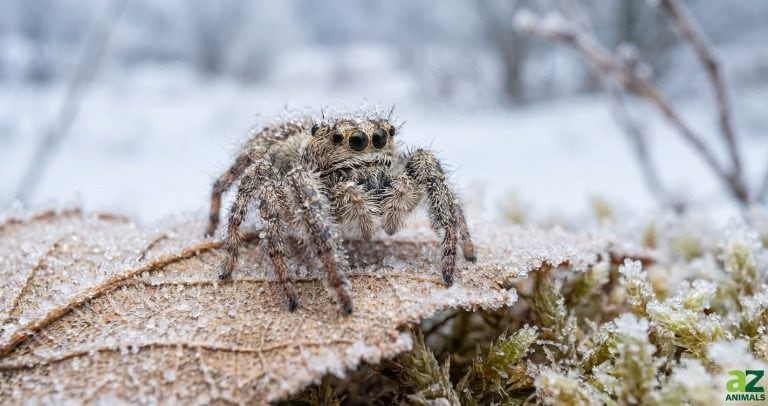
The Brazilian wandering spider’s venom is a powerful weapon.
©Tacio Philip Sansonovski/Shutterstock.com
Venom Potency
Inland Taipan
- Holds the lowest recorded LD₅₀ for any land snake (mouse models)
- Venom rapidly affects the nervous system, blood clotting, and muscles
- LD₅₀ values do NOT translate into “number of humans killed”
- Modern antivenom is highly effective when administered promptly
Brazilian Wandering Spider
- Phoneutria venom contains neurotoxic peptides affecting ion channels
- Causes intense pain, sweating, elevated heart rate, and, in rare cases, respiratory distress
- LD₅₀ values vary widely by species and test method
- Severe envenomation is most dangerous for children and elderly individuals
Important clarification:
LD₅₀ values are measured in laboratory animals and cannot be reliably compared across species or converted into human fatality estimates. Claims such as “enough venom to kill X humans” are scientifically invalid.
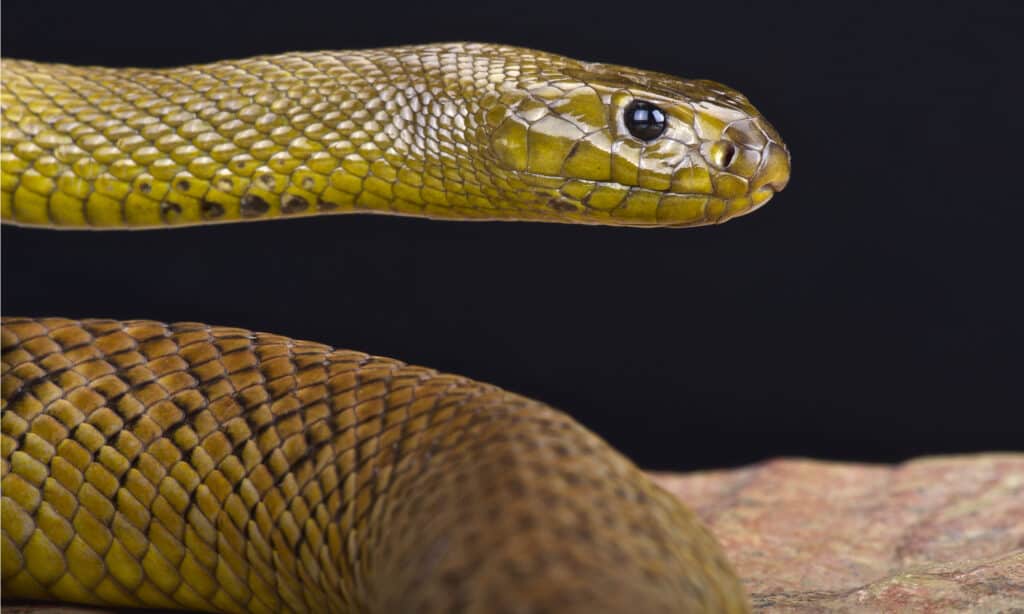
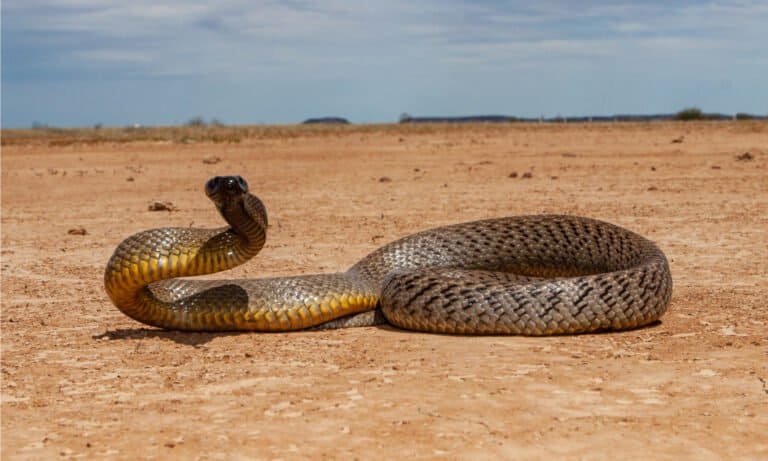
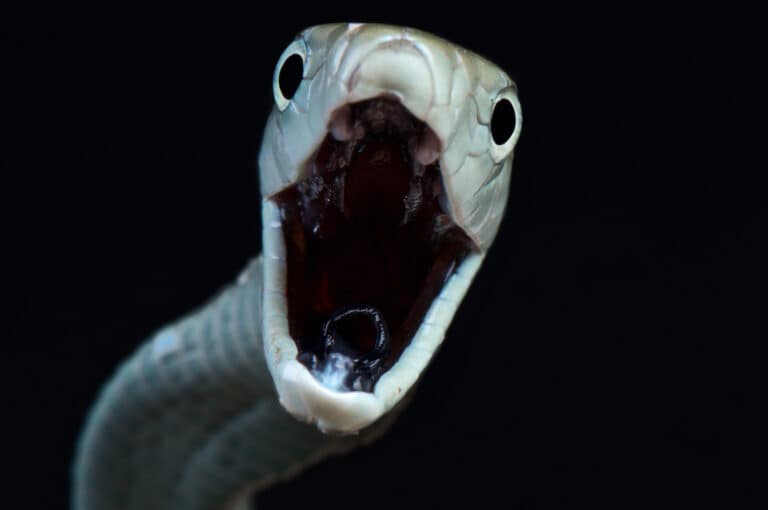
Inland Taipan (Oxyuranus microlepidotus) is one of the world’s most venomous snake species.
©reptiles4all/Shutterstock.com
Venom Delivery and Envenomation
- Brazilian wandering spiders have smaller fangs and frequently deliver defensive dry bites, injecting venom in only a portion of encounters.
- Inland taipans possess long, hollow fangs and typically deliver venom when biting prey. However, dry bites are still possible, as with all venomous snakes.
Aggression and Human Risk
- Inland taipans are extremely reclusive and actively avoid humans. Encounters are rare due to their remote habitat.
- Brazilian wandering spiders are defensive rather than aggressive. Most bites occur when spiders are:
- Accidentally handled
- Trapped in clothing, shoes, or bedding
- Disturbed in woodpiles or produce shipments
Because of this, human exposure to spiders is far more common than to inland taipans.
Fatalities and Medical Outcomes
- No confirmed human deaths have been attributed to inland taipan bites.
- Fewer than 20 deaths worldwide have been attributed to Brazilian wandering spider bites over more than a century.
- With modern antivenom and medical care, survival rates are extremely high for both.
Which Is More Dangerous?
It depends on the metric:
- Most toxic venom per unit: Inland taipan
- Most medically significant spider: Brazilian wandering spider
- Greater likelihood of human bites: Brazilian wandering spider
- Greater potential lethality per envenomation: Inland taipan
From a pure toxicology standpoint, the inland taipan’s venom is more dangerous. From a real-world public health perspective, the Brazilian wandering spider poses a greater everyday risk due to frequent human contact.
Final Verdict
The inland taipan is theoretically more lethal, but the Brazilian wandering spider is far more likely to interact with humans. Thanks to antivenom, education, and modern medical care, both animals pose a very low fatality risk today.