
Quick Take
- Research has found that snakes become more active when the weather warms.
- Climate change impacts snake distribution and activity.
- Homeowners should learn the most common places snakes hide, as well as ways to reduce potential run-ins.
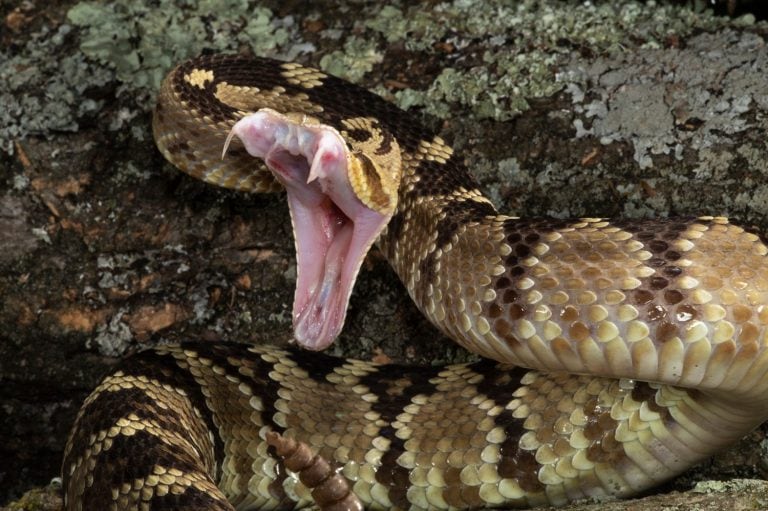
As temperatures rise earlier than usual in some parts of the U.S., snake activity increases and shifts along with it. In fact, according to research published in the journal GeoHealth (published with the American Geophysical Union), in the state of Georgia, the odds of getting bitten by a venomous snake increase by nearly 6% for every one-degree rise in temperature.
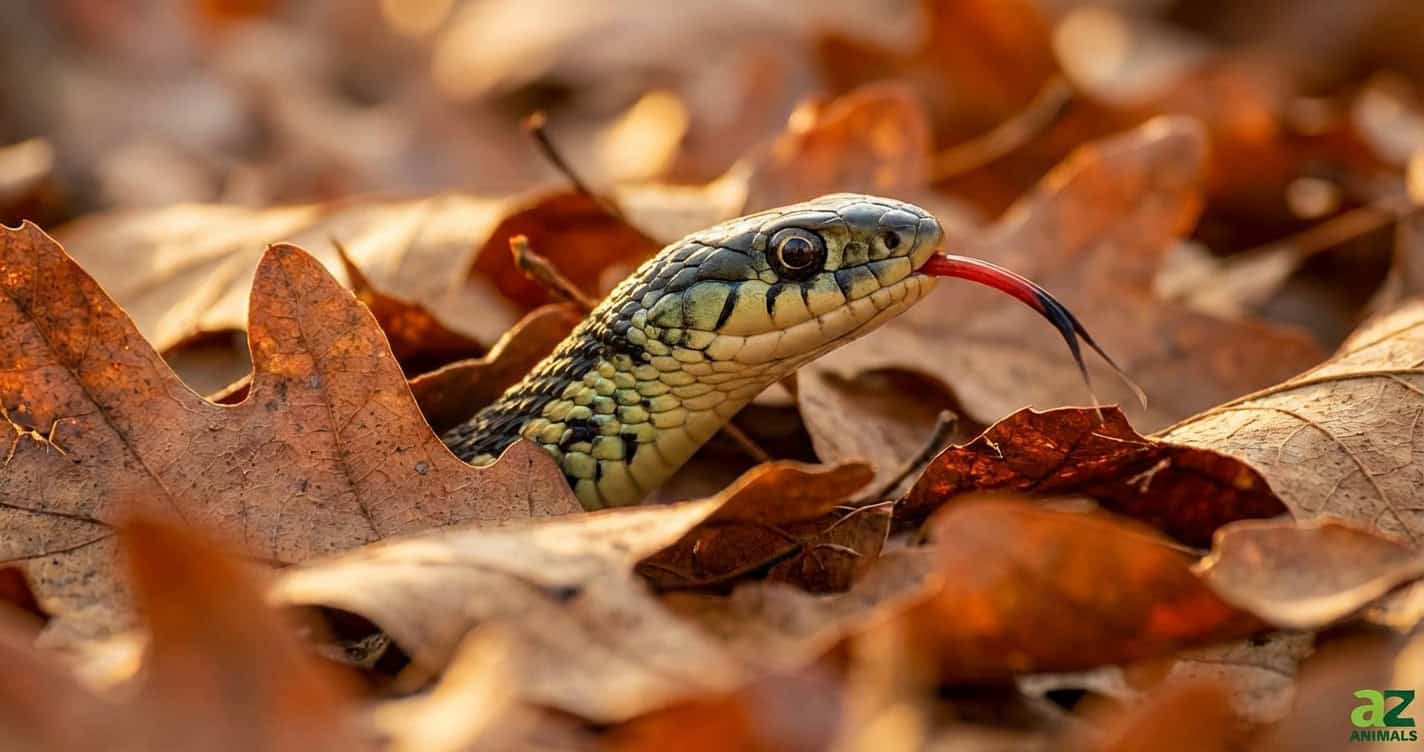
Climate patterns affect snake emergence, with warm winters and early springs “waking” snakes from their brumation. Due to increased snake activity in certain regions, homeowners need to understand where they’re most likely to encounter snakes and how best to avoid surprise encounters.
How Do Climate Patterns Affect Snake Emergence?
According to the World Health Organization (WHO), climate change impacts “where, when, and how snakes share space with people.” As temperatures rise, snakes begin to move to new areas, becoming more abundant in certain regions and less in others. In fact, people might begin to see snakes in areas where they were previously uncommon.
As mentioned earlier, climate change also impacts their activity, often leading to more snake bites.
“We find that for every 1°C increase in same-day maximum temperature, the odds of an [emergency departments] visit for snakebite envenoming increase by ∼6%,” the research authors wrote. “This effect size is larger than what we find for envenomation by non-snake species (e.g., spiders, scorpions, etc.), suggesting that snake ecology plays an important role.”

Snake bites can be dangerous and potentially life-threatening in some cases.
©Microgen/Shutterstock.com
“Temperature may also influence whether humans engage in activities that increase the likelihood of an interaction with a snake, for example, hiking, gardening, or certain occupational tasks,” they added in the study abstract.
Melissa Amarello, Executive Director at Advocates for Snake Preservation, echoes a similar sentiment. She says that an early temperature rise leads to more human activity in a snake’s natural habitat. This, of course, increases the number of snake sightings and run-ins.
“The snakes are doing the same things, at the same time, that they’ve always done, but because we’re out and about, we’re observing them more often,” she says.
Where You’re Most Likely to Encounter Snakes
If you’re worried about stumbling upon a venomous snake in your area, it’s important to know where they spend most of their time.
“Leaf piles, dense vegetation, and other yard clutter provide ideal hiding spots for snakes,” says Jamie Nichols, a Senior Service Center Manager with Arrow Exterminators. “Additionally, if you have openings under your sidewalk, patio, or driveway, snakes may harbor there.”
“It is unlikely that snakes will enter your home unless you have a rodent problem,” Nichols adds. “If you hear any unusual sounds in the walls, ceilings, or floors, or notice an odd smell, that’s a common sign of a variety of pest infestations, including snakes.”
Snakes will also sometimes wander indoors in search of shelter and warmth. This is especially true if you’re experiencing a “false spring” in your area. During these early warm spells, snakes might emerge prematurely from brumation, only to seek shelter when temperatures drop.
“In the spring, you’re most likely to encounter snakes near the places where they’ve over-wintered,” adds Amarello. “Over-wintering sites differ depending on the species of snake and climate: rock outcrops, burrows, under a house, or in a garage or shed.”
If you hear any unusual sounds in the walls, ceilings, or floors, or notice an odd smell, that’s a common sign of a variety of pest infestations, including snakes.
Jamie Nichols, a Senior Service Center Manager with Arrow Exterminators
How to Reduce Snake Run-Ins
If you’re looking to reduce run-ins with snakes this spring, you might also have to reduce run-ins with other animals and common pests.
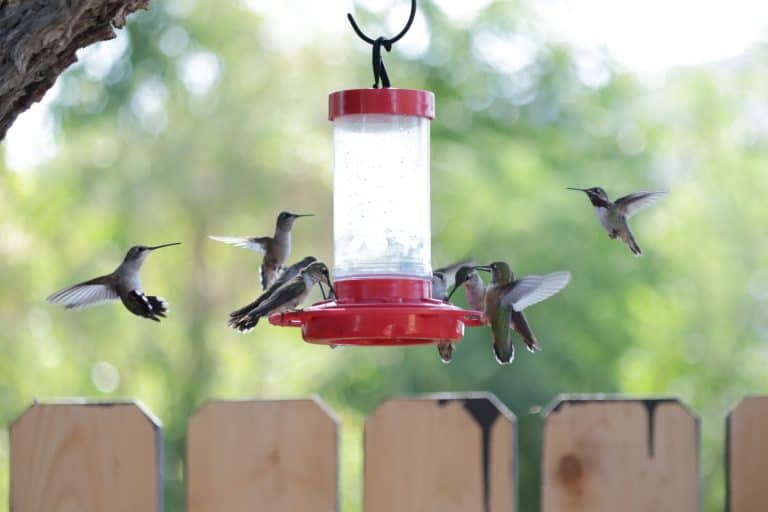
“Remove bird feeders or move them as far away from the home as possible. Bird feeders become a hunting site for predators, especially at nighttime,” says Nichols. “Remove clutter in and around the yard, such as woodpiles, brush piles, dense vegetation, and groundcover. Habitat manipulation is generally the best practice for minimizing snake encounters. This takes away hiding spots for snakes and their food sources.”
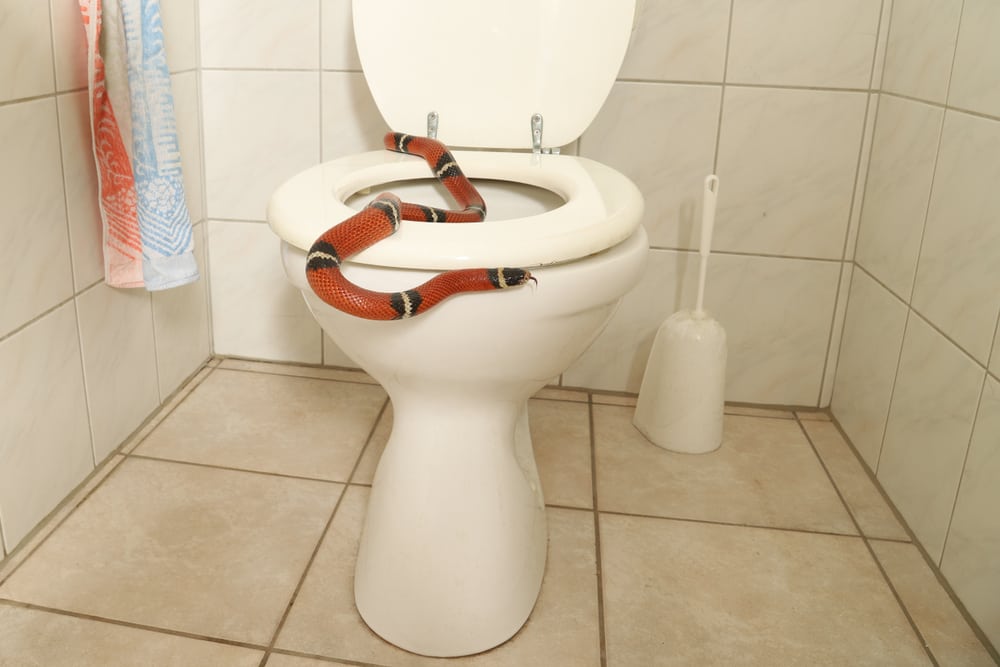
Snakes can get into the toilet by entering any pipes or other openings in your house.
©Holger Kirk/Shutterstock.com
Additionally, Nichols advises keeping an eye out for signs of rodents around your home. If you notice droppings or holes in your insulation, it’s likely that mice or rats are nearby—and where there are rodents, snakes may follow. In that case, work with a pest control service to address the issue before it becomes a larger problem.
“Have a professional come out and assess your property for conducive conditions, such as areas with drainage issues,” Nichols continues. “If found, install pea gravel to fill these areas. This takes away a potential snake-harboring area.”
Different regions also have different snake species, so you’ll want to familiarize yourself with the types in your area. That way, you can properly identify them and understand their risks.
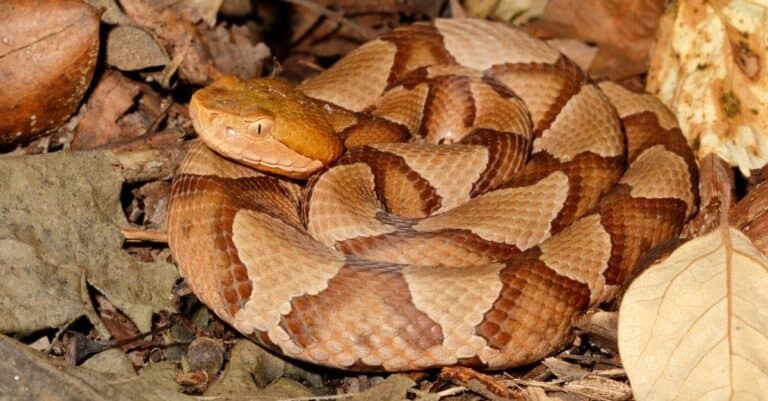
“For example, in the Southeast, where I currently live, the most common snakes are Rat snakes and King snakes, both of which are non-venomous,” says Nichols. “Additionally, it is not uncommon to encounter venomous snakes such as copperheads and rattlesnakes.”