
Venom is one of nature’s most effective (and fascinating) survival tools. Across the world, a wide range of animals have evolved strong toxins to hunt prey, defend themselves, or deter would-be predators. Venomous animals are a testament to evolution’s remarkable ingenuity. They include an assortment of creatures from lightning-fast snakes to seemingly innocent animals packing a while lot of deadly chemical toxins.
What makes these creatures especially intriguing is the contrast between their captivating appearance and the danger they pose. Some are small and brightly colored, others slow-moving or even outwardly pretty, yet all have venom capable of causing harm to humans. Meet the venomous animals that prove mystery, beauty, and danger often go hand in hand in nature.
What’s the Difference Between Venomous and Poisonous?
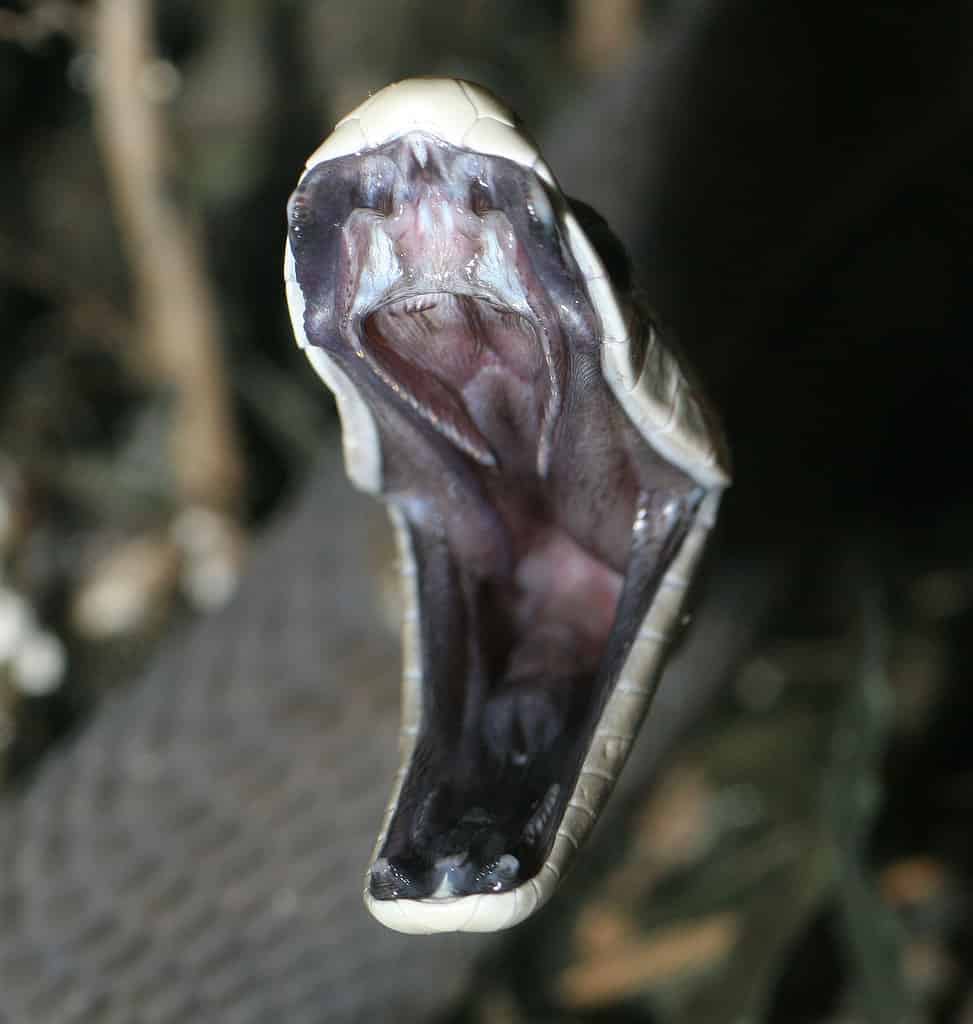
Believe it or not, there’s a clear difference between an animal that is venomous and an animal that is poisonous.
Venomous refers to an animal that injects its toxin into you. Poisonous animals release a toxin that others receive through inhaling, swallowing, or touching (i.e. absorption through skin contact).
An easy way to remember the difference between venomous and poisonous is injection versus ingestion. Venom = injection, while poison = ingestion (but poisons can also act via skin contact or inhalation).
Are Mammals Venomous?
©Lukas_Vejrik/Shutterstock.com
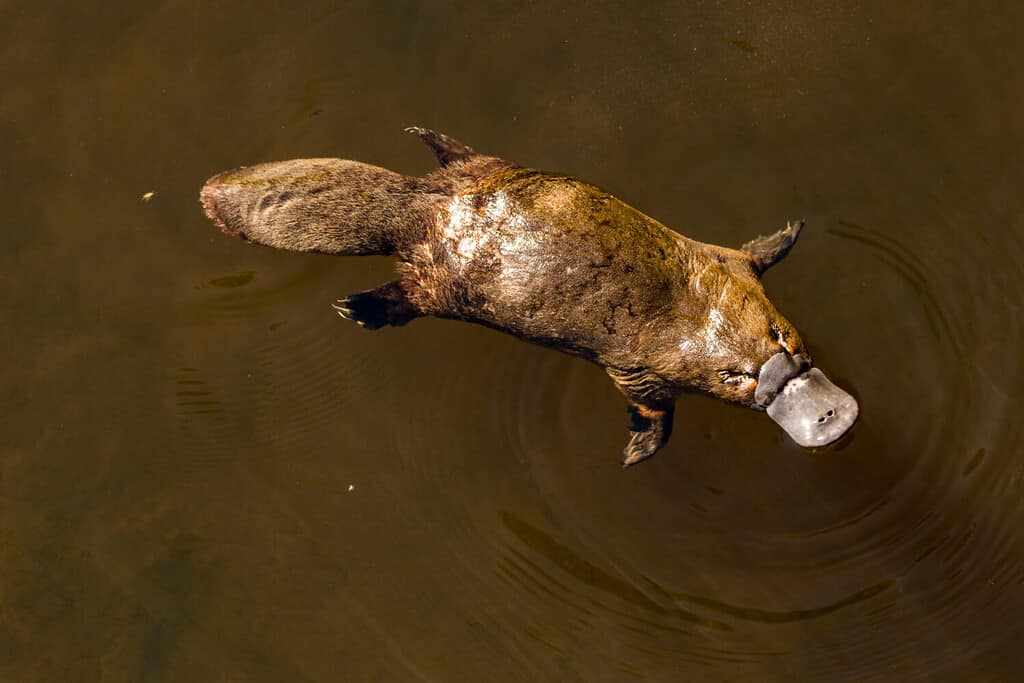
Though uncommon, a few species of venomous mammals do exist. They include several shrew species, the male platypus, and vampire bats. (However, bat venom is debated; sometimes described as venom-like anticoagulant compounds.)
Experts differ widely on what constitutes a venomous mammal. Some believe the mammal needs to have a venom gland while others demand they must have the apparatus, or method of toxin injection, as well. Further research and expert review hold that a type of venom must exist in the animal in question and they must inflict a wound through which they deliver the toxin.
For this list, we’re relying on animal experts and research and including the most widely believed to be venomous mammals.
Are Birds Venomous?
©Bonnie Taylor Barry/Shutterstock.com
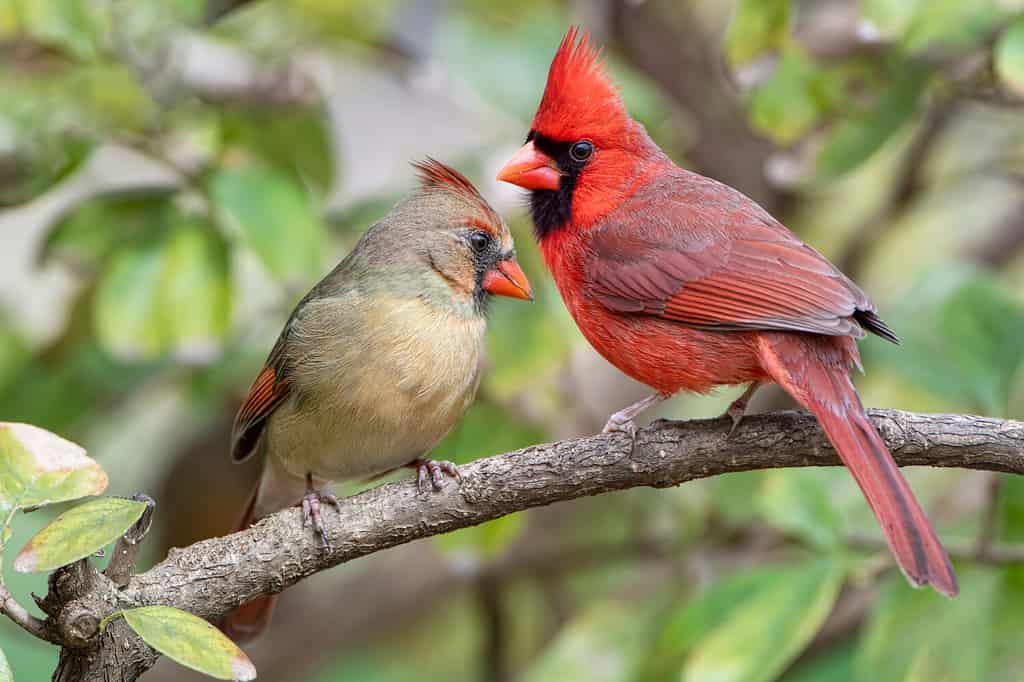
Would it surprise you to know that no bird species is venomous?
That’s not to say dangerous birds don’t exist (looking at you, cassowaries!). However, the deadliest birds on earth use other methods, including their clawed toes, to inflict pain.
Note that while no known birds are venomous, several are poisonous (toxic to handle/eat).
Are Amphibians Venomous?
©RealityImages/Shutterstock.com
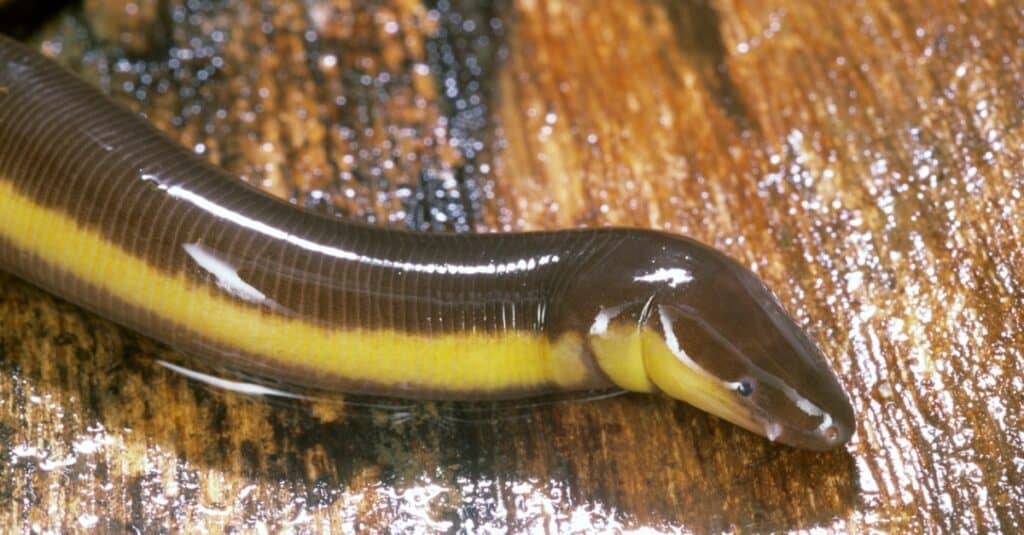
Yes! Among amphibians, only two frogs are confirmed venomous. However, many amphibians are poisonous.
Are Fish Venomous?
©Marcos Campista/Shutterstock.com
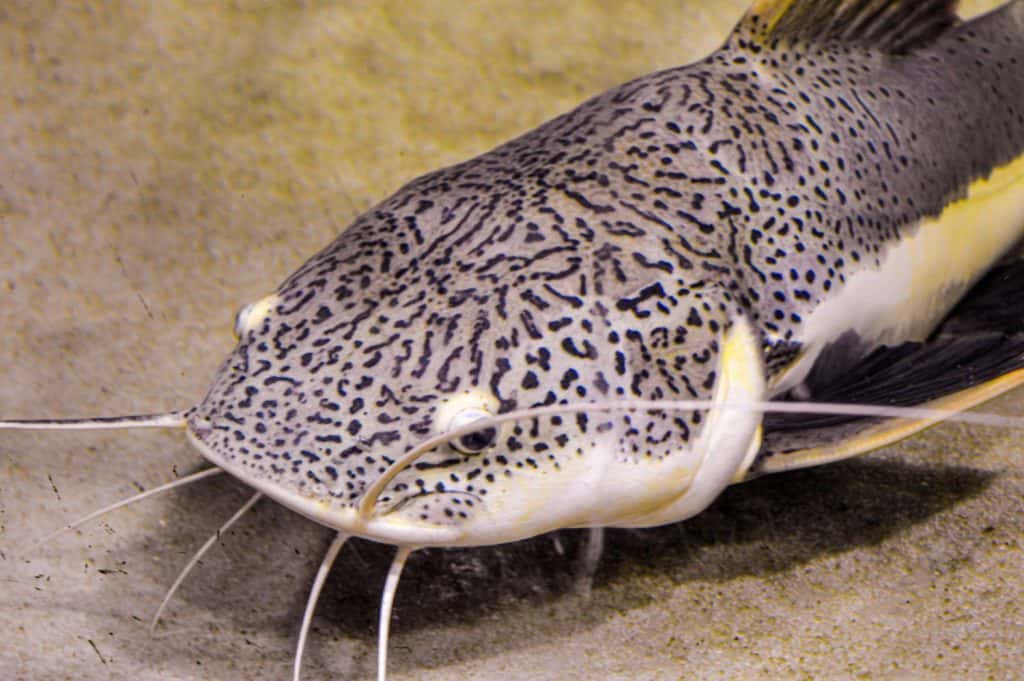
Yes! Venom is widespread in fish; catfish dominate venomous freshwater fishes. Fish come in hundreds of different variations, and their venom ranges from undetectable to humans to lethal.
Are Invertebrates Venomous?
©Daleen Loest/Shutterstock.com
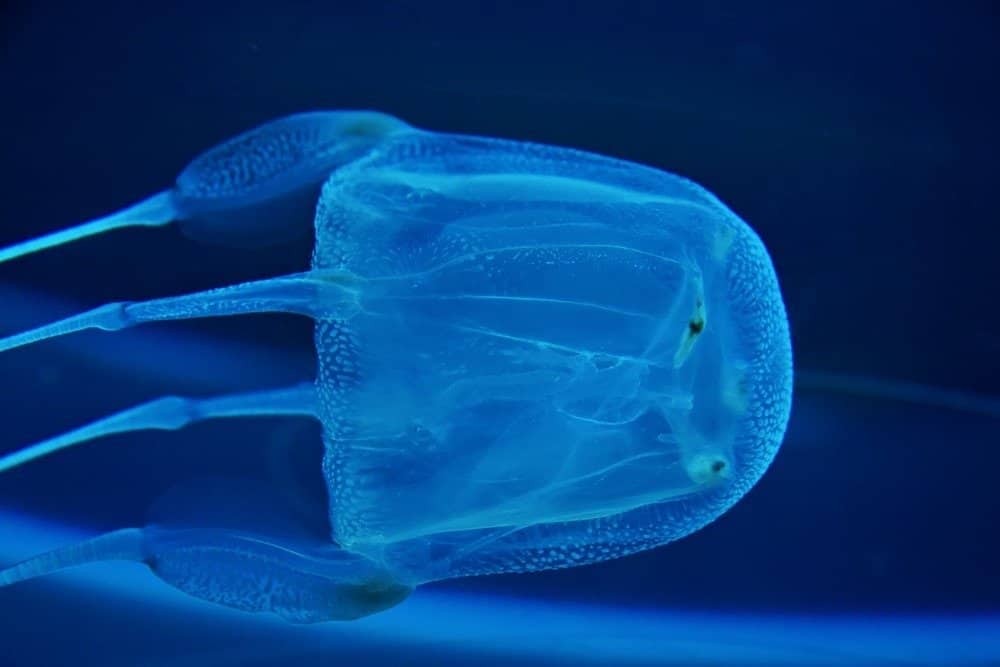
Yes, some invertebrates are venomous. Despite being a marine animal and having “fish” in its name, some species of jellyfish remain venomous invertebrates. Spiders, scorpions, and insects also make up the invertebrate group.
1. Black Mamba
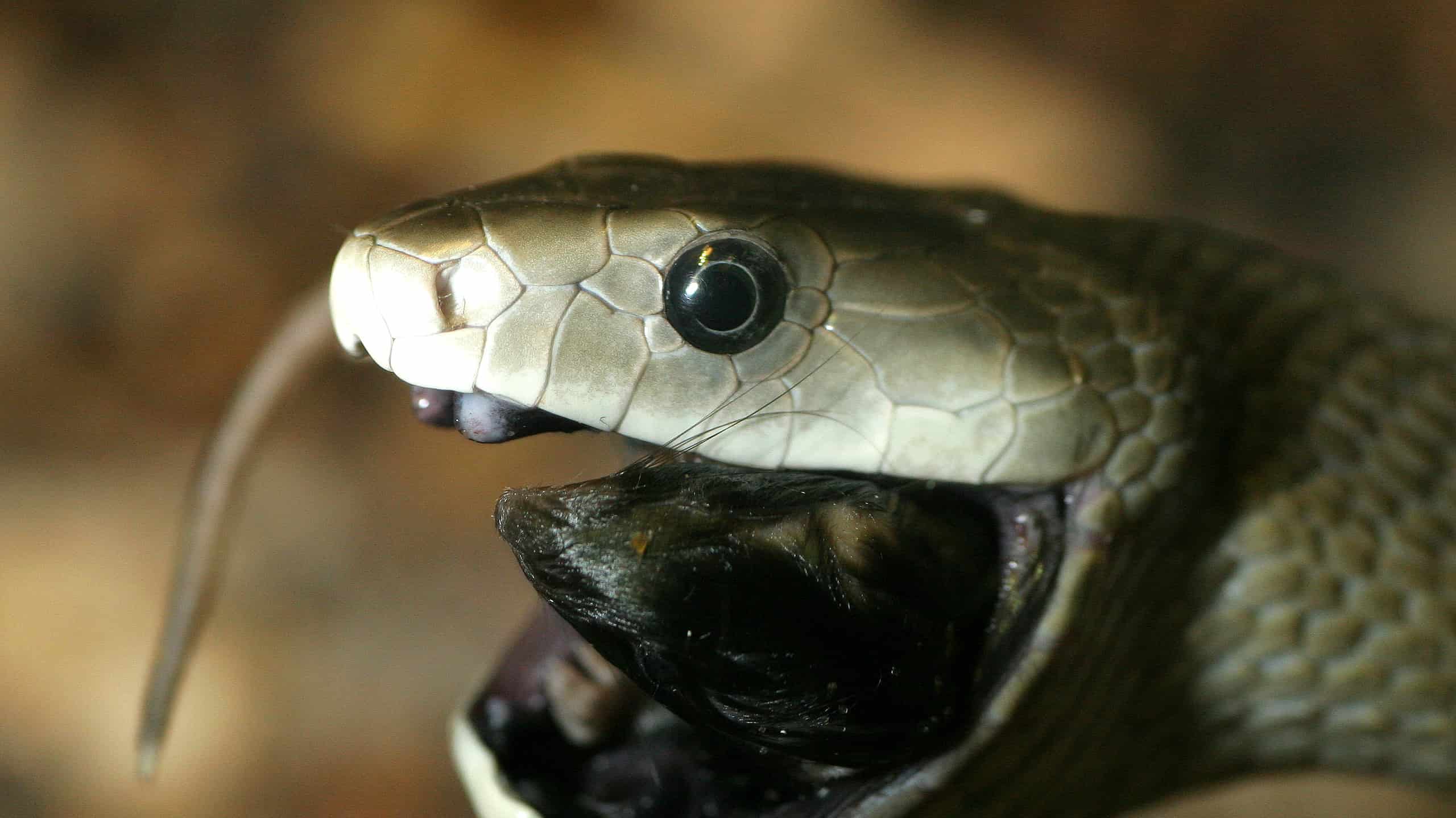
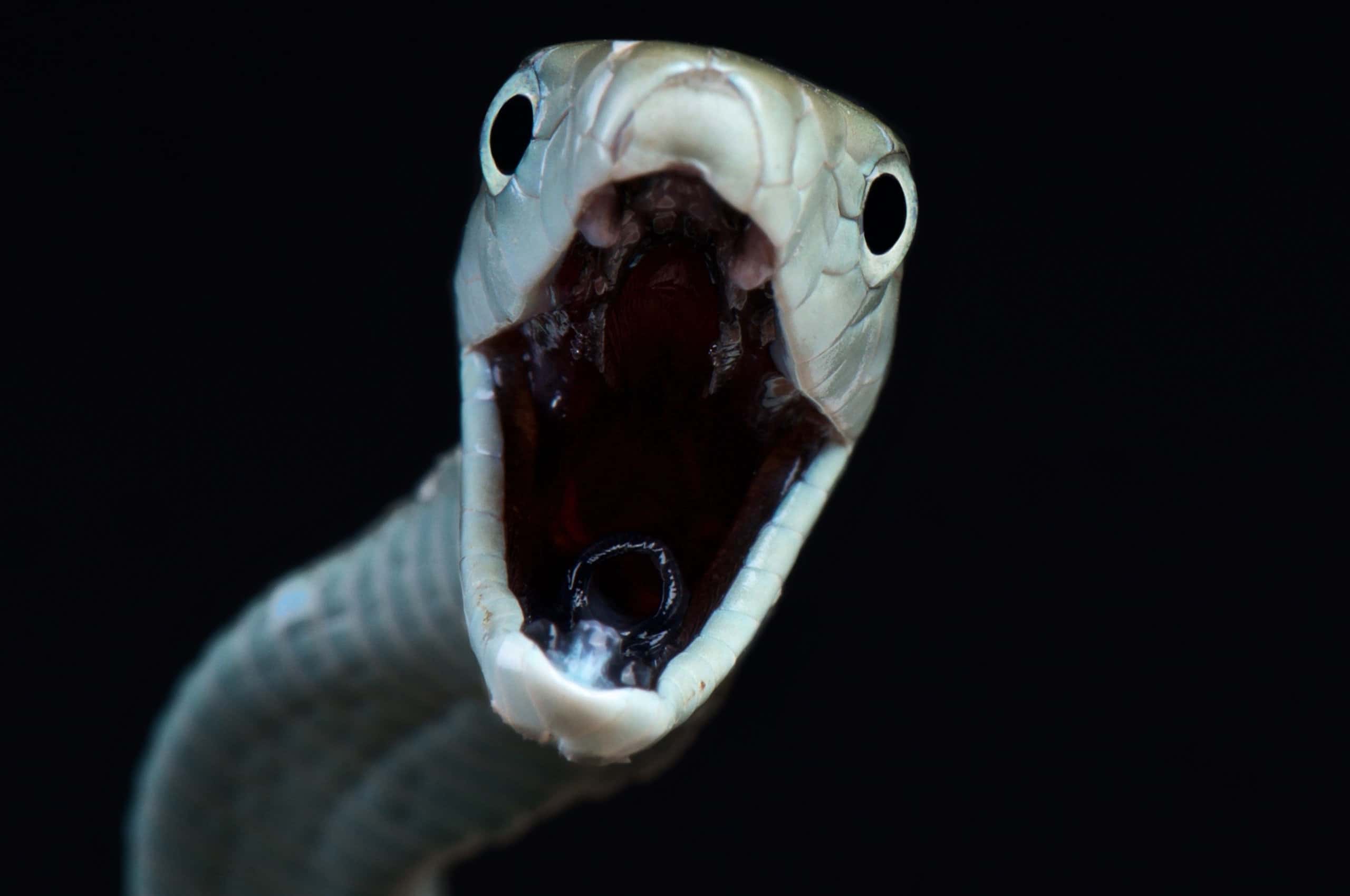
Speaking of scary-cute, this animal’s level of cuteness definitely depends on the eye of the beholder. The black mamba remains one of the most venomous snakes in the world and is native to some parts of Africa. The World Health Organization classifies it as a snake of medical importance. It’s among the most feared snakes in Africa for its nasty bite that demands treatment with antivenom.
2. Bruno’s Casque-Headed Frog
©LeoMercon/iStock via Getty Images
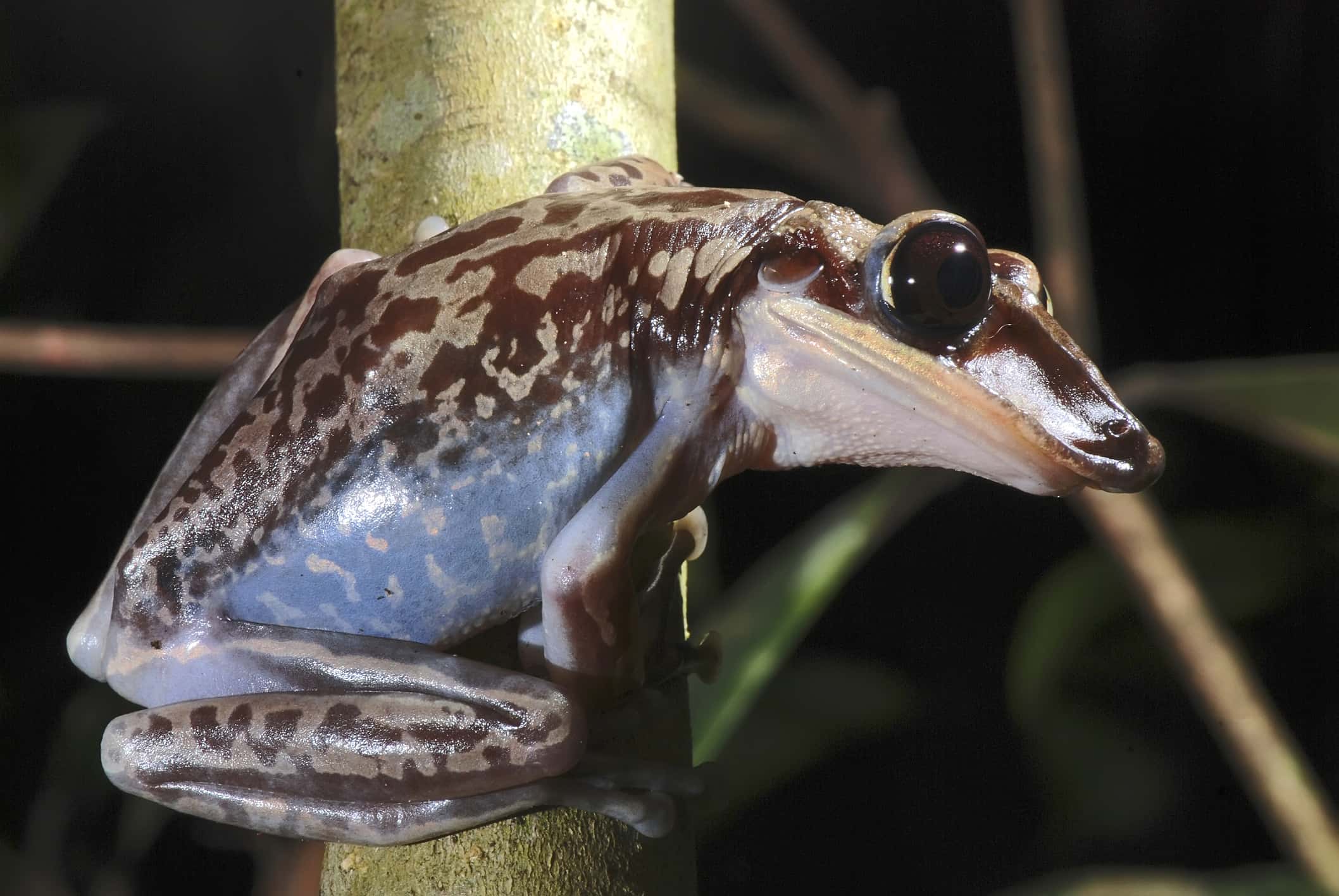
While it’s one of the two only venomous (remember, not poisonous) frogs in the world, Bruno’s casque-headed frog has a venom over 25 times more potent than some pit vipers. According to the Natural History Museum, this frog’s venom gets injected when something (or someone) touches their skull spines which are coated and filled with venom.
3. Platypus
©iStock.com/IainStych
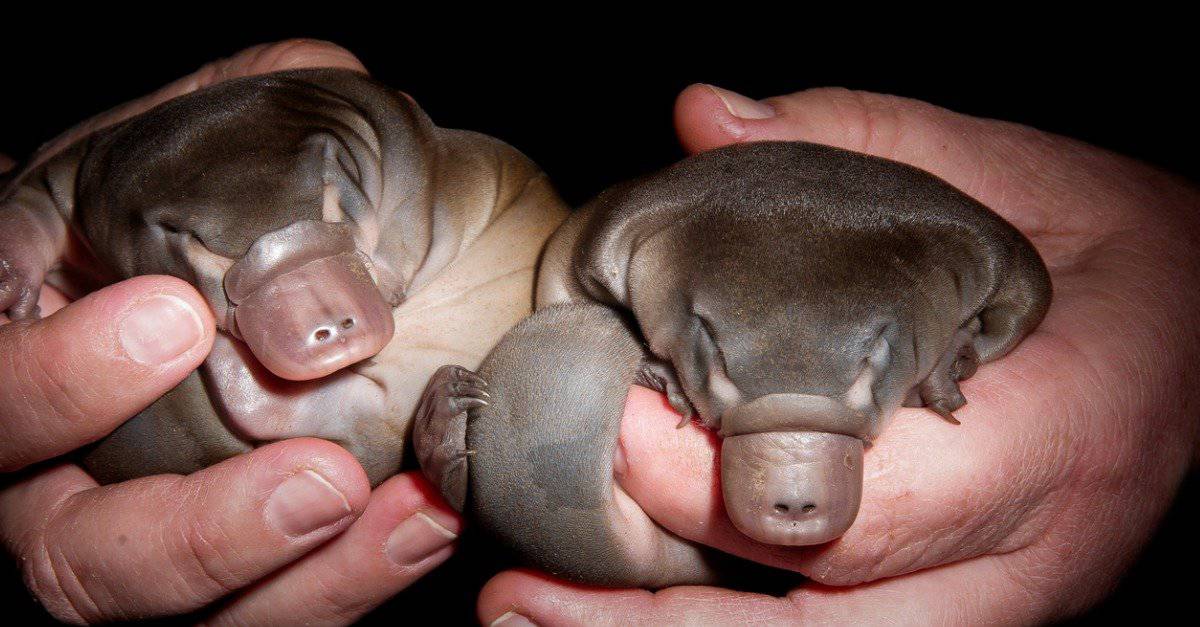
As one of the other still-living venomous mammals, the platypus has a venomous spur on its hind legs to inject its prey. Only males produce venom, so experts theorize that the venom spur is more for dominance in mating and territory than hunting.
4. Slow Loris
©Conservationist/Shutterstock.com
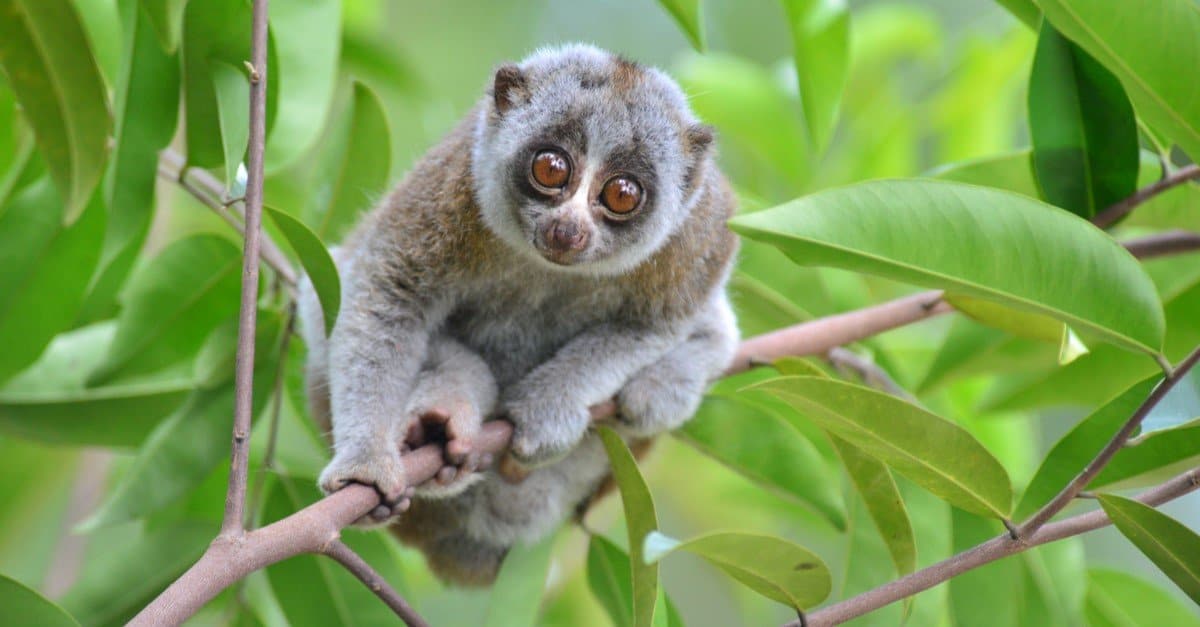
The adorable, doe-eyed slow loris looks huggable, but one bite from this little creature could result in severe pain, swelling, or allergic reaction/anaphylaxis. Slow lorises have modified sweat glands in their upper arms that produce toxins; the loris licks this off and stores it in their teeth. Once bitten, animals and humans may become paralyzed.
Dr. Alex Crow has seen a slow loris in person. “During my years on the job, I saw a cool example in Southeast Asia. The slow loris is an odd little [primate] with soulful eyes and a gentle way about it. But even so, it’s the only venomous mammal – it makes poison in its elbows to defend itself against danger. A nip from one could really hurt you and, for some people, even cause life-threatening shock!”
5. Mouse Spiders
©Wright Out There/Shutterstock.com
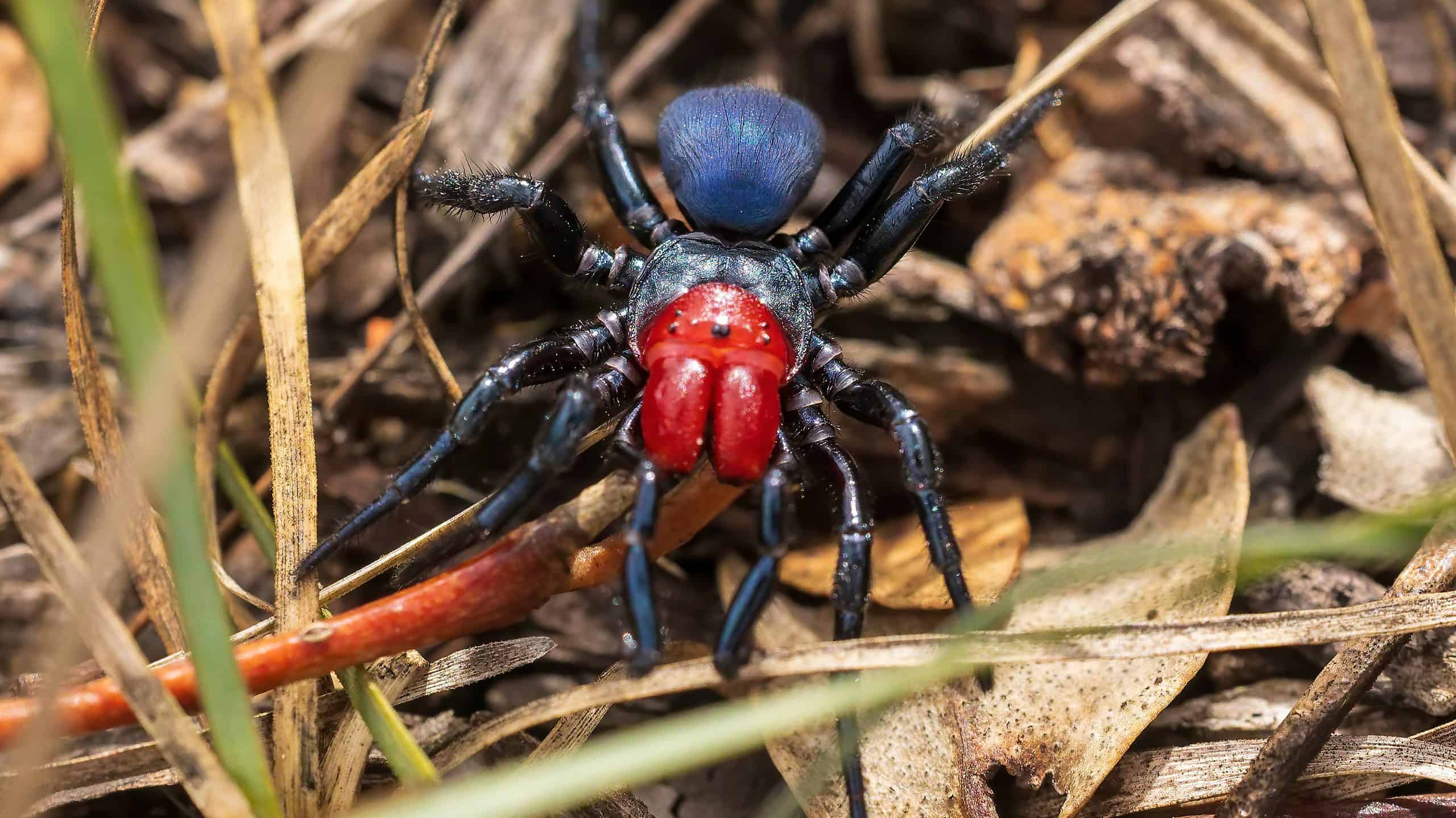
The red-headed mouse spider’s iconic cherry dome makes it an adorable addition to the list — but its venom rivals the most deadly spiders. Despite the strength of its venom, experts believe most mouse spiders tend to “dry bite” or use less venom.
6. Tarantulas
©reptiles4all/Shutterstock.com
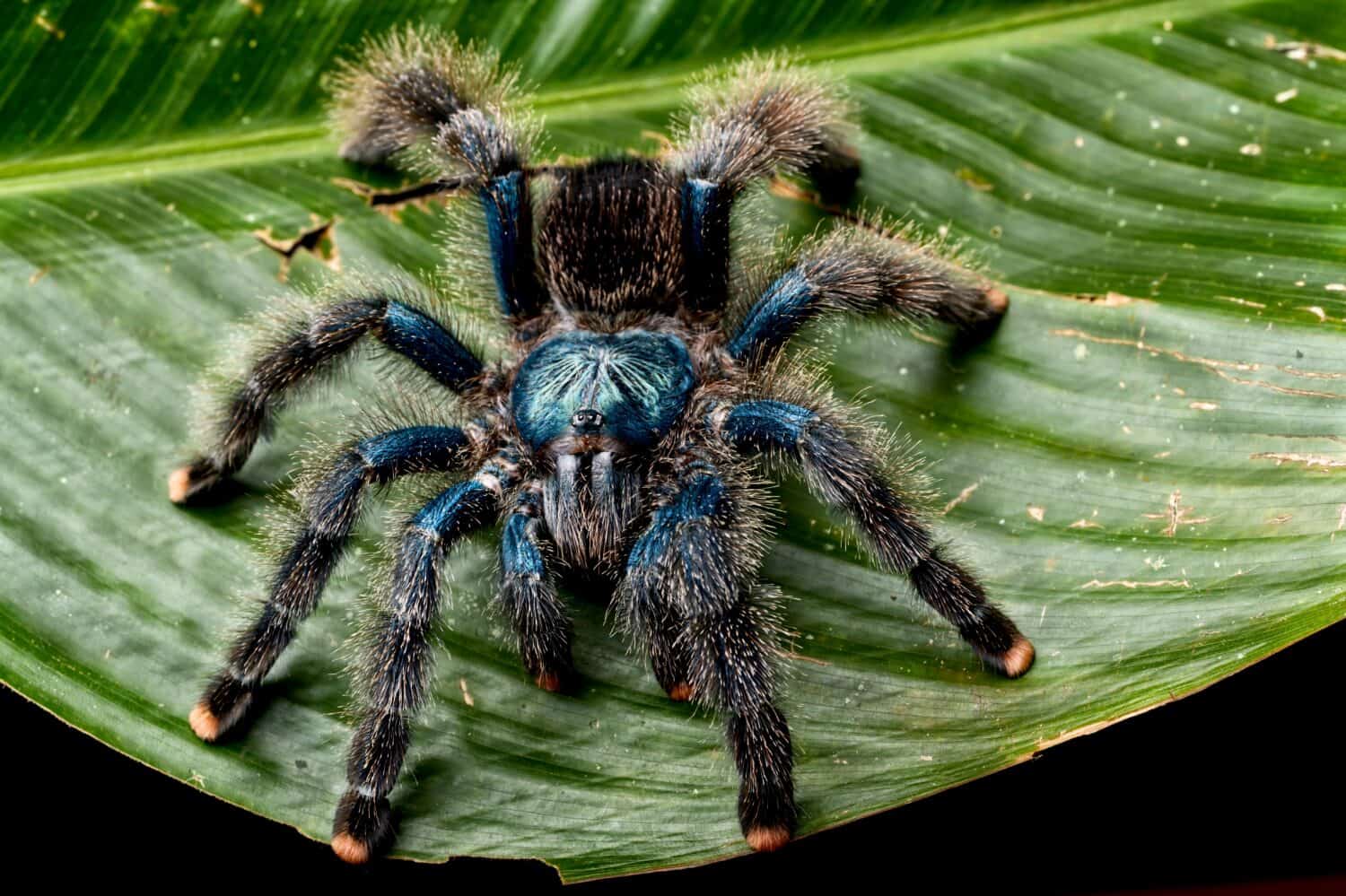
With more and more pet owners choosing tarantulas as their pets, it’s no wonder the cute legs and furry face of the spider make it onto the list. Bonus: the venom of United States tarantulas only causes allergic reactions in humans. Furthermore, most injuries from tarantulas come from their urticating hairs, which are mechanical irritant.
7. Deathstalker Scorpion
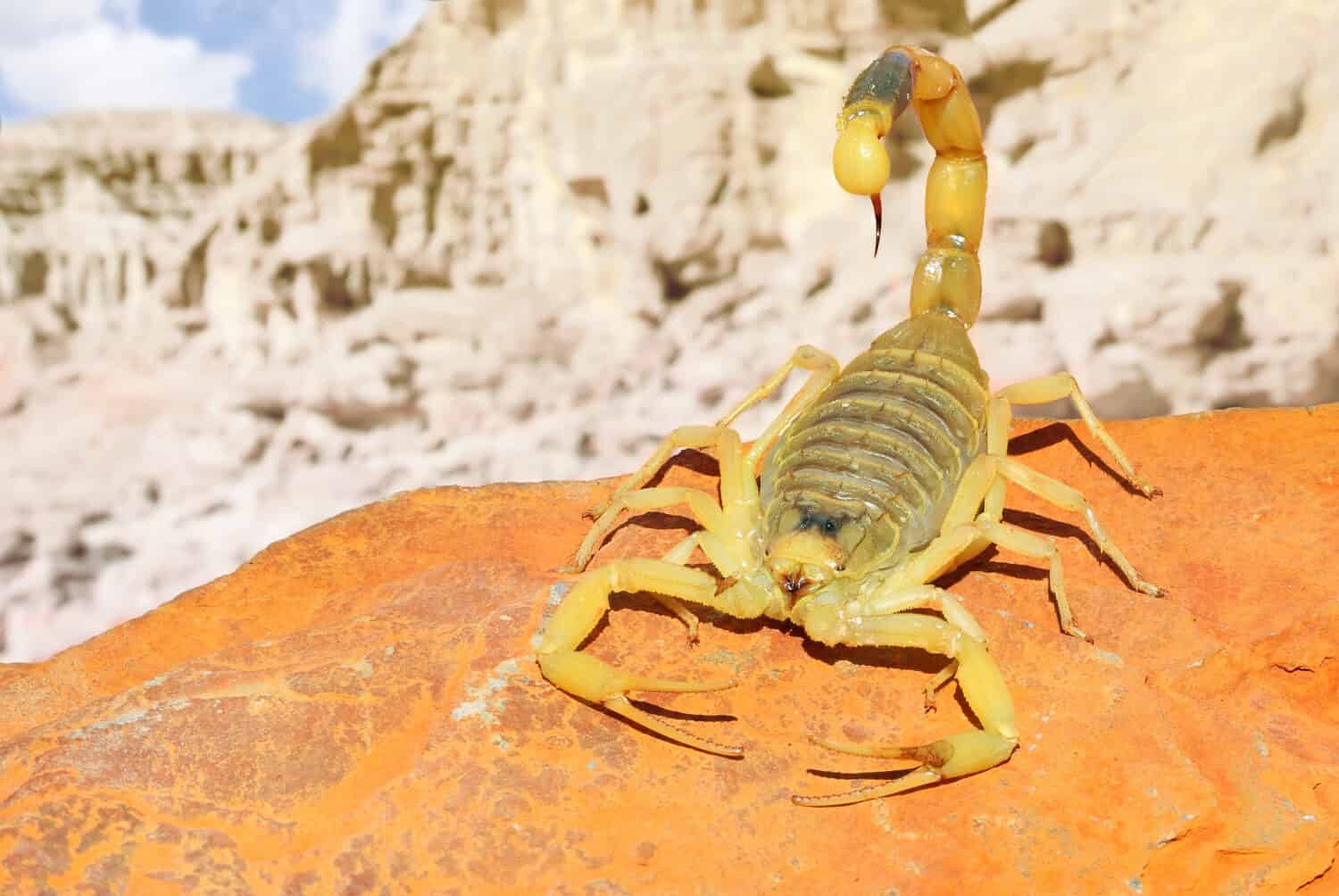
©Protasov AN/Shutterstock.com
While one sting from a deathstalker scorpion won’t invite the reaper to your front door, it will give you muscle convulsions and amplify your nervous system tenfold. You’ll also feel immense pain at the sting site.
But look at how cute its coloring is!
8. Lepidopteran caterpillars
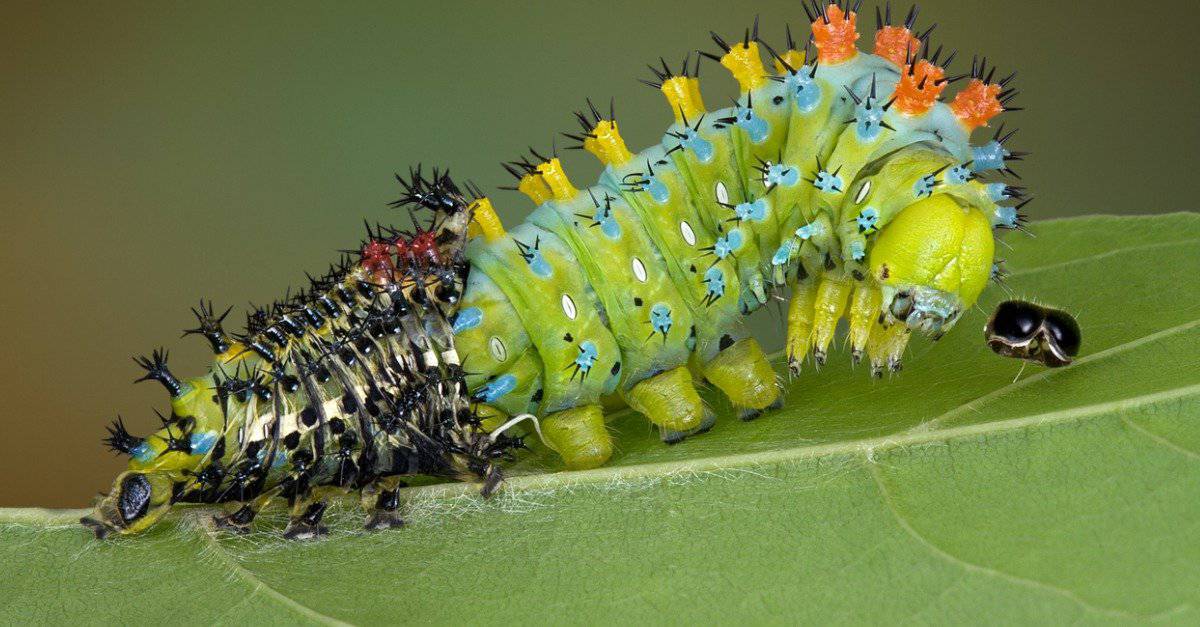
©iStock.com/CathyKeifer
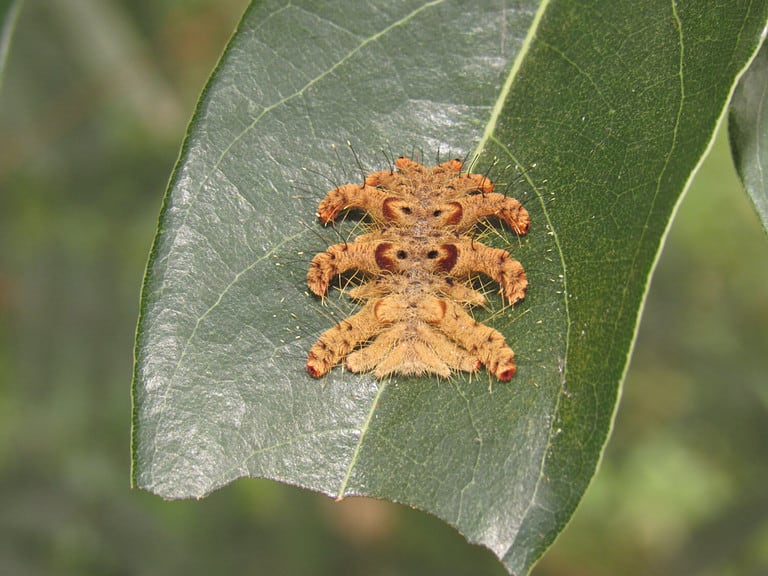
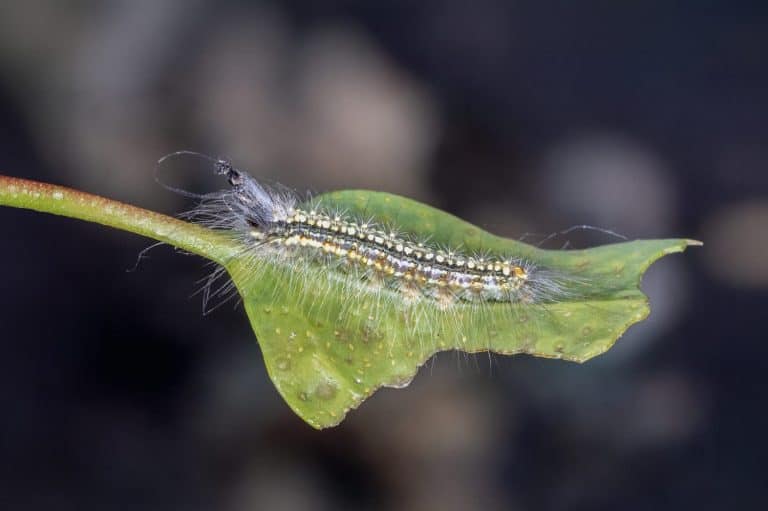
Over 180,000 insect species of Lepidoptera exist — and caterpillars make up a majority of that. Lepidopteran caterpillars use envenomation to inject venom into victims that can cause allergic reactions or life-threatening side effects. Mostly, these little buggers use their venom in self-defense.
9. Cone Snails
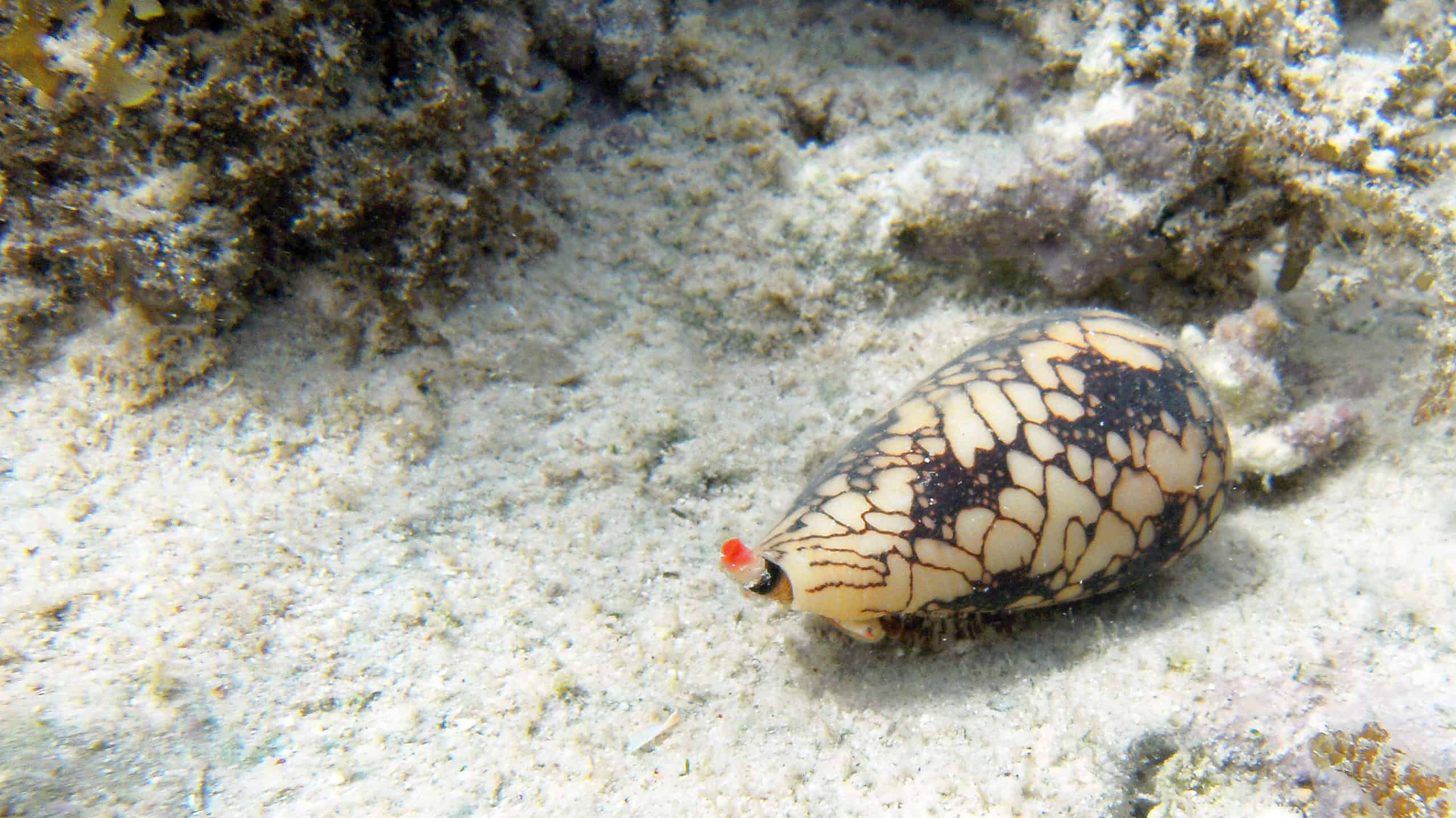
©O'KHAEN/Shutterstock.com
Nearly all cone snails are venomous and use a harpoon tool on their body (the radula tooth) for hunting. Depending on the species of cone snail, the risk varies between the pain of a bee sting and fatal injury. The radula tooth of some cone snails can break through gloves or wetsuits.
10. Blue-Ringed Octopus
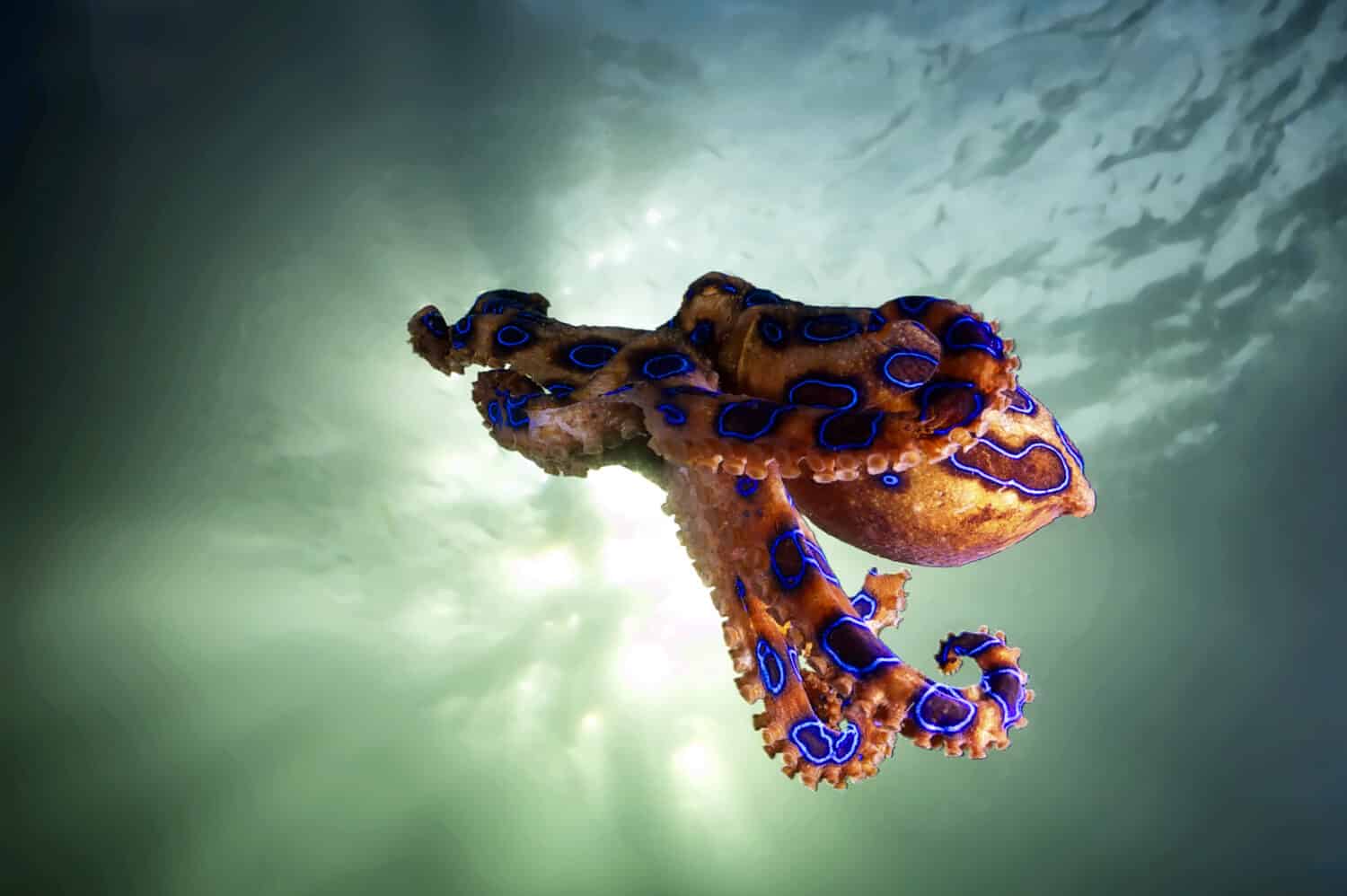
©YUSRAN ABDUL RAHMAN/Shutterstock.com
Look how small this little octopus is! As adorable as they look, their venom is absolutely deadly. Some medical reports and reviews state that the blue-ringed octopus’s venom (tetrodotoxin, or TTX) is 1,000 times more toxic than cyanide.
11. Fried Egg Jellyfish
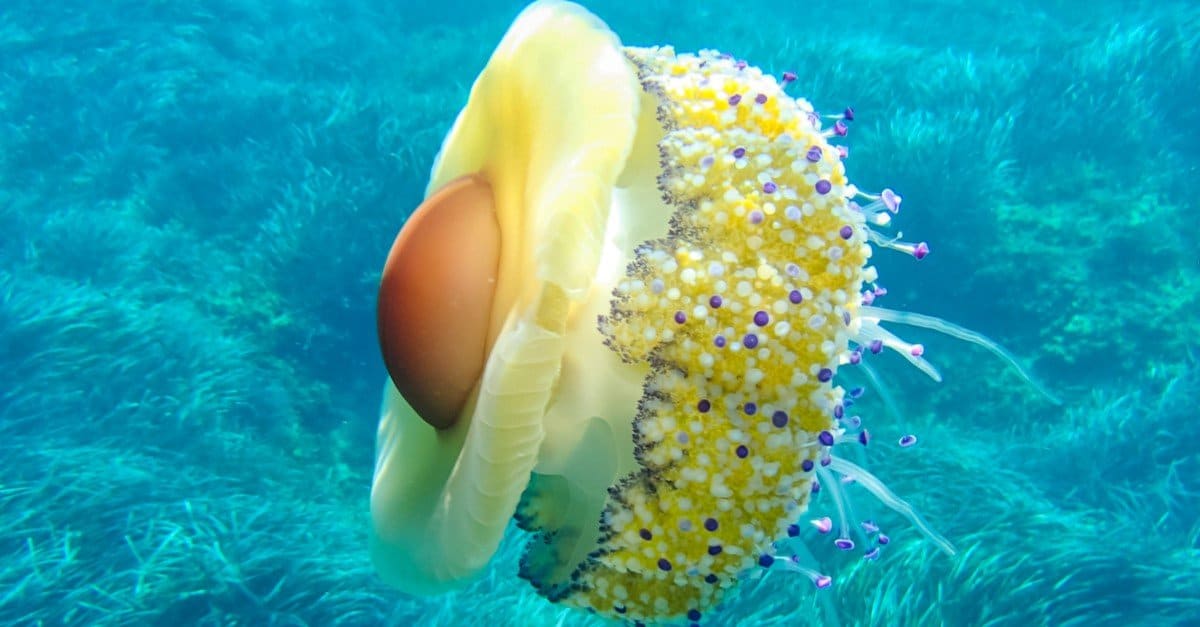
©RaDoll/Shutterstock.com
Don’t you feel hungry just looking at this sweet little jelly? The fried egg jellyfish feeds on zooplankton and other jellyfish and does not hunt humans or other large mammals actively, so its sting is mild.
12. Portuguese Man o’ War
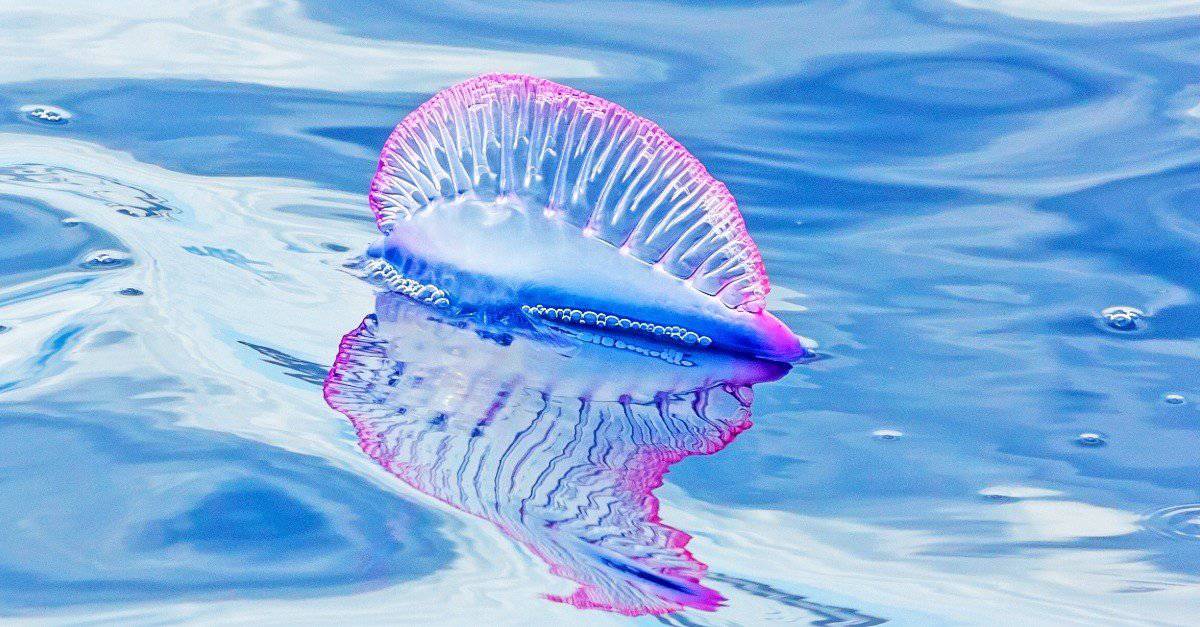
©iStock.com/aldorado10
The beautiful, slow-moving tendrils of a Portuguese Man o’ War have a hypnotic appearance, but the sting from its venom does not. While rarely fatal, this jellyfish’s venomous sting will cause excruciating pain and massive welts on the skin.
13. White Spotted Jellyfish
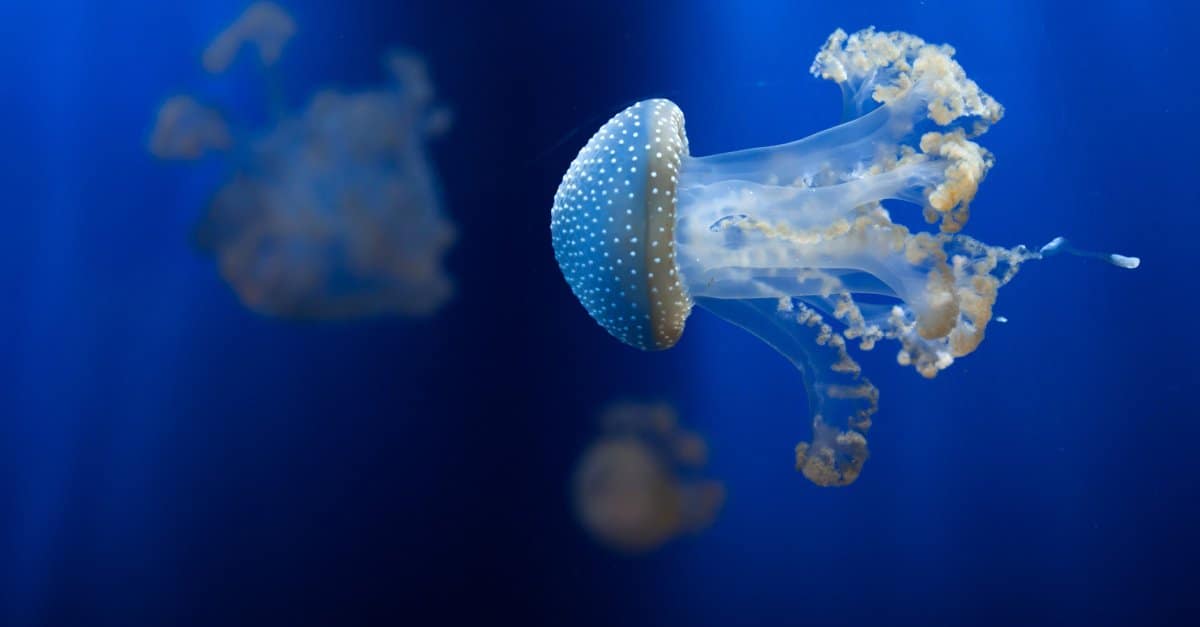
©iStock.com/wrangel
Like the fried egg jellyfish, the white spotted jellyfish goes after much smaller prey than humans. As such, its venom is relatively harmless. Unless you’re a fish egg, of course. In that case, you may be one of the 2,000 eggs the white spotted jellyfish will eat in a day.
14. Polyester Bees
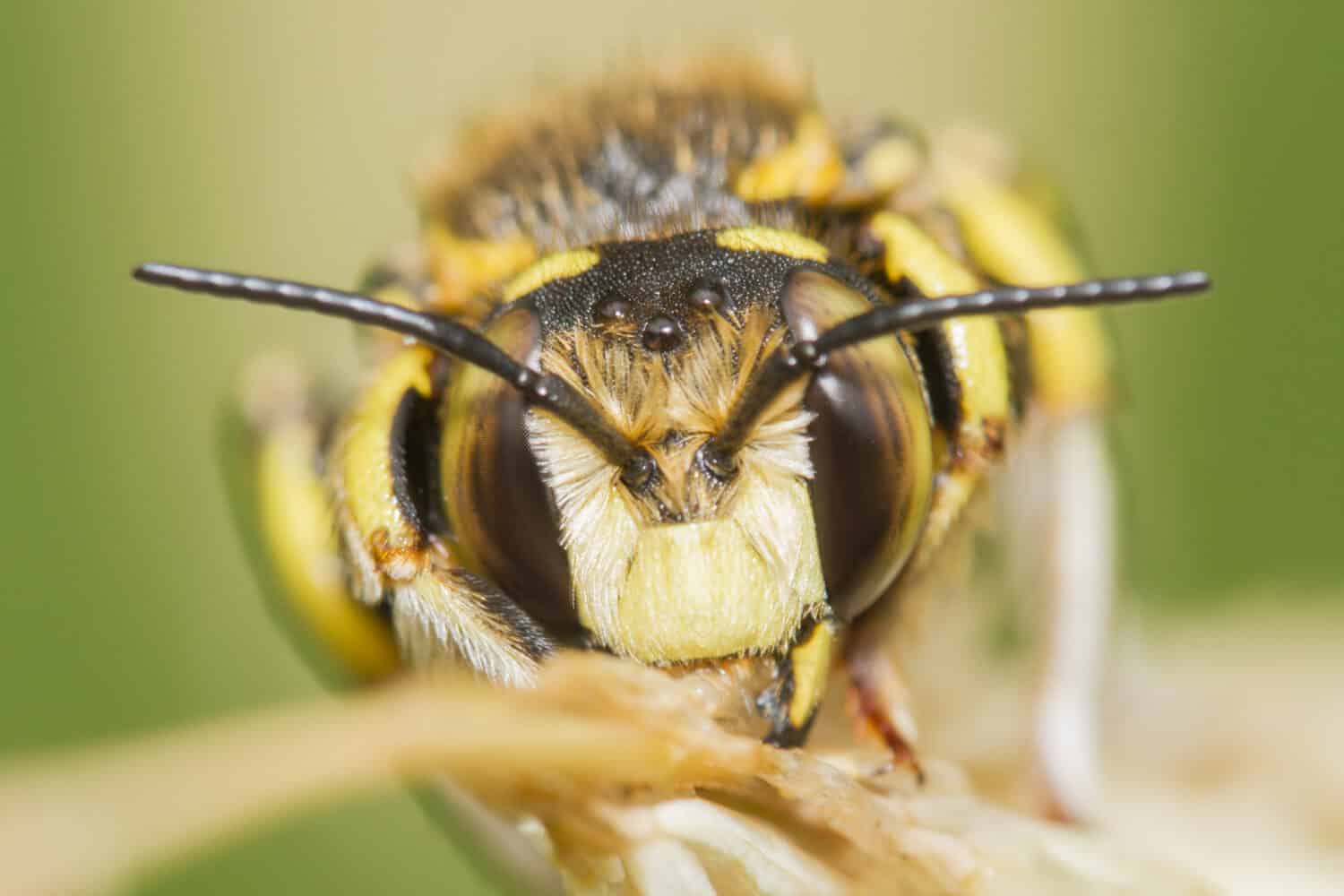
©Mircea Costina/Shutterstock.com
Sometimes known as plasterer or cellophane bees, Colletes simulans is a light-colored yellow and black bee that stings with an irritating venom. They will rarely sting humans unless overtly threatened or messed with.
15. Pacific Purple Sea Urchin
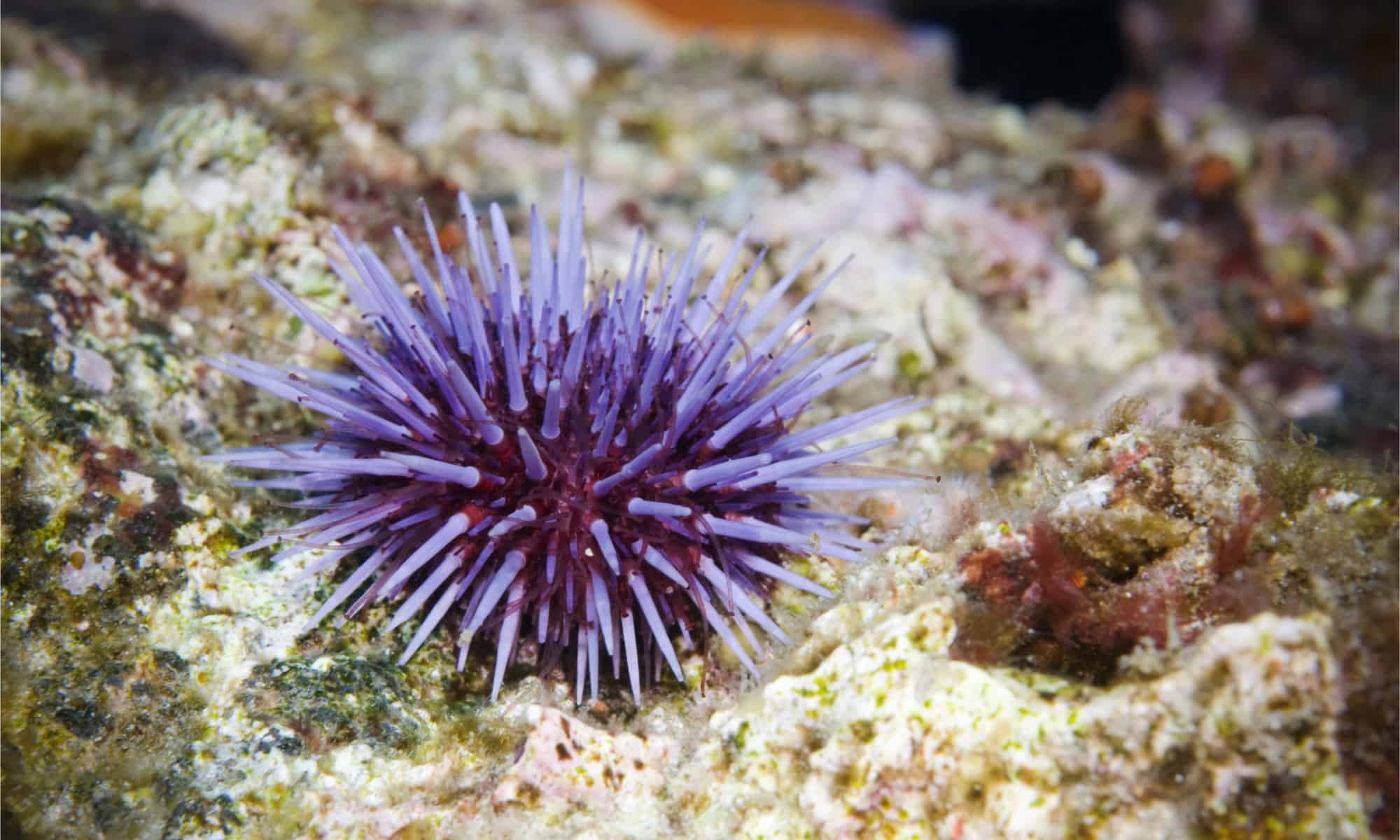
©NatalieJean/Shutterstock.com
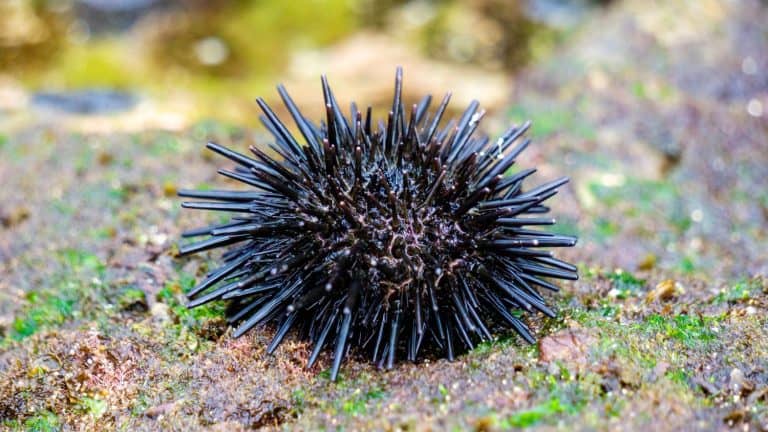
This little purple ball of spikes contains painful toxins it will inject into prey through its sharp spines and pedicellariae. These urchins recently decimated California’s coastal kelp forests when they moved en masse to the area.
16. Lionfish
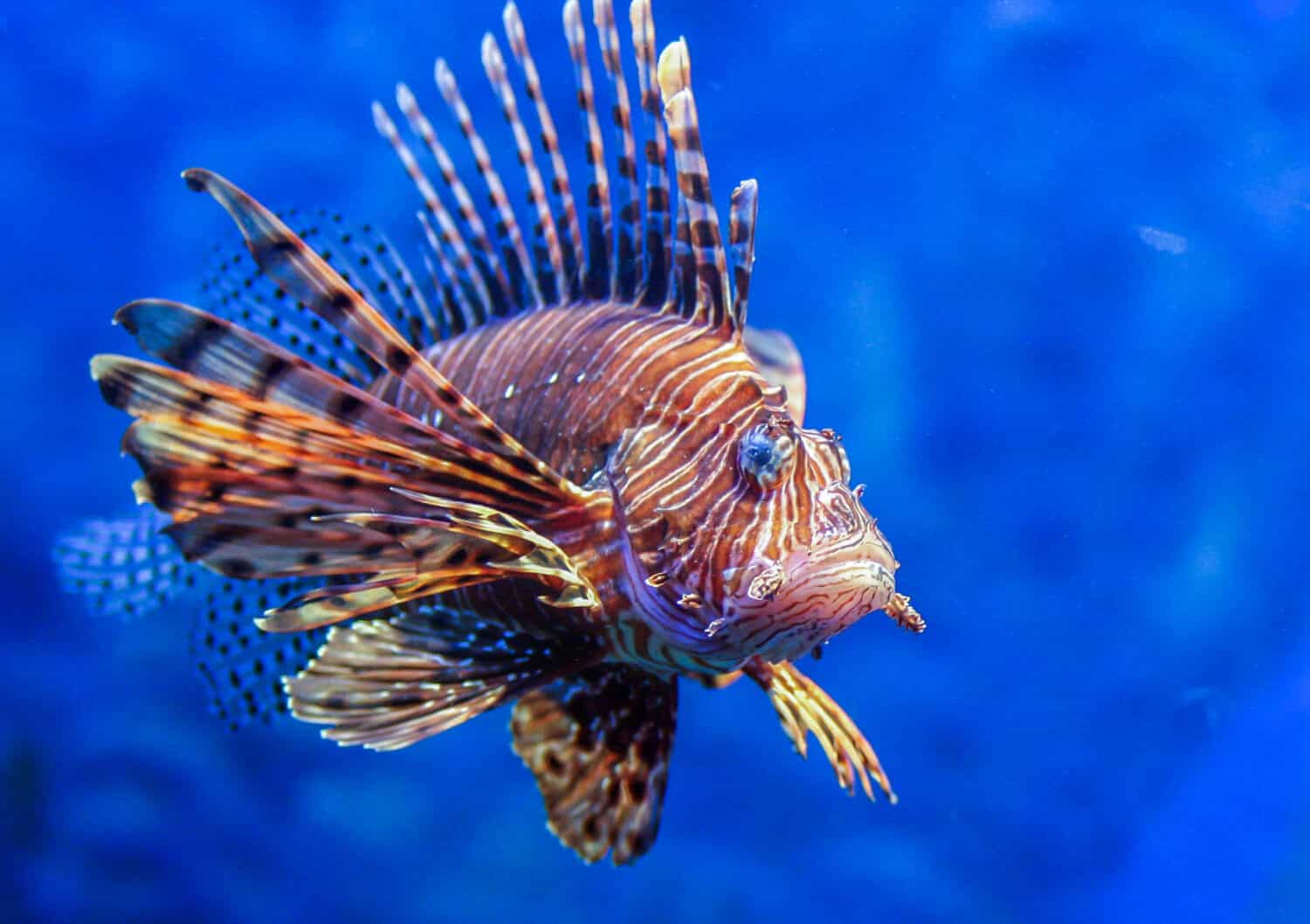
©dimakig/Shutterstock.com
The venom of a lionfish, injected into prey or predators by their fins and spines, has a potent effect but probably won’t kill an adult healthy human. It will cause numbness, nausea, swelling, convulsions, and even paralysis for really bad stings.
17. Rabbitfishes
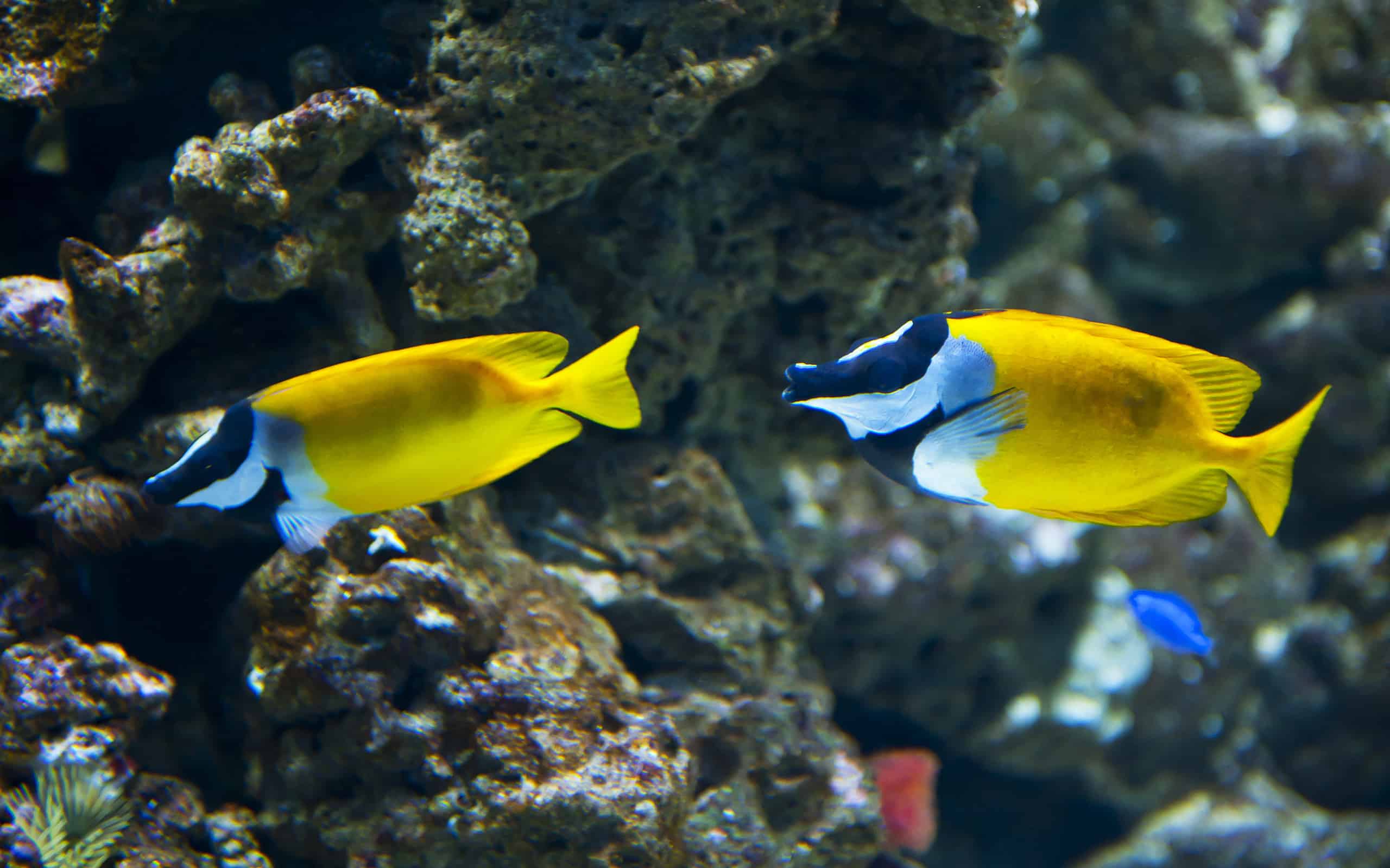
©Issaurinko/ via Getty Images
The sting from the spines of a rabbitfish can hurt for days, though they are not lethal. Despite the throbbing pain that accompanies the sting, the World Health Organization does not consider its toxin medically significant.
18. Striped Blenny
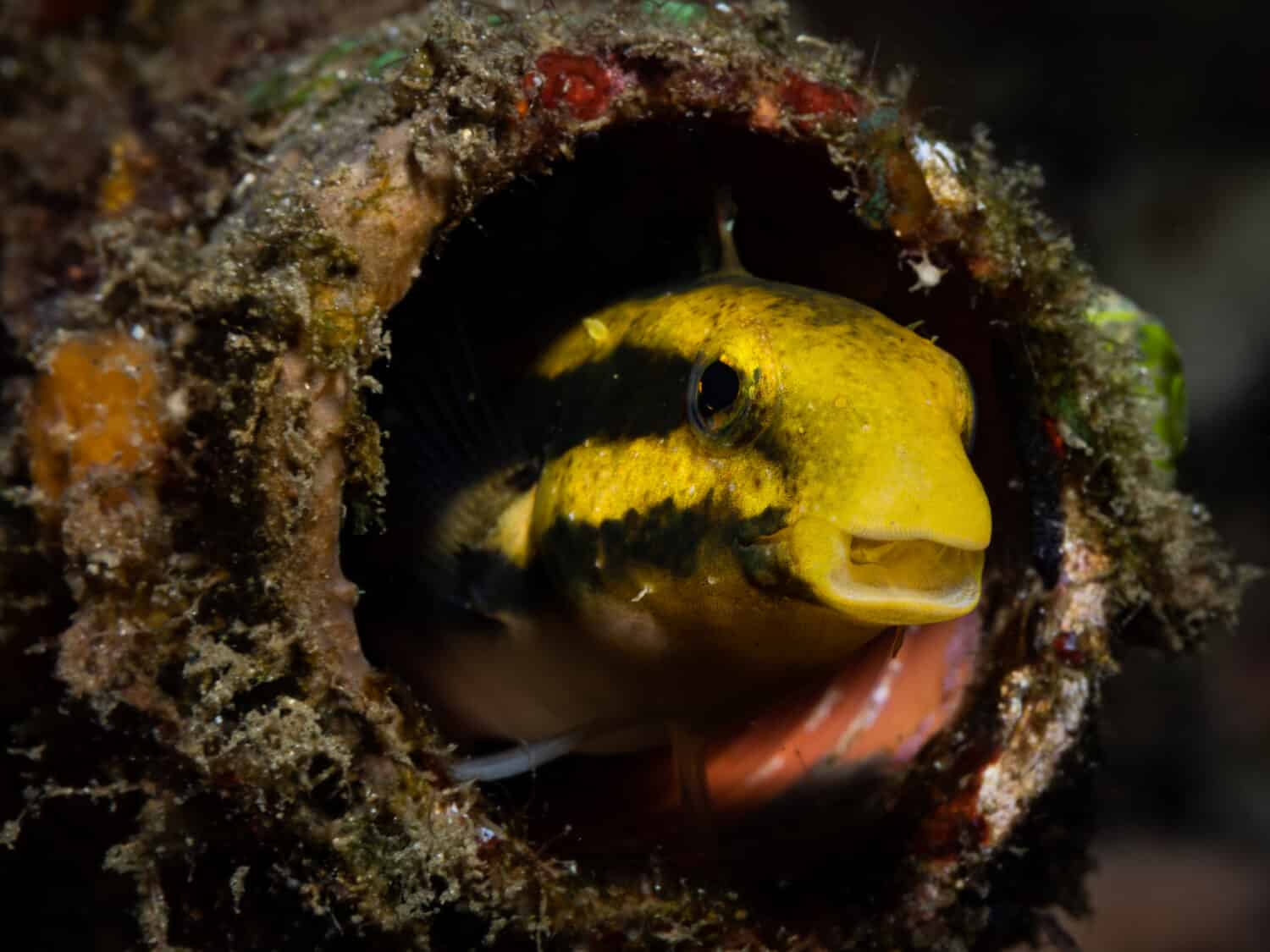
©Henryp982/Shutterstock.com
Equipped with fangs, the striped blenny will bite and inject its venom into humans. However, they don’t seek out humans and tend only to bite when being handled in a captive environment. Most of the time, they use venom for prey.
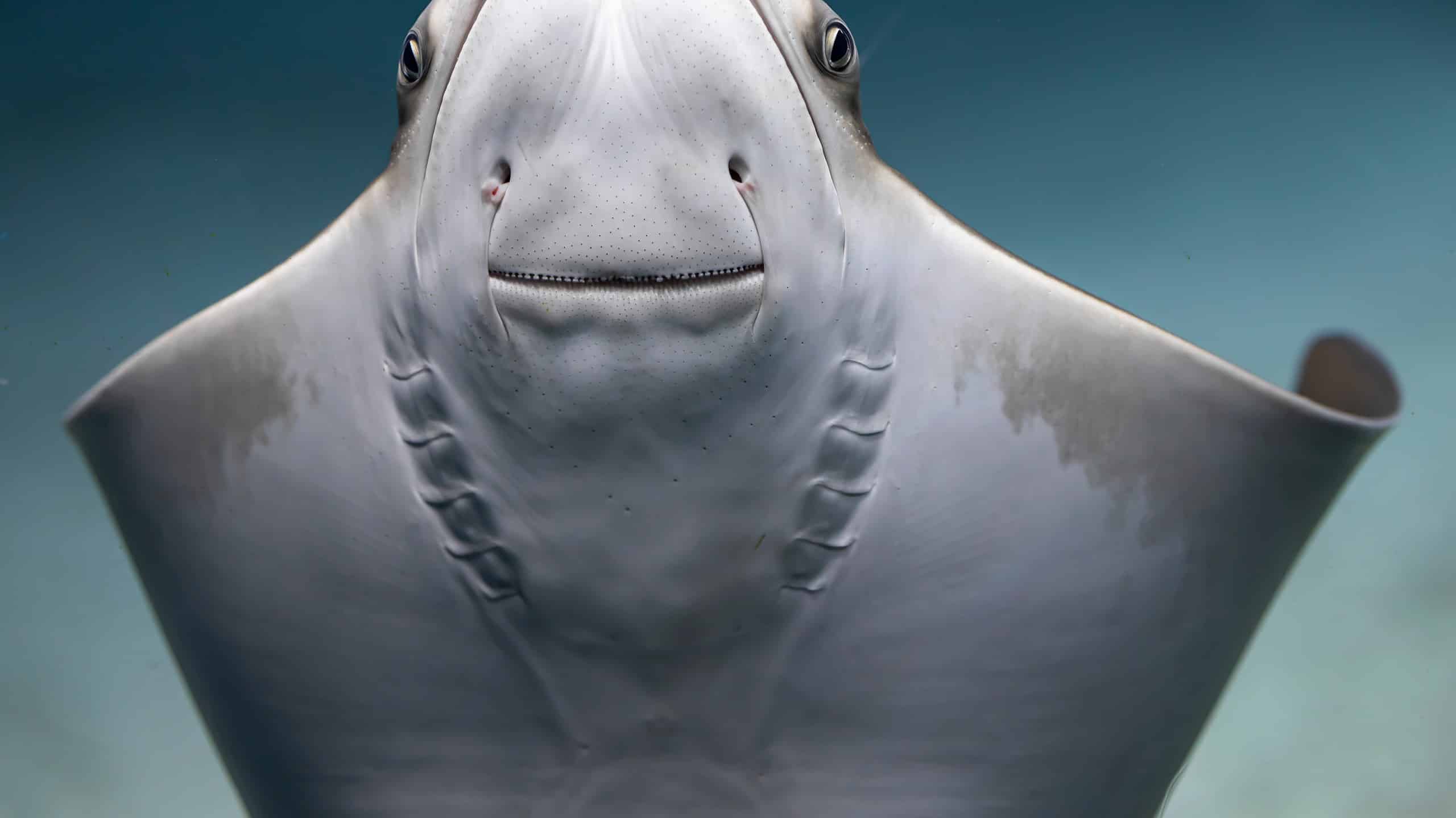
19. Stingrays
©JENG BO YUAN/Shutterstock.com
Injected through the barb or spine on the back of a stingray’s tail, the venom of a stingray will cause intense pain, dizziness, weakness, and nausea. Though uncommon, other side effects of the venom include cramps, vomiting, diarrhea, and death in some situations.
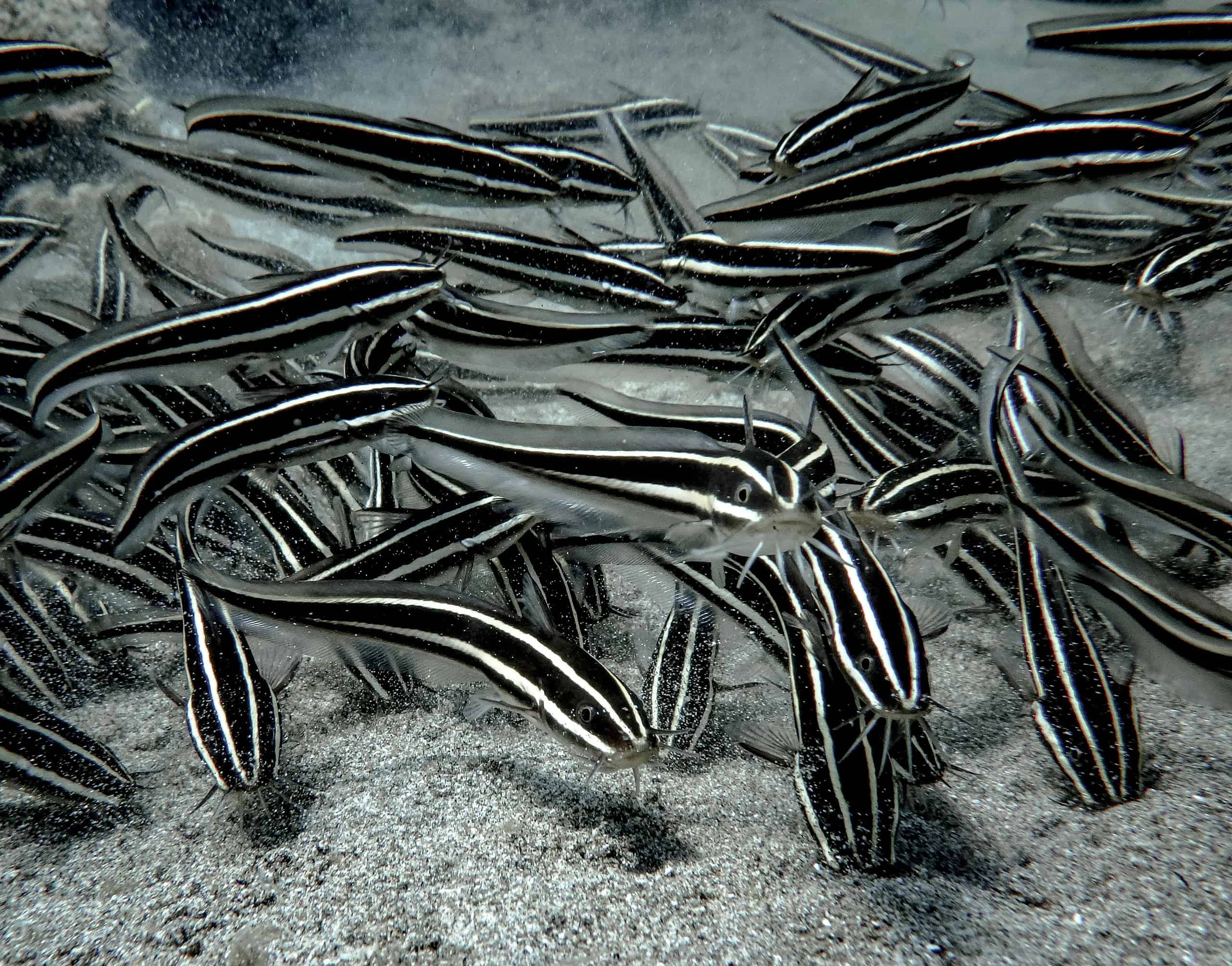
20. Striped Eel Catfish
©iStock.com/norman lopez
One of many venomous catfish, the striped eel catfish have venomous spines on their dorsal and pectoral sides that inflict a painful welt for a simple touch. Multiple stings from striped eel catfish can have a fatal effect.
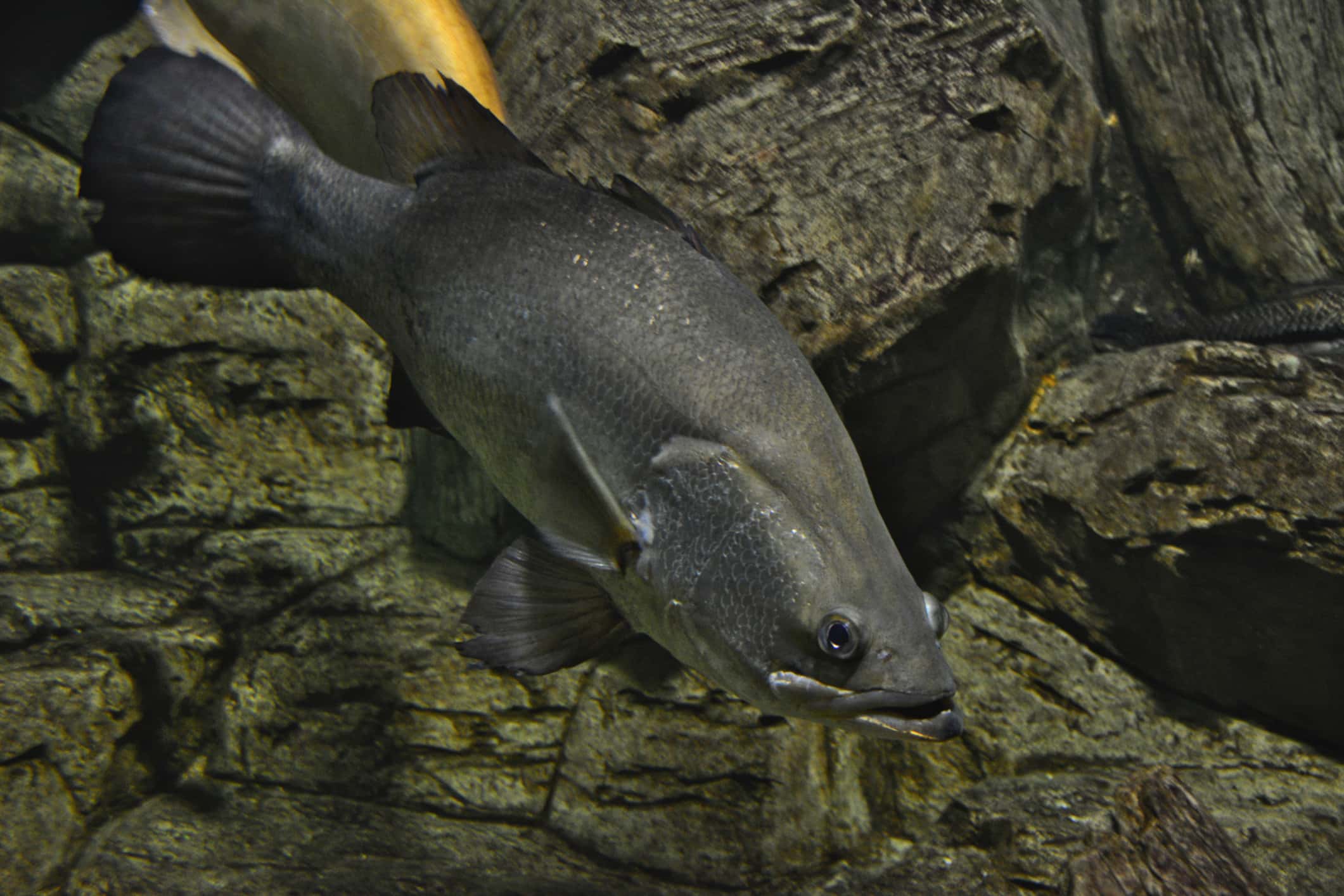
21. Asian Stinging Catfish
©Irina Khabarova/iStock via Getty Images
Valued for their medicinal value in native areas like Nepal, Sri Lanka, and Thailand, the Asian stinging catfish or fossil cat has a painful sting. The poison injected comes from glands on its pectoral spine.
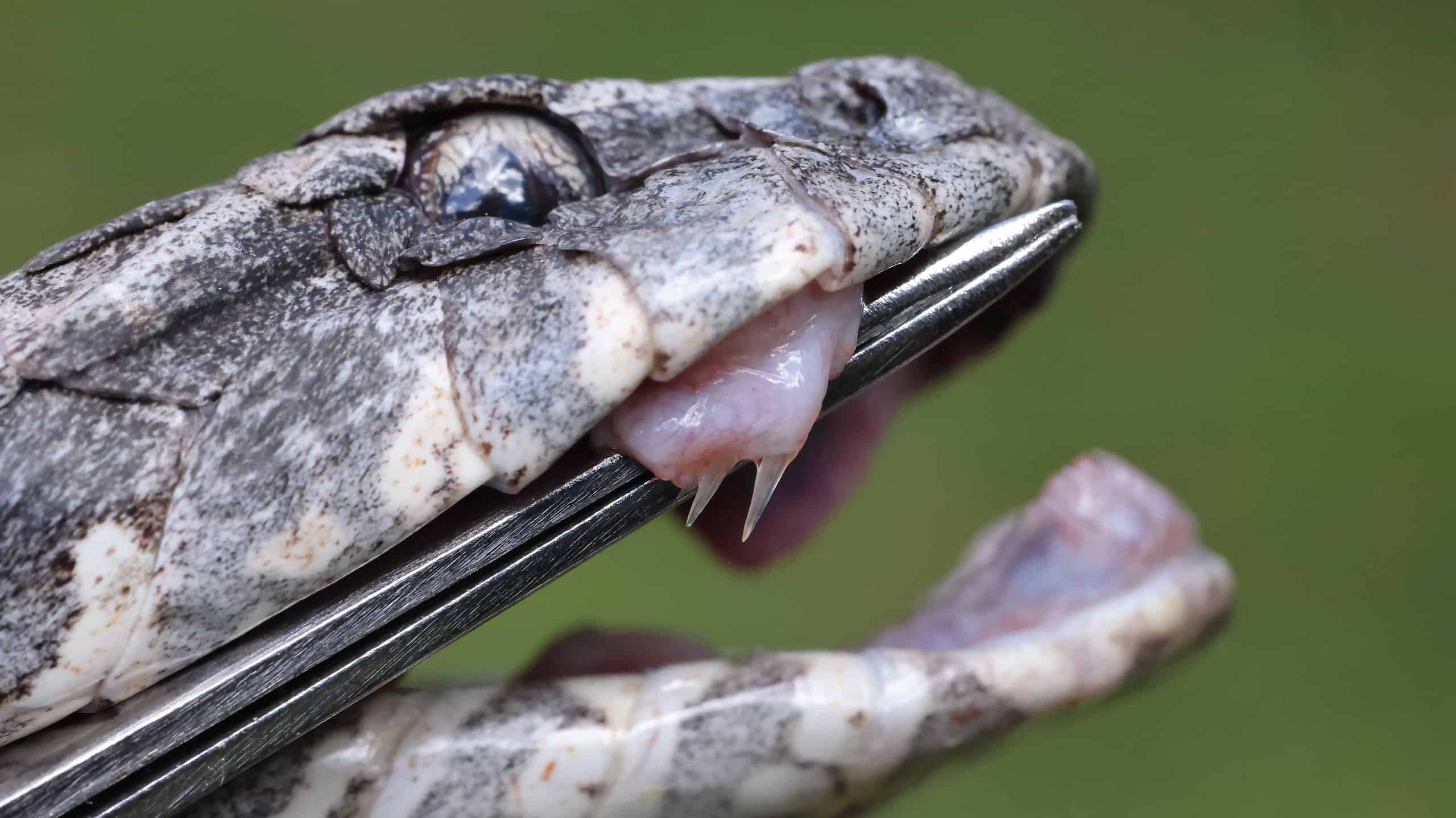
22. Death Adders
©iStock.com/Ken Griffiths
Did you know that over 50% of death adder bites to humans were fatal injuries before the introduction of its antivenom? That’s right — these plump snakes caused a lot of death, which makes sense when you look at their name.
23. Komodo Dragon
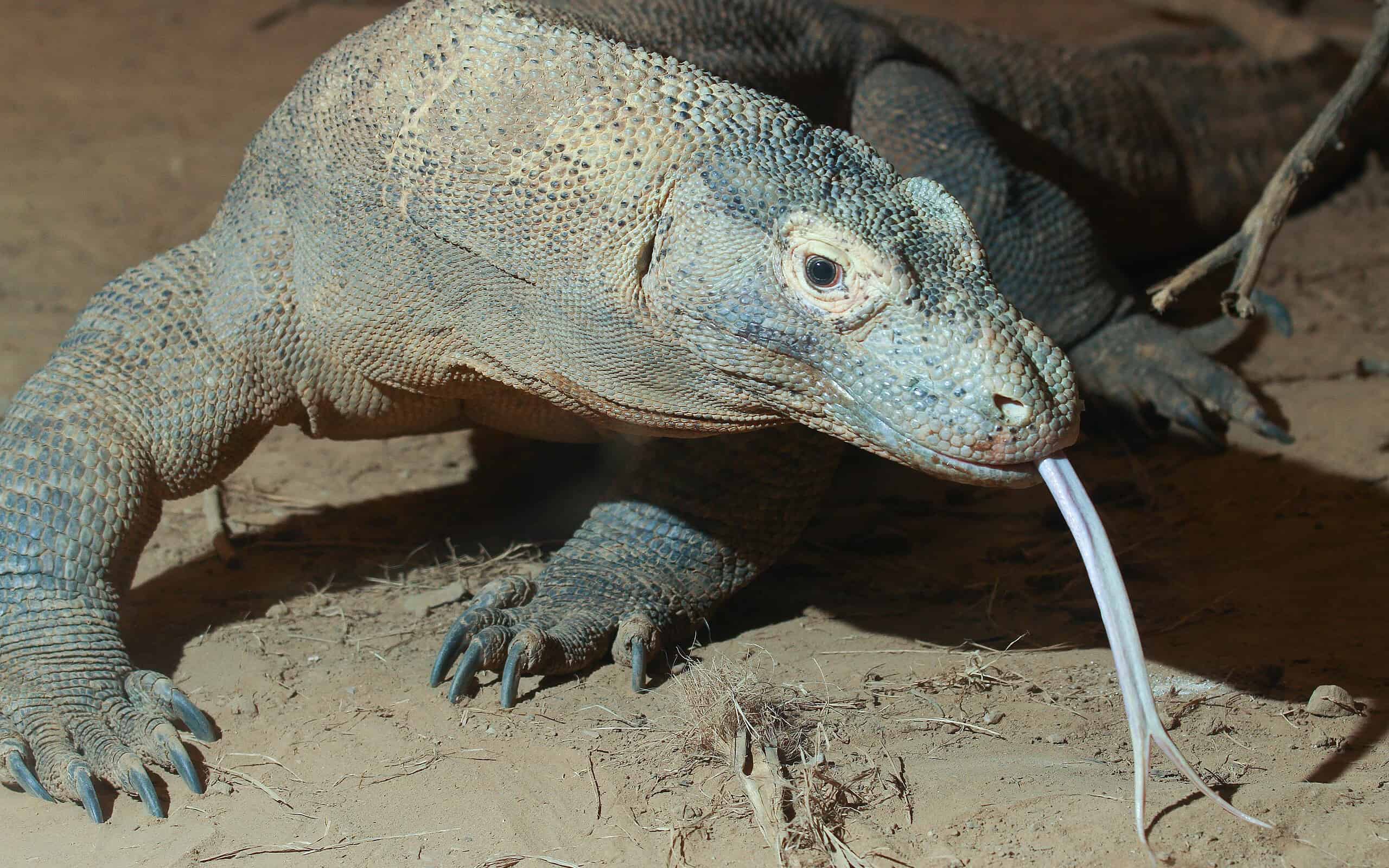
Evidence suggests venom plays a role in Komodo dragon bites. You’ll have a slew of nasty side effects to contend with. These lumbering creatures with long tongues and cute faces can cause lacerations, deep tissue injuries, clotting problems, blood loss, and more.
24. Northern Short-Tailed Shrew
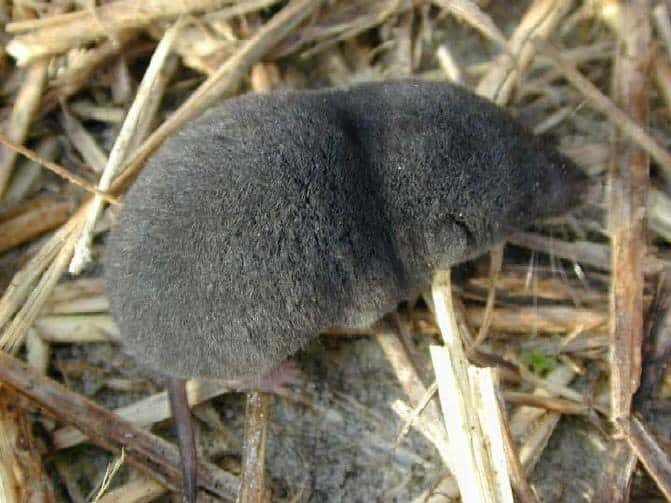
As one of the few mammals with venom, the shew has an interesting way of injecting it into their prey. They don’t have fangs, so they must chew their neurotoxic poison into their prey.
25. Perentie
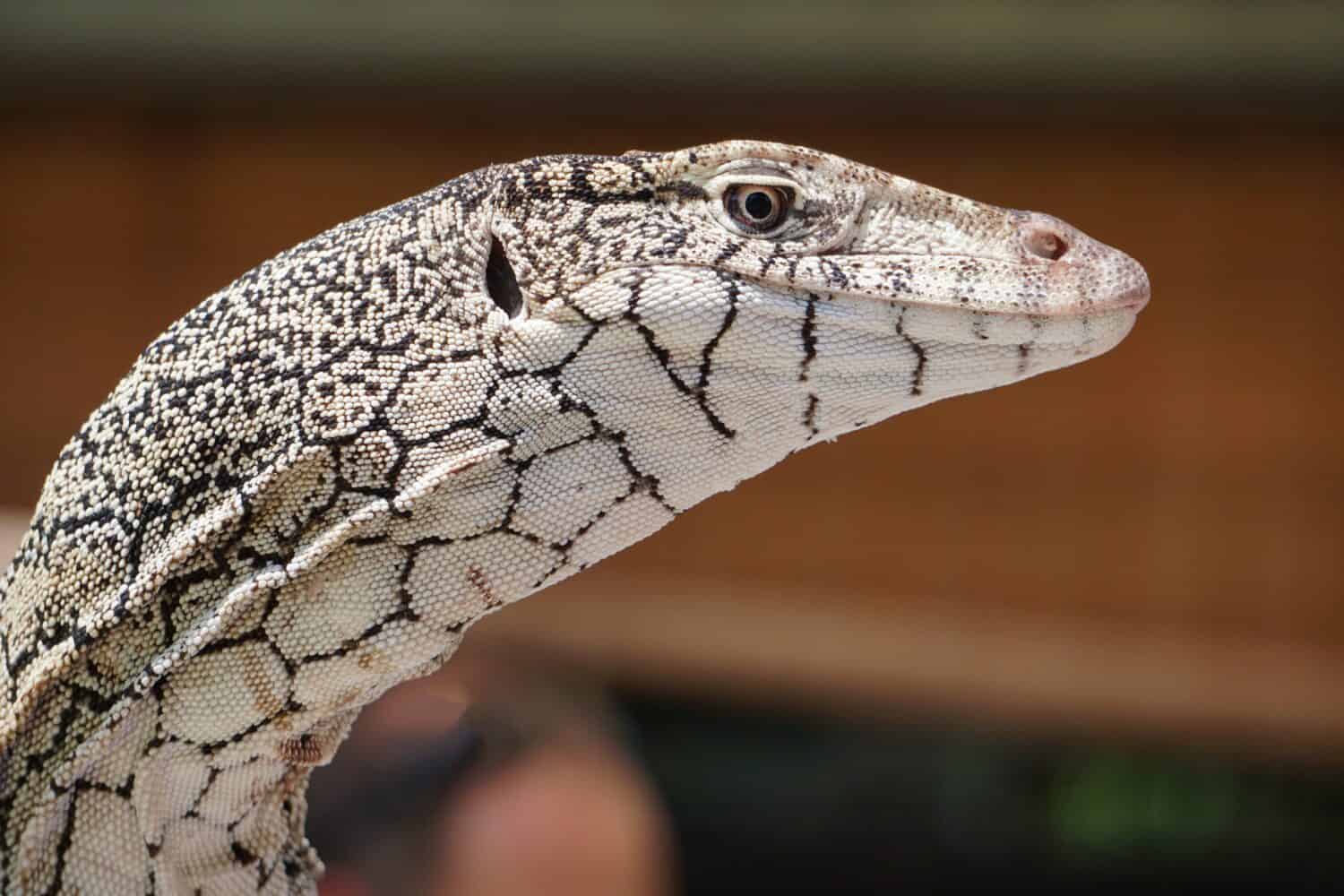
©K A STUDIO/Shutterstock.com
The perentie has mild venom and the effects of the bite don’t last long. What a relief, because these monitors are adorable.
26. Common Krait
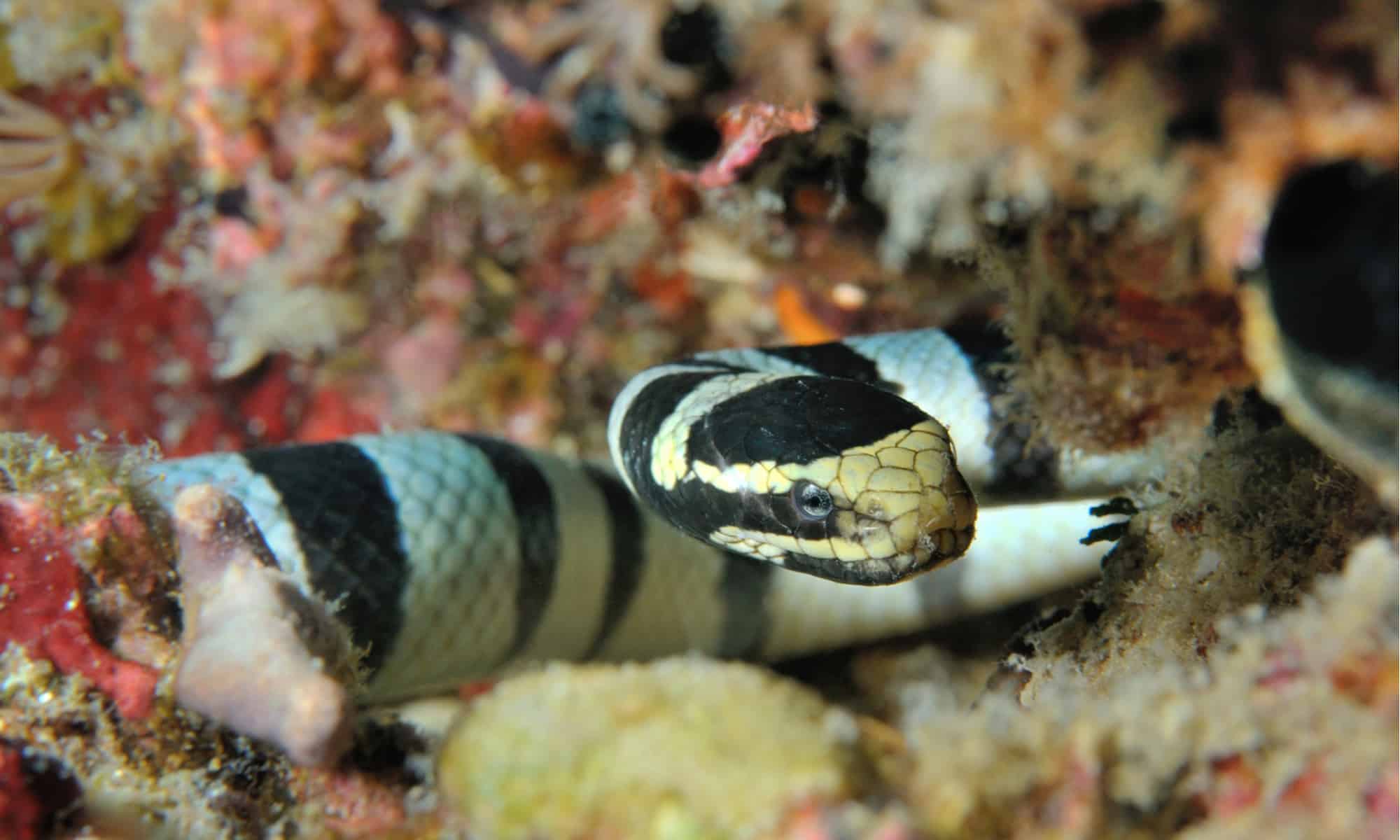
©Oksana Golubeva/Shutterstock.com
The common krait’s venom contains neurotoxins that will significantly hinder a human’s ability to function normally. The snake’s bite will bring about muscular paralysis — and injury will worsen unless treated with antivenom.
27. Solenodon
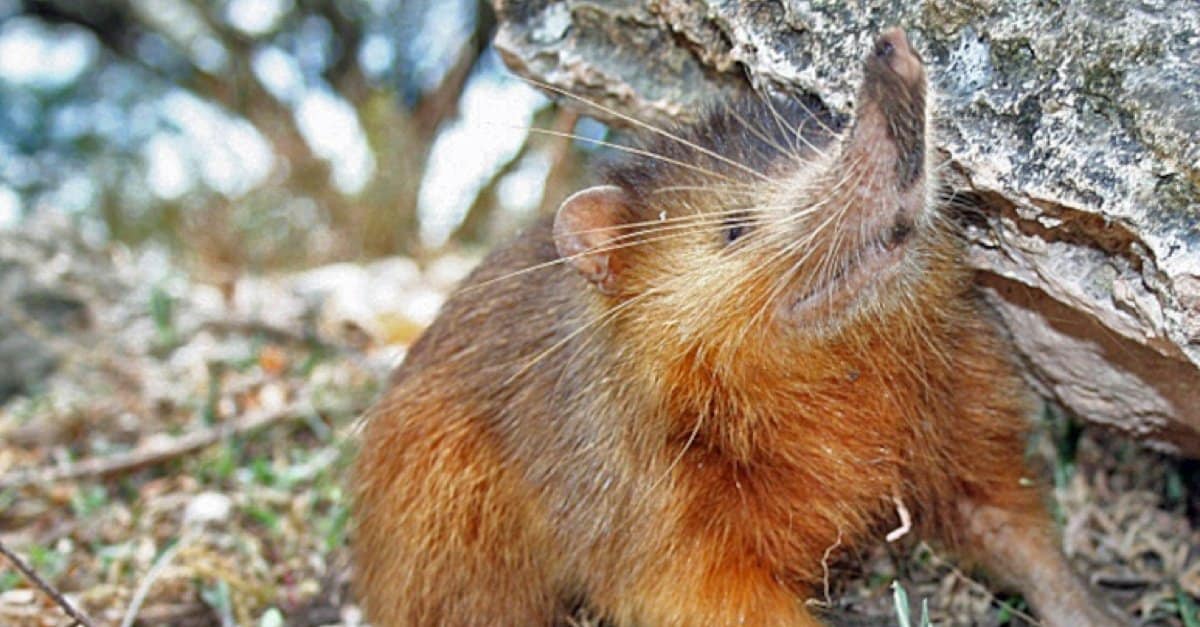
It’s not a snake — but its venom acts like it! The venom in this shrew/ant-eater-looking hybrid delivers its venom like a snake does by injecting into prey with its teeth. Experts believe this evolution happened to help it catch prey.
28. Striped Pyjama Squid
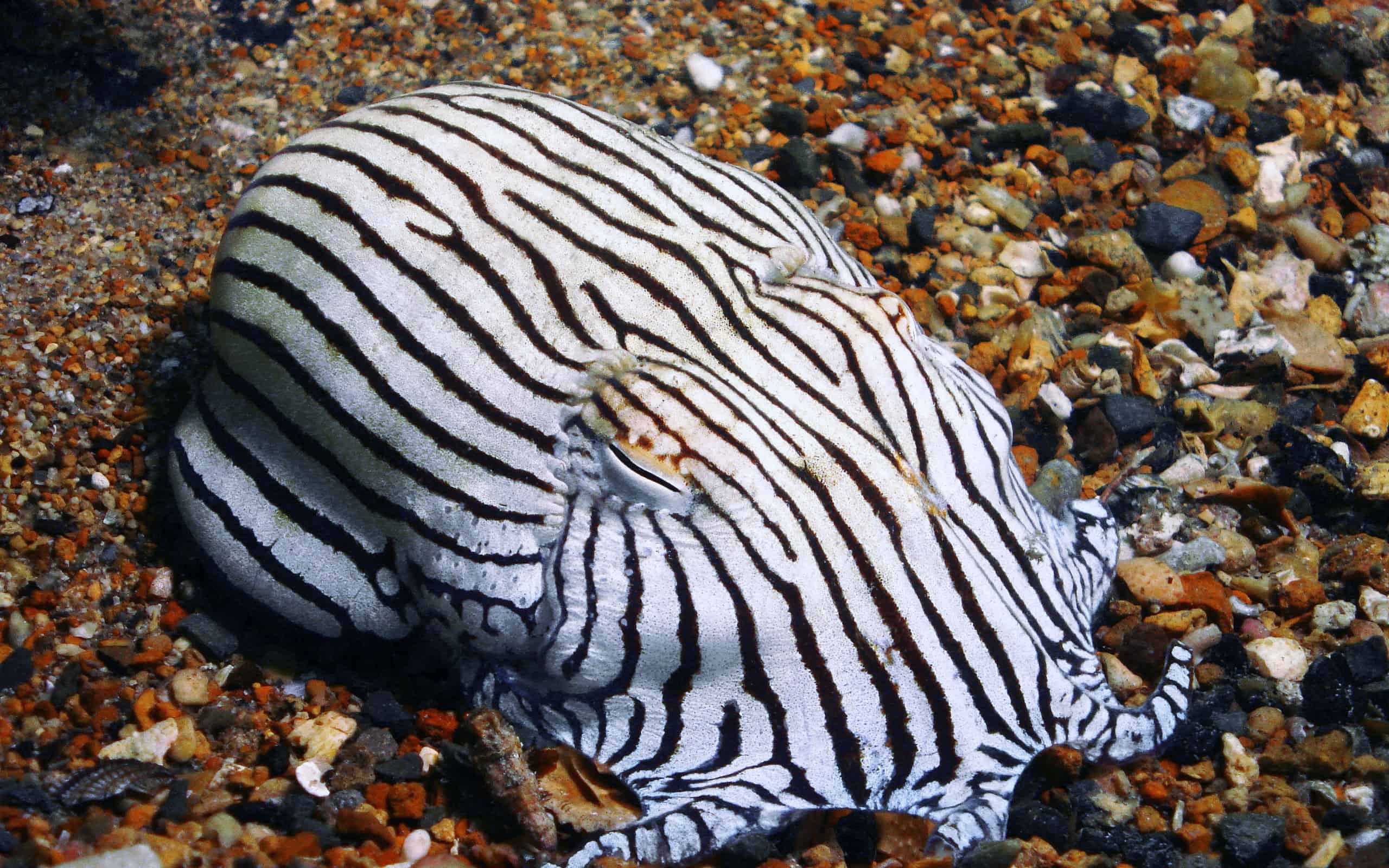
©Whitepointer/iStock via Getty Images
Like the blue-ringed octopus, the striped pyjama squid has TTX in its saliva. By injecting this into their prey, the squid can incapacitate it thanks to the neurotoxin inside.
29. Red Harvester Ant
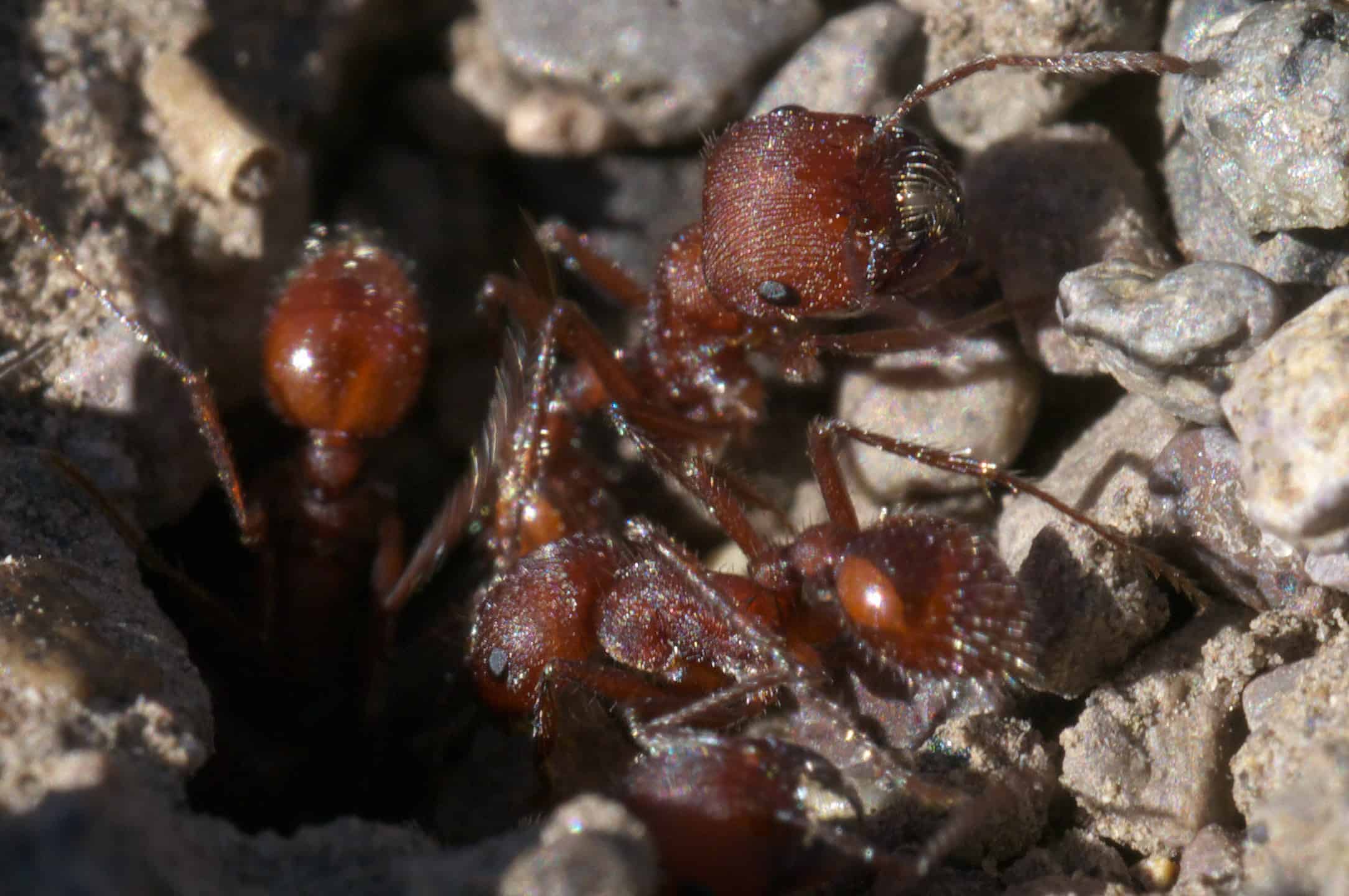
According to the book of insect records from the University of Florida, the most toxic insect venom belongs to the red harvester ant. This venom has the power of 20 honey bee stings in one and can inflict pain on a human that lasts longer than four hours.
30. Box Jellyfish
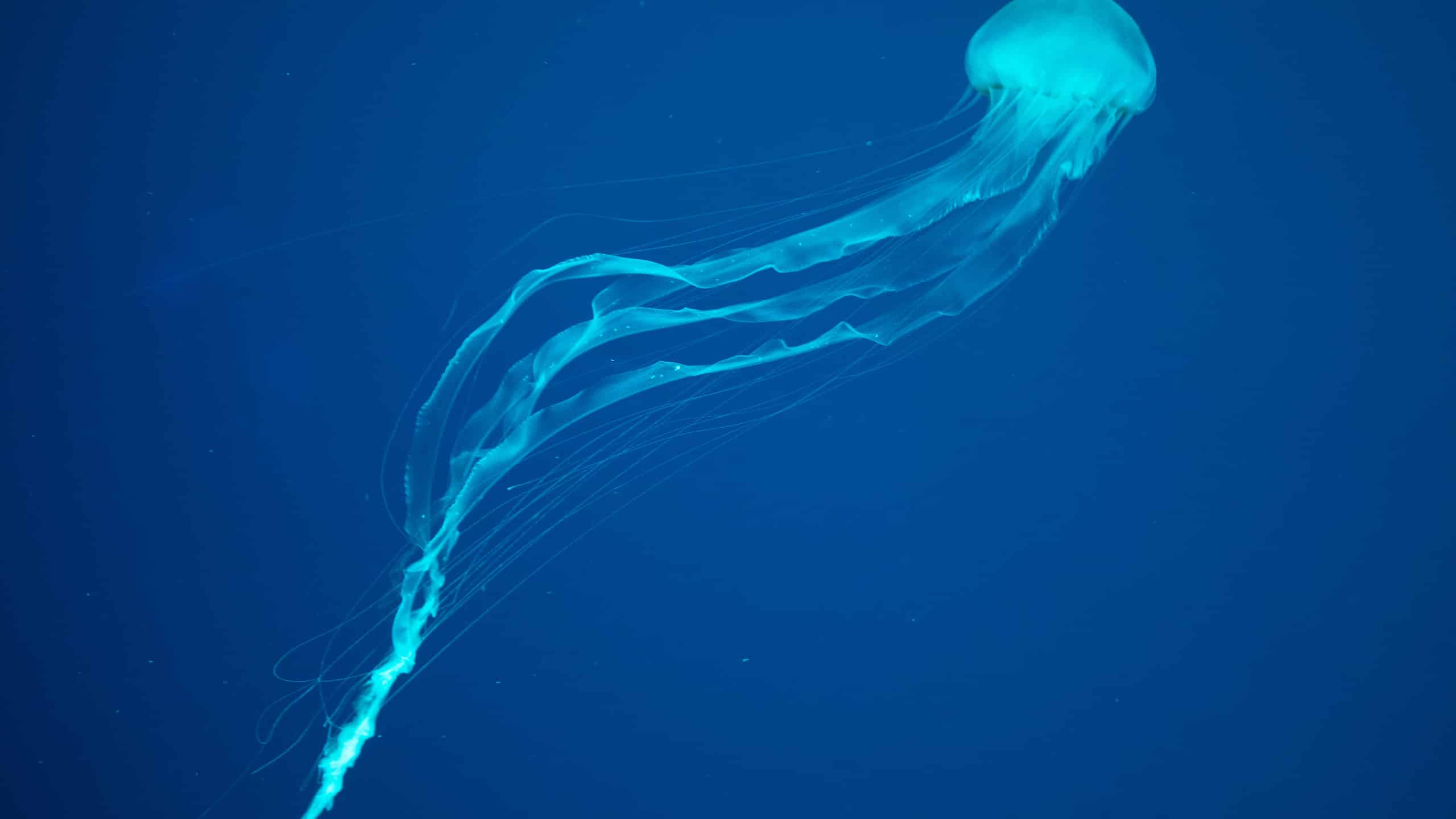
©IMC11/Shutterstock.com
Widely considered to be the most venomous marine animal, the box jellyfish has the ability to kill humans with its venom-filled nematocysts. Cardiac arrest and paralysis can happen mere minutes after an injection.
31. Mexican Beaded Lizard
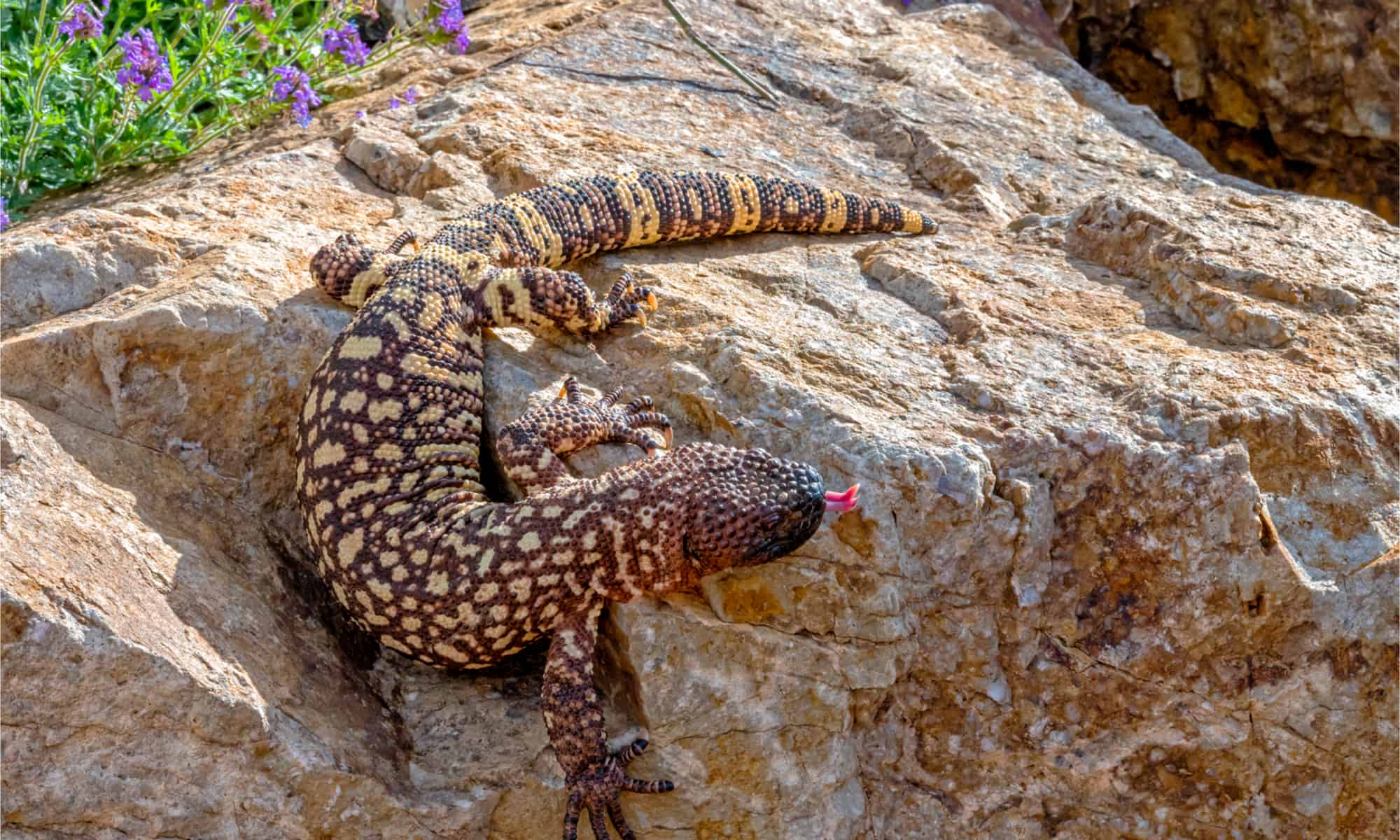
©Evelyn D. Harrison/Shutterstock.com
The beaded lizard sting has caused a handful of significant injuries, but fatalities from the lizard remain rare. Along with the Gila monster, it’s one of the only venomous lizards in the world.
32. Indian Cobra
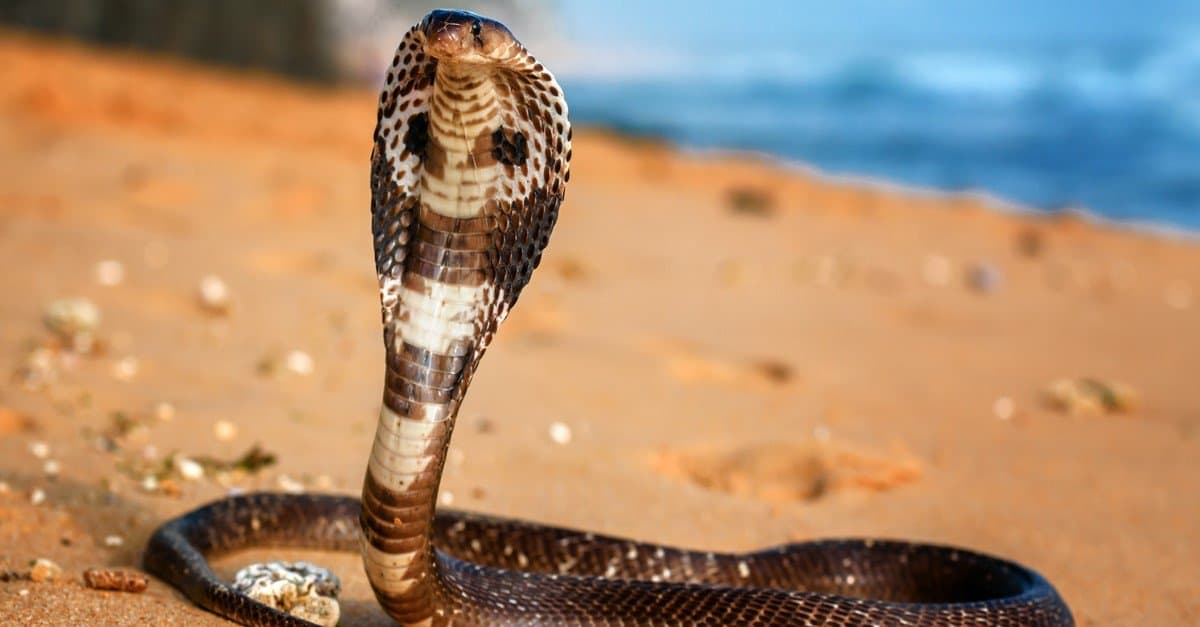
©Vova Shevchuk/Shutterstock.com
Bites from an Indian cobra contain painful toxins that affect your nervous and cardiac systems. Without an antivenom, the Indian cobra can cause paralysis of your heart or lungs.