
Quick Take
- Every continent (except Antarctica) has one snake species responsible for the most human deaths each year.
- South America’s Fer-De-Lance carries a potent hemotoxic venom.
- Theeastern brown snake is Australia’s deadliest due to human proximity, as it bites many people every year.
- The puff adder is the deadliest snake in Africa, causing the most snakebite fatalities on the continent.
Snakes have adapted to nearly every continent on Earth, thriving in a range of habitats, from steaming rainforests to arid deserts. These reptiles have evolved some of the most potent venom and efficient hunting strategies in the animal kingdom. While thousands of snake species exist worldwide, only a small fraction is truly lethal to humans. Though these feared species are unevenly distributed across the globe, most continents have a standout contender. Local ecosystems, prey, and evolutionary pressures have produced uniquely dangerous snakes.
In this guide, we take a continent-by-continent look at the deadliest snakes on Earth, examining what makes each one so effective. This “deadliest” label isn’t solely based on venom strength; it involves a host of other factors, like delivery methods, behavior, and human encounter rates (i.e., real-world risk). These snakes not only highlight nature’s extremes, but they also remind us of the importance of awareness, respect, and coexistence in the regions they call home.
North America
©Chase D'animulls/Shutterstock.com
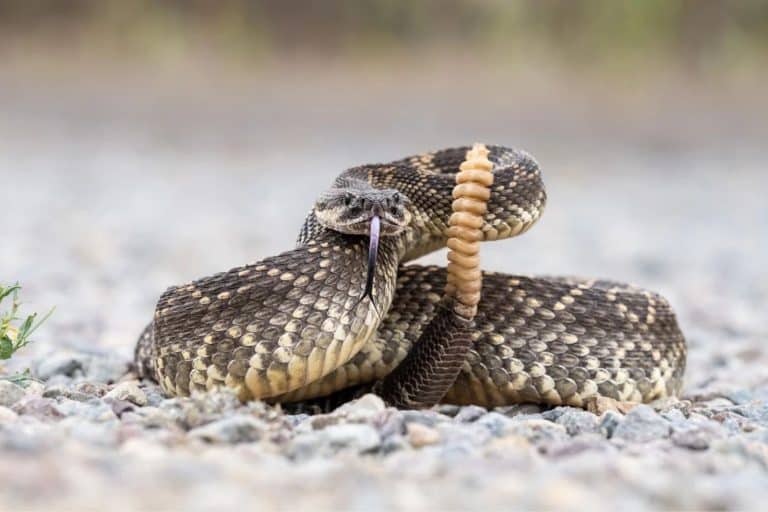
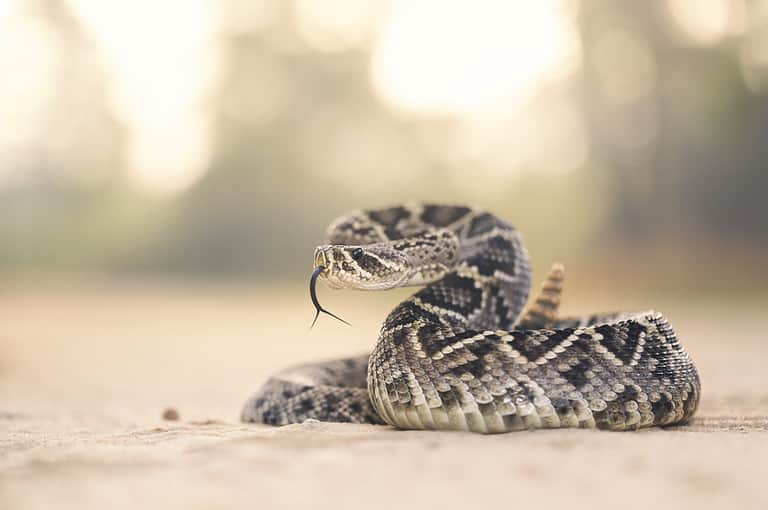
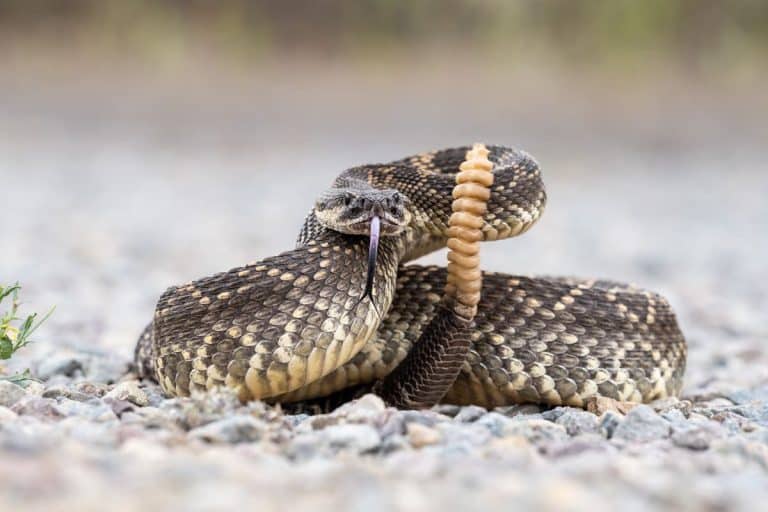
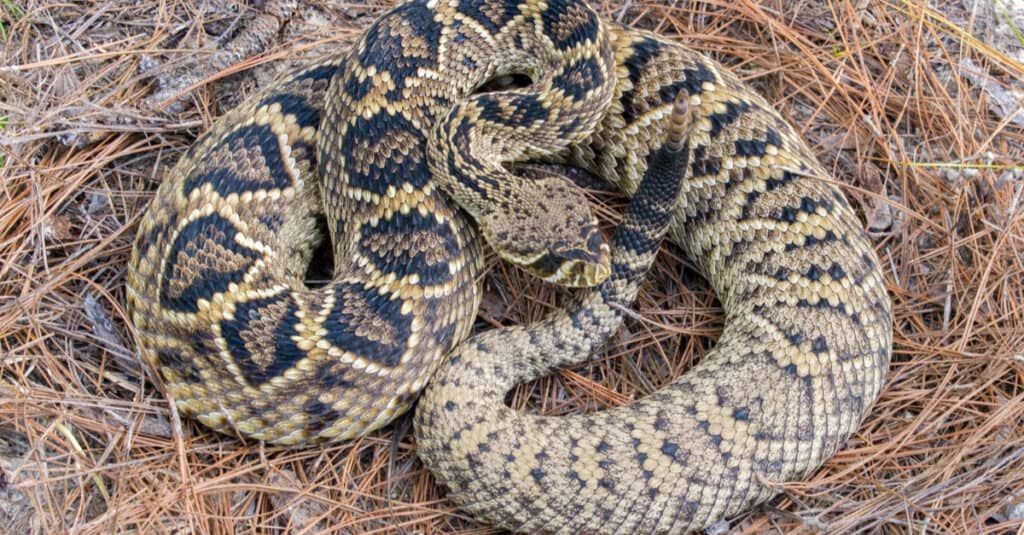
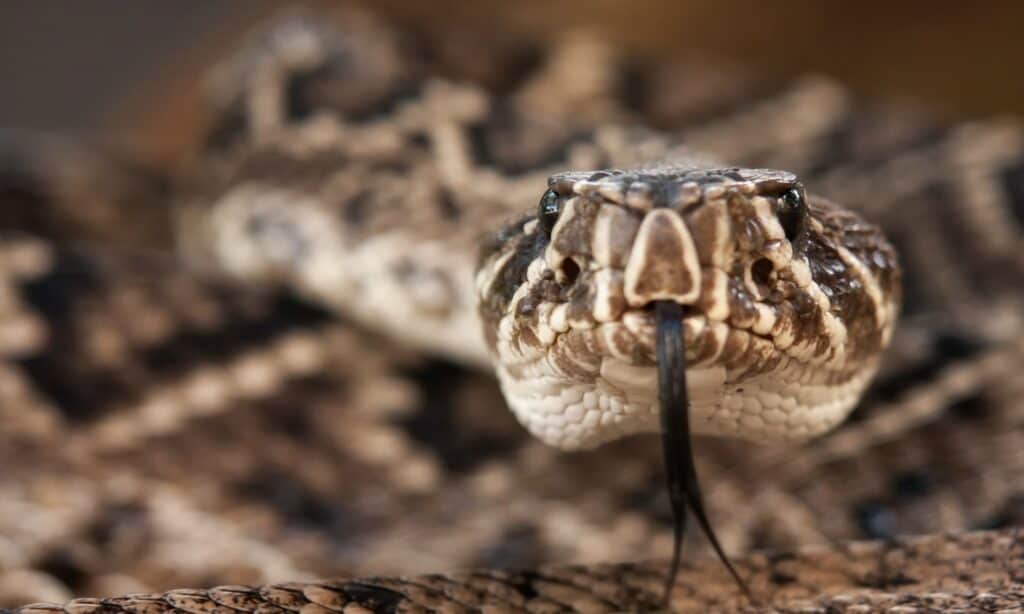
The Eastern Diamondback rattlesnake is one of the most dangerous snakes in North America due to its size and venom yield, though overall snakebite fatalities in the region are rare and not dominated by a single species. Its venom is highly potent, and the snake delivers up to 300mg of venom in a single bite. Between 7,000 and 8,000 people are bitten yearly by venomous snakes in the US, and nearly 2,000 of those are from rattlesnakes. If left untreated, a diamondback rattlesnake bite has a 10% to 30% mortality rate (depending on which study you cite).
More About the Eastern Diamondback Rattlesnake
©iStock.com/Wide-River-Rick
Eastern rattlesnake bites are treatable with anti-venom, and only 1% of bites are fatal with treatment. However, rattlesnakes cause disabilities and permanent injuries in 10% to 44% of all bite victims. You will mainly find these snakes in the southeastern United States, from North Carolina to the Florida Keys and west along the Gulf Coast. They inhabit many habitats, from pine forests, Flatwoods, sandhills, marshes, swamps, and woodlands. These snakes like to take over burrows, so don’t stick your hand in gopher holes during the summer and winter!
South America
©David Havel/Shutterstock.com
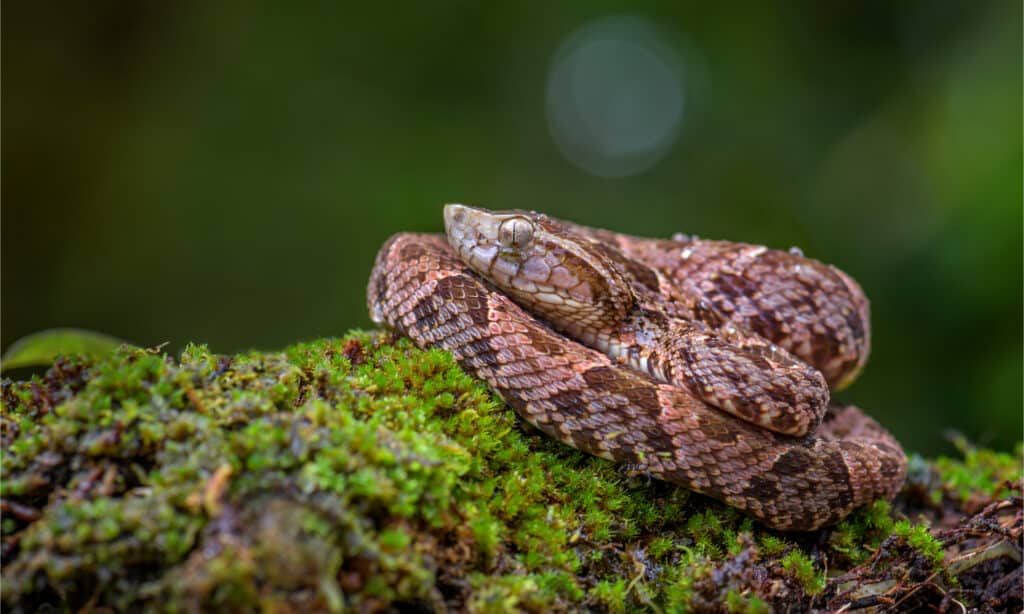
The Fer-De-Lance is considered the deadliest snake in South America due to its potent hemotoxic venom and high rate of human encounters. It is responsible for more snakebite fatalities in the region than any other species
Symptoms from their bites begin within 15 minutes, causing severe pain, swelling, numbness, nausea, vomiting, and necrosis. If left untreated, the mortality rate is up to 9% and can cause the loss of limbs from severe necrosis.
Anti-venom is available, but time is of the essence with this incredibly deadly snake. This species likes wet environments, often inhabiting tropical rainforests and deciduous forests.
Europe
©iStock.com/taviphoto
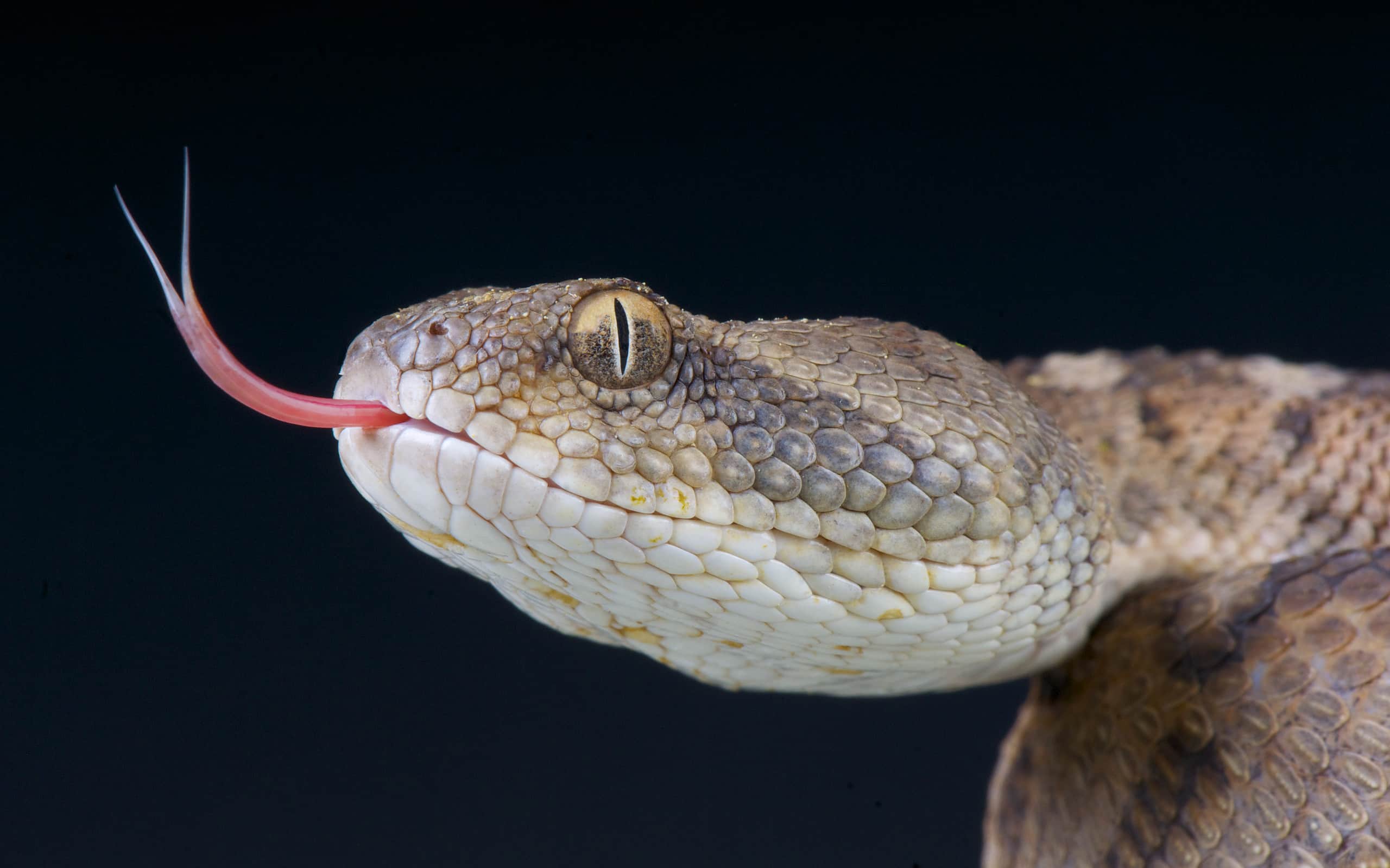
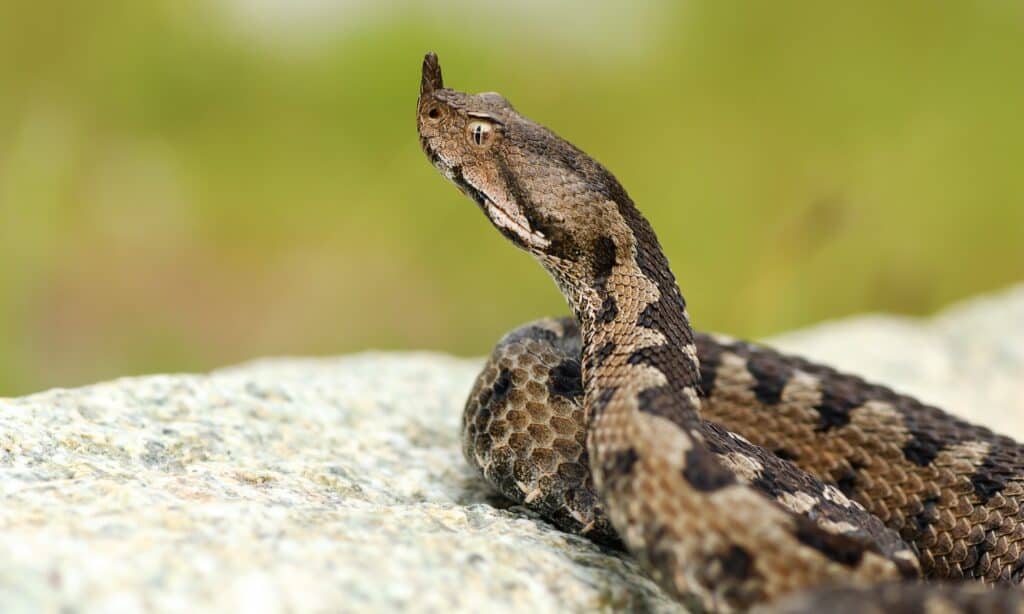
The nose-horned viper is the most dangerous snake in Europe. This venomous viper has long, giant fangs and high toxicity; it is a significant medical risk in some areas.
Its venom contains proteolytic, neurotoxin, and hemotoxin properties, similar to and as powerful as the pit viper species. When bitten, humans develop immediate symptoms, such as pain, swelling, discoloration, dizziness, and tingling. Fortunately, a nose-horned viper bite is rarely fatal with proper (and prompt) medical care.
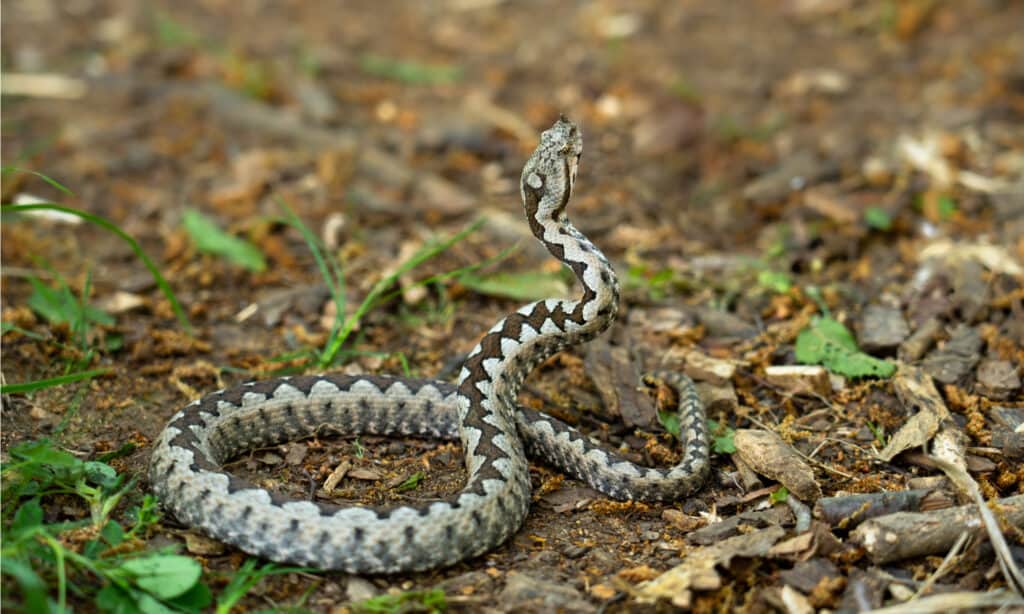
More About the Nose-Horned Viper
©Baraian Gheorghe Cristian/Shutterstock.com
You can find this viper in southern Europe, mainly northern Italy, the Balkans, and the Middle East. People often call this snake a “sand viper,” but it primarily inhabits dry, rocky hillsides with little vegetation. It’s rare to find them near human habitations, but occasionally one can hide under rubble near railways, farmlands, and vineyards.
Africa
©iStock.com/S_Lew
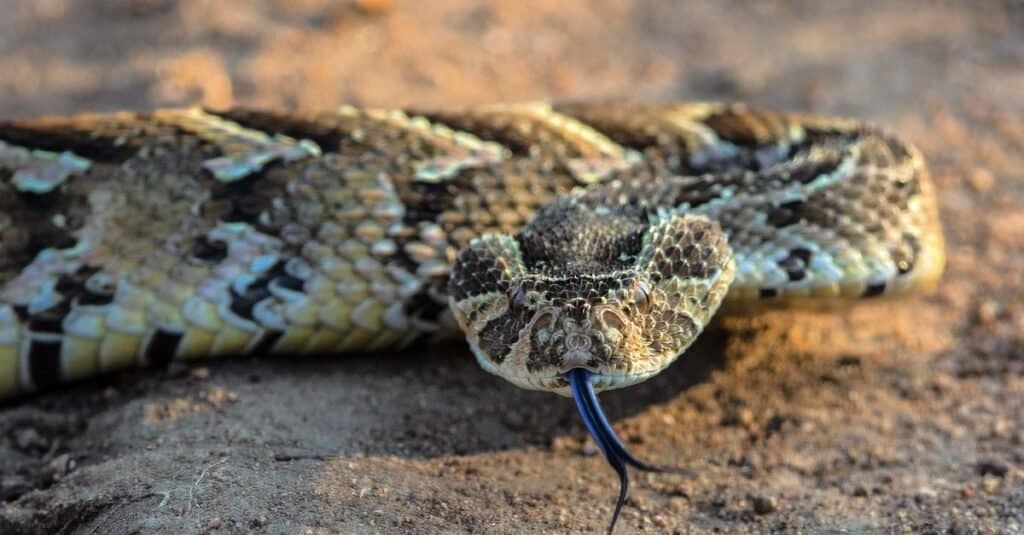
The puff adder is the deadliest snake in Africa, causing the most snakebite fatalities on the continent. Its venom is highly potent and can be fatal if untreated, with estimated mortality rates ranging from 15% to 20% in the absence of medical care. Its large, hinged front fangs deeply penetrate the skin, injecting the toxins deep into your body, causing immediate pain and swelling.
Death from a puff adder bite is rare and usually occurs due to poor medical care or secondary infections. Like most highly venomous snake bites, time is of the essence.
More About the Puff Adder
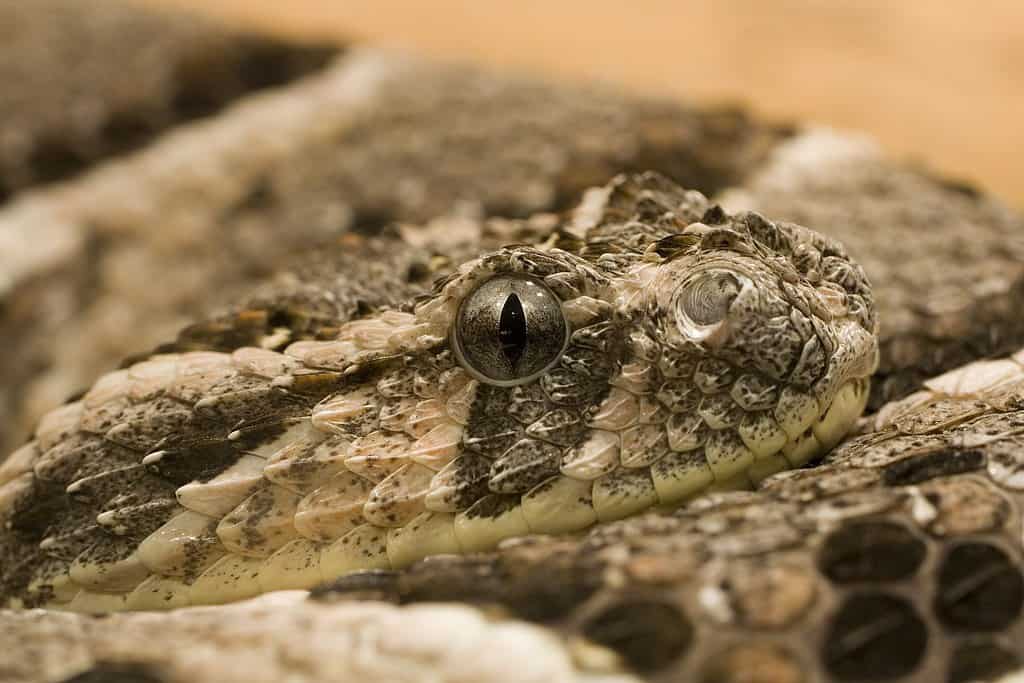
This species is one of the most widespread throughout Africa, inhabiting many countries and habitats, from the Sub-Saharan to the Cape of Good Hope. It is most closely associated with rocky grasslands, but you may find it in any habitat except rainforests, true deserts, and alpine habitats.
Asia
©Dushan Muthunayake/Shutterstock.com
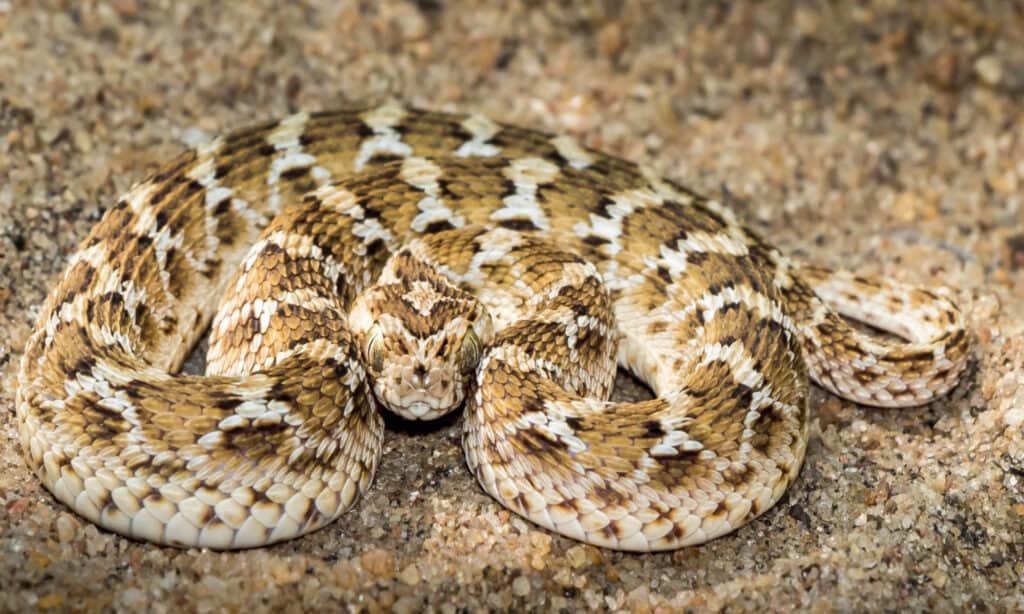
The saw-scaled viper causes more fatalities than any other snake in Asia. In fact, it causes more deaths than any other snake in the world and kills around 5,000 people in India each year alone. It envenomates a high percentage of its bite victims, and if left untreated, the mortality rate can be up to 10-20%. With prompt medical care, fatalities are much less common.
This snake is extremely defensive and bites early and often. Thankfully, there are at least nine types of anti-venom for a saw-scaled viper bite, and immediate medical care lessens the death rate to less than ten percent (still very high).
More About the Saw-Scaled Viper
©Vladislav T. Jirousek/Shutterstock.com
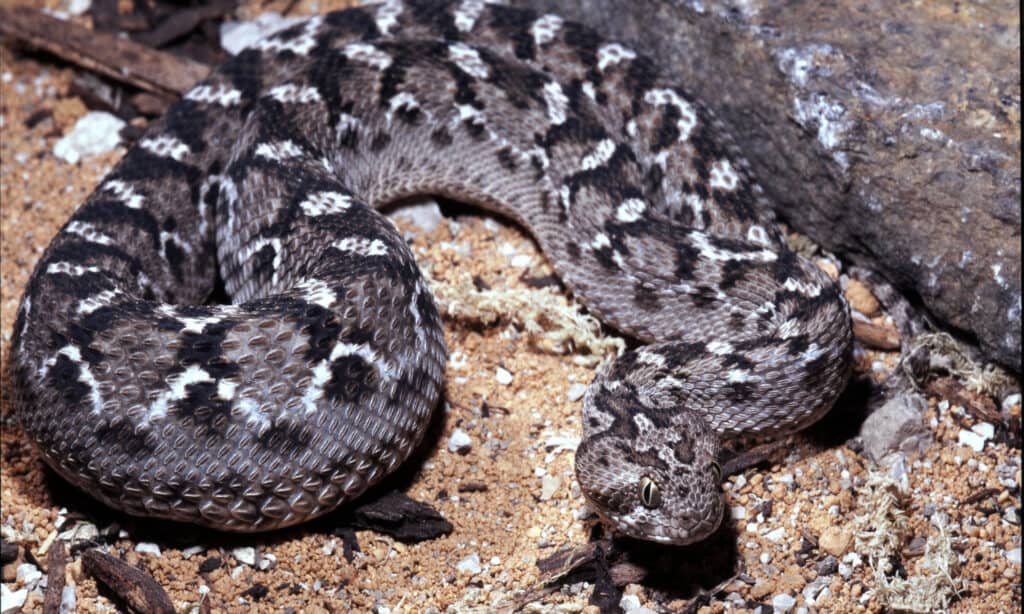
This small venomous snake inhabits arid regions and dry savannas in southwest Asia, mainly India and Sri Lanka. However, you can also find this deadly snake in parts of Africa and Arabia. Their habitats are wide-ranging, including deserts, rainforests, deciduous forests, grasslands, and scrublands.
Australia
©Ken Griffiths/Shutterstock.com
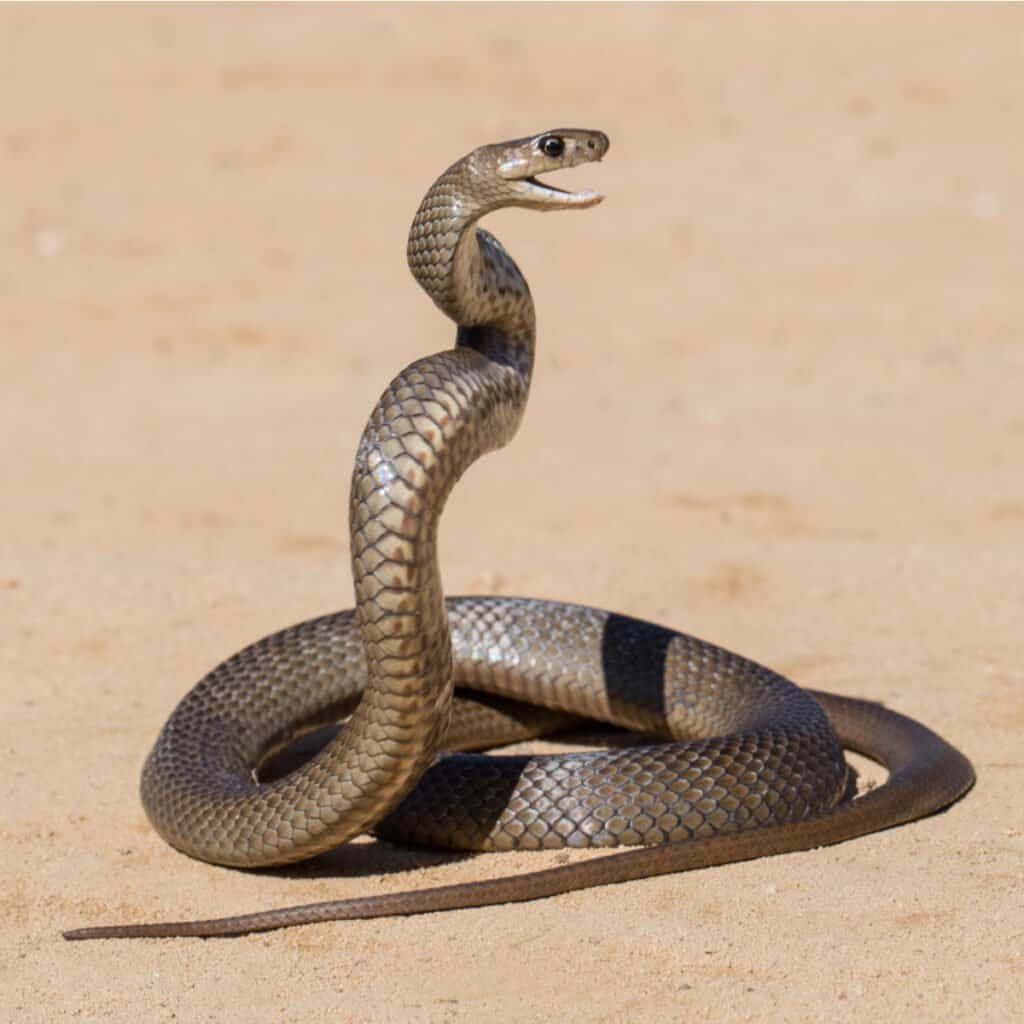
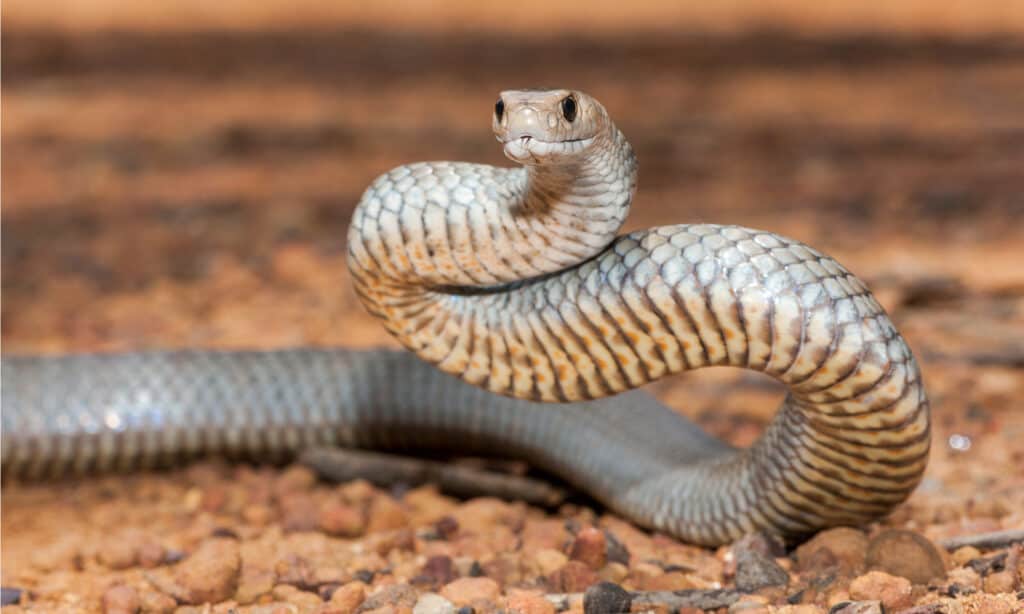
The Eastern brown snake is the most dangerous snake in Australia, causing between 40-60% of snakebite fatalities. However, their venom is only the second most toxic of any Australian snake. The title of most toxic venom goes to the inland Taipan — a remarkably shy and non-aggressive snake, which has only caused a handful of known deaths.
Australia’s eastern brown snake is listed as the deadliest because it bites many people every year.
More About the Eastern Brown Snake
©Ken Griffiths/Shutterstock.com
Common symptoms include nausea, vomiting, abdominal pain, kidney injury, and seizures. In severe cases, people can develop hypotension, significant hemorrhage (bleeding), and cardiac arrest. You must seek medical care immediately; collapse can happen in as little as two minutes after being bitten.
You can find the eastern brown snake in many areas and habitats across Australia, including along the east coast, northern, and western regions. Their habitats include forests, coastal ranges, savanna woodlands, grasslands, scrublands, and farmlands. You may come across this species on the outskirts of urban areas, anywhere it can find shelter and food.
Snake Lifespan: Understanding the Life Span of Snakes
©Kristian Bell/Shutterstock.com
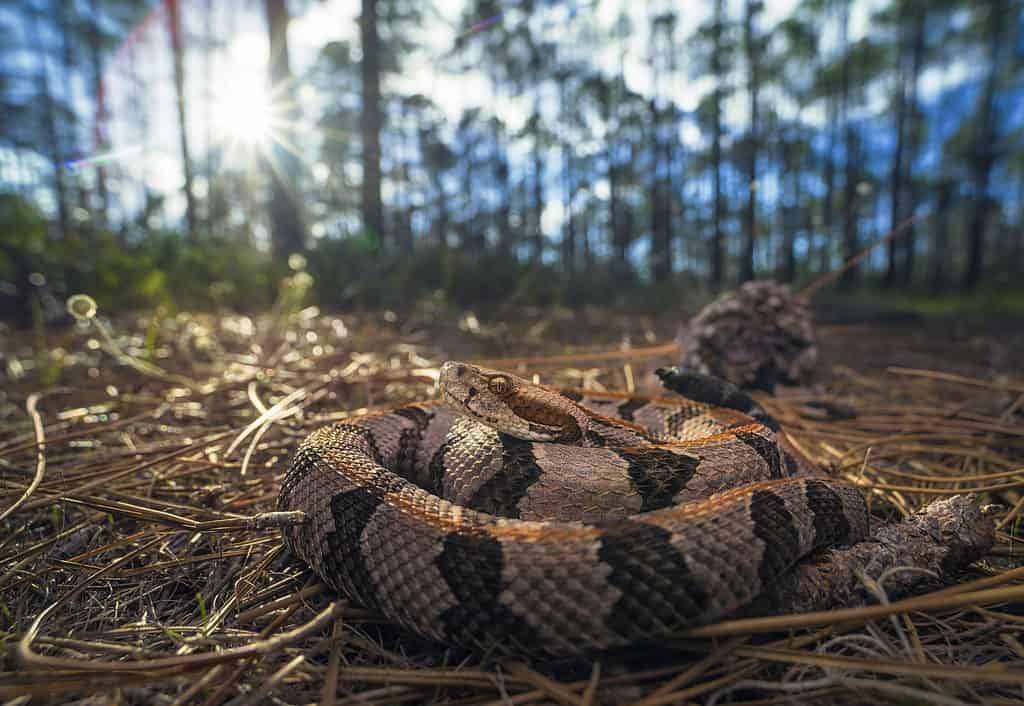
Snakes are fascinating creatures that come in a variety of shapes, sizes, and colors. One aspect of their biology that is of interest to many is their lifespan. Snakes are long-lived animals, with some species living for well over a decade, while others can live for several decades.
The lifespan of a snake is dependent on many factors, including its species, size, diet, and habitat. For example, larger snake species tend to live longer than smaller species, and, with proper husbandry, captive snakes live longer than their wild counterparts.
In the wild, snakes face many challenges, including predation, disease, and competition for food and mates. Despite these challenges, some species of snakes have been known to live for more than 20 years in the wild.
It is important to note that while the lifespan of snakes can vary greatly, they all grow and mature at a much slower pace than mammals. This slow growth rate is a key factor in their longevity, as it allows them to avoid many of the health problems associated with aging.
The lifespan of snakes is a complex issue that is influenced by a number of factors. By understanding the life cycle of snakes, we can better appreciate the unique biology of these fascinating creatures and work to ensure their survival for generations to come.
Antarctica

©Vadim_N/Shutterstock.com
Antarctica is the only continent without snakes. There are no reptiles on the entire continent. Antarctica gets as cold as -76° Fahrenheit and plunges into months of utter darkness, which is not a suitable environment for snakes. All snake species need heat for their muscular systems to function and to digest their food. Because reptiles can’t regulate their own body temperatures independent of environment, they would never survive in Antarctica’s harsh climate.