
Quick Take
- Florida bonneted bats are critically rare, with fewer than 1,000 individuals living only in southern Florida.
- Habitat loss and competition for tree cavities are forcing bats into human homes, increasing conflict.
- Artificial roosts offer hope, but poor design can overheat and harm bats in Florida’s climate.
Florida’s bonneted bats are one of the rarest bats in the U.S. Sadly, they are in danger of extinction, with only around 1,000 or fewer individuals remaining. They live only within a restricted range in southern Florida, where their preferred habitats—the cavities of large, old trees—are dwindling. As a result, some have been driven to seek refuge inside people’s homes. Because most homeowners don’t want to share their homes with bats, conservationists are searching for other suitable habitats for the endangered species.
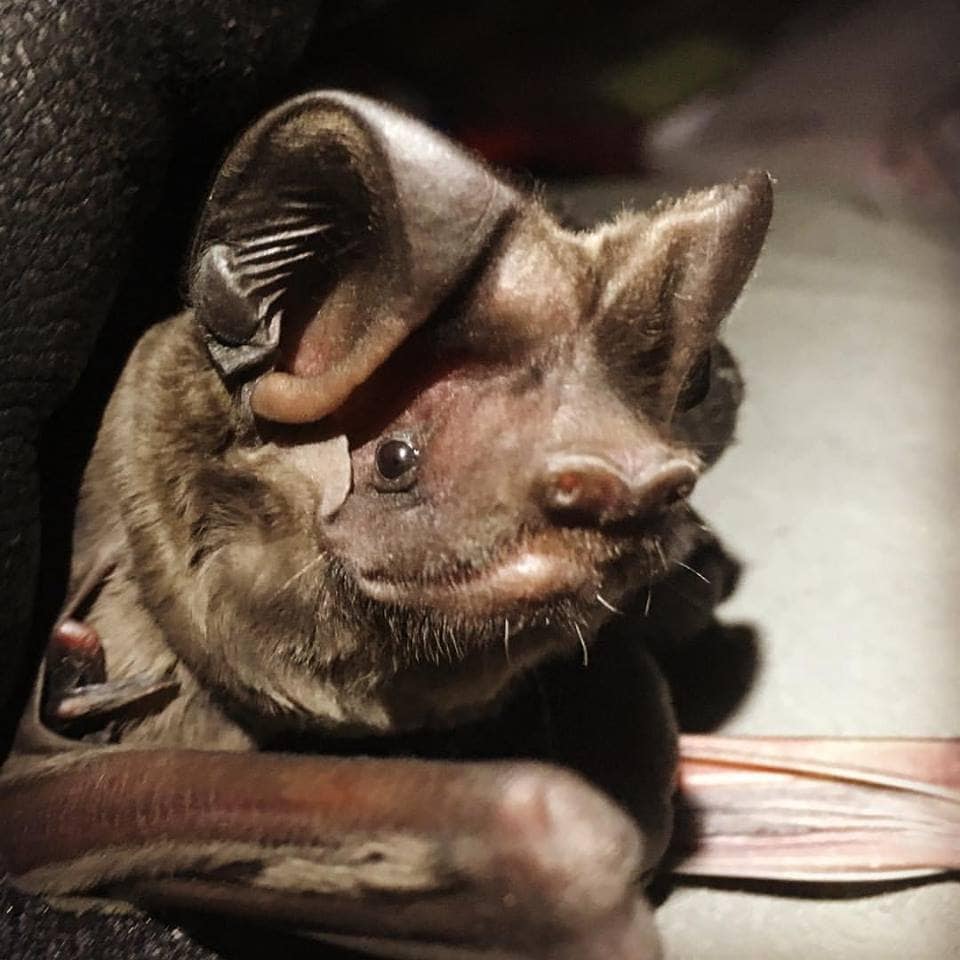
There are only around 1,000 Florida bonneted bats remaining.
©Shalana.gray, CC BY-SA 4.0, via Wikimedia Commons – Original / License
About Florida’s Bonneted Bats
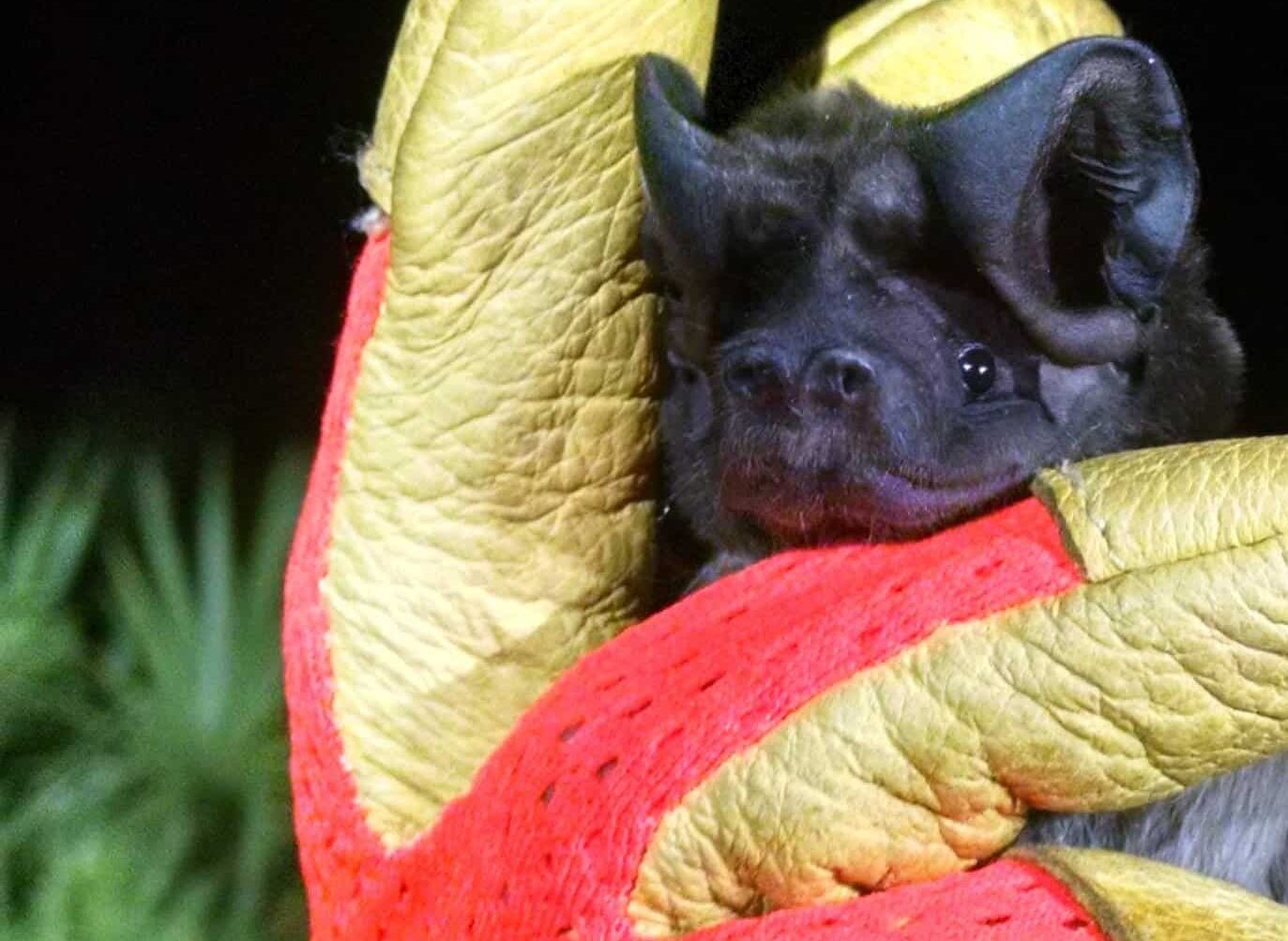
The Florida bonneted bat, Eumops floridanus, is larger compared to many of the more common bat species living in the U.S. For reference, the big brown bat (Eptesicus fuscus), found in all 48 lower states, is about 4 to 5 inches long. The bonneted bat, on the other hand, can grow up to 6.5 inches in length with a 20-inch wingspan.
You can recognize a bonneted bat by its unique ears, which are rounded and appear as if the bat is wearing a bonnet. You can also hear the sounds of bonneted bats as they hunt for flying insects. The Florida bonneted bat is the only bat in North America that uses an echolocation frequency audible to people.
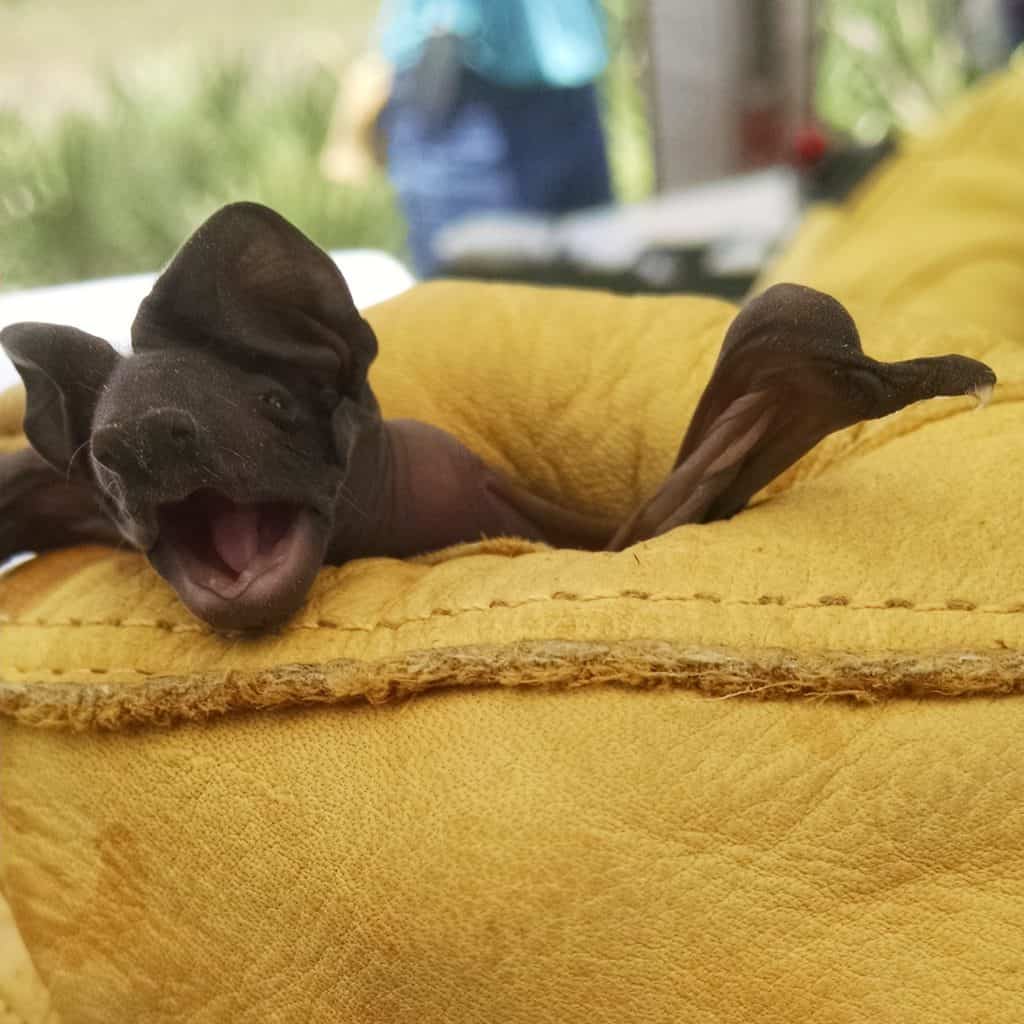
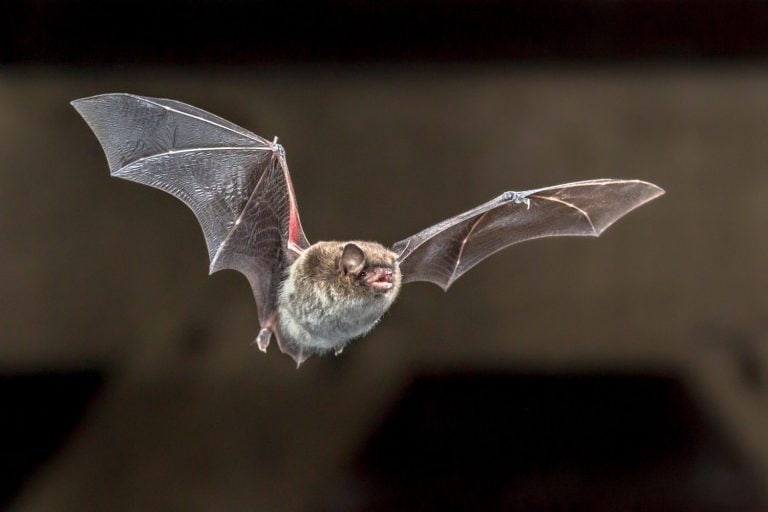
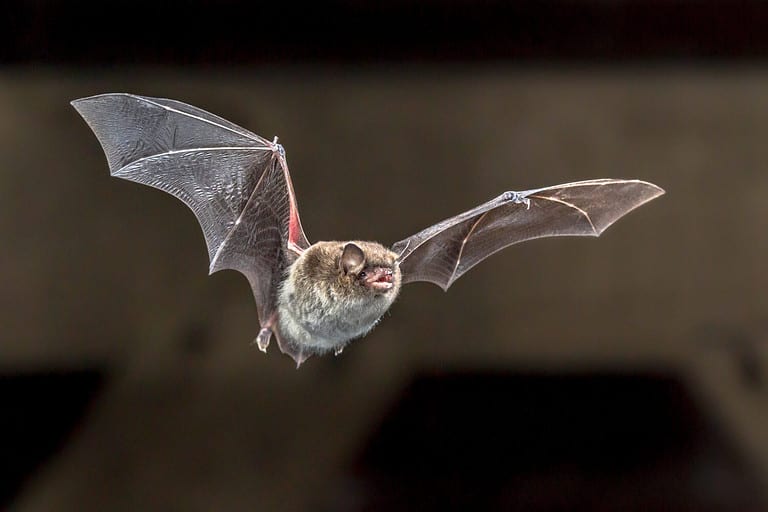
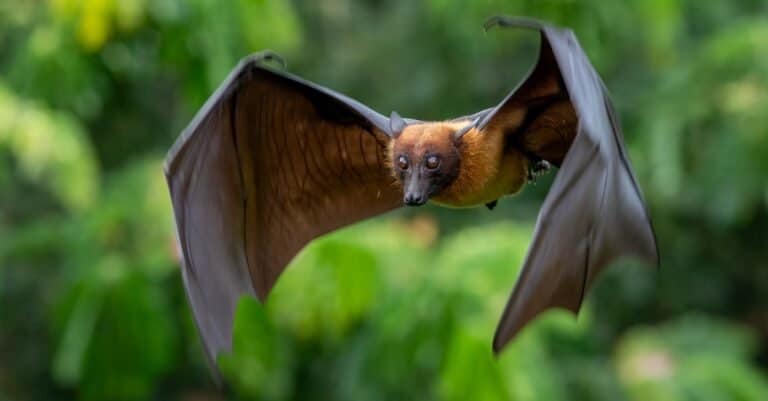
Bats benefit the environment by eating pests, such as mosquitoes and flies.
©Enwebb, CC BY-SA 4.0, via Wikimedia Commons – Original / License
Although bats may have a scary reputation, they are important predators of pests. One bat can eat thousands of insects in one night, helping to reduce populations of mosquitoes, flies, and other flying insects.
How Habitat Loss and Competition Lead to Human-Wildlife Conflict
Bonneted bats make their homes in the roosts of tree cavities in hardwood and pine forests. But large, old trees are becoming harder and harder for the bats to find. A recent study found that older trees in southern Florida are experiencing declining growth rates. Also, natural forest ecosystems are under threat. Some of the threats include climate change, invasive species, and loss of habitat due to urbanization.
Loss of habitat leads bats to seek homes in residential and even urban areas. Homeowners may find bats living in their attics or under the eaves of barrel roofing tiles. All bats are protected in the U.S. Homeowners who wish to remove a colony of bats from their home are urged to call professional wildlife removal services. Note that in Florida, it is illegal to remove bats during their maternity season from April 16 to August 14.
Human Structures Are Risky: Scientists Lure Bats Into Safer Artificial Roosts
Not only are there fewer tree cavities for bonneted bats to roost in, but they must also compete with invasive species for them, such as European starlings. Because human structures are not safe for bats or humans, conservationists have been working to create safer artificial roosts, such as bat boxes, to keep the endangered bats out of people’s homes.
Why Bat Box Design Can Make or Break Recovery
One of the inherent problems with bat boxes, especially in a hot environment like southern Florida, is the inability to regulate temperatures inside the box. Land managers have been trying to lure bonneted bats into safer artificial roosts for years, but extreme temperatures are dangerous for the bats. Researchers from the University of Illinois Urbana-Champaign, partnered with the U.S. Army Corps of Engineers and the Florida Fish and Wildlife Conservation Commission, have published some promising findings regarding safer artificial roosts.
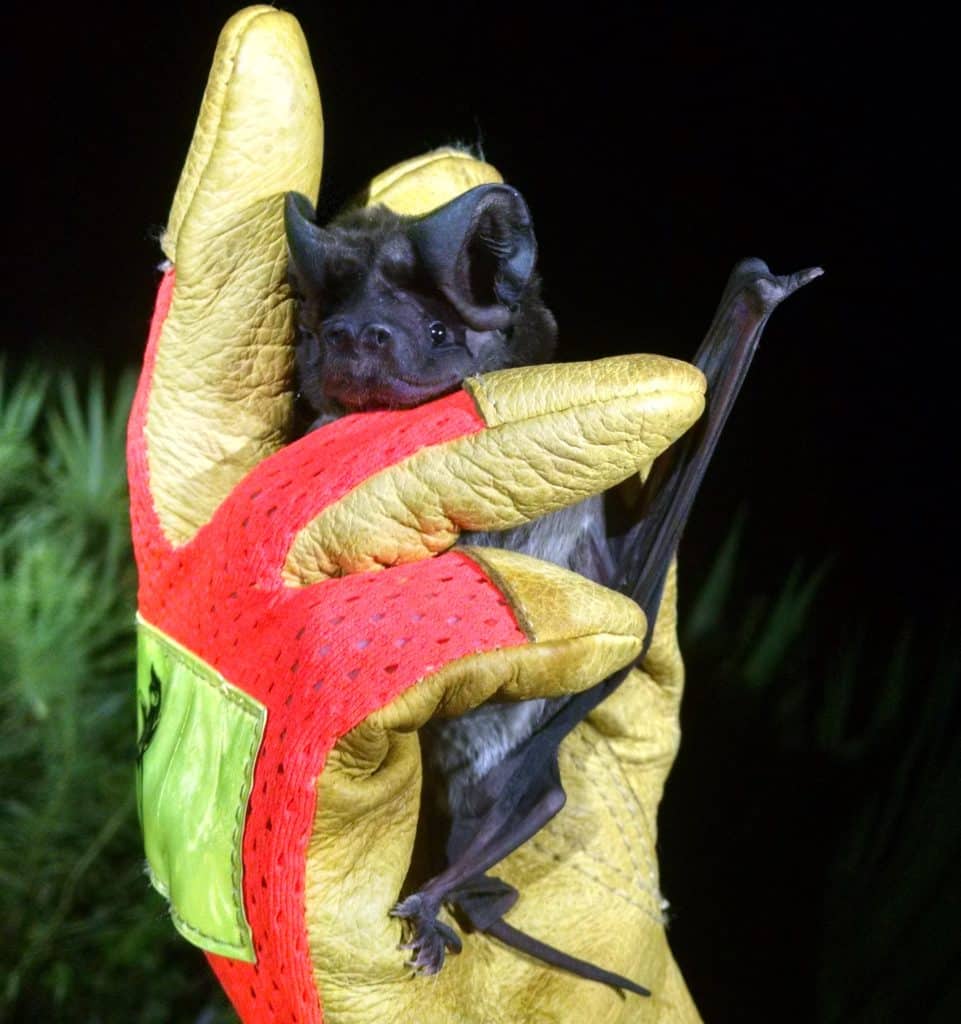
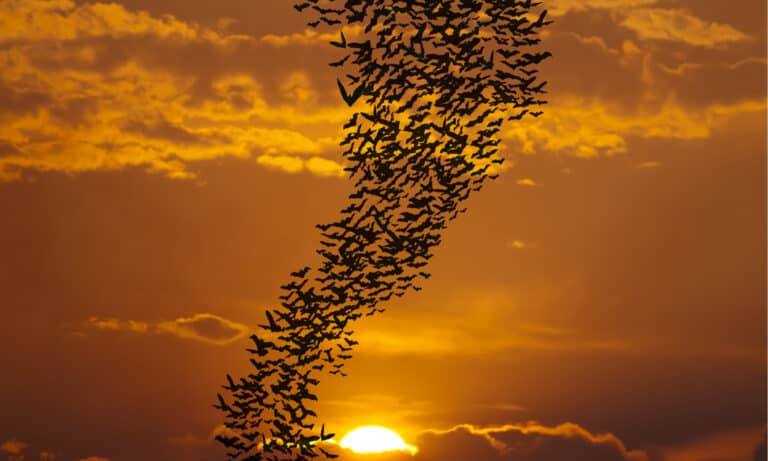
Weather extremes in southern Florida can make bat boxes unsafe when temperatures heat up.
©Enwebb, CC BY-SA 4.0, via Wikimedia Commons – Original / License
The study’s senior author, Joy O’Keefe, said in a statement, “Not all artificial roosts are created equal. Previous work in our lab has shown some bat boxes can be very dangerous for bats because they can’t properly buffer against temperature swings. But this study demonstrates that bonneted bats will move into safer structures that mimic their natural roosts and maintain a stable thermal environment.”
The Success of Water-Jacket Rocket Boxes (Insulated Artificial Bat Boxes)
Researchers set up three different roost boxes across six sites. One was the commonly used flat-faced box with a single chamber. The second was a rocket box, which offers multiple chambers with temperature gradients, allowing the bats to move around as they prefer. Finally, researchers added a rocket box installed with an external water jacket to buffer changes in temperature.
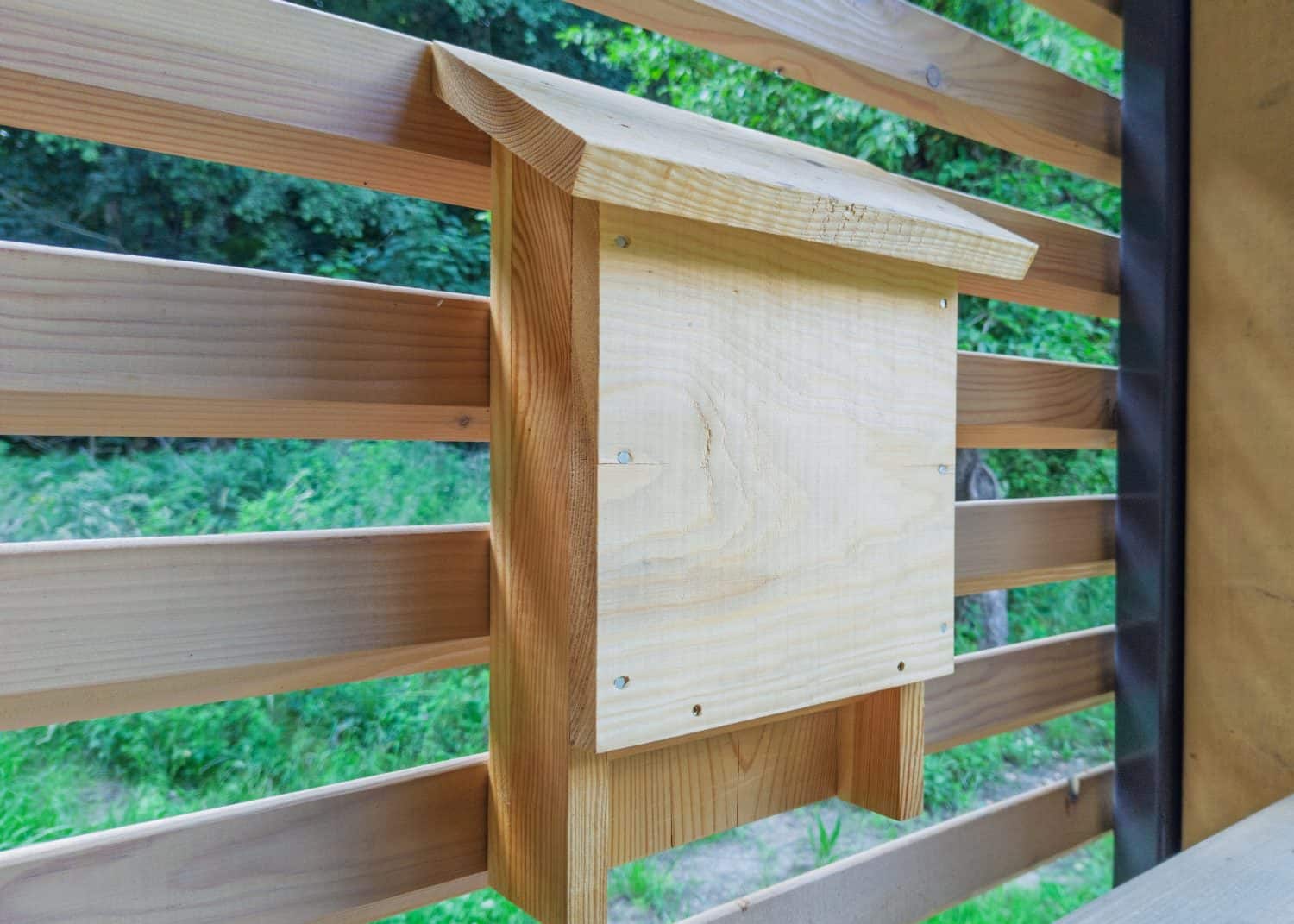
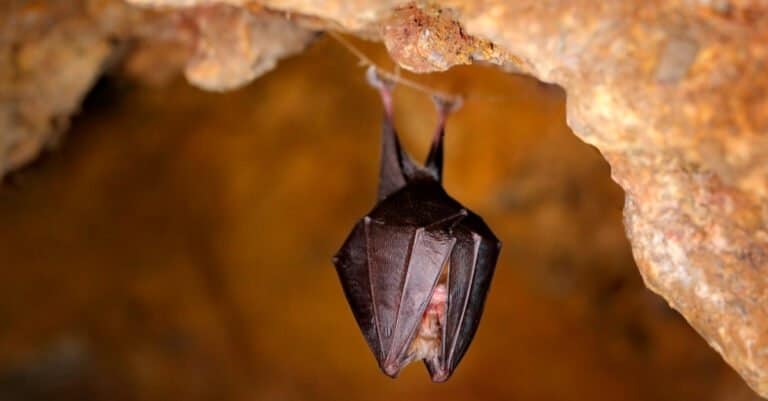
Commonly used bat boxes do not insulate bonneted bats from temperature changes.
©MAXSHOT.PL/Shutterstock.com
For most of the study, all of the boxes remained empty. However, after 13 months, a male bonneted bat moved into one of the water-jacket rocket boxes. Even more encouraging for researchers, 16 months after the study concluded, a colony of 17 individuals moved into the same box. Reed Crawford, lead author on the article, explained in a statement that even though 17 may seem like a small number, because of the overall population of bonneted bats, “that’s actually a pretty good chunk of those bats moving into our box.”
Aside from providing regular temperatures, the water-jacket rocket box even survived Hurricane Ian, a Category 5 storm.