
Quick Take
- The Chernobyl Exclusion Zone shows wildlife populations surge after people vanish, with wolves, deer, boars, and many birds reclaiming habitats.
- Barn owls depend on quiet, abandoned buildings to safely nest and hunt, proving ruins can sustain pivotal predators where modern farming erodes hedgerows.
- Insects are the first colonizers in ruins, building the base of the food web long before larger animals arrive.
- Mosses and lichens set the stage for later life in shaded ruins. Read on to discover how early colonizers unlock new habitats and influence urban conservation.
Empty factories, crumbling farmhouses, and weed-choked parking lots can look lifeless at first glance. A closer look often reveals movement, sound, and steady growth. When people leave, animals and plants often arrive, turning forgotten structures into working habitats. Bats roost in attics, foxes patrol cracked pavement, and insects fill every gap that collects moisture or shade. These overlooked corners of human settlement offer a clear view of how adaptable wildlife can be. By examining abandoned spaces, it becomes easier to understand how nature reclaims altered land and what that process means for conservation in a world shaped by development, decline, and change.

Life Finds a Way in Ruins
Abandoned places offer something rare in developed regions: relief from daily human pressure. Once traffic fades and buildings fall quiet, walls, roofs, and tunnels begin serving new purposes. They block wind and rain, buffer temperature swings, and provide shelter from predators.

Life emerges from neglected ground, showing how abandoned areas can support ecosystems.
©zhuda/iStock via Getty Images
Small cracks in pavement gather dust and seeds, which allow plants to take root. Those plants attract insects, which draw birds and small mammals. Over time, layers of life form where bare concrete once dominated. Although these environments differ from untouched forests or grasslands, they still support functioning food webs. In heavily settled areas, such sites can act as temporary refuges or travel corridors for species navigating fragmented landscapes.
Structural Shelter and Microclimates
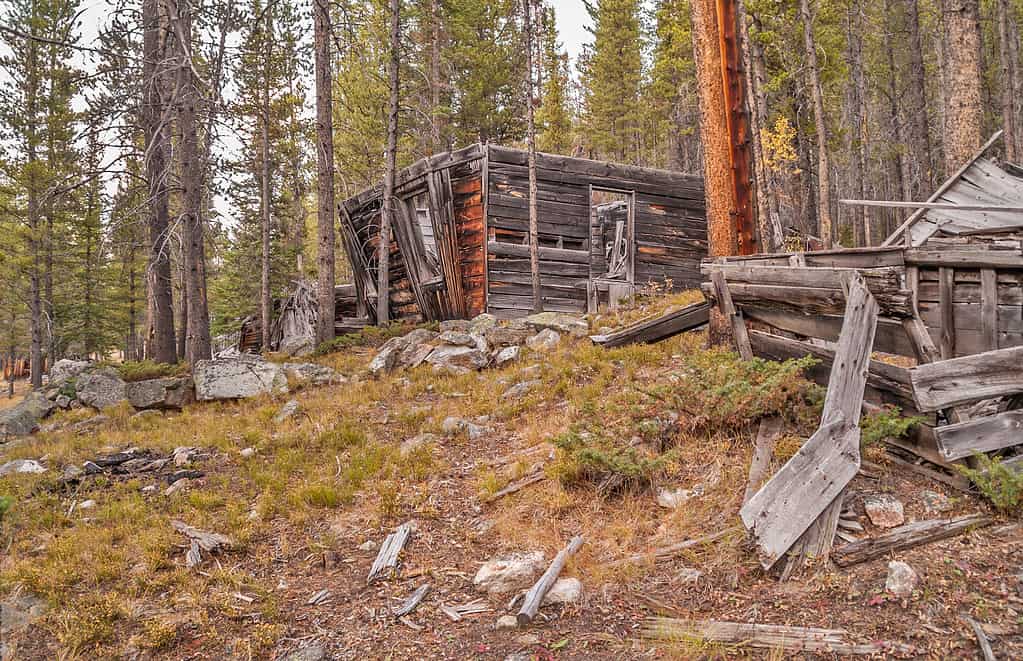
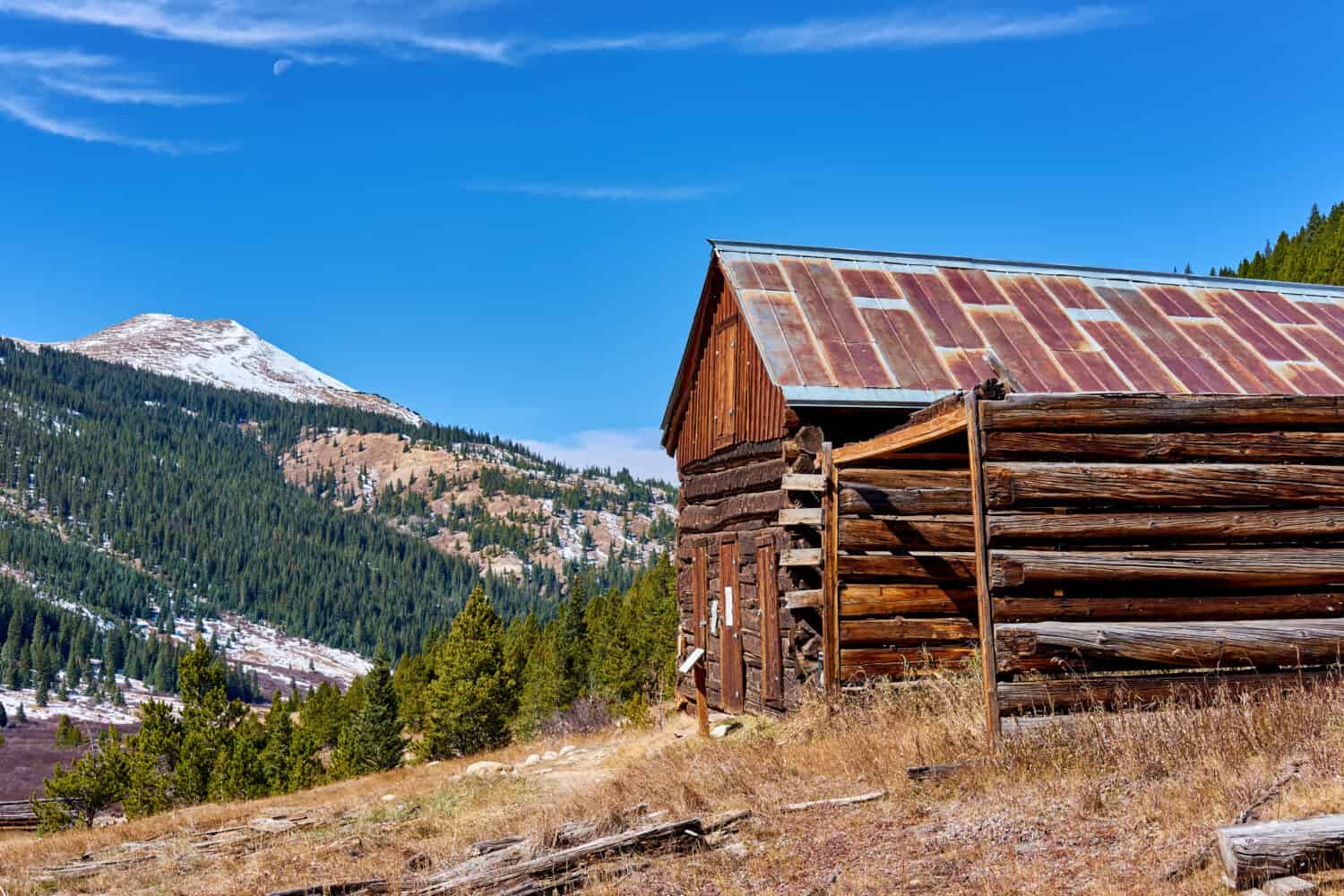
Abandoned and neglected buildings like these in a Montana ghost town provide favorable conditions for indigenous plants and wildlife.
©iStock.com/
Old buildings create a range of microclimates that wildlife can exploit. Thick walls hold warmth during cold nights and stay cool during hot days. Basements remain damp and shaded, while rooftops receive steady sunlight. These differences matter to animals and plants sensitive to temperature and moisture. Mosses and lichens spread across shaded stone. Weeds grow in sunlit cracks. Rodents nest in dry interior spaces, while amphibians may shelter in damp corners. This variety allows many species to share the same structure without directly competing for resources. The physical complexity of ruins helps explain why animals often move in quickly once maintenance stops and human presence declines.
Barn Owls (Tyto alba)
Barn owls are well-suited to abandoned agricultural buildings. Their broad wings and soft feathers allow silent flight through dark interiors. Old barns, silos, and lofts offer elevated nesting spots away from ground predators. These sites are especially valuable where modern farming has reduced hedgerows and natural nesting cavities. Rodents often remain plentiful around unused fields and storage areas, giving owls steady hunting opportunities. Because barn owls are sensitive to frequent disturbances, quiet, abandoned structures can support breeding where active farms cannot. In this way, disused buildings sometimes help sustain owl populations in landscapes dominated by large-scale agriculture.
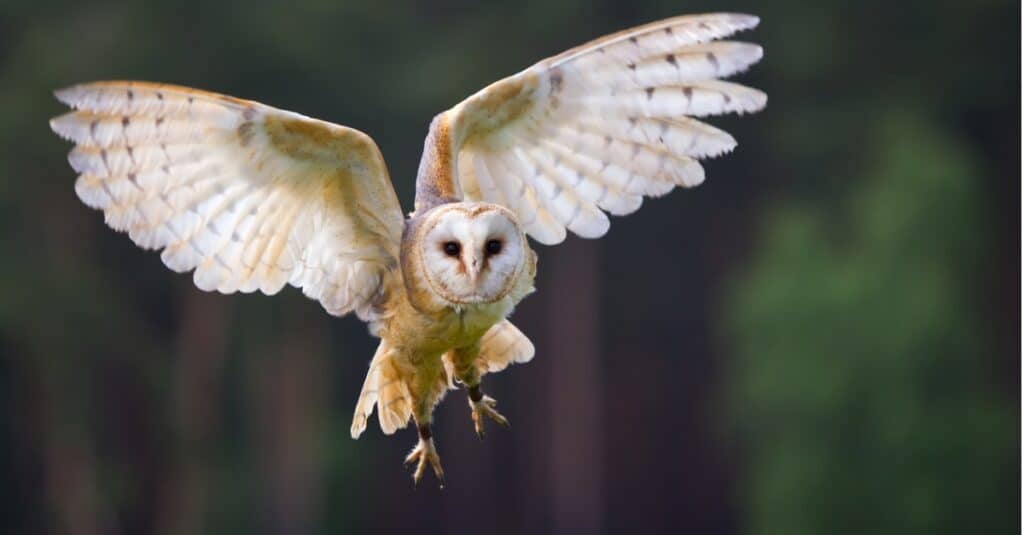
Tyto alba depend on quiet, abandoned farm buildings to safely nest and hunt, helping them survive in modern agricultural landscapes.
©iStock.com/M-Reinhardt
Little Brown Bats (Myotis lucifugus)
Little brown bats rely on dark, enclosed spaces for roosting and hibernation. Abandoned buildings, tunnels, and mines often provide conditions similar to natural caves. Stable temperatures and limited airflow help bats conserve energy during rest and winter dormancy. During warmer months, females may form maternity colonies in attics or roof spaces. At dusk, bats emerge to feed on flying insects that gather near vegetation, standing water, or artificial lights. Little brown bat populations have suffered severe declines across much of North America due to white-nose syndrome, a fungal disease. Although some local recoveries have been observed, the species remains threatened, and conservation efforts continue as of 2025. While disease and habitat loss have reduced populations in many regions, protected ruins can still serve as important shelters when access is controlled and disturbance is minimized.
Urban Foxes (Vulpes vulpes)
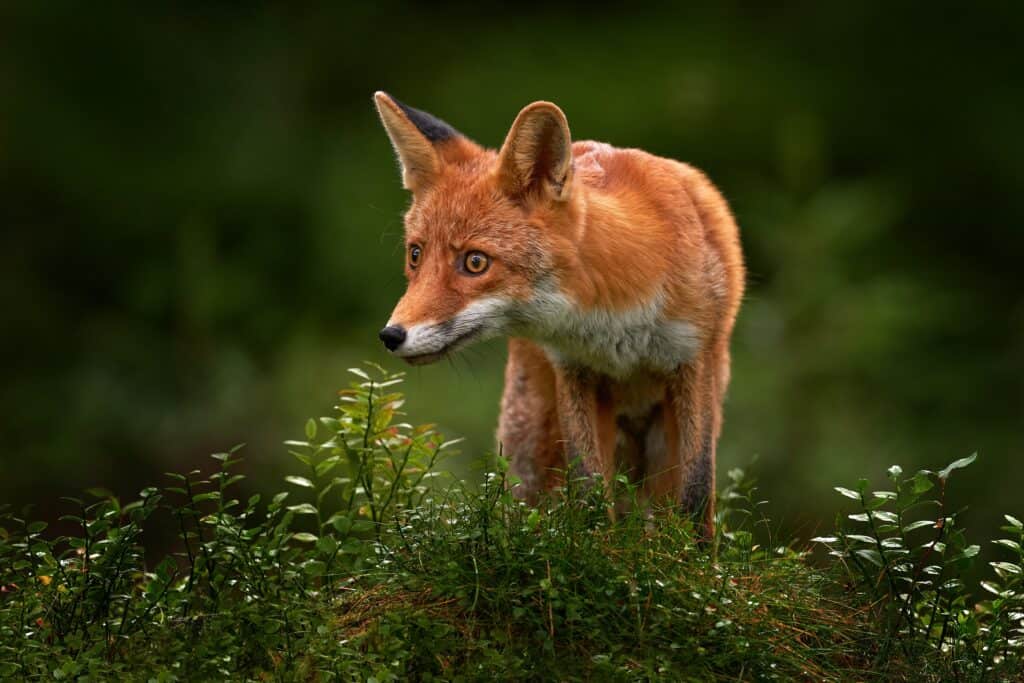
Abandoned districts allow Vulpes to rest, hunt, and scavenge safely, showing how quickly they adapt when human activity decreases.
©Ondrej Prosicky/Shutterstock.com
Foxes thrive in environments shaped by human activity, including abandoned districts. Vacant lots and derelict structures provide cover for resting and denning. Foxes may shelter under concrete slabs, inside collapsed sheds, or in overgrown drainage systems. These animals hunt rodents and insects, and they also scavenge discarded food. In places where entire neighborhoods have emptied, foxes often become more visible. They move confidently along streets and rail lines that once carried steady traffic. Their presence highlights how quickly mid-sized predators can adapt when human pressure decreases, even if natural habitats are not restored.
Feral Pigeons (Columba livia domestica)
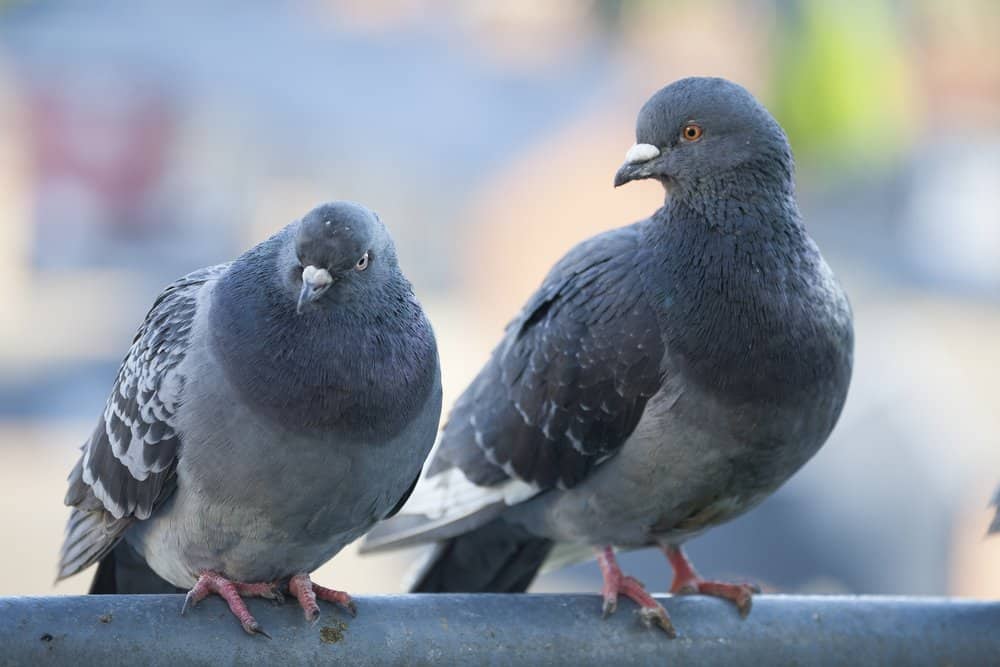
Columba livia domestica uses abandoned buildings and urban ledges to nest safely, feed, and support small urban ecosystems.
©Julie A Lynch/Shutterstock.com
Feral pigeons descend from domesticated rock doves and retain their ancestors’ preference for ledges and sheltered crevices. Tall buildings and bridges mimic cliff faces, while abandoned structures add nesting options. Broken windows, beams, and balconies provide safe platforms above ground predators. Reduced human activity can make these sites more stable for breeding. Pigeons feed on seeds, food scraps, and small invertebrates found nearby. Their droppings support insects and fungi, which in turn attract other scavengers. In this way, pigeons help drive nutrient cycling within neglected structures and contribute to the small ecosystems that develop around them.
Insects, Spiders, and Other Tiny Tenants
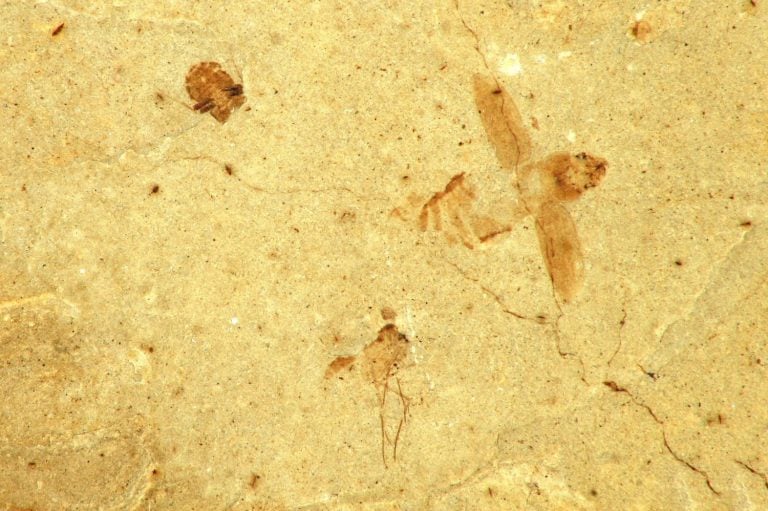
Invertebrates are often the first organisms to occupy abandoned sites. Cracks in concrete collect organic debris and moisture, allowing algae, fungi, and small plants to grow. Herbivorous insects feed on this plant matter, while predators such as spiders and beetles follow. Standing water in basements, barrels, or clogged drains supports aquatic larvae. Dry walls and exposed beams may shelter wasps or solitary bees. These small species form the base of food webs that later support birds, bats, and mammals. Their activity also changes soil composition and airflow, slowly reshaping the physical environment of the site.
Plants as Quiet Engineers
Plants play a major role in transforming abandoned structures into new habitats. Roots widen cracks in pavement and masonry, accelerating decay while creating space for soil. Grasses and shrubs stabilize loose ground and reduce erosion. Leaf litter builds organic layers that retain moisture and nutrients.

Fallen leaves and plants help break down abandoned structures, enriching soil and supporting new growth.
Over time, this process softens hard surfaces and creates conditions that are more favorable for additional plant growth. While this transformation can damage structures, it also supports biodiversity. In some cases, rare or stress-tolerant plant species find refuge in these harsh environments, especially where the surrounding land is intensively managed or paved.
Limits of Rewilding in Ruins
Abandoned sites do not replace intact ecosystems. Many species that depend on large territories, clean water, or specific plant communities cannot survive in ruins. Pollution, unstable structures, and isolation limit the value of these habitats. Some species that thrive in abandoned areas can also outcompete more sensitive species, potentially reducing biodiversity. Understanding these limits is important for realistic conservation planning. While ruins offer opportunities, they are not a cure-all for habitat loss. Their role is best understood as part of a broader landscape that includes protected natural areas and managed green spaces.
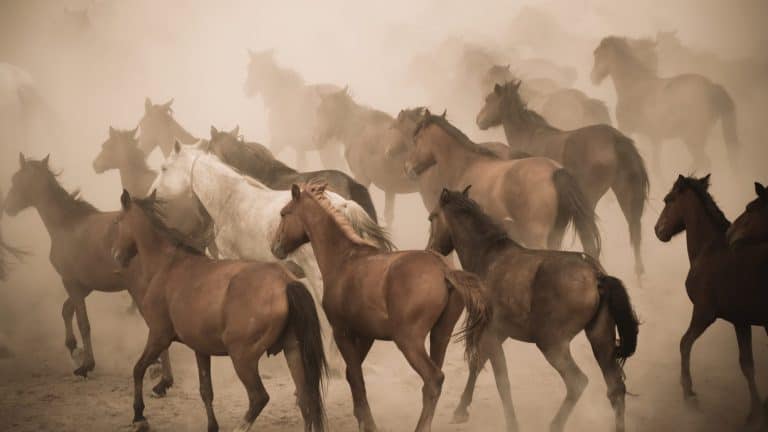
The Chernobyl Exclusion Zone, established after the 1986 nuclear accident, offers a striking example of the mixed wildlife response to human absence. While many animal populations initially increased after people left, recent research shows that chronic radiation exposure has led to genetic damage, impaired health, and, in some cases, smaller population sizes or reduced reproductive success in certain species. Wolves, deer, boars, and numerous bird species still occupy forests, fields, and abandoned villages, but the long-term effects of radiation remain a significant concern.
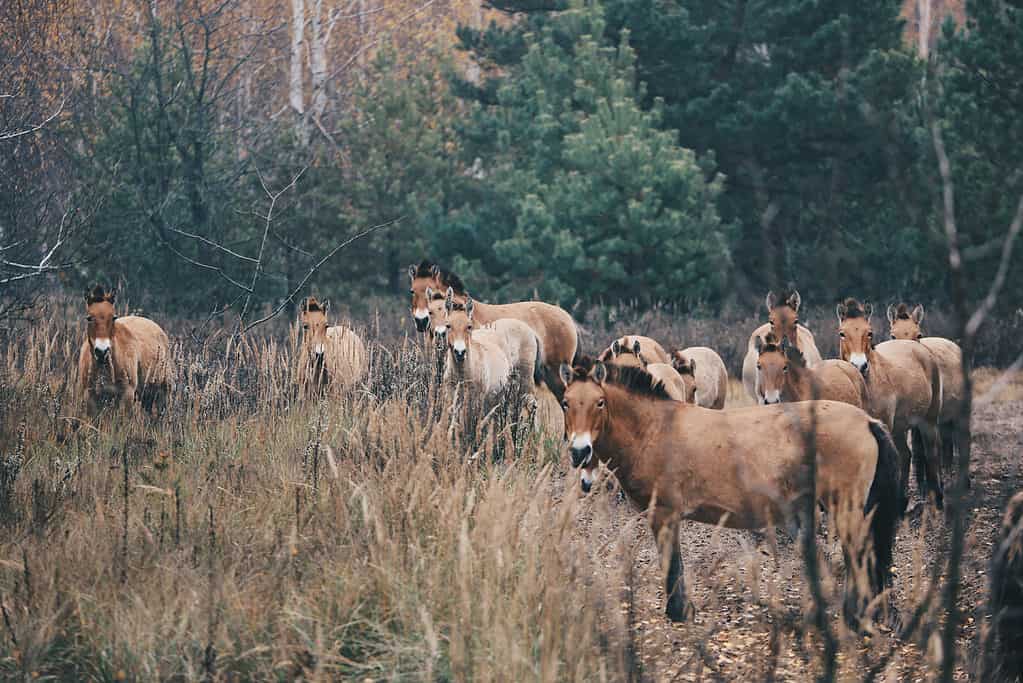
Wild horses now roam in the radioactive Chernobyl Exclusion Zone.
©Kate Siomkina/Shutterstock.com
Rethinking “Wastelands”
Post-industrial sites and empty buildings challenge the idea that unused land lacks value. These places often support surprising levels of life, especially where development has fragmented natural habitats. Recognizing this potential can influence urban planning and conservation strategies. Protecting bat roosts, allowing natural vegetation to grow, or providing safe public access can increase the ecological benefits of these spaces. Abandoned spaces show that nature adapts quickly and persistently. Rather than waiting for ideal conditions, life uses what is available. In doing so, it reminds us that recovery and renewal often begin in places that appear forgotten.