
Quick Take
- Winning Crufts requires adhering to visual benchmarks that fundamentally prioritize aesthetic traits over biological health.
- Mandatory veterinary checks are now required at Crufts to filter out champions exhibiting extreme physical distress.
- A growing tension in the dog breeding industry surrounds the ethics of selecting for increasingly extreme physical traits.
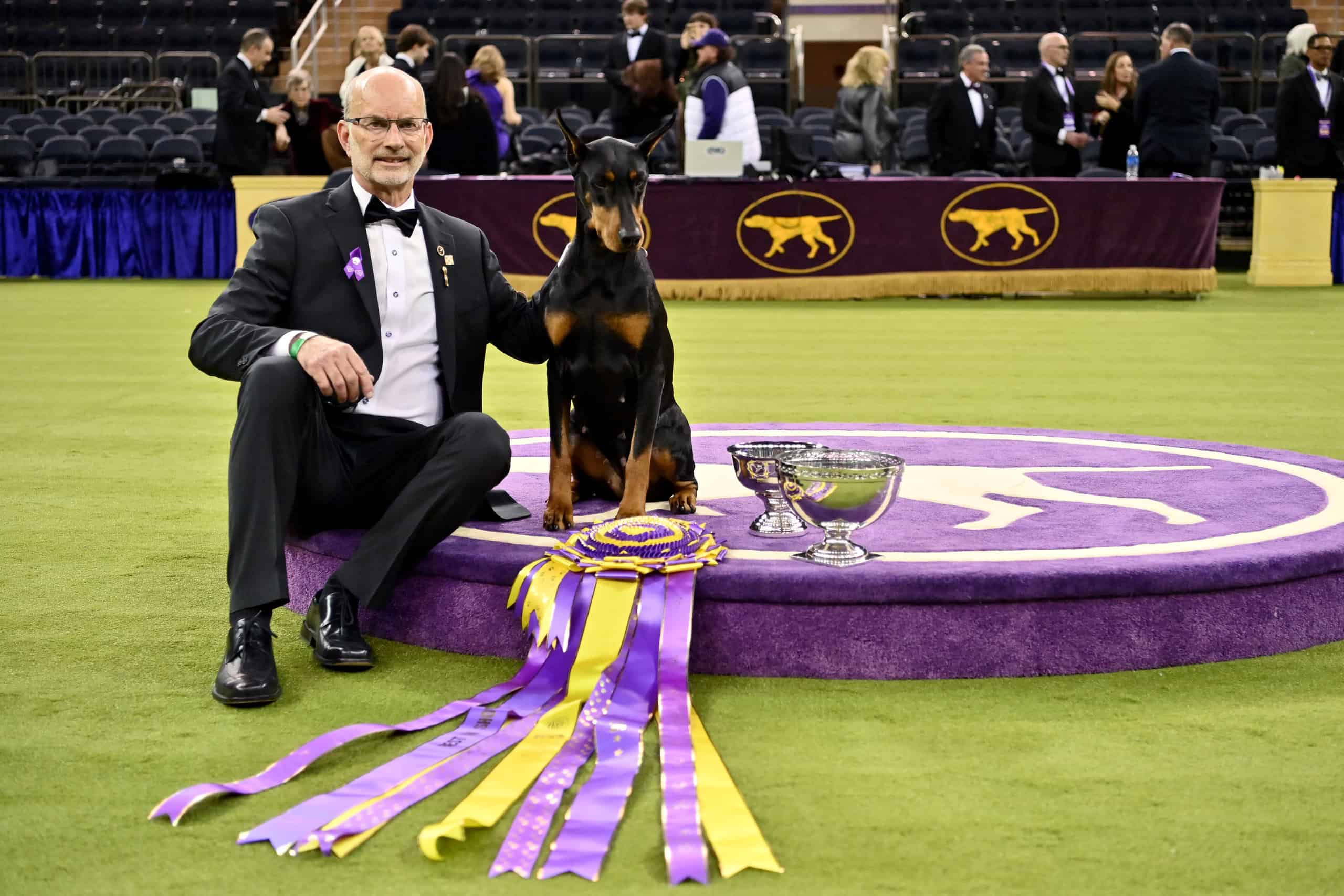
Even if you’re not an ardent member of the scene, you probably heard about the Westminster Dog Show in the last few weeks. It’s one of the biggest dog shows of the year, rivaled only by the Crufts Dog Show. Crufts is an international dog show held in the United Kingdom each year since 1891. Organized by The Kennel Club, Crufts is the largest show of its kind in the world. With its scheduled March 5th kickoff at NEC Birmingham, both excitement and a certain uncomfortable shadow can be felt in the air. That’s because events like Crufts highlight the growing ethical quandaries surrounding extreme dog breeding.
What was once an industry focused on function has shifted toward forms that are increasingly exaggerated and distorted. This pursuit of perfection in dog dimensions has driven breeders to select for increasingly superlative traits. In fact, even the Royal Kennel Club is feeling the heat.
In response to this canine genetic arms race, the Royal Kennel Club recently launched the “Breeding for Health Framework.” It’s an initiative intended to ensure that a breeder’s dimensional preferences don’t preclude a dog from leading a healthy, functional life. Let’s take a closer look at the genetic health crisis in pedigree dogs and how animal welfare advocates are pushing for change.
New Era, New Regulation
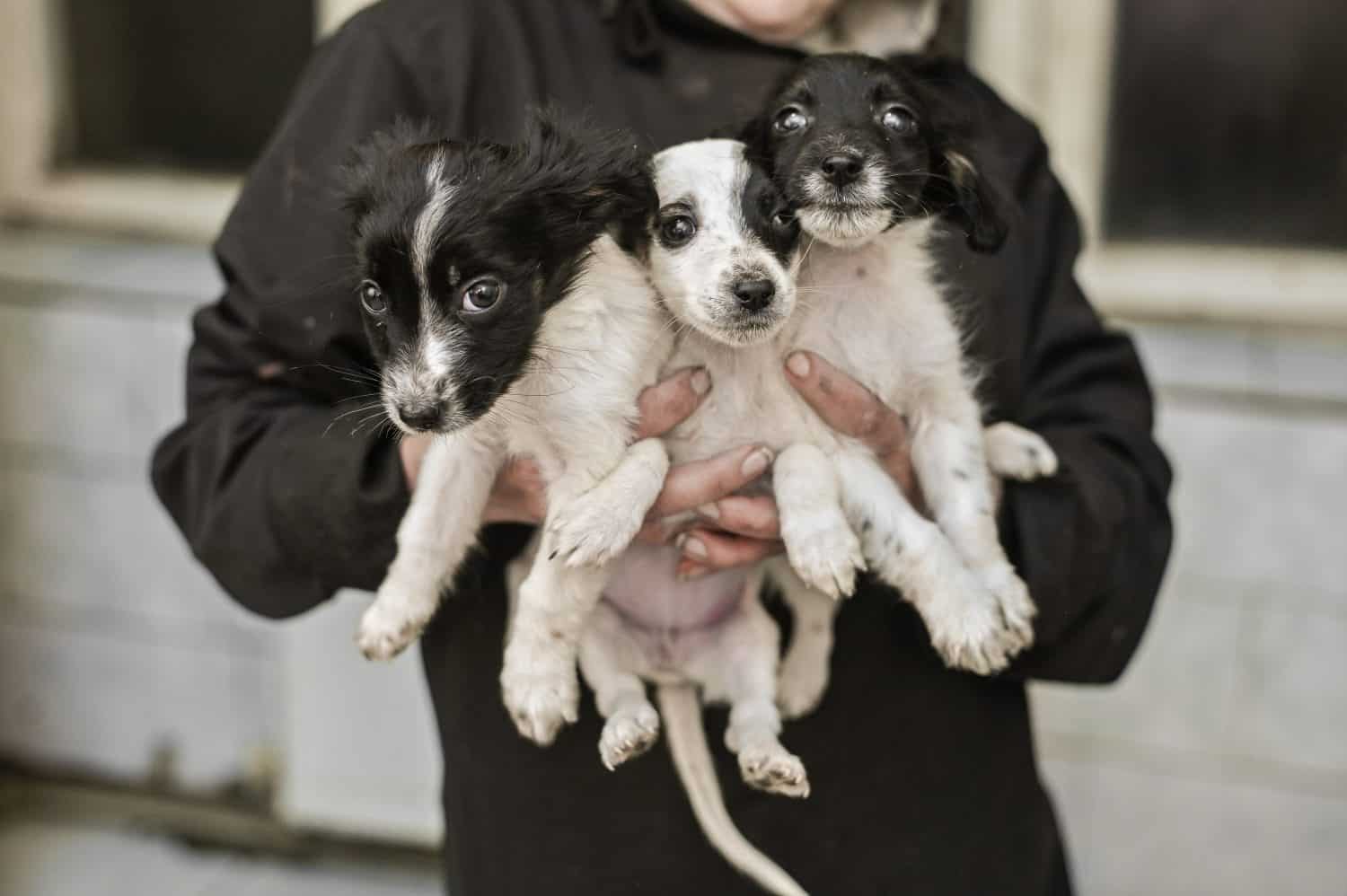
The Royal Kennel Club recently announced the Innate Health Assessment, a top-to-bottom evaluation of dog breed health.
©ja-aljona/Shutterstock.com
Certain dog breeds have grown larger and stronger with each successive generation. Other breeds have been reduced until they are no bigger than a teacup. Each of these directions speaks to an unquenchable urge in dog breeding circles to select for extremes. For decades, kennel clubs and other dog organizations practically encouraged this genetic intensity.
In early 2026, however, the Royal Kennel Club (RKC) and the Associate Parliamentary Group for Animal Welfare (APGAW) announced a collaboration: the Innate Health Assessment (IHA). Designed to provide a top-to-bottom evaluation of a dog’s health, the Innate Health Assessment is intended as a voluntary tool to encourage a shift back towards functional health in breeding.
It’s a radical move, especially in an industry that has grown very comfortable breeding dogs to their physiological limits. Perhaps to ensure enforcement, the Royal Kennel Club has announced the development of a mandatory testing process for certain breeds, with implementation beginning in 2026. This process aims to identify and reduce the prevalence of severe genetic disorders in breeding populations. It’s a welcome shift after years of traditional breeding standards functioning with little scientific oversight.
Extreme Conformation
Even a cursory glance at social media can illustrate the growing problems with dog breeding. Many breeders seek “extreme conformation” or selection of exaggerated physical traits. Such preferences, solidified through lucrative financial returns, result in once-functional traits for working dogs mutating into sometimes life-threatening deformities.
These traits can be most prominently seen with breeds like pugs, British Bulldogs, and French Bulldogs. These breeds are usually brachycephalic, which means flat-faced. Dogs with extremely flat faces live, on average, 1.5 years less than dogs with normal facial structures. Breeds like pugs and bulldogs often suffer from Brachycephalic Obstructive Airway Syndrome (BOAS).
Even beyond flat faces, many dog breeds endure increasing physiological distortions in the name of a luxury pedigree. Such traits may earn breeders awards, but they usually harm the dogs. These negative effects include skeletal issues, skin and neurological disorders, and broader genetic bottlenecks. Even when pedigree standards change, they still result in small pools of prize-winning dogs. This lack of genetic diversity leads to an increase in inherited diseases.
Tensions Remain
Reforms put forward by the Royal Kennel Club and other organizations are welcomed by some dog advocates. Others, however, say they aren’t enough to make a dent in the pedigree problem. Organizations like the RSPCA and PETA argue that these initiatives, such as the IHA, are too slow and self-regulated to create meaningful change. Instead, they are pushing for legislation akin to the “Puppy Protection Act” and other laws that attempt to regulate puppy mill pipelines and mandate better transparency when it comes to breed provenance.
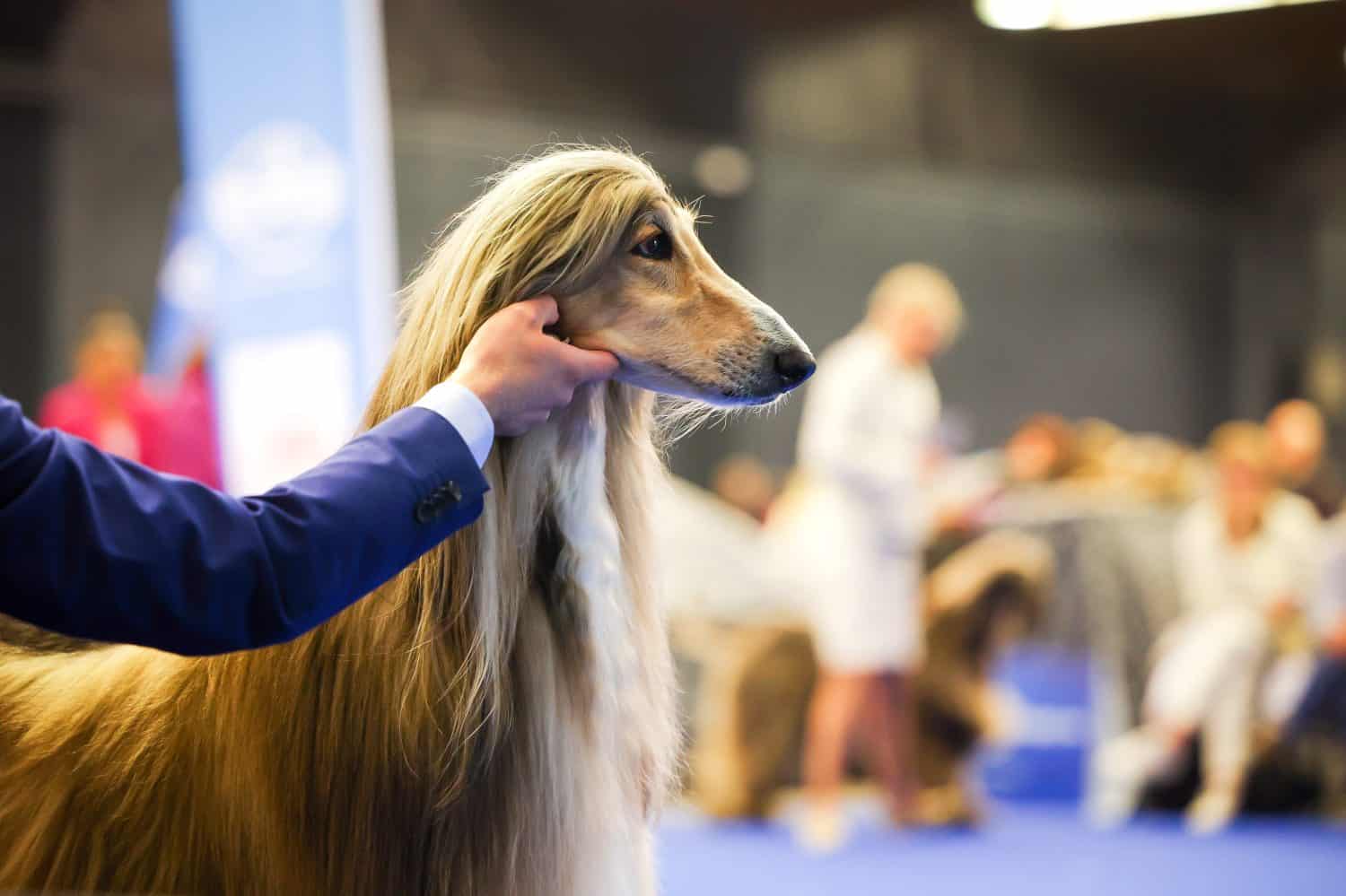
Despite some reforms and initiatives, critics say dog breeds will get more extreme so long as dog show judges award those traits.
©SubertT/Shutterstock.com
Even these more aggressive reforms of established pedigree practice are not enough, according to the most stringent critics. They argue that no amount of legislation will stop a show-ring culture where judges reward dogs with the most exaggerated features. In one sense, it’s true: any “Best in Show” ribbons awarded to breeds featuring extreme traits will necessitate breeders attempting to top said traits the following year. The hardest-line protesters believe that crossbreeding for health is the only way to save certain breeds from going extinct.
Back in 2018, a protester stormed the stage at the Crufts Dog Show. While the protester was quickly removed by security guards, the moment illustrates a tension brewing beneath the surface of the dog breeding industry. Only time will tell whether these tensions will be resolved through productive measures or escalate further.
.