

Quick Take
- German Shepherds and pit bull–type dogs differ in structure, behavior, and care needs, which affects daily life for owners.
- Training, exercise, and socialization play a major role in shaping behavior for both types.
- Health risks and grooming demands vary, with German Shepherds shedding more and pit bull types needing simpler coat care.
- Choosing the right dog depends on lifestyle, commitment, and individual temperament.
German Shepherds and pit bull–type dogs draw strong opinions from dog lovers and the general public. These breeds often appear in discussions about loyalty, strength, and training ability. Many people form quick judgments based on reputation rather than direct experience, which can lead to confusion when choosing a pet.
Each breed has distinct traits that affect daily life, training needs, and long-term care. While they share athletic builds and high energy levels, these dogs differ in structure, behavior patterns, and grooming demands. Understanding these differences helps potential owners match a dog to their lifestyle instead of relying on stereotypes.
A thoughtful comparison also highlights an important truth: Individual dogs vary widely within any breed or type. Personality, upbringing, and training shape behavior just as much as genetics. Looking beyond labels allows for a clearer and more practical decision when selecting a companion.
Physical Structure and Body Design
At a glance, these dogs present very different outlines. German Shepherds have a longer frame with a slightly sloped back and a balanced, forward moving gait. Their bodies support endurance tasks such as herding or patrol work. Males often stand around 24 to 26 inches at the shoulder, with females slightly smaller.
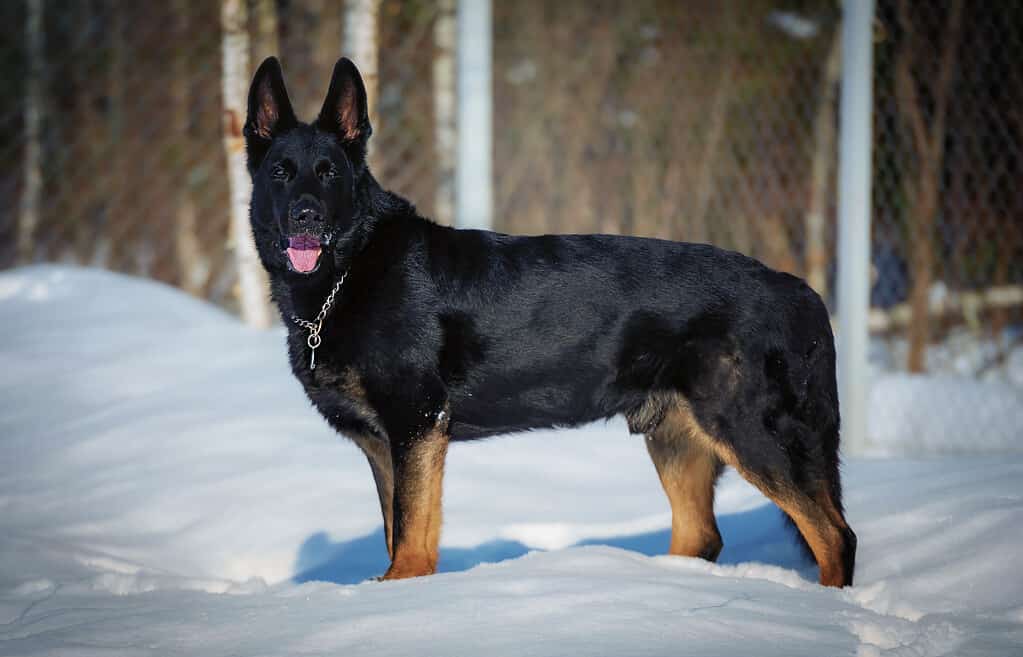
Adult German shepherds have a slightly sloped back.
©Sansargo/ via Getty Images
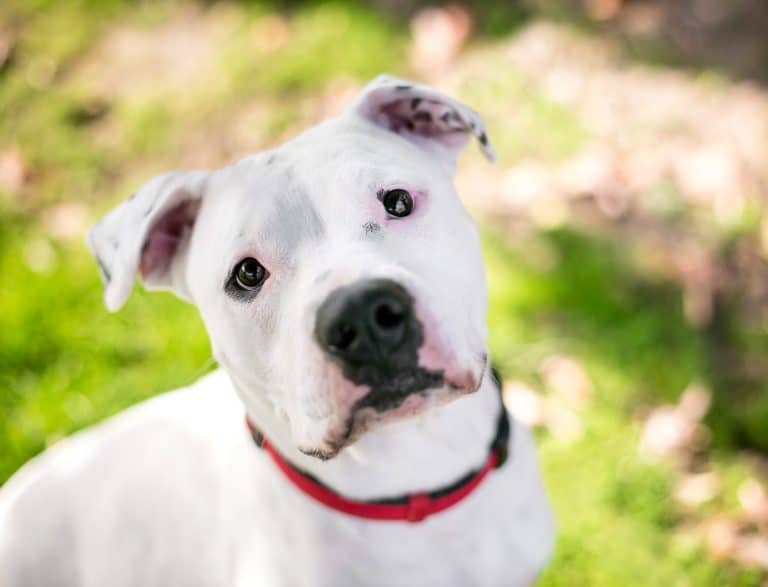
Pit bull–type dogs tend to have a more compact build. Their bodies show strong muscle development through the chest and shoulders, with a shorter back and a broad head. Most fall within a medium height range, often between 17 and 21 inches at the shoulder depending on the specific lineage.
These structural differences influence how each dog moves and works. German Shepherds excel in tasks that require sustained motion and coordination. Pit bull–type dogs often show explosive strength and agility in shorter bursts of activity.
Coat Type and Grooming Demands
Coat care varies significantly between these two dogs. German Shepherds have a dense double coat with a thick underlayer that sheds throughout the year. Seasonal shedding periods can produce large amounts of loose hair that require frequent brushing to manage. Regular grooming sessions help reduce buildup and keep the skin healthy. Many owners brush several times per week and increase that routine during heavy shedding seasons. Without consistent care, loose fur can collect quickly in the home.
Pit bull–type dogs have a short, smooth coat with minimal undercoat. This makes grooming simpler in daily life. Weekly brushing usually removes loose hair and helps maintain skin health. Occasional baths and routine nail and ear care complete the basic grooming routine. While their coat is easier to maintain, some pit bull–type dogs may experience skin sensitivity. Owners often choose mild shampoos and monitor for signs of irritation.
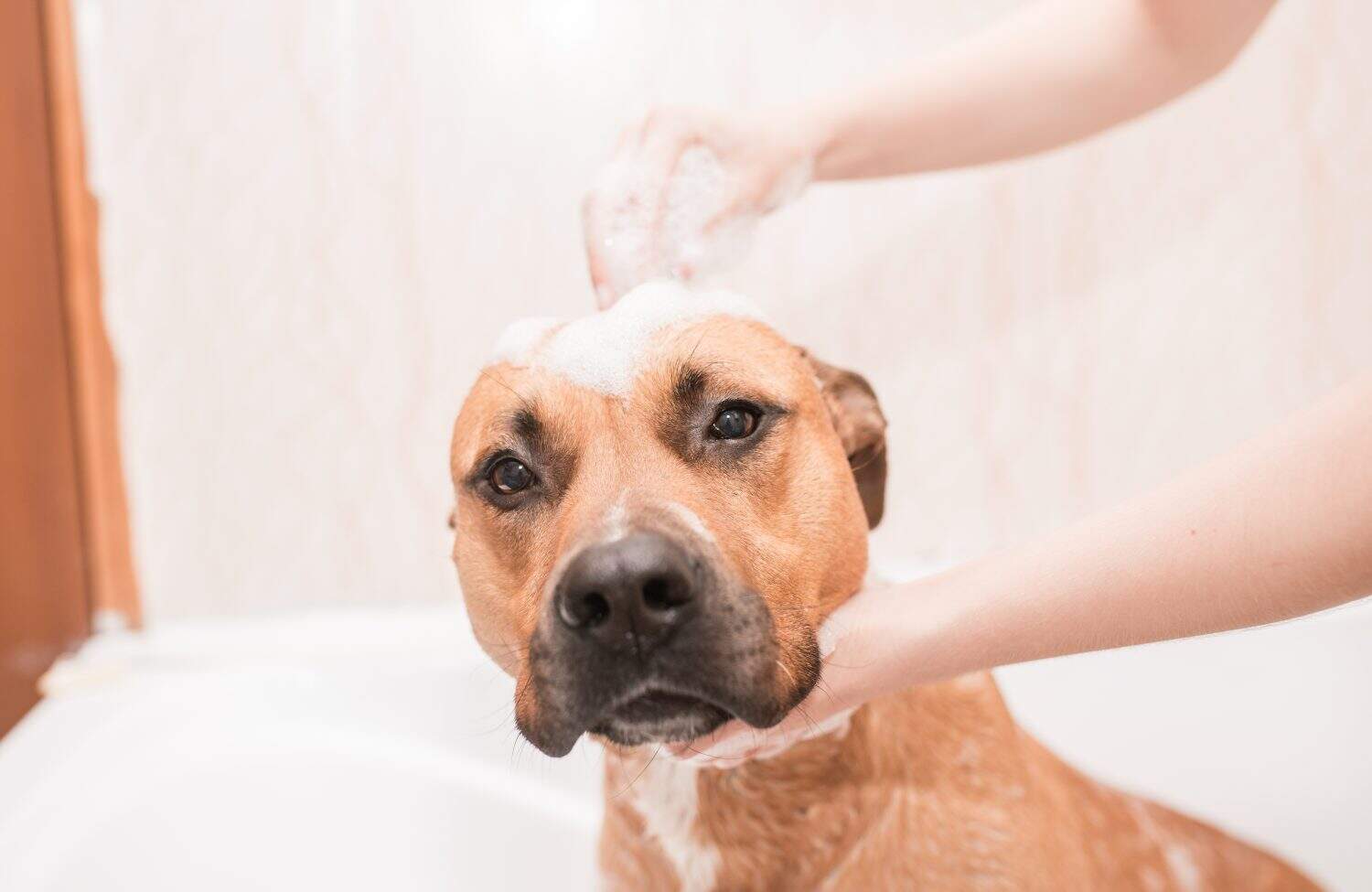
Pit bulls don’t shed as much as German shepherds, but they have sensitive skin and might require milder shampoo.
©Markik/Shutterstock.com
Temperament and Personality Traits
Temperament differences often stand out more than physical traits. German Shepherds are known for their focus, confidence, and protective instincts. They tend to form strong bonds with their families and may remain cautious around unfamiliar people. This natural alertness makes them effective working dogs in roles such as police service, search work, and assistance tasks. Their behavior reflects a strong drive to observe and respond to their environment. They can also become strongly attached to their owners, and without enough stimulation and routine, some may develop separation anxiety or stress behaviors when left alone for long periods.
Pit bull–type dogs are widely described by behavior professionals as people-oriented and affectionate. They often seek close contact with their families and enjoy interactive play. Many display a high level of enthusiasm and social engagement. While these general patterns exist, behavior depends heavily on training and environment. Early socialization and consistent guidance shape how any dog responds to new situations and unfamiliar people. They are also known for forming very strong bonds with their owners, which can sometimes lead to separation anxiety if they are left alone too often without proper training and gradual adjustment.
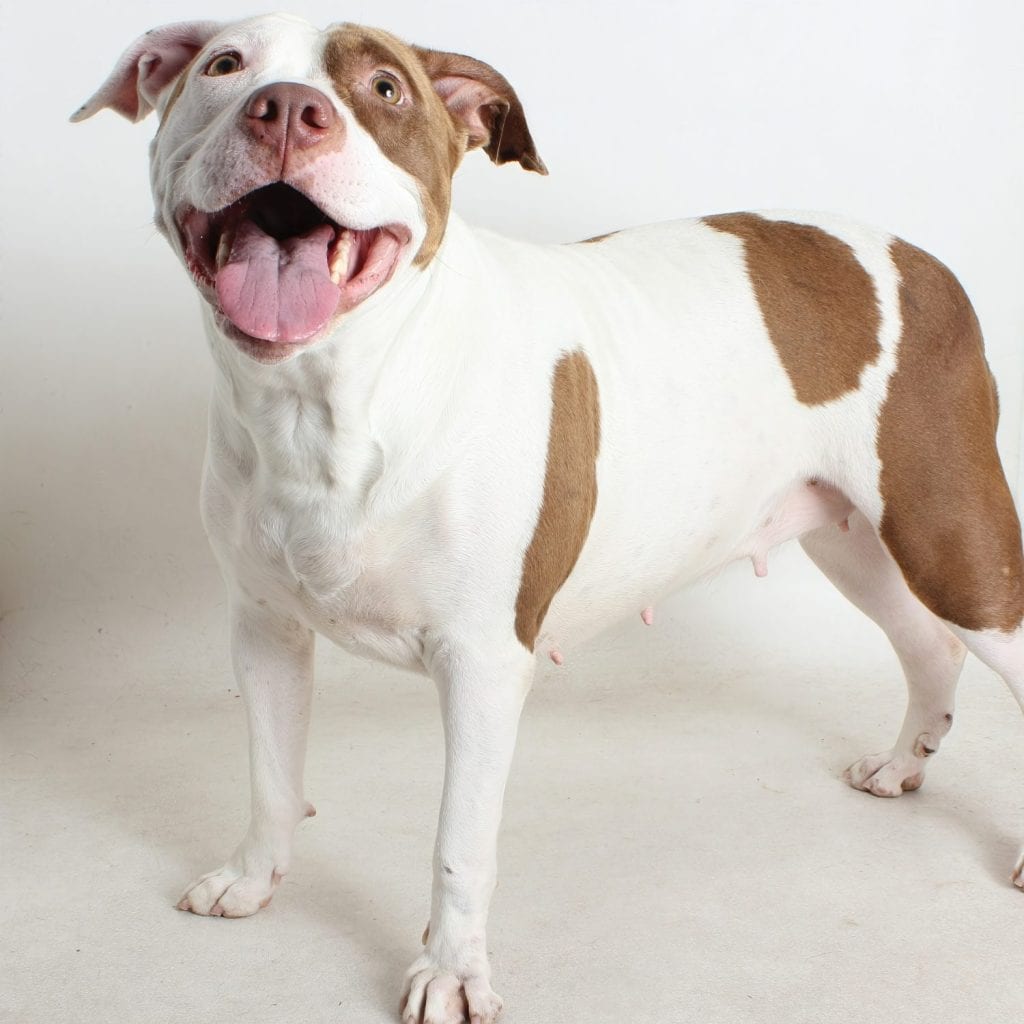
Despite their fearsome reputation, pit bulls are noted for being highly sociable and affectionate.
©Martens Coyotes/Shutterstock.com
Training Approach and Learning Style
German Shepherds often respond quickly to structured training. Their ability to focus and follow complex instructions makes them well suited for advanced obedience and task-based work. They benefit from clear expectations and regular mental challenges. Without enough stimulation, they may develop unwanted behaviors such as pacing or chewing. Training sessions that include problem solving tasks help maintain their engagement and satisfaction.
Pit bull–type dogs also respond well to training, particularly when it uses positive reinforcement. They tend to enjoy interaction with their owners and often show eagerness during reward-based exercises. Consistency plays a key role in guiding their behavior. Both types require early social exposure and ongoing training. Proper guidance helps them develop confidence and good manners in a wide range of environments.
Interaction With Other Pets
Compatibility with other animals varies widely for both types and depends heavily on early socialization and ongoing training. German Shepherds can live peacefully with other dogs or cats when raised together, but some may show a prey drive or territorial behavior if not properly introduced. Pit bull–type dogs also show a wide range of responses. Some do very well with other pets, while others may be more selective with unfamiliar dogs. Careful introductions, supervision, and consistent training play a key role in helping either type live successfully in a multi-pet household.
Exercise Needs and Daily Activity
High energy levels define both of these dogs, though their activity patterns differ slightly. German Shepherds often need structured exercise that combines physical movement with mental engagement. Long walks, training drills, and scent work provide useful outlets. Daily activity for adult German Shepherds typically ranges from 60 to 120 minutes, depending on the dog’s age and condition. Without sufficient exercise, they may become restless or destructive.
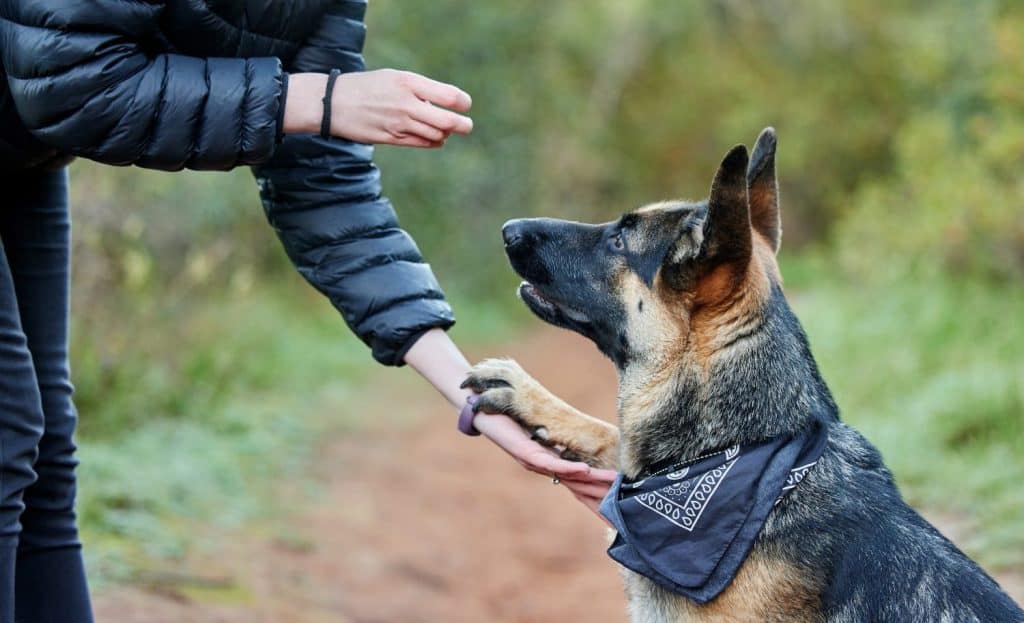
German shepherds require more than simply walks. They thrive best when they are given training drills to keep their minds and bodies active.
©PeopleImages.com – Yuri A/Shutterstock.com
Pit bull–type dogs also require regular physical activity. They thrive on active play, brisk walks, and games that involve strength and coordination. Many enjoy activities such as fetch or agility exercises. A consistent routine helps maintain their physical health and reduces excess energy. Owners who provide daily exercise and interaction often see calmer behavior at home.
Health Patterns and Lifespan
Health concerns vary between these dogs due to differences in genetics and body structure. German Shepherds face a higher risk of joint conditions such as hip and elbow dysplasia. Degenerative spinal issues can also appear in some lines. Their average lifespan is typically 7 to 10 years, though some may live up to 12 years. Maintaining a healthy weight and providing proper exercise can help reduce strain on joints and improve overall well-being.
Pit bull–type dogs often live longer, with an average lifespan ranging from 8 to 15 years. They may experience skin conditions, allergies, or certain inherited disorders depending on their background. Routine veterinary care plays a key role for both types. Regular checkups, vaccinations, and preventive treatments support long term health and early detection of medical issues.
Nutrition and Feeding Considerations
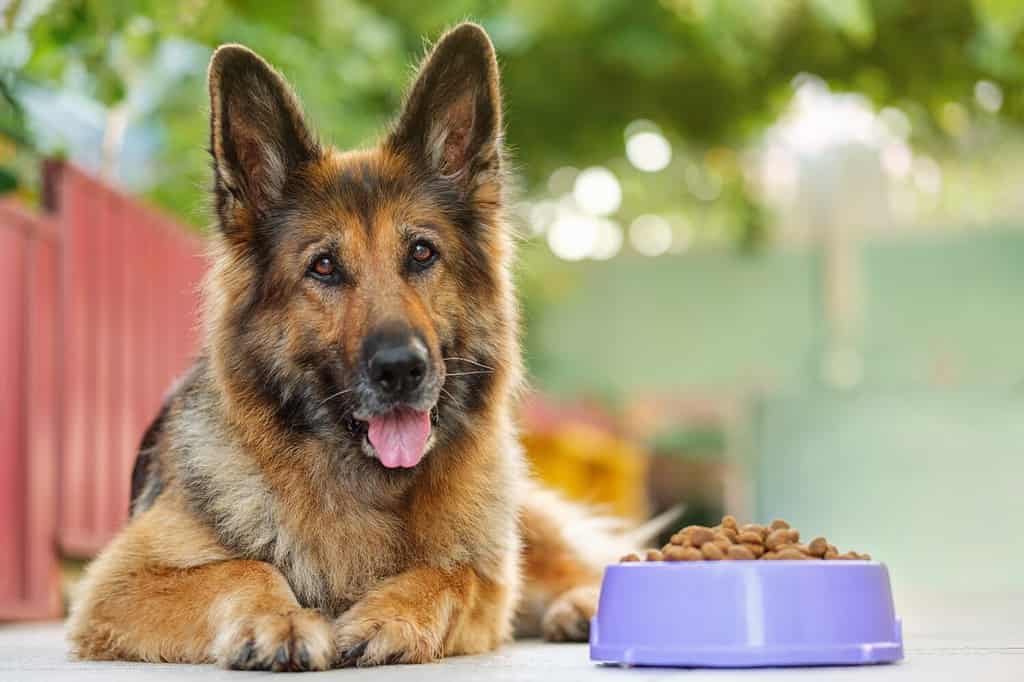
A balanced, healthy diet is essential for both breeds.
©Snezhana_G/Shutterstock.com
Balanced nutrition supports energy, muscle maintenance, and overall health. German Shepherds often benefit from diets that include nutrients for joint support and controlled calorie intake. Overfeeding can place extra stress on their joints. Measured meals help maintain a stable weight and reduce the risk of digestive issues. Owners often avoid intense activity immediately after feeding to lower the chance of stomach problems.
Pit bull–type dogs also require well balanced diets suited to their size and activity level. Their muscular build benefits from adequate protein and controlled calorie intake. Fresh water and consistent feeding schedules remain essential. Treats should be given in moderation for both types. Monitoring intake helps prevent weight gain and supports long term health.
Living Environment and Family Fit
Home environment plays a major role in determining which dog may be a better match. German Shepherds often thrive with active owners who can dedicate time to training and structured activity. They benefit from clear routines and consistent interaction. They can live in a variety of settings, though access to outdoor space and regular exercise remains important. Their size and strength require supervision around children, especially during early training stages.
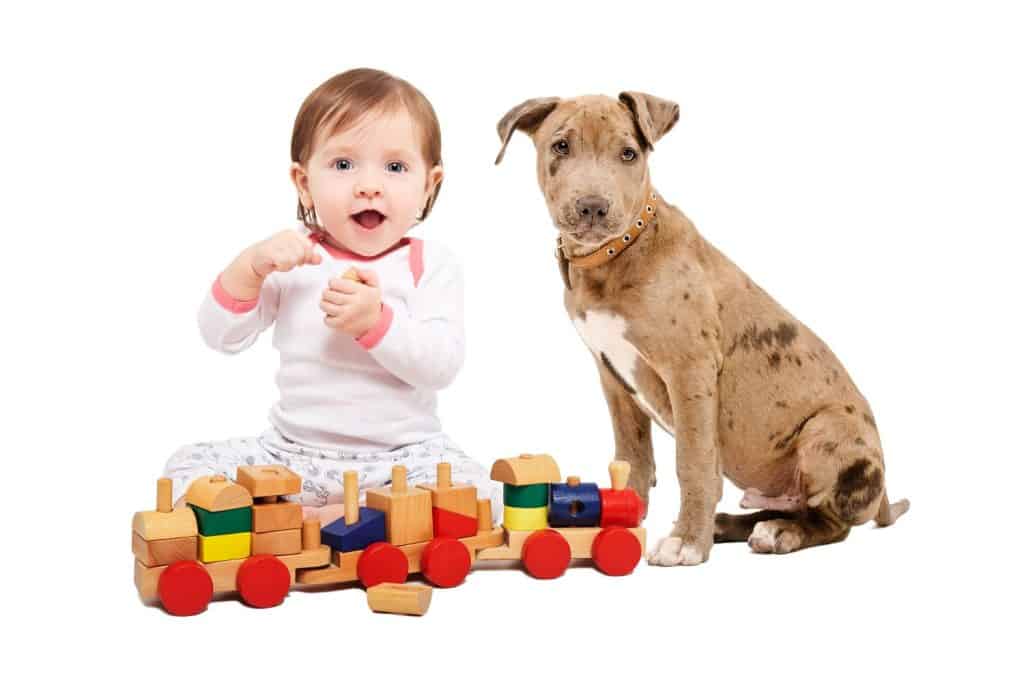
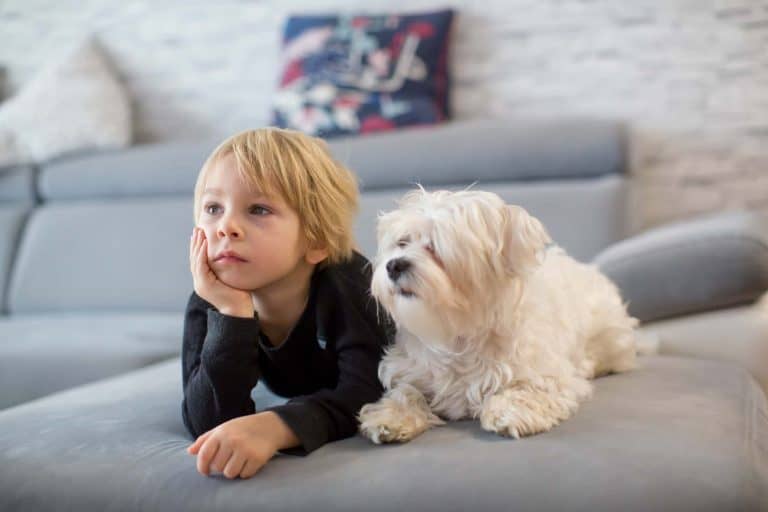
The presence of small children in the house is a significant consideration when choosing a dog.
©Sonsedska Yuliia/Shutterstock.com
Pit bull–type dogs often adapt well to indoor living as long as they receive enough daily exercise. Many are known for being affectionate and people focused, and with proper training and early socialization, they can be safe and gentle around children. However, like any strong dog, they require supervision during interactions with kids, especially younger pups, to ensure safe and respectful behavior on both sides. Their social nature makes them well suited for families who enjoy close interaction with their pets. A secure environment, regular activity, and consistent training create a stable setting for either type. The quality of care and attention has a greater impact than the size of the home.
Choosing Between a Rescue and a Puppy From a Breeder
Choosing between a rescue dog and a puppy often comes down to predictability versus unknown history. Rescue dogs can be wonderful companions, and many adjust quickly to new homes, but their past is not always clear. Some may arrive with strong habits, fear responses, or gaps in training that require patience and consistency to work through. Puppies, by contrast, offer a more controlled starting point. Owners shape behavior from the beginning, which can make it easier to build routines, social skills, and boundaries that fit the household.
With strong, high-energy dogs, this difference can matter more. A well-raised puppy allows a family to guide behavior step by step, which can feel more manageable for homes with children or limited training experience. A rescue dog can still be a great fit, especially one that has been evaluated in foster care or already shows stable behavior, but it may require more time, structure, and confidence from the owner. The best choice depends on how much time and experience a household can realistically offer, along with a clear plan to meet the dog’s needs from day one.
The Right Match for You
In the end, the choice between a German Shepherd and a pit bull–type dog is not about picking a “better” breed, but about choosing the right fit for your life. German Shepherds often suit owners who want structure, training, and a working partner, while pit bull–type dogs tend to thrive with close, social interaction and steady guidance. Both can become loyal, steady companions when their needs are met. The real difference comes down to your time, experience, and willingness to invest in training, exercise, and consistent care over the long run.